
Cupric acetate monohydrate
Daten werden ergänzt – lade die Seite später neu, um den aktuellen Stand zu sehen

Grundinformationen
- CAS
6046-93-1- Standard-SMILES
CC(=O)[O-].CC(=O)[O-].O.[Cu+2]- InChIKey
NWFNSTOSIVLCJA-UHFFFAOYSA-L- Summenformel
- C4H8CuO5
- Durchschnittliche Molmasse
- 199,65 g/mol
- Monoisotopische Masse
- 198,96677086
Überblick
See also: Copper (II) acetate, monohydrate (annotation moved to); Copper di(acetate) hydrate (annotation moved to).
Namen und Bezeichner
- Bevorzugter Name
- Cupric acetate monohydrate
- IUPAC
- copper;diacetate;hydrate
- Englischer Name
- Copper (II) acetate monohydrate
- Summenformel
- C4H8CuO5
- Molmasse
- 199.65
Namen und Synonyme
Copper(II) acetate monohydrateCupric acetate monohydrateCopper(2+) acetate, monohydrate39J9V52S86DTXSID90209202RefChem:580026DTXCID701316936046-93-1Copper(II) acetate hydratecopper acetate monohydrate66923-66-8Copper (II) Acetate Monohydrate
Weitere Namen anzeigen
COPPER ACETATECuAcCu(OAc)2·H2O205-553-3CopperdiacetatemonohydrateVERDIGRIS
Copper diacetate monohydrateAcetic acid, copper(2+) salt, monohydratecopper;diacetate;hydrateC4H8CuO5Copper(II) acetate xhydrateCopper (II) acetate hydrateCopper(II)acetate monohydratecopper acetate hydrate
Datenbank-Bezeichner
- CAS
6046-93-1- PubChem CID
- 165397
- DTXSID
DTXSID90209202- UNII
- 39J9V52S86
- EC Number
- 611-978-9
Eigenschaften
Berechnete StruktureigenschaftenWird ergänzt
- Polarare Oberfläche (TPSA)
- 81,3 Ų
- H-Brücken-Donoren
- 1
- H-Brücken-Akzeptoren
- 5
- Frei drehbare Bindungen
- 0
- Schwere Atome
- 10
- Formalladung
- 0
- Komplexität
- 25,5
Experimentelle und physikochemische Eigenschaften
Chemical ClassesMetals -> Organic Acids, Metal Salts
Melting Point115 °C
Physical DescriptionDark green solid; [Merck Index] Blue-green odorless powder; [Alfa Aesar MSDS]
Physikochemische Eigenschaften
- Schmelzpunkt
- 115 °C · 115 °C
- Siedepunkt
- 240 °C · 240 °C
- Dichte
- 1.88 · 1.88
- Dampfdichte
- 6.9 · 6.9 (vs air)
- storage temp.
- 5 °C · Store at +5°C to +30°C.
- Löslichkeit
- 72 g/l · 72g/l
- Aggregatzustand
- Solid
- Farbe
- Dark Green
- Wichte
- 1.882 · 1.882
- PH
- 5.2 · 5.2-5.5 (20g/l, H2O, 20℃)
- Geruch (Odor)
- Slight acetic acid odor
Sicherheit und Regulatorisches
Sicherheitsangaben dienen nur zur Orientierung und ersetzen weder das Sicherheitsdatenblatt (SDB) des Lieferanten noch geltende Vorschriften oder eine fachliche Bewertung.
GHS-Klassifizierung
GHS Classification
Danger
H302 (100%): Harmful if swallowed [Warning Acute toxicity, oral]
P260, P261, P264, P264+P265, P270, P271, P273, P280, P301+P317, P301+P330+P331, P302+P352, P302+P361+P354, P304+P340, P305+P351+P338, P305+P354+P338, P316, P317, P319, P321, P330, P332+P317, P337+P317, P362+P364, P363, P391, P403+P233, P405, and P501 (click each P-code to see the statement)
Aggregated GHS information provided per 235 reports by companies from 16 notifications to the ECHA C&L Inventory. Each notification may be associated with multiple companies.
Warning
H302: Harmful if swallowed [Warning Acute toxicity, oral]
Gefahrenhinweise
Regulatory Information
Chemical: Acetic acid, copper(2+) salt, monohydrate
Regulation (EC) No 1831/2003 (amended)
Other Safety InformationIMAP assessments - Acetic acid, copper(2+) salt, monohydrate: Human health tier I assessment
Hazards SummaryA skin and strong eye irritant; Harmful by ingestion; [Alfa Aesar MSDS] See Copper(II) acetate.
Hazard Classes and Categories
Acute Tox. 4 (100%)
Acute toxicity (Oral) - Category 4
Sicherheit und Schutzausrüstung
Exposure Control and Personal Protection0.01 [mg/m3], respirable fraction (Cu, inorganic cmpnds)[German Research Foundation (DFG)]
Chemie und Industrie
Verwendung und Herstellung
Uses
Used to make Paris Green and Fehling's reagent, as a fungicide, catalyst, ceramic pigment, and in textile dyeing; [Merck Index]
Farming (Pesticides) [Category: Industry]
Darstellung
synthetischeCopper(II) acetate monohydrate can easily be produced by the reaction of acetic acid solutions with copper(II) carbonate or copper(II) hydroxide or by the reaction of copper(II) oxide with hot acetic acid. Large-scale commercial production uses copper metal in the presence of air and refluxing acetic acid. Copper(II) acetate monohydrate is used as a catalyst in the polymerization of organic materials and as a mordant in the dying of textiles. It is also used as a ceramic pigment and as a fungicide.
Vor- und nachgelagerte Produkte
Vorgelagerte Rohstoffe
Nachgelagerte Produkte
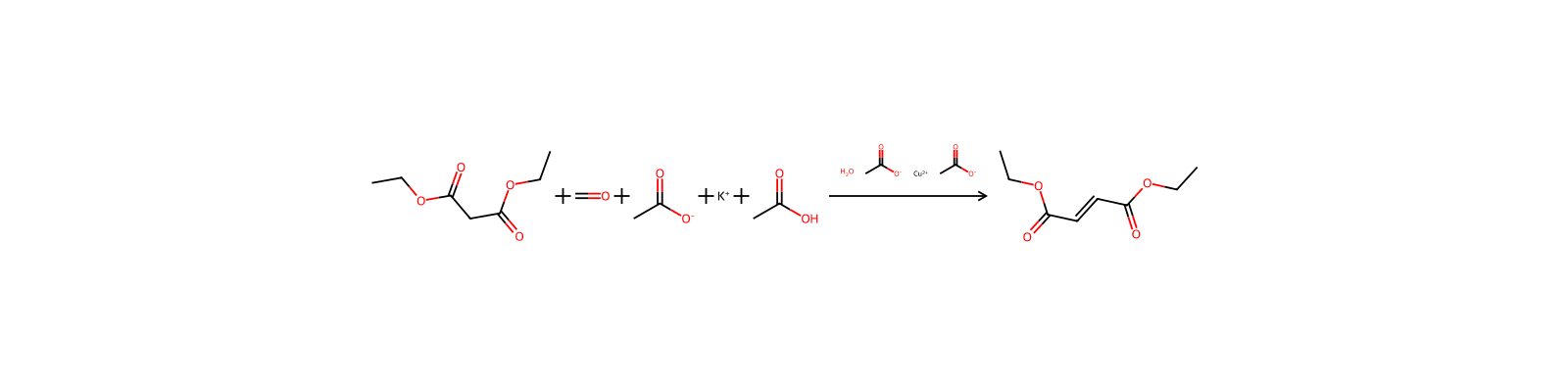
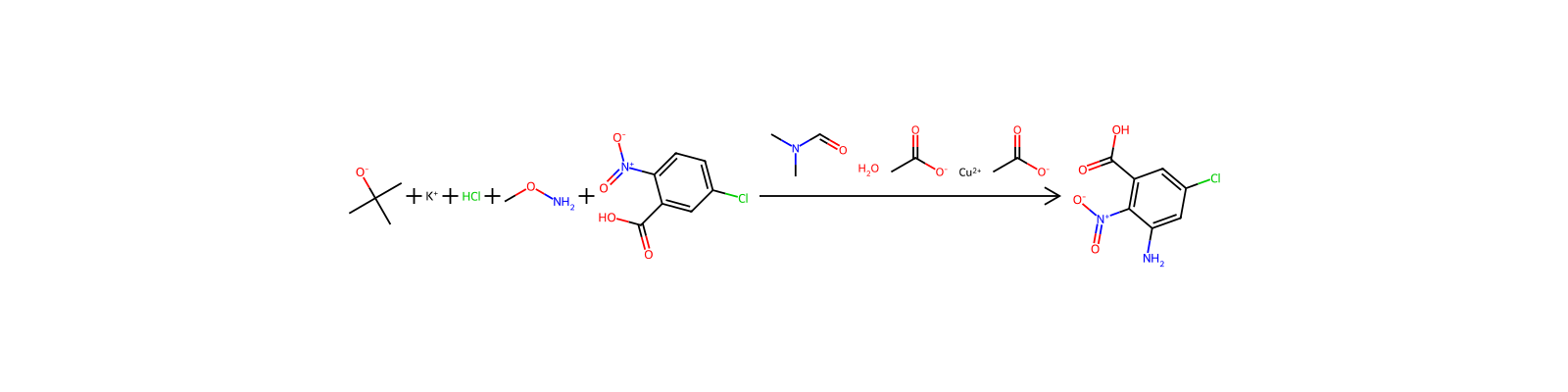
Zugehörige Reaktionen
144




Notizen zur Verbindung
Wird geladen…