Palladiumacetat
palladium(II) acetate
Daten werden ergänzt – lade die Seite später neu, um den aktuellen Stand zu sehen

Grundinformationen
- CAS
19807-27-3- Standard-SMILES
CC(=O)[O-].CC(=O)[O-].[Pd+2]- InChIKey
YJVFFLUZDVXJQI-UHFFFAOYSA-L- Summenformel
- C4H6O4Pd
- Durchschnittliche Molmasse
- 224,51 g/mol
- Monoisotopische Masse
- 223,93009467
Überblick
Palladium acetate is a chemical compound of palladium. It is used as a catalyst for many organic reactions and as a precursor to other palladium(II) compounds. Palladium is a chemical element with the chemical symbol Pd and an atomic number of 46. It is found as a free metal alloyed with gold and other platinum group metals and in the rare minerals cooperite and polarite. (L794, L804)
Namen und Bezeichner
- Bevorzugter Name
- palladium(II) acetate
- IUPAC
- palladium(2+) diacetate
- Lokaler Name
- Palladiumacetat
- Englischer Name
- palladium acetate
- Summenformel
- C2H4O2.xPd
- Molmasse
- 0
Namen und Synonyme
Palladium(II) acetate3375-31-3Palladium diacetateDiacetatopalladiumDiacetoxypalladiumBis(acetato)palladiumBisacetylpalladiumPalladous acetatePalladium(2+) acetatePd(OAc)2Acetic acid palladium saltAcetic acid, palladium salt
Weitere Namen anzeigen
Einecs 243-333-9Acetic acid, palladium salt (1:)
0LTG3460Y5DTXSID10890575(ACETYLOXY)PALLADIO ACETATERefChem:169636DTXCID601030789222-164-4243-333-9Palladium acetate
Datenbank-Bezeichner
- CAS
19807-27-3、3375-31-3- PubChem CID
- 167845
- DTXSID
DTXSID10890575- UNII
- 0LTG3460Y5
- EC Number
- 222-164-4、243-333-9
- Nikkaji
- J10.642I
Eigenschaften
Berechnete StruktureigenschaftenWird ergänzt
- Polarare Oberfläche (TPSA)
- 80,3 Ų
- H-Brücken-Donoren
- 0
- H-Brücken-Akzeptoren
- 4
- Frei drehbare Bindungen
- 0
- Schwere Atome
- 9
- Formalladung
- 0
- Komplexität
- 25,5
Experimentelle und physikochemische Eigenschaften
Chemical ClassesMetals -> Organic Acids, Metal Salts
Physical DescriptionReddish-brown solid; Insoluble in water; [Hawley] Powder; [MSDSonline]
Physikochemische Eigenschaften
- Schmelzpunkt
- 205 ° · 205° (dec)
- EPA chemische Informationen
- Acetic acid, palladium salt (19807-27-3)
Sicherheit und Regulatorisches
Sicherheitsangaben dienen nur zur Orientierung und ersetzen weder das Sicherheitsdatenblatt (SDB) des Lieferanten noch geltende Vorschriften oder eine fachliche Bewertung.
GHS-Klassifizierung
GHS Classification
Danger
H302 (11.3%): Harmful if swallowed [Warning Acute toxicity, oral]
P261, P264, P264+P265, P270, P272, P273, P280, P301+P317, P302+P352, P305+P354+P338, P317, P321, P330, P333+P317, P362+P364, P391, and P501 (click each P-code to see the statement)
Aggregated GHS information provided per 265 reports by companies from 18 notifications to the ECHA C&L Inventory. Each notification may be associated with multiple companies.
Gefahrenhinweise
Regulatory Information
Chemical: Acetic acid, palladium(2+) salt
Status: Active Update: 21-02-2022 https://echa.europa.eu/registration-dossier/-/registered-dossier/17957
Palladium (II) acetate: Does not have an individual approval but may be used under an appropriate group standard
Other Safety InformationIMAP assessments - Acetic acid, palladium(2+) salt: Environment tier I assessment
Hazards SummaryCorrosive to eyes; [eChemPortal: ERMA] An irritant; May cause serious injury to eyes; [MSDSonline]
Hazard Classes and CategoriesAcute Tox. 4 (11.3%)
Toxikologische Informationen
Health EffectsContact with palladium may cause palladium sensitivity and allergy. Animal studies have shown that palladium may damage the liver and kidney. (L798)
Toxicity Summary
Chemie und Industrie
Pharmakologische Informationen
Metabolism/Metabolites
Palladium may be absorbed through oral, dermal, and inhalation exposure. Once in the body it distributes to the kidney, liver, spleen, lymph nodes, adrenal gland, lung and bone. Palladium's ability to form complexes allows it the bind to amino acids, proteins, DNA, and other macromolecules. Palladium and its metabolites are excreted in the urine and faeces. (A21)
Verwendung und Herstellung
Uses
Used as a catalyst in organic chemistry; [Hawley]
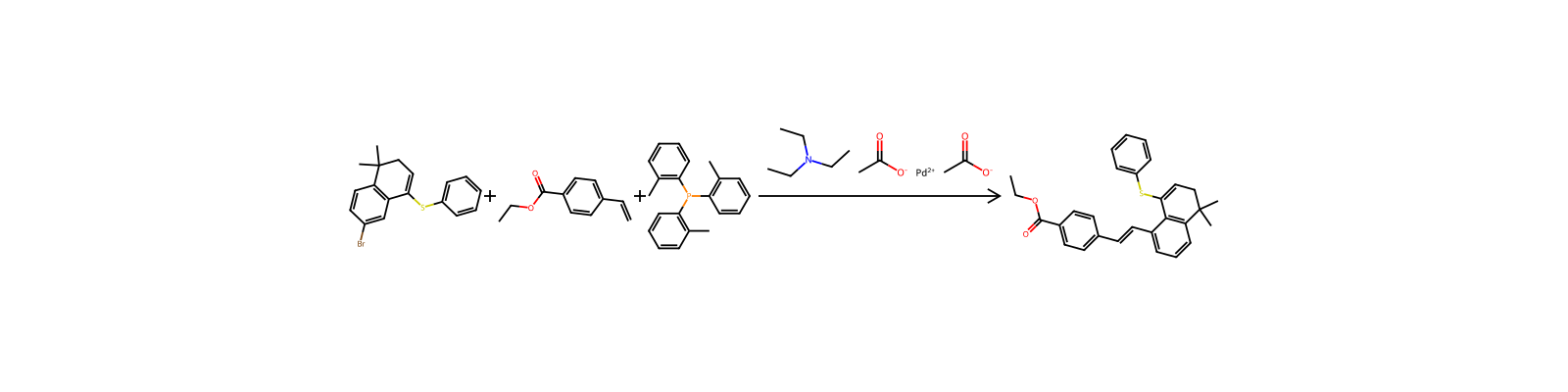
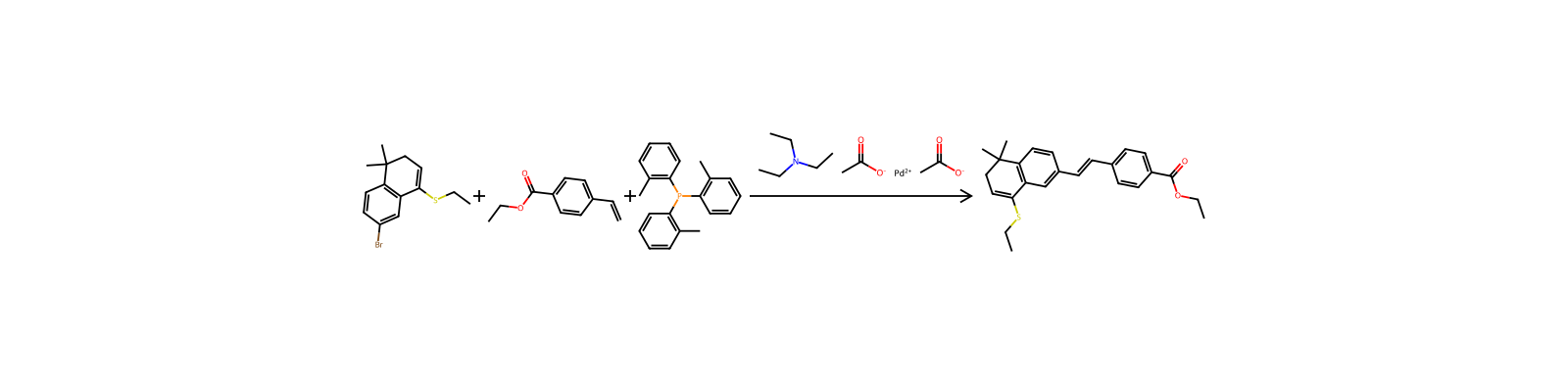
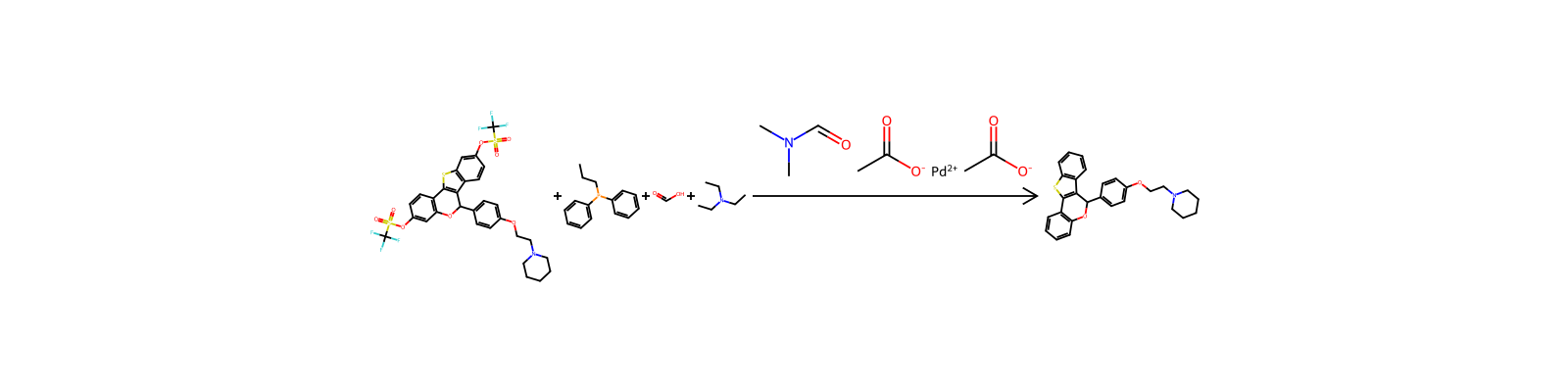
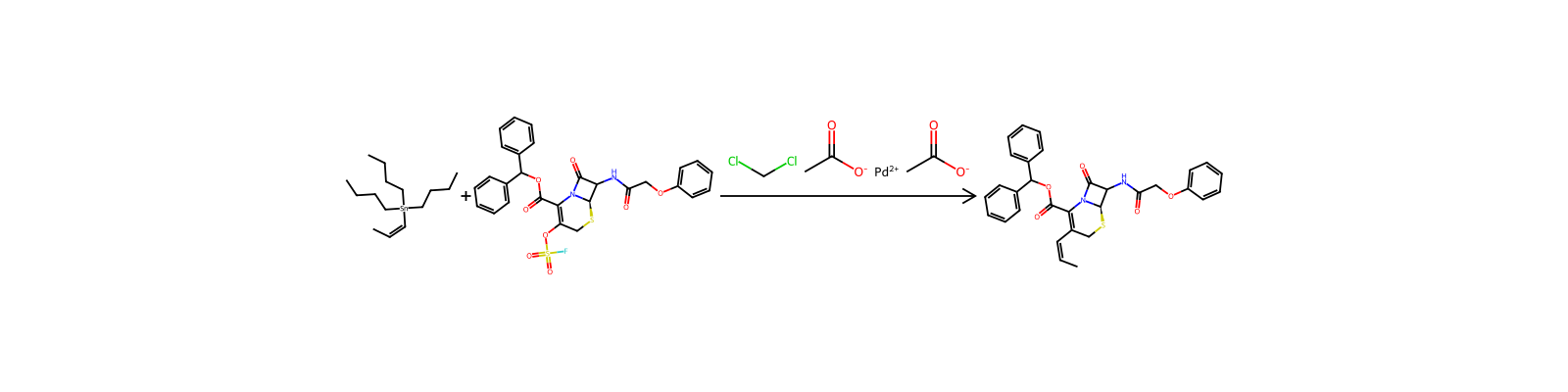
Palladium acetate is used as a catalyst for many organic reactions and as a precursor to other palladium(II) compounds. (L804)
General Manufacturing Information
Acetic acid, palladium(2+) salt (2:1): ACTIVE
Acetic acid, palladium salt (1:?): INACTIVE
Anwendungen
VerwendenCatalyst.
Zugehörige Reaktionen
29.821




Notizen zur Verbindung
Wird geladen…