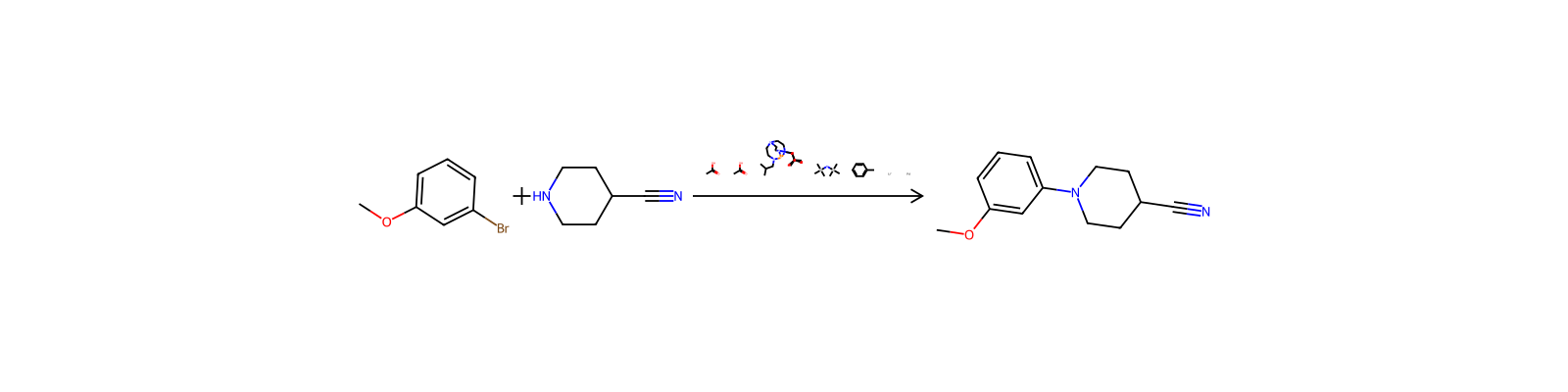
3-Bromoanisole
Grundinformationen
- CAS
2398-37-0- Standard-SMILES
COc1cccc(Br)c1- InChIKey
PLDWAJLZAAHOGG-UHFFFAOYSA-N- Summenformel
- C7.H7.Br. O
- Durchschnittliche Molmasse
- 187,03 g/mol
- Monoisotopische Masse
- 185,96803
Namen und Bezeichner
- Bevorzugter Name
- 3-Bromoanisole
- IUPAC
- 1-bromo-3-methoxybenzene
- Englischer Name
- 3-Bromoanisole
- Summenformel
- C7H7BrO
- Molmasse
- 187.03
Namen und Synonyme
3-Bromoanisole2398-37-01-BROMO-3-METHOXYBENZENEm-Bromoanisole3-MethoxybromobenzeneBenzene, 1-bromo-3-methoxy-m-BromomethoxybenzeneAnisole, m-bromo-m-Methoxybromobenzene3-Methoxy-1-bromobenzenem-Bromophenyl methyl etherDTXSID4044618
Weitere Namen anzeigen
META BROMO ANISOLE3-Methoxyphenyl bromideM-Bro3-BROMO ANISOL5-bromoanisole
NSC 822937ZO6TY38WYNSC-822931Bromo3methoxybenzeneEINECS 219-264-5DTXCID2024618mBromoanisoleAnisole, mbromo
Datenbank-Bezeichner
- CAS
2398-37-0- PubChem CID
- 16971
- DTXSID
DTXSID4044618- ChEMBL
CHEMBL3182998- UNII
- 7ZO6TY38WY
- EC Number
- 219-264-5
- Nikkaji
- J12.874K
Eigenschaften
Berechnete Struktureigenschaften
- XLogP
- 3
- Polarare Oberfläche (TPSA)
- 9,2 Ų
- H-Brücken-Donoren
- 0
- H-Brücken-Akzeptoren
- 1
- Frei drehbare Bindungen
- 1
- Schwere Atome
- 9
- Formalladung
- 0
- Komplexität
- 85
Experimentelle und physikochemische Eigenschaften
Chemical ClassesOther Classes -> Halogenated Anisoles
SpringerMaterials Properties13C nuclear magnetic resonance spectrum
LogP3.23
Density1.49 @25 °C
Boiling Point211 °C @760 [mm Hg]
Vapor Pressure0.28 [mmHg]
Physical DescriptionClear light yellow liquid; [Sigma-Aldrich MSDS]
Physikochemische Eigenschaften
- Schmelzpunkt
- 2 °C · 2 °C
- Siedepunkt
- 210 · 210-211 °C(lit.)
- Dichte
- 1.49 g/mL · 1.490 g/mL at 20 °C
- Dampfdruck
- 38.39 Pa · 38.39Pa at 25℃
Sicherheit und Regulatorisches
Sicherheitsangaben dienen nur zur Orientierung und ersetzen weder das Sicherheitsdatenblatt (SDB) des Lieferanten noch geltende Vorschriften oder eine fachliche Bewertung.
GHS-Klassifizierung
GHS Classification
This chemical does not meet GHS hazard criteria for 9.4% (5 of 53) of reports.
Warning
H315 (26.4%): Causes skin irritation [Warning Skin corrosion/irritation]
P261, P264, P264+P265, P271, P273, P280, P302+P352, P304+P340, P305+P351+P338, P319, P321, P332+P317, P337+P317, P362+P364, P403+P233, P405, and P501 (click each P-code to see the statement)
Aggregated GHS information provided per 53 reports by companies from 10 notifications to the ECHA C&L Inventory. Each notification may be associated with multiple companies.
Gefahrenhinweise
Regulatory Information
REACH registered substance: 3-bromoanisole (EC: 219-264-5)
3-Bromoanisole: Does not have an individual approval but may be used under an appropriate group standard
Hazards SummaryMay cause irritation; [Sigma-Aldrich MSDS] See Anisole. See 4-Bromoanisole.
Hazard Classes and CategoriesSkin Irrit. 2 (26.4%)
Sicherheit und Schutzausrüstung
Protective Action Criteria (PAC)
12 [mg/m3]
130 [mg/m3]
790 [mg/m3]
Sicherheitsdaten
- F
- 8
- wgk
- 3
- tsca
- TSCA listed
- hs_code
Chemie und Industrie
Verwendung und Herstellung
General Manufacturing InformationBenzene, 1-bromo-3-methoxy-: ACTIVE
Anwendungen
Verwenden3-Bromoanisole used in chemical reaction as intermediates to obtain target materials such as dyes, pharmaceuticals, perfumes, photoinitiators and agrochemicals.
Darstellung
synthetische3-Bromoanisole is synthesized through a reaction between m-bromophenol and dimethyl sulfate. The synthesis method involves the following steps:Dissolve m-bromophenol in a sodium hydroxide solution.Slowly add dimethyl sulfate dropwise to the solution while stirring.Heat the mixture and allow it to react for 1 hour.Cool the reaction mixture to separate the colorless oil formed.Extract the water layer with ether.Dry the ether extract and then distill it to recover the ether.Distill the residue obtained after recovering the ether, along with the colorless oil, under reduced pressure.This distillation process results in the production of m-bromoanisole as the final product.The overall yield of m-bromoanisole achieved through this process is 90%.
Vor- und nachgelagerte Produkte
Vorgelagerte Rohstoffe
Zugehörige Reaktionen
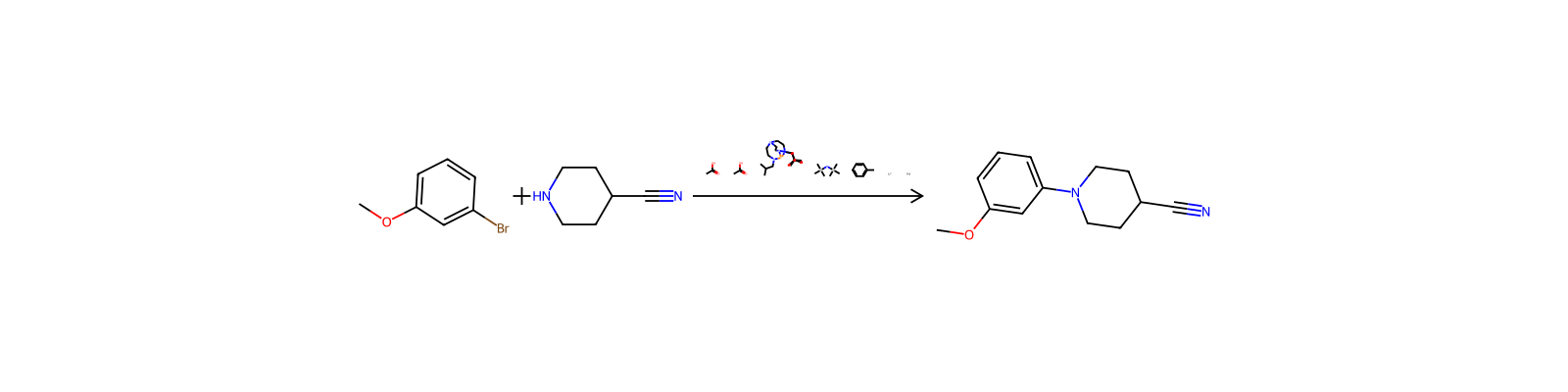
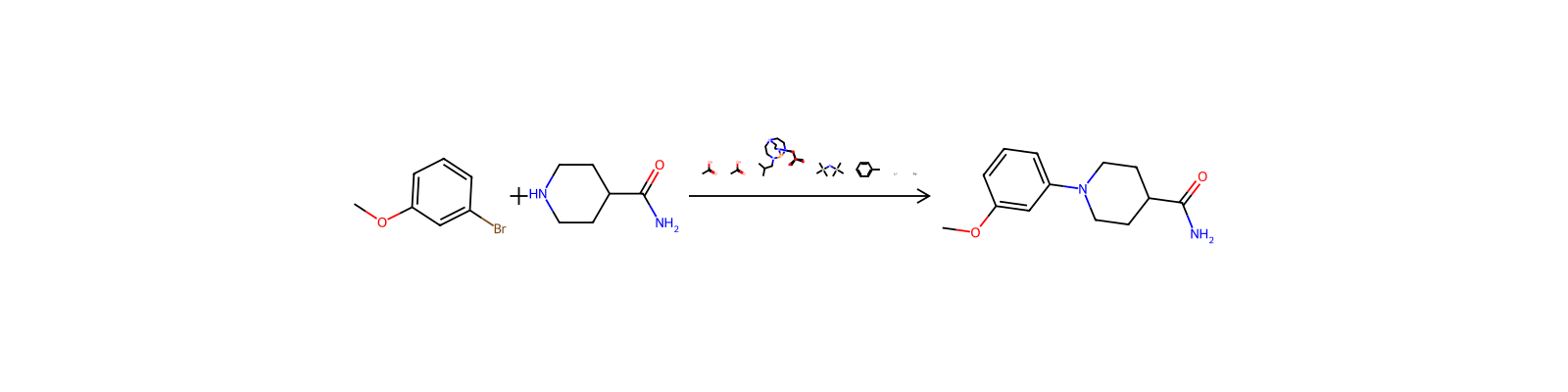
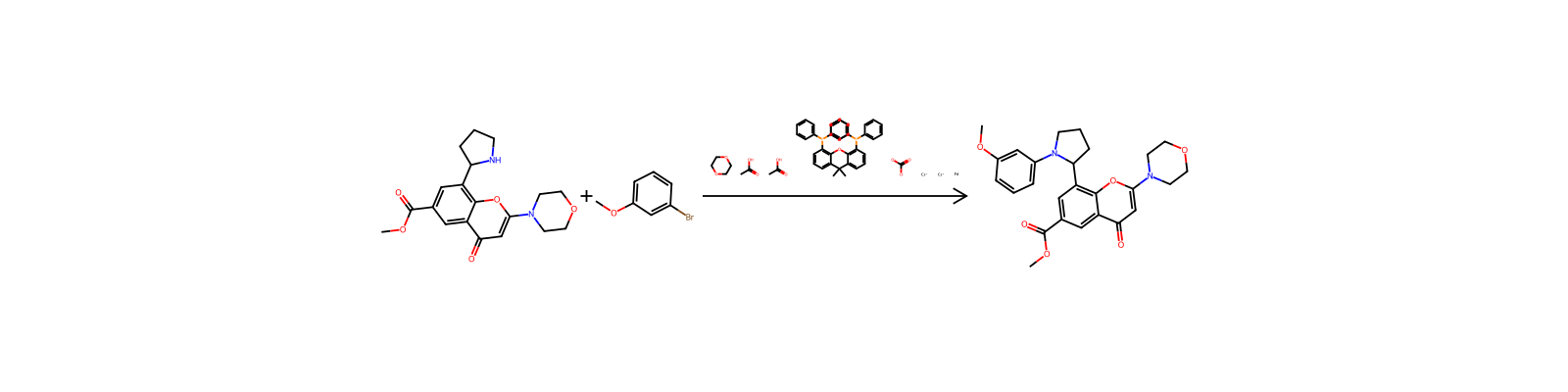
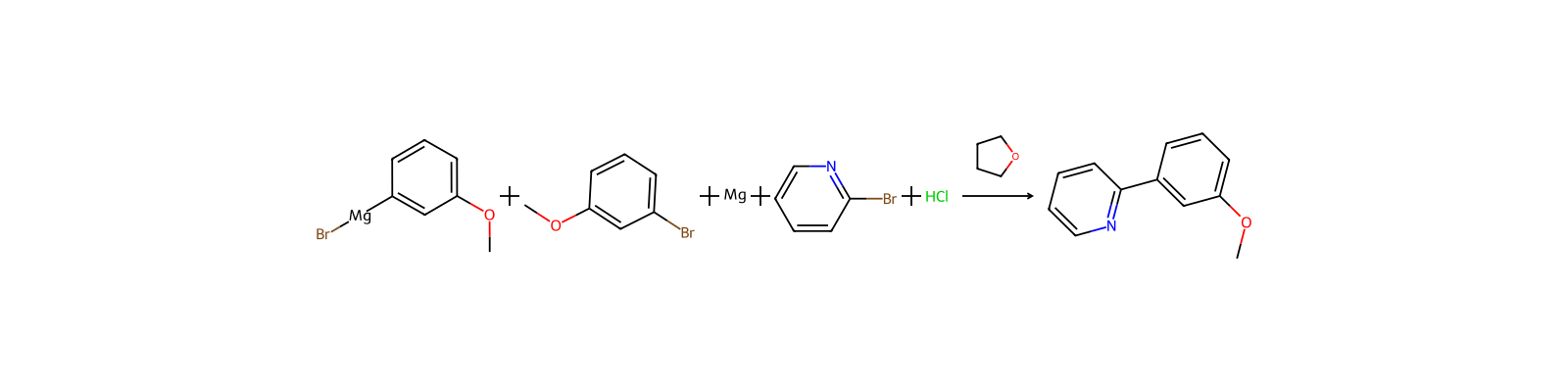
257



Notizen zur Verbindung
Wird geladen…