
Grundinformationen
- CAS
2523-37-7- Standard-SMILES
CC1c2ccccc2-c2ccccc21- InChIKey
ZVEJRZRAUYJYCO-UHFFFAOYSA-N- Summenformel
- C14H12
- Durchschnittliche Molmasse
- 180,24 g/mol
- Monoisotopische Masse
- 180,09390038
Überblick
Prisms. (NTP, 1992)
Namen und Bezeichner
- Bevorzugter Name
- 9-Methylfluorene
- IUPAC
- 9-methyl-9H-fluorene
- Lokaler Name
- 9-Methyl-9H-fluoren
- Englischer Name
- 9-Methylfluorene
- Summenformel
- C14H12
- Molmasse
- 180.25
Namen und Synonyme
9-Methylfluorene9-METHYL-9H-FLUORENE2523-37-7Fluorene, 9-methyl-95M10BKB07NSC-10161DTXSID5073957RefChem:108021DTXCID4037241219-750-79H-Fluorene, 9-methyl-MFCD00126475
Weitere Namen anzeigen
9-methyl-fluoren9-methyl-9h-fluoren9H-fluorene,9-methyl-Talazoparib Impurity 6
9-Methyl-9H-fluorene; NSC 10161CCRIS 4264EINECS 219-750-7NSC 10161UNII-95M10BKB079-methyl fluorene9-Methyl-fluoreneAvibactam Impurity 186
Datenbank-Bezeichner
- CAS
2523-37-7- PubChem CID
- 17299
- DTXSID
DTXSID5073957- UNII
- 95M10BKB07
- EC Number
- 219-750-7
- Nikkaji
- J69.717F
Eigenschaften
Berechnete Struktureigenschaften
- XLogP
- 3,9
- Polarare Oberfläche (TPSA)
- 0 Ų
- H-Brücken-Donoren
- 0
- H-Brücken-Akzeptoren
- 0
- Frei drehbare Bindungen
- 0
- Schwere Atome
- 14
- Formalladung
- 0
- Komplexität
- 186
Experimentelle und physikochemische Eigenschaften
SpringerMaterials Properties13C nuclear magnetic resonance spectrum
Density1.0263 at 151 °F (NTP, 1992) - Denser than water; will sink
Boiling Point309 to 313 °F at 15 mmHg (NTP, 1992)
Melting Point115 to 117 °F (NTP, 1992)
Physical DescriptionPrisms. (NTP, 1992)
Physikochemische Eigenschaften
- Schmelzpunkt
- 46.5 °C · 46.5°C
- Siedepunkt
- 248.08 °C · 248.08°C (rough estimate)
- Dichte
- 1.0263 · 1.0263
- Brechungsindex
- 1.61 · 1.6100
- storage temp.
- Refrigerator
- Löslichkeit
- Chloroform (Slightly), Ethyl Acetate (Slightly)
- Aggregatzustand
- Solid
Sicherheit und Regulatorisches
Sicherheitsangaben dienen nur zur Orientierung und ersetzen weder das Sicherheitsdatenblatt (SDB) des Lieferanten noch geltende Vorschriften oder eine fachliche Bewertung.
GHS-Klassifizierung
GHS Classification
Warning
H302 (100%): Harmful if swallowed [Warning Acute toxicity, oral]
P264, P270, P273, P301+P317, P330, P391, and P501 (click each P-code to see the statement)
Aggregated GHS information provided per 39 reports by companies from 1 notifications to the ECHA C&L Inventory. Each notification may be associated with multiple companies.
Gefahrenhinweise
Fire HazardsFlash point data for this compound are not available. It is probably combustible. (NTP, 1992)
Reactive GroupHydrocarbons, Aromatic
Reactivity Profile
Vigorous reactions, sometimes amounting to explosions, can result from the contact between aromatic hydrocarbons, such as 9-METHYLFLUORENE, and strong oxidizing agents. They can react exothermically with bases and with diazo compounds. Substitution at the benzene nucleus occurs by halogenation (acid catalyst), nitration, sulfonation, and the Friedel-Crafts reaction. This compound is volatile with steam. (NTP, 1992)
Air and Water ReactionsInsoluble in water.
Hazard Classes and CategoriesAcute Tox. 4 (100%)
Sicherheit und Schutzausrüstung
Fire FightingFires involving this material can be controlled with a dry chemical, carbon dioxide or Halon extinguisher. (NTP, 1992)
First Aid
Chemie und Industrie
Anwendungen
Verwenden9-Methylfluorene has been shown to be mutagenic in Salmonella typhimurium TA98 and TA100 in the presence of 9000 X g supernantant from Aroclor-induced rats.
Anbieter34 Anbieter
Career Henan Chemica Co+86-0371-86658258 +86-13203830695 · [email protected]
上海毕得医药科技股份有限公司400-1647117 13681763483 · [email protected]
上海瀚麟生物科技有限公司183-0212-4410 18302124410 · [email protected]
安耐吉化学&3A(安徽泽升科技有限公司)021-58432009 400-005-6266 · [email protected]
常州科化生物科技有限公司0519-68985668 13685222090 · [email protected]
烟台盛凯伦生物制品有限公司13356901049 · [email protected]
医恩医疗系统研发(上海)有限公司021-58958002 18930822973 · [email protected]
河南伊诺凯新材料有限公司13290191024 13290191024 · [email protected]
宝鸡缔都医药化工有限公司029-81145305 17791533577 · [email protected]
上海贤鼎生物科技有限公司4009209199 · [email protected]
深圳菲斯生物科技有限公司0755-83725350 13380397412 · [email protected]
常州市水草新材料科技有限公司0519-86609972; 13861152845 · [email protected]
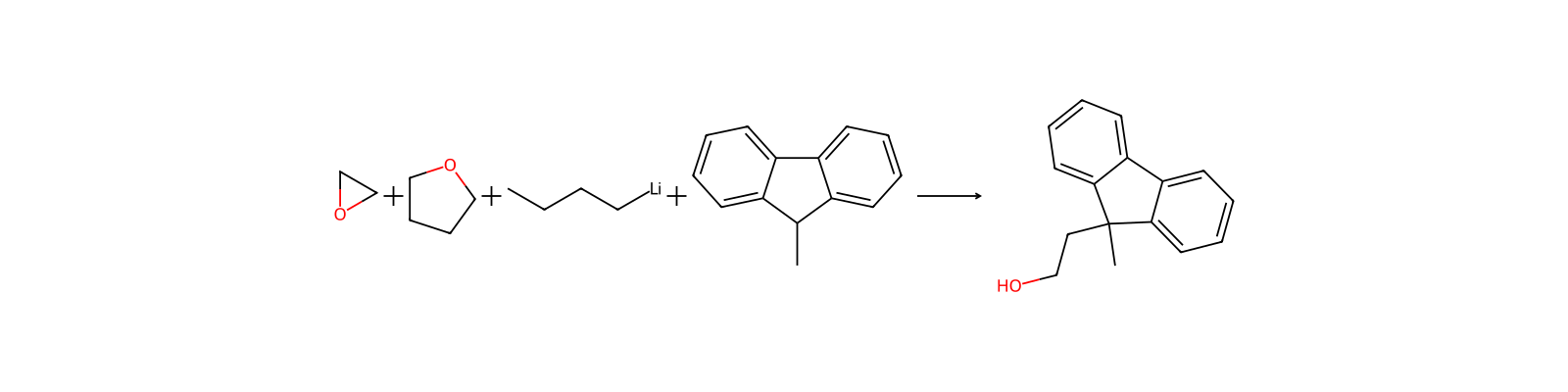
Zugehörige Reaktionen
9


Notizen zur Verbindung
Wird geladen…