
Grundinformationen
- Standard-SMILES
Cc1cc(O)ccc1Cl- InChIKey
CFKMVGJGLGKFKI-UHFFFAOYSA-N- Summenformel
- C7H7ClO
- Durchschnittliche Molmasse
- 142,58 g/mol
- Monoisotopische Masse
- 142,01854252
Überblick
Chlorocresol appears as a pinkish to white crystalline solid with a phenolic odor. Melting point 64-66 °C. Shipped as a solid or in a liquid carrier. Soluble in aqueous base. Toxic by ingestion, inhalation or skin absorption. Used as an external germicide. Used as a preservative in paints and inks.
Namen und Bezeichner
- Bevorzugter Name
- 4-Chloro-3-methylphenol
- IUPAC
- 4-chloro-3-methylphenol
- Lokaler Name
- 4-Chlor-3-methylphenol
- Englischer Name
- 4-Chloro-3-methylphenol
- Summenformel
- C7H7ClO
- Molmasse
- 142.58
Namen und Synonyme
4-Chloro-3-methylphenolChlorocresol59-50-74-Chloro-m-cresolp-Chloro-m-cresolOttafactBaktolPhenol, 4-chloro-3-methyl-BaktolanCandasepticPCMCPeritonan
Weitere Namen anzeigen
CMK4-CMCPARA CHLORO META CRESOL4-CHLORO-3-CRESOLParmetolCMPK
RaschitAptalPreventol CMKRaschit K2-Chloro-5-hydroxytoluene4-Chloro-5-methylphenolParachlorometacresol6-Chloro-3-hydroxytoluene
Datenbank-Bezeichner
- CAS
1321-10-4、59-50-7- PubChem CID
- 1732
- DTXSID
DTXSID4021717- ChEMBL
CHEMBL1230222- ChEBI
CHEBI:34395- UNII
- 36W53O7109
- EC Number
- 200-431-6、215-309-8
- Nikkaji
- J4.604C
Eigenschaften
Berechnete Struktureigenschaften
- XLogP
- 3,1
- Polarare Oberfläche (TPSA)
- 20,2 Ų
- H-Brücken-Donoren
- 1
- H-Brücken-Akzeptoren
- 1
- Frei drehbare Bindungen
- 0
- Schwere Atome
- 9
- Formalladung
- 0
- Komplexität
- 94,9
Experimentelle und physikochemische Eigenschaften
Chemical Classes
Other Uses -> Biocides/Disinfectants
Semi-Volatile Organic Compound (SVOC)
Cosmetics
Cosmetic ingredients (p-Chloro-m-Cresol) -> CIR (Cosmetic Ingredient Review)
Preservative
pHpH = 5.6 in saturated aqueous solution
SpringerMaterials Properties13C nuclear magnetic resonance spectrum
Pesticides
Agrochemicals -> Pesticide active substances
Active substance -> EU Pesticides database: Not approved
LogP
log Kow = 3.10
3.1
3.1
OdorSaid to be odorless when very pure, but usually a phenolic odor persists
Density
0.9 at 77 °F (NTP, 1992) - Less dense than water; will float
1.37 g/cu cm
Bulk density: 49.93 lbs/cu ft (800 g/kg/cu m)
1.4 g/cm³
1.37 @25 °C
Color/Form
Dimorphous crystals ... aqueous solutions turn yellow on exposure to light and air
Crystals from petroleum ether
White or slightly pink crystals
Solubility
less than 1 mg/mL at 68 °F (NTP, 1992)
Soluble in alkalies, organic solvents, fats, and oils
Soluble in alkalies, organic solvents, fats, and oils
One gram dissolves in 260 mL water at 20 °C
In water, 3,830 mg/L at 25 °C
Solubility in water, g/100ml at 20 °C: 0.38
Flash Point
230 °F (NTP, 1992)
118 °C
Animal DrugsPharmaceuticals -> UK Veterinary Medicines Directorate List
Physikochemische Eigenschaften
- Schmelzpunkt
- 63 · 63-65 °C (lit.)
- Siedepunkt
- 235 °C · 235 °C (lit.)
- Dichte
- 1.37 · 1.370
- Dampfdruck
- 0.1 hPa · <0.1 hPa (20 °C)
- Brechungsindex
- 1.5449 · 1.5449 (estimate)
- Flammpunkt
- 118 °C · 118 °C
- storage temp.
- 30 °C · Store below +30°C.
- Löslichkeit
- 1 g/10 · methanol: soluble1g/10 mL, clear, colorless
- pka
- 9.55 · pKa 9.55(t = 25) (Uncertain)
- Aggregatzustand
- Tablets
- Farbe
- White
- PH
- 6.5 · 6.5 (1g/l, H2O, 20℃)
- Wasserlöslichkeit
- 4 g/L · 4 g/L (20 ºC)
- Merck
- 14 · 14,2133
- BRN
- 1237629 · 1237629
- Henry's Law Constant
- 2.5 · 2.5(x 10-6 atmm3/mol)at 20 °C (calculated, Mabey et al., 1982)
- Stabilität
- Stable. Incompatible with brass, oxidizing agents, copper, copper alloys.
- Kosmetik-Inhaltsstoffe Funktionen
- ANTIMICROBIALPRESERVATIVE
- InChI
- 1S/C7H7ClO/c1-5-4-6(9)2-3-7(5)8/h2-4,9H,1H3
- InChIKey
- CFKMVGJGLGKFKI-UHFFFAOYSA-N
- SMILES
- Cc1cc(O)ccc1Cl
- LogP
- 3.1 · 3.100
- CAS Datenbank
- 59 · 59-50-7(CAS DataBase Reference)
- NIST chemische Informationen
- 4 · Phenol, 4-chloro-3-methyl-(59-50-7)
- EPA chemische Informationen
- p-Chloro-m-cresol (59-50-7)
Sicherheit und Regulatorisches
GHS-Klassifizierung
GHS Classification
Danger
H302: Harmful if swallowed [Warning Acute toxicity, oral]
P260, P261, P264, P264+P265, P270, P271, P272, P273, P280, P301+P317, P301+P330+P331, P302+P352, P302+P361+P354, P304+P340, P305+P354+P338, P316, P317, P319, P321, P330, P333+P317, P362+P364, P363, P391, P403+P233, P405, and P501 (click each P-code to see the statement)
Danger
H302 (100%): Harmful if swallowed [Warning Acute toxicity, oral]
P260, P261, P264, P264+P265, P270, P271, P272, P273, P280, P301+P317, P301+P330+P331, P302+P352, P302+P361+P354, P304+P340, P305+P354+P338, P316, P317, P319, P321, P330, P333+P317, P362+P364, P363, P391, P403+P233, P405, and P501 (click each P-code to see the statement)
Gefahrenhinweise
Regulatory Information
Chemical: Phenol, 4-chloro-3-methyl-
Hazard Traits - Environmental tox
2004/129/EC
Status: Active Update: 29-09-2021 https://echa.europa.eu/registration-dossier/-/registered-dossier/10359
Chlorocresol: Does not have an individual approval but may be used under an appropriate group standard
The New Jersey Worker and Community Right to Know Act requires public and private employers to provide information about hazardous substances at their workplaces. (N.J.S.A. 34:5A-1 et. seq.)
Other Safety InformationIMAP assessments - Chlorocresol and its sodium salt: Human health tier II assessment
DOT LabelPoison
Fire Hazards
Excerpt from ERG Guide 152 [Substances - Toxic (Combustible)]:
Combustible. Gives off irritating or toxic fumes (or gases) in a fire.
Health HazardsExcerpt from ERG Guide 152 [Substances - Toxic (Combustible)]:
Hazards Summary
Animal evidence: corrosive to eyes and a possible skin sensitizer; [CHEMINFO] Can cause redness to the skin and severe burns to the eyes; Can reach dangerous air concentrations if heated above room temperature; [ICSC] Injury to the liver and other organs is observed in high-dose animal studies; Methemoglobinemia has been reported in human poisoning cases; [HSDB] Chlorocresol causes contact urticaria (both immune and non-immune); [Kanerva, p. 219] Danger of skin sensitization; [MAK]
Reactive GroupPhenols and Cresols
EC ClassificationSymbol: Xn, N; R: 21/22-41-43-50; S: (2)-26-36/37/39-61
UN ClassificationUN Hazard Class: 6.1; UN Pack Group: II
Special Reports
USEPA; Ambient Water Quality Criteria Doc: Chlorinated Phenols (1980) EPA 440/5-80-032
Nat'l Research Council Canada; Chlorinated Phenols (1982) NRCC No. 18578
USEPA; Reregistration Eligibility Decision Document - p-Chloro-m-Cresol. Washington, DC: USEPA, Office of Pesticide Programs. USEPA 738-R-96-008, January 1997. The Reregistration Eligibility Decision (RED) contains the Agency's evaluation of the data base of this chemical, its conclusions of the potential human health and environmental risks of the current product uses, and its decisions and conditions under which these uses and products will be eligible for reregistration.[Available from, as of July 14, 2003: http://www.epa.gov/pesticides/reregistration/status.htm]
BIBRA working group; TA: Toxicity profile. BIBRA Toxicology Intl. (1992).
RCRA Requirements
U039; As stipulated in 40 CFR 261.33, when p-chloro-m-cresol, as a commercial chemical product or manufacturing chemical intermediate or an off-specification commercial chemical product or a manufacturing chemical intermediate, becomes a waste, it must be managed according to Federal and/or State hazardous waste regulations. Also defined as a hazardous waste is any residue, contaminated soil, water, or other debris resulting from the cleanup of a spill, into water or on dry land, of this waste. Generators of small quantities of this waste may qualify for partial exclusion from hazardous waste regulations (40 CFR 261.5).
FIFRA Requirements
Based on the reviews of the generic data for the active ingredients p-chloro-m-cresol, the Agency has sufficient information on the health effects of p-chloro-m-cresol and on its potential for causing adverse effects in fish and wildlife and the environment. The Agency has determined that p-chloro-m-cresol products, labeled and used as specified in this Reregistration Eligibility Decision, will not pose unreasonable risks or adverse effects to humans or the environment. Therefore, the Agency concludes that products containing p-chloro-m-cresol for all uses are eligible for reregistration.
As the federal pesticide law FIFRA directs, EPA is conducting a comprehensive review of older pesticides to consider their health and environmental effects and make decisions about their continued use. Under this pesticide reregistration program, EPA examines newer health and safety data for pesticide active ingredients initially registered before November 1, 1984, and determines whether the use of the pesticide does not pose unreasonable risk in accordance to newer saftey standards, such as those described in the Food Quality Protection Act of 1996. Pesticides for which EPA had not issued Registration Standards prior to the effective date of FIFRA '88 were divided into three lists based upon their potential for human exposure and other factors, with List B containing pesticides of greater concern than those on List C, and with List C containing pesticides of greater concern than those on List D. p-Chloro-m-cresol is found on List C. Case No: 3046; Pesticide type: fungicide, antimicrobial; Case Status: RED Approved 06/1996; OPP has made a decision that some/all uses of the pesticide are eligible for reregistration, as reflected in a Reregistration Eligibility Decision (RED) document.; Active ingredient (AI): chloro-3-cresol; Data Call-in (DCI) Date(s): 10/31/1991; AI Status: OPP has completed a Reregistration Eligibility Decision (RED) for the case/AI.
Sicherheit und Schutzausrüstung
Fire Fighting
Excerpt from ERG Guide 152 [Substances - Toxic (Combustible)]:
Use water spray, powder.
First Aid Measures
Fresh air, rest. Refer for medical attention.
Remove contaminated clothes. Rinse skin with plenty of water or shower. Refer for medical attention .
First rinse with plenty of water for several minutes (remove contact lenses if easily possible), then refer for medical attention.
Rinse mouth. Refer for medical attention .
First Aid
EYES: First check the victim for contact lenses and remove if present. Flush victim's eyes with water or normal saline solution for 20 to 30 minutes while simultaneously calling a hospital or poison control center. Do not put any ointments, oils, or medication in the victim's eyes without specific instructions from a physician. IMMEDIATELY transport the victim after flushing eyes to a hospital even if no symptoms (such as redness or irritation) develop.
Safe StorageSeparated from food and feedstuffs. Dry.
Cleanup Methods
Activated carbon is a good method for removing chlorophenols from water. Competitive adsorption occurs between chlorophenols and humic substances present in nearly all municipal water supplies. This competition decreases the capacity of carbon for chlorophenols. /Chlorophenols/
Nonfire Spill ResponseExcerpt from ERG Guide 152 [Substances - Toxic (Combustible)]:
Disposal Methods
SRP: The most favorable course of action is to use an alternative chemical product with less inherent propensity for occupational harm/injury/toxicity or environmental contamination. Recycle any unused portion of the material for its approved use or return it to the manufacturer or supplier. Ultimate disposal of the chemical must consider: the material's impact on air quality; potential migration in soil or water; effects on animal and plant life; and conformance with environmental and public health regulations.
Generators of waste (equal to or greater than 100 kg/mo) containing this contaminant, EPA hazardous waste number U039, must conform with USEPA regulations in storage, transportation, treatment and disposal of waste.
A good candidate for rotary kiln incineration at a temperature range of 820 to 1,600 °C and residence times of seconds for liquids and gases, and hours for solids.
A pilot plant study was conducted to evaluate the fate and behavior of 22 toxic organic compounds in conventional activated sludge wastewater treatment plants. The organic cmpd, 3-methyl-4-chlorophenol, spiked at a nominal concn of 50 ug/L was about 95-98% removable. Results showed that biodegradability was variable & was a function of molecular structure.
Spillage Disposal
Personal protection: chemical protection suit including self-contained breathing apparatus. Do NOT let this chemical enter the environment. Sweep spilled substance into covered sealable containers. If appropriate, moisten first to prevent dusting. Then store and dispose of according to local regulations.
Preventive Measures
SRP: Contaminated protective clothing should be segregated in such a manner so that there is no direct personal contact by personnel who handle, dispose, or clean the clothing. The completeness of the cleaning procedures should be considered before the decontaminated protective clothing is returned for reuse by the workers. Contaminated clothing should not be taken home at the end of shift, but should remain at employee's place of work for cleaning.
Wash contaminated areas of skin with concentrated soap solution without delay. Contaminated gloves, clothing, shoes should be immediately removed and disposed of in an incinerator. /4-Chlorophenol/
Isolation and EvacuationExcerpt from ERG Guide 152 [Substances - Toxic (Combustible)]:
Eye PreventionWear safety goggles or eye protection in combination with breathing protection.
Fire PreventionNO open flames.
Toxikologische Informationen
Interactions
The toxicity of phenol to filamentous fungi was unaffected by pH or water hardness... . ...An antagonistic interaction in toxicity occurred between phenol and ...p-chloro-m-cresol.
Only PCMC, Thymol, and o-Cymen-5-ol are reported to be in current use, with the highest concentration of use at 0.5% for o-Cymen-5-ol in perfumes ...Several of these cresols increase the dermal penetration of other agents, including azidothymidine...The Cosmetic Ingredient Review (CIR) Expert Panel noted some of these ingredients may increase the penetration of other cosmetic ingredients and advised cosmetic formulators to take this into consideration...
To examine the effect on the leakage of low molecular weight cytoplasmic constituents from Staphylococcus aureus using phenolics singly and in combination, and to see if the observations could be modelled using a non-linear dose response. The rate of potassium, phosphate and adenosine triphosphate leakage was examined in the presence of chlorocresol and m-cresol. Individually, leakage was observed only at long contact times or high concentrations. Combined at these ineffective concentrations, the cytoplasmic pool of all constituents studied was released within minutes. Both chlorocresol and m-cresol were shown to have non-linear dose responses. A rate model for the combinations, which takes account of these non-linear responses, accurately predicted the observations. Antimicrobials, which when used alone exhibit a non-linear dose response, will also give a non-linear dose response in combination. The simple linear-additive model ignores the concept of the dilution coefficient and will always describe the phenomenon of synergy for combinations where one or more of the components has a dilution coefficient greater than one. This has been borne out by examination of the purported prime lesion of chlorocresol and m-cresol, alone and in combination. Studies aimed at producing synergistic mixtures of antimicrobials, which ignore the non-linear additive effect, may waste valuable research effort looking for a physiological explanation for an apparent synergy, where none, in-fact, exists. Patents granted on the basis of analyses using the linear-additive model for combinations of compounds with non-linear dose responses may no longer be supportable.
Ecotoxicity Values
LC50; Species: Pimephales promelas (fathead minnow) 31 day old; Conditions: flow through, pH 7.24, 25.2 °C, hardness 45.6 mg/L CaCO3; Concentration: 7.38 mg/L for 96 hr (confidence limit 6.26-8.71 mg/L)
LC50; Species: Pimephales promelas (fathead minnow) 30 day old; Conditions: flow through, 24.6 °C, pH 7.74; Concentration: 4.05 mg/L for 96 hr (confidence limit 3.11-5.27 mg/L)
LD50; Species: Agelains phoeniceus (red-winged blackbird) oral 113 mg/kg
LC50; Species: Pimephales promelas (fathead minnow) weight 106 mg; Conditions: flow-through bioassay, dissolved oxygen 7.4 (4.6-8.8) mg/L, water hardness 44.9 (42.4-46.6) mg/L as CaCO3, pH 6.9-7.7, alkalinity 42.9 (39.6-61.4) mg/L CaCO3, temp: 26.4 +/- 1.4 °C; Concentration: 13.3 (12.1-14.5) mg/L for 24 hr /Purity 99%/
For more Ecotoxicity Values (Complete) data for 3-METHYL-4-CHLOROPHENOL (33 total), please visit the HSDB record page.
Environmental Fate
TERRESTRIAL FATE: Based on a classification scheme(1), a Koc value of 490(2) indicates that 3-methyl-4-chlorophenol is expected to have moderate mobility in soil(SRC). The pKa of 3-methyl-4-chlorophenol is 9.55(3) indicating that this compound will exist partially in the anion form in the environment and anions generally do not adsorb more strongly to soils containing organic carbon and clay than their neutral counterparts(4). Volatilization of 3-methyl-4-chlorophenol from moist soil surfaces is expected to be an important fate process(SRC) given an estimated Henry's Law constant of 2.4X10⁻⁶ atm-cu m/mole(SRC), derived from its vapor pressure, 5.0X10⁻² mm Hg(5), and water solubility, 3,380 mg/L(6). 3-Methyl-4-chlorophenol is not expected to volatilize from dry soil surfaces(SRC) based upon its vapor pressure(5). Half-lives of 4.2 days in acidic sandy loam with a low organic content and 1.4 days in basic sandy silt loam with a higher organic carbon content(7) suggest biodegradation may be an important environmental fate process in soil(SRC).
AQUATIC FATE: Based on a classification scheme(1), a Koc value of 490(2) indicates that 3-methyl-4-chlorophenol is expected to adsorb to suspended solids and sediment(SRC). Volatilization from water surfaces is expected(3) based upon an estimated Henry's Law constant of 2.4X10⁻⁶ atm-cu m/mole(SRC), derived from its vapor pressure, 5.0X10⁻² mm Hg(4), and water solubility, 3,380 mg/L(5). Using this Henry's Law constant and an estimation method(3), volatilization half-lives for a model river and model lake are 18 and 130, respectively(SRC). According to a classification scheme(6), a BCF range of 5.5 to 13(7) suggests that bioconcentration in aquatic organisms is low(SRC). Biodegradation test results are conflicting(SRC). 3-Methyl-4-chlorophenol was not degraded in 4 weeks using an activated sludge inoculum in the Japanese MITI(7), test perhaps due to microbial toxicity from the high concentration of the test chemical(SRC). 3-Methyl-4-chlorophenol reached 20-65% of the Theoretical Oxygen Demand after 28 days in the Closed Bottle Test(8).
ATMOSPHERIC FATE: According to a model of gas/particle partitioning of semivolatile organic compounds in the atmosphere(1), 3-methyl-4-chlorophenol, which has a vapor pressure of 5.0X10⁻² mm Hg at 25 °C(2), is expected to exist solely as a vapor in the ambient atmosphere. Vapor-phase 3-methyl-4-chlorophenol is degraded in the atmosphere by reaction with photochemically-produced hydroxyl radicals(SRC); the half-life for this reaction in air is estimated to be 5 hours(SRC), calculated from its rate constant of 2.6X10⁻¹¹ cu cm/molecule-sec at 25 °C(SRC) that was derived using a structure estimation method(3). 3-Methyl-4-chlorophenol absorbs light at wavelengths >290 nm(4), and therefore may be susceptible to direct photolysis by sunlight(SRC).
Adverse EffectsOccupational hepatotoxin - Secondary hepatotoxins: the potential for toxic effect in the occupational setting is based on cases of poisoning by human ingestion or animal experimentation.
Exposure RoutesThe substance can be absorbed into the body by inhalation, through the skin and by ingestion.
Toxicity Summary
The CIR Expert panel concludes Sodium p-Chloro-m-Cresol, p-Chloro-m-Cresol, Chlorothymol, m-Cresol, o-Cresol, Isopropyl Cresols, Thymol, o-Cymen-5-ol, Cavacrol are safe at concentrations up to 0.5% in cosmetics; however, the available data are insufficient to support the safety of p-Cresol and Mixed Cresols for use in cosmetic products.
Safe for use in cosmetics, with qualifications
Ecotoxicity Excerpts
/AQUATIC SPECIES/ The relative toxic responses to 27 selected phenols /including 3-methyl-4-chlorophenol/ in 96 hr acute flow through Pimephales promelas (fathead minnow) and 48 to 60 hr chronic static Tetrahymena pyriformis (ciliate protozoan) test systems were evaluated. Log Kow dependent linear regression analyses revealed that the data from each test system consisted of 2 linear equations. The less toxic chemicals form a relation which models polar CNS depression; these chemicals are slightly more active than the baseline toxicity of nonionic CNS depression chemicals. The more toxic chemicals form a relation which models uncoupling of oxidative phosphorylation. Regression analysis of fathead minnow toxicity (log median lethal concn (mol/L) vs Tetrahymena pyriformis toxicity (log BR (mmol/L) showed good correlation between the two systems.
Signs and Symptoms
Cough. Sore throat. See Ingestion.
Redness. Pain.
Redness. Pain. Severe deep burns.
Headache. Dizziness. Shortness of breath. Abdominal pain. Vomiting. Diarrhoea.
Effluent Concentrations
3-Methyl-4-chlorophenol was present at 0.5-1.5 ug/L in the effluent of a municipal waste water treatment plant after chlorination(1).
3-Methyl-4-chlorophenol concentrations of approximately 2 ppb(1). 3-Methyl-4-chlorophenol levels of 73 ng/L, 154 ng/L, and 0.22 mg/kg (dry wt) were detected in a final effluent from a treatment works, in a soil leachate, and in a wastewater sludge, respectively, from the United Kingdom(2). The average concentration of 3-methyl-4-chlorophenol detected in sewage treatment effluents in England and Wales in 1995 was 0.3380 ug/L with a frequency of detection of 11.1%(3). Positive detections have been reported for raw and treated wastewaters from the auto, iron, and steel manufacturing, aluminum forming, foundries, metal finishing, photographic, pharmacutical manufacturing, paint and ink formulation, soap and detergent manufacturing, and textile industries; mean concentrations varied widely from 0.01 to 100,000 ug/L(4). 3-Methyl-4-chlorophenol has been detected in the stack effluent from a municipal waste incinerator(5). This chemical was detected in the effluent of the waste water treatment plant of a paper mill at 1.8 ug/L(6). 3-Methyl-4-chlorophenol was detected in sewage sludge samples taken from waste water treatment plants in Brandenburg, Germany(7). Median concentrations were approximately 0.03 ug/kg in the summer and approximately 0.006 ug/kg in the winter(7). Maximum concentrations were approximately 0.1 ug/kg in the summer and approximately 0.8 ug/kg in the winter(7).
ICSC Environmental DataThe substance is toxic to aquatic organisms. Bioaccumulation of this chemical may occur in fish.
Soil Adsorption/Mobility
The Koc of 3-methyl-4-chlorophenol is 490(1). According to a classification scheme(2), this Koc value suggests that 3-methyl-4-chlorophenol is expected to have moderate mobility in soil. The pKa of 3-methyl-4-chlorophenol is 9.55(3), indicating that this compound will exist partially in the anion form in the environment and anions generally do not adsorb more strongly to soils containing organic carbon and clay than their neutral counterparts(4). The chemical was found to be mobile in an activated carbon-sand filter system; this was considered to be indicative of a low adsorption potential in soil systems(5). 3-Methyl-4-chlorophenol concentration balance was 0.167 ug/L influent, not detected effluent from Steinhaeule, Neu-Ulmin, a major municipal sewage plant in Germany, sampled on March 11, 1998(6).
Human Toxicity Excerpts
/HUMAN EXPOSURE STUDIES/ No skin reaction was observed in volunteers after intradermal injections of 0.3 mL 3-methyl-4-chlorophenol solution (= 1.5 mg) in the forearm (observation time: 4 hr). 3-methyl-4-chlorophenol solution (2 %) was incorporated in a lot of dressing and placed on the sacrificed arm of a volunteer of one week; dermal reactions were not observed.
/HUMAN EXPOSURE STUDIES/ Consecutive eczema patients were tested with the International Contact Dermatitis Research Group (ICDRG) standard patch test series, which included PCMC-containing biocides. Reactions were scored according to the recommendations of the ICDRG. Of 1462 patients tested with 2% PCMC in petrolatum, only five had positive patch test results and six had irritant reactions; none of the positive results were clinically explainable.
/HUMAN EXPOSURE STUDIES/ A single occlusive patch of a below-irritation dose of PCMC (concentration not specified) was applied for 48 hr to 363 patients with allergic contact dermatitis. Upon scoring after 96 hr, three patients had positive reactions to PCMC.
/HUMAN EXPOSURE STUDIES/ In a Draize test performed using male subjects, groups of 98, 88, and 66 subjects were induced with 5, 10, or 20% PCMC in petrolatum, respectively, for 3-5 week. Ten 48-72 hr applications of 0.5 g of the test material were made under an occlusive patch to the upper lateral portion of each subject's arm. Following an approximately 2 week non-treatment period, subjects of all three groups were challenged with a 72 hr patch containing 5% PCMC in petrolatum. None of the subjects in the three test groups responded to the challenge patch.
For more Human Toxicity Excerpts (Complete) data for 3-METHYL-4-CHLOROPHENOL (20 total), please visit the HSDB record page.
Regulatorische Informationen
RCRA Requirements
U039; As stipulated in 40 CFR 261.33, when p-chloro-m-cresol, as a commercial chemical product or manufacturing chemical intermediate or an off-specification commercial chemical product or a manufacturing chemical intermediate, becomes a waste, it must be managed according to Federal and/or State hazardous waste regulations. Also defined as a hazardous waste is any residue, contaminated soil, water, or other debris resulting from the cleanup of a spill, into water or on dry land, of this waste. Generators of small quantities of this waste may qualify for partial exclusion from hazardous waste regulations (40 CFR 261.5).
FIFRA Requirements
Based on the reviews of the generic data for the active ingredients p-chloro-m-cresol, the Agency has sufficient information on the health effects of p-chloro-m-cresol and on its potential for causing adverse effects in fish and wildlife and the environment. The Agency has determined that p-chloro-m-cresol products, labeled and used as specified in this Reregistration Eligibility Decision, will not pose unreasonable risks or adverse effects to humans or the environment. Therefore, the Agency concludes that products containing p-chloro-m-cresol for all uses are eligible for reregistration.
As the federal pesticide law FIFRA directs, EPA is conducting a comprehensive review of older pesticides to consider their health and environmental effects and make decisions about their continued use. Under this pesticide reregistration program, EPA examines newer health and safety data for pesticide active ingredients initially registered before November 1, 1984, and determines whether the use of the pesticide does not pose unreasonable risk in accordance to newer saftey standards, such as those described in the Food Quality Protection Act of 1996. Pesticides for which EPA had not issued Registration Standards prior to the effective date of FIFRA '88 were divided into three lists based upon their potential for human exposure and other factors, with List B containing pesticides of greater concern than those on List C, and with List C containing pesticides of greater concern than those on List D. p-Chloro-m-cresol is found on List C. Case No: 3046; Pesticide type: fungicide, antimicrobial; Case Status: RED Approved 06/1996; OPP has made a decision that some/all uses of the pesticide are eligible for reregistration, as reflected in a Reregistration Eligibility Decision (RED) document.; Active ingredient (AI): chloro-3-cresol; Data Call-in (DCI) Date(s): 10/31/1991; AI Status: OPP has completed a Reregistration Eligibility Decision (RED) for the case/AI.
CERCLA Reportable Quantities
Persons in charge of vessels or facilities are required to notify the National Response Center (NRC) immediately, when there is a release of this designated hazardous substance, in an amount equal to or greater than its reportable quantity of 5000 lb or 2270 kg. The toll free number of the NRC is (800) 424-8802. The rule for determining when notification is required is stated in 40 CFR 302.4 (section IV.D.3.b).
Clean Water Act Requirements
Toxic pollutant designated pursuant to section 307(a)(1) of the Federal Water Pollution Control Act and is subject to effluent limitations. Chlorinated phenols (includes trichlorophenols and chlorinated cresols)/
Recommended criterion level for 3-methyl-4-chlorophenol is 3,000 ug/l.
State Drinking Water Guidelines(FL) FLORIDA 3,000 ug/l
Sicherheitsdaten
- wgk
- 2
- tsca
- TSCA listed
- ridadr
- UN 3437 6.1/PG II (CHLOROCRESOLS, SOLID)
- hs_code
- 29081000
- RTECS-Nr.
- GO7100000
- risk_code
- 21/22-41-43-50-39/23/24/25-23/24/25-11-38
- Toxizität
- LD50 orally in Rabbit: 1830 mg/kg LD50 dermal Rat > 2000 mg/kg
- hazard_code
- Xn,N,T,F
- safety_code
- 26-36/37/39-61-45-36/37-16-7-28
- hazard_class
- 6.1(a)
- packing_group
- II
- Speicherklasse
- 6.1A - Combustible acute toxic Cat. 1 and 2very toxic hazardous materials
- Giftige Stoffe Daten
- 59-50-7(Hazardous Substances Data)
- Hazard Classifications
- Acute Tox. 4 OralAquatic Acute 1Aquatic Chronic 3Eye Dam. 1Skin Corr. 1CSkin Sens. 1BSTOT SE 3
- Selbstentzündungstemperatur
- 590 °C
Chemie und Industrie
Pharmakologische Informationen
Mechanism of Action
...In skeletal muscle sarcoplasmic reticulum, 4-chloro-m-cresol was found to be a potent activator of Ca2+ release mediated by a ruthenium red/caffeine-sensitive Ca2+ release channel. In cerebellar microsomes, this compound released Ca2+ from an inositol-1,4,5-trisphosphate-insensitive store, suggesting that there too it was acting at the ryanodine receptor level. When tested on PC12 cells, chlorocresol released Ca2+ from a caffeine- and thapsigargin-sensitive intracellular store. In addition, the compound was capable of releasing Ca2+ after pretreatment of PC12 cells with bradykinin, suggesting that it acts on a channel contained within an intracellular Ca2+ store that is distinct from that sensitive to inositol-1,4,5-trisphosphate. Structure-activity relationship analyses suggest that the chloro and methyl groups in chlorocresols are important for the activation of the ryanodine receptor Ca2+ release channel.
The ryanodine receptor type 1 (RyR1) and type 2 (RyR2), but not type 3 (RyR3), are efficiently activated by 4-chloro-m-cresol (4-CmC). /It was/ previously /shown/ that a 173-amino acid segment of RyR1 (residues 4007-4180) is required for channel activation by 4-CmC ... present study... used site-directed mutagenesis to identify individual amino acid(s) within this region that mediate 4-CmC activation. In RyR1, substitution of 11 amino acids conserved between RyR1 and RyR2, but divergent in RyR3, with their RyR3 counterparts reduced 4-CmC sensitivity to the same degree as substitution of the entire 173-amino acid segment. Further analysis of various RyR1 mutants containing successively smaller numbers of these mutations identified 2 amino acid residues (Gln(4020) and Lys(4021)) that, when mutated to their RyR3 counterparts (Leu(3873) and Gln(3874)), abolished 4-CmC activation of RyR1. Mutation of either of these residues alone did not abolish 4-CmC sensitivity, although Q4020L partially reduced 4-CmC-induced Ca /ion/ transients. In addition, mutation of the corresponding residues in RyR3 to their RyR1 counterparts (L3873Q/Q3874K) imparted 4-CmC sensitivity to RyR3. Recordings of single RyR1 channels indicated that 4-CmC applied to either the luminal or cytoplasmic side activated the channel with equal potency. Secondary structure modeling in the vicinity of the Gln(4020)-Lys(4021) dipeptide suggests that the region contains a surface-exposed region adjacent to a hydrophobic segment, indicating that both hydrophilic and hydrophobic regions of RyR1 are necessary for 4-CmC binding to the channel and/or to translate allosteric 4-CmC binding into channel activation.
MeSH Pharmacological ClassificationChemicals that kill or inhibit the growth of fungi in agricultural applications, on wood, plastics, or other materials, in swimming pools, etc.
Absorption, Distribution and Excretion
Four groups of conventional female albino guinea pigs, three per group, were used to determine the bioavailability of PCMC. Occlusive patches of 0.2 mL of a 5% PCMC aqueous suspension stabilized with Carbomer 941, a saturated aqueous solution of 0.38% PCMC, 5% PCMC in olive oil/acetone (4:1), or 5% PCMC in propylene glycol were applied for 24 hr. After 96 hr, the animals were killed and the skin at the site of patch testing was removed for analysis (the patches were kept for analysis to determine the amount of PCMC remaining in the patch material). Fractional sampling of the urine and feces was performed to determine the rate of absorption of PCMC. An additional three animals had been injected with PCMC intraperitoneally to determine the excretion rate. However, no free PCMC was found, indicating rapid metabolism. In determining bioavailability, the calculations were based on the assumption that the saturated PCMC solution is 0.4% (w/v), corresponding to 0.8 mg in 0.2 mL, and that 0.2 mL of the 5% PCMC preparations contained 10 mg of the chemical. The results indicated that 25% of the aqueous PCMC (stabilized with carbomer 941) and 46% of the saturated aqueous PCMC solution remained in the patches. Only 0.2% of the aqueous PCMC (stabilized with carbomer 941) and 0.5% of the saturated aqueous PCMC solution was found in the skin at the patch site. This was compared to 65% of the PCMC in propylene glycol and 66% of the PCMC in olive oil/acetone solutions remaining in the patch; and 0.7% and 1.6%, respectively found in the skin at the patch site. The authors conclude that PCMC was more bioavailable from the aqueous preparations. After 96 hr, 0.2 and 0.5% PCMC was detected at the patch test site in the animals dosed with 5% and saturated aqueous PCMC, respectively, and 0.7 and 1.6% PCMC were found in the skin of the animals patch tested with 5% PCMC in olive oil/acetone and propylene glycol, respectively.
The biocide 4-chloro-3-methylphenol (CMP, CAS number 59-50-7) is a common additive to metal-working fluids (MWF) and building materials. ... In the current study, the in vitro human epidermal permeability of CMP contained in a working dilution of TRIM VX (20% in water) was evaluated and, for comparison, permeability from an aqueous buffer was also assessed. CMP penetration was also measured from transient exposures to 20% TRIM VX. ... Transient (20 or 40 min) exposures of epidermal membranes to 20% TRIM VX (/sample size/ = 4) resulted in total penetration of 4.2 +/- 1.2 and 7.3 +/- 0.8 ug/sq cm, respectively. ...
A pharmacokinetic study was performed in which rats were dosed orally with 300 mg/kg PCMC. PCMC reportedly was eliminated rapidly through the kidneys. Additionally, there is no likelihood of cumulation effects. A corresponding examination of fatty and hepatic tissues from rats that were fed 150-1500 ppm PCMC for up to 13 week reported no indication of an accumulation of PCMC in these tissues.
Rabbits were injected subcutaneously with 1 g 3-methyl-4-chlorophenol/kg bw dissolved in olive oil. 15-20% of the 3-methyl-4-chlorophenol given was excreted (urine) during 4-5 days.
For more Absorption, Distribution and Excretion (Complete) data for 3-METHYL-4-CHLOROPHENOL (7 total), please visit the HSDB record page.
Verwendung und Herstellung
Uses
CIR ingredient: p-Chloro-m-Cresol
Used as a disinfectant, germicide, preservative, and fungicide; [HSDB]
Using Disinfectants or Biocides [Category: Clean]
For 4-chloro-3-cresol (USEPA/OPP Pesticide Code: 064206) ACTIVE products with label matches. /SRP: Registered for use in the U.S. but approved pesticide uses may change periodically and so federal, state and local authorities must be consulted for currently approved uses./
External germicide; preservative for glues, gums, paints, inks, textile and leather goods.
Disinfectant
ImpuritiesPCMC contains less than 0.1% 3-methylphenol (m-cresol) as measured by HPLC and GC-MS.
U.S. ProductionProduction volumes for non-confidential chemicals reported under the Inventory Update Rule. [Table#5249]
Methods of Manufacturing... Prepared by chlorination of 3-methylphenol with, e.g., SO2Cl2
Formulations/PreparationsFormulation Types Registered: End use, manufacturing use; crystalline.
Use ClassificationCosmetics -> Preservative
General Manufacturing InformationPhenol, 4-chloro-3-methyl-: ACTIVE
Anwendungen
Verwenden4-Chloro-3-methylphenol has been used in paint formulations.
Vor- und nachgelagerte Produkte
Vorgelagerte Rohstoffe
Nachgelagerte Produkte
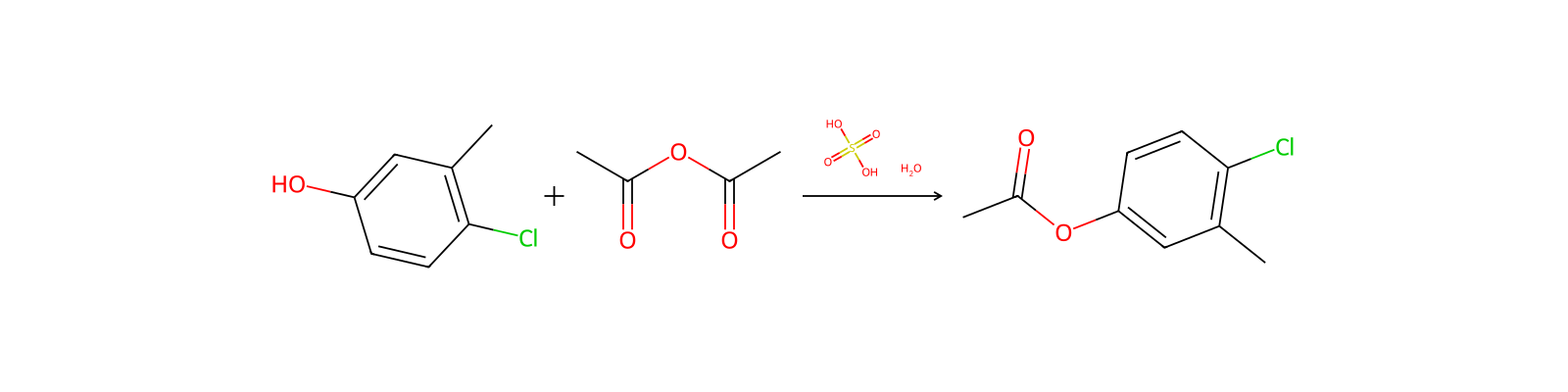
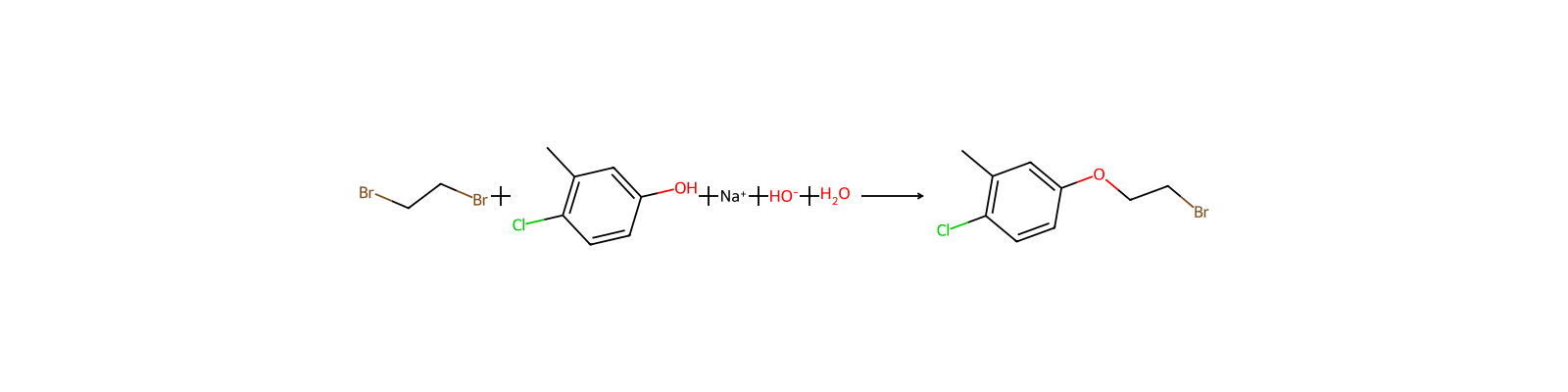
Zugehörige Reaktionen
72




Verknüpfte Notizen
Wird geladen…