StartseiteMCPWorkbenchSkills
StartseiteWorkbenchBenachrichtigungenMein Bereich
llms.txt · MCP-AnleitungDatenschutz · Nutzungsbedingungen · Supportv1.8.0
  1. Startseite
  2. /Verbindung

Essigsure

Acetic Acid

HCID 176
Neue NotizNeue ReaktionAnfrage stellen
Druckvorschau
GrundinformationenÜberblickNamen und BezeichnerEigenschaftenSicherheit und RegulatorischesChemie und IndustrieZugehörige ReaktionenNotizen zur Verbindung
TeilstruktursucheÄhnliche Strukturen suchen

Grundinformationen

CAS
64-19-7
Standard-SMILES
CC(=O)O
InChIKey
QTBSBXVTEAMEQO-UHFFFAOYSA-N
Summenformel
C2H4O2
Durchschnittliche Molmasse
60,05 g/mol
Monoisotopische Masse
60,02112937

Überblick

Acetic acid, glacial appears as a clear colorless liquid with a strong odor of vinegar. Flash point 104 °F. Density 8.8 lb / gal. Corrosive to metals and tissue. Used to make other chemicals, as a food additive, and in petroleum production.

Namen und Bezeichner

Bevorzugter Name
Acetic Acid
IUPAC
acetic acid
Lokaler Name
Essigsure
Englischer Name
Acetic acid
Summenformel
C2H4O2
Molmasse
60.05

Namen und Synonyme

acetic acidethanoic acid64-19-7Ethylic acidVinegar acidGlacial acetic acidAcetic acid, glacialAcetic acid glacialMethanecarboxylic acidAcetasolEssigsaeureAcide acetique
Weitere Namen anzeigen
AcOHCH3COOHcusuanVinegarGlacial AceticglacialNatural Acetic Acid
Aci-jelAzijnzuurAceticum acidumKyselina octovaAcido aceticoOctowy kwasHOAcOrlex

Datenbank-Bezeichner

CAS
64-19-7、68475-71-8
PubChem CID
176
DTXSID
DTXSID5024394
ChEMBL
CHEMBL539
ChEBI
CHEBI:15366
UNII
Q40Q9N063P
EC Number
200-580-7
Nikkaji
J2.355H

Eigenschaften

Berechnete Struktureigenschaften

XLogP
-0,2
Polarare Oberfläche (TPSA)
37,3 Ų
H-Brücken-Donoren
1
H-Brücken-Akzeptoren
2
Frei drehbare Bindungen
0
Schwere Atome
4
Formalladung
0
Komplexität
31

Experimentelle und physikochemische Eigenschaften

Chemical Classes · 2 Einträge

Other Classes -> Organic Acids

Corrosives

DrugsPharmaceuticals
LipidsFatty Acyls [FA] -> Fatty Acids and Conjugates [FA01] -> Straight chain fatty acids [FA0101]
Cosmetics · 2 Einträge

Cosmetic ingredients (Acetic Acid) -> CIR (Cosmetic Ingredient Review)

Buffering

pHAqueous solution 1.0 molar = 2.4; 0.1 molar = 2.9; 0.01 molar = 3.4
FragrancesFragrance Ingredient (Acetic acid) -> IFRA transparency List
Pesticides · 3 Einträge

Agrochemicals -> Pesticide active substances

Active substance -> EU Pesticides database: Approved

Herbicides, Transformation products

LogP · 4 Einträge

log Kow = -0.17

-0.17

-0.17

-0.3

Odor · 2 Einträge

Sicherheit und Regulatorisches

Sicherheitsangaben dienen nur zur Orientierung und ersetzen weder das Sicherheitsdatenblatt (SDB) des Lieferanten noch geltende Vorschriften oder eine fachliche Bewertung.

GHS-Klassifizierung

GHS Classification · 6 Einträge

Danger

H226: Flammable liquid and vapor [Warning Flammable liquids]

P210, P233, P240, P241, P242, P243, P260, P264, P280, P301+P330+P331, P302+P361+P354, P303+P361+P353, P304+P340, P305+P354+P338, P316, P321, P363, P370+P378, P403+P235, P405, and P501 (click each P-code to see the statement)

This chemical does not meet GHS hazard criteria for < 0.1% (3 of 5076) of reports.

Danger

H226 (99.7%): Flammable liquid and vapor [Warning Flammable liquids]

Gefahrenhinweise

Regulatory Information · 6 Einträge

Chemical: Acetic acid

Commission Regulation (EU) No 231/2012 (amended)

Acetic acid is listed on the EPA's Chemical Data Reporting (CDR) system. Manufacturers and importers of Acetic acid are required to report information about their production and use of this chemical to the EPA under the Toxic Substances Control Act (TSCA). (40 eCFR Part 711)

2008/127, Reg. (EU) 2017/195, Reg. (EU) 2022/708, Reg. (EU) 2023/1446, Reg. (EU) No 540/2011, Reg. (EU) No 790/2013

REACH registered substance: Acetic acid (EC: 200-580-7)

Acetic acid: Does not have an individual approval but may be used under an appropriate group standard

Other Safety InformationIMAP assessments - Acetic acid: Environment tier I assessment
DOT Label · 3 Einträge

Corrosive Flammable Liquid

Corrosive

Corrosive Flammable Liquid

Fire Hazards · 5 Einträge

Special Hazards of Combustion Products: Irritating vapor generated when heated. (USCG, 1999)

Excerpt from ERG Guide 153 [Substances - Toxic and/or Corrosive (Combustible)]:

Excerpt from ERG Guide 132 [Flammable Liquids - Corrosive]:

Chemie und Industrie

Pharmakologische Informationen

ATC Code · 5 Einträge

G - Genito urinary system and sex hormones

S - Sensory organs

QS - Sensory organs

QG - Genito urinary system and sex hormones

S02AA10

Mechanism of Action · 3 Einträge

Although acetic acid has been shown to induce apoptosis in yeast, the exact apoptotic mechanisms remain unknown. Here, /the study examined/ the effects of acetic acid treatment on yeast cells by 2-DE, revealing alterations in the levels of proteins directly or indirectly linked with the target of rapamycin (TOR) pathway: amino-acid biosynthesis, transcription/translation machinery, carbohydrate metabolism, nucleotide biosynthesis, stress response, protein turnover and cell cycle. The increased levels of proteins involved in amino-acid biosynthesis presented a counteracting response to a severe intracellular amino-acid starvation induced by acetic acid. Deletion of GCN4 and GCN2 encoding key players of general amino-acid control (GAAC) system caused a higher resistance to acetic acid indicating an involvement of Gcn4p/Gcn2p in the apoptotic signaling. Involvement of the TOR pathway in acetic acid-induced apoptosis was also reflected by the higher survival rates associated to a terminal deoxynucleotidyl transferase-mediated dUTP nick end labeling (TUNEL)-negative phenotype and lower reactive oxygen species levels of Deltator1 cells. In addition, deletion mutants for several downstream mediators of the TOR pathway revealed that apoptotic signaling involves the phosphatases Pph21p and Pph22p but not Sit4p. Altogether, /these/ results indicate that GAAC and TOR pathways (Tor1p) are involved in the signaling of acetic acid-induced apoptosis.

Acetic acid was found to have actions on urinary bladder smooth muscle in /the/ routine ion channel screening assays. Numerous studies have examined the mechanisms of bladder irritation by acetic acid; however, the direct effect of acetic acid on ion channels in detrusor smooth muscle cells has not been evaluated. /The study/ used whole-cell patch-clamp techniques to examine the effect of acetic acid on large-conductance Ca2+-activated K+ channels (BKCa) from guinea pig detrusor smooth muscle cells and CHO cells expressing recombinant human BKCaalphabeta1 (CHO BKCaalphabeta1) and human BKCaalpha (CHO BKCaalpha). Acetic acid activated BKCa currents in a concentration-dependent (0.01% to 0.05% v/v) manner in all the cell systems studied. Acetic acid (0.05%) increased BKCa current at +30 mV by 2764 +/- 918% (n=8) in guinea pig detrusor smooth muscle cells. Acetic acid (0.03%) shifted the V1/2 of conductance-voltage curve by 64 +/- 14 (n=5), 128 +/- 14 (n=5), and 126 +/- 12 mV (n=4) in CHO BKCaalpha, CHO BKCaalphabeta1 and detrusor smooth muscle cells, respectively. This effect of acetic acid was found to be independent of pH and was also not produced by its salt form, sodium acetate. Automated patch-clamp experiments also showed similar activation of CHO BKCaalphabeta1 by acetic acid. In conclusion, acetic acid directly activates BKCa channels in detrusor smooth muscle cells. This novel study necessitates caution while interpreting the results from acetic acid bladder irritation model.

Zugehörige Reaktionen

89.993
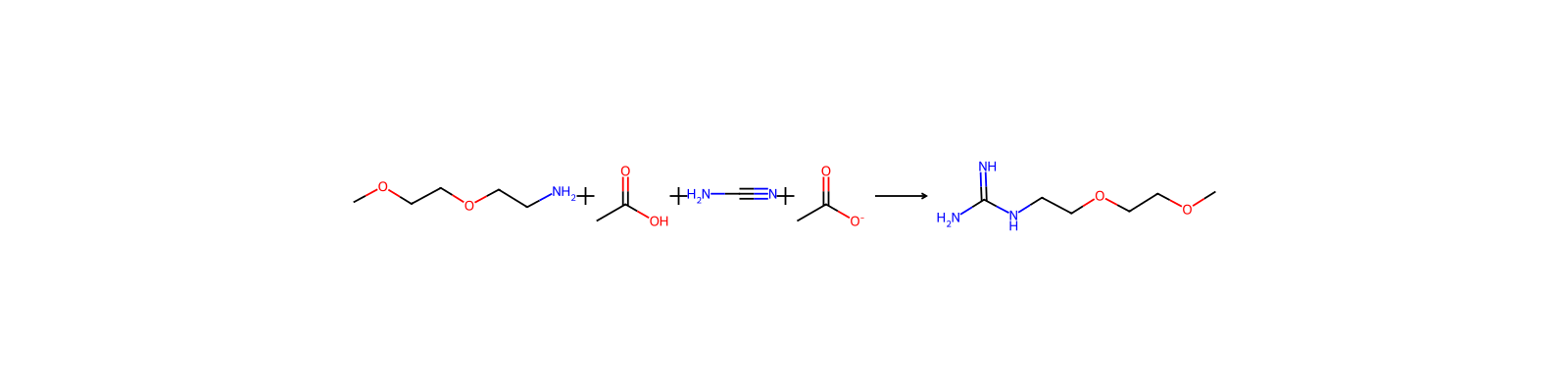
Reaktionsaufzeichnung erstellen
Reaktionsgleichung von HRID 763
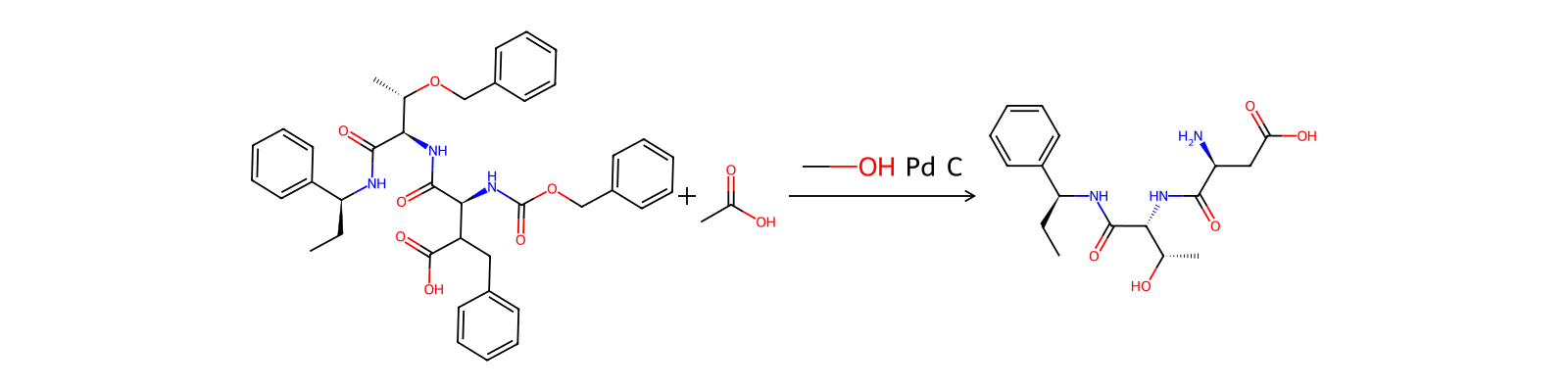
HRID 763als Eduktuspto-grants-1998_03
Reaktionsgleichung von HRID 764
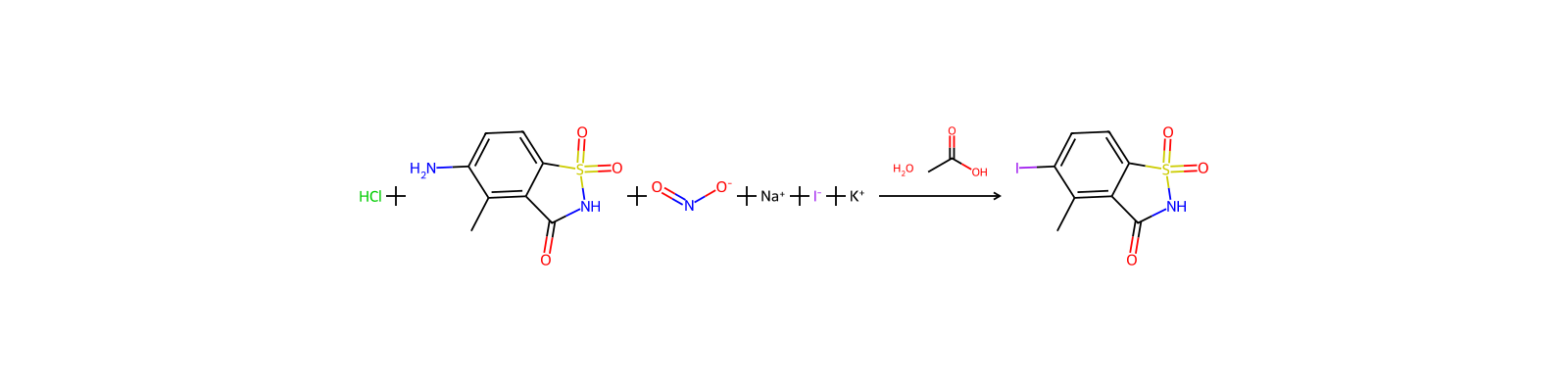
HRID 764als Eduktuspto-grants-1998_03
Reaktionsgleichung von HRID 765
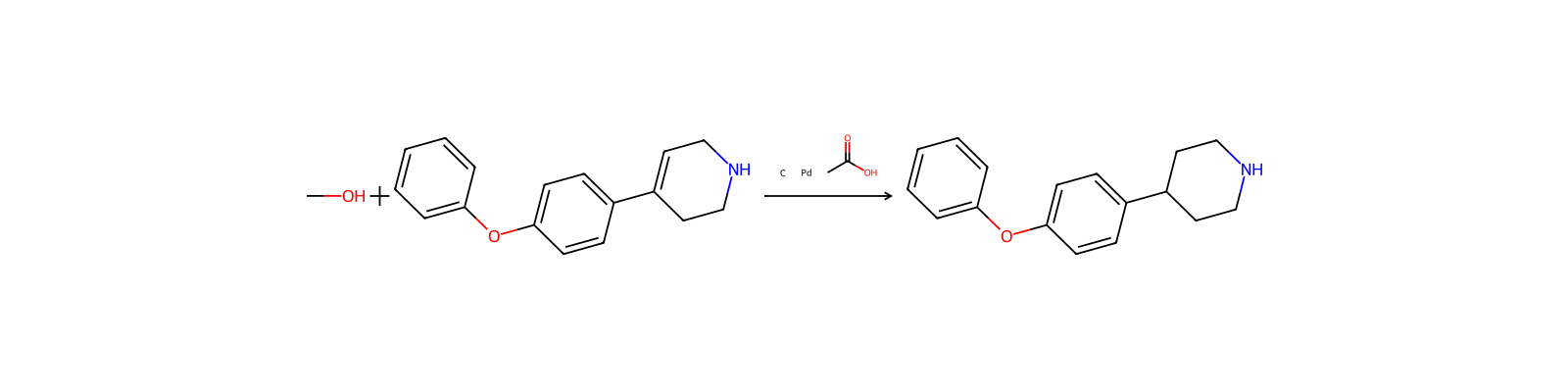
HRID 765als Eduktuspto-grants-1998_03
Reaktionsgleichung von HRID 768
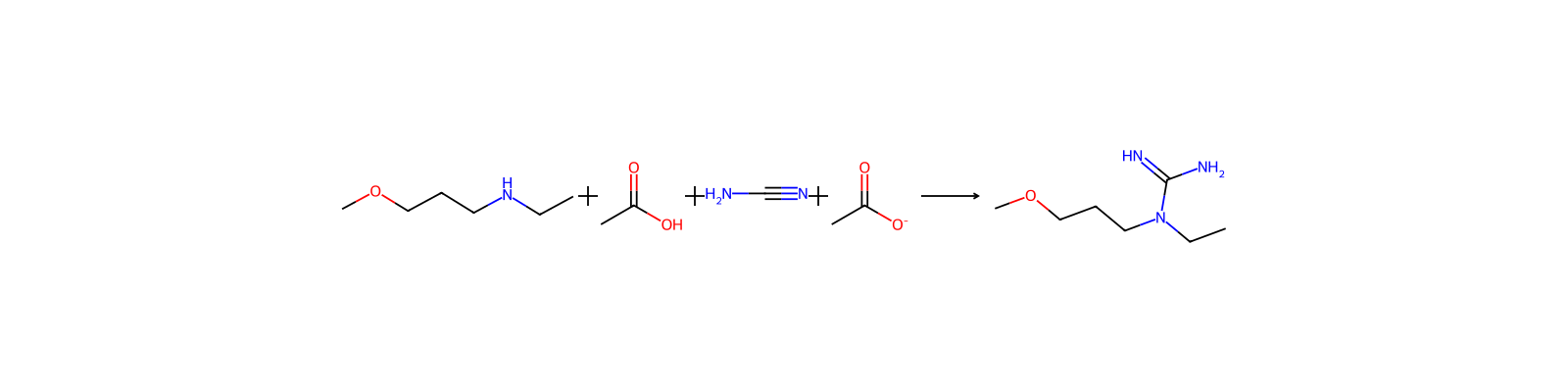
HRID 768als Eduktuspto-grants-1998_03
Reaktionsgleichung von HRID 810
HRID 810als Lösungsmitteluspto-grants-1998_03
Reaktionsgleichung von HRID 917
HRID 917als Eduktuspto-grants-1998_03
Reaktionsgleichung von HRID 951
HRID 951als Lösungsmitteluspto-grants-1998_03
Reaktionsgleichung von HRID 1023
HRID 1023als Eduktuspto-grants-1998_03
Seite 1 von 500

Notizen zur Verbindung

Wird geladen…

Auf dieser SeiteGrundinformationenÜberblickNamen und BezeichnerEigenschaftenSicherheit und RegulatorischesChemie und IndustrieZugehörige ReaktionenNotizen zur Verbindung
Weitere Aktionen
Neue NotizNeue ReaktionAnfrage stellen

Pungent

Sour, vinegar-like odor

TasteBurning taste
Food AdditivesANTIMICROBIAL AGENT, FLAVOR ENHANCER, FLAVORING AGENT OR ADJUVANT, PH CONTROL AGENT -> FDA Substance added to food
Density · 6 Einträge

1.051 at 68 °F (USCG, 1999) - Denser than water; will sink

1.0446 g/cu cm at 25 °C

Density: 1.266 at 16.60 °C (solid); 1.053 at 16.67 °C (liquid); contracts slightly on freezing

Relative density (water = 1): 1.05

1.049

1.05

Physikochemische Eigenschaften

Schmelzpunkt
16 to · 16 to 17 °C; 61 to 62 °F; 289 to 290 K
Siedepunkt
118 to · 118 to 119 °C; 244 to 246 °F; 391 to 392 K
Dichte
1.049 g/cm3 · 1.049 g/cm3 (liquid); 1.27 g/cm3 (solid)
Dampfdichte
2.07 · 2.07 (vs air)
Dampfdruck
11.4 mm · 11.4 mm Hg ( 20 °C)
FEMA
2006 · 2006 | ACETIC ACID
Brechungsindex
1.371 · 1.371 (VD = 18.19)
Flammpunkt
40 °C · 40 °C (104 °F; 313 K)
storage temp.
30 °C · Store below +30°C.
Löslichkeit
alcohol: miscible(lit.)
pka
4.74 · 4.74(at 25℃)
Aggregatzustand
liquid
Wichte
1.0492 · 1.0492 (20℃)
Farbe
Colourless
Geruch (Odor)
0.2 to · Strong, pungent, vinegar-like odor detectable at 0.2 to 1.0 ppm
PH
3.91 · 3.91(1 mM solution);3.39(10 mM solution);2.88(100 mM solution);
Explosionsgrenze
4 · 4-19.9%(V)
Geruchsart
acidic
Biologische Quelle
synthetic
Odor Threshold
0.006 ppm · 0.006ppm
Wasserlöslichkeit
miscible
Merck
14 · 14,55
JECFA Number
81 · 81
BRN
506007 · 506007
Henry's Law Constant
133 · 133, 122, 6.88, and 1.27 at pH values of 2.13, 3.52, 5.68, and 7.14, respectively (25 °C, Hakuta et al., 1977)
Dielectric constant
4.1 · 4.1(2℃)
Stabilität
Volatile
Kosmetik-Inhaltsstoffe Funktionen
FRAGRANCEBUFFERING
InChI
1S/C2H4O2/c1-2(3)4/h1H3,(H,3,4)
InChIKey
QTBSBXVTEAMEQO-UHFFFAOYSA-N
SMILES
[F2C(F2C)13F3C]C(O)=O
LogP
-0.17 · -0.170
Oberflächenspannung
26.1 mN/m · 26.10mN/m at 298.15K
CAS Datenbank
64 · 64-19-7(CAS DataBase Reference)
NIST chemische Informationen
Acetic acid(64-19-7)
EPA chemische Informationen
Acetic acid (64-19-7)

· Flammable/combustible material.

Flammable. Above 39 °C explosive vapour/air mixtures may be formed. Risk of fire and explosion on contact with strong oxidants.

Fire PotentialModerate fire risk.
Health Hazards · 4 Einträge

Breathing of vapors causes coughing, chest pain, and irritation of nose and throat; may cause nausea andvomiting. Contact with skin and eye causes burns. (USCG, 1999)

Excerpt from ERG Guide 153 [Substances - Toxic and/or Corrosive (Combustible)]:

Excerpt from ERG Guide 132 [Flammable Liquids - Corrosive]:

· May cause toxic effects if inhaled or ingested.

Hazards Summary · 1 Eintrag

Liquid causes second degree burns after contact for a few minutes; [CHRIS] Highly corrosive to skin; [Quick CPC] Glacial refers to a number of acids, e.g., acetic and phosphoric, which have a freezing point slightly below room temperature when in a highly pure state. For example, glacial acetic acid is 99.8% pure and crystallizes at 16.6 C. [Hawley] Household vinegar is usually a 5% solution. Use skin protection if >10% solution of acetic acid. The vapor can cause lacrimation. [HSDB] A case of RADS and a case of asthma caused by glacial acetic acid have been reported in the medical literature. [Rajan, 1989; Kivity, 1994] Pulmonary edema may result from inhalation of high concentrations. [NJ-HSFS]

DOT ID and Guide · 3 Einträge

2789 132

2790 153(10-80% acid)

2789 132(>80% acid)

FDA Requirements · 4 Einträge

The Approved Drug Products with Therapeutic Equivalence Evaluations List identifies currently marketed prescription drug products, incl acetic acid, approved on the basis of safety and effectiveness by FDA under sections 505 of the Federal Food, Drug, and Cosmetic Act. The Approved Drug Products with Therapeutic Equivalence Evaluations identifies currently marketed prescription drug products, including acetic acid, glacial, approved on the basis of safety and effectiveness by FDA under sections 505 of the Federal Food, Drug, and Cosmetic Act.

Substance added directly to human food affirmed as generally recognized as safe (GRAS).

Acetic acid used as a general purpose food additive in animal drugs, feeds, and related products is generally recognized as safe when used in accordance with good manufacturing or feeding practice.

Drug products containing certain active ingredients offered over-the-counter (OTC) for certain uses. A number of active ingredients have been present in OTC drug products for various uses, as described below. However, based on evidence currently available, there are inadequate data to establish general recognition of the safety and effectiveness of these ingredients for the specified uses: Acetic acid is included in topical otic drug products.

Reactive Group · 3 Einträge

Acids, Carboxylic

Acids, Carboxylic

Acids, Carboxylic

EC ClassificationSymbol: C; R: 10-35; S: (1/2)-23-26-45; Note: B
UN ClassificationUN Hazard Class: 8; UN Subsidiary Risks: 3; UN Pack Group: II

Sicherheit und Schutzausrüstung

Fire Fighting · 4 Einträge

Excerpt from ERG Guide 132 [Flammable Liquids - Corrosive]:

Excerpt from ERG Guide 153 [Substances - Toxic and/or Corrosive (Combustible)]:

Excerpt from ERG Guide 132 [Flammable Liquids - Corrosive]:

Use powder, alcohol-resistant foam, water spray, carbon dioxide. In case of fire: keep drums, etc., cool by spraying with water.

First Aid Measures · 4 Einträge

Fresh air, rest. Half-upright position. Refer immediately for medical attention.

Remove contaminated clothes. Rinse and then wash skin with water and soap. Rinse skin with plenty of water or shower for at least 15 minutes. Refer immediately for medical attention.

Rinse with plenty of water (remove contact lenses if easily possible). Refer immediately for medical attention.

Rinse mouth. Do NOT induce vomiting. If within a few minutes after ingestion, one small glass of water may be given to drink. Refer immediately for medical attention.

Accidental Release Measures · 2 Einträge

· CALL 911. Then call emergency response telephone number on shipping paper. If shipping paper not available or no answer, refer to appropriate telephone number listed on the inside back cover.

· ELIMINATE all ignition sources (no smoking, flares, sparks or flames) from immediate area.

First Aid · 5 Einträge

EYES: First check the victim for contact lenses and remove if present. Flush victim's eyes with water or normal saline solution for 20 to 30 minutes while simultaneously calling a hospital or poison control center. Do not put any ointments, oils, or medication in the victim's eyes without specific instructions from a physician. IMMEDIATELY transport the victim after flushing eyes to a hospital even if no symptoms (such as redness or irritation) develop.

Excerpt from ERG Guide 153 [Substances - Toxic and/or Corrosive (Combustible)]:

Excerpt from ERG Guide 132 [Flammable Liquids - Corrosive]:

General First Aid:

(General first aid procedures)

Safe StorageFireproof. Separated from food and feedstuffs, strong oxidants, strong acids and strong bases. Store only in original container. Well closed. Keep in a well-ventilated room. Store in an area without drain or sewer access.
Firefighting Hazards · 2 Einträge

Advice for firefighters: wear self contained breathing apparatus for fire fighting. ...

Combustion may produce irritants and toxic gases.

Exposure Control and Personal Protection · 3 Einträge

· Wear positive pressure self-contained breathing apparatus (SCBA).

163.0 [ppm]

10.0 [ppm]

Fire Fighting Procedures · 2 Einträge

Use water spray, dry chemical, "alcohol resistant" foam, or carbon dioxide. Use water to keep fire-exposed containers cool.

/When fighting fire/ use self-contained breathing apparatus with a full facepiece operated in pressure-demand or other positive pressure mode.

Storage Conditions · 3 Einträge

Store in a dry, well-ventilated place. Separate from oxidizing materials and alkaline substances.

Fireproof. Separate from food and feedstuffs. Keep in a well-ventilated room.

... Quantities greater than 1 liter should be stored in tightly sealed metal containers in areas separate from oxidizers.

Cleanup Methods · 5 Einträge

Collect leaking liquid in sealable containers. Cautiously neutralize spilled liquid with sodium carbonate only under the responsibility of an expert. Wash away remainder with plenty of water (extra personal protection: chemical protection suit including self-contained breathing apparatus).

Remove all ignition sources, ventilate area of spill or leak. If in liquid form, for small quantities, absorb on paper towels ... large quantities can be collected & atomized in suitable combustion chamber, or diluted ... neutralized & flushed into a sewer. If in the solid form, collect in the most safe & convenient manner for reclamation or allow to melt & collect as above.

Methods and materials for containment and cleaning up: soak up with inert absorbent material (e.g. sand, silica gel, acid binder, universal binder, sawdust). Contain spillage, soak up with non-combustible absorbent material, (e.g. sand, earth, diatomaceous earth, vermiculite) and transfer to a container for disposal according to local/national regulations.

Environmental precautions: prevent further leakage or spillage if safe to do so. Do not let product enter drains.

For more Cleanup Methods (Complete) data for ACETIC ACID (7 total), please visit the HSDB record page.

Nonfire Spill Response · 3 Einträge

Excerpt from ERG Guide 132 [Flammable Liquids - Corrosive]:

Excerpt from ERG Guide 153 [Substances - Toxic and/or Corrosive (Combustible)]:

Excerpt from ERG Guide 132 [Flammable Liquids - Corrosive]:

Disposal Methods · 3 Einträge

SRP: The most favorable course of action is to use an alternative chemical product with less inherent propensity for occupational harm/injury/toxicity or environmental contamination. Recycle any unused portion of the material for its approved use or return it to the manufacturer or supplier. Ultimate disposal of the chemical must consider: the material's impact on air quality; potential migration in soil or water; effects on animal and plant life; and conformance with environmental and public health regulations.

SRP: Wastewater from contaminant suppression, cleaning of protective clothing/equipment, or contaminated sites should be contained and evaluated for subject chemical or decomposition product concentrations. Concentrations shall be lower than applicable environmental discharge or disposal criteria. Alternatively, pretreatment and/or discharge to a permitted wastewater treatment facility is acceptable only after review by the governing authority and assurance that "pass through" violations will not occur. Due consideration shall be given to remediation worker exposure (inhalation, dermal and ingestion) as well as fate during treatment, transfer and disposal. If it is not practicable to manage the chemical in this fashion, it must be evaluated in accordance with EPA 40 CFR Part 261, specifically Subpart B, in order to determine the appropriate local, state and federal requirements for disposal.

Burn in a chemical incinerator equipped with an afterburner and scrubber but exert extra care in igniting as this material is highly flammable. Offer surplus and non-recyclable solutions to a licensed disposal company. Contact a licensed professional waste disposal service to dispose of this material. Contaminated packaging: dispose of as unused product.

Toxikologische Informationen

Toxicological InformationRanking: 563 (total points: 171.1)
Body Burden · 1 Eintrag

Acetic acid was qualitatively detected in 2 of 12 human milk samples collected from volunteers in four US cities(1). Acetic acid at 19.9 mg/day was measured from non-specified human emissions(2). Humans exude <90mg/day of volatile fatty acids in exhaled breath and perspiration, 80% of which is acetic acid(3); in a confined environment, as much as 15-20 mg/cu m can accumulate and such concentrations can become serious in submarines or space capsules(3).

Treatment · 2 Einträge

Lead poisoning is usually treated with chelation therapy using DMSA, EDTA, or dimercaprol. (L21)

In cases of skin or eye exposure, the area should be flushed with water and burns covered with dry, sterile dressings after decontamination. If ingested, rinse mouth and administer 5 mL/kg up to 200 mL of water for dilution. Watch for signs of respiratory insufficiency and assist respiration if necessary. (A569)

Interactions · 5 Einträge

Pain increases the rate, frequency, or intensity of some behaviors (eg, withdrawal responses) and suppresses other behaviors (eg, feeding). /The study is/ developing assays to test analgesic drug candidates using measurements of pain-suppressed rather than pain-elicited behaviors. Such assays may model important aspects of clinical pain and provide a means for distinguishing true analgesics from drugs that produce motor impairment. The present study compared effects of the mu opioid analgesic morphine and the nonanalgesic neuroleptic haloperidol on intraperitoneal acetic acid-induced writhing (a pain-elicited behavior) and suppression of feeding behavior (a pain-suppressed behavior). In feeding studies, C57BL/6J mice were given access to a dish containing 8 mL Ensure (trade mark) liquid food (0-100% in water) during daily sessions (7.5-120 min). Levels of consumption were dependent on both Ensure concentration and session duration. Intraperitoneal injection of acetic acid (0.10-0.56%) produced a time- and concentration-dependent decrease in Ensure consumption. Morphine (1 mg/kg) prevented both acid-induced writhing and acid-induced suppression of feeding, whereas the dopamine antagonist haloperidol inhibited writhing without preventing acid-induced suppression of feeding. The effects of morphine were time-dependent, selective for acid-suppressed feeding, and naltrexone-reversible. These results suggest that assays of pain-suppressed behaviors may complement assays of pain-elicited behaviors in preclinical studies of candidate analgesics...

Amylin is a member of calcitonin or calcitonin gene-related peptide (CGRP) family. Immunohistochemical study revealed a dense network of amylin-immunoreactive (irAMY) cell processes in the superficial dorsal horn of the mice. Numerous dorsal root ganglion (DRG) and trigeminal ganglion cells expressed moderate to strong irAMY. Reverse transcriptase-polymerase chain reaction (RT-PCR) revealed amylin receptor mRNA in the mouse spinal cord, brain stem, cortex, hypothalamus and hippocampus. The nociceptive or antinociceptive effects of amylin were evaluated in the acetic acid-induced writhing test. Amylin (0.1, 0.5 and 1 mg/kg, intraperitoneally (i.p.) or 1-10 microg, intrathecally (i.t.)) reduced the number of writhes in a dose-dependent manner. Pretreatment of the mice with the amylin receptor antagonist salmon calcitonin (8-32), either by i.p. or i.t., antagonized the effect of amylin on acetic acid-induced writhing test. Locomotor activity was not significantly modified by amylin injected either i.p. (0.01-1 mg/kg) or i.t. (1-10 microg). Measurement of c-fos mRNA by RT-PCR or proteins by Western blot showed that the levels were upregulated in the spinal cord of mice injected with acetic acid and the increase was attenuated by pretreatment with amylin (10 microg, i.t.). Collectively, /these/ result demonstrates that irAMY is expressed in DRG neurons with their cell processes projecting to the superficial layers of the dorsal horn, and that the peptide by interacting with amylin receptors in the spinal cord may be antinociceptive.

INTRODUCTION: Increased free-radical production, decreased antioxidant capacity, and excessive inflammation are well-known features in the pathogenesis of inflammatory bowel disease. Melatonin is a powerful antioxidant and a scavenger of hydroxyl radicals. Melatonin has also been shown to have anti-inflammatory activities in tissues. /This/ study objective is to investigate the effects of melatonin on tissue inflammatory activities using an ulcerative colitis (UC) model induced by acetic acid (AA) in rats. METHODS: Wistar rats (n = 32) were divided into four groups. AA-induced colitis was performed in two of the groups, while the other two groups were injected with saline intrarectally. One of the AA-induced colitis groups and one of the control groups were administered 100 mg/kg/day melatonin intraperitoneally, and the pair groups were given saline. After 4 days, colonic changes were evaluated biochemically by measuring proinflammatory cytokines [tumor necrosis factor (TNF)-alpha, interleukin (IL)-1beta, and IL-6], myeloperoxidase (MPO), malondialdehyde (MDA), glutathione (GSH), and superoxide dismutase (SOD) levels in tissue homogenates and by histopathological examination. RESULTS: AA caused colonic mucosal injury, whereas melatonin suppressed these changes in the AA-induced colitis group (P < 0.001). AA administration resulted in increased TNF-alpha, IL-1beta, IL-6, MPO, and MDA levels, and decreased GSH and SOD levels, whereas melatonin administration reversed these effects (all P < 0.001). CONCLUSIONS: The present study proposes that melatonin has a dual action as an effective anti-inflammatory and an antioxidant, and may be a hopeful therapeutic agent for UC.

In the present study, the effect of chronic oral administration of curcumin in the presence or absence of morphine and noloxone was investigated on the visceral nociception induced by acetic acid in rats. Intraperitoneal injection of acetic acid (1 mL, 2%) produced contractions in the abdominal musculature (writhes). The latency time to the beginning of the first writhe was measured and the total number of writhes in the 1 hr after acetic acid injection was counted. The latency time to the beginning of the first writhe was significantly (p < 0.05) increased and the number of writhes was significantly (p < 0.05) decreased by curcumin (20 and 40 mg/kg body weight). The same results were obtained after subcutaneous injection of morphine (1 mg/kg b.wt.). Naloxone at the dose of 1 mg/kg body weight had no effect on pain intensity. Curcumin significantly (p < 0.05) enhanced the effect of morphine on the visceral pain responses, however did not reverse the effect of naloxone. Present data suggest that in the acetic acid-induced visceral nociception of rats, curcumin may produce an antinociceptive effect and the endogenous analgesic opioid system is involved in the curcumin-induced antinociception.

Nine out bred white male rats weighing approximately 100 g were used in /this/ study. Rats were given either N-nitrosarcosin ethyl ester (NSEE) alone, NSEE with the acetic acid solution, or the acetic acid solution alone. doses (0.5 mL of 3% water solution of acetic acid (about 60 mg/kg bw/treatment) were given by intubation into the esophagus 3 times per week. Animals were killed by ether inhalation after 8 months of experiments and autopsied. As expected, rats treated with the carcinogen NSEE had high incidences of pre-neoplastic lesions of the esophagus and forestomach, as well as benign tumors, carcinomas and squamous cell cancer. Prolonged administration of acetic acid in combination with NSEE resulted in an increase in the number of benign and malignant tumors and carcinomas in the esophagus. Prolonged administration of acetic acid alone did not induce tumors. All nine of these rats, however, did experience hyperplasia in the esophagus and forestomach.

Target OrgansEyes, skin, respiratory system, teeth
Health Effects · 2 Einträge

Lead is a neurotoxin and has been known to cause brain damage and reduced cognitive capacity, especially in children. Lead exposure can result in nephropathy, as well as blood disorders such as high blood pressure and anemia. Lead also exhibits reproductive toxicity and can results in miscarriages and reduced sperm production. (L21)

Concentrated acetic acid is corrosive and can cause skin burns, permanent eye damage, and irritation to the mucous membranes. Ingestion can cause severe damage to the digestive system and a potentially lethal change in the acidity of the blood. (L1885)

Ecotoxicity Values · 5 Einträge

EC50; Species: Chlorococcales (Green Algae Order); Conditions: freshwater, static; Concentration: 156000 ug/L for 24 hr; Effect: physiology, assimilation efficiency /formulation/

LC50; Species: Crangon septemspinosa (Bay Shrimp, Sand Shrimp) weight 0.003 g; Conditions: saltwater, renewal, 15 °C, pH 3.64-8.07; Concentration: 116000 ug/L for 14 days (95% confidence interval: 85900-157000 ug/L) /99.7% purity/

LC50; Species: Crangon septemspinosa (Bay Shrimp, Sand Shrimp) weight 0.003 g; Conditions: saltwater, static, 15 °C, pH 2.26-7.96; Concentration: 158000 ug/L for 96 hr (95% confidence interval: 50000-500000 ug/L) /99.7% purity/

EC50; Species: Daphnia magna (Water flea); Conditions: static bioassay, neutralized to pH 8.0 and 20 °C; Concentration: 6,000 mg/L for 24 hr; Effect: immobilization

For more Ecotoxicity Values (Complete) data for ACETIC ACID (25 total), please visit the HSDB record page.

Environmental Fate · 3 Einträge

TERRESTRIAL FATE: Based on a classification scheme(1), an experimentally derived Koc value of 1.0(2,3), indicates that acetic acid is expected to have very high mobility in soil(SRC). No detectable sorption was measured for acetic acid using the OECD Guideline 106 method in three different soils(4). The pKa of acetic acid is 4.76(5), indicating that this compound will exist predominantly in anion form in the environment and anions generally do not adsorb more strongly to soils containing organic carbon and clay than their neutral counterparts(6). Volatilization of acetic acid from moist soil surfaces is not expected to be an important fate process(SRC) given a Henry's Law constant of 1.43X10⁻⁷ atm-cu m/mole(7). Acetic acid is expected to volatilize from dry soil surfaces(SRC) based upon a vapor pressure of 15.7 mm Hg at 25 °C(8). Using a modified Organization of Economic Cooperation and Development (OECD) protocol, 75% degradation was reported in 14 days using garden soil as an inoculum(9), indicating that biodegradation is an important environmental fate process in soil(SRC).

AQUATIC FATE: Based on a classification scheme(1), a Koc value of 1.0(2,3), indicates that acetic acid is not expected to adsorb to suspended solids and sediment(SRC). Volatilization from water surfaces is not expected(4) based upon a Henry's Law constant of 1.43X10⁻⁷ atm-cu m/mole(5). The pKa of acetic acid is 4.76(6), indicating that this compound will exist predominantly in anion form at an environmental pH range of 5-9. According to a classification scheme(7), an estimated BCF of 3(SRC), from its log Kow of -0.71(8) and a regression-derived equation(9), suggests the potential for bioconcentration in aquatic organisms is low(SRC). Hydrolysis is not expected to be an important environmental fate process(SRC) since this compound lacks functional groups that hydrolyze under environmental conditions(4). Utilizing the Japanese MITI test, a 74% of theoretical BOD in 2 weeks using activated sludge(10) indicates that biodegradation is an important environmenal fate process in water(SRC).

ATMOSPHERIC FATE: According to a model of gas/particle partitioning of semivolatile organic compounds in the atmosphere(1), acetic acid, which has a vapor pressure of 15.7 mm Hg at 25 °C(2), is expected to exist solely as a vapor in the ambient atmosphere. The pure compound is a solid below 68 °F(3). Particulate-phase acetic acid will be removed from the atmosphere by wet and dry deposition. Vapor-phase acetic acid is degraded in the atmosphere by reaction with photochemically-produced hydroxyl radicals(SRC); the half-life for this reaction in air is estimated to be 22 days(SRC), calculated from its measured rate constant of 7.4X10⁻¹³ cu cm/molecule-sec at 25 °C(4). Particulate-phase acetic acid will be removed from the atmosphere by wet and dry deposition. Acetic acid does not absorb light with wavelengths >290 nm(5) and, therefore, is not expected to be susceptible to direct photolysis by sunlight(SRC). Acetic acid occurs in rainwater, cloud water and fog(6-8) and can be removed from the atmosphere by wet deposition(SRC).

Food Survey Values · 3 Einträge

Acetic acid was identified as the major volatile constituent of commercial brown sugars(1); concentrations ranging from 31-827 ppm were detected in 26 brown sugars collected worldwide(1). The source of the acetic acid was found to be bacterial action in recycled sweet waters containing low levels of sucrose(1). Acetic acid was qualitatively detected as a volatile component of fried bacon, smoked pork, baked potatoes, soy sauce, roasted filbert nuts and frankfurters(2-6). Mean acetic acid concentrations of 39.6-116.6 were detected in several honeydew honey extracts(7).

Acetic acid was measured as a volatile compound in popped popcorn at a concentration of 4000 ug/kg(1), and in the extract of edible Korean chamchwi(2), cured pork(3), and volatiles from boiled short-necked clams, clams, and corbicula(4) at unreported concentrations. Volatile compounds from Bisbee Delicious apples included acetic acid present at concentrations from 25.6 to 3505.0 picoliter/kg-hr depending on the date of harvest(5). Acetic acid was reported in 7 different wines, ciders, and dessert wines and brandies from Germany at concentrations from 80 to 363 mg/L(6).

Twenty-two acids in ground roast coffees and instant coffees were determined by GLC (gas liquid chromatography) of their silyl derivatives (after preseparation by gel electrophoresis or isotachophoresis). The contribution to the total acidity (which was estimated by titration to pH 8 after cation exchange of the coffee solutions) was calculated for each individual acid. The acids contribute 67% (roast coffee) and 72% (instant coffee) to the total acidity. Citric acid (12.2% in roast coffee/10.7% in instant coffee), acetic acid (11.2%/8.8%) and the high MW acids (8%/9%) contribute to the total acidity.

Adverse EffectsDermatotoxin - Skin burns.
Exposure Routes · 4 Einträge

Serious local effects by all routes of exposure.

inhalation, skin and/or eye contact

Oral (L136) ; inhalation (L136) ; dermal (L136)

Oral (L1886) ; ihalation (L1886) ; ingestion (L1886)

Milk ConcentrationsAcetic acid was qualitatively detected in 2 of 12 human milk samples collected from volunteers in four US cities(1).

Regulatorische Informationen

FDA Requirements · 4 Einträge

The Approved Drug Products with Therapeutic Equivalence Evaluations List identifies currently marketed prescription drug products, incl acetic acid, approved on the basis of safety and effectiveness by FDA under sections 505 of the Federal Food, Drug, and Cosmetic Act. The Approved Drug Products with Therapeutic Equivalence Evaluations identifies currently marketed prescription drug products, including acetic acid, glacial, approved on the basis of safety and effectiveness by FDA under sections 505 of the Federal Food, Drug, and Cosmetic Act.

Substance added directly to human food affirmed as generally recognized as safe (GRAS).

Acetic acid used as a general purpose food additive in animal drugs, feeds, and related products is generally recognized as safe when used in accordance with good manufacturing or feeding practice.

Drug products containing certain active ingredients offered over-the-counter (OTC) for certain uses. A number of active ingredients have been present in OTC drug products for various uses, as described below. However, based on evidence currently available, there are inadequate data to establish general recognition of the safety and effectiveness of these ingredients for the specified uses: Acetic acid is included in topical otic drug products.

FIFRA Requirements · 5 Einträge

Residues of acetic acid are exempted from the requirement of a tolerance when used in accordance with good agricultural practice as inert (or occasionally active) ingredients in pesticide formulations applied to animals. Use: Catalyst. Limit: Not more than 0.5% of pesticide formulation.

Residues of the following chemical substances are exempted from the requirement of a tolerance when used in accordance with good manufacturing practice as ingredients in an antimicrobial pesticide formulation, provided that the substance is applied on a semi-permanent or permanent food-contact surface (other than being applied on food packaging) with adequate draining before contact with food. (a) The following chemical substances when used as ingredients in an antimicrobial pesticide formulation may be applied to: Food-contact surfaces in public eating places, dairy-processing equipment, and food-processing equipment and utensils. Acetic acid is included on this list. Limit: When ready for use, the end-use concentration is not to exceed 290 ppm.

Residues of the following chemical substances are exempted from the requirement of a tolerance when used in accordance with good manufacturing practice as ingredients in an antimicrobial pesticide formulation, provided that the substance is applied on a semi-permanent or permanent food-contact surface (other than being applied on food packaging) with adequate draining before contact with food. ... (b) The following chemical substances when used as ingredients in an antimicrobial pesticide formulation may be applied to: Dairy processing equipment, and food-processing equipment and utensils. Acetic acid is included on this list. Limit: When ready for use, the end-use concentration is not to exceed 686 ppm.

Residues of the following chemical substances are exempted from the requirement of a tolerance when used in accordance with good manufacturing practice as ingredients in an antimicrobial pesticide formulation, provided that the substance is applied on a semi-permanent or permanent food-contact surface (other than being applied on food packaging) with adequate draining before contact with food. ... (c) The following chemical substances when used as ingredients in an antimicrobial pesticide formulation may be applied to: Food-processing equipment and utensils. Acetic acid is included on this list. When ready for use, the end-use concentration is not to exceed 686 ppm.

New Active Ingredients ... includes pesticide active ingredients initially registered after November 1, 1984, that currently have active product registrations. By law, these newer pesticides are not subject to the reregistration program. They must, however, meet the new safety standard of the FQPA, and will be reviewed on a 15-year cycle under the registration review program. ... Active Ingredient Number: 044001; Type of Pesticide: biopesticide-herbicide; Use Site: non-food use (ornamental turf); Year: 1997.

Atmospheric Standards · 1 Eintrag

This action promulgates standards of performance for equipment leaks of Volatile Organic Compounds (VOC) in the Synthetic Organic Chemical Manufacturing Industry (SOCMI). The intended effect of these standards is to require all newly constructed, modified, and reconstructed SOCMI process units to use the best demonstrated system of continuous emission reduction for equipment leaks of VOC, considering costs, non air quality health and environmental impact and energy requirements. Acetic acid is produced, as an intermediate or a final product, by process units covered under this subpart.

CERCLA Reportable Quantities · 1 Eintrag

Persons in charge of vessels or facilities are required to notify the National Response Center (NRC) immediately, when there is a release of this designated hazardous substance, in an amount equal to or greater than its reportable quantity of 5000 lb or 2270 kg. The toll free number of the NRC is (800) 424-8802. The rule for determining when notification is required is stated in 40 CFR 302.4 (section IV. D.3.b).

Clean Water Act Requirements · 1 Eintrag

Acetic acid is designated as a hazardous substance under section 311(b)(2)(A) of the Federal Water Pollution Control Act and further regulated by the Clean Water Act Amendments of 1977 and 1978. These regulations apply to discharges of this substance. This designation includes any isomers and hydrates, as well as any solutions and mixtures containing this substance.

Sicherheitsdaten

F
1-8-10
OEB
A
OEL
TWA: 10 ppm (25 mg/m3), STEL: 15 ppm (37 mg/m3)
wgk
3
IDLA
50 ppm
tsca
TSCA listed
ridadr
UN 2790 8/PG III (ACETIC ACID SOLUTION, more than 10 % and less than 50 % acid, by mass)
hs_code
2915219090
RTECS-Nr.
NN1650000
risk_code
34-42-35-10-36/38
Toxizität
LD50 in rats (g/kg): 3.53 orally (Smyth)
hazard_code
C,Xi
safety_code
26-36/37/39-45-23-24/25
hazard_class
8
packing_group
II
Speicherklasse
3 - Flammable liquids
Giftige Stoffe Daten
64-19-7(Hazardous Substances Data)
Hazard Classifications
Eye Dam. 1Flam. Liq. 3Skin Corr. 1A
Selbstentzündungstemperatur
426 °C

/It was/ previously shown that acetic acid activates a mitochondria-dependent death process in Saccharomyces cerevisiae and that the ADP/ATP carrier (AAC) is required for mitochondrial outer membrane permeabilization and cytochrome c release. Mitochondrial fragmentation and degradation have also been shown in response to this death stimulus. Herein, /the study/ show that autophagy is not active in cells undergoing acetic acid-induced apoptosis and is therefore not responsible for mitochondrial degradation. Furthermore, /the study/ found that the vacuolar protease Pep4p and the AAC proteins have a role in mitochondrial degradation using yeast genetic approaches. Depletion and overexpression of Pep4p, an orthologue of human cathepsin D, delays and enhances mitochondrial degradation respectively. Moreover, Pep4p is released from the vacuole into the cytosol in response to acetic acid treatment. AAC-deleted cells also show a decrease in mitochondrial degradation in response to acetic acid and are not defective in Pep4p release. Therefore, AAC proteins seem to affect mitochondrial degradation at a step subsequent to Pep4p release, possibly triggering degradation through their involvement in mitochondrial permeabilization. The finding that both mitochondrial AAC proteins and the vacuolar Pep4p interfere with mitochondrial degradation suggests a complex regulation and interplay between mitochondria and the vacuole in yeast programmed cell death.

Metabolism/Metabolites · 6 Einträge

Acetic acid ... is readily metabolized by most tissues and may give rise to the production of ketone bodies as intermediates. In vitro, acetate is incorporated into phospholipids, neutral lipids, steroids, sterols, and saturated and unsaturated fatty acids in a variety of human and animal tissue preparations. ...Metabolism of 14(C) acetate in mice results in radioactivity associated with the protein fractions of plasma and most major tissues.

In the body, acetic acid is partially converted into formic acid.

When dogs were administered large doses (1-2 g/kg ip or sc) of sodium acetate, only small amounts appeared in the urine, which is evidence of the rapid utilization of acetic acid.

Acetic Acid is a known human metabolite of acetaldehyde.

Lead is absorbed following inhalation, oral, and dermal exposure. It is then distributed mainly to the bones and red blood cells. In the blood lead may be found bound to serum albumin or the metal-binding protein metallothionein. Organic lead is metabolized by cytochrome P-450 enzymes, whereas inorganic lead forms complexes with delta-aminolevulinic acid dehydratase. Lead is excreted mainly in the urine and faeces. (L136)

Acetic acid is is absorbed from the gastrointestinal tract and through the lungs. It is completely oxidized by the tissues, with metabolism involving the formation of ketone bodies. The products of acetic acid are used in the formation of glycogen, as intermediates of carbohydrates and fatty acid synthesis, and in cholesterol synthesis. In addition, acetic acid participates in the acetylation of amines and formation of proteins of plasma, liver, kidney, gut mucosa, muscle, and brain. (L1886)

MeSH Pharmacological Classification · 2 Einträge

Substances used for the detection, identification, analysis, etc. of chemical, biological, or pathologic processes or conditions. Indicators are substances that change in physical appearance, e.g., color, at or approaching the endpoint of a chemical titration, e.g., on the passage between acidity and alkalinity. Reagents are substances used for the detection or determination of another substance by chemical or microscopical means, especially analysis. Types of reagents are precipitants, solvents, oxidizers, reducers, fluxes, and colorimetric reagents. (From Grant &amp; Hackh&apos;s Chemical Dictionary, 5th ed, p301, p499)

Substances that inhibit the growth or reproduction of BACTERIA.

Absorption, Distribution and ExcretionAcetic acid is absorbed from the GI tract and through the lung.
Tissue LocationsKidney
Cellular LocationsCytoplasm
Metabolite PathwaysAmino Sugar Metabolism

Verwendung und Herstellung

Uses · 6 Einträge

CIR ingredient: Acetic Acid

Used to manufacture acetic anhydride and other organic chemicals used in the plastic, pharmaceutical, dye, insecticide, textile, rubber, and photographic industries; [ACGIH] Used in photography (stop bath); [www.ci.tucson.az.us/arthazards/medium.html] Used as a wet etchant in semiconductor manufacturing at standard concentrations of 36% or 99.5%; [CSH, p. 46] Used in the bating and tanning stages of leather production; [PMID 21938525]

Semiconductor Manufacturing [Category: Industry]

Sculpturing plastics [Category: Hobbies]

For acetic acid (USEPA/OPP Pesticide Code: 044001) ACTIVE products with label matches. /SRP: Registered for use in the U.S. but approved pesticide uses may change periodically and so federal, state and local authorities must be consulted for currently approved uses./

Used as a laboratory reagent in chemical and biochemical analysis, in field testing of lead fumes, vinyl chloride determination, uric acid in urine, aniline vapors, and separation of gases. Used in miscellaneous applications for etching compounds for engraving; deliming agent during leather tanning, solvent for organic compounds, and oil well acidizer.

Impurities · 2 Einträge

0.0001% CHLORIDE, 0.00005% LEAD, 0.00002% IRON; 0.015% SULFUR DIOXIDE; 0.001% SULFATE

Water is the chief impurity in acetic acid although other materials such as acetaldehyde, acetic anhydride, formic acid, biacetyl, methyl acetate, ethyl acetoacetate, iron and mercury are also sometimes found.

U.S. Exports · 3 Einträge

(1972) NEGLIGIBLE

(1975) 2.42X10+9 G

(1984) 9.17X10+9 g

U.S. Imports · 2 Einträge

(1972) 4.54X10+7 G

(1975) 2.72X10+8 G

U.S. Production · 6 Einträge

2023: 7,000,000,000 - <8,500,000,000 lb

(1972) 1.01X10+12 G

(1975) 9.98X10+11 G

(1984) 1.19X10+12 G /SYNTHETIC/

1990 1.71X10+12 G

For more U.S. Production (Complete) data for ACETIC ACID (14 total), please visit the HSDB record page.

Consumption Patterns · 5 Einträge

Vinyl acetate monomer (VAM), 60%; acetic anhydride, including production of cellulose acetate, 10%; esters, 10%; CMT/PTA, 10%; miscellaneous, including textiles and chloroacetic acid, 10%.

Demand: 1994: 3.82 billion pounds; 1995: 3.9 billion pounds; 1999 /projected/: 4.2 billion pounds (Figures are for the US and include exports, which were 260 million pounds in 1993, but not imports, which were 25 million pounds.)

CHEMICAL PROFILE: Acetic acid. Demand: 1988: 3.36 billion lb; 1989: 3.45 billion lb; 1993 /projected/: 3.80 billion lb. (1988 figure includes imports of 193 million lb, much of which was brought in by Hoechst Celanese in response to the outage at Pampa; historically, imports are negligible. All figures include exports.)

Worldwide demand for acetic acid in 2011 was approximately 10.25X10+6 metric ton. Estimated demand for 2020 is approximately 15.94X10+6 metric ton.

For more Consumption Patterns (Complete) data for ACETIC ACID (6 total), please visit the HSDB record page.

Consumer UsesOther
Industry UsesPlating agent
Methods of Manufacturing · 4 Einträge

The major routes for synthetic acetic acid include methanol carbonylation, acetaldehyde oxidation, butane/naphtha oxidation, and methyl acetate carbonylation. Comparatively small amounts are generated by butane liquid-phase oxidation, direct ethanol oxidation, and synthesis gas.

Obtained in the destructive distillation of wood; from acetylene and water, via acetaldehyde by oxidation with air.

Liquid- and vapor-phase oxidation of petroleum gases (with catalyst); ... oxidation of acetaldehyde; ... reaction of methanol and carbon monoxide (with catalyst; this is the most cost efficient method and has been in general use for some years); ... fermentative oxidation of ethanol.

Acetaldehyde (air oxidation): acetaldehyde + oxygen (Hoechst-Shawinigan process; coproduced with acetic anhydride): acetaldehyde (air oxidation; coproduced with peracetic acid): methanol + carbon monoxide (BASF/Monsanto carbonylation processes): methanol + carbon monoxide (BP acetyls process; coproduced with acetic anhydride): naphtha, heavy (liquid-phase oxidation; coproduced with acetone/methyl ethyl ketone/formic acid/propionic acid): n-butane (Celanese LPO process; coproduced with methanol/ethanol/acetone/methyl ethyl ketone/formic acid/propionic acid/n-butyric acid/methyl formate): acetic anhydride + cotton linters/bleached wood pulp (acetylation/partial hydrolysis; byproduct of cellulose acetate production)

Formulations/Preparations · 5 Einträge

Grades: USP /United States Pharmacopeia/ (glacial, 99.4 wt % and dilute, 36-37 wt %), CP /chemically pure: a grade designation signifying a minimum of impurities, but not 100% purity/; technical (80; 99.5%); commercial (6, 28, 30, 36, 56, 70, 80 and 99.5%); NF /national formulary/ (diluted; 6.0 g/100 mL).

Glacial acetic acid is considered to be 99.50 wt % or higher. A different grade has a minimum concentration of 99.70 wt %. Specialty users require water solutions of 86 and 36%. Such grades are prepared on special order. Only minor quantities of these grades are marketed, and their use is vanishing.

Vinegar... /is/ an aqueous solution containing about 4-12% acetic acid.

Ecosharp Weed & Grass Killer (Ecoval Corporation): Active ingredient: vinegar 25.0%.

For more Formulations/Preparations (Complete) data for ACETIC ACID (11 total), please visit the HSDB record page.

Household ProductsInformation on 96 consumer products that contain Acetic acid in the following categories is provided:
Use Classification · 6 Einträge

EPA Safer Chemical Functional Use Classes -> Processing Aids and Additives

Safer Chemical Classes -> Green circle - The chemical has been verified to be of low concern

Food additives

Fragrance Ingredients

Flavouring Agent -> FLAVOURING_AGENTFood Additives -> ACID; ACIDITY_REGULATOR; PRESERVATIVE -> JECFA Functional Classes

Flavoring Agents -> JECFA Flavorings Index

Anwendungen · 4 Einträge

BeschreibungAcetic acid is a colourless liquid or crystal with a sour, vinegar-like odour and is one of the simplest carboxylic acids and is an extensively used chemical reagent. Acetic acid has wide application as a laboratory reagent, in the production of cellulose acetate mainly for photographic film and polyvinyl acetate for wood glue, synthetic fibres, and fabric materials. Acetic acid has also been of large use as a descaling agent and acidity regulator in food industries.

OccurrenceReported found in vinegar, bergamot, cornmint oil, bitter orange oil, lemon petitgrain, various dairy products

HistoryVinegar is a dilute aqueous solution of acetic acid. The use of vinegar is well documented in ancient history, dating back at least 10,000 years. Egyptians used vinegar as an antibiotic and made apple vinegar. Babylonians produced vinegar from wine for use in medicines and as a preservative as early as 5000 b.c.e. Hippocrates (ca. 460–377 b.c.e.), known as the “father of medicine,” used vinegar as an antiseptic and in remedies for numerous conditions including fever, constipation, ulcers, and pleurisy. Oxymel, which was an ancient remedy for coughs, was made by mixing honey and vinegar. A story recorded by the Roman writer Pliny the Elder (ca. 23–79 c.e.) describes how Cleopatra, in an attempt to stage the most expensive meal ever, dissolved pearls from an earring in vinegar wine and drank the solution to win a wager.

VerwendenAcetic acid is used as table vinegar, as preservative and as an intermediate in the chemical industry, e.g. acetate fibers, acetates, acetonitrile, pharmaceuticals, fragrances, softening agents, dyes (indigo) etc. Product Data Sheet

Vor- und nachgelagerte Produkte

Vorgelagerte Rohstoffe

Mixed acidKohlenmonoxidStickstoffEthanolCobaltdi(acetat)Buttersurele, Pflanzen-Sauerstoff5-(Acetamido)-N,N'-bis(2,3-dihydroxypropyl)-2,4,6-triiodo-1,3-benzenedicarboxamideKaliumdichromatButanNaphthaQuecksilberAcetylenMethanolAcetaldehydMethyljodidHolzkohle, aktiviertMangandi(acetat)(S)-1-[3-(Acetylthio)-2-methyl-1-oxopropyl]-L-prolin

Nachgelagerte Produkte

2-Amino-5-bromo-4-methylpyridineIsochinolin-N-oxyd2-Acetylamino-5-bromo-6-methylpyridineChromtriacetatHydroxy silicone oil emulsion5-Nitrothiophene-2-carboxylic acid4-(1H-Pyrrol-1-yl)benzoic acid4-(Dimethylamino)phenyl thiocyanateDye-fixing agent GCellulose diacetate plastifier4-Brombrenzcatechin6-NitropiperonalZirconiumacetat1,1,2,2-Tetraphenylethan-1,2-diol10-NitroanthroneLevothyroxinnatriumγ-L-glutamyl-1-naphthylamide4-Bromophenylurea5-Bromo-2-hydroxy-3-methoxybenzaldehyde3,5-DibromsalicylsaeureEthyltrichloracetat1,3-DithianEthylenediamine diacetate7-Nitro-1H-indazol1H-Indazol-7-amin2-Bromo-2′-hydroxyacetophenoneALLOXAN MONOHYDRATE4-Chloro-3-methyl-1H-pyrazole4,5-Dichloronaphthalene-1,8-dicarboxylic anhydrideMethyl-(3-phenyl-propyl)-amine6-Nitroindazol1,3-Dihydro-3,3-bis(4-hydroxy-m-tolyl)-2H-indol-2-onDL-Glyceraldehyd3-Hydroxy-2,4,6-tribromobenzoic acid(1R,2R)-(+)-1,2-Diaminocyclohexane L-tartrate2-Bromcinnamaldehyd2,3-Dimethylpyridine-N-oxideEthyltriphenylphosphoniumacetatN-(6-Chloro-3-nitropyridin-2-yl)acetamide3-Amino-4-bromopyrazole

Ergänzende Hinweise

DefinitionChEBI: Acetic acid is a simple monocarboxylic acid containing two carbons. It has a role as a protic solvent, a food acidity regulator, an antimicrobial food preservative and a Daphnia magna metabolite. It is a conjugate acid of an acetate.