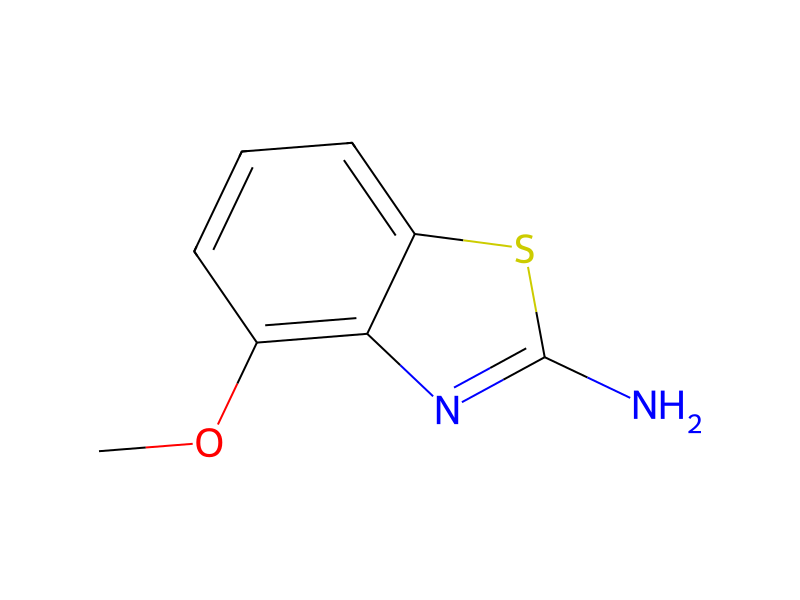
4-Methoxybenzothiazol-2-ylamin
4-Methoxy-2-aminobenzothiazole
Daten werden ergänzt – lade die Seite später neu, um den aktuellen Stand zu sehen
Grundinformationen
- CAS
5464-79-9- Standard-SMILES
COc1cccc2sc(N)nc12- InChIKey
YEBCRAVYUWNFQT-UHFFFAOYSA-N- Summenformel
- C8H8N2OS
- Durchschnittliche Molmasse
- 180,23 g/mol
- Monoisotopische Masse
- 180,03573406
Überblick
2-amino-4-methoxybenzothiazole is a beige chunky solid. (NTP, 1992)
Namen und Bezeichner
- Bevorzugter Name
- 4-Methoxy-2-aminobenzothiazole
- IUPAC
- 4-methoxy-1,3-benzothiazol-2-amine
- Lokaler Name
- 4-Methoxybenzothiazol-2-ylamin
- Englischer Name
- 4-Methoxy-2-aminobenzothiazole
- Summenformel
- C8H8N2OS
- Molmasse
- 180.23
Namen und Synonyme
2-AMINO-4-METHOXYBENZOTHIAZOLE5464-79-94-Methoxy-2-aminobenzothiazole2-Benzothiazolamine, 4-methoxy-Benzothiazole, 2-amino-4-methoxy-4-Methoxybenzothiazol-2-ylamineDTXSID4024484EINECS 226-763-1NSC 287407E3D8644F2BRN 0141363NSC-28740
Weitere Namen anzeigen
4-methoxybenzo[d]thiazol-2-amine4-METHOXY-1,3-BENZOTHIAZOL-2-AMINE15144-A2AKOS BBS-00007984TIMTEC-BB SBB0002204-Methoxybenzothiazol-2-amine2-amino-4-methoxy-benzothiazol
(4-METHOXYBENZOTHIAZOL-2-YL)AMINEDTXCID2044844-27-00-05446 (Beilstein Handbook Reference)4-METHOXY-2-BENZOTHIAZOLAMINEAMINO-4-METHOXYBENZOTHIAZOLE, 2-BENZOTHIAZOLE, 1-AMINO-3-METHOXY-RefChem:5245302-Benzothiazolamine, 4-methoxy-(9CI)
Datenbank-Bezeichner
- CAS
5464-79-9- PubChem CID
- 21622
- DTXSID
DTXSID4024484- ChEMBL
CHEMBL1487454- UNII
- 7E3D8644F2
- EC Number
- 226-763-1
- Nikkaji
- J41.961C
Eigenschaften
Berechnete StruktureigenschaftenWird ergänzt
- XLogP
- 2
- Polarare Oberfläche (TPSA)
- 76,4 Ų
- H-Brücken-Donoren
- 1
- H-Brücken-Akzeptoren
- 4
- Frei drehbare Bindungen
- 1
- Schwere Atome
- 12
- Formalladung
- 0
- Komplexität
- 167
Experimentelle und physikochemische Eigenschaften
Solubilityless than 1 mg/mL at 67.1 °F (NTP, 1992)
Melting Point307 to 311 °F (NTP, 1992)
Physical Description2-amino-4-methoxybenzothiazole is a beige chunky solid. (NTP, 1992)
Physikochemische Eigenschaften
- Schmelzpunkt
- 153 · 153-155 °C (lit.)
- Siedepunkt
- 240 °C · 240°C (rough estimate)
- Dichte
- 1.2425 · 1.2425 (rough estimate)
- Brechungsindex
- 1.569 · 1.5690 (estimate)
- storage temp.
- Keep in dark place,Inert atmosphere,Room temperature
- Aggregatzustand
- Crystalline Powder
- pka
- 4.09 · 4.09±0.10(Predicted)
- Farbe
- Beige
- Wasserlöslichkeit
- 0.1 g/100 · <0.1 g/100 mL at 19.5 ºC
- BRN
- 141363 · 141363
- InChI
- InChI=1S/C8H8N2OS/c1-11-5-3-2-4-6-7(5)10-8(9)12-6/h2-4H,1H3,(H2,9,10)
- InChIKey
- YEBCRAVYUWNFQT-UHFFFAOYSA-N
- SMILES
- S1C2=CC=CC(OC)=C2N=C1N
- CAS Datenbank
- 5464 · 5464-79-9(CAS DataBase Reference)
- EPA chemische Informationen
- 2 · 2-Amino-4-methoxybenzothiazole (5464-79-9)
Sicherheit und Regulatorisches
Sicherheitsangaben dienen nur zur Orientierung und ersetzen weder das Sicherheitsdatenblatt (SDB) des Lieferanten noch geltende Vorschriften oder eine fachliche Bewertung.
GHS-Klassifizierung
GHS Classification
Warning
H302 (100%): Harmful if swallowed [Warning Acute toxicity, oral]
P261, P264, P270, P271, P280, P301+P317, P302+P352, P304+P340, P317, P321, P330, P362+P364, and P501 (click each P-code to see the statement)
Aggregated GHS information provided per 46 reports by companies from 4 notifications to the ECHA C&L Inventory. Each notification may be associated with multiple companies.
Gefahrenhinweise
Fire HazardsFlash point data for this chemical are not available. It is probably combustible. (NTP, 1992)
Health HazardsACUTE/CHRONIC HAZARDS: When heated to decomposition this compound emits very toxic fumes of NOx and SOx. (NTP, 1992)
Reactive GroupAmines, Phosphines, and Pyridines
Reactivity Profile
An amine, organosulfide. Organosulfides are incompatible with acids, diazo and azo compounds, halocarbons, isocyanates, aldehydes, alkali metals, nitrides, hydrides, and other strong reducing agents. Reactions with these materials generate heat and in many cases hydrogen gas. Many of these compounds may liberate hydrogen sulfide upon decomposition or reaction with an acid. Amines are chemical bases. They neutralize acids to form salts plus water. These acid-base reactions are exothermic. The amount of heat that is evolved per mole of amine in a neutralization is largely independent of the strength of the amine as a base. Amines may be incompatible with isocyanates, halogenated organics, peroxides, phenols (acidic), epoxides, anhydrides, and acid halides. Flammable gaseous hydrogen is generated by amines in combination with strong reducing agents, such as hydrides.
Air and Water ReactionsInsoluble in water.
Hazard Classes and CategoriesAcute Tox. 4 (100%)
Sicherheit und Schutzausrüstung
Fire FightingFires involving this material can be controlled with a dry chemical, carbon dioxide or Halon extinguisher. (NTP, 1992)
First Aid
EYES: First check the victim for contact lenses and remove if present. Flush victim's eyes with water or normal saline solution for 20 to 30 minutes while simultaneously calling a hospital or poison control center. Do not put any ointments, oils, or medication in the victim's eyes without specific instructions from a physician. IMMEDIATELY transport the victim after flushing eyes to a hospital even if no symptoms (such as redness or irritation) develop.
Nonfire Spill Response
SMALL SPILLS AND LEAKAGE: Should a spill occur while you are handling this chemical, FIRST REMOVE ALL SOURCES OF IGNITION, then you should dampen the solid spill material with 60-70% ethanol and transfer the dampened material to a suitable container. Use absorbent paper dampened with 60-70% ethanol to pick up any remaining material. Seal the absorbent paper, and any of your clothes, which may be contaminated, in a vapor-tight plastic bag for eventual disposal. Solvent wash all contaminated surfaces with 60-70% ethanol followed by washing with a soap and water solution. Do not reenter the contaminated area until the Safety Officer (or other responsible person) has verified that the area has been properly cleaned.
Personal Protective Equipment (PPE)
RECOMMENDED RESPIRATOR: Where the neat test chemical is weighed and diluted, wear a NIOSH-approved half face respirator equipped with an organic vapor/acid gas cartridge (specific for organic vapors, HCl, acid gas and SO2) with a dust/mist filter. (NTP, 1992)
Sicherheitsdaten
- wgk
- 3
- hs_code
- 29342000
- RTECS-Nr.
- DL2000000
- risk_code
- 20/21/22
- hazard_code
- Xn,Xi
- hazard_note
- Harmful
- safety_code
- 36
- Speicherklasse
- 11 - Combustible Solids
- Hazard Classifications
- Acute Tox. 4 DermalAcute Tox. 4 InhalationAcute Tox. 4 Oral
Chemie und Industrie
Vor- und nachgelagerte Produkte
Vorgelagerte Rohstoffe
Nachgelagerte Produkte
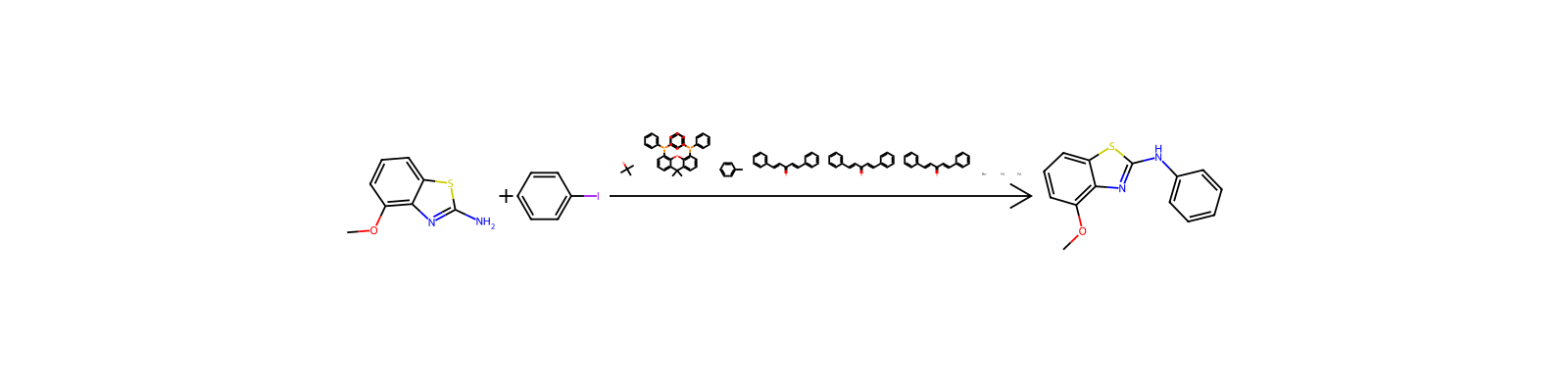
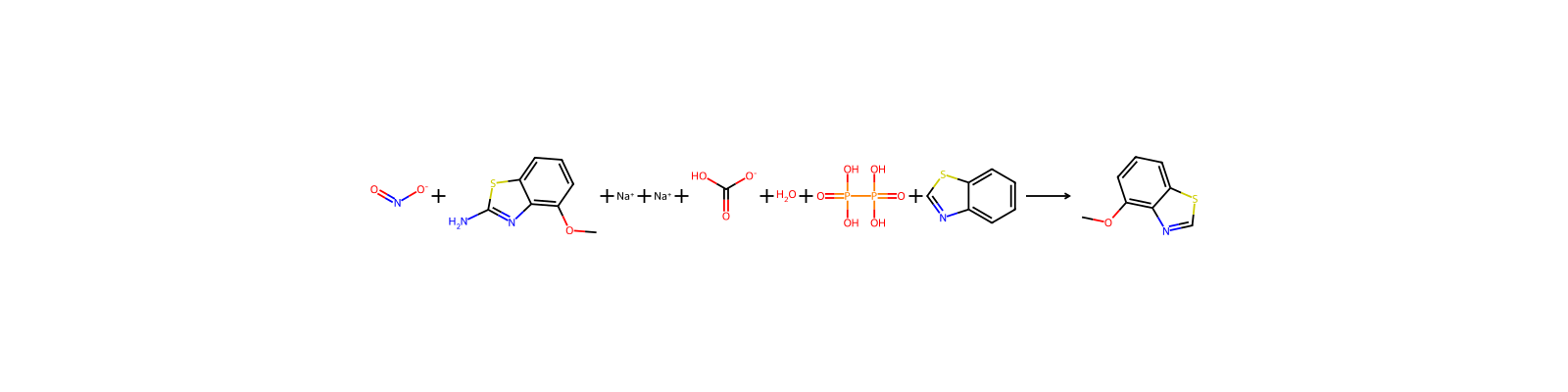
Zugehörige Reaktionen
56




Notizen zur Verbindung
Wird geladen…