

Grundinformationen
- Standard-SMILES
C[C@H](CCC(=O)O)[C@H]1CC[C@H]2[C@@H]3CC[C@@H]4C[C@H](O)CC[C@]4(C)[C@H]3C[C@H](O)[C@]12C- InChIKey
KXGVEGMKQFWNSR-LLQZFEROSA-N- Summenformel
- C24H40O4
- Durchschnittliche Molmasse
- 392,6 g/mol
- Monoisotopische Masse
- 392,29265976
Überblick
Deoxycholic acid is a bile acid that is 5beta-cholan-24-oic acid substituted by hydroxy groups at positions 3 and 12 respectively. It has a role as a human blood serum metabolite. It is a C24-steroid, a dihydroxy-5beta-cholanic acid and a bile acid. It is a conjugate acid of a deoxycholate.
Namen und Bezeichner
- Bevorzugter Name
- Deoxycholic Acid
- IUPAC
- (4R)-4-[(3R,5R,8R,9S,10S,12S,13R,14S,17R)-3,12-dihydroxy-10,13-dimethyl-2,3,4,5,6,7,8,9,11,12,14,15,16,17-tetradecahydro-1H-cyclopenta[a]phenanthren-17-yl]pentanoic acid
Namen und Synonyme
DEOXYCHOLIC ACID83-44-3CholerebicCholeic acidCholorebicDegalolDroxolanDeoxycholatic acidPyrocholSeptocholDesoxycholsaeure7-Deoxycholic acid
Weitere Namen anzeigen
7alpha-Deoxycholic acid3alpha,12alpha-Dihydroxy-5beta-cholanic acidCholic acid, deoxy-3,12-Dihydroxycholanic acidATX-101Dihydroxycholanoic acidDeoxy cholic acid3alpha,12alpha-Dihydroxy-5beta-cholan-24-oic acid
Datenbank-Bezeichner
- CAS
83-44-3- PubChem CID
- 222528
- DTXSID
DTXSID0042662- ChEMBL
CHEMBL406393、CHEMBL453873- ChEBI
CHEBI:28834- UNII
- 005990WHZZ
- EC Number
- 201-478-5
- Nikkaji
- J3.873C
Eigenschaften
Berechnete Struktureigenschaften
- XLogP
- 4,9
- Polarare Oberfläche (TPSA)
- 77,8 Ų
- H-Brücken-Donoren
- 3
- H-Brücken-Akzeptoren
- 4
- Frei drehbare Bindungen
- 4
- Schwere Atome
- 28
- Formalladung
- 0
- Komplexität
- 605
Experimentelle und physikochemische Eigenschaften
Chemical Classes
Bile Acids -> Quant Bile Acids
Other Classes -> Organic Acids
DrugsPharmaceuticals -> Listed in ZINC15
LipidsLipids -> Sterol Lipids [ST] -> Bile acids and derivatives [ST04] -> C24 bile acids, alcohols, and derivatives [ST0401]
SpringerMaterials PropertiesCrystal structure
LogP
log Kow = 3.50
3.50
Food AdditivesEMULSIFIER OR EMULSIFIER SALT -> FDA Substance added to food
Color/FormCRYSTALS FROM ALC
Solubility
SOLUBILITY IN WATER: GREATER THAN 333 G/L @ 15 °C /NA SALT/
@ 15 °C: 0.24 G/L IN WATER, 220.7 G/L IN ALC, IN ETHER: 1.16 G/L, IN CHLOROFORM: 2.94 G/L, IN BENZENE: 0.12 G/L, IN ACETONE: 10.46 G/L, IN GLACIAL ACETIC ACID: 9.06 G/L; SOL IN SOLN OF ALKALI HYDROXIDES OR CARBONATES
water solubility = 43.6 mg/l @ 20 °C
0.0436 mg/mL
Human Drugs
FDA approved drugs -> Active ingredient
FDA approved drugs -> Active ingredient
DecompositionWhen heated to decomposition it emits acrid smoke and irritating fumes.
Melting Point
176-178 °C
171 - 174 °C
Food Contact SubstancesFCS -> FDA Inventory of Food Contact Substances Listed in 21 CFR
Sicherheit und Regulatorisches
GHS-Klassifizierung
GHS Classification
Warning
H302 (100%): Harmful if swallowed [Warning Acute toxicity, oral]
P261, P264, P264+P265, P270, P271, P280, P301+P317, P302+P352, P304+P340, P305+P351+P338, P319, P321, P330, P332+P317, P337+P317, P362+P364, P403+P233, P405, and P501 (click each P-code to see the statement)
Aggregated GHS information provided per 49 reports by companies from 7 notifications to the ECHA C&L Inventory. Each notification may be associated with multiple companies.
Gefahrenhinweise
Regulatory Information
Chemical: Cholan-24-oic acid, 3,12-dihydroxy-, (3.alpha.,5.beta.,12.alpha.)-
Status: Active Update: 24-05-2018 https://echa.europa.eu/registration-dossier/-/registered-dossier/24692
Deoxycholic acid: Does not have an individual approval but may be used under an appropriate group standard
Other Safety InformationIMAP assessments - Cholan-24-oic acid, 3,12-dihydroxy-, (3.alpha.,5.beta.,12.alpha.)-: Human health tier I assessment
Hazards SummaryEmergency treatment: symptomatic drug ingestion; [HSDB] An irritant; [MSDSonline]
Hazard Classes and CategoriesAcute Tox. 4 (100%)
Sicherheit und Schutzausrüstung
Disposal Methods
SRP: At the time of review, criteria for land treatment or burial (sanitary landfill) disposal practices are subject to significant revision. Prior to implementing land disposal of waste residue (including waste sludge), consult with environmental regulatory agencies for guidance on acceptable disposal practices.
Toxikologische Informationen
Interactions
...COMPETITION FOR EXTRAVASCULAR BINDING SITES BY DEOXYCHOLIC ACID MAY EXPLAIN REDUCED VOL OF DISTRIBUTION OF BROMSULFOPHTHALEIN IN PRESENCE OF BILE ACID.
COMPD INCL DEOXYCHOLATE POTENTIATED ANTISTAPHYLOCOCCI ACTIVITY OF GENTAMYCIN, MONOMYCIN, KANAMYCIN, & NEOMYCIN.
Deoxycholic acid was tested alone and as a promoter of N-nitrosobis(2-hydroxypropyl)amine induced carcinogenesis in the hamster. Three groups of 5 to 6-wk-old male Syrian hamsters (SYR)/NI were used and 10 animals per group were given subcutaneous injections of 0.9% NaCl, once per week for 5 weeks. Group 1 received no further treatment; groups 2 and 3 received 0.1% and 0.5% DCA in their feed for 30 weeks, respectively. Animals were autopsied at week 35. There was no significant difference in body wt. between groups 1 and 2, whereas there was a significant decrease in body weight for group 3 (P<0.005). There were no liver tumors, bile duct proliferation, gallbladder lesions or polyps, pancreatic lesions, or pancreatic duct hyperplasia in these 3 groups. In the promoter study, three groups of 5 to 6-wk-old hamsters (number not stated) were given a subcutaneous injection of 500 mg/kg body wt. N-nitrosobis(2-hydroxypropyl)amine per week for 5 weeks. Group 4 received no further treatment and the N-nitrosobis(2-hydroxypropyl)amine treatment was followed by 0.1% DCA (group 5) , or 0.5% DCA (group 6) in the feed for 30 weeks. There was a significant body weight loss (P<0.005) for groups 5 and 6 compared to group 4. DCA significantly increased the induction of cholangiocarcinomas 10/19 in group 5 (P<0.006); 9/25 in group 6 (P<0.05) compared to group 4 which had 1/15. Pancreatic carcinomas were significantly increased in group 5 (14/19, P<0.03). Therefore, under the conditions of this experiment, DCA was not carcinogenic when given alone but was an effective promoter of N-nitrosobis(2-hydroxypropyl)amine-induced hepatic and pancreatic carcinogenesis in hamsters.
Health EffectsChronically high levels of deoxycholic acid are associated with several forms of cancer including colon cancer.
Natural Pollution Sources
DEOXYCHOLIC /ACID IS/...FORMED IN INTESTINE BY ACTION OF /ENTERIC/ BACTERIA ON SECRETED BILE ACIDS.
OCCURS IN BILE OF MAN, OX, SHEEP, DOG, GOAT & RABBIT.
Human Toxicity Excerpts
Excess bile acids reaching the colon can reduce net water absorption and cause diarrhea. /Bile acids/
FOLLOWING IV INJECTION OF BILE SALTS...THERE IS MARKED FALL IN BLOOD PRESSURE ACCOMPANIED BY A BRADYCARDIA. ...JAUNDICE... IV, BILE SALTS CAUSE SKELETAL MUSCULAR HYPERACTIVITY, TWITCHING, SPASM, DECR IN THRESHOLD FOR NERVE IMPULSES. ...BILE ACIDS...CAUSE LYSIS OF RED & WHITE BLOOD CELLS. /BILE SALTS & BILE ACIDS/
Carcinogen ClassificationNot listed by IARC.
Drug Induced Liver Injury
Drug Induced Liver Injury Rank (DILIrank 2.0)
Deoxycholic acid
vNo-DILI-concern
0
No match
DOI:10.1016/j.drudis.2016.02.015
Non-Human Toxicity Excerpts
IN DOGS, BILE SALTS DAMAGE GASTRIC MUCOSAL BARRIER, WHICH RESULTS IN BACK DIFFUSION OF ACID. ALTHOUGH NET DIFFUSION INTO LUMEN IS DIMINISHED, MUCOSAL CONCN IS INCREASED & ULCERATION OCCURS. /BILE SALTS/
DEOXYCHOLIC ACID ADDED TO CULTURES: WAS HIGHLY TOXIC TO RAT FIBROBLASTS & COLON CANCER CELLS, LESS TOXIC TO LIVER EPITHELIAL CELLS.
3 MMOL/L INSTILLED INTO RAT COLON LUMEN INCR PERMEABILITY TO WATER & TO UREA, MANNITOL & LACTOSE; DID NOT AFFECT OSMOTIC FILTRATION COEFFICIENTS.
CHOLIC ACID, TAUROCHOLIC ACID, GLYCOCHOLIC ACID, & DEOXYCHOLIC ACID EXERTED ANTIMICROBIAL ACTIVITY AGAINST STAPH IN VITRO: DEOXYCHOLATE MOST EFFECTIVE.
Although hepatocarcinogenesis has been reported to be promoted by exogenous administration of bile acids, the relation of endogenous bile acids to hepatocarcinogenesis is not completely understood. This study investigates the relationship between serum concentration of bile acids, the appearance of preneoplastic change, glutathione S-transferase placental form positive foci in the liver of male Donryu rats which had been fed 0.06% 3'-methyl-4-dimethylamino-azobenzene, and the effects of gomisin A, previously reported to inhibit the tumor promotion process. During the feeding of 3'-methyl-4-dimethylamino-azobenzene for 5 wks, the concn of serum bile acids were found to have increased significantly to several times the levels found at the start of the experiment. The increase of serum bile acids, especially deoxycholic acid, and the appearance of preneoplastic lesions, the number and area of glutathione S-transferase placental-positive foci in the liver, were significantly inhibited by simultaneous oral administration of gomisin A (30 mg/kg). When deoxycholic acid (100 mg/kg) was orally administered after an initiation by 3'-methyl-4-dimethylamino-azobenzene, serum bile acids and preneoplastic changes were significantly increased, these increases were inhibited by combined feeding of 0.03% gomisin A in the diet. There were good correlations between the serum concn of deoxycholic acid and the number of glutathione S-transferase placental-positive foci in the liver in both experimental protocols. These results confirm that deoxycholic acid is an endogenous risk factor for hepatocarcinogenesis and suggest that anti-promoter effect of gomisin A is based on improving metabolism of bile acids, including deoxycholic acid.
Chemie und Industrie
Pharmakologische Informationen
ATC Code
D - Dermatologicals
QD - Dermatologicals
Bionecessity
Normal functioning of the GI tract depends on appropriate synthesis and enterohepatic circulation of bile acids ... which are synthesized from cholesterol The primary bile acids are cholic acid and chenodeoxycholic acid. Bacterial metabolism of these primary bile acids in the colon forms secondary bile acids, of which deoxycholic acid is the principal specie. Secondary bile acids are absorbed in the colon and cycle with the primary bile acids. Cholic acid, chenodeoxycholic acid, and deoxy- cholic acid constitute 95% of the biliary bile acids.
Protein Binding98%
Mechanism of Action
As a bile acid, deoxycholic acid emulsifies fat in the gut. Synthetically derived deoxycholic acid, when injected, stimulates a targeted breakdown of adipose cells by disrupting the cell membrane and causing adipocytolysis. This results in an inflammatory reaction and clearing of the adipose tissue remnants by macrophages. Deoxycholic acid's actions are reduced by albumin and tissue-associated proteins, therefore its effect is limited to protein-poor subcutaneous fat tissue. Protein-rich tissues like muscle and skin are unaffected by deoxycholic acid, contributing to its safety profile.
IN SOLN CONJUGATED BILE SALTS FORM MICELLES IN WHICH LIPID MATERIALS MAY BE ENTRAINED. ...ALSO PROMOTE DIGESTION OF FATS BY STIMULATING PANCREATIC SECRETION & BY ACTIVATING PANCREATIC LIPASE. ... DEOXYCHOLIC.../ACID/ PROMOTE/S/ NET EXCRETION OF NA, K, & WATER IN COLON...MAY BE...FACTORS REGULATING COLONIC ABSORPTION.
DEOXYCHOLATE ADMIN DECR ABSORPTION OF CHOLESTEROL FROM HUMAN INTESTINAL TRACT. IT APPEARED TO INFLUENCE INTESTINAL FLORA AS ASSESSED INDIRECTLY BY ANALYSIS OF TYPES OF NEUTRAL STEROLS ELIM WITH FECES.
Metabolism/MetabolitesDeoxycholic acid is not metabolized to any significant extent under normal conditions.
FDA Pharmacological Classification
005990WHZZ
DEOXYCHOLIC ACID
Established Pharmacologic Class [EPC] - Cytolytic Agent
Physiologic Effects [PE] - Decreased Cell Membrane Integrity
Deoxycholic acid is a Cytolytic Agent. The physiologic effect of deoxycholic acid is by means of Decreased Cell Membrane Integrity.
DEOXYCHOLIC ACID
MeSH Pharmacological ClassificationGastrointestinal agents that stimulate the flow of bile into the duodenum (cholagogues) or stimulate the production of bile by the liver (choleretic).
Absorption, Distribution and Excretion
Deoxycholic acid is rapidly absorbed after subcutaneous administration. After maximum recommended single treatment dose, 100mg, the post-treatment plasma levels returned to endogenous levels within 24 hours. With the proposed treatment guideline, no accumulation is expected.
The exogenous deoxycholic acid joins the endogenous bile acid pool in the enterohepatic circulation and is excreted unchanged in feces along with endogenous deoxycholic acid.
LIVER NORMALLY SECRETES APPROX 24 G OF BILE SALTS IN 700 TO 1000 ML OF BILE IN 24 HR. MOST OF BILE SALTS ARE REABSORBED IN LOWER SMALL INTESTINE & AGAIN BECOME AVAILABLE FOR SECRETION. ... POOL OF BILE SALTS IS APPROX 2 TO 5 G. /BILE SALTS/
Tissue LocationsErythrocyte
Cellular LocationsExtracellular
Metabolite Pathways27-Hydroxylase Deficiency
Verwendung und Herstellung
Uses
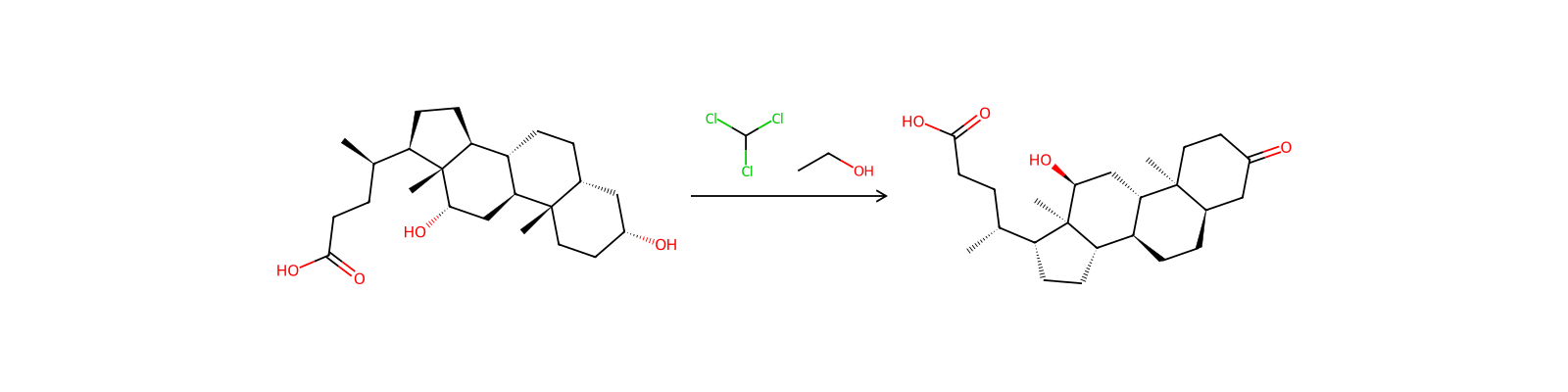
Naturally occurs in the bile of man, ox, sheep, dog, goat, and rabbit; [Merck Index] Used as emulsifying agent in food, a precursor in the synthesis of cortisone, and a gallbladder stimulant; [HSDB]
EMULSIFYING AGENT IN FOOD; PRECURSOR FOR ORG SYNTHESIS OF CORTISONE
CHOLERETIC
Methods of Manufacturing
ISOLATION: WIELAND, SIEBERT, Z PHYSIOL CHEM 262, 1 (1939). FROM CHOLIC ACID: SIFFERD, US PATENT 2,765,316 (1956 TO ARMOUR). STRUCTURE & SYNTHESIS: LF LIESER, M FIESER, STEROIDS (REINHOLD, NY, 1959). LAB PREPN FROM OX BILE: GATTERMANN-WIELAND, PRAXIS DES ORGANISCHEN CHEMIKERS (DE GRUYTER, BERLIN, 40TH ED, 1961) PAGE 361.
Isolation from bile.
Formulations/PreparationsGRADES: TECHNICAL; FCC (AS DESOXYCHOLIC ACID)
Use ClassificationFood Additives -> EMULSIFIER -> JECFA Functional Classes
General Manufacturing Information
Cholan-24-oic acid, 3,12-dihydroxy-, (3.alpha.,5.beta.,12.alpha.)-: ACTIVE
COMPLEXES WITH FATTY ACIDS HAVE BEEN STUDIED EXTENSIVELY: SOBOTKA, GOLDBERG, BIOCHEM J 26, 555 (1932); SOBOTKA, CHEM REV 15, 362 (1934). SURFACE ACTIVITY: IDEM, CHEMISTRY OF THE STEROIDS, NY (1938).
BILE ACIDS DO NOT OCCUR IN BILE AS SUCH BUT RATHER AS THE SALT FORM CONJUGATED WITH TAURINE OR GLYCINE. /BILE ACIDS/
AN ADDUCT WITH MENTHOL IS MARKETED UNDER NAME DEGALOL.
FORMS MOLECULAR COORDINATION COMPD (SO CALLED CHOLEIC ACIDS) WITH MANY SUBSTANCES;
Zugehörige Reaktionen
18




Verknüpfte Notizen
Wird geladen…