Sodium Silicate
Daten werden ergänzt – lade die Seite später neu, um den aktuellen Stand zu sehen
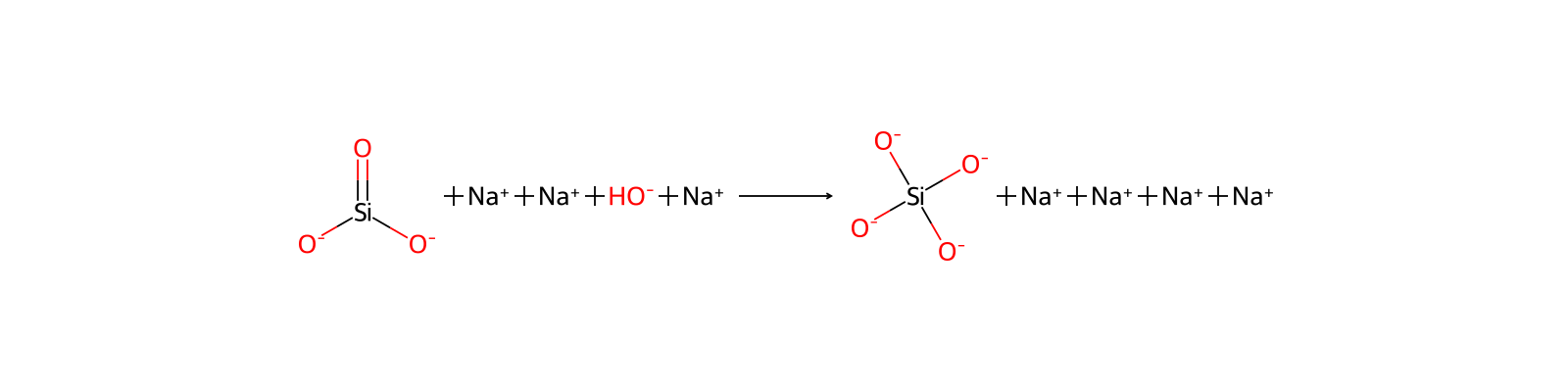
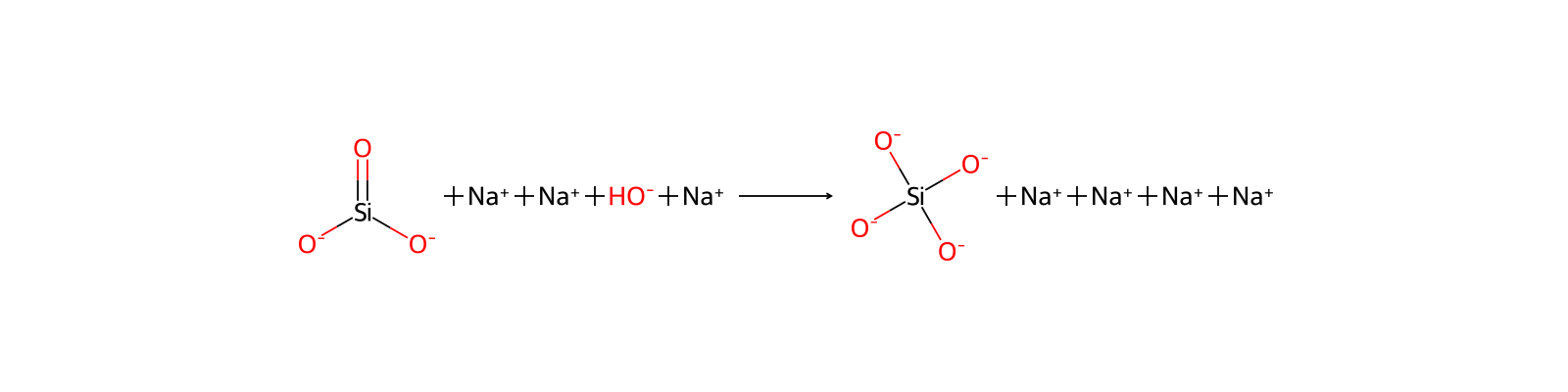
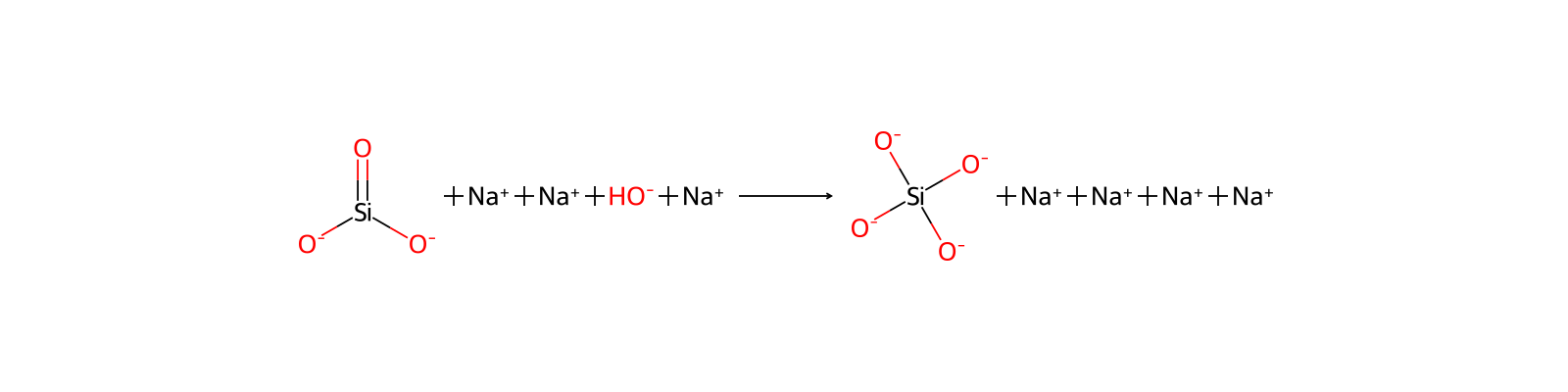
1344-09-8O=[Si]([O-])[O-].[Na+].[Na+]NTHWMYGWWRZVTN-UHFFFAOYSA-NSodium silicate appears as a powdered or flaked solid substance. Strong irritant to skin, eyes, and mucous membranes. May be toxic by ingestion. Concentrated aqueous solutions used as a glue.
1344-09-8、6834-92-0DTXSID7029669CHEBI:60720Other Classes -> Salts, Basic
Metals -> Metals, Inorganic Compounds
Cosmetic ingredients (Sodium Metasilicate) -> CIR (Cosmetic Ingredient Review)
Cosmetic ingredients (Sodium Silicate) -> CIR (Cosmetic Ingredient Review)
Anticorrosive; Buffering; Chelating
PH: ABOUT 12.5; HAS RELATIVELY HIGH BUFFER CAPACITY /0.5% SOLUTION/
AQ SOLN ARE STRONGLY ALKALINE
Use unspecified -> FDA Substance added to food
ANTICAKING AGENT OR FREE-FLOW AGENT, DRYING AGENT, HUMECTANT, PROCESSING AID -> FDA Substance added to food
1.1 to 1.7 at 68 °F (USCG, 1999)
2.614
Relative density (water = 1): 1.4
1.1 to 1.7 @ 15°C
COLORLESS MONOCLINIC CRYSTALS
USUALLY OBTAINED AS A GLASS; ALSO ORTHORHOMBIC CRYSTALS
Sicherheitsangaben dienen nur zur Orientierung und ersetzen weder das Sicherheitsdatenblatt (SDB) des Lieferanten noch geltende Vorschriften oder eine fachliche Bewertung.
Danger
H314: Causes severe skin burns and eye damage [Danger Skin corrosion/irritation]
P260, P261, P264, P271, P280, P301+P330+P331, P302+P361+P354, P304+P340, P305+P354+P338, P316, P319, P321, P363, P403+P233, P405, and P501 (click each P-code to see the statement)
This chemical does not meet GHS hazard criteria for 7.2% (290 of 4043) of reports.
Danger
H290 (13.9%): May be corrosive to metals [Warning Corrosive to Metals]
Chemical: Silicic acid (H2SiO3), disodium salt
Chemical: Silicic acid, sodium salt
Regulation (EC) No 178/2002 (amended)
Silicic acid, sodium salt is listed on the EPA's Chemical Data Reporting (CDR) system. Manufacturers and importers of Silicic acid, sodium salt are required to report information about their production and use of this chemical to the EPA under the Toxic Substances Control Act (TSCA). (40 eCFR Part 711)
Silicic acid (H2SiO3), sodium salt (1:2) is listed on the EPA's Chemical Data Reporting (CDR) system. Manufacturers and importers of Silicic acid (H2SiO3), sodium salt (1:2) are required to report information about their production and use of this chemical to the EPA under the Toxic Substances Control Act (TSCA). (40 eCFR Part 711)
Status: Active Update: 31-03-2023 https://echa.europa.eu/registration-dossier/-/registered-dossier/16162
IMAP assessments - Silicic acid (H2SiO3), disodium salt: Environment tier I assessment
IMAP assessments - Soluble silicates: Human health tier II assessment
Naturally occurring or synthetic substances that inhibit or retard oxidation reactions. They counteract the damaging effects of oxidation in animal tissues.
Synthetic or natural substances which are given to prevent a disease or disorder or are used in the process of treating a disease or injury due to a poisonous agent.
Radiolabeled (31)Si-sodium metasilicate, partially neutralized, was given orally to male guinea pigs... Most of the silica was rapidly absorbed and excreted in the urine but a significant amount was retained in the tissues. These findings are consistent with the recognition that silicon is an essential trace element for bone formation in animals.
Partly absorbed and excreted in the urine; thus excretion during chronic exposures may contribute to the production of urinary calculi.
CIR ingredient: Sodium Metasilicate
CIR ingredient: Sodium Silicate
Used in catalysts, silica gels, detergents, bleaching paper and textiles, ore treatments, foundry molds, and drilling fluids; Also used to waterproof cement and as a fireproofing agent; [Hawley] Used as a starting material for zeolites and silica catalysts, as an adhesive and binder, corrosion inhibitor, penetrating sealant, in cements, drilling fluids, for fireproofing wood, paper, and fabric, as a detergent booster, in waste water treatment, and as shell coating to preserve eggs; [Merck Index] Used as a flocculant to separate solid from liquid phases in aqueous suspensions; [Ullmann] Alkali metal silicates are used as starting materials for products like silicas and zeolites, in detergents and cleaners, and pulp and paper production; Also used to a lesser extent in soil stabilization and sealing, adhesives and binders (construction materials, paperboard and cardboard, ceramic binders, refractories, welding rods, and foundry molds and cores), surface coatings (titanium dioxide production, paints for masonry and glass, and spray coatings for tunnel construction and mining), water/wastewater treatment, enhanced oil recovery, and textile processing (bleach and dye stabilizing); [OECD SIDS: Soluble Silicates] Used as an anticaking agent, drying agent, humectant, and processing aid for foods; [FDA]
Wird geladen…
DUSTLESS WHITE GRANULES
COLORLESS TO WHITE OR GRAYISH-WHITE, CRYSTAL-LIKE PIECES OR LUMPS
LUMPS OF GREENISH GLASS; WHITE POWDERS; LIQUIDS CLOUDY OR CLEAR
VERY SOL IN COLD & HOT WATER; SOLUBLE IN DILUTE SODIUM HYDROXIDE; INSOLUBLE IN ALCOHOL, ACIDS /NONAHYDRATE/
SOL IN WATER; INSOL IN ALCOHOL
INSOL IN ACIDS, SALT SOLN
In commerce mole ratios of SiO2 to Na2O vary from 1.5 to 3.3. ... The higher the ratio (e.g., the less sodium) the lower the solubility and alkalinity.
VERY SLIGHTLY SOL OR ALMOST INSOL IN COLD WATER; LESS READILY SOL IN LARGE AMT OF WATER THAN IN SMALL AMT; ANHYD DISSOLVE WITH MORE DIFFICULTY THAN HYDRATE IN WATER
GLASS FORM SOL IN STEAM UNDER PRESSURE; PARTIALLY MISCIBLE WITH PRIMARY ALC & KETONES; MISCIBLE WITH SOME POLYHYDRIC ALC
BOILING POINT: 100 °C -6H20 /NONAHYDRATE/
102 °C @760 [mm Hg]
1089 °C
MELTING POINT: 48 °C IN WATER OF CRYSTALLIZATION; HEAT OF HYDRATION: -24.15 KCAL/MOLE; EFFLORESCENT; ORTHORHOMBIC BIPYRAMIDAL PLATELETS /NONAHYDRATE/
1089 °C
Excerpt from ERG Guide 154 [Substances - Toxic and/or Corrosive (Non-Combustible)]:
Not combustible.
General term for a group of compounds with varying quantities of sodium oxide (Na2-O) and silica (Si2-O); Aqueous solutions are characterized by the weight ratio of silica to sodium oxide, usually 1.6 to 3.8; Solutions are strongly alkaline and corrosive; [Merck Index] A strong skin and eye irritant; Toxic by ingestion at high doses; [CAMEO] A medium strong base in solution; 25-50% Aqueous solution: Aerosol is a skin, eye, and respiratory tract irritant; [ICSC] Corrosive to rabbit skin (when tested at 53.5% molar ratio of 1.6 and 82% molar ratio of 2.4); Sodium metasilicate was not sensitizing in a local lymph node assay study of mice; Similar uses and adverse effects are expected from the hydrous and anhydrous forms (Sodium metasilicate pentahydrate, Sodium metasilicate nonahydrate, Sodium metasilicate, Sodium silicate, and Potassium silicate). The main hazard of soluble silicates is their alkalinity and potentially corrosive effects on metal and tissue. [Ullmann]
A corrosive substance that can cause injury to the skin, eyes, and respiratory tract; [ICSC] A strong skin, eye, and mucous membrane irritant; [CAMEO] Causes burns; A respiratory tract irritant; [IUCLID] In high-dose, 4-week feeding studies of dogs and rats, polydipsia and polyuria were observed; Dogs but not rats had renal lesions; Oral LD50 (rat) = 1280 mg/kg (10% solution); [HSDB] pH of 1% solution = 13; [IPCS-PIMs] No reports on reproductive effects; [REPROTOX] Corrosive to moistened rabbit skin; Not sensitizing in a local lymph node assay study of mice; Similar uses and adverse effects are expected from the hydrous and anhydrous forms (Sodium metasilicate pentahydrate, Sodium metasilicate nonahydrate, Sodium metasilicate, Sodium silicate, and Potassium silicate). One case of occupational contact urticaria reported from sodium silicate; [OECD SIDS: Soluble Silicates - 2004] A severe skin irritant; Human ingestion of 1 mL/kg causes changes in tubules (including acute renal failure and necrosis), hematuria, and nausea or vomiting; [RTECS] Causes burns; Inhalation may cause corrosive injuries to upper respiratory tract and lungs; [Alfa Aesar MSDS]
Chemical: Sodium metasilicate
Chemical: Sodium silicate
As the federal pesticide law FIFRA directs, EPA is conducting a comprehensive review of older pesticides to consider their health and environmental effects and make decisions about their future use. Under this pesticide reregistration program, EPA examines health and safety data for pesticide active ingredients initially registered before November 1, 1984, and determines whether they are eligible for reregistration. In addition, all pesticides must meet the new safety standard of the Food Quality Protection Act of 1996. Pesticides for which EPA had not issued Registration Standards prior to the effective date of FIFRA, as amended in 1988, were divided into three lists based upon their potential for human exposure and other factors, with List B containing pesticides of greater concern and List D pesticides of less concern. Sodium metasilicate is found on List D. Case No: 4081; Pesticide type: insecticide, fungicide, antimicrobial; Case Status: RED Approved 09/91; OPP has made a decision that some/all uses of the pesticide are eligible for reregistration, as reflected in a Reregistration Eligibility Decision (RED) document.; Active ingredient (AI): Sodium metasilicate; AI Status: OPP has completed a Reregistration Eligibility Decision (RED) document for the case/AI.
As a general rule, pesticide chemicals other than ..., sodium metasilicate (not to exceed 4% by weight in aqueous solution)... are not for the purposes of section 408(a) of the Act generally recognized as safe.
Residues of sodium metasilicate are exempted from the requirement of a tolerance when used as a surfacant, emulsifier, wetting agent, suspending agent, dispersing agent, or buffer in accordance with good agricultural practices as inert (or occasionally active) ingredients in pesticide formulations applied to growing crops or to raw agricultural commodities after harvest.
Residues of sodium silicate are exempted from the requirement of a tolerance when used as a surfactant, emulsifier, wetting agent, stabilizer, or inhibitor in accordance with good agricultural practices as inert (or occasionally active) ingredients in pesticide formulations applied to growing crops or to raw agricultural commodities after harvest.
SODIUM SILICATE contains a variable amount of water of hydration. Rate of dissolution depends on the degree of hydration, the amount of water that is used as solvent (less soluble in large amounts of water) and the temperature (higher temperature means quicker solution). Aqueous solutions react as bases. Reacts violently with fluorine [Lewis.]
Excerpt from ERG Guide 154 [Substances - Toxic and/or Corrosive (Non-Combustible)]:
In case of fire in the surroundings, use appropriate extinguishing media.
Fresh air, rest.
First rinse with plenty of water for at least 15 minutes, then remove contaminated clothes and rinse again. Refer for medical attention .
First rinse with plenty of water for several minutes (remove contact lenses if easily possible), then refer for medical attention.
Rinse mouth. Give one or two glasses of water to drink. Do NOT induce vomiting. Refer for medical attention .
SRP: At the time of review, criteria for land treatment or burial (sanitary landfill) disposal practices are subject to significant revision. Prior to implementing land disposal of waste residue (including waste sludge), consult with environmental regulatory agencies for guidance on acceptable disposal practices.
Collect leaking and spilled liquid in sealable containers as far as possible. Absorb remaining liquid in sand or inert absorbent. Then store and dispose of according to local regulations. Personal protection: self-contained breathing apparatus.
SRP: The scientific literature for the use of contact lenses in industry is conflicting. The benefit or detrimental effects of wearing contact lenses depend not only upon the substance, but also on factors including the form of the substance, characteristics and duration of the exposure, the uses of other eye protection equipment, and the hygiene of the lenses. However, there may be individual substances whose irritating or corrosive properties are such that the wearing of contact lenses would be harmful to the eye. In those specific cases, contact lenses should not be worn. In any event, the usual eye protection equipment should be worn even when contact lenses are in place.
Dermatotoxin - Skin burns.
Nephrotoxin - The chemical is potentially toxic to the kidneys in the occupational setting.
The Expert Panel for Cosmetic Ingredient Safety concluded that the following 24 silicate ingredients are safe in cosmetics in the present practices of use and concentration described in this safety assessment when formulated to be non-irritating, with the exception that the available data are insufficient to make a determination of safety for the use of naturally-sourced (i.e., mined) silicate ingredients in products that may be incidentally inhaled: Sodium Metasilicate.
Safe for use in cosmetics, with qualifications
The Expert Panel for Cosmetic Ingredient Safety concluded that the following 24 silicate ingredients are safe in cosmetics in the present practices of use and concentration described in this safety assessment when formulated to be non-irritating, with the exception that the available data are insufficient to make a determination of safety for the use of naturally-sourced (i.e., mined) silicate ingredients in products that may be incidentally inhaled: Sodium Silicate.
Safe for use in cosmetics, with qualifications
Cough. Sore throat.
Redness. Pain.
Redness. Pain.
Diarrhoea. Nausea. Vomiting.
A 57 yr old man had had recurrent ulcerative lesions on his left hand for 2 yr. The ulcers were associated with chronic eczematous changes resulting from primary irritant contact dermatitis to sodium silicate, as indicated by positive patch tests. He used sodium silicate in a dyeing process in his work. He also had contact urticaria. An immediate wheal and flare reaction was found 15 min after application of sodium silicate to a scratch test site. This response was not seen in healthy control subjects.
MORE...CAUSTIC THAN SODIUM SILICATE. ... /IT IS/ THE MOST ALKALINE & CORROSIVE SUBSTANCE IN.../PHOSPHATE-FREE & LOW-PHOSPHATE LAUNDRY DETERGENTS & DISHWASHER PRODUCTS/.
IRRITATING & CAUSTIC TO SKIN, MUCOUS MEMBRANES. IF SWALLOWED CAUSES VOMITING & DIARRHEA.
Upper airway irritation, fever/hyperthermia (metal fume fever), leukocytosis (metal fume fever).
ACCIDENTAL SPLASHES IN EYE FOLLOWED PROMPTLY BY WASHING WITH WATER HAVE BEEN OBSERVED TO DAMAGE THE CORNEAL EPITHELIUM.
ORAL PREPN OF SODIUM METASILICATE WERE FED TO YOUNG ADULT BEAGLE DOGS AND YOUNG RATS OF BOTH SEXES FOR 4 WK. POLYDIPSIA, POLYURIA & SOFT STOOLS RESULTED IN SOME ANIMALS. GROSS & MICROSCOPIC RENAL LESIONS OBSERVED IN DOGS BUT NOT IN RATS.
... /In/ studies of detergent emesis in 11 dogs by gastric intubation ... 8 mg/kg as a 10.5% aqueous solution of a sodium silicate (SiO2:Na2O= 3.2:1) produced emesis in 6 minutes which continued for up to 33 minutes.
Sodium metasilicate is used with sodium carbonate in heavy duty alkaline laundry detergents. In rabbits this type of detergent causes damage to the cornea, with opacification, proportional to the alkalinity of the preparation. Irrigation of the eye with water must be done within 60 seconds to reduce the severity of injury.
The ip injection in rats of the nonahydrate as a neutral solution in amounts of 300 mg on day 1 and 200 mg on days 2 and 3 produced lesions in the spleen and lymph nodes and caused mitotic changes in the nuclie of cells resembling those from ionizing radiation or hypoxia. /Nonahydrate/
For more Non-Human Toxicity Excerpts (Complete) data for SODIUM METASILICATE (6 total), please visit the HSDB record page.
Mussels are controlled on water inlets, underwater substructures, ditches, etc by asphyxiation subsequent to coating with a hydrogel made of sodium silicate. Furthermore, algae and aquatic plants can be eliminated by addition of herbicides to the hydrogel. ... Water glass, diluted 1:2, with pH adjusted to 7.4, controlled mussels in a water inlet.
LD50 Rat oral 1280 mg/kg
LD50 Mouse oral 2400 mg/kg
LD50 Rat oral 1.1 - 1.6 g/kg
LD50 Mouse oral 1,100 mg/kg
As the federal pesticide law FIFRA directs, EPA is conducting a comprehensive review of older pesticides to consider their health and environmental effects and make decisions about their future use. Under this pesticide reregistration program, EPA examines health and safety data for pesticide active ingredients initially registered before November 1, 1984, and determines whether they are eligible for reregistration. In addition, all pesticides must meet the new safety standard of the Food Quality Protection Act of 1996. Pesticides for which EPA had not issued Registration Standards prior to the effective date of FIFRA, as amended in 1988, were divided into three lists based upon their potential for human exposure and other factors, with List B containing pesticides of greater concern and List D pesticides of less concern. Sodium metasilicate is found on List D. Case No: 4081; Pesticide type: insecticide, fungicide, antimicrobial; Case Status: RED Approved 09/91; OPP has made a decision that some/all uses of the pesticide are eligible for reregistration, as reflected in a Reregistration Eligibility Decision (RED) document.; Active ingredient (AI): Sodium metasilicate; AI Status: OPP has completed a Reregistration Eligibility Decision (RED) document for the case/AI.
As a general rule, pesticide chemicals other than ..., sodium metasilicate (not to exceed 4% by weight in aqueous solution)... are not for the purposes of section 408(a) of the Act generally recognized as safe.
Residues of sodium metasilicate are exempted from the requirement of a tolerance when used as a surfacant, emulsifier, wetting agent, suspending agent, dispersing agent, or buffer in accordance with good agricultural practices as inert (or occasionally active) ingredients in pesticide formulations applied to growing crops or to raw agricultural commodities after harvest.
Residues of sodium silicate are exempted from the requirement of a tolerance when used as a surfactant, emulsifier, wetting agent, stabilizer, or inhibitor in accordance with good agricultural practices as inert (or occasionally active) ingredients in pesticide formulations applied to growing crops or to raw agricultural commodities after harvest.
Steel Producing [Category: Industry]
Used as a starting material for zeolites and silica catalysts, as an adhesive and binder, corrosion inhibitor, penetrating sealant, in cements, drilling fluids, for fireproofing wood, paper, and fabric, as a detergent booster, in waste water treatment, and as shell coating to preserve eggs; [Merck Index] Used in boiler compounds, cleaners (laundry, dairy, floor, and metal), bleaches, aluminum paint strippers, pesticides (insecticides, fungicides, and antimicrobials), for deinking paper, and washing carbonated drinking bottles; Generally recognized as safe (GRAS) when directly added to human food; . . . Exempted from the requirement of a tolerance when used as a surfactant, emulsifier, wetting agent, suspending agent, dispersing agent, or buffer . . . [HSDB] Modifies water hardness in soaps and detergents; Also used as anti-corrosive agent in boiler water; Produced in anhydrous, pentahydrate, and nonahydrate forms; [IPCS-PIMs] Alkali metal silicates are used as starting materials for products like silicas and zeolites, in detergents and cleaners, and pulp and paper production; Also used to a lesser extent in soil stabilization and sealing, adhesives and binders (construction materials, paperboard and cardboard, ceramic binders, refractories, welding rods, and foundry molds and cores), surface coatings (titanium dioxide production, paints for masonry and glass, and spray coatings for tunnel construction and mining), water/wastewater treatment, enhanced oil recovery, and textile processing (bleach and dye stabilizing); [OECD SIDS: Soluble Silicates - 2004]
Molding and Core Making [Category: Foundry]
Range of trace impurities in typical sodium silicate solutions (3.3 silicon dioxide:sodiun oxide) fluoride, 6.7-9.5 ppm; chloride, 130-1900 ppm; sulfate, < 160-1,700 ppm; nitrogen, 0.1-44 ppm; arsenic, < 1-< 1 ppm; mercury, < 0.26-2.5 ppb; lead, 0.17-0.60 ppm; cadmium, < 10-21 ppm; iron, 36-120 ppm; magnesium, 4-26 ppm; calcium, < 1-76 ppm; aluminum, 50-220 ppm; phosphorus, < 18-< 18 ppm; vanadium, < 0.3-0.8 ppm; chromium, < 0.3-1.0 ppm;; nickel, < 0.3-< 0.3 ppm; cobalt, < 0.3-< 0.3 ppm; zinc, < 0.6-2.8 ppm; copper, < 0.6-1.1 ppm; bismuth, < 25-< 25 ppm; strontium, < 0.2-1.5 ppm; barium, < 0.2-2.8 ppm; manganese, 0.1-1.8 ppm; tin, < 60-< 60 ppm; antimony, < 15-< 15 ppm; selenium< 20-< 20 ppm. /From table/
2023: 1,000,000,000 - <2,500,000,000 lb
2023: 100,000,000 - <250,000,000 lb
(1972) 2.52X10+11 G (INCL ORTHOSILICATE)
(1975) 1.91X10+11 G-INCL ORTHOSILICATE
(1979) NOT PRODUCED COMMERCIALLY IN USA
(1984) 1.50 billion lb
(ALL SODIUM SILICATES): 35% TO MAKE SILICA GEL AND CATALYSTS; 18% AS ADDITIVES TO DETERGENTS & SOAPS; 15% AS CORROSION-INHIBITING BINDERS FOR PIGMENTS; 10% AS COMPONENT OF BOXBOARD ADHESIVES; 6% AS WATER CLARIFYING AGENT, A BLEACH STABILIZER FOR PAPER & A DISPERSANT & SURFACE CONDITIONER FOR ORE TREATMENT; & 16% FOR MISC USES (1975)
End use pattern soaps & detergents, 35%; silica type catalysis & gels, 25%; pigments, 23% adhesives, 5%; miscellaneous, 12% (1985)
Bleaching agent
Dye
Binder
Surfactant (surface active agent)
FUSION OF SODIUM CARBONATE WITH SILICON DIOXIDE OR SILICA SAND
FUSING OF SILICA SAND WITH SODA ASH IN AN OPEN HEARTH FURNACE (FOR SODIUM SILICONATE, THE MOLE WEIGHT RATIO OF SILICA SAND TO SODA ASH EQUALS 0.67; FOR COMMERCIAL SODIUM SILICATES,THE MOLE WEIGHT RATIO VARIES FROM 0.5 TO 3.75)
Grades or purity: A wide variety of grades, which differ in concentration of sodium silicate in water, in specific gravity, and in viscosity.
... COMMONLY EMPLOYED AS A 40% SOLN WHICH IS STRONGLY ALKALINE.
... Commonly available sodium silicates in dry form are: Na2SiO3, Na6Si2O7, and Na2Si3O7, with variable amounts of water ... .
Information on 437 consumer products that contain Sodium silicate in the following categories is provided:
Information on 297 consumer products that contain Sodium metasilicate in the following categories is provided:
Information on 2 consumer products that contain Sodium metasilicate in the following categories is provided:
EPA Safer Chemical Functional Use Classes -> Processing Aids and Additives
Safer Chemical Classes -> Green circle - The chemical has been verified to be of low concern
EPA Safer Chemical Functional Use Classes -> Processing Aids and Additives
Safer Chemical Classes -> Green circle - The chemical has been verified to be of low concern
Cosmetics -> Anticorrosive; Buffering; Chelating
Plastics -> Polymer Type -> N.a.
BeschreibungSodium silicate, 2Na2OSiO2, is the simplest form of glass. It is found as lumps of greenish glass soluble in steam under pressure, white powders of varying degrees of solubility, or liquids cloudy or clear. It is noncombustible; however, when the powdered form is suspended in air, it could cause a dust explosion if an ignition source is present. Breathing the dust may also cause health problems. The glass form could also create a hazard to responders in an accident. It is not listed as a hazardous material in the DOT Hazardous Materials Tables. The primary uses are as catalysts, soaps, adhesives, water treatment, bleaching, waterproofing, and flame retardant.
VerwendenSodium Silicate is a product used as a preservative for eggs.
DefinitionChEBI: An inorganic sodium salt having silicate as the counterion.