
Grundinformationen
- Standard-SMILES
c1ccc2c(c1)cc1ccc3cccc4ccc2c1c34- InChIKey
FMMWHPNWAFZXNH-UHFFFAOYSA-N- Summenformel
- C20H12
- Durchschnittliche Molmasse
- 252,3 g/mol
- Monoisotopische Masse
- 252,09390038
Überblick
Benzo[a]pyrene can cause cancer according to an independent committee of scientific and health experts.
Namen und Bezeichner
- Bevorzugter Name
- Benzo[a]pyrene
- IUPAC
- benzo[a]pyrene
- Englischer Name
- Benzo(A)pyrene, radical ion(1-)
- Summenformel
- C20H12
- Molmasse
- 252.32
Namen und Synonyme
benzo[a]pyrene50-32-83,4-Benzopyrenebenzo[pqr]tetrapheneBENZO(A)PYRENE3,4-BenzpyreneBenzpyrenebenzo[def]chrysene6,7-Benzopyrene3,4-Benz[a]pyreneBenz[a]pyrene3,4-BP
Weitere Namen anzeigen
3,4-Benzopirene3,4-BenzpyrenBenz(a)pyreneBenzo(d,e,f)chrysene3,4-Benz(a)pyreneBenzo(def)chrysene3,4 BenzpyreneBenzo[d,e,f]chrysene
Datenbank-Bezeichner
- CAS
34505-58-3、42299-33-2、50-32-8、6699-27-0- PubChem CID
- 2336
- DTXSID
DTXSID2020139- ChEMBL
CHEMBL31184- ChEBI
CHEBI:29865- UNII
- 3417WMA06D
- EC Number
- 200-028-5
- Nikkaji
- J2.297G
Eigenschaften
Berechnete Struktureigenschaften
- XLogP
- 6
- Polarare Oberfläche (TPSA)
- 0 Ų
- H-Brücken-Donoren
- 0
- H-Brücken-Akzeptoren
- 0
- Frei drehbare Bindungen
- 0
- Schwere Atome
- 20
- Formalladung
- 0
- Komplexität
- 372
Experimentelle und physikochemische Eigenschaften
Chemical Classes
Carcinogens
Semi-Volatile Organic Compound (SVOC) and(or) Waste-water effluent contaminant
Polymers
Other Classes -> Polycyclic Aromatic Hydrocarbons
Polycyclic aromatic hydrocarbon
SpringerMaterials Properties13C nuclear magnetic resonance spectrum
PesticidesPesticide -> EPA IRIS
LogP
log Kow = 6.13
6.04
6.57
OdorFaint aromatic odor
Density
greater than 1 (NTP, 1992)
1.351
Density (at 20 °C): 1.4 g/cm³
>1
1.351 @25 °C
Color/Form
Pale yellow monoclinic needles from benzene and methanol
Yellowish plates, needles from benzene + methanol; crystals may be monoclinic or orthorhombic
Yellowish plates (from benzene and ligroin)
Solubility
less than 1 mg/mL at 63 °F (NTP, 1992)
In water, 1.62X10⁻³ mg/L at 25 °C
Soluble in benzene, toluene, xylene, and ether; slightly soluble in alcohol
Very soluble in chloroform
Solubility in aqueous caffeine is higher than in water; also, native DNA has a solubilizing effect
Solubility in water, g/100ml at 20 °C:
Endocrine DisruptorsPotential endocrine disrupting compound
Boiling Point
887 °F at 760 mmHg (NTP, 1992)
BP: 310-312 °C at 10 mm Hg
Boiling point: > 360 °C at 760 mm Hg
496 °C
5612 °F
Decomposition
Hazardous decomposition products formed under fire conditions - Carbon oxides.[Sigma-Aldrich; Safety Data Sheet for Benzo
When heated to decomposition it emits acrid smoke and fumes.
Sicherheit und Regulatorisches
GHS-Klassifizierung
GHS Classification
Danger
H317: May cause an allergic skin reaction [Warning Sensitization, Skin]
P203, P261, P272, P273, P280, P302+P352, P318, P321, P333+P317, P362+P364, P391, P405, and P501 (click each P-code to see the statement)
Danger
H317 (99.9%): May cause an allergic skin reaction [Warning Sensitization, Skin]
P203, P261, P272, P273, P280, P302+P352, P318, P321, P333+P317, P362+P364, P391, P405, and P501 (click each P-code to see the statement)
Gefahrenhinweise
Regulatory Information
Hazard Traits - Bioaccumulation; Carcinogenicity; Environmental Persistence; Genotoxicity; Neurotoxicity; Reproductive Toxicity
Regulation (EC) No 178/2002 (amended)
Benzo[a]pyrene is listed on the EPA's Chemical Data Reporting (CDR) system. Manufacturers and importers of Benzo[a]pyrene are required to report information about their production and use of this chemical to the EPA under the Toxic Substances Control Act (TSCA). (40 eCFR Part 711)
Substance: Benzo[def]chrysene (Benzo[a]pyrene)
Substance: Benzo[def]chrysene
Benzo(a)pyrene: Does not have an individual approval but may be used under an appropriate group standard
DOT LabelClass 9
Fire Hazards
Literature sources indicate that this chemical is nonflammable. (NTP, 1992)
Not combustible. Gives off irritating or toxic fumes (or gases) in a fire.
Fire Potential
Flammable, but generally found in such low quantities it is not considered a fire hazard.
Not combustible. Gives off irritating or toxic fumes (or gases) in a fire.
Health Hazards
SYMPTOMS: Symptoms of exposure to this compound include mucous membrane irritation, dermatitis, bronchitis, cough, dyspnea, conjunctivitis, photosensitization, pulmonary edema, reproductive effects and leukemia. Contact with the skin may result in erythema, pigmentation, desquamation, formation of verrucae and infiltration. It may also cause keratoses which are relatively small, heaped-up, scaling, brown plaques on the skin, some of which may be fissured and may itch. Exposure to this type of compound may cause reddening and squamous eczema of the lid margins with only small erosion of the corneal epithelium and superficial changes in the stroma which disappear a month following exposure. Repeated exposure may cause sunlight to have a more severe effects on a person's skin and also an allergic skin rash. Aplastic anemia may also occur. Chronic exposure to the fumes and dust of this type of compound can cause discoloration of the cornea and epithelioma of the lid margin.
Hazards Summary
Benzo(a)pyrene is a biomarker of polycyclic aromatic hydrocarbon (PAH) exposure as occurs in aluminum production and coal gasification, two processes which are carcinogenic to humans (urinary bladder and lung). Exposure to soot in chimney sweeping is a known human carcinogen; Other occupational exposures to PAHs classified as Group 1 are coke production, coal-tar distillation, paving and roofing with coal-tar pitch. [Reference #1] Reason for exclusion from occupational carcinogens: Group 1 classification based on mechanistic upgrade. [PMID 29769352] See POLYCYCLIC AROMATIC HYDROCARBONS. See Soots, Coal tar pitch volatiles, Coke oven emissions, and Shale oils.
Reactive GroupHydrocarbons, Aromatic
EC ClassificationSymbol: T, N; R: 45-46-60-61-43-50/53; S: 53-45-60-61
UN ClassificationUN Hazard Class: 9; UN Pack Group: III
Special Reports
Health & Welfare Canada; Polycyclic Aromatic Hydrocarbons (1979) Report No. 80-EHD-50
Melius P; Natl Cancer Inst Monograph 65 (Use Small Fish Species Carcinog Test): 387-90 (1984). A review with twenty-two references on the metabolism of benzo(a)pyrene by fish and rat liver microsomes.
U.S. Dept Health & Human Services/Agency for Toxic Substances Disease Registry; Toxicological Profile for Polycyclic Aromatic Hydrocarbons (Update) (1995) NTIS# PB/95/264370
National Toxicology Program. Report on Carcinogens, Fourteenth Edition: Polycyclic Aromatic Hydrocarbons: 15 Listings (November, 2016). The Report on Carcinogens is an informational scientific and public health document that identifies and discusses substances (including agents, mixtures, or exposure circumstances) that may pose a carcinogenic hazard to human health. Benzo(a)pyrene (50-32-8) is listed as reasonably anticipated to be a human carcinogen.[Available from, as of February 22, 2017: https://ntp.niehs.nih.gov/pubhealth/roc/index-1.html]
EPA; Toxicological Review of Benzo[a]pyrene: Executive Summary [CASRN 50-32-8] (January 2017)[Available from, as of February 22, 2017: https://cfpub.epa.gov/ncea/iris/iris_documents/documents/subst/0136_summary.pdf]
RCRA Requirements
U022; As stipulated in 40 CFR 261.33, when benzo(a)pyrene, as a commercial chemical product or manufacturing chemical intermediate or an off-specification commercial chemical product or a manufacturing chemical intermediate, becomes a waste, it must be managed according to Federal and/or State hazardous waste regulations. Also defined as a hazardous waste is any residue, contaminated soil, water, or other debris resulting from the cleanup of a spill, into water or on dry land, of this waste. Generators of small quantities of this waste may qualify for partial exclusion from hazardous waste regulations (40 CFR 261.5).
OSHA StandardsPermissible Exposure Limit: Table Z-1 8-hr Time Weighted Avg: 0.2 mg/cu m. /Coal tar pitch volatiles (benzene soluble fraction), anthracene, BaP, phenanthrene, acridine, chrysene, pyrene/
Sicherheit und Schutzausrüstung
Fire Fighting
Excerpt from ERG Guide 171 [Substances (Low to Moderate Hazard)]:
In case of fire in the surroundings, use appropriate extinguishing media.
First Aid Measures
Fresh air, rest.
Remove contaminated clothes. Rinse and then wash skin with water and soap.
Rinse with plenty of water (remove contact lenses if easily possible).
Rinse mouth.
First Aid
EYES: First check the victim for contact lenses and remove if present. Flush victim's eyes with water or normal saline solution for 20 to 30 minutes while simultaneously calling a hospital or poison control center. Do not put any ointments, oils, or medication in the victim's eyes without specific instructions from a physician. IMMEDIATELY transport the victim after flushing eyes to a hospital even if no symptoms (such as redness or irritation) develop.
Safe StorageProvision to contain effluent from fire extinguishing. Separated from strong oxidants. Store in an area without drain or sewer access. Cool. Dry.
Exposure Control and Personal Protection
Biological Exposure Indices (BEI) [ACGIH] - 1-Hydroxypyrene (1-HP) in urine = 2.5 ug/L at end of shift at end of workweek; (Adjusted for the Pyrene to Benzo(a)pyrene ratio); 3-Hydroxybenzo(a)pyrene (3-HBAP) in urine = Nq at end of shift at end of workweek; [TLVs and BEIs]
Fire Fighting Procedures
Suitable extinguishing media: Use water spray, alcohol-resistant foam, dry chemical or carbon dioxide.[Sigma-Aldrich; Safety Data Sheet for Benzo
Advice for firefighters: Wear self-contained breathing apparatus for firefighting if necessary.[Sigma-Aldrich; Safety Data Sheet for Benzo
Poisonous gases are produced in fire including carbon monoxide. If material or contaminated runoff enters waterways, notify downstream users of potentially contaminated waters. Notify local health and fire officials and pollution control agencies. From a secure, explosion-proof location, use water spray to cool exposed containers. If cooling streams are ineffective (venting sound increases in volume and pitch, tank discolors or shows any signs of deforming), withdraw immediately to a secure position.
If material on fire or involved in fire: Extinguish fire using agent suitable for type of surrounding fire (material itself does not burn or burns with difficulty). Use dry chemical, dry sand, or carbon dioxide. Keep run-off water out of sewers and water sources.
For more Fire Fighting Procedures (Complete) data for Benzo(a)pyrene (6 total), please visit the HSDB record page.
Storage Conditions
Keep container tightly closed in a dry and well-ventilated place.[Sigma-Aldrich; Safety Data Sheet for Benzo
Store in tightly closed containers in a cool, well-ventilated area away from oxidizing chemicals (such as chlorates, perchlorates, permanganates, and nitrates). A regulated, marked area should be established where this chemical is handled, used, or stored in compliance with OSHA standard 1910.1045.
PRECAUTIONS FOR "CARCINOGENS": Storage site should be as close as practicable to lab in which carcinogens are to be used, so that only small quantities required for ... expt need to be carried. Carcinogens should be kept in only one section of cupboard, an explosion-proof refrigerator or freezer (depending on chemicophysical properties ...) that bears appropriate label. An inventory ... should be kept, showing quantity of carcinogen & date it was acquired ... Facilities for dispensing ... should be contiguous to storage area. /Chemical Carcinogens/
Cleanup Methods
ACCIDENTAL RELEASE MEASURES: Personal precautions, protective equipment and emergency procedures: Use personal protective equipment. Avoid dust formation. Avoid breathing vapors, mist or gas. Ensure adequate ventilation. Evacuate personnel to safe areas. Avoid breathing dust. Environmental precautions: Prevent further leakage or spillage if safe to do so. Do not let product enter drains. Discharge into the environment must be avoided. Methods and materials for containment and cleaning up: Pick up and arrange disposal without creating dust. Sweep up and shovel. Keep in suitable, closed containers for disposal.[Sigma-Aldrich; Safety Data Sheet for Benzo
Evacuate and restrict persons not wearing protective equipment from area of spill or leak until cleanup is complete. Remove all ignition sources. Collect powdered material in the most convenient and safe manner and deposit in sealed containers. Ventilate area of spill or leak after cleanup is complete. It may be necessary to contain and dispose of this chemical as a hazardous waste. If material or contaminated runoff enters waterways, notify downstream users of potentially contaminated waters.
Land spill: Dig a pit, pond, lagoon, holding area to contain liquid or solid material. /SRP: If time permits, pits, ponds, lagoons, soak holes, or holding areas should be sealed with an impermeable flexible membrane liner./ Cover solids with a plastic sheet to prevent dissolving in rain or fire fighting water. Dike surface flow using soil, sand bags, foamed polyurethane, or foamed concrete.
Water spill: Use natural barriers or oil spill control booms to limit spill travel. Use natural deep water pockets, excavated lagoons, or sand bag barriers to trap material at bottom. Remove trapped material with suction hoses.
For more Cleanup Methods (Complete) data for Benzo(a)pyrene (9 total), please visit the HSDB record page.
Nonfire Spill ResponseExcerpt from ERG Guide 171 [Substances (Low to Moderate Hazard)]:
Disposal Methods
SRP: Wastewater from contaminant suppression, cleaning of protective clothing/equipment, or contaminated sites should be contained and evaluated for subject chemical or decomposition product concentrations. Concentrations shall be lower than applicable environmental discharge or disposal criteria. Alternatively, pretreatment and/or discharge to a permitted wastewater treatment facility is acceptable only after review by the governing authority and assurance that "pass through" violations will not occur. Due consideration shall be given to remediation worker exposure (inhalation, dermal and ingestion) as well as fate during treatment, transfer and disposal. If it is not practicable to manage the chemical in this fashion, it must be evaluated in accordance with EPA 40 CFR Part 261, specifically Subpart B, in order to determine the appropriate local, state and federal requirements for disposal.
Generators of waste (equal to or greater than 100 kg/mo) containing this contaminant, EPA hazardous waste number U022, must conform with USEPA regulations in storage, transportation, treatment and disposal of waste.
Product: Offer surplus and non-recyclable solutions to a licensed disposal company. Contact a licensed professional waste disposal service to dispose of this material. Dissolve or mix the material with a combustible solvent and burn in a chemical incinerator equipped with an afterburner and scrubber; Contaminated packaging: Dispose of as unused product.[Sigma-Aldrich; Safety Data Sheet for Benzo
A good potential candidate for fluidized bed incineration at a temperature range of 450 to 980 °C and residence times of seconds for liquids and gases, and longer for solids. Also, a good potential candidate for rotary kiln incineration at a temperature range of 820 to 1,600 °C and residence times of seconds for liquids and gases, and hours for solids.
For more Disposal Methods (Complete) data for Benzo(a)pyrene (11 total), please visit the HSDB record page.
Spillage Disposal
Personal protection: particulate filter respirator adapted to the airborne concentration of the substance. Do NOT let this chemical enter the environment. Do NOT wash away into sewer. Sweep spilled substance into covered sealable containers. If appropriate, moisten first to prevent dusting. Carefully collect remainder. Then store and dispose of according to local regulations.
Preventive Measures
ACCIDENTAL RELEASE MEASURES: Personal precautions, protective equipment and emergency procedures: Use personal protective equipment. Avoid dust formation. Avoid breathing vapors, mist or gas. Ensure adequate ventilation. Evacuate personnel to safe areas. Avoid breathing dust. Environmental precautions: Prevent further leakage or spillage if safe to do so. Do not let product enter drains. Discharge into the environment must be avoided.[Sigma-Aldrich; Safety Data Sheet for Benzo
Precautions for safe handling: Avoid contact with skin and eyes. Avoid formation of dust and aerosols. Provide appropriate exhaust ventilation at places where dust is formed.[Sigma-Aldrich; Safety Data Sheet for Benzo
Appropriate engineering controls: Handle in accordance with good industrial hygiene and safety practice. Wash hands before breaks and at the end of workday.[Sigma-Aldrich; Safety Data Sheet for Benzo
Gloves must be inspected prior to use. Use proper glove removal technique (without touching glove's outer surface) to avoid skin contact with this product. Dispose of contaminated gloves after use in accordance with applicable laws and good laboratory practices. Wash and dry hands.[Sigma-Aldrich; Safety Data Sheet for Benzo
For more Preventive Measures (Complete) data for Benzo(a)pyrene (20 total), please visit the HSDB record page.
Toxikologische Informationen
Body Burden
Milk of nursing mothers was analyzed for the presence of benzo(a)pyrene. Levels of 7.6 to 387 ng/mL (with the mean value of 129.5 ng/mL) were found in sample of ten nursing mothers. Blood samples taken from 56 children (aged 2-12 years) in and near Lucknow, India in September 2005 to August 2006, contained benzo(a)pyrene at a median concentration of 1.4 ppb(2). Blood plasma collected from 51 healthy females and 60 healthy males in Hong Kong during 2008 contained mean benzo(a)pyrene concentrations (ng/g lipid) of 7.63 (range 0.50-10.6) in females and 7.05 (range 0.50-15.2) in males(3).
In an analysis of 33 human placenta samples collected from non-smoking women in Beijing, China during 2005-2006, benzo(a)pyrene was detected at mean, median, minimum and maximum concentrations of 0.720, 0.802, 0.037 and 2.21 ng/g fresh weight respectively. In an analysis of 7 human umbilical blood samples collected from non-smoking women in Beijing, China during 2005-2006, benzo(a)pyrene was detected at mean, median, minimum and maximum concentrations of 0.131, 0.096, not detectable and 0.549 ng/g fresh weight respectively(1).
TreatmentThere is no known antidote for PAHs. Exposure is usually handled with symptomatic treatment. (L10)
Cancer SitesGastrointestinal
Interactions
The results of both the Salmonella/microsome mutagenicity assay and HPLC analysis were used to evaluate the interactions of binary mixtures of benzo[a]pyrene and several different polychlorinated aromatic hydrocarbons. Binary mixtures of either 2-nitro-3,7,8-trichlorodibenzo-p-dioxin or pentachlorophenol with benzo[a]pyrene produced synergism, whereas strictly additive effects were observed with mixtures of octa- or heptachlorodibenzo-p-dioxin and benzo[a]pyrene. ... HPLC analysis of the mixtures indicated that preincubation of benzo[a]pyrene with 2-nitro-3,7,8-trichlorodibenzo-p-dioxin increased the quantity of benzo[a]pyrene-7,8-dihydrodiol, and 9,10-dihydrodiol metabolites detected. The data suggest that nonmutagenic components of a complex mixture may alter the metabolism of promixate mutagens. Thus, in the present study, 2-nitro-3,7,8-trichlorodibenzo-p-dioxin appears to have inhibited the detoxication of benzo[a]pyrene metabolites.
Investigators/ have recently found that transition metals, such as nickel and chromium, and oxidative stress induced lipid peroxidation metabolites such as aldehydes can greatly inhibit nucleotide excision repair (NER) and enhance carcinogen-induced mutations. Because particulate matter(PM) is rich in metal and aldehyde content and can induce oxidative stress, /the authors/ tested the effect of PM on DNA repair capacity in cultured human lung cells using in vitro DNA repair synthesis and host cell reactivation assays. PM greatly inhibits NER for ultraviolet (UV) light and benzo[a]pyrene diol epoxide (BPDE) induced DNA damage in human lung cells. /The authors/ further demonstrated that PM exposure can significantly increase both spontaneous and UV-induced mutagenesis. These results together suggest that the carcinogenicity of PM may act through its combined effect on suppression of DNA repair and enhancement of DNA replication errors. /Benzo(a)pyrene diol epoxide/
In this study we investigated effects of titanium dioxide nanoparticles (TiO2NP) on the blue mussel (Mytilus edulis) and determined their influence on the bioavailability and toxicity of benzo(a)pyrene (B(a)P), a carcinogenic polyaromatic hydrocarbon (PAH). Blue mussels were exposed to either TiO2NP (0.2 and 2.0 mg/L) or B(a)P (20 ug/L) and to the respective combinations of these two compounds. Aqueous contaminant concentrations, the uptake of Ti and B(a)P into mussel soft tissue, effects on oxidative stress and chromosomal damage were analyzed. The uncoated TiO2NP agglomerated rapidly in the seawater. The presence of TiO2NP significantly reduced the bioavailability of B(a)P, shown by lowered B(a)P concentrations in exposure tanks and in mussel tissue. The activities of antioxidant enzyme superoxide dismutase (SOD), catalase (CAT) and glutathione peroxidase (GPx) were impacted by the various exposure regimes, indicating oxidative stress in the contaminant exposure groups. While SOD activity was increased only in the 0.2TiO2NP exposure group, CAT activity was enhanced in both combined exposure groups. The GPx activity was increased only in the groups exposed to the two single compounds. In hemocytes, increased chromosomal damage was detected in mussels exposed to the single compounds, which was further increased after exposure to the combination of compounds. In this study we show that the presence of TiO2NP in the exposure system reduced B(a)P uptake in blue mussels. However, since most biomarker responses did not decrease despite of the lower B(a)P uptake in combined exposures, the results suggest that TiO2NP can act as additional stressor, or potentially alters B(a)P toxicity by activation.
Groups of 20 female Fischer 344 rats (aged unspecified) received implants of beeswax pellets containing either 1 mg benzo(a)pyrene, 0.5 mg benzo(a)pyrene, 1 mg benzo(e)pyrene (purity unspecified), 0.5 mg benzo(a)pyrene + 1 mg benzo(e)pyrene, or 1 mg benzo(a)pyrene + 1 mg benzo(e)pyrene in tracheas from isogenic donors transplanted subcutaneously in the retroscapular region (two tracheas/animal). All surviving animals were killed 28 months after the start of exposure. Benzo(e)pyrene did not induce tumors in tracheal explants, while 1 mg benzo(a)pyrene induced carcinomas in 65% of the grafts. Benzo(e)pyrene appeared to reduce the incidence of carcinomas from 65% (benzo(a)pyrene alone) to 40% (benzo(a)pyrene plus benzo(e)pyrene). However, the incidence of sarcoma in tracheal and peritracheal explants was enhanced two- to three-fold by benzo(e)pyrene given with benzo(a)pyrene compared with benzo(a)pyrene alone.
For more Interactions (Complete) data for Benzo(a)pyrene (76 total), please visit the HSDB record page.
Target OrgansDevelopmental
Health EffectsPAHs are carcinogens and have been associated with the increased risk of skin, respiratory tract, bladder, stomach, and kidney cancers. They may also cause reproductive effects and depress the immune system. (L10)
Ecotoxicity Values
LC50; Species: Neanthes arenaceodentata (annelid); Concentration: >1.0 mg/L for 96 hr /Conditions of bioassay not specified in source examined/
LC50; Species: Daphnia pulix (crustacean); Concentration: 0.005 mg/L for 96 hr /Conditions of bioassay not specified in source examined/
EC50; Species: Daphnia magna (Water flea) about 4 days old juvenile; Conditions: freshwater, static, 20 °C, pH 8.0, alkalinity 250 mg/L CaCO3; Concentration: 40 ug/L for 24 hr (95% confidence interval: 32-49 ug/L); Effect: intoxication, immobilization
EC50; Species: Daphnia magna (Water flea) age < 24 hr neonate; Conditions: freshwater, static, 20 °C; Concentration: 29.3 ug/L for 24 hr (95% confidence interval: 13.32-242.2 ug/L); Effect: intoxication, immobilization /formulation/
For more Ecotoxicity Values (Complete) data for Benzo(a)pyrene (14 total), please visit the HSDB record page.
Environmental Fate
TERRESTRIAL FATE: Based on a classification scheme(1), measured soil Koc values ranging from 3,760 to 1.3X10+6(2,3), indicate that benzo(a)pyrene is expected to have slight to no mobility in soil(SRC). Volatilization of benzo(a)pyrene from moist soil surfaces is not expected to be an important fate process(SRC) given a Henry's Law constant of 4.57X10⁻⁷ atm-cu m/mole(4). Benzo(a)pyrene is not expected to volatilize from dry soil surfaces(SRC) based upon an extrapolated vapor pressure of 5.49X10⁻⁹ mm Hg at 25 °C(5). The persistence of benzo(a)pyrene in soil is expected to vary depending upon the nature of compounds accompanying it and the nature and previous history of the soil(6). Biodegradation half-lives of 309 and 229 days were observed for benzo(a)pyrene in Kidman and McLaurin sandy loam soils, respectively(7). Cumulative 14-CO2 evolution from soil microcosm spiked with 14C-benzo(a)pyrene reached only 3% after 42 days of incubation(8). PAHs with four or more rings, such as benzo(a)pyrene, are generally expected to be resistant to biodegradation(9). Benzo(a)pyrene is susceptible to direct photolysis(10) on soil surfaces exposed to sunlight. The photolysis half-life of benzo(a)pyrene on spruce needle surfaces exposed to full sunlight in Munich, Germany in July 2001 was 33 hours(11).
AQUATIC FATE: Based on a classification scheme(1), measured Koc values from sediments and porewaters ranging from 2.7X10+5 to 1.9X10+6(2,3), indicate that benzo(a)pyrene is expected to adsorb to suspended solids and sediment(SRC). Volatilization from water surfaces is not expected(4) based upon a Henry's Law constant of 4.57X10⁻⁷ atm-cu m/mole(5). According to a classification scheme(6), measured BCF values of 490 in bluegill sunfish(7) and 480 in golden ide fish(8), suggests the potential for bioconcentration in aquatic organisms is high(SRC). However, benzo(a)pyrene may not bioconcentrate in aquatic organisms which contain microsomal oxidase, such as fish, as this enzyme enables the rapid metabolism of certain polycyclic aromatic hydrocarbons(9). A measured fish biotransformation half-life of 1.1 days has been reported for benzo(a)pyrene(10). PAHs with four or more rings, such as benzo(a)pyrene, are generally expected to be resistant to biodegradation(11). Half-lives for the mineralization of (14)C-benzo(a)pyrene in sediment/water microcosms ranged from >200 weeks in Redfish Bay, TX to >300 weeks in Lake Chicot, AR(12). In acclimated media, biodegradation can occur at a faster rate. The biodegradation half-life of benzo(a)pyrene (at 1.12 ug/L) ranged from about 12-23 days using river water, with and without sediment, collected from PAH polluted areas of the Yellow River, China(13). Benzo(a)pyrene absorbs strongly at wavelengths >290 nm(14) and, therefore, is expected to be susceptible to direct photolysis on water surfaces exposed to sunlight(SRC). Benzo(a)pyrene is not expected to undergo hydrolysis in the environment due to the lack of functional groups that hydrolyze under environmental conditions(4).
ATMOSPHERIC FATE: According to a model of gas/particle partitioning of semivolatile organic compounds in the atmosphere(1), benzo(a)pyrene, which has an extrapolated vapor pressure of 5.49X10⁻⁹ mm Hg at 25 °C(2), is expected to exist primarily in the particulate phase in the ambient atmosphere. Based on an estimated super-cooled vapor pressure of 1.8X10⁻⁷ mm Hg at 25 °C(3), a small percentage of benzo(a)pyrene is expected to exist in the vapor phase in the ambient atmosphere(1). Benzo(a)pyrene has been shown to undergo gas/particle partitioning in the environment as part of its atmospheric global distribution(4). Vapor-phase benzo(a)pyrene is degraded in the atmosphere by reaction with photochemically-produced hydroxyl radicals(SRC); the half-life for this reaction in air is estimated to be 7.7 hours(SRC), calculated from its rate constant of 5.0X10⁻¹¹ cu cm/molecule-sec at 25 °C(SRC) that was derived using a structure estimation method(3). Particulate-phase benzo(a)pyrene is also degraded in the atmosphere by reaction with photochemically-produced hydroxyl radicals(SRC); the half-life for this reaction in air is also estimated to be 7.7 hours(SRC), calculated from a measured rate constant of 5.0X10⁻¹¹ cu cm/molecule-sec at 25 °C(5). Particulate-phase benzo(a)pyrene may be removed from the air by wet and dry deposition(SRC). Benzo(a)pyrene absorbs strongly at wavelengths >290 nm(6,7) and, therefore, is expected to be susceptible to direct photolysis by sunlight(SRC).
Food Survey Values
Benzo(a)pyrene in foodstuff (ppb): fresh vegetables 2.85-24.5; vegetable oils 0.4-1.4; coconut oil 43.7; margarine 0.4-0.5; mayonnaise 0.4; coffee 0.3-1.3; tea 3.9; grain 0.19-4.13; oysters and mussels 1.5-9.0; smoked ham 3.2; smoked fish 0.83; smoked bonito 37; cooked sausage 12.5-18.8; singed meat 35-99. Broiled meat 0.17-0.63; charcoal-broiled steak 8.0; broiled mackerel 0.9; barbecued beef 3.3; barbecued ribs 10.5. /from table/
In meat or fish the amount of benzo(a)pyrene present depends upon the method of cooking: time of exposure, distance from heat source and whether or not the melted fat is allowed to drip into the heat source; in fruit, vegetables and cereals, content depends on their source (closeness to industrial areas or traffic highways)(1). Benzo(a)pyrene has been detected in, ppb: charcoal-broiled steaks, 5.8; barbecued ribs, 10.5; charcoal-broiled hamburger (21% fat), 2.6; charcoal-broiled pork chops, 7.9; charcoal-broiled chicken, 3.7; charcoal-broiled sirloin steak, 11.1; charcoal-broiled T-bone steak, 50.4; flame-broiled T-bone steak, 4.4; smoked ham, 0.7 to 3.2; barbecued beef, 3.5; hot sausage, 0.4; coffee soots, 530 to 670; liquid smokes, 10; and coconut oil, 8 to 10(2). Benzo(a)pyrene was detected in the following fruit and plant products, ppb: spinach, 7.4; salad, 2.8 to 5.3; kale, 12.6 to 48.1; soybean, 3.1; apples, 0.1 to 0.5; tomatoes, 0.2; other fruits, 2 to 8; dried yeast, 1.8 to 40.4; tea, 3.9 to 21.3; whiskey, 0.04; prunes, 0.2 to 1.5; cereals, 0.2 to 4.1; coffee soots, 200 to 400; coffee, 15(2); one of 15 brands of whisky, 0.04; baker's dry yeast, 1.8 to 40.4; and dried prunes, 0.2 to 1.5(1). Benzo(a)pyrene was detected in fermented and dried smoked sausage and cooked bologna produced in Norway at 0.04 to 0.15 and 0.04 to 0.08 ppb(2). Benzo(a)pyrene was detected in the following smoked and charcoal-broiled food products, ppb: bologna, 2.0; smoked frankfurters, 2.0; salami, 2.0; various sausages, 1.0; ham, 2.0; Wesphalian ham, 2.0; bacon, 0.5; smoked pork, 0.2 to 0.3; Gouda cheese, 0.5; charcoal-broiled porterhouse steak, 3.0; hamburger, 20.0; charcoal-broiled frankfurter, 5.0; charcoal-broiled Chinese sausages, 25.0(2).
Benzo(a)pyrene was detected in the following cereal products available in Finland, average conentration, ug/kg: bolted wheat flour, 0.4; rolled oats, 0.3; milled oats, 0.4; milled wheat, 0.2; bran, 5.4; and smoked oats, barley and beans 0.6 to 160(1). Benzo(a)pyrene was detected in the following South Indian foods, ug/g: pyrolyzed Chappatti, 0.676; pyrolyzed bread toast, 0.226; pyrolyzed cutlet, 1.418; pyrolyzed calamus, 0.008(2). Benzo(a)pyrene has been detected in the following smoked foods, ppb: ham, 0.7; barbecued beef, 3.3; and hot sausage, 0.4(3). Benzo(a)pyrene was detected in the following foods obtained from supermarkets in Milan, Italy, ug/kg: cauliflower, 0.006; beet greens, 0.096; squash, 0.452; lettuce, 0.007; tomatoes, 0.003; potatoes, 0.001; apples, 0.527; peeled apples, 0.063; citrus fruits, 0.030; bread, 0.017; pasta, 0.017; rice, corn, 0.022; milk and yogurt, 0.336; cheese, 0.014; beef, 0.613; pork, 0.035; rabbit, 0.015; chicken, 0.015; beef liver, 0.032; cured meats, 0.034; eggs, 0.015; barbecued beef, 1.445; barbecued pork, 0.121; olive oil, 0.102; butter, 0.016; chocolate, 0.332; wine, 0.009; beer, 0.029; coffee, 0.011; and pizza baked in a wood-burning oven, 0.025(4).
Benzo(a)pyrene was detected in native German vegetable oils at the following median concentrations, ug/kg: olive oils, 0.7; safflower oils, 0.3; sunflower oils, 0.7; maize germ oils, 1.3; linseed oil, 0.9; and wheat germ oil, 1.3(1). Benzo(a)pyrene levels in cereals from retail outlets and fast food chains in the Toronto metropolitan were, ug/kg: not detected to 0.11, bran cereals; 0.03, corn puffed cereal; and 0.04 corn puffed cereal(2). Infant formula and coffee whitener from retail outlets in the Toronto metropolitan area contained 0.04 to 1.2 and 0.12 ug/kg benzo(a)pyrene, respectively(2). Benzo(a)pyrene was detected in Edam cheese and Cheddar cheese at 0.3 and 0.5 ppb, respectively(3). In The Total Human Environmental Exposure Survey conducted in 1987 to 1988, the concentration of benzo(a)pyrene in 58 prepared meals ranged from 0.005 to 1.17 ug/kg, avg 0.15 ug/kg(4). Benzo(a)pyrene was detected in, ug/kg: 38 samples of margarine at a mean concentration of 0.5, range <0.06 to 5.8; 10 mussel samples, mean concentration 18, range 6.8 to 38; 5 spinach samples grown within 0.5 km of the runway of an international airport, mean 0.3, range 0.1 to 0.5; and kale grown within 0.5 km of the runway of an international airport, mean 4.6, range 1.9 to 12(5).
Adverse Effects
Reproductive Toxin - A chemical that is toxic to the reproductive system, including defects in the progeny and injury to male or female reproductive function. Reproductive toxicity includes developmental effects. See Guidelines for Reproductive Toxicity Risk Assessment.
Exposure Routes
Exposure mainly occurs via inhalation.
Oral (L10) ; inhalation (L10) ; dermal (L10)
Milk Concentrations
ENVIRONMENTAL: Benzo(a)pyrene concentrations of 7.6 to 387 ng/mL (with a mean value of 129.5 ng/mL) were found in samples of milk from ten nursing mothers(1). In an analysis of 21 human milk samples collected from non-smoking women in Beijing, China during 2005-2006, benzo(a)pyrene was detected at mean, median, minimum and maximum concentrations of 0.113, 0.019, not detectable and 0.958 ng/g fresh weight respectively(2).
ENVIRONMENTAL: Benzo(a)pyrene was detected in 51 samples of Dutch milk at concentrations ranging from 0.03 to 0.66 ppb, average 0.03 ppb(1). Benzo(a)pyrene was detected in dried milk from Canada: skim, 0.1 ppb, infant formula, 1.2 ppb(2). It was identified in milk from the UK in 1979 at 0.005 to 0.02 ppb, average 0.01 ppb(3).
ENVIRONMENTAL: Benzo(a)pyrene was detected in the following foods obtained from supermarkets in Milan, Italy, ug/kg: milk and yogurt, 0.336; cheese, 0.014; butter, 0.016(1). Infant formula and coffee whitener from retail outlets in the Toronto metropolitan area contained 0.04 to 1.2 and 0.12 ug/kg benzo(a)pyrene, respectively(2). Benzo(a)pyrene was detected in Edam cheese and Cheddar cheese at 0.3 and 0.5 ppb, respectively(3).
Regulatorische Informationen
RCRA Requirements
U022; As stipulated in 40 CFR 261.33, when benzo(a)pyrene, as a commercial chemical product or manufacturing chemical intermediate or an off-specification commercial chemical product or a manufacturing chemical intermediate, becomes a waste, it must be managed according to Federal and/or State hazardous waste regulations. Also defined as a hazardous waste is any residue, contaminated soil, water, or other debris resulting from the cleanup of a spill, into water or on dry land, of this waste. Generators of small quantities of this waste may qualify for partial exclusion from hazardous waste regulations (40 CFR 261.5).
CERCLA Reportable Quantities
Persons in charge of vessels or facilities are required to notify the National Response Center (NRC) immediately, when there is a release of this designated hazardous substance, in an amount equal to or greater than its reportable quantity of 1 lb or 0.454 kg. The toll free number of the NRC is (800) 424-8802. The rule for determining when notification is required is stated in 40 CFR 302.4 (section IV.D.3.b).
Clean Water Act Requirements
Toxic pollutant designated pursuant to section 307(a)(1) of the Federal Water Pollution Control Act and is subject to effluent limitations. /Polynuclear aromatic hydrocarbons (including benzanthracenes, benzopyrenes, benzofluoranthene, chrysenes, dibenz-anthracenes, and indenopyrenes)/
For the maximum protection of human health from the potential carcinogenic effects of exposure to polynuclear aromatic hydrocarbons through ingestion of contaminated water and contaminated aquatic organisms, the ambient water concentration should be zero, based on the nonthreshold assumption for this chemical. However, zero level may not be attainable at the present time. Therefore, the levels which may result in incremental increase of cancer risk over the lifetime are estimated at 1X10⁻⁵, 1X10⁻⁶, and 1X10⁻⁷. The corresponding recommended criteria are 28.0 ng/L, 2.8 ng/L, and 0.28 ng/L, respectively. If these estimates are made for consumption of aquatic organisms only, excluding consumption of water, the levels are 311.0 ng/L, 31.1 ng/L, and 3.11 ng/L, respectively. /Polynuclear aromatic hydrocarbons/.
State Drinking Water Guidelines(NH) NEW HAMPSHIRE 0.20 ug/L
Federal Drinking Water Standards
EPA 0.2 ug/L
Maximum contaminant levels for organic contaminants. ... The following maximum contaminant level for synthetic organic contaminants apply to community water systems and non-transient, non-community water systems: Contaminant: Benzo(a)pyrene; MCL: 0.0002 mg/L.
Federal Drinking Water GuidelinesMaximum contaminant level goals for organic contaminants. (a) MCLGs are zero for the following contaminant: benzo(a)pyrene.
Chemie und Industrie
Pharmakologische Informationen
Mechanism of Action
Nuclear factor of activated T cell (NFAT)-3 is a member of the transcription factor NFAT family, which has been demonstrated to be responsible for the up-regulation of the pro-inflammatory cytokine tumor necrosis factor (TNF) in the immune system. ...studies have also shown that TNF is able to induce cell transformation in mouse epidermal Cl41 cells by induction of cyclooxygenase-2 (COX-2) expression. To provide direct evidence for NFAT3 in the environmental carcinogen-caused carcinogenic effect, (+/-)-benzo[a]pyrene-7,8-diol-9,10-epoxide (B[a]PDE), an ultimate environmental carcinogen metabolized from benzo[a]pyrene, was utilized. /Investigators/ found that exposure of Cl41 cells to B[a]PDE was able to induce cell transformation in Cl41 cells, while specific knock-down of NFAT3 resulted in the dramatic inhibition of this cell transformation. The tumorigenicity of B[a]PDE-caused transformed cells was confirmed in nude mice, whereas the tumor formation of B[a]PDE-treated NFAT3 small interference RNA (siRNA) knock-down cells was significantly reduced. Further studies showed that the role of NFAT3 in B[a]PDE-caused cell transformation was mediated by up-regulation of its downstream targeted gene TNF. This conclusion was based on the findings that inhibition of NFAT3 activation by either FK506 or NFAT3 siRNA dramatically down-regulated the TNF induction upon B[a]PDE exposure, and that knock-down of TNF by its specific siRNA also led to abrogation of B[a]PDE-induced cell transformation in Cl41 cells and their tumorigenicity in nude mice. Collectively, these results provide direct evidence for the important role of NFAT3 activation in B[a]PDE-induced cell transformation by up-regulation of TNF expression in mouse epidermal Cl41 cells, further suggesting that B[a]PDE may exert its tumor promotion effect on skin carcinogenesis, at least partially, by inducing TNF expression.
The p53 tumor suppressor is a mutational target of environmental carcinogen anti-benzo[a]pyrene-7,8-diol-9,10-epoxide (BPDE). /Investigators/ now demonstrate that p53 plays an important role in regulation of cellular responses to BPDE. Exposure of p53-null H1299 human lung cancer cells to BPDE resulted in S and G(2) phase cell cycle arrest, but not mitotic block, which correlated with induction of cyclin B1 protein expression, down-modulation of cell division cycle 25C (Cdc25C) and Cdc25B protein levels, and hyperphosphorylation of Cdc25C (S216), cyclin-dependent kinase 1 (Cdk1; Y15), checkpoint kinase 1 (Chk1; S317 and S345) and Chk2 (T68). The BPDE-induced S phase block, but not the G(2)/M phase arrest, was significantly attenuated by knockdown of Chk1 protein level. The BPDE-mediated accumulation of sub-diploid fraction (apoptotic cells) was significantly decreased in H1299 cells transiently transfected with both Chk1 and Chk2 specific siRNAs. The H460 human lung cancer cell line (wild-type p53) was relatively more sensitive to BPDE-mediated growth inhibition and enrichment of sub-diploid apoptotic fraction compared with H1299 cells. The BPDE exposure failed to activate either S or G(2) phase checkpoint in H460 cells. Instead, the BPDE-treated H460 cells exhibited a nearly 8-fold increase in sub-diploid apoptotic cells that was accompanied by phosphorylation of p53 at multiple sites. Knockdown of p53 protein level in H460 cells attenuated BPDE-induced apoptosis but enforced activation of S and G(2) phase checkpoints. In conclusion, the present study points towards an important role of p53 in regulation of cellular responses to BPDE in human lung cancer cells. /Anti-benzo[a]pyrene-7,8-diol-9,10-epoxide (BPDE)/
Benzo[a]pyrene (BaP) is a ubiquitous environmental pollutant, which may contribute to the development of human cancer. The ultimate carcinogenic BaP metabolite produced by cytochrome P450 enzymes (CYP), such as CYP1A1 and CYP1B1, anti-BaP-7,8-diol-9,10-epoxide, binds covalently to DNA and causes mutations. The levels of various CYP isoforms can be significantly modulated under inflammatory conditions. As the chronic inflammation is known to contribute to carcinogenesis, we investigated interactions of a major proinflammatory cytokine, tumor necrosis factor-alpha (TNF-alpha), and BaP in regulation of the expression of CYP1A1/1B1 and induction of DNA damage in rat liver epithelial WB-F344 cells. TNF-alpha enhanced induction of CYP1B1, while it simultaneously suppressed the BaP-induced CYP1A1 expression. The observed deregulation of CYP1 induction was found to be associated with a significantly enhanced formation of DNA adducts. The elevated DNA damage corresponded with increased phosphorylation of p53 tumor suppressor at Ser-15 residue, enhanced accumulation of cells in the S-phase of cell cycle and potentiation of BaP-induced apoptosis. Inhibition of CYP1B1 by fluoranthene significantly decreased both the formation of DNA adducts and the induction of apoptosis in WB-F344 cells treated with BaP and TNF-alpha, thus suggesting that this isoform might be responsible for genotoxic effects of BaP in nonparenchymal liver cells. Our results seem to indicate that inflammatory conditions might enhance genotoxic effects of carcinogenic polycyclic aromatic hydrocarbons through upregulation of CYP1B1 expression.
Benzo[a]pyrene (BaP), a potent carcinogen, has been shown to induce apoptosis via activation of caspase-3. However, the upstream of caspase-3 and other apoptosis signaling remain to be elusive. Herein, /investigators/ demonstrated that treatment of Hepa1c1c7 cells with BaP increased the transcriptional expression of aryl hydrocarbon nuclear transporter and cytochrome P450 1A1 in a time and dose-dependent manner but did not aromatic hydrocarbon receptor. Also, the catalytic activation of caspase-3 and caspase-9 was induced whereas that of caspase-3 and caspase-9 was not by the addition of BaP. BaP also induced the mitochondrial dysfunction, including transition of mitochondria membrane potential and cytosolic release of cytochrome c. Furthermore, a decrease in the expression of Bcl-2 to Bax ratio and phosphorylation of p53(Ser 15) were observed in BaP-treated cells. Taken together, these results demonstrated that BaP-induced apoptosis of Hepa1c1c7 cells via activation of intrinsic caspase pathway including caspase-3, caspase-9, with mitochondrial dysfunction and p53 activation.
For more Mechanism of Action (Complete) data for Benzo(a)pyrene (10 total), please visit the HSDB record page.
Biological Half-Life
... /In mice/ hydrocarbon/deoxyribonucleoside adduct showed approx parallel dose-response curves. The half-life of the BaP/deoxyribonucleoside adducts and the total radioactivity bound to the DNA were 4.5 and 5.5 days ...
(14)C-Benzo[a]pyrene (1 mg/kg) was metabolized and excreted very slowly after intracardial administration to lobsters. The half-life for disappearance of radiolabel was approximately 2 mo, and most of the radioactivity was stored in the hepatopancreas. Similar studies in the spiny lobster demonstrated that metab and excretion were considerably faster in this species (half-life approximately 1 wk in the summer and approximately 2 wk in the winter).
... mussels were exposed to [(3)H]-BaP or [(14)C]-BaP either injected or via the surrounding water, and the tissue distribution of radiolabeled compound was studied. The half-life of BaP was 15-17 days and unaffected by the food concentration.
Disappearance of Benzo(a)Pyrene from blood and liver of rats following single iv injection is very rapid, having a half-life in blood of less than 5 min and a half-life in liver of 10 min.
Metabolism/Metabolites
/It was/ demonstrated that macrophages were the primary cell type in a splenic leukocyte preparation capable of metabolizing /benzo[a]pyrene/ BaP to 7,8-dihydroxy-9,10-epoxy-benzo[a]pyrene (BPDE), the reactive metabolite proposed to be the ultimate carcinogenic and immunotoxic form of BaP.
Human liver microsomal fractions from 13 different individuals were characterized ... . Pronounced interindividual differences in the composition of microsomal proteins in the mol wt range of 49,000-60,000 were found. Most of the variations among profiles of microsomal proteins are interindividual differences in the composition of isoenzymes of cytochrome P450. Large variations among the human liver microsomal samples were seen in benzo[a]pyrene metabolism. The results indicate the presence of 7-8 different forms of cytochrome P450 in human liver microsomes and interindividual variations seen in drug metabolism may at least in part be explained by variations in the distribution of these isoenzymes.
Colonic biopsy specimens from patients with ulcerative colitis and normal subjects were studied for the ability to metabolize benzo[a]pyrene. Approx 73% of 30 colonic biopsy specimens from 7 ulcerative colitis patients could metabolize benzo[a]pyrene to oxidized products, with an average production of 11.6 nmol/mg biopsy protein. In contrast, 39% of 23 biopsy specimens from 5 normal persons showed an average metabolic activity, 2.79 nmol. Benzo[a]pyrene oxidation activity in colonic tissue from colitis patients was, on the average, fourfold greater than that in normal subjects. This study suggest that the colonic mucosa of patients with ulcerative colitis has a greater ability than that of normal subjects to oxidize such chemicals possibly to electrophiles with higher mutagenic potential.
Benzo[a]pyrene is metabolized to approximately 20 primary and secondary oxidized metabolites and to a variety of conjugates. Several metabolites can induce mutations, transform cells and/or bind to cellular macromolecules; however only a 7,8-diol-9,10-epoxide is presently considered to be an ultimate carcinogenic metabolite.
For more Metabolism/Metabolites (Complete) data for Benzo(a)pyrene (24 total), please visit the HSDB record page.
Benzo[a]pyrene has known human metabolites that include 3-Hydroxybenzo[a]pyrene, Benzo[a]pyrene-4,5-epoxide, 1-Hydroxybenzo[a]pyrene, 9-Hydroxybenzo[a]pyrene, and Benzo[a]pyrene-7,8-epoxide.
Absorption, Distribution and Excretion
... Readily absorbed from the intestinal tract and tend to localize primarily in body fat and fatty tissues such as breast. Disappearance of Benzo(a)Pyrene from blood and liver of rats following single IV injection is very rapid, having a half-life in blood of less than 5 min and a half-life in liver of 10 min. In ... blood and liver ... initial rapid elimination phase is followed by slower disappearance phase, lasting 6 hr or more ... A rapid equilibrium is established between BaP in blood and that in liver and ... the cmpd fast disappearance from blood is due to ... metabolism and distribution in tissues.
BaP crosses the placenta in mice & rats ... .
(14)C metabolites were secreted into bile of rats within 7 min of iv dose of (14)C-benzo[a]pyrene. Pretreatment of animals with this carcinogen ... enhanced biliary secretion of (14)C.
Male rats cannulated in the bile duct received iv injections of radiolabeled benzo[a]pyrene (BaP) noncovalently bound to the very-low-density, low-density, or high-density lipoproteins in equimolar amounts. Cumulative biliary excretions of BaP complexed with rat lipoproteins were 39.6, 24.6, and 21.2% for very-low density, low-density, and high-density lipoprotein, respectively. Values for excretion of BaP complexed with rat or human lipoproteins were comparable. Excretion increased as the degree of BaP hydroxylation increased. The excretion of BaP bound to very-low-density, low-density, or high-density lipoproteins in Aroclor-induced rats was not greater than the control. Hence, 60-80% of injected BaP and 50-60% of injected BaP metabolites were not excreted immediately in control or induced animals. Thus BaP may represent a carcinogen pool that is slowly excreted.
For more Absorption, Distribution and Excretion (Complete) data for Benzo(a)pyrene (16 total), please visit the HSDB record page.
Verwendung und Herstellung
Uses
Used as a research chemical; Not commercially used in the US; [HSDB] Formed during incomplete combustion of organic compounds; Highest levels in aluminum production (up to 100 ug/m3), then roofing and paving (10-20 ug/m3), then lowest exposures: coal liquefaction, coal-tar distillation, wood treatment with creosote, chimney sweeping, and power plants; [Reference #1]
Aluminum Producing [Category: Industry]
Glassblowing [Category: Hobbies]
Laboratory chemicals, synthesis of substances.[Sigma-Aldrich; Safety Data Sheet for Benzo
Benzo(a)pyrene, an indirect carcinogen which undergoes metabolism to reactive electrophiles capable of binding covalently to DNA, has been used extensively as a positive control in a variety of short-term tests.
Fuels and related products.
U.S. Production
2023: 1,082,933 lb
(1978) Not produced commercially in USA
(1982) Not produced commercially in USA
Not produced commercially in the USA.
Non-confidential 2012 Chemical Data Reporting (CDR) information on the production and use of chemicals manufactured or imported into the United States. Chemical: Benzo(a)pyrene. National Production Volume: 1,811,363 lb/yr. /SRP: Concern as to validity of data/
Industry UsesBinder
Methods of ManufacturingSynthesis from pyrene and succinic anhydride.
Formulations/PreparationsA reference material of certified high purity is available
Household Products
Cosmetics product ingredient: Benzo[a]pyrene (BaP) (Benzo[def]chrysene; Benzopyrene)
Information on 3 consumer products that contain Benzo(a)pyrene in the following categories is provided:
Use ClassificationFood Contaminant -> CONTAMINANT -> JECFA Functional Classes
General Manufacturing Information
Wood Product Manufacturing
Benzo[a]pyrene: ACTIVE
Benzo[a]pyrene occurs naturally in crude oils, shale oils, and coal tars, and is emitted with gases and fly ash from active volcanoes.
There is no commercial production or known use for /benzo(a)pyrene/. Benzo(a)pyrene occurs ubiquitously as a product of incomplete combustion and also occurs in fossil fuels.
Anbieter1 Anbieter
HONEST JOY HOLDINGS LIMITED[email protected]
Zugehörige Reaktionen
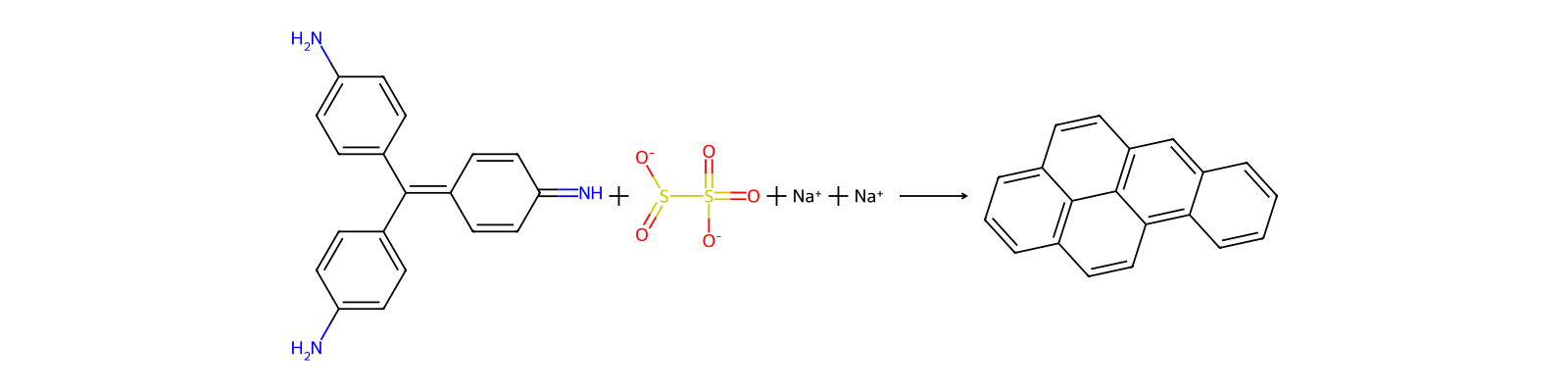
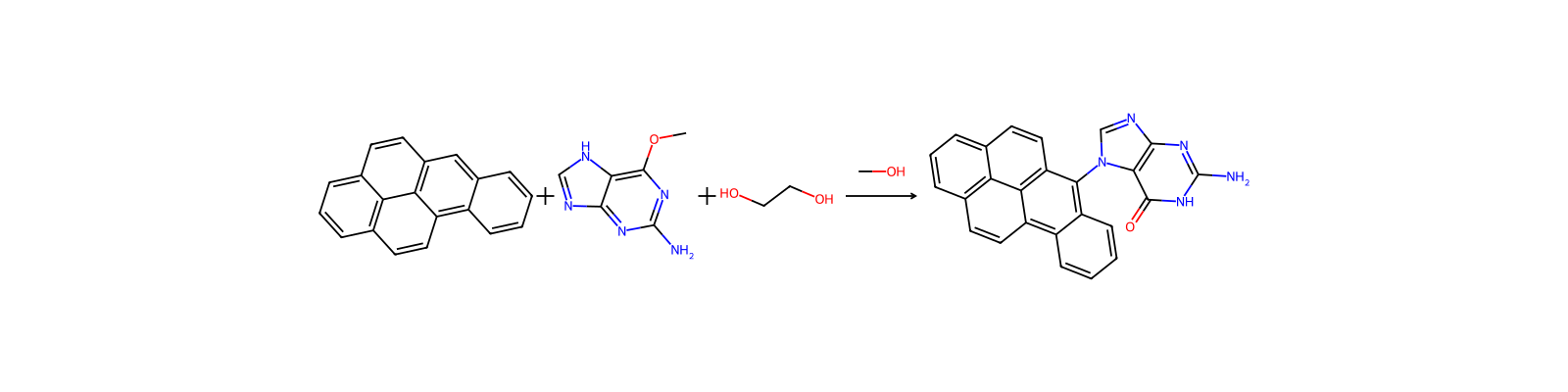
4


Verknüpfte Notizen
Wird geladen…