StartseiteMCPWorkbenchSkills
StartseiteWorkbenchBenachrichtigungenMein Bereich
llms.txt · MCP-AnleitungDatenschutz · Nutzungsbedingungen · Supportv1.8.0
  1. Startseite
  2. /Verbindung

Natriumchlorit

Sodium Chlorite
HCID 23668197
Neue NotizNeue ReaktionAnfrage stellen
Druckvorschau
GrundinformationenÜberblickNamen und BezeichnerEigenschaftenSicherheit und RegulatorischesChemie und IndustrieZugehörige ReaktionenNotizen zur Verbindung
TeilstruktursucheÄhnliche Strukturen suchen

Grundinformationen

CAS
7758-19-2
Standard-SMILES
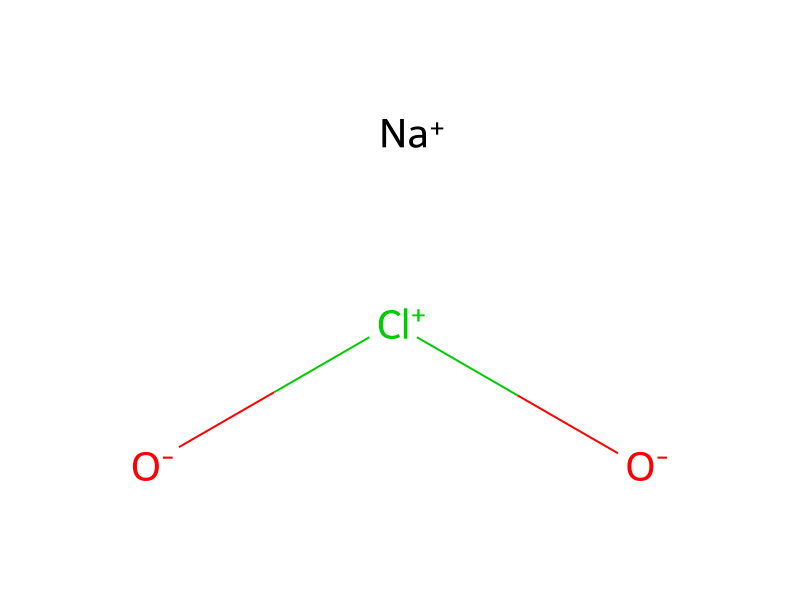
[Na+].[O-][Cl+][O-]
InChIKey
WEKMZMIIYLFEIJ-UHFFFAOYSA-N
Summenformel
NaClO2
Durchschnittliche Molmasse
90,44 g/mol
Monoisotopische Masse
89,9484512

Überblick

Sodium chlorite appears as a white crystalline solid. Difficult to burn, but accelerates the burning of organic substances. Forms explosive mixtures with certain combustible materials. May explode under prolonged exposure to heat or fire. Used in water purification, to bleach wood pulp, textile, fats, oils; and for many other uses.

Namen und Bezeichner

Bevorzugter Name
Sodium Chlorite
IUPAC
sodium chlorite
Lokaler Name
Natriumchlorit
Englischer Name
Sodium chlorite
Summenformel
ClNaO2
Molmasse
90.44

Namen und Synonyme

SODIUM CHLORITE7758-19-2Chlorous acid, sodium saltTextoneChlorite sodiumAlcide LDNeo Silox DNaClO2DTXSID8021272G538EBV4VFDTXCID401272CHEBI:78667
Weitere Namen anzeigen
CHLORITEtextileCHLORITE IONoriteUN1496alcideldneosiloxdALCIDEALLAY
EasyStickChloroxide BAztec GoldMaracyn OxyDuet BaseAtlas Prep BaseAuto-Chlor BaseDuet Clear Base

Datenbank-Bezeichner

CAS
7758-19-2
PubChem CID
23668197
DTXSID
DTXSID8021272
ChEMBL
CHEMBL1887585
ChEBI
CHEBI:78667
UNII
G538EBV4VF
EC Number
231-836-6
Nikkaji
J44.037J

Eigenschaften

Berechnete Struktureigenschaften

Polarare Oberfläche (TPSA)
40,1 Ų
H-Brücken-Donoren
0
H-Brücken-Akzeptoren
2
Frei drehbare Bindungen
0
Schwere Atome
4
Formalladung
0
Komplexität
13,5

Experimentelle und physikochemische Eigenschaften

Chemical Classes · 2 Einträge

Other Classes -> Inorganic Oxidizing Agents

Reactive agents - 1st degree

PesticidesPesticide -> EPA IRIS
Food AdditivesANTIMICROBIAL AGENT, FUMIGANT -> FDA Substance added to food
Density · 3 Einträge

2.468 g/cu cm in crystalline form

2.5 g/cm³

2.468 @25 °C

Color/Form · 2 Einträge

White crystals or crystalline powder

Slightly hygroscopic crystals or flakes, does not cake

Solubility · 3 Einträge

Slightly soluble in methanol

64 g/100 g water at 17 °C

Solubility in water, g/100ml at 17 °C: 39

Endocrine DisruptorsPotential endocrine disrupting compound
Decomposition · 5 Einträge

Dangerous; when heated it emits highly toxic fumes of /hydrogen chloride and disodium oxide/ and may explode.

Decomposes above 356 °F (180 °C) releasing heat.

Sicherheit und Regulatorisches

Sicherheitsangaben dienen nur zur Orientierung und ersetzen weder das Sicherheitsdatenblatt (SDB) des Lieferanten noch geltende Vorschriften oder eine fachliche Bewertung.

GHS-Klassifizierung

GHS Classification · 6 Einträge

This chemical does not meet GHS hazard criteria for 3.8% (41 of 1080) of reports.

Danger

H271 (45.3%): May cause fire or explosion; strong Oxidizer [Danger Oxidizing liquids; Oxidizing solids]

P210, P220, P260, P262, P264, P264+P265, P270, P273, P280, P283, P301+P316, P301+P330+P331, P302+P352, P302+P361+P354, P304+P340, P305+P354+P338, P306+P360, P316, P317, P319, P321, P330, P361+P364, P363, P370+P378, P371+P380+P375, P391, P405, P420, and P501 (click each P-code to see the statement)

Aggregated GHS information provided per 1080 reports by companies from 58 notifications to the ECHA C&L Inventory. Each notification may be associated with multiple companies.

Danger

Gefahrenhinweise

Regulatory Information · 6 Einträge

Chemical: Chlorous acid, sodium salt

Hazard Traits - Neurotoxicity

Regulation (EC) No 178/2002 (amended)

Chlorous acid, sodium salt (1:1) is listed on the EPA's Chemical Data Reporting (CDR) system. Manufacturers and importers of Chlorous acid, sodium salt (1:1) are required to report information about their production and use of this chemical to the EPA under the Toxic Substances Control Act (TSCA). (40 eCFR Part 711)

Status: Active Update: 10-10-2022 https://echa.europa.eu/registration-dossier/-/registered-dossier/2233

Chlorous acid, sodium salt: HSNO Approval: HSR001349 Approved with controls

Other Safety InformationIMAP assessments - Chlorous acid, sodium salt: Human health tier II assessment
DOT LabelOxidizer
Fire Hazards · 3 Einträge

Excerpt from ERG Guide 143 [Oxidizers (Unstable)]:

· May explode from friction, heat or contamination.

Chemie und Industrie

Pharmakologische Informationen

ATC Code · 2 Einträge

D - Dermatologicals

QD - Dermatologicals

Absorption, Distribution and Excretion · 2 Einträge

... The dermal absorption /was reported on/ Alcide, an antimicrobial compound consisting of solutions of sodium chlorite and lactic acid, which when mixed immediately before use result in the formation of chlorine dioxide. 0.6 g (36)Cl-labeled sodium chlorite as part of the Alcide was used to monitor absorption following application to the shaved backs of 10 female Sprague-Dawley rats. Maximum absorption of (36)Cl into plasma was observed after 72 hours, where a plasma concentration of 69.4 ug% (36)Cl was reached. The absorption half-life was calculated to be 22.1 hours, which corresponds to a rate constant of 0.0314 hr-1. /Alcide/

... Sodium chlorite /was/ shown to be well absorbed by the oral route in rats, by using radiolabelled compound (Cmax 1-2 hours). ... The main route of excretion ... appeared to be via the kidneys, predominantly as chloride (32% of the dose at 72 hours), with some chloride (32% of the dose at 72 hours) and a little chlorate (0.73% of the dose at 72 hours). ... 83% of the recovered dose was found in urine, and 13% in feces. ...

Verwendung und Herstellung

Uses · 6 Einträge

Used for onsite production of chlorine dioxide; [CHEMINFO] Used to generate chlorine dioxide for antimicrobial applications in potable water systems, paper mill water systems, oil field injection, cutting fluids, and general disinfection in agricultural, industrial, medical, commercial, and residential facilities; [Reference #1]

Petroleum Production and Refining [Category: Industry]

For improving taste and odor of potable water (as an oxidizing agent); bleaching agent for textiles, paper pulp, edible and inedible oils, shellacs, varnishes, waxes and straw products; oxidizing agent; reagent.

Acidified sodium chlorite (ASC) possesses antimicrobial properties and is intended for use primarily as a spray or dipping solution for poultry, meats, vegetables, fruits and seafoods. It is also used in poultry chilling water.

In the preparation of chlorine dioxide for immediate use; in water purification; as bleaching agent for textiles, paper pulp; disinfectant.

Zugehörige Reaktionen

1.151
Reaktionsaufzeichnung erstellen
Reaktionsgleichung von HRID 7800
HRID 7800als Eduktuspto-grants-2006_08
Reaktionsgleichung von HRID 9640
HRID 9640als Eduktuspto-grants-2006_08
Reaktionsgleichung von HRID 10469
HRID 10469als Eduktuspto-grants-2006_08
Reaktionsgleichung von HRID 12586
HRID 12586als Eduktuspto-grants-2010_06
Reaktionsgleichung von HRID 13863
HRID 13863als Eduktuspto-grants-2010_06
Reaktionsgleichung von HRID 16629
HRID 16629als Eduktuspto-grants-2010_06
Reaktionsgleichung von HRID 17075
HRID 17075als Eduktuspto-grants-2010_06
Reaktionsgleichung von HRID 17464
HRID 17464als Eduktuspto-grants-2010_06
Seite 1 von 144

Notizen zur Verbindung

Wird geladen…

Auf dieser SeiteGrundinformationenÜberblickNamen und BezeichnerEigenschaftenSicherheit und RegulatorischesChemie und IndustrieZugehörige ReaktionenNotizen zur Verbindung
Weitere Aktionen
Neue NotizNeue ReaktionAnfrage stellen

Decomposes on heating above 300 °C or on burning producing oxygen and toxic chlorine fumes.

Decomposition by heat or sunlight may produce chlorine dioxide.

200 °C. This produces toxic and corrosive fumes. This generates fire and explosion hazard. The substance is a strong oxidant. It reacts violently with combustible and reducing materials. Reacts violently with acids, ammonium compounds, phosphorus, sulfur and sodium dithionate. This generates explosion hazard.

Melting Point · 2 Einträge

Decomposes as it melts between 180-200 °C

257 °C

Food Contact Substances · 3 Einträge

FCS -> FDA Inventory of Food Contact Substances Listed in 21 CFR

FCS -> FDA Inventory of Effective Food Contact Substance (FCS) Notifications

FCS -> FDA Inventory of Effective Food Contact Substance (FCS) Notifications

Physical Description · 4 Einträge

Sodium chlorite appears as a white crystalline solid. Difficult to burn, but accelerates the burning of organic substances. Forms explosive mixtures with certain combustible materials. May explode under prolonged exposure to heat or fire. Used in water purification, to bleach wood pulp, textile, fats, oils; and for many other uses.

Large Crystals; CBI; Dry Powder; Liquid; Dry Powder; Liquid

Colorless crystals or powder; technical grade is a white solid with a slightly greenish tint; [CHEMINFO] White solid; Formulated as soluble concentrates and ready-to-use liquids; [Reference #1]

SLIGHTLY HYGROSCOPIC WHITE CRYSTALS OR FLAKES.

Other Experimental Properties · 5 Einträge

Standard molar enthalpy of formation at 298.15 K: -307.0 kJ/mol

Triclinic leaflets, becomes anhydrous at 38 °C or in desiccator over potassium hydroxide at room temperature /Sodium chlorite trihydrate/

White solid; may have a greenish tint from trace amounts of ClO2 or metals such as iron /Technical grade (80% wt assay)/

Strong oxidizer.

Sodium chlorite is a strong oxidizing agent and under proper reducing conditions is readily reduced to chloride, and to a lesser extent, chlorate. In strong acidic conditions, chlorite can change into chlorine dioxide. ...

Physikochemische Eigenschaften

Schmelzpunkt
190 °C · 190 °C (dec.)
Siedepunkt
100 °C/1013hPa · ≥100°C/1013hPa
Dichte
2.5 g/cm3 · 2.5 g/cm3
Dampfdruck
0 Pa · 0Pa at 25℃
storage temp.
2 · 2-30°C
Löslichkeit
Methanol (Slightly), Water (Slightly)
Aggregatzustand
Powder
Farbe
White
PH
12 · 12-13 (20°C in H2O)
Geruch (Odor)
odorless
Explosionsgrenze
7 % · 7%
Wasserlöslichkeit
39 g/100 · 39 g/100 mL (17 ºC)
Merck
14 · 14,8600
Dielectric constant
6.1 · 6.1(Ambient)
Stabilität
Stable. Incompatible with phosphorus, sulphur, zinc, ammonia, finely powdered metals, strong reducing agents, acids, organic materials.
Kosmetik-Inhaltsstoffe Funktionen
ORAL CAREOXIDISING
InChI
1S/ClHO2.Na/c2-1-3;/h(H,2,3);/q;+1/p-1
InChIKey
UKLNMMHNWFDKNT-UHFFFAOYSA-M
SMILES
[Na+].[O-]Cl=O
LogP
-2.7 at · -2.7 at 25℃
CAS Datenbank
7758 · 7758-19-2(CAS DataBase Reference)
EPA chemische Informationen
Sodium chlorite (7758-19-2)

Not combustible but enhances combustion of other substances. Gives off irritating or toxic fumes (or gases) in a fire. Risk of fire and explosion on contact with reducing agents or organic materials.

Fire PotentialStrong oxidizing agent, dangerous fire ... risk.
Health Hazards · 2 Einträge

Excerpt from ERG Guide 143 [Oxidizers (Unstable)]:

· TOXIC; inhalation, ingestion or contact (skin, eyes) with vapors, dusts or substance may cause severe injury, burns or death.

Hazards Summary · 1 Eintrag

A strong irritant of the skin, eyes, and respiratory tract; [HSDB] A strong oxidizer that promotes combustion; Concentrated solutions may be corrosive to the skin and eyes; Mild hemolytic anemia and increased methemoglobin in males observed in animal feeding studies; [CHEMINFO] A strong oxidizing agent that is incompatible with organic materials; [Reference #1]

DOT ID and Guide1496 143
FDA Requirements · 2 Einträge

Sodium chlorite is an indirect food additive for use only as a component of adhesives.

Food starch-modified as described in this section may be safely used in food. The quantity of any substance employed to effect such modification shall not exceed the amount reasonably required to accomplish the intended physical or technical effect, nor exceed any limitation prescribed. To insure safe use of the food starch-modified, the label of the food additive container shall bear the name of the additive "food starch-modified" in addition to other information required by the Act. Food starch may be modified by treatment prescribed as follows: ... Food starch may be bleached by treatment with one or more of the following: sodium chlorite, not to exceed 0.5 percent.

Reactive GroupSalts, Basic
UN ClassificationUN Hazard Class: 5.1; UN Pack Group: II
Special Reports · 5 Einträge

European Chemicals Bureau; IUCLID Dataset, Sodium chlorite (7758-19-2) (2000 CD-ROM edition) contains information on use, toxicology, and environmental effects of this chemical as supplied to the European Union by industry.

Joint FAO/WHO Expert Committee on Food Additives; WHO Tech Rep Ser. 947: p.23-4 (2007) represents the conclusions of a Joint FAO/WHO Expert Committee convened to evaluate the safety of various food additives, including flavoring agents, with a view to recommending acceptable daily intakes (ADIs) and to preparing specifications for identity and purity.

IPCS/WHO; Environmental Health Criteria 216 DISINFECTANTS AND DISINFECTANT BY-PRODUCTS (2000). EHC publications are monographs designed for scientists and administrators responsible for the establishment of safety standards and regulations. This series issued by the International Programme on Chemical Safety (IPCS), provides basic scientific risk evaluation of a wide range of chemicals and groups of chemicals.

ATSDR; Toxicological Profile for Chlorine Dioxide and Chlorite (September 2004) succinctly characterizes the toxicologic and adverse health effects information for the hazardous substance described here. Each peer-reviewed profile identifies and reviews the key literature that describes a hazardous substance's toxicologic properties. Other pertinent literature is also presented, but is described in less detail than the key studies.

For more Special Reports (Complete) data for SODIUM CHLORITE (8 total), please visit the HSDB record page.

Sicherheit und Schutzausrüstung

Fire Fighting · 2 Einträge

Excerpt from ERG Guide 143 [Oxidizers (Unstable)]:

Use water in large amounts, water spray. NO carbon dioxide. In case of fire: keep drums, etc., cool by spraying with water.

First Aid Measures · 4 Einträge

Fresh air, rest.

First rinse with plenty of water for at least 15 minutes, then remove contaminated clothes and rinse again.

First rinse with plenty of water for several minutes (remove contact lenses if easily possible), then refer for medical attention.

Rinse mouth. Induce vomiting (ONLY IN CONSCIOUS PERSONS!). Refer for medical attention .

Accidental Release Measures · 2 Einträge

· CALL 911. Then call emergency response telephone number on shipping paper. If shipping paper not available or no answer, refer to appropriate telephone number listed on the inside back cover.

· Keep combustibles (wood, paper, oil, etc.) away from spilled material.

First Aid · 2 Einträge

Excerpt from ERG Guide 143 [Oxidizers (Unstable)]:

General First Aid:

Safe StorageSeparated from combustible substances, reducing agents, acids and incompatible materials. See Chemical Dangers. Cool. Dry. Keep in a well-ventilated room.
Firefighting HazardsNot combustible. Contact with combustible materials will increase fire hazard. Thermally unstable. Decomposes above 356 °F (180 °C) releasing heat.
Exposure Control and Personal Protection· Wear positive pressure self-contained breathing apparatus (SCBA).
Fire Fighting Procedures · 3 Einträge

Approach fire from upwind to avoid hazardous vapors and toxic decomposition products. Use flooding quantities of water as fog or spray. Use water spray to keep fire-exposed containers cool. Extinguish fire using agent suitable for surrounding fire.

If material on fire or involved in fire: Flood with water. Cool all affected containers with flooding quantities of water. Apply water from as far a distance as possible.

Evacuation: If fire becomes uncontrollable-consider evacuation of one-half (1/2) mile radius.

Storage ConditionsStore in a cool, dry, well-ventilated location. Separate from oxidizing materials, combustibles, acids, ammonia, and amines. Immediately remove and properly dispose of any spilled material.
Cleanup Methods · 2 Einträge

Prompt cleanup and removal are necessary. Shovel into suitable dry container. Control runoff and isolate discharged material for proper disposal.

Collect powdered material in the most convenient and safe manner and deposit in sealed containers. Ventilate area after cleanup is complete. Keep sodium chlorate out of a confined space, such as a sewer, because of the possibility of an explosion, unless the sewer is designed to prevent the build-up of explosive concentrations. It may be necessary to contain and dispose of this chemical as a hazardous waste. If material or contaminated runoff enters waterways, notify downstream users of potentially contaminated waters.

Nonfire Spill ResponseExcerpt from ERG Guide 143 [Oxidizers (Unstable)]:
Disposal Methods · 2 Einträge

SRP: The most favorable course of action is to use an alternative chemical product with less inherent propensity for occupational exposure or environmental contamination. Recycle any unused portion of the material for its approved use or return it to the manufacturer or supplier. Ultimate disposal of the chemical must consider: the material's impact on air quality; potential migration in soil or water; effects on animal, aquatic, and plant life; and conformance with environmental and public health regulations.

This product is toxic to fish, aquatic invertebrates, oysters, and shrimp. Do not discharge effluent containing this product into lakes, streams, ponds, estuaries, oceans, or other waters unless in accordance with the requirements of a National Pollution Discharge Elimination System (NPDES) permit and the permitting authority has been notified in writing prior to discharge. Do not discharge effluent containing this product to sewer systems without previously notifying the local sewage treatment plant authority. For guidance contact your State Water Board or Regional Office of the EPA.

Toxikologische Informationen

Interactions · 1 Eintrag

... The ability of sodium chlorite to promote skin tumors in a group of 20 female Sencar mice /was assessed/. These mice were initiated with a single topical application of 20 nmol (5.1 ug) of dimethylbenzanthracene in acetone followed by 0.2-mL applications of sodium chlorite at 20 mg/mL in acetone twice weekly for 51 weeks. A group of 15 female mice given a single application of dimethylbenzanthracene followed by applications of acetone were used as controls. This treatment resulted in 5 of 25 mice having squamous cell carcinomas at 52 weeks. No tumors were found in the corresponding initiated control mice. Both TPA and benzoyl peroxide produced increased tumor incidence in dimethylbenzanthracene-initiated mice. These data indicate the potential for a weak tumor-promoting activity for sodium chlorite. However, no dose-response information has been forthcoming in the literature.

Target OrgansDevelopmental
Ecotoxicity Values · 5 Einträge

LC50 Anas platyrhynchos (Mallard duck, age 9 days) diet >5000 ppm/ 8 days

LC50 Anas platyrhynchos (Mallard duck, juvenile) diet 18686 ppm (8186-109184 ppm)/ 8 days

LC50 Anas platyrhynchos (Mallard duck, adult) oral 1000 mg/kg (690-1450 mg/kg)/ 14 days

LC50 Colinus virginianus (Northern bobwhite, age 13 days) diet >5000 ppm/ 8 days

For more Ecotoxicity Values (Complete) data for SODIUM CHLORITE (25 total), please visit the HSDB record page.

Adverse EffectsMethemoglobinemia - The presence of increased methemoglobin in the blood; the compound is classified as secondary toxic effect
Exposure RoutesThe substance can be absorbed into the body by inhalation of its aerosol and by ingestion.
Toxicity Summary · 1 Eintrag

Acidified sodium chlorite (ASC) and chlorite are of moderate acute toxicity ... Studies conducted with sodium chlorite in a number of species demonstrated that the most consistent finding is oxidative stress associated with changes in erythrocytes. This observation was also supported by a number of biochemical studies conducted in vitro. Some studies have indicated that the effect may be related to a reduction in serum glutathione levels, thus reducing the body's ability to protect the erythrocytes from the effects of sodium chlorite. Other studies have indicated that sodium chlorite may cause damage to the erythrocyte membrane. For effects on erythrocytes, the lowest LOAEL of 19 mg/kg bw per day, expressed as chlorite, was derived from a 13-week gavage study in rats in which the NOAEL was 7.4 mg/kg bw per day, expressed as chlorite... Sodium chlorite was not carcinogenic following a number of long-term studies, although these were not conducted to current standards... Sodium chlorite has given positive results in some, but not all, in vitro genotoxicity assays and in one of the two available in vivo mouse micronucleus assays involving intraperitoneal administration. Negative results were obtained in several in vivo assays, for induction of bone marrow micronuclei, chromosomal aberrations and sperm-head abnormalities, involving oral administration of sodium chlorite to mice... Reproductive toxicity studies have shown no adverse effects of ASC or sodium chlorite on fertility. A multigeneration study of reproduction and developmental neurotoxicity was available in which sodium chlorite was administered to rats in drinking-water at a concentration of 35, 70 or 300 mg/L. Published information indicated that the highest dose tested resulted in effects on body weight in both sexes of the parental generation and a range of effects in the offspring, including decreased body weight, changes in haematological parameters and a decrease in maximum startle response amplitude at postnatal day (PND) 24, but not at PND 60. A small but statistically significant decrease in maximum startle response amplitude was also reported at the middle dose at PND 24. The Committee considered that this observation was attributable to perturbed habituation in the control animals. Other effects observed in the offspring of the high-dose group (i.e. reduced absolute brain weight and slight delays in attainment of sexual maturity) could be attributable to reduced body weight. In addition, a USEPA toxicological review of chlorine dioxide and chlorite cited data contained only in the unpublished original study report showing reduced absolute and relative liver weights in the F0 females and F1 males and females of the high-dose group and in the F0 females and F1 males of the mid-dose group.

Ecotoxicity Excerpts · 2 Einträge

/AQUATIC SPECIES/ In the environment, chlorine dioxide and sodium chlorite are assessed together because chlorine dioxide is produced by a reaction of sodium chlorite (and sometime sodium chlorate) and hypochlorite/acid. In addition, chlorite is a breakdown product of chlorine dioxide. ... For freshwater aquatic animals, the results of studies examining the toxicity of chlorine dioxide/sodium chlorite to freshwater fish indicate these chemicals range from slightly toxic to practically non-toxic on an acute basis. For aquatic invertebrates, the studies indicate that chlorine dioxide and sodium chlorite range from very highly toxic for technical grade sodium chlorite to practically non-toxic for the formulated product on an acute basis. Results of toxicity studies indicate that chlorine dioxide/sodium chlorite are slightly toxic to estuarine/marine fish on an acute basis and range from highly toxic to slightly toxic to estuarine/marine invertebrates on an acute basis.

/PLANTS/ For terrestrial plants, results of toxicity studies indicate that chlorine dioxide/sodium chlorite are moderately toxic to terrestrial plants. For aquatic plants, toxicity study results indicate chlorine dioxide/sodium chlorite are moderately toxic to aquatic plants.

Signs and Symptoms · 4 Einträge

Cough. Sore throat.

Redness. Pain.

Redness. Pain.

Abdominal pain. Vomiting.

Ongoing Test Status · 1 Eintrag

The following link will take the user to the National Toxicology Program (NTP) Test Agent Search Results page, which tabulates all of the "Standard Toxicology & Carcinogenesis Studies", "Developmental Studies", and "Genetic Toxicity Studies" performed with this chemical. Clicking on the "Testing Status" link will take the user to the status (i.e., in review, in progress, in preparation, on test, completed, etc.) and results of all the studies that the NTP has done on this chemical. [http://ntp-apps.niehs.nih.gov/ntp_tox/index.cfm?fuseaction=ntpsearch.searchresults&searchterm=7758-19-2][Available from: http://ntp-apps.niehs.nih.gov/ntp_tox/index.cfm?fuseaction=ntpsearch.searchresults&searchterm=7758-19-2]

EPA IRIS Information · 3 Einträge

Chlorite (sodium salt)

Developmental

3 x 10 ^-2 mg/kg-day

Human Toxicity Excerpts · 5 Einträge

/HUMAN EXPOSURE STUDIES/ The rising-dose tolerance study ... involved administration of progressively increasing single doses of /sodium/ chlorite (0.01, 0.1, 0.5, 1.0, 1.8 or 2.4 mg chlorite/L) in two 500-mL portions to a group of 10 healthy adult male volunteers. Doses were administered on days 1, 4, 7, 10, 13 and 16. In the interval between doses, clinical evaluations of the subjects were performed and a battery of clinical chemistry tests was performed on blood and urine samples. These latter tests were primarily directed at potential hematological effects of chlorite, but serum thyroxine and uptake of triiodothyronine were also determined. In addition, blood pressure, ECGs and other physiological parameters were monitored. No treatment-related effects were observed.

/HUMAN EXPOSURE STUDIES/ In the repeated-dose study ... 10 male volunteers were administered /sodium chlorite (equiv to 5 mg of chlorite/L)/ in a 500-mL portion for 12 weeks (0.036 mg chlorite/kg of body weight per day). Physical examinations and blood and urine analyses were conducted throughout the duration of treatment and for 8 weeks following the last dose of the solutions. None of the parameters investigated was found to fall outside the normal range; although there were some consistent changes in values with time, none of these appeared to be related to chlorite treatment. Three individuals with glucose-6-phosphate dehydrogenase deficiency were identified in the course of the study. This genetic disorder makes individuals more sensitive to oxidative damage, which is frequently manifested as increased methemoglobin production and hemolysis when the individuals are exposed to oxidative chemicals in sufficient doses. All three individuals were treated with chlorite in the same concentrations and in the same manner as described for the study of normal individuals ... . No clinically significant changes were found in these individuals.

/CASE REPORTS/ A 25-year-old Chinese male presented with generalized cyanosis and respiratory distress. The patient was known to have ingested 10 g of sodium chlorite in a suicide attempt. Methemoglobinemia was found and intravenous methylene blue was given repeatedly. However, the therapy could not prevent an acute hemolytic crisis. Methemoglobinemia remained profound (43.1%) and disseminated intravascular coagulation ensued. He was put on CAVHD to correct the fluid overload and probably to remove the active metabolites of the chlorite. After 24 hr, the methemoglobin was reduced to 16.9%. However, the development of acute renal failure further complicated the clinical course. Percutaneous renal biopsy suggested a picture of acute tubulointerstitial nephropathy. In addition, hemodialysis was continued for 4 weeks. After 3 months, renal function normalized...

/EPIDEMIOLOGY STUDIES/ ... Infant morbidity and mortality data for a community that had utilized "high" levels of chlorine dioxide as a drinking water disinfectant in the 1940s /was retrospectively compared/ with data of a neighboring community using conventional drinking water chlorination practices. ... /It was/ reported average monthly levels of 0.32 ppm of sodium chlorite added post-treatment ... . Exposure to chlorine dioxide-treated water did not adversely affect fetal, neonatal, postneonatal, or infant mortality, nor did it affect birthweight, sex ratio, or birth condition. Incidence of newborns judged premature by physician assessment was significantly higher in the community with chlorine dioxide-treated water. ... /It was later reviewed and/ concluded there was no increase in the proportion of premature infants when the age of the mother was controlled and that there was a greater postnatal weight loss in infants from the exposed community. /Chlorine dioxide-disinfected water/

Carcinogen Classification · 5 Einträge

Sodium chlorite

Group 3: Not classifiable as to its carcinogenicity to humans

Volume 52: (1991) Chlorinated Drinking-water; Chlorination By-products; Some Other Halogenated Compounds; Cobalt and Cobalt Compounds

1991

1990

Regulatorische Informationen

FDA Requirements · 2 Einträge

Sodium chlorite is an indirect food additive for use only as a component of adhesives.

Food starch-modified as described in this section may be safely used in food. The quantity of any substance employed to effect such modification shall not exceed the amount reasonably required to accomplish the intended physical or technical effect, nor exceed any limitation prescribed. To insure safe use of the food starch-modified, the label of the food additive container shall bear the name of the additive "food starch-modified" in addition to other information required by the Act. Food starch may be modified by treatment prescribed as follows: ... Food starch may be bleached by treatment with one or more of the following: sodium chlorite, not to exceed 0.5 percent.

FIFRA Requirements · 3 Einträge

Indirect food substances affirmed as generally recognized as safe. ... The ingredient is used at levels from 125 to 250 parts per million as a slimicide in the manufacture of paper and paperboard that contact food.

As the federal pesticide law FIFRA directs, EPA is conducting a comprehensive review of older pesticides to consider their health and environmental effects and make decisions about their future use. Under this pesticide reregistration program, EPA examines health and safety data for pesticide active ingredients initially registered before November 1, 1984, and determines whether they are eligible for reregistration. In addition, all pesticides must meet the new safety standard of the Food Quality Protection Act of 1996. Pesticides for which EPA had not issued Registration Standards prior to the effective date of FIFRA, as amended in 1988, were divided into three lists based upon their potential for human exposure and other factors, with List B containing pesticides of greater concern and List D pesticides of less concern. Sodium chlorite is found on List D. Case No: 4023; Pesticide type: Insecticide, fungicide, herbicide, and antimicrobial; Case Status: OPP is reviewing data from the pesticide's producers regarding its human health and/or environmental effects, or OPP is determining the pesticide's eligibility for reregistration and developing the Reregistration Eligibility Decision (RED) document.; Active ingredient (AI): Sodium chlorite; Data Call-in (DCI) Date(s): 09/07/93; AI Status: The producers of the pesticide has made commitments to conduct the studies and pay the fees required for reregistration, and are meeting those commitments in a timely manner.

Sodium chlorite is exempted from the requirement of a tolerance for residues when used in accordance with good agricultural practice as a seed-soak treatment in the growing of the raw agricultural commodities crop group Brassica (cole) leafy vegetables and radishes.

State Drinking Water Guidelines(ME) MAINE 210 ug/L /Chlorite/
Federal Drinking Water StandardsEPA 1000 ug/L /Chlorite ion/
Federal Drinking Water GuidelinesEPA 800 ug/L /Chlorite ion/

Sicherheitsdaten

wgk
2
tsca
TSCA listed
ridadr
UN 1908 8/PG II/III (CHLORITE SOLUTION)
hs_code
28289000
RTECS-Nr.
VZ4800000
risk_code
8-22-24-32-34-9-26-25-14-36/37/38-21-50
hazard_code
O,Xn,T+,T,N
safety_code
17-26-36/37/39-45-50A-38-36-61-28
hazard_class
5.1
packing_group
II
Speicherklasse
5.1A - Strongly oxidizing hazardous materials
Giftige Stoffe Daten
7758-19-2(Hazardous Substances Data)
Hazard Classifications
Acute Tox. 2 DermalAcute Tox. 4 OralAquatic Acute 1Aquatic Chronic 1Eye Dam. 1Ox. Sol. 1Skin Corr. 1BSTOT RE 2

... Bleaching agent in the textile industry.

U.S. Production2023: 7,000,000 - <8,500,000 lb
Industry UsesOxidizing agent
Methods of Manufacturing · 4 Einträge

... Sodium chlorite is manufactured by reducing sodium chlorate, chemically or electrochemically, in the presence of hydrochloric acid to produce chlorine dioxide. Chlorine dioxide is then reacted with hydrogen peroxide in aqueous sodium hydroxide to yield a solution containing 30-50% sodium chlorite, which is subsequently dried to a solid or further diluted to get an aqueous solution.

Prepared on a commercial scale by passing chlorine dioxide into a solution of sodium hydroxide containing carbonaceous matter and lime.

... Manufactured by passing chlorine dioxide into a solution of sodium hydroxide and hydrogen peroxide.

Sodium chlorite is produced by treating chlorine dioxide with caustic soda. The reaction products, sodium chlorite and sodium chlorate, have nearly the same solubility in water and are difficult to separate. Industrial sodium chlorite production uses the following procedure. The absorption of chlorine dioxide in caustic soda solution and the simultaneous reduction of chlorate to chlorite are achieved by a suitable reducing agent, such as hydrogen peroxide. The product is a 33 wt % solution of sodium chlorite, which is then converted to a dry solid containing about 80 wt % of sodium chlorite, the rest being stabilizers.

Formulations/Preparations · 5 Einträge

GRADES: Technical; reagent

Commercial product contains approximately 81% sodium chlorite with alkali as a stabilizer

Formulation Types: Soluble concentrates and ready-to-use liquid solutions.

Concentrations of chlorine dioxide and sodium chlorite in products range from 0.1% to 80%. Most formulations are in liquid form. However, chlorine dioxide and sodium chlorite are also available as tablets, ready-to-use solutions, dusts, and sachets.

For more Formulations/Preparations (Complete) data for SODIUM CHLORITE (82 total), please visit the HSDB record page.

Household ProductsInformation on 6 consumer products that contain Sodium Chlorite in the following categories is provided:
Use ClassificationFood Additives -> PRESERVATIVE -> JECFA Functional Classes
General Manufacturing Information · 6 Einträge

Wholesale and Retail Trade

Chlorous acid, sodium salt (1:1): ACTIVE

Acidified sodium chlorite (ASC) is intended for use as part of an integrated approach designed to control microbial loads on foodstuffs. ASC solution acts to reduce the number of pathogens (e.g. Escherichia coli O157:H7, Salmonella spp., Campylobacter spp. and Listeria monocytogenes), as well as, to a somewhat lesser extent, spoilage bacteria found on the surface of foods during processing. The solution is applied onto the surface of different types of fresh and processed foods at a concentration range of 50-1200 mg sodium chlorite/l. ...

A method for the continuous prodn of controlled quantities of chlorine dioxide in which an aq soln of NaClO2 is delivered at a selected rate and concn to an absorbent carrier containing an acid.

A small amount of sodium hydroxide is usually retained to stabilize the product, and sodium chloride is usually added to reduce the sodium chlorite content to a maximum of about 80%; this is necessary to ensure safety and minimize reactivity ... .

Acidified sodium chlorite is produced by the addition of a food-grade acid (e.g. citric acid, phosphoric acid, hydrochloric acid, malic acid or sodium hydrogen sulfate) to an aqueous solution of sodium chlorite. Combining the acid with sodium chlorite results in conversion of chlorite to chlorous acid, which can subsequently form a mixture of chlorite, chlorate, chlorine dioxide and chloride. ...

Anwendungen · 1 Eintrag

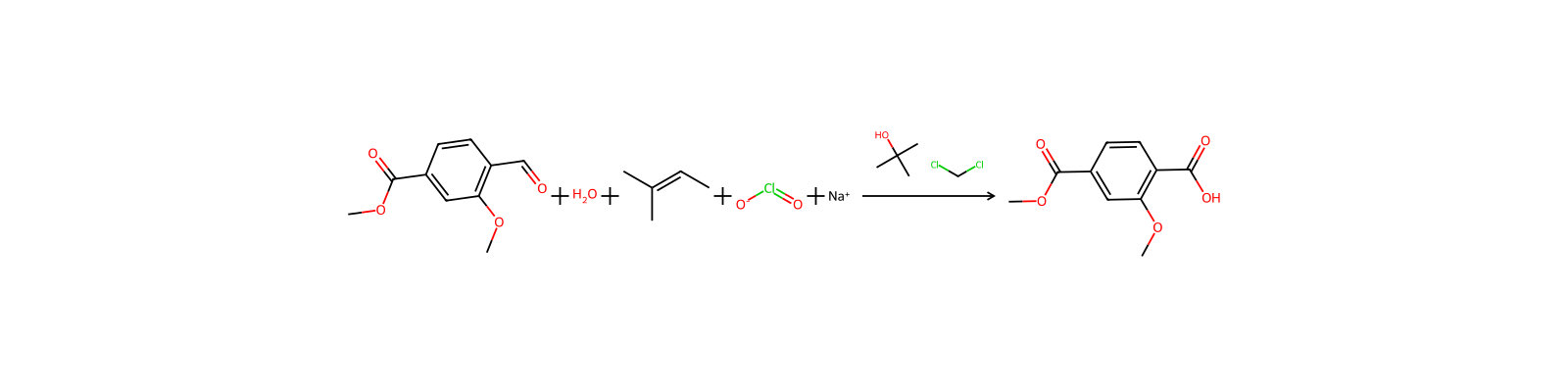
VerwendenSodium chlorite is used in the in situ generation of chlorine dioxide for stripping of textiles, bleaching, pulp and paper industries. It acts as a disinfectant in water treatment plant and as a preservative in eye drops. It is also used in contact lens cleaning solution and for sanitizing air ducts. It is associated with zinc chloride and used as a component in therapeutic rinses, toothpastes, mouth sprays and gels. It is utilized for the synthesis of 4-oxo-2-alkenoic acids from alkyl furans. Further, it is involved as a reagent in Pinnick oxidation reaction to prepare carboxylic acid from aldehydes.

Vor- und nachgelagerte Produkte

Vorgelagerte Rohstoffe

Caustic Soda(liquid)30%-48%electronicWasserstoffperoxidNatriumchloridSchwefeldioxidChlordioxidNatriumchloratCATION STANDARD - SODIUMNatriumhydroxidCobaltchloridChlorine dioxide generatorSchwefelsure

Nachgelagerte Produkte

ChlordioxidStabilized chlorine dioxide solution2-Methoxy-5-(trifluoromethoxy)benzoic acidcis-4-[(4-Chlorophenyl)sulfonyl]-4-(2,5-difluorophenyl)cyclohexanepropanoic acid4-methoxynaphthalene-1-carboxylateCitric acid monohydrate

Ergänzende Hinweise

DefinitionChEBI: Sodium chlorite is an inorganic sodium salt in which chlorite is the counterion. It has a role as an oxidising agent. It is an inorganic sodium salt and a chlorite salt.

/ALTERNATIVE and IN VITRO TESTS/ Sodium chlorite depleted glutathione and increased hydrogen peroxide generation in human erythrocyte cells in vitro. It produced changes in erythrocyte membrane morphology and appears less specific in its oxidation of cellular constituents than sodium nitrite.