
Grundinformationen
- Standard-SMILES
[Hg]- InChIKey
QSHDDOUJBYECFT-UHFFFAOYSA-N- Summenformel
- Hg
- Durchschnittliche Molmasse
- 200,59 g/mol
- Monoisotopische Masse
- 201,970643
Überblick
Mercurycombines with other elements, such as chlorine, sulfur, or oxygen, to form inorganic mercury compounds or "salts", which are usually white powders or crystals. Mercury also combines with carbon to make organic mercury compounds. The most common one, methylmercury, is produced mainly by microscopic organisms in the water and soil. More mercury in the environment can increase the amounts of methylmercury that these small organisms make.Metallic Mercuryis a dense liquid that vaporizes easily at room temperature. Metallic mercury is not easily absorbed into unbroken skin. However, it vaporizes, even at room temperature. The higher the temperature, the more vapors are released. Mercury vapors are colorless and odorless, though they can be seen with the aid of an ultraviolet light.Metallic mercury is used to produce chlorine gas and caustic soda, and is also used in thermometers, dental fillings, and batteries. Mercury salts are sometimes used in skin lightening creams and as antiseptic creams and ointments.
Namen und Bezeichner
- Bevorzugter Name
- Mercury
- IUPAC
- mercury
Namen und Synonyme
MERCURY7439-97-6QuicksilverHydrargyrumLiquid silverMetallic mercuryQuecksilberMercureMercurioColloidal mercuryKwikMercurius vivus
Weitere Namen anzeigen
Mercury, elementalMercury metalHgNCI-C60399MERCURY ELEMENTFXS1BY2PGLDTXSID1024172CHEBI:16170
Datenbank-Bezeichner
- CAS
7439-97-6- PubChem CID
- 23931
- DTXSID
DTXSID1024172- ChEBI
CHEBI:16170- UNII
- FXS1BY2PGL
- EC Number
- 231-106-7
- Nikkaji
- J263.679D、J365.334J、J9.298C
Eigenschaften
Berechnete Struktureigenschaften
- Polarare Oberfläche (TPSA)
- 0 Ų
- H-Brücken-Donoren
- 0
- H-Brücken-Akzeptoren
- 0
- Frei drehbare Bindungen
- 0
- Schwere Atome
- 1
- Formalladung
- 0
- Komplexität
- 0
Experimentelle und physikochemische Eigenschaften
Chemical Classes
Metals -> Elements, Metallic
Corrosives
-> NIOSH Emergency Response Categories
Trace element
SpringerMaterials Propertiesthermal expansion coefficient
PesticidesPesticide -> EPA IRIS
OdorOdorless
Density
13.55 at 68 °F (USCG, 1999) - Denser than water; will sink
13.534 @ 25 °C
13.5 g/cm³
Relative density of the vapour/air-mixture at 20 °C (air = 1): 1.009
13.55
13.6 (metal)
Viscosity1.55 mPa.sec (15.5 millipoise) at 20 °C
Color/Form
Silver-white, heavy, mobile, liquid metal; solid mercury is tin-white
Metal: silver-white, heavy liquid.
Solubility
Insoluble (NIOSH, 2024)
0.28 umoles/l of water at 25 °C
SOL IN NITRIC ACID; INSOL IN THE FOLLOWING: DILUTE HYDROCHLORIC ACID, HYDROGEN BROMIDE, HYDROGEN IODIDE, COLD SULFURIC ACID
DISSOLVES TO SOME EXTENT IN LIPIDS
2.7 MG/L IN PENTANE
Solubility in water: none
Corrosivity
The high mobility and tendency to dispersion exhibited by mercury, and the ease with which it forms alloys (amalga) with many laboratory and electrical contact metals, can cause severe corrosion problems in laboratories.
Special precautions: Mercury can attack copper and copper alloy materials.
Boiling Point
675 °F at 760 mmHg (USCG, 1999)
356.73 °C
357 °C
266 °F
674 °F
674 °F
Melting Point
-38 °F (USCG, 1999)
-38.87 °C
-39 °C
-38 °F
-38 °F
-38.9 °C
Vapor DensityRelative vapor density (air = 1): 6.93
Sicherheit und Regulatorisches
GHS-Klassifizierung
GHS Classification
Danger
H330: Fatal if inhaled [Danger Acute toxicity, inhalation]
P203, P260, P264, P270, P271, P273, P280, P284, P304+P340, P316, P318, P319, P320, P391, P403+P233, P405, and P501 (click each P-code to see the statement)
Danger
H290 (18.2%): May be corrosive to metals [Warning Corrosive to Metals]
P203, P234, P260, P264, P270, P271, P273, P280, P284, P301+P316, P304+P340, P316, P318, P319, P320, P321, P330, P390, P391, P403+P233, P405, P406, and P501 (click each P-code to see the statement)
Gefahrenhinweise
Regulatory Information
Chemical: Mercury
Mercury is listed on the EPA's Chemical Data Reporting (CDR) system. Manufacturers and importers of Mercury are required to report information about their production and use of this chemical to the EPA under the Toxic Substances Control Act (TSCA). (40 eCFR Part 711)
S - indicates a substance that is identified in a final Significant New Use Rule.
Status: Active Update: 20-11-2010 https://echa.europa.eu/registration-dossier/-/registered-dossier/5169
Restricted substance: Mercury
Mercury: HSNO Approval: HSR003014 Approved with controls
Other Safety Information
IMAP assessments - Mercury: Human health tier II assessment
- Indoor Air: Mercury can be released into indoor air as a liquid spray (aerosol) or as a vapor.
DOT LabelCorrosive Poison
Fire Hazards
Behavior in Fire: Not flammable (USCG, 1999)
· Non-combustible, substance itself does not burn but may react upon heating to produce corrosive and/or toxic fumes.
Not combustible. Gives off irritating or toxic fumes (or gases) in a fire. Risk of fire and explosion.
Health Hazards
No immediate symptoms. As poisoning becomes established, slight muscular tremor, loss of appetite, nausea, and diarrhea are observed. Psychic, kidney, and cardiovascular disturbances may occur. (USCG, 1999)
· Inhalation of vapors or contact with substance will result in contamination and potential harmful effects.
Hazards Summary
Mercurycombines with other elements, such as chlorine, sulfur, or oxygen, to form inorganic mercury compounds or "salts", which are usually white powders or crystals. Mercury also combines with carbon to make organic mercury compounds. The most common one, methylmercury, is produced mainly by microscopic organisms in the water and soil. More mercury in the environment can increase the amounts of methylmercury that these small organisms make.Metallic Mercuryis a dense liquid that vaporizes easily at room temperature. Metallic mercury is not easily absorbed into unbroken skin. However, it vaporizes, even at room temperature. The higher the temperature, the more vapors are released. Mercury vapors are colorless and odorless, though they can be seen with the aid of an ultraviolet light.Metallic mercury is used to produce chlorine gas and caustic soda, and is also used in thermometers, dental fillings, and batteries. Mercury salts are sometimes used in skin lightening creams and as antiseptic creams and ointments.
Elemental liquid mercury is poorly absorbed from the GI tract, and it is considered nontoxic by ingestion in patients with normal GI anatomy and motility. Elemental mercury vapor is toxic predominantly to the lung and central nervous system. Pneumonitis can result from exposure to high concentrations of heated mercury vapor in a confined space. Otherwise, inhalation of mercury vapor is toxic over a period of months or years when air levels exceed 0.05-0.2 mg/m3. The main adverse effects after chronic exposure to mercury vapor are neuropsychiatric and include tremor, memory loss, insomnia, anorexia, irritability, and other mood changes. Kidney disease and peripheral neuropathy have been rarely reported after chronic exposure to mercury vapor. Acrodynia is a rare idiosyncratic disorder reported in children after mercury vapor exposure. [Olson, p. 305-7] Data is limited on the fetal effects of mercury in forms other than methyl mercury. Experimental animals exposed to high doses of mercury vapor and salts have increased developmental abnormalities. [ATSDR Case Studies #29] Mercury may produce slight hepatic injury in experimental animals. [Zimmerman, p. 419] Background levels of mercury are generally <10 ug/L for whole blood and <20 ug/L for urine. Regarding dental amalgams as a source of mercury vapor, occupational exposures can be controlled and personal exposures from fillings are insignificant. [Goldfrank, p. 1302, 1304] Exposure to metallic mercury, for example from amalgam teeth fillings and other dental exposure, may give rise to sensitization. [Nordberg, p. 1041] See Mercury, inorganic compounds.
DOT ID and Guide
2809 172
2809 172(metal)
Reactive GroupMetals, Less Reactive
EC ClassificationH330; H372; H400; H410; H360D
UN ClassificationUN Hazard Class: 8; UN Subsidiary Risks: 6.1; UN Pack Group: III
Explosion Hazards- A violent heat-producing (exothermic) reaction, possibly an explosion, occurs when mercury comes in contact with chlorine dioxide, lithium, rubidium, halogens, or acetylide.
Special ReportsUSEPA/Office of Emergency and Remedial Response; Task Force on Ritualistic Uses of Mercury Report (December 2002) EPA/540-R-01-005
Sicherheit und Schutzausrüstung
Fire Fighting
Excerpt from ERG Guide 172 [Gallium and Mercury]:
In case of fire in the surroundings, use appropriate extinguishing media. In case of fire: keep drums, etc., cool by spraying with water.
- Mercury is non-combustible.
First Aid Measures
Fresh air, rest. Artificial respiration may be needed. Refer immediately for medical attention.
Remove contaminated clothes. Rinse and then wash skin with water and soap. Refer for medical attention .
First rinse with plenty of water for several minutes (remove contact lenses if easily possible), then refer for medical attention.
Refer for medical attention .
Accidental Release Measures
· CALL 911. Then call emergency response telephone number on shipping paper. If shipping paper not available or no answer, refer to appropriate telephone number listed on the inside back cover.
· Do not touch or walk through spilled material.
First Aid
Excerpt from NIOSH Pocket Guide for Mercury compounds [except (organo) alkyls] (as Hg):
General First Aid:
(General first aid procedures)
Safe StorageProvision to contain effluent from fire extinguishing. Separated from food and feedstuffs. Well closed. Store in an area without drain or sewer access.
Exposure Control and Personal Protection
· Wear positive pressure self-contained breathing apparatus (SCBA).
Biological Exposure Indices (BEI) [ACGIH] - Mercury in urine = 20 ug/g creatinine; sample prior to shift; Indicate average exposure during the past month; BEI for blood mercury withdrawn: may reflect recent exposure, but also affected by dietary exposure to methyl mercury in fish; [TLVs and BEIs]
0.02 [mg/m3], as Hg, inhalable fraction[German Research Foundation (DFG)]
Storage ConditionsStorage temperature: Ambient; Venting: Open
Cleanup Methods
The following treatment processes have shown possible applicability for spill countermeasures: clarification/sedimentation >99% removal; clarification/ sedimentation with chemical addition: (alum) >62% removal, (alum, polymer) 88% removal, (lime) >96% removal, (BaCl2) 87% removal, and (polymer) 99% removal.
In mining and primary metal recovery operations, it has been a standard practice to liberally dust mercury spills with flowers (microcrystalline) of sulfur or preferably calcium polysulfide, to encourage the formation of a surface coating of mercuric sulfide which would reduce the rate of Hg vapor loss during the period of cleanup.
The chloralkali industry has long relied upon wet operation, that is maintaining a water flow over the concrete floors underlying the electrolytic mercury (Hg) cells to reduce Hg vapor loss in this way. Sumps in the underfloor drainage systems were used to collect Hg from spills which were flushed into them, but the design of these was not highly effective. To reduce Hg losses via this route, water use for this purpose is now kept to a minimum necessity and the sump discharge is either fed into the brine circuit or treated for Hg removal prior to discharge.
A small aspirator-driven vacuum trap with a "mercury sweeper", an amalgamated copper roller operating in a small, tin-plate "dustpan" or "mercury scoop" is effective. This can be followed, if necessary, (and with an appropriate choice, for the surface on which the spill took place) by washes with dilute nitric acid (approx 1 M), concentrated sulfuric acid, or bleach washes, and then by clear water rinses.
For more Cleanup Methods (Complete) data for MERCURY, ELEMENTAL (11 total), please visit the HSDB record page.
Nonfire Spill ResponseExcerpt from ERG Guide 172 [Gallium and Mercury]:
Disposal Methods
Generators of waste (equal to or greater than 100 kg/mo) containing this contaminant, EPA hazardous waste number D009, must conform with USEPA regulations in storage, transportation, treatment and disposal of waste.
Generators of waste (equal to or greater than 100 kg/mo) containing this contaminant, EPA hazardous waste number U151, must conform with USEPA regulations in storage, transportation, treatment and disposal of waste.
Mercury is a poor candidate for incineration.
Mercury (Hg) bearing brine purification muds from Hg cell process in chlorine production or Hg bearing wastewater treatment sludges from the production of Hg sulfide pigment is a poor candidate for incineration.
Chemical Treatability of Mercury; Concentration Process: Activated carbon; Chemical Classification: Metals; Scale of Study: Literature review; Type of Wastewater Used: Unknown; Results of Study: 80% reduction by PAC and Alum coagulation.
Spillage Disposal
Evacuate danger area! Consult an expert! Personal protection: chemical protection suit and filter respirator for mercury adapted to the airborne concentration of the substance. Ventilation. Do NOT let this chemical enter the environment. Collect leaking and spilled liquid in sealable non-metallic containers as far as possible. Then store and dispose of according to local regulations.
Preventive Measures
If material not on fire and not involved in fire: Keep sparks, flames, and other sources of ignition away. Keep material out of water sources and sewers. Build dikes to contain flow as necessary. Attempt to stop leak if without undue personnel hazard. /Mercury compound, liquid, NOS/
Personnel protection: Avoid breathing dusts, and fumes from burning material. Keep upwind. Avoid bodily contact with the material. ... Do not handle broken packages unless wearing appropriate personal protective equipment. Wash away any material which may have contacted the body with copious amounts of water or soap and water. ... If contact with the material anticipated, wear appropriate chemical protective clothing. /Mercury compound, solid, NOS/
Personnel protection: Keep upwind. Avoid breathing vapors. ... Do not handle broken packages unless wearing appropriate personal protective equipment. /Mercury compounds, liquid, NOS/
Preventative measure: adequate ventilation; careful attention to good housekeeping, e.g., avoidance of spills, and prompt and proper cleaning if a spill occurs; all containers of mercury and its compounds should be kept tightly closed; should be washed on a regular basis with dilute calcium sulfide solution or other suitable reactant; floors should be nonporous; all workers directly involved in the plant operation should shower thoroughly each day before leaving. /Mercury compounds/
Toxikologische Informationen
Toxicological InformationCDC-ATSDR Toxicological Profile
Interactions
IT HAS BEEN FOUND ... THAT ETHANOL DEPRESSES CONVERSION OF INHALED ELEMENTAL MERCURY INTO IONIC FORM IN BLOOD. IN ADDN, ETHANOL ENHANCES PULMONARY EXHALATION OF ABSORBED MERCURY, WITH RESULTANT EFFECT OF SUPPRESSING LUNG RETENTION OF MERCURY TOGETHER WITH LOWERING BLOOD MERCURY CONTENT.
... Concn of NTA in surface waters had no interaction with barium, antimony, molybdenum, strontium, chromium, silver, tin, iron, lead, cadmium, copper, and mercury ... and not enough with nickel, zinc, manganese, cobalt, magnesium, and calcium ... to be of environmental concern.
The oxidation of elemental mercury vapor in the body ... can be reduced considerably (to about 50% of normal values) by moderate amt of alcohol. In an in vivo study, the uptake of labelled mercury into human red cells was reduced by a factor of ten by ethanol, while there was an incr in liver mercury concn ... .
Target Organs
Cardiovascular (Heart and Blood Vessels), Developmental (effects during periods when organs are developing) , Immunological (Immune System), Neurological (Nervous System), Renal (Urinary System or Kidneys), Reproductive (Producing Children)
Nervous
Eyes, skin, respiratory system, central nervous system, kidneys
Ecotoxicity Values
LC50 Catfish 0.35 mg/l/96 hr. /Conditions of bioassay not specified/
LC50 Modiolus carvalhoi (mollusk) 0.5 ppm/48 hr; 0.19 ppm/96 hr /Conditions of bioassay not specified/
LC50 Rana hexadactyla (tadpoles) 0.051 ppm/96 hr /Conditions of bioassay not specified/
Environmental Fate
ENVIRONMENTAL ACCUMULATION: TWO CHARACTERISTICS, VOLATILITY & BIOTRANSFORMATION, MAKE HG SOMEWHAT UNIQUE AS ENVIRONMENTAL TOXICANT. ITS VOLATILITY ACCOUNTS FOR HIGH ATMOSPHERIC CONCN, 20 TO 200 UG/CU M NEAR AREAS CONTAINING HIGH SOIL LEVELS (10 PPM) AS COMPARED TO NORMAL ATMOSPHERIC CONCN OF 5 UG/CU M. ... GROUND WATER CONCN IN USA ... BELOW 1 PPB.
Adverse EffectsNeurotoxin - Sensorimotor
Exposure Routes
The substance can be absorbed into the body by inhalation of its vapour and through the skin also as a vapour.
inhalation, skin absorption, ingestion, skin and/or eye contact
Elemental mercury is toxic primarily through inhalation of mercury vapors. It is only slowly absorbed through the skin, although it may cause skin and eye irritation. Elemental mercury droplets may be absorbed through eye contact. Ingestion is not an important route of acute exposure as almost no elemental mercury is absorbed through the gastrointestinal tract.
Toxicity Summary
IDENTIFICATION: In its elemental form, mercury is a heavy silvery liquid at room temperature and has a very high vapour pressure. Mercury vapor is more soluble in plasma, whole blood, and hemoglobin than in distilled water, where it dissolves only slightly. The major natural sources of mercury are degassing of the earth's crust, emissions from volcanoes, and evaporation from natural bodies of water. (The world-wide mining of mercury is estimated to yield about 10,000 tons per year. The activities lead to some losses of mercury and direct discharges to the atmosphere). Other important sources are fossil fuel combustion, metal sulfide ore smelting, gold refining, cement production, refuse incineration, and industrial applications of metals. A major use of mercury is as a cathode in the electrolysis of sodium chloride. Mercury is used in the electrical industry, in control instruments in the home and industry, and in laboratory and medical instruments. A very large amount of mercury is used for the extraction of gold. Dental silver amalgam for tooth filling contains large amounts of mercury. Use of skin-lightening soap and creams can give rise to substantial mercury exposure. Occupational exposure to inorganic mercury has been investigated in chloralkali plants, mercury mines, thermometer factories, refineries, and in dental clinics. High mercury levels have been reported for all these occupational exposure situations, although levels vary according to work environment conditions. HUMAN EXPOSURE: The general population is primarily exposed to mercury through the diet and dental amalgam. Acute inhalation exposure to mercury vapor may be followed by chest pains, dyspnea, coughing, hemoptysis, and sometimes interstitial pneumonitis leading to death. (The ingestion of mercuric compounds, in particular mercuric chloride, has caused ulcerative gastroenteritis and acute tubular necrosis causing death from anuria where dialysis was not available). The central nervous system is the critical organ for mercury vapor exposure. Subacute exposure has given rise to psychotic reactions characterized by delerium, hallucinations, and suicidal tendency. Occupational exposure has resulted in erethism as the principal feature of a broad ranging functional disturbance. The kidney is the critical organ following the ingestion of inorganic divalent mercury salts. Occupational exposure to metallic mercury has long been associated with the development of proteinuria. Both metallic mercury vapor and mercury compounds have given rise to contact dermatitis. Mercurial pharmaceuticals have been responsible for Pink disease (acrodynia) in children, and mercury vapor exposure may be a cause of "Kawasaki" disease. Results of both human and animal studies indicate that about 80% of inhaled metallic mercury vapour is retained by the body, whereas liquid metallic mercury is poorly absorbed via the gastrointestinal tract. ANIMAL STUDIES: Evidence of damage to brain, kidney, heart, and lungs have been reported in rabbits exposed acutely to metallic mercury vapor at certain concentrations. Both reversible and irreversible toxic effects may be caused by mercury and its compounds. In two studies, tremor and behavioural effects were observed in rabbits and rats after several weeks of exposure to metallic mercury vapour. Depending upon the animal strain tested, either auto-immunity or immunosuppression is observed. The most sensitive adverse effect caused by mercuric mercury is the formation of mercuric-mercury-induced auto-immune glomerulonephritis. Mercuric chloride was found to induce gene mutations in mouse lymphoma cells and DNA damage in rat and mouse fibroblasts. The World Health Organization reported no evidence that inorganic mercury is carcinogenic. The neurotoxic effect seen after exposure to metallic mercury vapour is attributable to the divalent mercury ion formed through oxidation in the brain tissue. Significantly more mercury is transported to the brain of mice and monkeys after the inhalation of elemental mercury than after the intravenous injection of equivalent doses of the mercuric form.
Average Daily Intake
Assuming an ambient air level of 50 ng/cu m, the average daily intake of metallic mercury vapor would amount to 1 ug/day due to inhalation. ... The average daily intake of those sub-groups of the general population living in specially polluted areas is difficult to estimate with any accuracy. ... Daily intake from occupational exposure is almost impossible to estimate because of the wide variation in exposure conditions in industry.
Signs and Symptoms
Cough. Sore throat. Shortness of breath. Fever. Vomiting. Diarrhoea. Abdominal pain. Headache. Weakness.
MAY BE ABSORBED! Redness.
irritation eyes, skin; cough, chest pain, dyspnea (breathing difficulty), bronchitis, pneumonitis; tremor, insomnia, irritability, indecision, headache, lassitude (weakness, exhaustion); stomatitis, salivation; gastrointestinal disturbance, anorexia, weight loss; proteinuria
- Irritation
- Ingestion does not normally result in whole-body (systemic) toxicity.
- Acute exposure to high levels of elemental mercury vapor may cause inflammation of the lungs (chemical pneumonitis), difficulty breathing or shortness of breath (dyspnea), chest pain, and dry cough. Effects may improve or, conversely, worsen, leading to fluid accumulation in the lungs (pulmonary edema), respiratory failure, and death. Acute toxicity may also cause kidney damage (sometimes severe) and kidney failure, rapid heart rate (tachycardia), and high blood pressure (hypertension). The patient/victim may have a metallic taste, salivation, difficulty swallowing (dysphagia), abdominal cramps, and diarrhea. Central nervous system (CNS) effects include headache, weakness, and visual disturbances.
ICSC Environmental DataThe substance is very toxic to aquatic organisms. Bioaccumulation of this chemical may occur in fish and seafood.
EPA IRIS Information
Mercury, elemental
Nervous
3 x 10 ^-4 mg/m^3
Regulatorische Informationen
RCRA Requirements
U151; As stipulated in 40 CFR 261.33, when mercury, as a commercial chemical product or manufacturing chemical intermediate or an off-specification commercial chemical product or a manufacturing chemical intermediate, becomes a waste, it must be managed according to Federal and/or State hazardous waste regulations. Also defined as a hazardous waste is any residue, contaminated soil, water, or other debris resulting from the cleanup of a spill, into water or on dry land, of this waste. Generators of small quantities of this waste may qualify for partial exclusion from hazardous waste regulations (40 CFR 261.5).
D009; A solid waste containing mercury may or may not become characterized as a hazardous waste when subjected to the Toxicity Characteristic Leaching Procedure listed in 40 CFR 261.24, and if so characterized, must be managed as a hazardous waste. /Mercury/
Atmospheric Standards
Listed as a hazardous air pollutant (HAP) generally known or suspected to cause serious health problems. The Clean Air Act, as amended in 1990, directs EPA to set standards requiring major sources to sharply reduce routine emissions of toxic pollutants. EPA is required to establish and phase in specific performance based standards for all air emission sources that emit one or more of the listed pollutants. Mercury is included on this list.
Emissions to the atmosphere from mercury ore processing facilities and mercury cell chlor-alkali plants shall not exceed 2300 grams of mercury per 24-hour period. /Mercury/
Emissions to the atmosphere from sludge incineration plants, sludge drying plants, or a combination of these that process wastewater treatment plant sludges shall not exceed 3200 grams of mercury per 24-hour period. /Mercury/
CERCLA Reportable Quantities
Persons in charge of vessels or facilities are required to notify the National Response Center (NRC) immediately, when there is a release of this designated hazardous substance, in an amount equal to or greater than its reportable quantity of 1 lb or 0.454 kg. The toll free number of the NRC is (800) 424-8802; In the Washington D.C. metropolitan area (202) 426-2675. The rule for determining when notification is required is stated in 40 CFR 302.4 (section IV. D.3.b).
Clean Water Act RequirementsToxic pollutant designated pursuant to section 307(a)(1) of the Clean Water Act and is subject to effluent limitations. /Mercury and cmpd/
State Drinking Water Guidelines(AZ) ARIZONA 3 ug/l
Federal Drinking Water StandardsEPA 2 ug/l
Federal Drinking Water GuidelinesEPA 2 ug/l
Chemie und Industrie
Pharmakologische Informationen
ATC Code
D - Dermatologicals
QD - Dermatologicals
Mechanism of Action
UPTAKE OF MERCURY BY BRAIN AFTER IV INJECTION OF ELEMENTAL MERCURY WAS INVESTIGATED IN RAT, AFTER DEPLETION OF GLUTATHIONE OR INHIBITION OF GLUTATHIONE PEROXIDASE IN BRAIN TISSUE. WHEN GLUTATHIONE IN BRAIN WAS DEPLETED 76% BY INTRAVENTRICULAR INJECTION OF DIETHYLMALEATE, A 13% INCR IN MERCURY UPTAKE WAS OBSERVED. AFTER INTRAVENTRICULAR INJECTION OF IODOACETATE, ACTIVITY OF GLUTATHIONE PEROXIDASE IN BRAIN WAS INHIBITED 19% & CONTENT OF REDUCED GLUTATHIONE WAS DECR 20%. IN THESE ANIMALS MERCURY UPTAKE BY BRAIN INCR 66% RELATIVE TO CONTROLS.
The neurotoxic effect seen after exposure to metallic mercury vapor is attributable to the divalent mercury ion formed through oxidation in the brain tissue. Interference with enzyme function by binding to sulfhydryl groups is one possible mechanism ... Transport through the cell membrane via the formation of carrier complexes /sodium and calcium channels/ would also be a possibility, although this has not been demonstrated.
Biological Half-Life
Metallic and inorganic in whole body: 1-2 months; blood: 2 days to 1 month; methylmercury in blood: 1 month; methylmercury in whole body: 44-79 days; [TDR, p. 813]
The biological half-life of mercury in fish is approx 2 to 3 yr.
The whole body half-time of mercury in man is approximately 50 to 70 days. A rapid component in blood has a half-time of about three days, and a slower component has a half-time of about 30 days. A rapid component in the brain has a half-time of about 21 days. There is evidence of a much slower component in brain with a half-time on the order of several years.
For pike, mercury (Hg) concn in muscle after 70-90 days were 1000-1500 times that in water. ... The half-life for elimination of Hg from contaminated pike placed in clean water was 65-70 days.
Metabolism/Metabolites
... ONE OF THE ... PATHWAYS, IF NOT THE ONLY PATHWAY, BY WHICH ELEMENTAL MERCURY (HG(0+)) IS ABSORBED ... /& CONVERTED IN VIVO/ IS BY ITS OXIDATION /IN ERYTHROCYTES/ TO HG(2+). ... STUDIES WITH ACATALASEMIC RED BLOOD CELLS (RBCS) /SHOW/ THAT CATALASE-HYDROGEN PEROXIDE SYSTEM PLAYS A DETERMINANT ROLE IN MERCURY UPTAKE THROUGH THIS CATALYTIC OXIDATION SYSTEM; HUMAN ACATALASEMIC RBCS HAD ONLY 1/100 TO 6/100 THE UPTAKE OF MERCURY VAPOR FOUND IN NORMAL RBCS WITH HYDROGEN PEROXIDE.
The oxidation of metallic mercury vapor to divalent ionic mercury ... takes place very soon after absorption, but some elemental mercury remains dissolved in the blood long enough (a few min) for it to be carried to the blood-brain barrier and the placenta ... Recent in vitro studies on the oxidation of mercury by the blood ... indicate that because of the short transit time from the lung to the brain almost all the mercury vapor (97%) arrives at the brain unoxidized. Its lipid solubility and high diffusibility allow rapid transit across these barriers. Oxidation of the mercury vapor in brain and fetal tissues converts it to the ionic form, which is much less likely to cross the blood-brain and placental barriers.
Absorption, Distribution and Excretion
Several studies have correlated the number of dental amalgam fillings or amalgam surfaces with the mercury content in brain and kidney tissue from human autopsy. Subjects with no dental amalgam had a mean mercury level of 6.7 ng/g (2.4-12.2) in the occipital cortex; whereas, subjects with amalgams had a mean level of 12.3 ng/g (4.8-28.7) ... Amalgam-free subjects had a mean mercury level in kidneys of 49 ng/g (21-105), whereas subjects with amalgam fillings had a corresponding level of 433 ng/g (48-810). /Mercury alloy/
Verwendung und Herstellung
Uses
MINING, SMELTING, OR METALLURGY: Cinnabar ore mining and crushing operations; gold extraction (cyanide leaching or amalgamation processes);\\ MANUFACTURING: Thermometers, manometers & barometers; dental amalgam; polyurethane catalyst; switches & rectifiers; dry cell batteries; paints;\\ USING OR DISPOSING: Open mercury cells in chloralkali plant for maintenance; use mercury amalgams in dental office; In gold extraction, mercury exposure occurs during the amalgamation stage and especially during the release of gold by heating. [Nordberg, 834]
Abrasive Blasting [Category: Clean]
Painting [Category: Hobbies]
For Elemental Mercury (USEPA/OPP PC Code: 052301) there are 0 labels match. /SRP: Not registered for current use in the U.S./
In barometers, thermometers, hydrometers, pyrometers; in mercury arc lamps producing ultraviolet rays, in switches, fluorescent lamps; in mercury boilers; mfr all mercury salts, mirrors; catalyst in oxidn of org cmpd; extracting gold and silver from ores; electric rectifiers; making mercury fulminate; for Millon's reagent; as cathode in electrolysis, electroanalysis
COMPONENT OF BATTERIES (EG, ZINC-CARBON & MERCURY CELLS), INDUSTRIAL & CONTROL INSTRUMENTS (EG, METERS), & AMALGAMS (EG, FOR DENTAL PREPARATIONS); AGENT IN MFR OF WIRE & SWITCHING DEVICES (EG, OSCILLATORS); CATHODE IN ELECTROLYTIC MFR OF CHLORINE & CAUSTIC SODA; CATALYST FOR URETHANE & EPOXY RESINS; LABORATORY REAGENT; LUBRICANT (EG, IN TURBINES)
ImpuritiesBase metals and precious metals (gold, silver).
U.S. Exports
(1977) 3.3X10+7 G
700 tons exported in 1992 to Norway
U.S. exports of mercury in 1994, 1995, 1996, 1997, and 1998 was 316, 179, 45, 134, and 63 metric tons.
U.S. Imports
(1977) 9.91X10+8 G
(1982) 3.07X10+8 G
(1986) 6.56x10+8 g
U.S. import of mercury in 1994, 1995, 1996, 1997, and 1998 was 129, 377, 340, 164, and 128 metric tons, respectively.
U.S. Production
2023: 63,224 lb
(1977) 1.17X10+9 G
(1982) 1.04X10+9 G
(1986) Greater than 3.49x10+9 g /Mine production data was withheld to avoid disclosing proprietary data/
(1989) 414 tons; (1990) 562 tons; (1991) 58 tons; (1992) 64 tons
For more U.S. Production (Complete) data for MERCURY, ELEMENTAL (7 total), please visit the HSDB record page.
Consumption Patterns
MFR OF ELECTRICAL APPARATUS, 56%; MFR OF CHLORINE & CAUSTIC SODA (REPLENISHMENT OF MERCURY LOST IN PROCESS & NOT RECYCLED), 13%; MFR OF INDUSTRIAL & CONTROL INSTRUMENTS, 7%; DENTAL AMALGAMS, 2%; OTHER USES (MOSTLY AS CHEM INT, ALSO INCLUDES OTHER AMALGAMS & MERCURY USED IN PRODN OF NEW CHLORINE/CAUSTIC SODA PLANTS), 22% (1982)
Electrical products such as dry-cell batteries, fluorescent light bulbs, switches, and other control equipment account for 50% of mercury used. Mercury is also used in substantial quantities in electrolytic preparation of chlorine and caustic soda (chlor-alkali industry, mercury cell process; 25%), paint manufacture (12%), and dental preparations (3%). Lesser quantities are used in industrial catalyst manufacture (2%), pesticides manufacture (1%), general laboratory use (1%), and pharmaceuticals (0.1%).
Electrical, 56%; electrolytic production of chlorine and caustic soda, 12%; paints, 10%; industrial and control instruments, 6%; and other, 16% (1986)
It was estimated that approximately 35% of the mercury consumed domestically was used in the manufacture of chlorine and caustic soda and 30% for electrical and electronic applications. The remaining 35% was used for applications such as measuring and control instruments and dental amalgams.
Consumer UsesProcessing aids not otherwise specified
Industry UsesLaboratory chemicals
Methods of Manufacturing
CONDENSATION OF MERCURY VAPOR FROM MERCURY ORE ROASTING OR FROM HEATING SECONDARY MERCURY-EG, FROM BATTERIES OR SLUDGES & WASTES
Obtained by roasting cinnabar (mercuric sulfide).
By heating cinnabar with lime and condensing the vapor.
Formulations/Preparations
Blue pill; blue mass. Contains 32-34% metallic mercury. The rest is honey, licorice, althea, glycerol, and some mercury oleate.
Grades or Purity: Pure
Available in commercial, instrument, redistilled, technical, and triple distilled grades.
Typical commercial grade: 99.9% mercury
USP mercury conforms to US Pharmacopeia specifications. Triple distilled mercury conforms to American Dental Association & National Formulary requirements and reagent grade conforms to the ACS specifications.
Household ProductsInformation on 2 consumer products that contain Mercury in the following categories is provided:
Use Classification
Chemical Classes -> Inorganic substances
Food Contaminant -> METALS -> JECFA Functional Classes
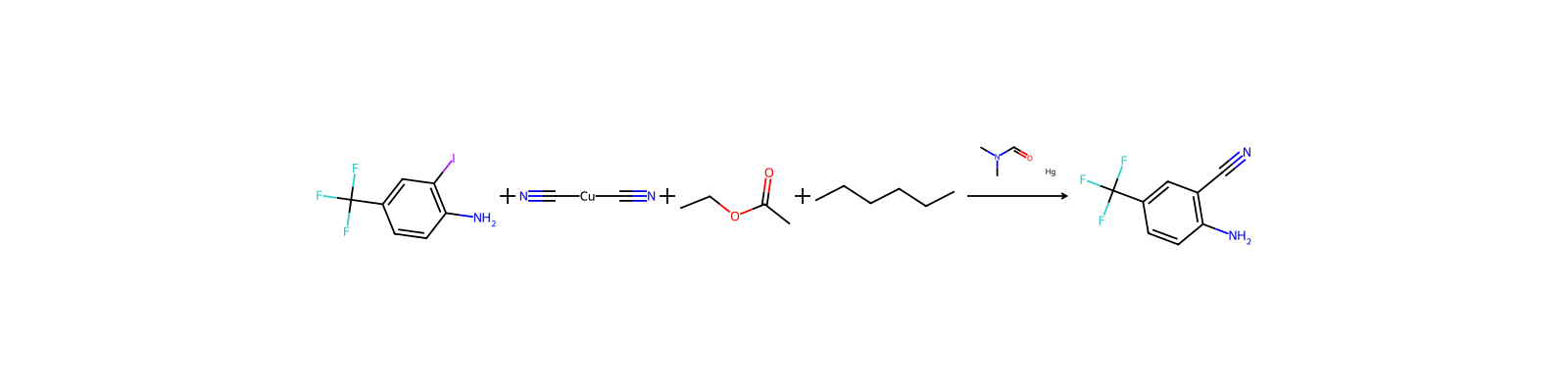
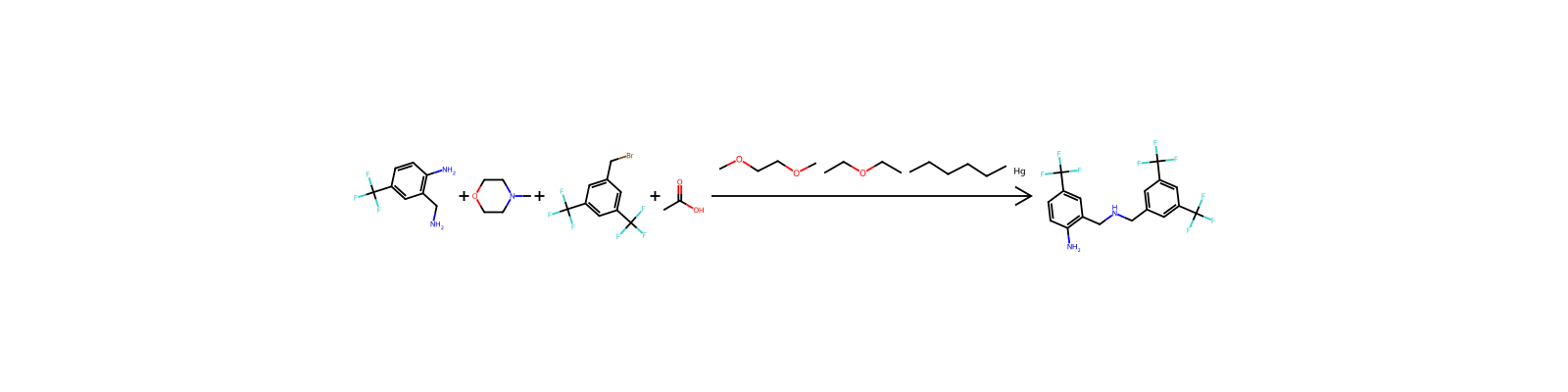
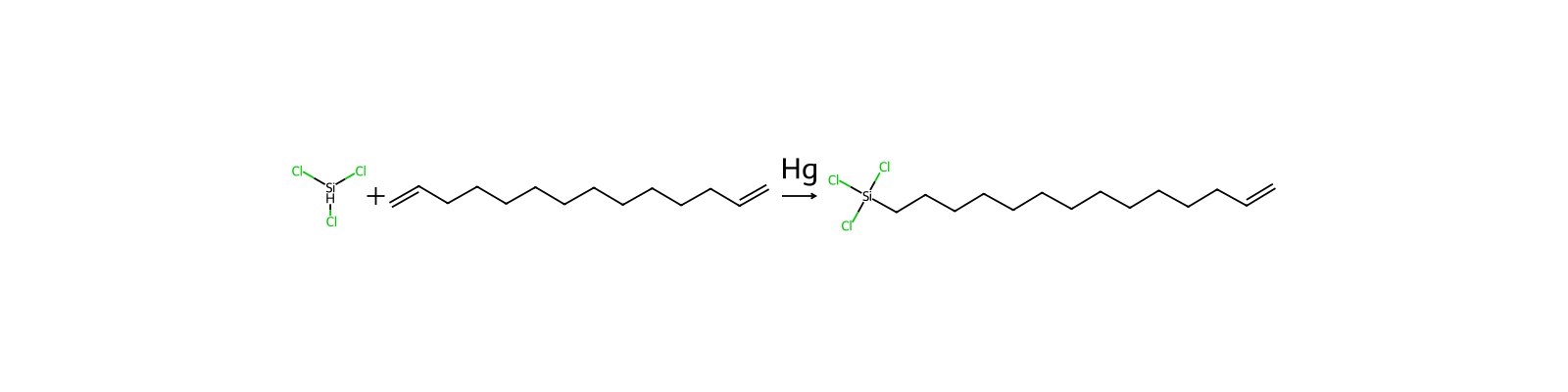
Zugehörige Reaktionen
182



Verknüpfte Notizen
Wird geladen…