
Grundinformationen
- Standard-SMILES
[Pd]- InChIKey
KDLHZDBZIXYQEI-UHFFFAOYSA-N- Summenformel
- Pd
- Durchschnittliche Molmasse
- 106,42 g/mol
- Monoisotopische Masse
- 105,90348
Namen und Bezeichner
- Bevorzugter Name
- Palladium
- IUPAC
- palladium
- Lokaler Name
- Palladium
- Englischer Name
- Palladium
- Summenformel
- Pd
- Molmasse
- 106.42
Namen und Synonyme
PALLADIUM7440-05-3Palladium elementpaladioPDPalladex 600Palladium, elemental5TWQ1V240MDTXSID4064680CHEBI:33363PALLADIUM METALLICUMRefChem:6098
Weitere Namen anzeigen
LINDLAR CATALYSTPalladium on activated charcoal10%PdRosenmund catalystPALLADIUM 10% ON CARBONPaladium5% PALLADIUM ON CARBONPALLIDIUMPalladium, 5% on carbonPalladium nanoparticles
DTXCID2047644231-115-6Palladium on carbonPalladium BlackPalladium on barium sulfatePalladium on aluminaPd/CPalladium on strontium carbonate
Datenbank-Bezeichner
- CAS
7440-05-3- PubChem CID
- 23938
- DTXSID
DTXSID4064680- ChEBI
CHEBI:33363- UNII
- 5TWQ1V240M
- EC Number
- 231-115-6
- Nikkaji
- J1.387.572C、J312.400B、J9.824H
Eigenschaften
Berechnete Struktureigenschaften
- Polarare Oberfläche (TPSA)
- 0 Ų
- H-Brücken-Donoren
- 0
- H-Brücken-Akzeptoren
- 0
- Frei drehbare Bindungen
- 0
- Schwere Atome
- 1
- Formalladung
- 0
- Komplexität
- 0
Experimentelle und physikochemische Eigenschaften
Density
12.02 g/cu cm
12 @25 °C
Color/Form
Silver-white, ductile metal
Steel white
Silver-white metal; cubic
SolubilitySoluble in aqua regia and fused alkalies; insoluble in organic acids
Boiling Point
2963 °C
2963 °C @760 [mm Hg]
DecompositionNo decomposition. /from table/
Melting Point
1554.9 °C
1554.9 °C
1554.8 °C
Vapor Pressure3.47 Pa (0.0260 mm Hg) at 1552 °C
Physical Description
Steel-white metal that does not tarnish in air; Oxidation states: 2+ and 4+; [Nordberg, p. 1113]
Solid
Other Experimental Properties
Palladium is the lightest of the platinum group and very malleable and ductile when pure. It resists oxidation at ordinary temperatures. It absorbs a considerable amount of hydrogen gas. It is appreciably volatile at high temperatures. At red heat it is converted to the oxide.
Stable isotopes: (102)Pd, 1.02%; (1.4)Pd, 11.14%; (105)Pd, 22.23%; (106)Pd, 27.33%; (108)Pd, 26.46%; (110)Pd, 11.72%
Usual valency, 2,4; ionic radius, 65 pm, crystal structure, face-centered cubic; lattice constant, 389 pm; reflectance, 54%; thermal expansion, 11.11X10+6 °C-1; magnetic susceptibility, 5.23X10⁻⁶ cu cm/g; work function, 4.99 eV; Young's modulus, 1.24X10+8 kN/sq m; ultimate tensile strength, 180-200 MPa; Poisson's ratio, 0.39; Vicker's hardness, 40; temperature coefficient of resistance 3.8X10⁻³ K-1; electrical resistivity at 0 °C, 9.93 microohm-cm; thermal conductivity, 75 W/m K
Palladium is stable in air, even at elevated temperatures; shows no corrosion or tarnishing in hydrogen sulfide atmospheres.
For more Other Experimental Properties (Complete) data for PALLADIUM, ELEMENTAL (6 total), please visit the HSDB record page.
Physikochemische Eigenschaften
- Schmelzpunkt
- 1554 °C · 1554 °C(lit.)
- Siedepunkt
- 2970 °C · 2970 °C(lit.)
- Dichte
- 1.025 g/mL · 1.025 g/mL at 25 °C
- storage temp.
- no restrictions.
- Löslichkeit
- soluble in aqua regia
- Aggregatzustand
- wire
- Wichte
- 12.03 · 12.03
- Farbe
- Silver-gray
- Geruch (Odor)
- Odorless
- Wasserlöslichkeit
- INSOLUBLE
- Spezifische Wärmekapazität
- 0.24 J/ · Cp(crystal): 0.24 J/(g·K); Cp(gas): 0.2 J/(g·K), at 25℃
- Merck
- 14 · 14,6989
- Stabilität
- Stable. Flammable - fine powder may cause fire or explosion in air. Incompatible with ozone, sodium tetrahydroborate, sulphur, arsenic.
- Kosmetik-Inhaltsstoffe Funktionen
- COLORANT
- InChI
- 1S/Pd
- InChIKey
- KDLHZDBZIXYQEI-UHFFFAOYSA-N
- SMILES
- [Pd]
- Hardness, Vickers
- 37 · 37, Annealed105, Cold Drawn
- Modulus of Elasticity
- 117 GPa · 117 GPa
- Poissons Ratio
- 0.39 · 0.39
- Shear Modulus
- 42 GPa, · 42.0 GPa, Calculated
- CAS Datenbank
- 7440 · 7440-05-3(CAS DataBase Reference)
- NIST chemische Informationen
- Palladium(7440-05-3)
- EPA chemische Informationen
- Palladium (7440-05-3)
Sicherheit und Regulatorisches
GHS-Klassifizierung
GHS Classification
This chemical does not meet GHS hazard criteria for 59.3% (365 of 616) of all reports.
Danger
H228 (31.5%): Flammable solid [Danger Flammable solids];H315 (17.7%): Causes skin irritation [Warning Skin corrosion/irritation];H319 (18%): Causes serious eye irritation [Warning Serious eye damage/eye irritation];H335 (15.9%): May cause respiratory irritation [Warning Specific target organ toxicity, single exposure; Respiratory tract irritation];H413 (17%): May cause long lasting harmful effects to aquatic life [Hazardous to the aquatic environment, long-term hazard]
P210, P240, P241, P261, P264, P264+P265, P271, P273, P280, P302+P352, P304+P340, P305+P351+P338, P319, P321, P332+P317, P337+P317, P362+P364, P370+P378, P403+P233, P405, and P501 (click each P-code to see the statement)
Aggregated GHS information provided per 616 reports by companies from 26 notifications to the ECHA C&L Inventory. Each notification may be associated with multiple companies.;Reported as not meeting GHS hazard criteria per 365 of 616 reports by companies.;There are 24 notifications provided by 251 of 616 reports by companies with hazard statement code(s).;Information may vary between notifications depending on impurities, additives, and other factors. The percentage value in parenthesis indicates the notified classification ratio from companies that provide hazard codes. Only hazard codes with percentage values above 10% are shown. For more detailed information, please visit ECHA C&L website.
Gefahrenhinweise
Regulatory Information
Chemical: Palladium
Regulation (EC) No 1935/2004 (amended)
Status: Active Update: 27-06-2022 https://echa.europa.eu/registration-dossier/-/registered-dossier/18747
Palladium: Does not have an individual approval but may be used under an appropriate group standard
Other Safety InformationIMAP assessments - Palladium: Environment tier I assessment;IMAP assessments - Palladium: Human health tier I assessment
Fire Potential
Combustible in the form of dust when exposed to heat or flame.
Finely divided palladium (palladium black) used as a hydrogenation catalyst is usually pyrophoric and needs appropriate handling precautions.
Hazards Summary
Possible skin sensitizer; Dust can be a fire and explosive hazard; [HSDB] Occupational asthma has been reported, but its incidence is very low. Palladium II chloride is a stronger skin sensitizer than nickel sulfate. [Nordberg, p. 1113, 1119] The metals in this group [platinum, palladium, iridium, osmium, rhodium, and ruthenium] generally are nontoxic in the metallic state, but the soluble halide salts (particularly of Pt) and osmium tetroxide are highly reactive. Exposure to these elements results in hypersensitivity allergic reactions in susceptible individuals. [Sullivan, p. 911] Tram drivers in Rome were exposed to Pt, Rh and Pd from catalytic converters at levels about 10 times lower than those known to cause adverse effects in workers. [PMID 18849761] See Palladium tetraamine dichloride.
FDA Requirements
Noble metal alloy: (a) Identification. A noble metal alloy is a device composed primarily of noble metals, such as gold, palladium, platinum, or silver, that is intended for use in the fabrication of cast or porcelain-fused-to-metal crown and bridge restorations. (b) Classification. Class II (special controls). The special control for these devices is FDA's "Class II Special Controls Guidance Document: Dental Noble Metal Alloys." The devices are exempt from the premarket notification procedures in subpart E of part 807 of this chapter subject to the limitations in §872.9. See §872.1(e) for availability of guidance information. /Noble metal alloy/
Hazard Classes and CategoriesFlam. Sol. 1 (31.5%);Skin Irrit. 2 (17.7%);Eye Irrit. 2 (18%);STOT SE 3 (15.9%);Aquatic Chronic 4 (17%)
Explosive Limits and PotentialExplosive reaction with hydrogen and hydrogen peroxide.
Skin, Eye, and Respiratory IrritationsContact dermatitis has been associated with metallic palladium, especially with palladium alloys ... .
Hazardous Reactivities and Incompatibilities
Incompatibilities: Arsenic; carbon; ozonides; methanol; sulfur.
Reaction with formic acid or tetrahydroborate releases explosive hydrogen gas.
Violent reaction with isopropyl alcohol or OF2S.
At a red heat is converted in to the monoxide. Forms dihalides with fluorine or chlorine at a red heat. Reacts with nitric acid, sulfuric acid, a mixture of hydrochloric and choric acids. Reacts slightly with concentrated /hydrochloric acid/; more readily in the presence of air or free chlorine. Forms a sulfide when heated with sulfur, a phosphide when heated with phosphorus. Absorbs a considerable amount of hydrogen.
CSL Reaction Information
CSL00027
METHANOL + PALLADIUM
Palladium on carbon (10%) is highly pyrophoric under hydrogen atmosphere and to some extent in air. Palladium on carbon (Pd/C) frequently ignites when it first comes in contact with methanol (and to a lesser extent, any flammable organic solvent) and as such represents a significant safety risk.
Pyrophoric
M (up to 100g)
Addition of Pd/C (10% wet) to the reaction flask containing hydrogen atmospehere (additional catalyst addition to the ongoing reaction in 100 mL methanol) resulted is small fire.
Sicherheit und Schutzausrüstung
Disposal Methods
SRP: The most favorable course of action is to use an alternative chemical product with less inherent propensity for occupational exposure or environmental contamination. Recycle any unused portion of the material for its approved use or return it to the manufacturer or supplier. Ultimate disposal of the chemical must consider: the material's impact on air quality; potential migration in soil or water; effects on animal, aquatic, and plant life; and conformance with environmental and public health regulations.
Protective Action Criteria (PAC)
1.5 [mg/m3]
160 [mg/m3]
970 [mg/m3]
Toxikologische Informationen
Health EffectsContact with palladium may cause palladium sensitivity and allergy. Animal studies have shown that palladium may damage the liver and kidney. (L798)
Exposure RoutesInhalation (A21) ; oral (A21) ; dermal (A21)
Toxicity Summary
IDENTIFICATION: Palladium is a steel white ductile metallic element. It is stable in air and resistant to attack by most reagents. It is soluble in a mixture of hydrochloric and nitric acids. Palladium and its alloys are used as catalysts in the petrochemical and automotive industries. Used in electronics and in dental applications. Purified metals between 99.9% and 99.99% are available for chemical use as foil, granules, rod or wire. HUMAN EXPOSURE: The general population is primarily exposed to palladium through dental alloys, jewlery, food and emissions from automobile catalytic converters. There are limited data concerning the distribution of palladium from dental resorations in human tissues or fluids. Populations at special risk of palladium allergy include people with known nickel allergy. ANIMAL STUDIES: Six months after a single intratracheal application of palladium dust, several histopathological signs of inflammation were noted in the lungs of rats. Daily oral administration of palladium dust over 6 months resulted in changes in several blood and urine parameters. Palladium applied in its metallic form showed no or little cytotoxicity.[
Palladium ions are able to inhibit most major cellular fuctions. They form strong complexes with both inorganic and organic ligands, substitute essential ions, bind to amino acids and various enzymes including creatine kinase and prolyl hydroxylase, and interact with functional groups of other macromolecules such as DNA leading to strand breakage. (L798)
Signs and SymptomsSkin contact with palladium may cause contact dermatitis, erythema, and oedema. (L798)
Natural Pollution Sources
Palladium (Pd) is found with platinum, gold, and nickel ores.
Palladium belongs to the platinum group metals (ruthenium, osmium, rhodium, iridium, palladium and platinum), which are rare elements often found together in nature(1). In the lithosphere, the estimated concentration of platinum group metals range from 0.05 to 0.5 ppm(2). Palladium's abundance in the earth's crust is 0.001-0.01 ppm(3).
Human Toxicity Excerpts
/CASE REPORTS/ A 54-yr-old woman patient had symptoms of stomatitis and asthma following the provision of a dental prosthesis in July 1991. ...A positive patch test reaction /was found/ to palladium only, without any concomitant metallic contact dermatitis; in particular there was no sensitization to nickel. This is a very rare sensitization. After replacement of the dental alloy the clinical symptoms improved.
/CASE REPORTS/ Granulomatous tissue reactions due to jewelry made of gold, silver, nickel and palladium are rare but nevertheless have been known for a long time. A female patient developed nodular infiltrates after having been pierced with ear stickers containing palladium. A contact allergic reaction could be demonstrated as the underlying cause by inducing similar histological changes following patch testing with palladium.
/CASE REPORTS/ A patient with a metal dental bridge complained of itching and pain in the oral cavity. She suffered also from recurrent blisters, ulceration, and infection of the oral mucous membrane. Skin tests carried out ... on this patient showed... a positive allergic reaction to... palladium metal.
/CASE REPORTS/ ...A case of linear lichen planus extending from the right cheek to the jaw, which was accompanied by itching and an unusual sensation in the mouth /is described/. The eruption was located along the mandible and aligned with the mandibular nerve. The right molars of the patient contained metal compounds and these were considered to be the cause of his disease. Patch testing with various dental metals showed positive reactions to palladium and platinum. A biopsy specimen showed a lichenoid reaction in the lesional tissue, and dermal contact dermatitis was noted at the palladium patch test site. His dentist reported that palladium-silver-gold or nickel-chrome alloys without platinum had been used in the crown and bridge of his molars. After removal of the dental alloys, the skin eruption resolved with some residual hyperpigmentation. In addition, the peculiar mouth sensation disappeared dramatically within 2 months.
For more Human Toxicity Excerpts (Complete) data for PALLADIUM, ELEMENTAL (11 total), please visit the HSDB record page.
Carcinogen ClassificationNo indication of carcinogenicity to humans (not listed by IARC).
Non-Human Toxicity Excerpts
/LABORATORY ANIMALS: Acute Exposure/ Palladium powder /was given to/ rats by enteral (intragastric) /administration/ dose not specified. Clinical signs and toxic effects /include/: necrobiotic changes in the mucous membranes of the gastrointestinal tract, granular dystrophy of hepatocytes, swelling in the epithelium of kidney tubules. /from table/
/LABORATORY ANIMALS: Subchronic or Prechronic Exposure/ 6 months after a single intratracheal application of 50 mg palladium dust (about 143 mg/kg bw), the lungs of rats (Sprague-Dawley, female, n=10) were histopathologically examined. There were several signs of inflammatory responses (peribronchial inflammation, lymphocyte infiltration, interstitial pneumonia, formation of granulomata) observed, but no indications of interstitial fibrosis... .
/LABORATORY ANIMALS: Subchronic or Prechronic Exposure/ Acute toxicity tests with 6 different palladium-containing dental alloys (pulverized; mean particle size 200 um; palladium content: 9-80 mass %) have been performed with rats (Wistar, n=10; 5 females, 5 males). Oral doses of 200 mg/kg bw (in gelatin capsules) did not cause deaths or apparent toxic signs. Histopathological changes in lung, liver and kidney of rats (Sprague-Dawley; n=14) were seen 5 weeks after single oral administration of cut dental alloy material (1 g/kg bw, in gelatin capsules; 6 different alloys; particle size not specified), which contained palladium at 2.5-4 weight % and total noble metals (gold, palladium) at 44-62%. However, alloys of a higher noble metal (gold, palladium, platinum) content (78-97%) containing palladium at 4-26.5% did not elicit significant effects.
/LABORATORY ANIMALS: Subchronic or Prechronic Exposure/ Six different pulverized palladium-containing dental alloys have been tested for their subacute toxicity in rats (Wistar, n=10, 5 females, 5 males). Compared with controls, all specimens caused significant histopathological changes in lung, liver, kidney, small intestine and colon following daily oral doses of 1000 mg/kg bw for 7 days (and sacrifice after 7 additional days). The strongest effects were seen with compositions containing copper and/or indium: Pd73, Cu14, In5; Pd74, Sn16, Cu9; and Au51, Pd39, In4-9. The weakest effects were observed for the Pd58, Ag30, Sn6 alloy, and the changes due to the Pd80, Sn7, Ga6-8 and Au77, Pt10, Pd9 alloys fell in between. Some histocompatibility tests have been performed with several implants of palladium-containing dental alloys of different compositions. Four to 12 weeks after sc implantation of the experimental alloys into guinea-pigs, mice, or rats, or after intramuscular implantation into rabbits, the tissue reactions at the implantation site varied from slight to severe. The most extreme reactions were recorded when copper and/or indium were present as additional components. Altogether, the contribution of palladium to adverse effects of dental mixtures is not clear.
For more Non-Human Toxicity Excerpts (Complete) data for PALLADIUM, ELEMENTAL (9 total), please visit the HSDB record page.
Populations at Special RiskPeople with known metal (especially nickel) allergy may have an increased risk of palladium allergy.
Probable Routes of Human Exposure
Palladium concentrations in personal samples collected in 1996 during industrial operations involving the handling of palladium compounds were reported to be between 0.4 and 11.6 ug Pd/cu m as a 8-hour time-weighted average(1). Mean palladium concentrations of 3.5 ug/cu m, with local exhaust ventilation, and 5.5 ug/cu m, without dust control, were measured in the breathing zone of dental technicians(1). Palladium concentrations in air in a platinum and palladium refinery in New Jersey ranged from 0.001 to 0.36 ug/cu m(1).
Other Environmental Concentrations
Dust samples were collected in 1985 from the surfaces of plants along side roads in San Diego, CA; palladium concentrations ranged from 0.015 mg/kg dry weight in dust collected along Bellaire Court, a residential street with light traffic, up to 0.28 mg/kg dry weight in dust collected approximately 2 ft from the edge of Interstate 5, a major freeway(1). Palladium concentrations of 0.001-0.146 mg/kg were reported in urban road dusts in Germany in 1995(2).
Antidote and Emergency Treatment
There are no established detoxification methods following poisoning by palladium or its compounds. Because of its poor absorption by the body, removal from exposure is the best remedy, when palladium is cleared by natural processes.
Basic treatment: Establish a patent airway. Suction if necessary. Watch for signs of respiratory insufficiency and assist ventilations if needed. Administer oxygen by nonrebreather mask at 10 to 15 L/min. Monitor for pulmonary edema and treat if necessary ... . Monitor for shock and treat if necessary ... . Anticipate seizures and treat if necessary ... . For eye contamination, flush eyes immediately with water. Irrigate each eye continuously with normal saline during transport ... . Do not use emetics. For ingestion, rinse mouth and administer 5 ml/kg up to 200 ml of water for dilution if the patient can swallow, has a strong gag reflex, and does not drool ... . Cover skin burns with dry sterile dressings after decontamination ... . /Poison A and B/
Advanced treatment: Consider orotracheal or nasotracheal intubation for airway control in the patient who is unconscious, has severe pulmonary edema, or is in respiratory arrest. Positive pressure ventilation techniques with a bag valve mask device may be beneficial. Monitor cardiac rhythm and treat arrhythmias as necessary ... . Start an IV with D5W /SRP: "To keep open", minimal flow rate/. Use lactated Ringer's if signs of hypovolemia are present. Watch for signs of fluid overload. Consider drug therapy for pulmonary edema ... . For hypotension with signs of hypovolemia, administer fluid cautiously. Watch for signs of fluid overload ... . Treat seizures with diazepam (Valium) ... . Use proparacaine hydrochloride to assist eye irrigation ... . /Poison A and B/
Regulatorische Informationen
Regulatory Information
Chemical: Palladium
Regulation (EC) No 1935/2004 (amended)
Status: Active Update: 27-06-2022 https://echa.europa.eu/registration-dossier/-/registered-dossier/18747
Palladium: Does not have an individual approval but may be used under an appropriate group standard
FDA Requirements
Noble metal alloy: (a) Identification. A noble metal alloy is a device composed primarily of noble metals, such as gold, palladium, platinum, or silver, that is intended for use in the fabrication of cast or porcelain-fused-to-metal crown and bridge restorations. (b) Classification. Class II (special controls). The special control for these devices is FDA's "Class II Special Controls Guidance Document: Dental Noble Metal Alloys." The devices are exempt from the premarket notification procedures in subpart E of part 807 of this chapter subject to the limitations in §872.9. See §872.1(e) for availability of guidance information. /Noble metal alloy/
Sicherheitsdaten
- wgk
- nwg
- tsca
- TSCA listed
- ridadr
- UN 3089 4.1/PG 2
- hs_code
- 28439000
- RTECS-Nr.
- RT3480500
- risk_code
- 61-33-37/38-40-41-36/37/38-11
- Toxizität
- LD50 oral (rat) 200 mg/kg (palladium chloride) LC50 intratracheal (rat) 6 mg/kg (palladium chloride)
- hazard_code
- T,F,Xi
- safety_code
- 53-26-36/37/39-24/25-36-22
- hazard_class
- 4.1
- packing_group
- III
- Speicherklasse
- 13 - Non Combustible Solids
- Giftige Stoffe Daten
- 7440-05-3(Hazardous Substances Data)
- Selbstentzündungstemperatur
- >1120 °F
Chemie und Industrie
Pharmakologische Informationen
Metabolism/Metabolites
Palladium may be absorbed through oral, dermal, and inhalation exposure. Once in the body it distributes to the kidney, liver, spleen, lymph nodes, adrenal gland, lung and bone. Palladium and its metabolites are excreted in the urine and faeces. (A21)
Absorption, Distribution and Excretion
Six months after a single intratracheal application of 50 mg palladium dust (mass median aerodynamic diameter [MMAD] 3.92 um) to Sprague-Dawley rats, palladium particles were found to be localized intracellularly in alveolar macrophages.
The absorption of palladium from the GI tract is insignificant. A single intragastrical dose of 103Pd isotope given to male Charles River CD-1 rats was rapidly excreted from their organism with feces. ...After a single acute exposure, most of the absorbed dose is excreted within 48 hr to 5 days, although in the organs where Pd is accumulated, it may remain for 30 days after termination of the exposure.
...Colloidal palladium of known particle size (maximum diameter mostly 10-20 nm) was able to pass into the blood from the cerebrospinal subarachnoid space after its subarachnoid injection into cats.
No or little information is available on the mode of action of metallic palladium in its solid (alloys) or dispersed (dust particles) form in biological systems. It is assumed that, at least for processes in the oral cavity, ions can be formed from metallic palladium in dental restorations, leading to solution in the saliva and finally to distribution in the body. Fine particles of palladium may also be taken up by epithelial cells or lymphocytes and macrophages, etc., and be transported within the lymphatic system.
Verwendung und Herstellung
Uses
Platinum, gold, and nickel ores contain palladium. Palladium has been used as a hydrogenation catalyst. [HSDB] One of 6 metals in the platinum group that also includes Rh, Ru, Ir, and Os; Highest use in electronic, dental, and catalytic products; Occupational exposures occur in mining and dental laboratories; Used as a catalyst in many industries; General public exposures occur from automobile catalytic converters, dental restorations, and jewelry; [Nordberg, p. 1113-20]
Metal Extraction and Refining [Category: Industry]
Palladium is used in gold, silver and copper alloys in dentistry. Alloys are also used for bearings, strings, and balance wheels in watches. Palladium is used as a catalyst in the manufacture of sulfuric acid. In powder form it is used as a catalyst in hydrogenation. The sponge form is used for separation of hydrogen from a mixture of gases. Silver alloys are used for electrical contacts.
The automotive industry has used palladium in catalytic converters since 1974. ... In jewelry, palladium hardened with 4-5% ruthenium provides a light, white, strong, tarnish-free alloy for watch cases, brooches, and settings for gems.
...For alloy bearings, springs, balance wheels of watches; for mirrors in astronomical instruments; as catalyzer in manufacture of sulfuric acid and in other oxidizing processes.
Alloys for electrical relays and switching systems in telecommunication equipment, catalyst for reforming cracked petroleum fractions and hydrogenation, metallizing ceramics, "white" gold in jewelry, aircraft spark plugs, protective coatings.
Formulations/Preparations
Grade: CP (99.99%), technical (99.0%)
Available as wire, leaf, powder, and single crystals.
Purified metals between 99.9% and 99.999% palladium are available for chemical or medical use as foil, granules, powder, rod or wire.
General Manufacturing InformationPalladium: ACTIVE
Anwendungen
OccurrencePalladium is considered a rare metal, making up only about 1 part per 100 million partsof the Earth’s crust. It is considered the 77th most abundant element on Earth, although it is seldom found in pure states. Rather, it is mixed with other metals or in compounds of palladium.It was originally found in gold ores from Brazil, where the miners thought the gold wascontaminated by what they referred to as “white gold.” Later, it was considered an alloy combinationof palladium and gold.Deposits of ores containing palladium, as well as other metals, are found in Siberia and theUral Mountains of Russia, Canada, and South Africa, as well as in South America.
VerwendenPalladium is a soft white metal found in copper and nickel ores. The chloride compound of this element was used after the turn of the century for printing and also in combination with platinum for printing. Palladium is a transition metal element used in catalytic reactions involving processes such as hydrogenation. Lindlar Catalyst. In form of gold, silver, and copper alloys in dentistry; for alloy bearings, springs, balance wheels of watches; for mirrors in astronomical instruments; as catalyzer in manufacture of sulfuric acid and in other oxidizing processes; in powder form as catalyst in hydrogenation and in ignition of hydrogen or hydrocarbons with oxygen; the spongy form is used in gas analysis for separating hydrogen from mixtures of gases.
Darstellung
synthetischeIt can be made from the ore with dry process in Industrial production; can also copper, nickel sulfide ore preparation of copper, nickel production process as a by-product as raw materials, made by wet smelting. It can also be obtained from the wet process with the byproduct of copper, nickel production from the copper sulfide ore or nickel sulfide ore. The wet method is using the residue of extracted nickel and copper as raw materials, adding aqua for extraction, filtration, adding ammonia and hydrochloric acid to react, thus forming the precipitation of ammonium chloropalladate. After refining, filtration, reduction of ammonium chloropalladate with hydrogen 99.95% finished product of palladium can be obtained.
Vor- und nachgelagerte Produkte
Vorgelagerte Rohstoffe
Nachgelagerte Produkte
Ergänzende Hinweise
Definitionpalladium: Symbol Pd. A soft whiteductile transition element (see alsoplatinum metals); a.n. 46; r.a.m.106.4; r.d. 12.02; m.p. 1552°C; b.p.3140±1°C. It occurs in some copperand nickel ores and is used in jewelleryand as a catalyst for hydrogenationreactions. Chemically, itdoes not react with oxygen at normaltemperatures. It dissolves slowly inhydrochloric acid. Palladium is capableof occluding 900 times its ownvolume of hydrogen. It forms fewsimple salts, most compounds beingcomplexes of palladium(II) with somepalladium(IV). It was discovered byWilliam Woolaston (1766–1828) in1803.
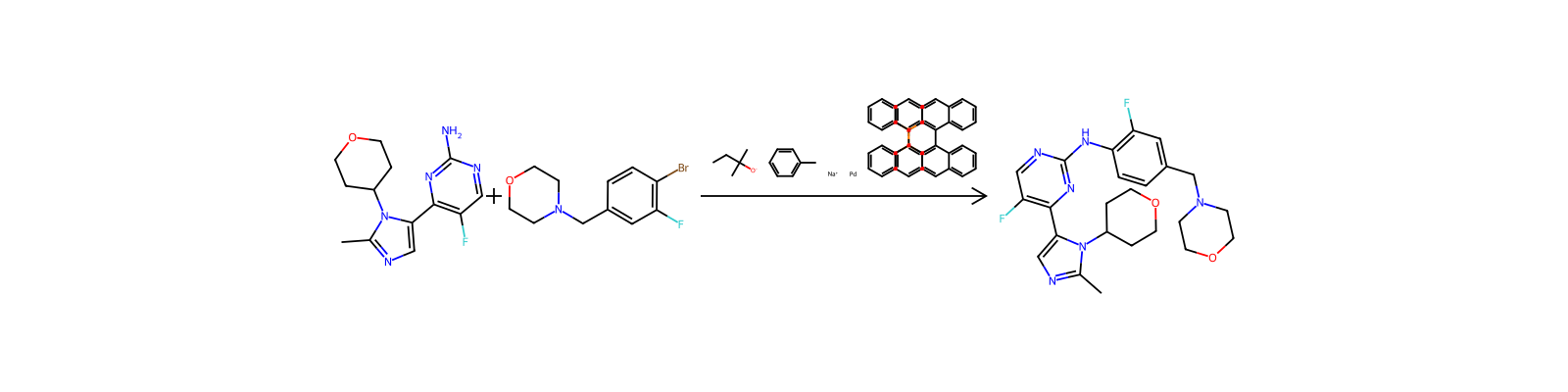
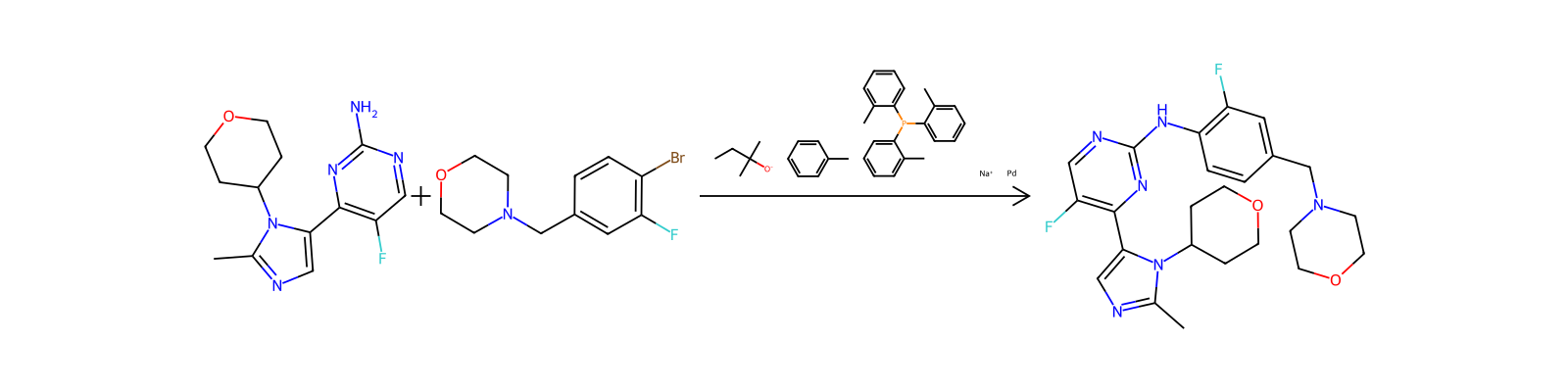
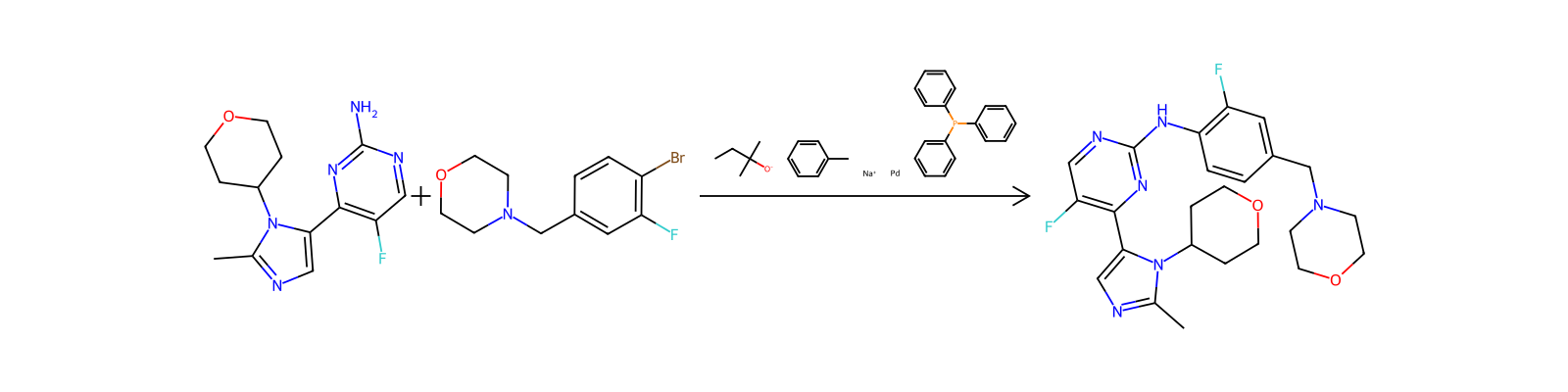
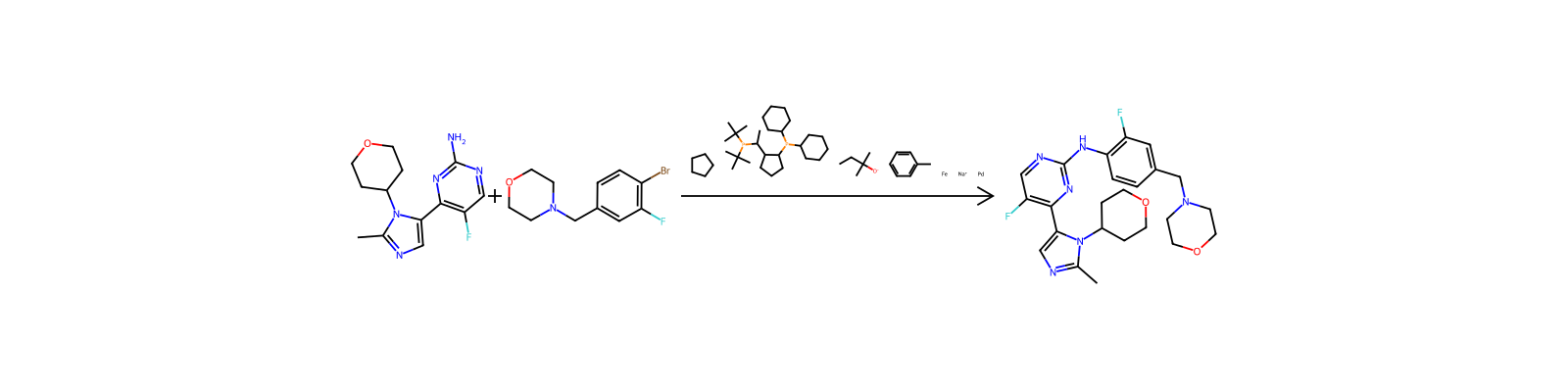
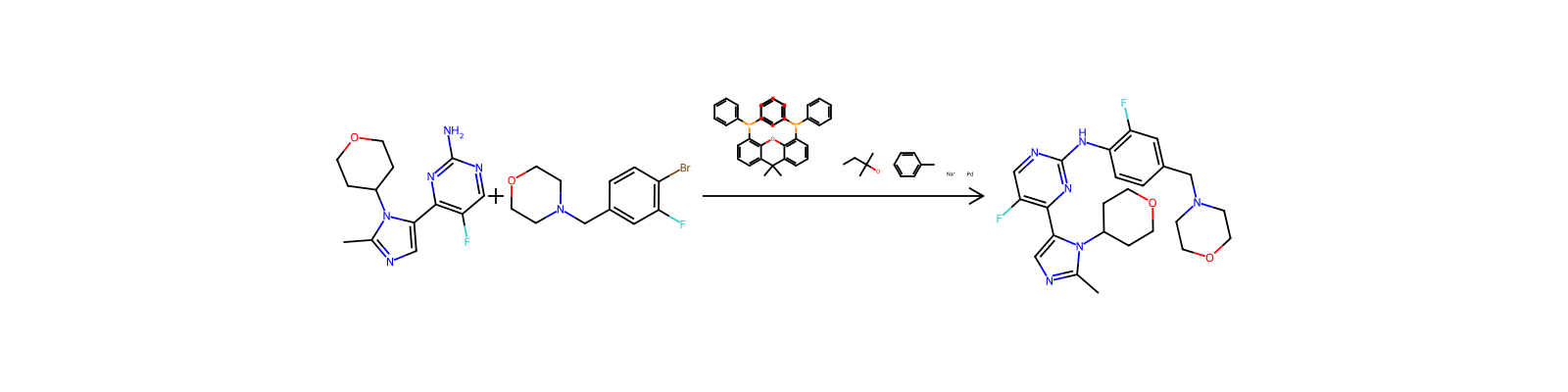
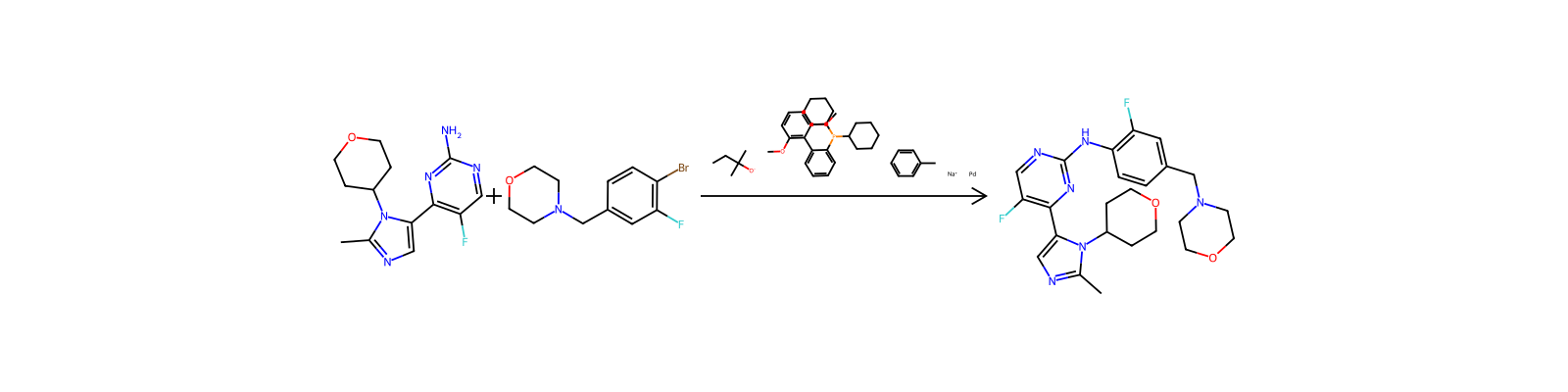
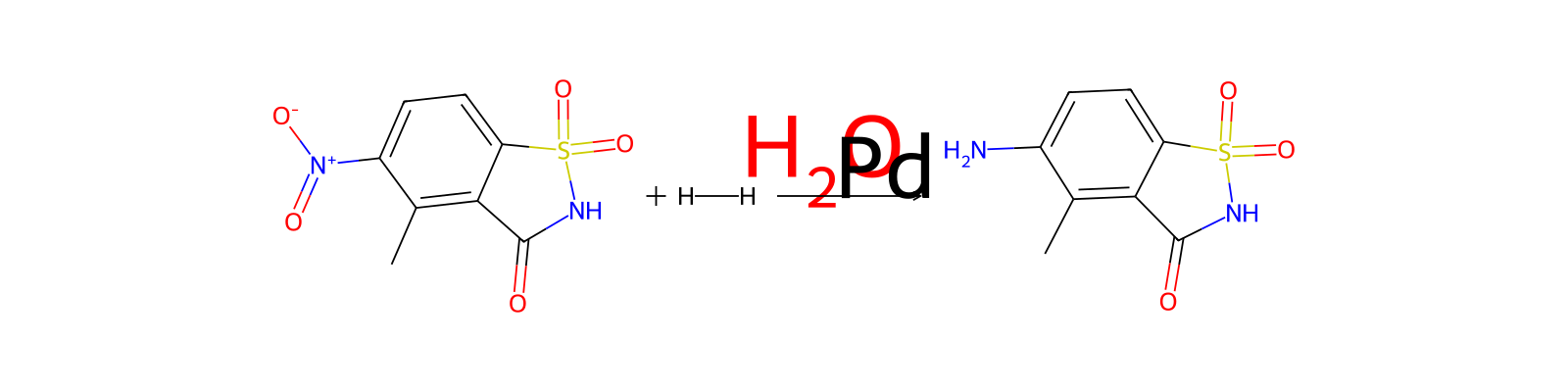
Zugehörige Reaktionen
55.588

Verknüpfte Notizen
Wird geladen…