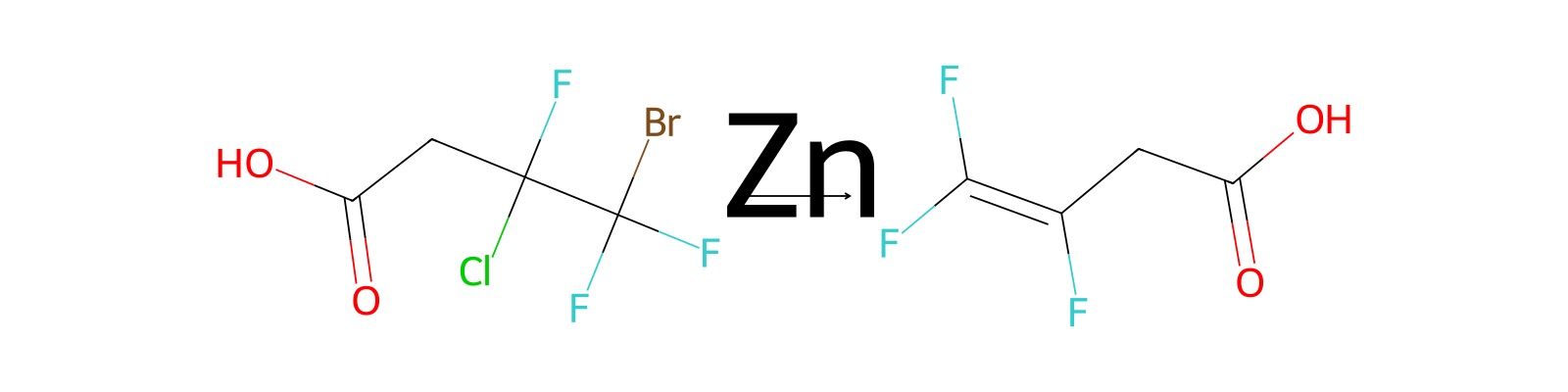

Grundinformationen
- Standard-SMILES
[Zn]- InChIKey
HCHKCACWOHOZIP-UHFFFAOYSA-N- Summenformel
- Zn
- Durchschnittliche Molmasse
- 65,4 g/mol
- Monoisotopische Masse
- 63,9291422
Überblick
Zinc is one of the most common elements in the earth's crust. It is found in air, soil, and water, and is present in all foods. Pure zinc is a bluish-white shiny metal. Zinc has many commercial uses as coatings to prevent rust, in dry cell batteries, and mixed with other metals to make alloys like brass, and bronze. A zinc and copper alloy is used to make pennies in the United States. Zinc combines with other elements to form zinc compounds. Common zinc compounds found at hazardous waste sites include zinc chloride, zinc oxide, zinc sulfate, and zinc sulfide. Zinc compounds are widely used in industry to make paint, rubber, dyes, wood preservatives, and ointments.
Namen und Bezeichner
- Bevorzugter Name
- Zinc
- IUPAC
- zinc
Namen und Synonyme
ZINC7440-66-6Zinc dustZinc, elementalBlue powderZinc powderZincum metallicumRheinzinkJasadGranular zincEmanay zinc dustAsarco L 15
Weitere Namen anzeigen
Lead refinery vacuum zincZNJ41CSQ7QDSCHEBI:27363CHEBI:30185Zinc MetZyncum MetallicumZINCUM MET
Datenbank-Bezeichner
- CAS
15176-26-8、19229-95-9、7440-66-6- PubChem CID
- 23994
- DTXSID
DTXSID7035012- ChEMBL
CHEMBL1201279- ChEBI
CHEBI:27363- UNII
- J41CSQ7QDS
- EC Number
- 231-175-3
- Nikkaji
- J1.458.431E、J1.519.214C、J3.735D
Eigenschaften
Berechnete Struktureigenschaften
- Polarare Oberfläche (TPSA)
- 0 Ų
- H-Brücken-Donoren
- 0
- H-Brücken-Akzeptoren
- 0
- Frei drehbare Bindungen
- 0
- Schwere Atome
- 1
- Formalladung
- 0
- Komplexität
- 0
Experimentelle und physikochemische Eigenschaften
Chemical Classes
Metals -> Elements, Metallic
Flammable agents - 3rd degree
Trace element
CosmeticsCosmetics ingredient -> Other (Specify)
SpringerMaterials Propertiesthermal expansion coefficient
PesticidesPesticide -> EPA IRIS
Density
7.133 g/cu cm at 25 °C; 6.830 g/cu cm at 419.5 °C (solid); 6.620 g/cu cm at 419.5 °C (liquid); 6.250 g/cu cm at 800 °C
7.1 g/cm³
7.134 @25 °C
Color/Form
Bluish-white, lustrous metal; distorted hexagonal close-packed structure; when heated to 100-150 °C becomes malleable, at 210 °C becomes brittle and pulverizable
Brittle at ordinary temperatures
Solubility
Soluble in acids and alkalies; insoluble in water
Solubility in water: reaction
Human DrugsBreast Feeding; Lactation; Milk, Human; Minerals; Elements
Animal DrugsPharmaceuticals -> UK Veterinary Medicines Directorate List
Boiling Point
907 °C
907 °C
907 °C @760 [mm Hg]
DecompositionWhen heated to decomposition it emits toxic fumes of /zinc oxide/.
Melting Point
787 °F
419.53 °C
419 °C
419.53 °C
Sicherheit und Regulatorisches
GHS-Klassifizierung
GHS Classification
Danger
H250: Catches fire spontaneously if exposed to air [Danger Pyrophoric liquids]
P210, P222, P223, P231, P231+P232, P233, P273, P280, P302+P335+P334, P370+P378, P391, P402+P404, and P501 (click each P-code to see the statement)
Warning
H400: Very toxic to aquatic life [Warning Hazardous to the aquatic environment, acute hazard]
P273, P391, and P501 (click each P-code to see the statement)
Gefahrenhinweise
Regulatory Information
Chemical: Zinc
Hazard Traits - Bioaccumulation; Environmental Persistence
Zinc is listed on the EPA's Chemical Data Reporting (CDR) system. Manufacturers and importers of Zinc are required to report information about their production and use of this chemical to the EPA under the Toxic Substances Control Act (TSCA). (40 eCFR Part 711)
Status: Active Update: 27-04-2023 https://echa.europa.eu/registration-dossier/-/registered-dossier/16146
Zinc: Does not have an individual approval but may be used under an appropriate group standard
The New Jersey Worker and Community Right to Know Act requires public and private employers to provide information about hazardous substances at their workplaces. (N.J.S.A. 34:5A-1 et. seq.)
Other Safety InformationIMAP assessments - Zinc: Human health tier I assessment
DOT Label
Dangerous When Wet
Dangerous When Wet Spontaneously Combustible
Fire Hazards
Excerpt from ERG Guide 138 [Substances - Water-Reactive (Emitting Flammable Gases)]:
Excerpt from ERG Guide 138 [Substances - Water-Reactive (Emitting Flammable Gases)]:
· Produce flammable gases on contact with water.
· Produce flammable gases on contact with water.
· Produce flammable gases on contact with water.
Highly flammable. May ignite spontaneously on contact with air. Many reactions may cause fire or explosion. Finely dispersed particles form explosive mixtures in air. Risk of fire and explosion on contact with water or incompatible substances. See Chemical Dangers.
Fire Potential
Zinc powder or dust in contact with water or damp air evolves hydrogen. The heat of reaction is sufficient that the hydrogen may ignite.
... In compact form does not burn readily until it is heated above 500 °C.
Health Hazards
Excerpt from ERG Guide 138 [Substances - Water-Reactive (Emitting Flammable Gases)]:
Excerpt from ERG Guide 138 [Substances - Water-Reactive (Emitting Flammable Gases)]:
· Inhalation or contact with vapors, substance or decomposition products may cause severe injury or death.
· Inhalation or contact with vapors, substance or decomposition products may cause severe injury or death.
· Inhalation or contact with vapors, substance or decomposition products may cause severe injury or death.
Hazards Summary
Zinc is one of the most common elements in the earth's crust. It is found in air, soil, and water, and is present in all foods. Pure zinc is a bluish-white shiny metal. Zinc has many commercial uses as coatings to prevent rust, in dry cell batteries, and mixed with other metals to make alloys like brass, and bronze. A zinc and copper alloy is used to make pennies in the United States. Zinc combines with other elements to form zinc compounds. Common zinc compounds found at hazardous waste sites include zinc chloride, zinc oxide, zinc sulfate, and zinc sulfide. Zinc compounds are widely used in industry to make paint, rubber, dyes, wood preservatives, and ointments.
Zinc is essential to plant and animal life; It is in more than 300 enzymes involved in all aspects of metabolism; Zn is also needed for the proper structural function of proteins; Zn deficiency causes failed growth and development; Zn is necessary for healthy immunity and wound healing; Zn is depleted in some soils; Plant ligands, e.g., phytate and lignin, can interfere with Zn absorption; 20% of the world's people are at risk for Zn deficiency; Zn supplements are the most common source of excess Zn; Excess intake may precipitate copper deficiency; Excess Zn in drinks, up to 2500 mg/L, caused vomiting, diarrhea, and abdominal pain; Zinc oxide fume causes metal fume fever, and zinc chloride fume causes acute pneumonitis; [Nordberg, p. 1369-82] Produces flammable hydrogen when in contact with moisture; [CAMEO] Zinc powder or dust are usually coated with zinc carbonate to reduce the risk of spontaneous combustion. Zinc dust is not known to be harmful after inhalation or contact with the skin or eyes. [CHEMINFO] Zinc is a hepatotoxic agent. [Zimmerman, p. 4] See Zinc chloride fume. See Zinc oxide.
DOT ID and Guide
1436 138
1436 138
1435 138
Reactive Group
Metals, Elemental and Powder, Active
Metals, Elemental and Powder, Active
EC ClassificationH250; H260; H400 / H400; H410
UN ClassificationUN Hazard Class: 4.3; UN Subsidiary Risks: 4.2
FIFRA Requirements
As the federal pesticide law FIFRA directs, EPA is conducting a comprehensive review of older pesticides to consider their health and environmental effects and make decisions about their future use. Under this pesticide reregistration program, EPA examines health and safety data for pesticide active ingredients initially registered before November 1, 1984, and determines whether they are eligible for reregistration. In addition, all pesticides must meet the new safety standard of the Food Quality Protection Act of 1996. Pesticides for which EPA had not issued Registration Standards prior to the effective date of FIFRA, as amended in 1988, were divided into three lists based upon their potential for human exposure and other factors, with List B containing pesticides of greater concern and List D pesticides of less concern. Zinc, elemental is found on List D. Case No: 4099; Pesticide type: fungicide, herbicide, antimicrobial; Case Status: RED Approved 09/92; OPP has made a decision that some/all uses of the pesticide are eligible for reregistration, as reflected in a Reregistration Eligibility Decision (RED) document.; Active ingredient (AI): Zinc; Data Call-in (DCI) Date(s): 04/01/93; AI Status: OPP has completed a Reregistration Eligibility Decision (RED) document for the case/AI.
Sicherheit und Schutzausrüstung
Fire Fighting
Excerpt from ERG Guide 138 [Substances - Water-Reactive (Emitting Flammable Gases)]:
Excerpt from ERG Guide 138 [Substances - Water-Reactive (Emitting Flammable Gases)]:
Use special powder, dry sand. NO water. NO foam, carbon dioxide. NO other agents. In case of fire: keep drums, etc., cool by spraying with water. NO direct contact of the substance with water.
First Aid Measures
Fresh air, rest. Seek medical attention if you feel unwell.
First rinse with plenty of water for at least 15 minutes, then remove contaminated clothes and rinse again.
Rinse with plenty of water (remove contact lenses if easily possible).
Rinse mouth. Refer for medical attention .
Accidental Release Measures
· CALL 911. Then call emergency response telephone number on shipping paper. If shipping paper not available or no answer, refer to appropriate telephone number listed on the inside back cover.
· ELIMINATE all ignition sources (no smoking, flares, sparks or flames) from immediate area.
· CALL 911. Then call emergency response telephone number on shipping paper. If shipping paper not available or no answer, refer to appropriate telephone number listed on the inside back cover.
· ELIMINATE all ignition sources (no smoking, flares, sparks or flames) from immediate area.
· CALL 911. Then call emergency response telephone number on shipping paper. If shipping paper not available or no answer, refer to appropriate telephone number listed on the inside back cover.
· ELIMINATE all ignition sources (no smoking, flares, sparks or flames) from immediate area.
First Aid
Excerpt from ERG Guide 138 [Substances - Water-Reactive (Emitting Flammable Gases)]:
Excerpt from ERG Guide 138 [Substances - Water-Reactive (Emitting Flammable Gases)]:
General First Aid:
General First Aid:
General First Aid:
Safe StorageFireproof. Well closed. Separated from incompatible materials and : see Chemical Dangers. Store in an area without drain or sewer access. Provision to contain effluent from fire extinguishing.
Firefighting HazardsBurning zinc reacts chemically with halon and CO2 gas extinguishers.
Exposure Control and Personal Protection
· Wear positive pressure self-contained breathing apparatus (SCBA).
· Wear positive pressure self-contained breathing apparatus (SCBA).
· Wear positive pressure self-contained breathing apparatus (SCBA).
0.1 [mg/m3] (respirable fraction), 2 mg/m3 (inhalable fraction) for Zn inorg. cmpnds[German Research Foundation (DFG)]
Fire Fighting ProceduresTo fight fire, use special mixtures of dry chemical.
Storage Conditions
Fireproof. Separated from acids, bases oxidants. Dry. /Zinc powder/
Finely divided ... zinc compounds, can be fire and explosion hazard if stored in damp places, sources of spontaneous combustion. /Zinc cmpd/
Store the metal dry, and keep residues thoroughly wet until disposal. Hydrogen is evolved, especially under acid and alkaline conditions.
Cleanup MethodsExtinguish or remove all ignition sources. Do NOT wash away into sewer. Sweep spilled substance into containers, then remove to safe place. Personal protection: self-contained breathing apparatus. /Zinc powder/
Nonfire Spill Response
Excerpt from ERG Guide 138 [Substances - Water-Reactive (Emitting Flammable Gases)]:
Excerpt from ERG Guide 138 [Substances - Water-Reactive (Emitting Flammable Gases)]:
Disposal Methods
SRP: The most favorable course of action is to use an alternative chemical product with less inherent propensity for occupational exposure or environmental contamination. Recycle any unused portion of the material for its approved use or return it to the manufacturer or supplier. Ultimate disposal of the chemical must consider: the material's impact on air quality; potential migration in soil or water; effects on animal, aquatic, and plant life; and conformance with environmental and public health regulations.
Chemical Treatability of Zinc; Concentration Process: Activated carbon; Chemical Classification: Metals; Scale of Study: Full scale continuous flow; Type of Wastewater Used: (not stated); Results of Study: 81% reduction; 124 ppb effluent concentration; Carbon used as advanced treatment of biologically and chemically treated wastewater. Plant capacity 0.66 cu m/sec. Data presented for two time periods.
Chemical Treatability of Zinc; Concentration Process: Miscellaneous sorbents; Chemical Classification: Metals; Scale of Study: Literature review; Type of Wastewater Used: Unknown; Results of Study: Final concentration reduced to 0.1 ppb; SiO2 + CaO slags used.
The proprietary sulfex process (Permutit Co) has been applied to zinc wastes. The process involves addition of ferrous sulfide, which gradually releases sulfide to precipitate the zinc ... .
For more Disposal Methods (Complete) data for ZINC, ELEMENTAL (6 total), please visit the HSDB record page.
Toxikologische Informationen
Toxicological InformationCDC-ATSDR Toxicological Profile
TreatmentZinc poisoning is treated symptomatically, often by administering fluids such as water or milk, or with gastric lavage. (L49)
Target Organs
Gastrointestinal (Digestive), Hematological (Blood Forming), Respiratory (From the Nose to the Lungs)
Hematologic
Health Effects
Chronic exposure to zinc causes anemia, atazia, lethargy, and decreases the level of HDL (good) cholesterol in the body. It is also believed to cause pancreatic and reproductive damages. Unbalanced levels of copper and zinc binding to Cu,Zn-superoxide dismutase have been linked to amyotrophic lateral sclerosis (ALS). (L49)
Hepatotoxicity
In case series and small trials of zinc therapy in patients with Wilson disease, adverse events have included gastrointestinal upset, but serum enzyme elevations and clinically apparent liver injury were not reported. Patients with Wilson disease frequently have liver injury and, in most case series, zinc therapy has been associated with slow improvement in the hepatic manifestations. Occasional patients with Wilson disease who are switched from penicillamine to zinc therapy develop mild elevations in serum aminotransferase levels, but these are more likely due to worsening control of copper balance and the underlying Wilson disease rather than direct hepatotoxicity of zinc.
Adverse Effects
Occupational hepatotoxin - Secondary hepatotoxins: the potential for toxic effect in the occupational setting is based on cases of poisoning by human ingestion or animal experimentation.
Zinc taken in large amounts may cause diarrhea, abdominal cramps, and vomiting within 3 to 10 hours of swallowing the supplement. The symptoms usually alleviate within a short period. An excess intake of zinc can result in copper or anemia, iron deficiency, or copper deficiency. Nasal sprays and gels containing zinc may have side effects such as loss of sense of smell.
Exposure Routes
The substance can be absorbed into the body by inhalation.
Oral (L49) ; inhalation (L49) ; dermal (113)
Toxicity Summary
Although zinc is considered relatively nontoxic, an extremely high intake of zinc can manifest with symptoms including nausea, vomiting, epigastric pain, lethargy, and fatigue.
Excessive zinc intake alters copper and iron absorption, most likely through competitive binding in intestinal mucosal cells. Stomach acid dissolves metallic zinc, producing zinc chloride, which is a corrosive product damaging the stomach lining. Metal fume fever is thought to be an immune response to inhaled zinc. (L48, L49, A49)
Ecotoxicity Excerpts
/BIRDS and MAMMALS/ /Researchers/ dosed mallard ducks (A. platyrhynchos) orally with eight No. 6 zinc shot and observed them for 30 days: three of the 15 birds died within the observation period. The average weight loss among surviving birds was 22%, significantly more than in control birds. Only three of the mallards dosed retained the zinc shot until the end of the study. Signs of intoxication in order of increasing severity were stumbling, an inability to run, complete loss of muscular control of the legs, loss of swimming ability and spasmodic wing movements.
/ACCIDENTAL POISONINGS/ /Researchers/ reported that 20 of 25 ferrets (Mustela putorius furo) being used in an experiment died of renal failure after eating raw meat that was accidentally contaminated with zinc from the wire cages. Zinc poisoning was diagnosed after autopsy and laboratory investigation.
/ACCIDENTAL POISONINGS/ Poisoning ... /has been observed/ in ferrets and mink from chewing corroded cages ... It is evident that young animals are much more susceptible to poisoning by zinc than mature animals.
/ACCIDENTAL POISONINGS/ ... Horses, sheep, and cattle have been intoxicated by grazing on forage in the vicinity of zinc smelters. Horses are the most zinc-sensitive farm animals and react with lameness, osteochondrosis (possibly caused by an abnormal collagen metabolism due to an inhibition of lysyl oxidase followed by a zinc provoked copper deficiency), and lymphoid hyperplasia of the spleen and lymph nodes.
Signs and Symptoms
Metallic taste. Sore throat. Cough. Weakness. Fever. See Effects of short-term exposure.
No acute symptoms expected.
Redness.
Abdominal pain. Nausea. Vomiting.
Ingestion of large doses of zinc causes stomach cramps, nausea, and vomiting. Acute inhalation of large amounts of zinc causes metal fume fever, which is characterized by chills, fever, headache, weakness, dryness of the nose and throat, chest pain, and coughing. Dermal contact with zinc results in skin irritation. (L49)
ICSC Environmental DataThe substance is very toxic to aquatic organisms. The substance may cause long-term effects in the aquatic environment.
EPA IRIS Information
Zinc and Compounds
Hematologic
3 x 10 ^-1 mg/kg-day
Regulatorische Informationen
FIFRA Requirements
As the federal pesticide law FIFRA directs, EPA is conducting a comprehensive review of older pesticides to consider their health and environmental effects and make decisions about their future use. Under this pesticide reregistration program, EPA examines health and safety data for pesticide active ingredients initially registered before November 1, 1984, and determines whether they are eligible for reregistration. In addition, all pesticides must meet the new safety standard of the Food Quality Protection Act of 1996. Pesticides for which EPA had not issued Registration Standards prior to the effective date of FIFRA, as amended in 1988, were divided into three lists based upon their potential for human exposure and other factors, with List B containing pesticides of greater concern and List D pesticides of less concern. Zinc, elemental is found on List D. Case No: 4099; Pesticide type: fungicide, herbicide, antimicrobial; Case Status: RED Approved 09/92; OPP has made a decision that some/all uses of the pesticide are eligible for reregistration, as reflected in a Reregistration Eligibility Decision (RED) document.; Active ingredient (AI): Zinc; Data Call-in (DCI) Date(s): 04/01/93; AI Status: OPP has completed a Reregistration Eligibility Decision (RED) document for the case/AI.
Atmospheric Standards
... Substances for which a Federal Register notice has been published that included consideration of the serious health effects, including cancer, from ambient air exposure to the substance. Zinc (52 FR 32597, August 1987) is included on this list.
CERCLA Reportable Quantities
Persons in charge of vessels or facilities are required to notify the National Response Center (NRC) immediately, when there is a release of this designated hazardous substance, in an amount equal to or greater than its reportable quantity of 1,000 lb or 454 kg. The toll free number of the NRC is (800) 424-8802. The rule for determining when notification is required is stated in 40 CFR 302.4 (section IV. D.3.b). No reporting of release of this hazardous substance is required if the diameter of the pieces of the solid metal released is larger than 100 micrometers (0.004 inches).
Clean Water Act Requirements
Toxic pollutant designated pursuant to section 307(a)(1) of the Federal Water Pollution Control Act and is subject to effluent limitations. /Zinc and compounds/
The secondary maximum contaminant level for public water systems: zinc 5 mg/L.
State Drinking Water Guidelines
(AZ) ARIZONA 5000 ug/l
(MN) MINNESOTA 2000 ug/l
Federal Drinking Water Guidelines
EPA 5000 ug/l /Secondary MCL/
EPA 2000 ug/l /Lifetime health advisory/
Chemie und Industrie
Pharmakologische Informationen
Protein BindingApproximately 60-70% of the zinc in circulation is bound to albumin. Any condition that alters serum albumin concentration may have a secondary effect on serum zinc levels.
Pharmacodynamics
Zinc is involved in various aspects of cellular metabolism. It has been estimated that approximately 10% of human proteins may bind zinc, in addition to hundreds of proteins that transport and traffic zinc. It is required for the catalytic activity of more than 200 enzymes, and it plays a role in immune function wound healing, protein synthesis, DNA synthesis, and cell division. Zinc is an essential element for a proper sense of taste and smell and supports normal growth and development during pregnancy, childhood, and adolescence. It is thought to have antioxidant properties, which may be protective against accelerated aging and helps to speed up the healing process after an injury; however, studies differ as to its effectiveness. Zinc ions are effective antimicrobial agents even if administered in low concentrations. Studies on oral zinc for specific conditions shows the following evidence in various conditions: **Colds:** Evidence suggests that if zinc lozenges or syrup are taken within 24 hours after cold symptoms start, the supplement may shorten the length of colds. The use intranasal zinc has been associated with the loss of the sense of smell, in some cases long-term or permanently. **Wound healing:** Patients with skin ulcers and decreased levels of zinc may benefit from oral zinc supplements. **Diahrrea**: Oral zinc supplements can reduce the symptoms of diarrhea in children with low levels of zinc, especially in cases of malnutrition.
Mechanism of Action
**Zinc has three primary biological roles**: _catalytic_, _structural_, and _regulatory_. The catalytic and structural role of zinc is well established, and there are various noteworthy reviews on these functions. For example, zinc is a structural constituent in numerous proteins, inclusive of growth factors, cytokines, receptors, enzymes, and transcription factors for different cellular signaling pathways. It is implicated in numerous cellular processes as a cofactor for approximately 3000 human proteins including enzymes, nuclear factors, and hormones. Zinc promotes resistance to epithelial apoptosis through cell protection (cytoprotection) against reactive oxygen species and bacterial toxins, likely through the antioxidant activity of the cysteine-rich metallothioneins. In HL-60 cells (promyelocytic leukemia cell line), zinc enhances the up-regulation of A20 mRNA, which, via TRAF pathway, decreases NF-kappaB activation, leading to decreased gene expression and generation of tumor necrosis factor-alpha (TNF-alpha), IL-1beta, and IL-8. There are several mechanisms of action of zinc on acute diarrhea. Various mechanisms are specific to the gastrointestinal system: zinc restores mucosal barrier integrity and enterocyte brush-border enzyme activity, it promotes the production of antibodies and circulating lymphocytes against intestinal pathogens, and has a direct effect on ion channels, acting as a potassium channel blocker of adenosine 3-5-cyclic monophosphate-mediated chlorine secretion. Cochrane researchers examined the evidence available up to 30 September 2016. Zinc deficiency in humans decreases the activity of serum _thymulin_ (a hormone of the thymus), which is necessary for the maturation of T-helper cells. T-helper 1 (Th(1)) cytokines are decreased but T-helper 2 (Th(2)) cytokines are not affected by zinc deficiency in humans. The change of _Th(1)_ to _Th(2)_ function leads to cell-mediated immune dysfunction. Because IL-2 production (Th(1) cytokine) is decreased, this causes decreased activity of natural-killer-cell (NK cell) and T cytolytic cells, normally involved in killing viruses, bacteria, and malignant cells. In humans, zinc deficiency may lead to the generation of new CD4+ T cells, produced in the thymus. In cell culture studies (HUT-78, a Th(0) human malignant lymphoblastoid cell line), as a result of zinc deficiency, nuclear factor-kappaB (NF-kappaB) activation, phosphorylation of IkappaB, and binding of NF-kappaB to DNA are decreased and this results in decreased Th(1) cytokine production. In another study, zinc supplementation in human subjects suppressed the gene expression and production of pro-inflammatory cytokines and decreased oxidative stress markers. In HL-60 cells (a human pro-myelocytic leukemia cell line), zinc deficiency increased the levels of TNF-alpha, IL-1beta, and IL-8 cytokines and mRNA. In such cells, zinc was found to induce A20, a zinc finger protein that inhibited NF-kappaB activation by the tumor necrosis factor receptor-associated factor pathway. This process decreased gene expression of pro-inflammatory cytokines and oxidative stress markers. The exact mechanism of zinc in acne treatment is poorly understood. However, zinc is considered to act directly on microbial inflammatory equilibrium and facilitate antibiotic absorption when used in combination with other agents. Topical zinc alone as well as in combination with other agents may be efficacious because of its anti-inflammatory activity and ability to reduce P. acnes bacteria by the inhibition of P. acnes lipases and free fatty acid levels.
Biological Half-LifeThe half-life of zinc in humans is approximately 280 days.
Metabolism/Metabolites
Zinc is released from food as free ions during its digestion. These freed ions may then combine with endogenously secreted ligands before their transport into the enterocytes in the duodenum and jejunum.. Selected transport proteins may facilitate the passage of zinc across the cell membrane into the hepatic circulation. With high intake, zinc may also be absorbed through a passive paracellular route. The portal system carries absorbed zinc directly into the hepatic circulation, and then it is released into systemic circulation for delivery to various tissues. Although, serum zinc represents only 0.1% of the whole body zinc, the circulating zinc turns over rapidly to meet tissue needs.
Zinc enters the body through the lungs, skin, and gastrointestinal tract. Intestinal absorption of zinc is controlled by zinc carrier protein CRIP and metallothioneins. Zinc is widely distributed in tissues and tissues fluids, and concentrated in the liver, gastrointestinal tract, kidney, skin, lung, brain, heart, and pancreas. Zinc binds to carbonic anhydrase in erythrocytes, and to albumin, α2-macroglobulin, and amino acids in the the plasma. Albumin and amino acid bound zinc can diffuse across tissue membranes. Zinc is excreted in the urine and faeces. (L49)
MeSH Pharmacological ClassificationA group of chemical elements that are needed in minute quantities for the proper growth, development, and physiology of an organism. (From McGraw-Hill Dictionary of Scientific and Technical Terms, 4th ed)
Absorption, Distribution and Excretion
Zinc is absorbed in the small intestine by a carrier-mediated mechanism. Under regular physiologic conditions, transport processes of uptake do not saturate. The exact amount of zinc absorbed is difficult to determine because zinc is secreted into the gut. Zinc administered in aqueous solutions to fasting subjects is absorbed quite efficiently (at a rate of 60-70%), however, absorption from solid diets is less efficient and varies greatly, dependent on zinc content and diet composition. Generally, 33% is considered to be the average zinc absorption in humans. More recent studies have determined different absorption rates for various populations based on their type of diet and phytate to zinc molar ratio. Zinc absorption is concentration dependent and increases linearly with dietary zinc up to a maximum rate. Additionally zinc status may influence zinc absorption. Zinc-deprived humans absorb this element with increased efficiency, whereas humans on a high-zinc diet show a reduced efficiency of absorption.
The excretion of zinc through gastrointestinal tract accounts for approximately one-half of all zinc eliminated from the body. Considerable amounts of zinc are secreted through both biliary and intestinal secretions, however most is reabsorbed. This is an important process in the regulation of zinc balance. Other routes of zinc excretion include both urine and surface losses (sloughed skin, hair, sweat). Zinc has been shown to induce intestinal metallothionein, which combines zinc and copper in the intestine and prevents their serosal surface transfer. Intestinal cells are sloughed with approximately a 6-day turnover, and the metallothionein-bound copper and zinc are lost in the stool and are thus not absorbed. Measurements in humans of endogenous intestinal zinc have primarily been made as fecal excretion; this suggests that the amounts excreted are responsive to zinc intake, absorbed zinc and physiologic need. In one study, elimination kinetics in rats showed that a small amount of ZnO nanoparticles was excreted via the urine, however, most of the nanoparticles were excreted via the feces.
A pharmacokinetic study was done in rats to determine the distribution and other metabolic indexes of zinc in two particle sizes. It was found that zinc particles were mainly distributed to organs including the liver, lung, and kidney within 72 hours without any significant difference being found according to particle size or rat gender.
In one study of healthy patients, the clearance of zinc was found to be 0.63 ± 0.39 μg/min.
In mice injected SC with finely dispersed zinc (Zn) powder (particle size 0.05-0.1 mu) increased amounts of Zn were found in the liver.
Verwendung und Herstellung
Uses
Used in galvanizing and alloying; Also used in dry cell batteries and in organic chemistry, bronze deoxidizing, gold extracting, fat purifying, and bone bleaching; An essential dietary mineral; [Merck Index] Zinc dust is used as a pigment in rust-resistant coatings. Also used as a reducing agent, an additive to plastics and lubricants, a purification agent in electrolytic zinc plants, and a component of primary batteries and abrasives; it is used in spray metallizing and mechanical plating. [CHEMINFO] Spalerite is the most important Zn ore; Workers are exposed to zinc in mining, smelting, and welding; [Nordberg, p. 1370, 1374]
Metal Preparation and Pouring [Category: Foundry]
For zinc, elemental (USEPA/OPP Pesticide Code: 129015) ACTIVE products with label matches. /SRP: Registered for use in the U.S. but approved pesticide uses may change periodically and so federal, state and local authorities must be consulted for currently approved uses./
Galvanizing sheet iron; as ingredient of alloys such as bronze, brass, Babbitt metal, German silver, and special alloys for die-casting.
Protective coating for metals to prevent corrosion; for electrical apparatus, especially dry cell batteries, household utensils, casting, printing plates, building materials, railroad car lining, automotive equipment; reducing agent in organic chemistry; deoxidizing bronze; extracting gold by cyanide process, purifying fats for soaps; bleaching bone glue; manufacture sodium hydrosulfite; insulin zinc salts; reagent in analytical chemistry
As negative electrode in alkaline cell electrode
Impurities
The effect of small amt of common impurities is to incr corrosion resistance to solutions, but not in the atmosphere ... Brittleness /of ordinary zinc/ is thought to be assoc with impurities such as tin.
Lead contaminates special high grade zinc at 0.003%; high grade zinc at 0.07%; intermediate grade at 0.2%; brass special at 0.6%; prime western at 1.6%
Iron contaminates special high grade zinc at 0.003%; high grade at 0.02%; intermediate at 0.03%; brass special at 0.03%; prime western at 0.08%
Cadmium contaminates special high grade zinc at 0.003%; high grade at 0.03%; intermediate grade at 0.4%; brass special at 0.5%
For more Impurities (Complete) data for ZINC, ELEMENTAL (6 total), please visit the HSDB record page.
U.S. Exports
(1972) 3.93x10+9 g (slab zinc)
(1975) 6.26x10+9 g (slab zinc)
(Data expressed as metric tons) ... Slab zinc, 1991, 1,250; 1992, 565; 1993, 1,410; 1994, 6,310; 1995, 3,080. Rolled zinc, 1991, 10,400; 1992, 5,430; 1993, 6,600; 1994, 6,680; 1995, 5,180.
(2002) An estimated 822,000 metric tons of ores and concentrates, 1,160 metric tons of slab zinc, and 7,200 metric tons of rolled zinc were exported from the United States.
For more U.S. Exports (Complete) data for ZINC, ELEMENTAL (9 total), please visit the HSDB record page.
U.S. Imports
(1972) 4.75x10+11 g (slab zinc)
(1975) 3.45x10+11 g (slab zinc)
Slab zinc = 827,000; zinc dust = 2,000 tons (1996)
(Data expressed as metric tons) ... Slab zinc, 1991, 549,000; 1992, 644,000; 1993, 724,000; 1994, 793,000; 1995, 856,000. Rolled zinc, 1991, 537; 1992, 171; 1993, 135; 1994, 475; 1995, 332.
For more U.S. Imports (Complete) data for ZINC, ELEMENTAL (10 total), please visit the HSDB record page.
U.S. Production
2023: 1,000,000,000 - <2,500,000,000 lb
(1972) 6.4x10+11 g (slab, not secondary zinc)
(1975) 4.5x10+11 g (slab, not secondary zinc)
(1986) >1 million-10 million pounds
(1990) >10 thousand-500 thousand pounds
For more U.S. Production (Complete) data for ZINC, ELEMENTAL (23 total), please visit the HSDB record page.
Consumption Patterns
Zinc-base alloy, 38%; galvanizing, 38%; brass products, 15%; rolled zinc, 3%; zinc oxide, 3%; other, 3%
Refined zinc (expressed in metric tons): 1991, 790,000; 1992, 814,000; 1993, 828,000; 1994, 843,000; 1995, 838,000.
Slab zinc = 1,205,000 tons (1996)
... In 2002, the reported consumption of zinc by industry was 265,000 metric tons (53.4% of total consumption) for galvanizing; 103,000 metric tons (20.8% of total consumption) for zinc-based alloys; and 86,800 metric tons (17.5% of total consumption) for brass and bronze.
For more Consumption Patterns (Complete) data for ZINC, ELEMENTAL (14 total), please visit the HSDB record page.
Consumer UsesSemiconductor and photovoltaic agent
Industry UsesOther
Methods of Manufacturing
Zinc ore is mined using both underground mining and open pit mining. The mined zinc ores are too low in zinc content for direct reduction to refined metal; thus, they are first concentrated. Production of concentrates requires crushing and grinding followed by gravity or magnetic methods of separation or flotation. These processes may be combined, depending on the complexity of the ore. A caustic-leach process is used to decrease the extent of metal loss during the concentration process. In this process, the metal is leached by caustic soda, the resulting electrolyte is purified with zinc dust and lime, and the zinc is electrodeposited. The crude zinc may be dissolved in sulfuric acid and purified by electrodeposition.
Concentration of zinc ore, roasting the concentrate, followed by thermal smelting (reduction with carbon), or followed by leaching of the roasted concentrate to extract soluble zinc, purification, and electrolytic refining.
The hydrometallurgical or electrolytical process where the zinc oxide is leached from the roasted or calcined material with sulfuric acid to form zinc sulfate solution which is electrolyzed in cells to deposit zinc on cathodes.
Two processes are used to produce metallic zinc from the ore concentrates that are not subjected to caustic soda leaching. In one process, the ore concentrate containing zinc sulfide is roasted in the presence of air to produce zinc oxide, which is combined with coke or coal and retorted to approximately 1,100 °C to produce metallic zinc. In the other process, the roasted zinc oxide is leached with sulfuric acid, and the solution is electrolyzed to produce zinc of >99.9% purity.
Formulations/Preparations
Zinc is available in many commercial forms, including ingots, lumps, sheets, wire, shot, strips, sticks, granules, granulated zinc (obtained when molten metal is poured into cold water), and powder.
Forms available: Slab, rolled (strip, sheet, rod, tubing), wire, mossy zinc, zinc dust powder (99% pure); single crystals; zinc anodes
Commercial forms: ingots, lumps, sheets, wire, shot, strips, sticks, granules, mossy, powder (dust).
GRADES: Special high-grade (99.990%); high-grade (99.95%); intermediate (99.5%); brass special (99%); prime western (98%)
For more Formulations/Preparations (Complete) data for ZINC, ELEMENTAL (7 total), please visit the HSDB record page.
Household Products
Cosmetics product ingredient: Zinc
Information on 33 consumer products that contain Zinc dust in the following categories is provided:
Use Classification
Chemical Classes -> Inorganic substances
Food Contaminant -> METALS -> JECFA Functional Classes
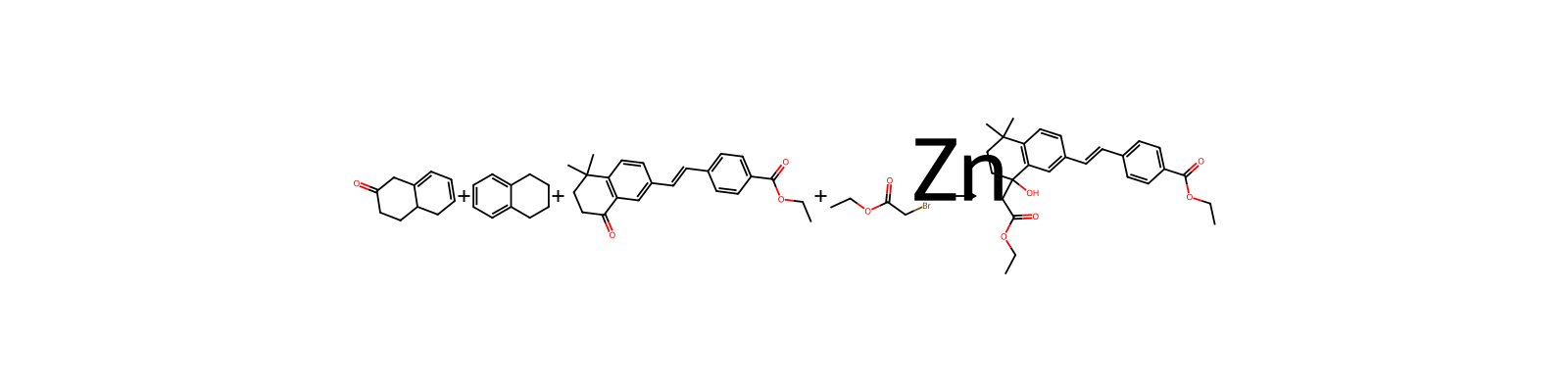
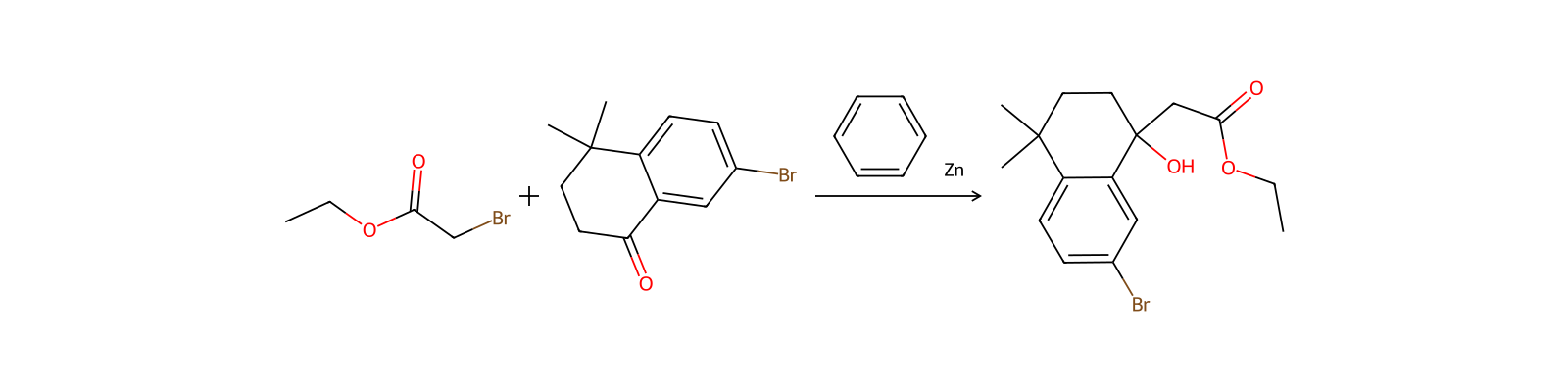
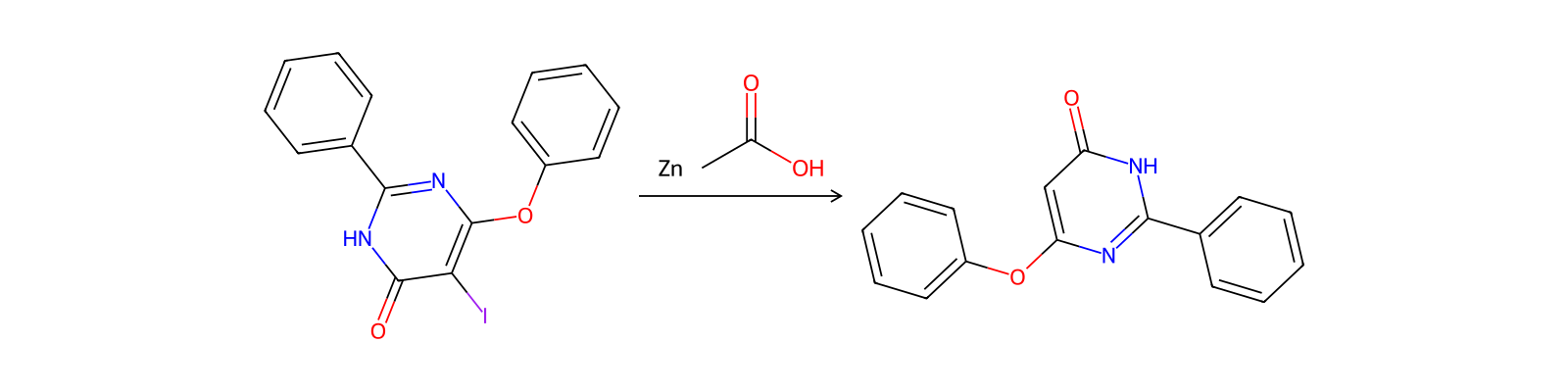
Zugehörige Reaktionen
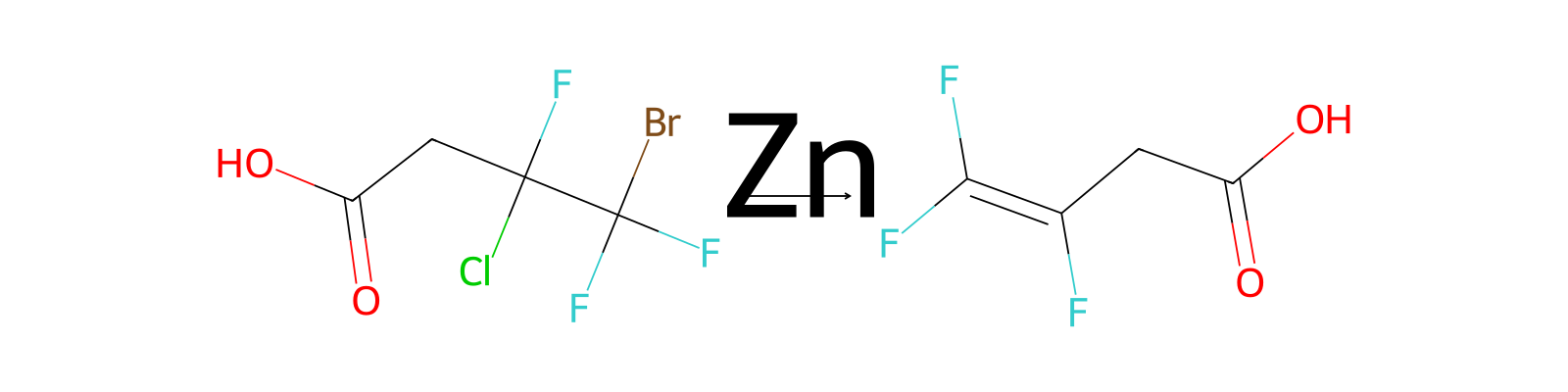
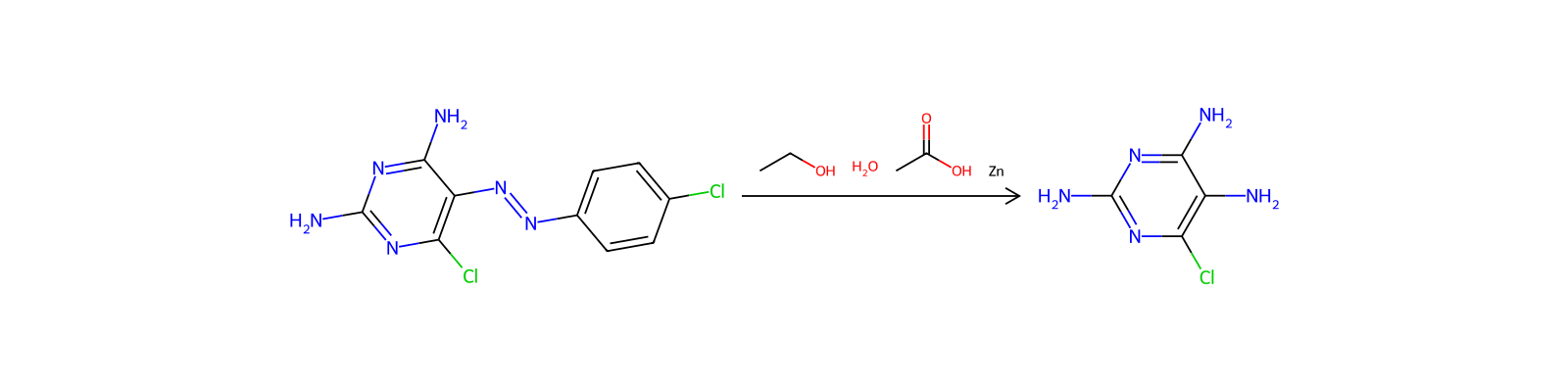
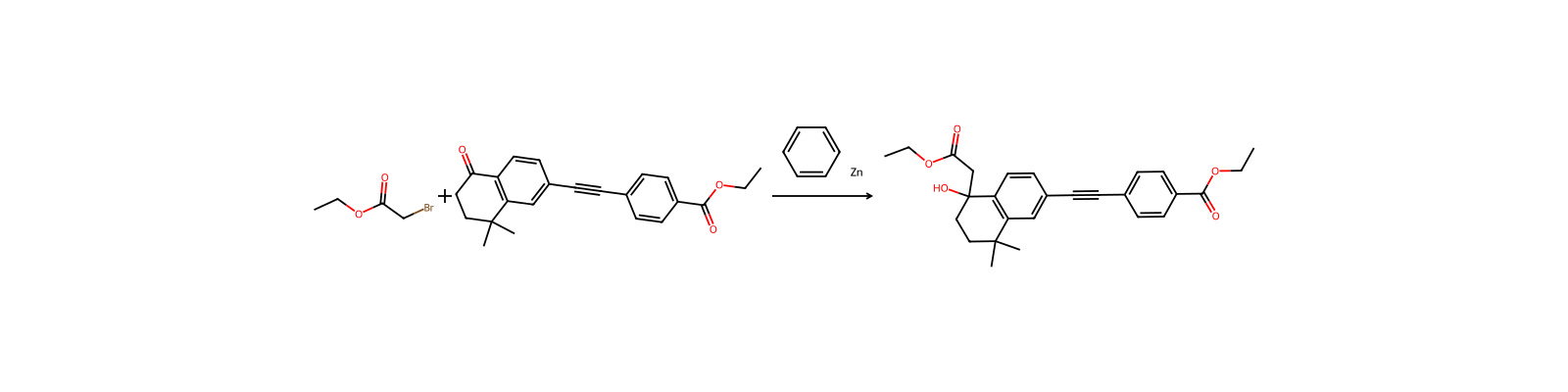
8.521

Verknüpfte Notizen
Wird geladen…