
StartseiteMCPWorkbenchSkills
StartseiteWorkbenchBenachrichtigungenMein Bereich
llms.txt · MCP-AnleitungDatenschutz · Nutzungsbedingungen · Supportv1.8.0
  1. Startseite
  2. /Verbindung

Brom

Bromine

HCID 24408
Neue NotizNeue ReaktionAnfrage stellen
Druckvorschau
GrundinformationenÜberblickNamen und BezeichnerEigenschaftenSicherheit und RegulatorischesChemie und IndustrieZugehörige ReaktionenNotizen zur Verbindung
TeilstruktursucheÄhnliche Strukturen suchen

Grundinformationen

CAS
7726-95-6
Standard-SMILES
BrBr
InChIKey
GDTBXPJZTBHREO-UHFFFAOYSA-N
Summenformel
Br2
Durchschnittliche Molmasse
159,81 g/mol
Monoisotopische Masse
157,83668

Überblick

Bromine is a dark reddish-brown fuming liquid with a pungent odor. Denser than water and soluble in water. Hence sinks in water. Toxic by inhalation. Accelerates the burning of combustible material. It is very corrosive to tissue and to metals.

Namen und Bezeichner

Bevorzugter Name
Bromine
IUPAC
molecular bromine
Lokaler Name
Brom
Englischer Name
Bromine
Summenformel
Br2
Molmasse
159.81

Namen und Synonyme

BROMINEDibromine7726-95-6molecular bromineBromBromeBromoBroomdibromaneBromine 79BROMIUMTotal Bromine
Weitere Namen anzeigen
Br2BROMINE WATERGovernment regulationBromineGr
SBV4XY874GDTXSID1035238CHEBI:29224Bromium 6CBromium 30CRefChem:6397DTXCID9015238231-778-1

Datenbank-Bezeichner

CAS
7726-95-6
PubChem CID
24408
DTXSID
DTXSID1035238
ChEBI
CHEBI:29224
UNII
SBV4XY874G
EC Number
231-778-1
Nikkaji
J2.253.101H

Eigenschaften

Berechnete Struktureigenschaften

XLogP
1,9
Polarare Oberfläche (TPSA)
0 Ų
H-Brücken-Donoren
0
H-Brücken-Akzeptoren
0
Frei drehbare Bindungen
0
Schwere Atome
2
Formalladung
0
Komplexität
0

Experimentelle und physikochemische Eigenschaften

Chemical Classes · 2 Einträge

Toxic Gases & Vapors -> Other Toxic Gases & Vapors

Corrosives

SpringerMaterials PropertiesGibbs energy
Odor · 2 Einträge

Suffocating odor

Bleachy, penetrating

TasteTaste threshold: 0.17-0.23 mg/L (as bromide) in water at pH 5-9
Density · 6 Einträge

3.1023 at 77 °F (EPA, 1998) - Denser than water; will sink

3.1023 at 25 °C/4 °C

Vapor density: 5.51 (Air = 1); bromine reacts with aluminum reacts vigorously and explosively with potassium

Relative density (water = 1): 3.1

3.1023

3.1028 @25 °C

Viscosity · 2 Einträge

0.134 cSt at 20 °C; 0.288 cSt at 30 °C; 0.264 cSt at 40 °C; 0.245 at 50 °C

0.264 mm²/s at 40 °C

Color/Form · 2 Einträge

Dark reddish-brown, volatile, mobile diatomic liquid; vaporizes at room temperature

Dense, dark red, mobile liquid; vaporizes readily at room temperature to give a red vapor

Sicherheit und Regulatorisches

Sicherheitsangaben dienen nur zur Orientierung und ersetzen weder das Sicherheitsdatenblatt (SDB) des Lieferanten noch geltende Vorschriften oder eine fachliche Bewertung.

GHS-Klassifizierung

GHS Classification · 6 Einträge

Danger

H314: Causes severe skin burns and eye damage [Danger Skin corrosion/irritation]

P260, P264, P271, P273, P280, P284, P301+P330+P331, P302+P361+P354, P304+P340, P305+P354+P338, P316, P320, P321, P363, P391, P403+P233, P405, and P501 (click each P-code to see the statement)

This chemical does not meet GHS hazard criteria for 0.1% (1 of 725) of reports.

Danger

H314 (99.9%): Causes severe skin burns and eye damage [Danger Skin corrosion/irritation]

Gefahrenhinweise

Hazards IdentificationToxic/poison by inhalation (TIH/PIH)
Regulatory Information · 5 Einträge

Chemical: Bromine

Bromine is listed on the EPA's Chemical Data Reporting (CDR) system. Manufacturers and importers of Bromine are required to report information about their production and use of this chemical to the EPA under the Toxic Substances Control Act (TSCA). (40 eCFR Part 711)

REACH registered substance: Bromine (EC: 231-778-1)

Bromine: HSNO Approval: HSR002917 Approved with controls

The New Jersey Worker and Community Right to Know Act requires public and private employers to provide information about hazardous substances at their workplaces. (N.J.S.A. 34:5A-1 et. seq.)

Other Safety InformationIMAP assessments - Bromine: Environment tier I assessment
DOT Label · 2 Einträge

Corrosive Poison Inhalation Hazard

Corrosive Poison Inhalation Hazard

Fire Hazards · 4 Einträge

Will cause ignition of organic materials spontaneous ignition possible when combined with potassium, phosphorus and tin and a wide variety of other chemicals. It reacts explosively with acetylene, acrylonitrile, ammonia, dimethyl formamide, ethyl phosphine, hydrogen, isobutyrophenone, nickel carbonyl, nitrogen triiodide, ozone, oxygen difluoride, phosphorus, potassium, silver azide, sodium and sodium carbide. When heated it emits highly toxic fumes and will react with water or steam to product toxic and corrosive fumes. Bromine is incompatible with a wide variety of materials including alkali hydroxides; arsenites; ferrous, mercurous salts; hypophosphites and other oxidizable substances. Vaporizes rapidly at room temperature. (EPA, 1998)

Chemie und Industrie

Pharmakologische Informationen

Mechanism of Action · 1 Eintrag

Due to its potent oxidatizing action, bromine liberates nascent oxygen or oxygen free radicals from the water present in mucous membranes. Nascent oxygen is a potent oxidizer, capable of producing tissue damage. The extent of the damage is dependent on the dose of bromine and the availability of water to react with it. In addition, the formation of hydrobromic and bromic acids will result in secondary irritation during the reaction.

Biological Half-Life · 4 Einträge

Biological half-lives of bromine in 15 different organs and tissues of the rat, in addition to the whole-body half-life, were determined by measuring the radioactive concentration of 82Br-bromide in samples of tissues collected at the time intervals of 12-396 hr from animals that continuously (up to 17 d) received 82Br-labeled bromide in their drinking water. The half-life values, calculated from the experimental data by the method of gradual estimates of the parameters in question with the SPSS statistical program, ranged from 94.3 + or - 14.6 hr in the thyroid gland to 235.0 + or - 88.9 hr in liver. In most of the studied tissues, the biological half-lives of bromine were shorter than in the whole body, in which it equaled 197.8 + or - 22.2 hr. Significant correlation between the values of the steady-state concentration of bromide and of the biological half-life was found for most tissues (except for liver). ...

The biological half-life for bromide through ingestion is 12 to 30 days.

Bromide has a half-life of about 12 days in the human body.

10.5 days and in an average clearance of 0.68 mL/min.

Metabolism/Metabolites · 2 Einträge

In water, and living organisms, bromine forms bromide.

Bromine is mainly absorbed via inhalation, but may also enter the body through dermal contact. Bromine salts can be ingested. Due to its reactivity, bromine quickly forms bromide and may be deposited in the tissues, displacing other halogens. (L626)

Absorption, Distribution and ExcretionBromine vapors enter body by respiratory system, skin and digestive system. It has cumulative properties, being deposited in tissues as bromides.

Zugehörige Reaktionen

10.124
Reaktionsaufzeichnung erstellen
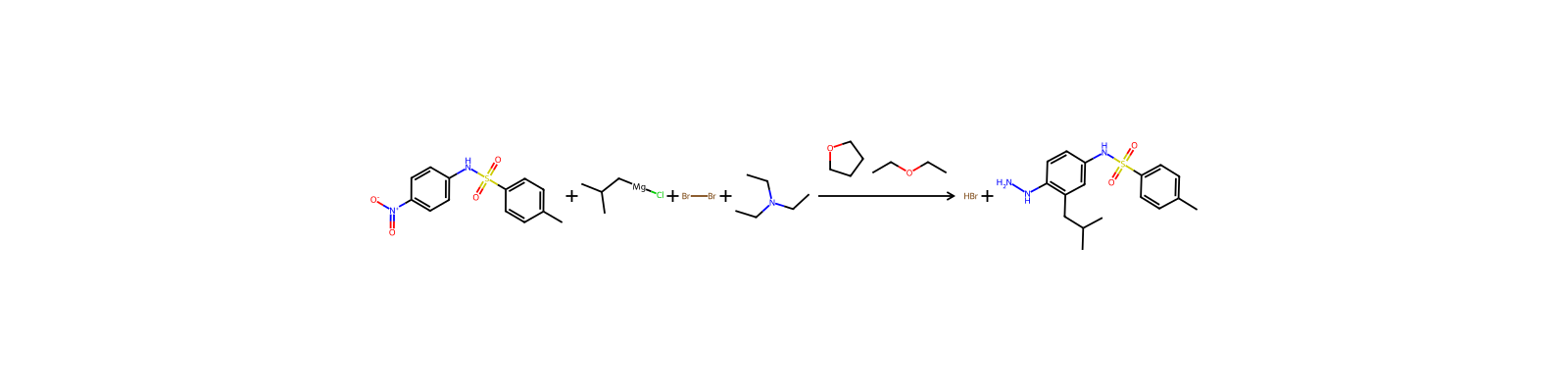
Reaktionsgleichung von HRID 818
HRID 818als Eduktuspto-grants-1998_03
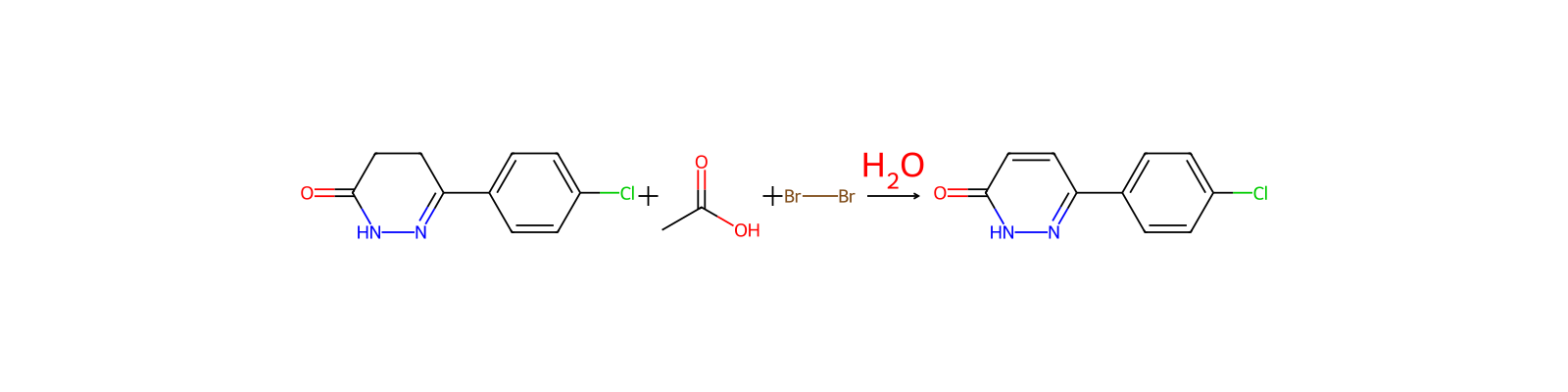
Reaktionsgleichung von HRID 903
HRID 903als Eduktuspto-grants-1998_03
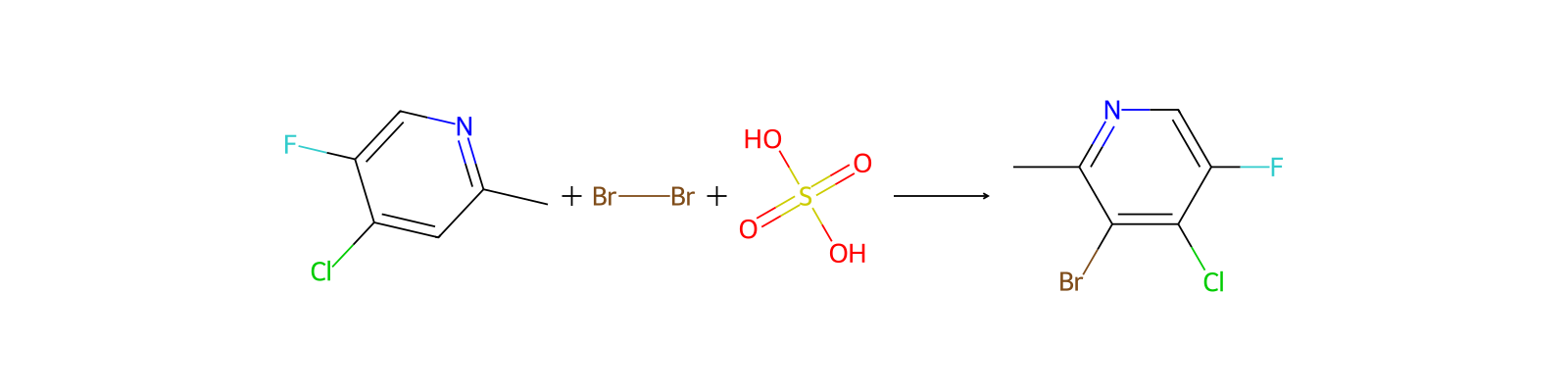
Reaktionsgleichung von HRID 1089
HRID 1089als Eduktuspto-grants-1998_03
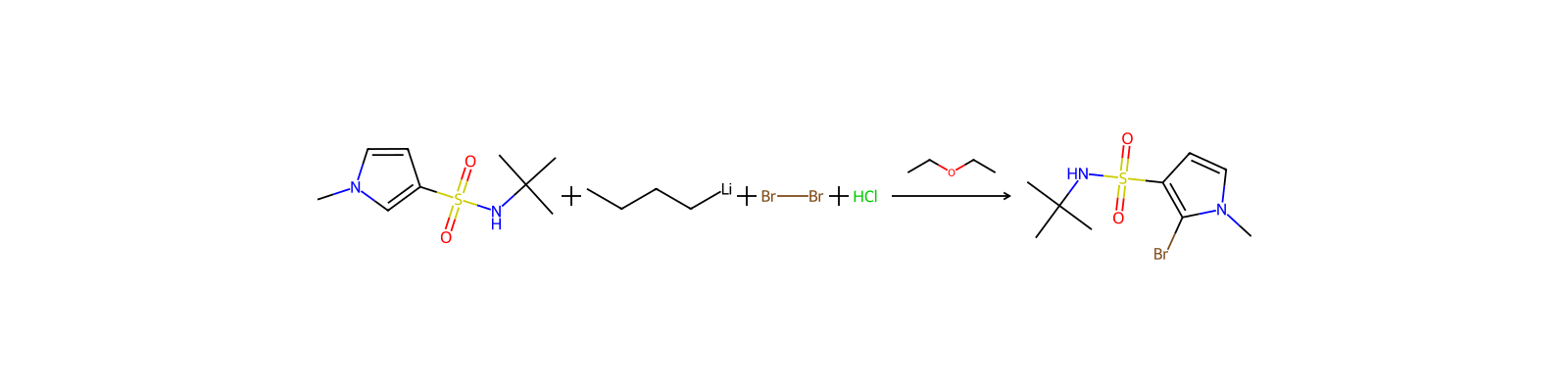
Reaktionsgleichung von HRID 1498
HRID 1498als Eduktuspto-grants-1998_03
Reaktionsgleichung von HRID 1565
HRID 1565als Eduktuspto-grants-1998_03
Reaktionsgleichung von HRID 1637
HRID 1637als Eduktuspto-grants-1998_03
Reaktionsgleichung von HRID 1740
HRID 1740als Eduktuspto-grants-1998_03
Reaktionsgleichung von HRID 1860
HRID 1860als Eduktuspto-grants-1998_03
Seite 1 von 500

Notizen zur Verbindung

Wird geladen…

Auf dieser SeiteGrundinformationenÜberblickNamen und BezeichnerEigenschaftenSicherheit und RegulatorischesChemie und IndustrieZugehörige ReaktionenNotizen zur Verbindung
Weitere Aktionen
Neue NotizNeue ReaktionAnfrage stellen
Solubility · 6 Einträge

4 % (NIOSH, 2024)

Solubility in water (25 °C): 0.2141 mol/L with formation of 0.00115 mol/L of HOBr

In water, 33.6 g/L at 25 °C

Water solubility: 35.8 g/L at 20 °C; 41.7 g/L at 0 °C

Freely soluble in alcohol, ether, chloroform, carbon tetrachloride, carbon disulfide, concentrated hydrochloride acid, aq solutions of bromides

Bromine is soluble in nonpolar solvents and in certain polar solvents such as alcohol and sulfuric acid. It is miscible with ... many halogenated solvents.

Corrosivity · 3 Einträge

Corrosive material

Vapor is highly corrosive to many materials and human tissue

Attacks most metals, including platinum and palladium; dry bromine does not attack lead, nickel, magnesium, tantalum, iron, zinc or (below 300 °C) sodium

Boiling Point · 6 Einträge

139.2 °F at 760 mmHg (EPA, 1998)

58.8 °C

58.8 °C

139 °F

58.8 °C @760 [mm Hg]

139 °F

Melting Point · 6 Einträge

19 °F (EPA, 1998)

-7.2 °C

-7.2 °C

19 °F

-7.2 °C

19 °F

Vapor Density · 4 Einträge

5.51 at 59 °F (EPA, 1998) - Heavier than air; will sink (Relative to Air)

7.139 g/L at 0 °C, 101.3 kPa

Relative vapor density (air = 1): 5.5

5.51

Physikochemische Eigenschaften

Schmelzpunkt
7.2 °C · −7.2 °C(lit.)
Siedepunkt
58.8 °C · 58.8 °C(lit.)
Dichte
3.119 g/mL · 3.119 g/mL at 25 °C(lit.)
Dampfdichte
7.14 · 7.14 (vs air)
Dampfdruck
175 mm · 175 mm Hg ( 20 °C)
Flammpunkt
113 °C · 113 °C
storage temp.
2 · 2-8°C
Löslichkeit
35 g/l · 35g/l
Aggregatzustand
Liquid
pka
7.91 · 7.91(Solvent: Water)
Wichte
3.119 · 3.119
Farbe
Red-brown
Geruch (Odor)
0.05 ppm; · Odor can be detected at concentrations as low as 0.05 ppm; exposure to concentrations below 1 ppm causes lacrimation.
Wasserlöslichkeit
35 g/L · 35 g/L (20 ºC)
Spezifische Wärmekapazität
0.47 J/ · Cp(liquid): 0.47 J/(g·K); Cp(gas): 0.23 J/(g·K), at 25℃
Merck
13 · 13,1378
Henry's Law Constant
7.2 · 7.2×10-3 mol/(m3Pa) at 25℃, Burkholder et al. (2019)
Stabilität
Stable. Incompatible with reducing agents, alkali metals, powdered metals, steel, iron, copper, organic materials.
InChI
1S/BrH/h1H/p-1
InChIKey
CPELXLSAUQHCOX-UHFFFAOYSA-M
SMILES
[Br-]
CAS Datenbank
7726 · 7726-95-6(CAS DataBase Reference)
NIST chemische Informationen
Bromine(7726-95-6)
EPA chemische Informationen
Bromine(7726-95-6)

Excerpt from ERG Guide 154 [Substances - Toxic and/or Corrosive (Non-Combustible)]:

· Non-combustible, substance itself does not burn but may decompose upon heating to produce corrosive and/or toxic fumes.

Not combustible but enhances combustion of other substances. Many reactions may cause fire or explosion. Heating will cause rise in pressure with risk of bursting. Gives off irritating or toxic fumes (or gases) in a fire. Risk of fire and explosion. See Chemical Dangers.

Health Hazards · 3 Einträge

Inhalation exposure to 11-23 mg/m3 produces severe choking. 30-60 mg/m3 is extremely dangerous. 200 mg/m3 is fatal in a short time. Vapors can cause acute as well as chronic poisoning. It has cumulative properties. It is irritating to the eyes and respiratory tract. Poisoning is due to the corrosive action on the gastrointestinal tract. Nervous, circulatory and renal disturbances occur after ingestion. Ingestion of liquid can cause death due to circulatory collapse and asphyxiation from swelling of the respiratory tract. The lowest oral lethal dose reported for humans is 14 mg/kg. The lowest lethal inhalation concentration reported for humans is 1000 ppm. (EPA, 1998)

Excerpt from ERG Guide 154 [Substances - Toxic and/or Corrosive (Non-Combustible)]:

· TOXIC and/or CORROSIVE; inhalation, ingestion or skin contact with material may cause severe injury or death.

Hazards Summary · 1 Eintrag

Liquid causes second or third degree burns after short contact; [CHRIS] Highly corrosive to skin; [Quick CPC] Listed as one of major irritant airborne toxicants; [LaDou, p. 563] A lachrymator; [HSDB] Causes lachrymation; A corrosive substance that can cause pulmonary edema; [ICSC] Bromide compounds have been used since the 19th century as sedatives and anticonvulsants. Because of the risk of chronic bromide poisoning (bromism), bromide salts were removed from most pharmaceuticals in the US by 1978. The findings of bromism include neuropsychiatric symptoms and acne. [Ford, p. 559] The bromide ion has a long half-life so that bioaccumulation and delayed toxicity may be observed. [Goldfrank, p. 1066] When spilled in water Bromine trifluoride and Bromine pentafluoride can release HF and Bromine. [ERG 2016] See the Process, Toxic Gas from Spilling Chemical in Water.

DOT ID and Guide · 2 Einträge

1744 154

1744 154

Reactive Group · 2 Einträge

Oxidizing Agents, Strong

Oxidizing Agents, Strong

EC ClassificationSymbol: T+, C, N; R: 26-35-50; S: (1/2)-7/9-26-45-61
UN ClassificationUN Hazard Class: 8; UN Subsidiary Risks: 6.1; UN Pack Group: I
Special Reports · 5 Einträge

European Chemicals Bureau; IUCLID Dataset, Bromine (CAS # 7726-95-6)

IPCS INCHEM; Poisons Information Monographs, Bromine (PIM 080)

Dillon HK; Methods Development for Sampling and Analysis of Chlorine, Chlorine dioxide, Bromine, and Iodine;NTIS Report PB83-246363 (SORI-EAS-82-828): 30 (1983). Sampling & analysis methods developed for the detection of toxic oxidants such as bromine, chlorine, chlorine dioxide & iodine in air.

Dillon HK; Methods Development for Sampling and Analysis of Chlorine, Chlorine Dioxide, Bromine, and Iodine; NTIS Report PB83-244988 (SORI-EAS-82-672): 50 (1983). Sampling & analysis methods developed for the detection of bromine in workplace air.

For more Special Reports (Complete) data for BROMINE (6 total), please visit the HSDB record page.

Sicherheit und Schutzausrüstung

Fire Fighting · 3 Einträge

Wear positive pressure breathing apparatus and special protective clothing. Move containers from fire area. Cool containers that are exposed to flames with water.

Excerpt from ERG Guide 154 [Substances - Toxic and/or Corrosive (Non-Combustible)]:

In case of fire in the surroundings, use appropriate extinguishing media. In case of fire: keep cylinder cool by spraying with water.

First Aid Measures · 4 Einträge

Fresh air, rest. Half-upright position. Artificial respiration may be needed. Refer immediately for medical attention.

First rinse with plenty of water for at least 15 minutes, then remove contaminated clothes and rinse again. Put clothes in sealable container. Refer immediately for medical attention.

Rinse with plenty of water for several minutes (remove contact lenses if easily possible). Refer immediately for medical attention.

Rinse mouth. Do NOT induce vomiting. Refer immediately for medical attention.

Accidental Release Measures · 2 Einträge

· CALL 911. Then call emergency response telephone number on shipping paper. If shipping paper not available or no answer, refer to appropriate telephone number listed on the inside back cover.

· ELIMINATE all ignition sources (no smoking, flares, sparks or flames) from immediate area.

First Aid · 4 Einträge

Warning: Effects may be delayed for several hours. Caution is advised.

Excerpt from ERG Guide 154 [Substances - Toxic and/or Corrosive (Non-Combustible)]:

General First Aid:

(General first aid procedures)

Safe Storage · 1 Eintrag

Provision to contain effluent from fire extinguishing. Separated from food and feedstuffs. See Chemical Dangers. Cool. Dry. Well closed. Keep in a well-ventilated room. Store only in original container. Store in an area without drain or sewer access.

Firefighting HazardsSpecial hazards arising from the substance or mixture: Hydrogen bromide gas. Container explosion may occur under fire conditions.
Exposure Control and Personal Protection · 2 Einträge

· Wear positive pressure self-contained breathing apparatus (SCBA).

TIH (Toxic Inhalation Hazard) - Term used to describe gases and volatile liquids that are toxic when inhaled. Some are TIH materials themselves, e.g., chlorine, and some release TIH gases when spilled in water, e.g., chlorosilanes. [ERG 2016].

Fire Fighting Procedures · 5 Einträge

If material involved in fire: Extinguish fire using agent suitable for type of surrounding fire. (Material itself does not burn or burns with difficulty). Use water in flooding quantities as fog. Cool all affected containers with flooding quantities of water. Apply water from as far a distance as possible. Use water spray to knock-down vapors.

Suitable extinguishing media: Use water spray, alcohol-resistant foam, dry chemical or carbon dioxide.

Advice for firefighters: Wear self contained breathing apparatus for fire fighting if necessary.

May intensify fire; oxidizer.

Fire Fighting Procedures: Use water spray to keep fire-exposed containers cool. Use appropriate extinguishing agents on nearby combustible fires.

Storage Conditions · 2 Einträge

Conditions for safe storage, including any incompatibilities: Keep container tightly closed in a dry and well-ventilated place. Containers which are opened must be carefully resealed and kept upright to prevent leakage. Do not store in polyethylene containers. Handle and open container with care.

Storage Recommendations: Store in cool, dry, well-venilated location. Separate from oxidizing materials.

Cleanup Methods · 5 Einträge

1) VENTILATE AREA OF SPILL OR LEAK. 2) COLLECT FOR RECLAMATION OR ABSORB IN VERMICULITE, DRY SAND, EARTH, OR A SIMILAR MATERIAL OR POUR SODIUM THIOSULFATE OR LIME WATER OVER SMALL SPILLS.

Soln or slurries of 10-50% potassium carbonate, 10-13% sodium carbonate, & 5-10% sodium bicarbonate or saturated "hypo" soln (prepared by dissolving 4 kg of technical-grade sodium thiosulfate in 9.5 l of water & adding 113 g of soda ash) are preferred neutralizing agents for liquid bromine spills.

A 5% lime slurry or 5% sodium hydroxide soln may be used, but heats of reaction are higher for these reagents. Ammonia soln should not be applied to liquid spills because of the high heat of reaction & nitrogen evolution. Anhydrous ammonia gas is useful for neutralization of bromine fumes.

Accidental Release Measures. Personal precautions, protective equipment and emergency procedures: Wear respiratory protection. Avoid breathing vapors, mist or gas. Ensure adequate ventilation. Evacuate personnel to safe areas. Environmental precautions: Prevent further leakage or spillage if safe to do so. Do not let product enter drains. Discharge into the environment must be avoided. Methods and materials for containment and cleaning up: Soak up with inert absorbent material and dispose of as hazardous waste. Keep in suitable, closed containers for disposal.

Spill or Leak Procedures: Stop or control the leak, if this can be done without undue risk. Use water spray to cool and disperse vapors and protect personnel. Use soda ash to neutralize liquid. Control runoff and isolate discharged material for proper disposal.

Nonfire Spill Response · 2 Einträge

Excerpt from ERG Guide 154 [Substances - Toxic and/or Corrosive (Non-Combustible)]:

Excerpt from ERG Guide 154 [Substances - Toxic and/or Corrosive (Non-Combustible)]:

Disposal Methods · 3 Einträge

SRP: The most favorable course of action is to use an alternative chemical product with less inherent propensity for occupational harm/injury/toxicity or environmental contamination. Recycle any unused portion of the material for its approved use or return it to the manufacturer or supplier. Ultimate disposal of the chemical must consider: the material's impact on air quality; potential migration in soil or water; effects on animal and plant life; and conformance with environmental and public health regulations.

Waste treatment methods. Product: Offer surplus and non-recyclable solutions to a licensed disposal company. Contact a licensed professional waste disposal service to dispose of this material. Dissolve or mix the material with a combustible solvent and burn in a chemical incinerator equipped with an afterburner and scrubber. Contaminated packaging: Dispose of as unused product.

SRP: Wastewater from contaminant suppression, cleaning of protective clothing/equipment, or contaminated sites should be contained and evaluated for subject chemical or decomposition product concentrations. Concentrations shall be lower than applicable environmental discharge or disposal criteria. Alternatively, pretreatment and/or discharge to a permitted wastewater treatment facility is acceptable only after review by the governing authority and assurance that "pass through" violations will not occur. Due consideration shall be given to remediation worker exposure (inhalation, dermal and ingestion) as well as fate during treatment, transfer and disposal. If it is not practicable to manage the chemical in this fashion, it must be evaluated in accordance with EPA 40 CFR Part 261, specifically Subpart B, in order to determine the appropriate local, state and federal requirements for disposal.

Toxikologische Informationen

Toxicological InformationRanking: 527 (total points: 298.88)
Treatment · 1 Eintrag

Bromine should be washed with water from any areas of dermal or ocular contact. If inhaled, treatment is mainly symptomatic and may include maintaining an adequate airway, administering oxygen, antibronchospasm therapy, and/or antibiotics. (L626)

Target Organsrespiratory system, eyes, central nervous system, skin
Health Effects · 1 Eintrag

Bromine vapour causes irritation and direct damage to the mucous membranes. Elemental bromine also burns the skin. The bromide ion is a central nervous system depressant and chronic exposure produces neuronal effects. This is called bromism and can result in central reactions reaching from somnolence to coma, cachexia, exicosis, loss of reflexes or pathologic reflexes, clonic seizures, tremor, ataxia, loss of neural sensitivity, paresis, papillar edema of the eyes, abnormal speech, cerebral edema, delirium, aggressiveness, and psychoses. (L625, L626, L627)

Ecotoxicity Values · 4 Einträge

LC50; Species: Daphnia magna (Water flea) age < or = 24 hr; Conditions: freshwater, static, 22 °C, pH 8.0 (7.4-9.4), hardness 173 mg/L CaCO3, dissolved oxygen >60%; Concentration: 1500 ug/L for 24 hr (95% confidence interval: 1000-2200 ug/L)

LC50; Species: Daphnia magna (Water flea) age < or = 24 hr; Conditions: freshwater, static, 22 °C, pH 8.0 (7.4-9.4), hardness 173 mg/L CaCO3, dissolved oxygen >60%; Concentration: 1000 ug/L for 48 hr (95% confidence interval: 460-2200 ug/L)

LC50; Species: Lepomis macrochirus (Bluegill); Conditions: freshwater, static; Concentration: 0.52 ppm for 24 hr (95% confidence interval: 0.38-0.83 ppm)

LC50; Species: Oncorhynchus mykiss (Rainbow trout); Conditions: freshwater, static; Concentration: 0.31 ppm for 24 hr (95% confidence interval: 0.28-0.35 ppm)

Environmental Fate · 3 Einträge

TERRESTRIAL FATE: Volatilization of bromine from moist soil surfaces is expected to be an important fate process(SRC) given a estimated Henry's Law constant of 1.32X10⁻³ atm-cu m/mole(1). Bromine is expected to volatilize from dry soil surfaces(SRC) based upon a vapor pressure of 212 mm Hg at 25 °C(2). Bromine is reportedly vaporized rapidly at room temperature(3). Bromine will slowly be reduced to bromide by natural oxidizable materials in water and soil(4).

AQUATIC FATE: Volatilization of bromine from water surfaces is expected(1) based upon a Henry's Law constant of 1.32X10⁻³ atm-cu m/mole(2). Using this Henry's Law constant and an estimation method(1), volatilization half-lives for a model river and model lake are 4.5 hours and 5 days, respectively(SRC). When bromine dissolves in water, it partially disproportionates into HOBr (hypobromous acid) and HBr(3). Above pH 3, the fraction present as Br2 decreases and HOBr is formed(4); between pH 6 and pH 8, most of the bromine is present as HOBr(4). Bromine will slowly be reduced to bromide by natural oxidizable materials in water and soil(4). Bromine absorbs at wavelengths >290 nm(5) and, therefore, may be susceptible to direct photolysis on water surfaces exposed to sunlight(SRC).

ATMOSPHERIC FATE: According to a model of gas/particle partitioning of semivolatile organic compounds in the atmosphere(1), bromine, which has a vapor pressure of 212 mm Hg at 25 °C(2), is expected to exist solely as a vapor in the ambient atmosphere. Vapor-phase bromine is degraded in the atmosphere by reaction with photochemically-produced hydroxyl radicals(SRC); the half-life for this reaction in air is estimated to be 8.6 hours(SRC), calculated from its rate constant of 4.5X10⁻¹¹ cu cm/molecule-sec at 25 °C(3). The reaction of bromine with photochemically-produced hydroxyl radicals yields the bromide radical and HOBr(3). Bromine absorbs at wavelengths >290 nm(4) and, therefore, may be susceptible to direct photolysis by sunlight(SRC).

Adverse EffectsNeurotoxin - Other CNS neurotoxin
Exposure Routes · 3 Einträge

Serious local effects by all routes of exposure.

inhalation, ingestion, skin and/or eye contact

Oral (L626) ; inhalation (L626) ; dermal (L626)

Toxicity Summary · 2 Einträge

IDENTIFICATION AND USE: Bromine is a dark reddish-brown, volatile, mobile diatomic liquid; vaporizes at room temperature. Pure bromine is used in the synthesis of a variety of bromine containing substances. Other uses for bromine include flame retardants, cleaning agents, dyestuffs, photography, water sanitation, pharmaceuticals, bleaching fibers and silk. Bromine is registered for use in water filters to purify drinking water aboard US Naval ships and offshore oil well platforms. It is also used as a general disinfectant and sanitizer in indoor, non-food contact areas such as commercial establishments, hospitals and households, to control bacteria and fungi. HUMAN EXPOSURE AND TOXICITY: Inhalation of the irritant bromine vapors or direct contact with the liquid or vapor with skin and mucous membranes will produce direct tissue injury. Injury may occur at various levels of the respiratory tract depending upon the concentration of bromine and the duration of exposure. Pure bromine liquid or vapor is extremely irritating to the skin. Unlike other chemical agents, there is no immediate visible skin reaction after contact. The delay before initial signs or injury become apparent often results in more extreme damage. The most common local effects are blister formation, brownish discoloration of the skin and slow healing ulcers. Exposure to low concentrations produces lacrimation, rhinorrhea, eye irritation, coughing, dyspnea, choking, wheezing, epistaxis and headache. A brownish discoloration of the tongue and buccal mucosa may result and be accompanied by a characteristic breath odor. Inflammatory lesions of the upper airway, photophobia and blepharospasm are noted at higher levels. Upper and lower respiratory tract: delayed or immediate bronchoconstriction and the development of laryngeal spasm, glottal edema and asthma. With increased parenchymal penetration, there may be associated peribronchiolar abscesses, pulmonary infiltrates consistent with chemical pneumonitis, bronchiolitis obliterans and pulmonary edema. Acute obstructive ventilator impairment may lead to acidosis, measles like rash and subsequent death. It should be noted that more severe respiratory symptoms may be delayed for several hours after the exposure. There is a rare cutaneous manifestation of bromide accumulation is known as bromoderma tuberosum which progresses from red papules to pustules that enlarge and develop into indurated lesions. A mild degree of spermatogenic suppression and impaired reproductive performance following paternal exposure to bromine vapor described in the literature. ANIMAL STUDIES: The mortality of mice exposed to 240 or 750 ppm bromine was dependent on the duration of the study. Rats, mice and rabbits inhaling 0.2 ppm bromine developed disturbances in the functions of their respiratory, nervous and endocrine systems. Rats fed bromine (0.01 mg/kg)) for 6 months experienced changes in their conditioned reflexes and several blood indexes. ECOTOXICITY STUDIES: Bromine releases as a consequence of production activities have had serious effects upon vegetation.

Ecotoxicity Excerpts · 3 Einträge

/AQUATIC SPECIES/ Zygotes and young embryos derived from Fucus vesiculosus /bladderwack (seaweed)/ collected in the achipelgo of Stockholm (Sweden) in 1990, growing at a salinity of 6 to 7 S /salinity/, were cultured under different salinity conditions and in media of different bromine concentrations. Optimum salinity was 10 to 12 S for germination (rhizoid initiation) while apical hair formation showed a broader tolerance curve with an optimum at 8 to 14 S. Bromide caused inhibition of early development of F. vesiculosus. At 6 salinity a 50% reduction in germination took place at 10.0 mM Br and at 1.25 mM Br only 4.7% of the embryos developed apical hairs, as compared to 32.7% in the control. Bromine toxicity decreased at higher salinities. The results indicate that F. vesiculosus in the Baltic Sea has diverged from its Altantic progenitors and to some extent acclimated to low salinity. Still, the salinity in the normal environment of the tested population is lower than optimum, leading to a lower degree of germination.

/PLANTS/ Immediate and delayed (24 hr) effects of a 20 min exposure of cowpea primary leaf tissue to 1, 3, or 5 ppm bromine gas was studied. The formation of circular, adaxial and abaxial surface lesions and leaf compression were the most visible changes. At 1 ppm cellular changes such as adaxial depression and anticlinal cell wall interdigitation were reversed when exposed plants were returned to normal environment. At 5 ppm the entire population immediately became irreversibly necrotic.

/PLANTS/ Bromine releases as a consequence of ... production activities has had serious effects upon vegetation in the locale. The first noted manifestation of a problem was damage to coniferous trees near the bromine plants. Needle tip necrosis after 13 to 14 month and 1 to 2 month exposure times was very evident within a 3 mile radius of all bromine facilities sampled. At further distances of 3.5 to 12 miles, tip damage was sporadic, varying from tree to tree, and not evident on 1 to 2 month-exposure needles. The foliage burn and death of trees within 0.5 to 1 mile was extreme. Conifers were decidedly more susceptible to the bromine emissions than were broadleaf trees, shrubs, and grasses. Chlorophyll (a and b) levels were greatly reduced in the conifer trees surrounding the bromine plants. This was taken as a strong indicator of extreme air pollution problems because chlorophyll does not reflect environmental problems until they become overwhelming.

Signs and Symptoms · 6 Einträge

Cough. Sore throat. Shortness of breath. Wheezing. Laboured breathing. Symptoms may be delayed.

Redness. Burning sensation. Pain. Serious skin burns.

Watering of the eyes. Redness. Blurred vision. Pain. Burns.

Burns in mouth and throat. Burning sensation in the throat and chest. Abdominal pain. Shock or collapse.

dizziness, headache; lacrimation (discharge of tears), epistaxis (nosebleed); cough, feeling of oppression, pulmonary edema, pneumonitis; abdominal pain, diarrhea; measle-like eruptions; eye, skin burns

Bromine vapour causes irritation and direct damage to the mucous membranes. Symptoms include lacrimation, rhinorrhoea, eye irritation with mucous secretions from the oropharyngeal and upper airways, coughing, dyspnoea, choking, wheezing, epistaxis, and headache. The bromide ion is a central nervous system depressant producing ataxia, slurred speech, tremor, nausea, vomiting, lethargy, dizziness, visual disturbances, unsteadiness, headaches, impaired memory and concentration, disorientation and hallucinations. (L626, L627)

ICSC Environmental DataThe substance is very toxic to aquatic organisms. It is strongly advised not to let the chemical enter into the environment.

Regulatorische Informationen

FIFRA Requirements · 4 Einträge

The food additives, bromide ion and residual bromine, may be present in water, potable in accordance with the following conditions: (1) The food additives are present as a result of treating water aboard ships with a polybrominated ion-exchange resin (as a source of bromine) under the supervision of trained personnel. (2) Residual bromine levels are controlled to not exceed 1.0 part per million (ppm) in the final treated water. Control is effected using calibrated recirculating or proportioning bromine feeder equipment and periodic checks of residual bromine using a bromine test kit. To assure safe use of the additives, the label and labeling of the disinfectant formulation containing the food additives shall conform to the label and labeling registered by the U.S. Environmental Protection Agency. (3) No tolerance is established for bromide ion levels. /Bromide ion and residual bromine/

A tolerance exemption for use of residual bromine in potable water has been granted. In the 1993 Bromine RED, the Agency indicated the need for confirmatory data (i.e., 171-4(f) magnitude of residue in potable water) to alleviate potential concerns about the conversion of bromine into bromate, which is a known carcinogen. In response to the data call-in, two studies were conducted to determine the magnitude of bromate residues in potable water. At the pH level expected for drinking water disinfection on ships/oil platforms, the bromate levels in these studies were non detect. Hence at this time the Agency does not have concerns for the use of bromine as a drinking water disinfectant (on ships/oil platforms). The Agency has evaluated all current registered uses of bromine and has determined based on available data, that there is a reasonable certainty that no harm to any population subgroup will result from exposure to bromine. Therefore, no mitigation measures are needed, and the current tolerances established at 40 CFR180.519 for residues of residual bromine in potable water are now considered reassessed under section 408(q) of the FFDCA.

Based on the reviews of the generic data for the active ingredient bromine, the Agency has sufficient information on the health effects of bromine and on its potential for causing adverse effects to the environment. The Agency has determined that bromine products, labled and used as specified in this Reregistration Eligibility Decision, will not pose unreasonable risks or adverse effects to humans or the environment, and therefore, the Agency concludes that products containing bromine for all uses are eligible for reregistration.

As the federal pesticide law FIFRA directs, EPA is conducting a comprehensive review of older pesticides to consider their health and environmental effects and make decisions about their continued use. Under this pesticide reregistration program, EPA examines newer health and safety data for pesticide active ingredients initially registered before November 1, 1984, and determines whether the use of the pesticide does not pose unreasonable risk in accordance to newer saftey standards, such as those described in the Food Quality Protection Act of 1996. Pesticides for which EPA had not issued Registration Standards prior to the effective date of FIFRA '88 were divided into three lists based upon their potential for human exposure and other factors, with List B containing pesticides of greater concern than those on List C, and with List C containing pesticides of greater concern than those on List D. Bromine is found on List D. Case No: 4015; Pesticide type: Insecticide, fungicide, antimicrobial; Case Status: RED Approved 01/94; OPP has made a decision that some/all uses of the pesticide are eligible for reregistration, as reflected in a Reregistration Eligibility Decision (RED) document.; Active ingredient (AI): Bromine; Data Call-in (DCI) Date(s): 11/15/93; AI Status: OPP has completed a Reregistration Eligibility Decision (RED) document for the case/AI.

CERCLA Reportable Quantities · 1 Eintrag

Releases of CERCLA hazardous substances are subject to the release reporting requirement of CERCLA section 103, codified at 40 CFR part 302, in addition to the requirements of 40 CFR part 355. Bromine is an extremely hazardous substance (EHS) subject to reporting requirements when stored in amounts in excess of its threshold planning quantity (TPQ) of 500 lbs.

DHS Chemicals of Interest (COI) · 4 Einträge

Bromine

1

10000

Toxic chemical that can be released at a facility.

Sicherheitsdaten

wgk
2
IDLA
3 ppm
tsca
TSCA listed
ridadr
UN 1744 (BROMINE or BROMINE SOLUTION)
hs_code
2801 30 90
RTECS-Nr.
EF9100000
risk_code
26-35-50-40-22-46-45
Toxizität
LD50 oral (rat) 2600 mg/kg LC50 inhal (rat) 2700 mg/m3 PEL (OSHA) 0.1 ppm TLV-TWA (ACGIH) 0.1 ppm (0.7 mg/m3) STEL (ACGIH) 0.3 ppm (2 mg/m3)
hazard_code
T+,C,N,T
safety_code
26-45-61-7/9-36/37/39-28-53
hazard_class
8
packing_group
I
Speicherklasse
6.1B - Non-combustible, acute toxic Cat. 1 and 2very toxic hazardous materials
Hazard Classifications
Acute Tox. 1 InhalationAquatic Acute 1Eye Dam. 1Skin Corr. 1A

Verwendung und Herstellung

Uses · 6 Einträge

Used for bleaching, disinfecting, and manufacturing ethylene dibromide and other organic chemical products (fire extinguishers, analytical and photographic reagents, fire-retardant plastics, dyes, and drugs); [ACGIH] Used to disinfect water and bleach textiles; [Merck Index] Used in photography as a holography bleach; [www.ci.tucson.az.us/arthazards/medium.html]

Using Disinfectants or Biocides [Category: Clean]

For bromine (USEPA/OPP Pesticide Code: 008701) ACTIVE products with label matches. /SRP: Registered for use in the U.S. but approved pesticide uses may change periodically and so federal, state and local authorities must be consulted for currently approved uses./

Bromine is an active ingredient in four products; two products with multiple active ingredients and two products as the sole active ingredient. The multiple active ingredient products control mold, mildew, fungi, insects, and odors in exposed surfaces of bedding, mattresses, textiles, drapes, upholstered furniture, rugs, carpets, and storage areas. The other two bromine products, formulated as cartridges, are used to disinfect drinking water in nonresidential settings. The ready-to-use liquid products containing bromine as well as other active ingredients are intended for household, farm premises, and animal quarters use. Use of the two drinking water bromine products is for ships and oil rig platforms .

Manufacturing of organic and inorganic chemicals, such as fuel additives, fire retardants, pesticides, oil well drilling fluids, pharmaceuticals, dyestuffs. Brominating agent. In water disinfection; as bleaching agent, surface disinfectant.

CHEMICAL INTERMED FOR ETHYL BROMIDE, METHYL BROMIDE, ETHYLENE DIBROMIDE, OTHER BROMINE CMPD & SALTS; IN BLEACHING AGENTS, DISINFECTING AGENTS

Impurities · 1 Eintrag

Typical, freshly prepared bromine from a modern plant is likely to be at least 99.9% pure. Probable impurities are chlorine, moisture & org material at levels of less than 50 ppm each. Specifications ... for reagent-grade bromine allow up to 0.3% chlorine, 0.05% iodine, 0.002% sulfur, & nonvolatile matter 0.015% maximum.

U.S. Exports · 2 Einträge

(1975) 2.95X10+10 GRAMS

Bromine: Salient Export Statistics for the United States

U.S. Imports · 3 Einträge

(1975) 2.27X10+7 GRAMS

(1986) 3.42X10+5 lb

Bromine: Salient Import Statistics for the United States

U.S. Production · 6 Einträge

2023: 100,000,000 - <250,000,000 lb

(2005) 725,000,000 lb/yr (capacity)

(1972) 1.7X10+10 GRAMS

(1975) 1.85X10+11 GRAMS

Production volume for non-confidential chemicals reported under the 2006 Inventory Update Rule. Chemical: Bromine. Aggregated National Production Volume: 500 million to < 1 billion pounds.

For more U.S. Production (Complete) data for BROMINE (6 total), please visit the HSDB record page.

Consumption Patterns · 5 Einträge

76% AS AN INTERMED FOR ETHYLENE DIBROMIDE, METHYL BROMIDE, CHLOROBROMOMETHANE, AND TRIFLUOROBROMOMETHANE; 14% IN SANITATION PROCESSES; AND 10% IN MISC INTERMED APPLICATIONS (1971)

Flame retardants, 30%; Completion drilling fluids (ie calcium bromide), 28%; Ethylene dibromide, 20%; Agricultural chemicals, primarily methyl bromide, 10%; Exports, 4%; Miscellaneous, especially pool and water treatment chemicals, 8% (1985)

Flame retardant 38%, drilling fluids 22%, sodium bromide solutions 10%, Brominated pesticides (mostly methyl bromide) 8%, water treatment 7%, miscellaneous including photographic chemicals and rubber additives 15%.

Demand, 1996: 425 million lbs; 1997: 435 million lbs; 2001: 480 million lbs

For more Consumption Patterns (Complete) data for BROMINE (7 total), please visit the HSDB record page.

Industry UsesOther
Methods of Manufacturing · 4 Einträge

Raw brine is warmed in a heat exchanger and caused to pass successively through two packed towers by gravity flow. In the upper (smaller) tower, it meets a recycle stream of gases from which chlorine and bromine are absorbed. Near the bottom of the lower tower, chlorine and steam are introduced; as they pass upward, the chlorine reacts with bromide in the brine, and a mixture of bromine vapor and chlorine (about 85:15 by weight) with steam is taken off the top. The water and most of the halogens are condensed, the liquid phases enters a gravity separator and the gas goes to the upper tower. From the separator, water containing dissolved halogens is sent to the lower (steaming-out) tower and the heavier bromine layer, containing some chlorine, flows to a fractionating column. The chlorine vapors join the stream to the upper tower while the liquid bromine, about 99 % pure, is drawn off either for direct use in the manufacture of bromine compounds or to be further purified for sale or for more exacting uses.

Water from the ocean is pumped to the top of blowing-out towers, with sulfuric acid and chlorine being added just above the pumps so that mixing takes place during the ascent. About 1.3 kg of 10% sulfuric acid per ton of water is required to neutralize the natural hydrogen carbonates and bring the pH to 3.5; 15% excess chlorine over the theoretical requirement is used. Air is drawn up through the towers, sweeping out a mixture of bromine and chlorine (or bromine chloride) from the descending ocean water. The air is drawn next through absorber towers in which it is scrubbed counter-currently by sodium carbonate solution. ... To remove spray from the air, small packed chambers are interposed between the absorber towers and the fans. When the alkalinity of the scrubber solution is nearly depleted, the solution is brought first to a storage tank and then to a reactor in which it is treated with sulfuric acid and steamed to release bromine.

... Oxidation of the bromide ion in the brine to bromine, removal of bromine vapors from solution, condensation of the vapor, and finally, purification of the product.

The two primary stripping vapors are steam and air. Steam is used when the concentration of bromine in brine is >1000 ppm. The advantage is that bromine can be condensed directly from the steam. Air is used, when seawater is the source of bromine because very large volumes of stripping gas are needed and steam would be too expensive. When air is used the bromine needs to be trapped in an alkaline or reducing solution to concentrate it.

Formulations/Preparations · 5 Einträge

Grades: Technical; CP; 99.8%; 99.95%.

Solid soluble concentrate, ready-to-use liquid.

Microban Disinfectant Spray (Prorestore Products): Active ingredient: bromine 0.04%, o-phenylphenol 0.22%, and benzenemethanaminium, N,N-dimethyl-N-(2-(2-(4-(1,1,3,3-tetramethylbutyl)phenoxy)ethoxy)ethyl)-, chloride 0.7%.

Halopure BR (Halosource, Inc.): Active ingredient: bromine 16.0%.

For more Formulations/Preparations (Complete) data for BROMINE (8 total), please visit the HSDB record page.

General Manufacturing Information · 3 Einträge

Adhesive Manufacturing

Bromine: ACTIVE

US Production Capacities for Bromine (million pounds)

Anwendungen · 2 Einträge

OccurrenceBromine is the 62nd most abundant element found on Earth. Although it is not founduncombined in nature, it is widely distributed over the Earth in low concentrations. It isfound in seawater at a concentration of 65 ppm. This concentration is too low for the bromineto be extracted directly, so the salt water must be concentrated, along with chlorine and othersalts, by solar evaporation, distillation, or both.Most of the commercial bromine that is recovered comes from underground salt minesand deep brine wells. A major source is the deep brine wells found in the state of Arkansas and Great Salt Lake of Utah in the United States. This brine contains about one-half percentbromine. Chlorine gas is added to hot brine that oxidizes the bromine ions in solution, whichis then collected as elemental bromine. It is also commercially produced, along with potash,from evaporation of the high-salt-content water of the Dead Sea, which is 1290 feet below sealevel and is located on the borders of the Middle Eastern countries of Israel and Jordan.

Verwendenmanufacture of organic and inorganic chemicals, such as fuel additives, fire retardants, pesticides, oil well drilling fluids, pharmaceuticals, dyestuffs. In water disinfection; as bleaching agent, surface disinfectant.

Vor- und nachgelagerte Produkte

Vorgelagerte Rohstoffe

ZinkSchwefeldioxidChlorNatriumbromatHydrogenbromidNatriumhydroxidKaliumchloridSchwefelsureMagnesiumbromidNatriumcarbonat

Nachgelagerte Produkte

Tetrabromethan2-Amino-5-bromo-4-methylpyridinePyridiniumtribromidDiphenylether, PentabromderivatMagnesium bromide hexahydrate3,5-Dibromo-1H-1,2,4-triazole2,4-Dibromo-6-methylaniline2-NitrobenzylalkoholMangandibromidIsoquinoline-4-carbaldehydeNatrium-4-vinylbenzolsulfonat5-BromcytosinBrominated polystyrene6-Brom-2,3-dihydro-1,4-benzodioxin4-Brom-N,N-dimethylanilin2-Bromo-1-indanone3-(Bromacetyl)pyridiniumbromidUniconazole wettable powder5-Bromo-2-hydroxy-3-methoxybenzaldehyde4-Amino-5-bromo-2-pyrimidinol2-Brompropionylbromid5-Bromo-4,6-dihydroxypyrimidine3,5-Dibromsalicylsaeure3-Fluoro-4-methoxybenzoic acid2,3-Dibrompropiononitril1,1,3,3-Tetrabromoacetone2-Bromo-2′-hydroxyacetophenone2-Amino-3-bromo-5-nitropyridine3-Bromo-1-benzofuran1,2,3,4-Tetrabrombutan2-Brombuttersure2,4,6-Tribromoanisole1,1'-(Isopropyliden)bis[3,5-dibrom-4-(2,3-dibrompropoxy)benzol]3-(Trifluoromethyl)phenacyl bromide3-Hydroxy-2,4,6-tribromobenzoic acid2-Bromoctansure(1R-endo)-3-Brom-1,7,7-trimethylbicyclo[2.2.1]heptan-2-on4-Bromo-1H-pyrazole-3-carboxylic acid3-Amino-4-bromopyrazoleBromo hydrazine

Ergänzende Hinweise

DefinitionNonmetallic halogen element of atomic number 35, group VIIA of the periodic table. Valences 1, 3, 5 (valence of 7 also reported). There are two stable isotopes.

Bromine is a powerful oxidizing agent and is able to release oxygen free radicals from the water in mucous membranes. These free radicals are also potent oxidizers and produce tissue damage. In additon, the formation of hydrobromic and bromic acids will result in secondary irritation. The bromide ion is also known to affect the central nervous system, causing bromism. This is believed to be a result of bromide ions substituting for chloride ions in the in actions of neurotransmitters and transport systems, thus affecting numerous synaptic processes. (L626, L627, A543)