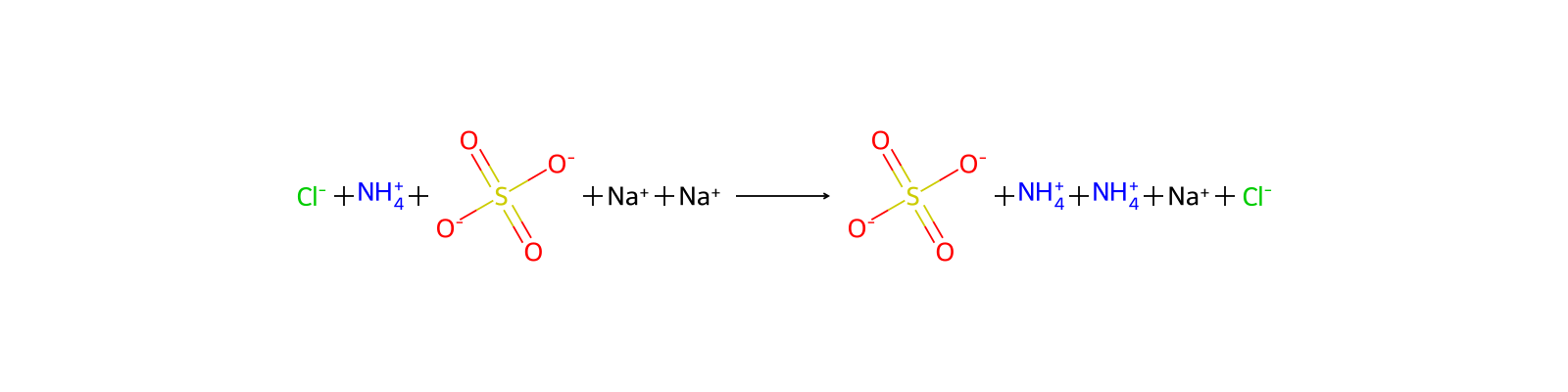
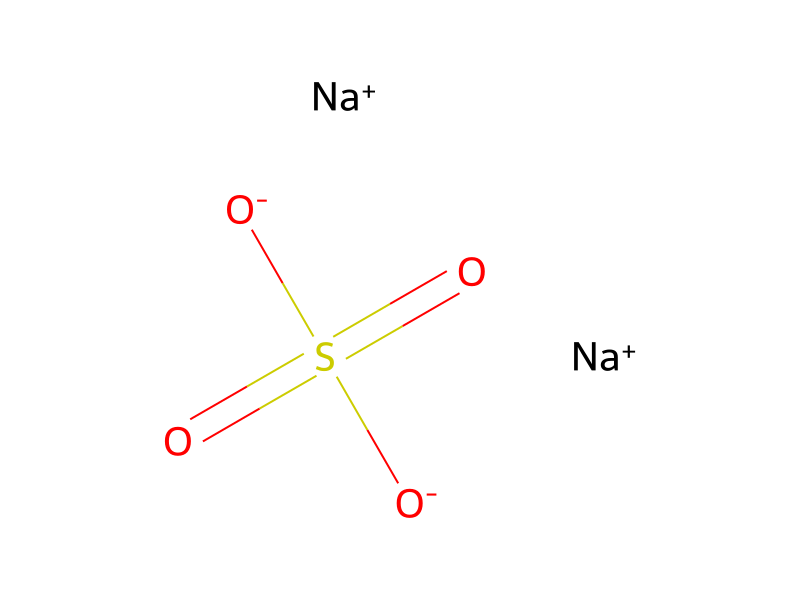
Grundinformationen
- Standard-SMILES
O=S(=O)([O-])[O-].[Na+].[Na+]- InChIKey
PMZURENOXWZQFD-UHFFFAOYSA-L- Summenformel
- Na2SO4
- Durchschnittliche Molmasse
- 142,04 g/mol
- Monoisotopische Masse
- 141,93126804
Überblick
Sodium sulfate is an inorganic sodium salt.
Namen und Bezeichner
- Bevorzugter Name
- Sodium Sulfate
- IUPAC
- disodium;sulfate
- Englischer Name
- SODIUM SULFATE
- Summenformel
- Na2O4S
- Molmasse
- 142.04
Namen und Synonyme
SODIUM SULFATE7757-82-6Disodium sulfateSodium sulfate anhydrousSodium sulfate, anhydrousSalt cakeSodium sulphateSulfuric acid disodium saltDisodium sulphateSodium sulphate anhydrousSodium sulfate (2:1)Bisodium sulfate
Weitere Namen anzeigen
GLAUBER'S SALTSULFATE STANDARD SOLUTIONDETERGENT SALT CAKESODIUM SULPHATE SALTSodium sulfate anhyfrousSODIUM SULPHATE ANHYDROUS 99%MINSOD.SULPHIDENATRII SULFAS
Sodium sulfate, driedAnhydrous sodium sulfateDisodium monosulfateDibasic sodium sulfateSodium sulphate, anhydrousSodium sulfate (Na2SO4)MirabiliteNatriumsulfat
Datenbank-Bezeichner
- CAS
13759-07-4、15124-09-1、68081-98-1、68140-10-3、68412-82-8、7557-82-6、7757-82-6- PubChem CID
- 24436
- DTXSID
DTXSID1021291- ChEMBL
CHEMBL233406、CHEMBL3989856- ChEBI
CHEBI:32149- UNII
- 36KCS0R750
- EC Number
- 231-820-9、689-159-0、691-538-0
- Nikkaji
- J44.043D
Eigenschaften
Berechnete Struktureigenschaften
- Polarare Oberfläche (TPSA)
- 88,6 Ų
- H-Brücken-Donoren
- 0
- H-Brücken-Akzeptoren
- 4
- Frei drehbare Bindungen
- 0
- Schwere Atome
- 7
- Formalladung
- 0
- Komplexität
- 62,2
Experimentelle und physikochemische Eigenschaften
Chemical ClassesOther Classes -> Sulfur Compounds
Cosmetics
Cosmetics ingredient -> Bulking/Viscosity; Other (Specify)
Cosmetic ingredients (Sodium Sulfate) -> CIR (Cosmetic Ingredient Review)
Viscosity controlling; Bulking
pH
Neutral or slightly alkaline to litmus paper (5 % solution)
pH of a 5% solution = 9.0 (typical value)
SpringerMaterials Propertiespyroelectric constant
FragrancesFragrance Ingredient (Sodium sulphate) -> IFRA transparency List
OdorOdorless
TasteBitter saline taste
Density
2.671
Relative density (water = 1): 2.7
2.671 @25 °C
Viscosity2.48 (22% solution at 20 °C)
Color/Form
Powder or orthorhombic bipyramidal crystals
White orthorhombic crystals or powder
Solubility
In water, 28.1 g/100 g water at 25 °C
In water, 445.47 g/L at 20 °C and pH 5.23 (shake flask method)
Soluble in about 3.6 parts water; 1 in 2 parts water is maximum solubility at 33 °C; at 100 °C it requires 2.4 parts water
Soluble in glycerin; insoluble in alcohol
SOL IN HYDROGEN IODIDE
Solubility in water: very good
Corrosivity
The rates of corrosion of iron and steel in water are a function of the specific mineral quality as well as the alkalinity and pH values. Sodium sulfate ... is a strong contributor to the rate of corrosion. For example, in water with 400 mg/l of alkalinity (as CaCO3) at pH 7, the corrosion rate will be zero at 200 mg/l of Na2SO4, but when the concentration of sodium sulfate is 400 mg/l, the corrosion rate will be about 100 mg per square cm per day.
Physikochemische Eigenschaften
- Schmelzpunkt
- 884 °C · 884 °C(lit.)
- Siedepunkt
- 1700 °C · 1700 °C
- Dichte
- 2.68 g/mL · 2.68 g/mL at 25 °C(lit.)
- Löslichkeit
- 2 O: · H2O: 1 M at 20 °C, clear, colorless
- Aggregatzustand
- powder (fine)
- InChI
- InChI=1S/2Na.H2O4S/c;;1-5(2,3)4/h;;(H2,1,2,3,4)/q2*+1;/p-2
- InChIKey
- PMZURENOXWZQFD-UHFFFAOYSA-L
- SMILES
- [Na+].[Na+].S([O-])([O-])(=O)=O
- CAS Datenbank
- 15124 · 15124-09-1(CAS DataBase Reference)
Sicherheit und Regulatorisches
GHS-Klassifizierung
GHS Classification
This chemical does not meet GHS hazard criteria for 96.5% (4127 of 4277) of all reports.
Not Classified
Aggregated GHS information provided per 4277 reports by companies from 10 notifications to the ECHA C&L Inventory.
Not Classified
Not Classified
Danger
Gefahrenhinweise
Regulatory Information
Hazard Traits - Respiratory Toxicity
Regulation (EC) No 1333/2008 (amended)
Sulfuric acid sodium salt (1:2) is listed on the EPA's Chemical Data Reporting (CDR) system. Manufacturers and importers of Sulfuric acid sodium salt (1:2) are required to report information about their production and use of this chemical to the EPA under the Toxic Substances Control Act (TSCA). (40 eCFR Part 711)
Status: Active Update: 18-05-2023 https://echa.europa.eu/registration-dossier/-/registered-dossier/15539
Sulfuric acid, sodium salt: Does not have an individual approval but may be used as a component in a product covered by a group standard. It is not approved for use as a chemical in its own right.
Sodium sulfate: Does not have an individual approval but may be used under an appropriate group standard
Fire HazardsNot combustible. Gives off irritating or toxic fumes (or gases) in a fire.
Fire Potential
Noncombustible solid
Nonflammable
Hazards SummaryMay cause gastrointestinal disturbance if ingested; [ICSC] Nonirritating to skin and mucous membranes; [HSDB]
FDA Requirements
Indirect food substances affirmed as generally recognized as safe ... The ingredient is used as a constituent of paper and paperboard used for food packaging, and cotton and cotton fabric used for dry food packaging. ... The ingredient is used at levels not to exceed good manufacturing practice in accordance with section 186.1(b)(1).
Special Reports
Cosmetic Ingredient Review; Final Amended Safety Assessment of Sodium Sulfate as Used in Cosmetics (2016).[Available from, as of September 20, 2017: http://www.cir-safety.org/ingredients]
Environment Canada; Tech Info for Problem Spills: Sodium Sulphate (1985)
EPA Safer ChemicalChemical: Sodium sulfate
FIFRA Requirements
Residues of sodium sulfate are exempted from the requirement of a tolerance when used in accordance with good agricultural practice as inert (or occasionally active) ingredients in pesticide formulations applied to growing crops or to raw agricultural commodities after harvest. Use: solid diluent, carrier.
Residues of sodium sulfate are exempted from the requirement of a tolerance when used in accordance with good agricultural practice as inert (or occasionally active) ingredients in pesticide formulations applied to animals. Use: solid diluent, carrier.
Exemptions for pesticides of a character not requiring FIFRA regulation. The pesticides or classes of pesticides listed in this section have been determined to be of a character not requiring regulation under FIFRA, and are therefore exempt from all provisions of FIFRA when intended for use, and used, only in the manner specified. ... Permitted inert ingredients. A pesticide product exempt under paragraph (f)(1) of this section may only include the inert ingredients listed in paragraphs (f)(2)(i) through (iv) of this section. All listed inert ingredients may be used in non-food use products. Under FFDCA section 408 and EPA implementing regulations at part 180 of this chapter, food and animal feed in commerce can bear pesticide residues only for those ingredients that have tolerances or tolerance exemptions in part 180 of this chapter. Sodium sulfate is included on this list.
Chemical DangersDecomposes on heating. This produces sulfur oxides and sodium oxides.
Toxic Combustion ProductsSpecial hazards arising from the substance or mixture: Sulfur oxides, sodium oxides.
Hazard Classes and Categories
Not Classified
Not Classified
Not Classified
Serious eye damage/eye irritation - Category 2B
State Drinking Water Standards
(AL) ALABAMA 500,000 ug/L /Sulfate ion/
(UT) UTAH 1,000,000 ug/L /Sulfate ion/
Sicherheit und Schutzausrüstung
Fire FightingIn case of fire in the surroundings, use appropriate extinguishing media.
First Aid Measures
Fresh air, rest.
Rinse and then wash skin with water and soap.
First rinse with plenty of water for several minutes (remove contact lenses if easily possible), then refer for medical attention.
Give one or two glasses of water to drink.
Fire Fighting Procedures
Suitable extinguishing media: Use water spray, alcohol-resistant foam, dry chemical or carbon dioxide.
Advice for firefighters: Wear self-contained breathing apparatus for firefighting if necessary.
Storage Conditions
Keep container tightly closed in a dry and well-ventilated place. Hygroscopic. Storage class (TRGS 510): Non Combustible Solids.
Keep well closed in a cool place. /Decahydrate/
Cleanup Methods
ACCIDENTAL RELEASE MEASURES: Personal precautions, protective equipment and emergency procedures: Avoid dust formation. Avoid breathing vapors, mist or gas. Environmental precautions: No special environmental precautions required. Methods and materials for containment and cleaning up: Sweep up and shovel. Keep in suitable, closed containers for disposal.
Spills on land: Contain if possible by forming mechanical barriers to prevent spreading. Shovel material into containers for recovery or disposal.
Disposal Methods
SRP: Recycle any unused portion of the material for its approved use or return it to the manufacturer or supplier. Ultimate disposal of the chemical must consider: the material's impact on air quality; potential migration in air, soil or water; effects on animal, aquatic and plant life; and conformance with environmental and public health regulations. If it is possible or reasonable use an alternative chemical product with less inherent propensity for occupational harm/injury/toxicity or environmental contamination.
Product: Offer surplus and non-recyclable solutions to a licensed disposal company. Contaminated packaging: Dispose of as unused product.
Waste sodium sulfate must never be discharged directly into sewers or surface waters. Recovered sodium sulfate may be disposed of by burial in a landfill.
Spillage DisposalPersonal protection: particulate filter respirator adapted to the airborne concentration of the substance. Sweep spilled substance into covered containers. If appropriate, moisten first to prevent dusting.
Preventive Measures
Precautions for safe handling: Further processing of solid materials may result in the formation of combustible dusts. The potential for combustible dust formation should be taken into consideration before additional processing occurs. Provide appropriate exhaust ventilation at places where dust is formed.
Gloves must be inspected prior to use. Use proper glove removal technique (without touching glove's outer surface) to avoid skin contact with this product. Dispose of contaminated gloves after use in accordance with applicable laws and good laboratory practices. Wash and dry hands.
ACCIDENTAL RELEASE MEASURES: Personal precautions, protective equipment and emergency procedures: Avoid dust formation. Avoid breathing vapors, mist or gas. Environmental precautions: No special environmental precautions required.
SRP: Local exhaust ventilation should be applied wherever there is an incidence of point source emissions or dispersion of regulated contaminants in the work area. Ventilation control of the contaminant as close to its point of generation is both the most economical and safest method to minimize personnel exposure to airborne contaminants. Ensure that the local ventilation moves the contaminant away from the worker.
Eye PreventionWear safety spectacles.
Inhalation RiskEvaporation at 20 °C is negligible; a nuisance-causing concentration of airborne particles can, however, be reached quickly.
Skin PreventionProtective gloves.
Allowable Tolerances
Residues of sodium sulfate are exempted from the requirement of a tolerance when used in accordance with good agricultural practice as inert (or occasionally active) ingredients in pesticide formulations applied to growing crops or to raw agricultural commodities after harvest. Use: solid diluent, carrier.
Residues of sodium sulfate are exempted from the requirement of a tolerance when used in accordance with good agricultural practice as inert (or occasionally active) ingredients in pesticide formulations applied to animals. Use: solid diluent, carrier.
Toxikologische Informationen
Body Burden
Both sodium and sulfate ions are among the most common ions found in all living organisms. In mammals, sulfate is an normal metabolite of sulfur-containing amino-acids, it is normally incorporated in a variety of body compounds and it plays an important role in detoxification/ excretion processes due to sulfoconjugation(1).
Interactions
The agricultural fungicide N-(3,5-dichlorophenyl)succinimide (NDPS) induces nephrotoxicity as its major toxicity in rats. Previous studies have shown that NDPS induces nephrotoxicity following oxidation of the succinimide ring to form N-(3,5-dichlorophenyl)-2-hydroxysuccinimide (NDHS) and the hydrolysis product of NDHS, N-(3,5-dichlorophenyl)-2-hydroxysuccinamic acid (2-NDHSA). Our recent work found that sodium sulfate potentiated NDPS nephrotoxicity, suggesting that sulfate conjugation of NDPS metabolites might be a bioactivation step mediating NDPS nephrotoxicity. The purpose of this study was to determine if sodium sulfate also potentiated the nephrotoxicity of the two nephrotoxic metabolites of NDPS and further to see if sodium sulfate potentiated NDHS and 2-NDHSA nephrotoxicity to the same degree. Male Fischer 344 rats (4-16 rats/group) received an intraperitoneal (ip) injection of sodium sulfate (10 mg/kg) 20 min before a non-nephrotoxic dose (0.05 mmol/kg, ip) of NDHS or 2-NDHSA, or vehicle (12.5% dimethyl sulfoxide in sesame oil). Renal function was then monitored over 48 hr. Sodium sulfate pretreatment potentiated the renal effects of a non-nephrotoxic dose of NDHS and 2-NDHSA to induce nephrotoxicity. Nephrotoxicity was characterized by diuresis, increased proteinuria, elevated blood urea nitrogen (BUN) concentration, increased kidney weight and proximal tubular necrosis. Differences in the potentiation of NDHS and 2-NDHSA nephrotoxicity by sodium sulfate were also observed as NDHS nephrotoxicity was potentiated to a lesser degree than 2-NDHSA-induced nephrotoxicity. These results support the likelihood that one or more sulfate conjugate(s) of NDPS metabolites contribute to NDPS nephrotoxicity.
N-acetylcysteine (NAC) has been proposed to decrease the toxicity of acetaminophen (AA) via two mechanisms: by increasing cysteine availability for hepatic glutathione biosynthesis and by increasing inorganic sulfate levels, which would increase AA sulfation and elimination. Because administration of sodium sulfate also reportedly decreases AA-induced toxicity, we have investigated the role of inorganic sulfate in the antidotal properties of NAC. Simultaneous administration of NAC (4 mmol/kg) and AA (2.5 and 4 mmol/kg) to male mice prevented AA-induced lethality and hepatotoxicity whereas sodium sulfate(4 mmol/kg) did not. Neither NAC nor sodium sulfate produced significant changes in the half-life (44 min) or clearance (9.0 mL/min/kg) of AA (4.0 mmol/kg) from blood nor were the amounts of AA-sulfate, AA-cysteine or AA-mercapturate excreted in urine altered. Injection of either sodium sulfate or NAC increased serum sulfate concentration and prevented the depletion in serum sulfate produced by AA. Hepatic adenosine 3'-phosphate 5'-phosphosulfate concentrations were decreased 15 and 30 min after AA and injection of either sodium sulfate or NAC lessened this effect. The concentration of glutathione in liver was decreased markedly after AA. NAC attenuated this effect but sodium sulfate did not. Sodium sulfate did not decrease covalent binding of tritium derived from [(3)H]AA to liver protein whereas NAC decreased binding by 25%. These findings show that administration of sodium sulfate increases serum sulfate concentration and hepatic adenosine 3'-phosphate 5'-phosphosulfate levels but does not protect against acetaminophen-induced hepatotoxicity in mice.
Activated charcoal is an effective inhibitor of acetaminophen absorption while sodium sulfate can prevent the depletion of endogenous inorganic sulfate associated with the formation of acetaminophen sulfate. Administration of activated charcoal plus sodium sulfate soon after acetaminophen overdose may reduce acetaminophen absorption and facilitate the elimination of absorbed acetaminophen by providing sufficient sulfate ion for rapid sulfation of the drug. This investigation was designed to determine if sodium sulfate modifies the inhibitory effect of activated charcoal on acetaminophen absorption or if activated charcoal affects the absorption of sodium sulfate. Eight normal adults received, on separate occasions, 1 g acetaminophen, 1 g acetaminophen and 18 g sodium sulfate (decahydrate), 1 g acetaminophen with 10 g activated charcoal and 1 g acetaminophen, with 10 g activated charcoal and 18 g sodium sulfate, in random order. Urine was collected for 48 hours and assayed for acetaminophen and its major metabolites and for inorganic sulfate. The results confirm that activated charcoal can reduce acetaminophen absorption and show that oral administration of activated charcoal with sodium sulfate does not alter the inhibitory effect of activated charcoal on acetaminophen absorption or the bioavailability of the sulfate. A combination of activated charcoal and sodium sulfate may therefore be useful for the initial management of acetaminophen overdose.
The agricultural fungicide N-(3,5-dichlorophenyl)succinimide (NDPS) induces acute polyuric renal failure in rats. Results of previous studies have suggested that NDPS may induce nephrotoxicity via conjugates of NDPS metabolites. Thus, the purpose of this study was to examine if administered sodium sulfate could alter NDPS nephrotoxicity. Male Fischer 344 rats (four rats per group) were administered a single intraperitoneal (i.p.) injection of sodium sulfate (0.035, 0.07, 0.35 or 3.5 mmol/kg) or sodium chloride (7.0 mmol/kg) 20 min before NDPS (0.2, 0.4 or 0.8 mmol/kg) or NDPS vehicle (sesame oil, 2.5 mL/kg) and renal function monitored at 24 and 48 hr. High dose sodium sulfate (3.5 mmol/kg) markedly attenuated NDPS nephrotoxicity, while sodium chloride had no effect on NDPS-induced renal effects. NDPS nephrotoxicity was also attenuated by a pretreatment dose of 0.35 mmol/kg sodium sulfate, while 0.07 mmol/kg sodium sulfate pretreatment potentiated NDPS 0.2 mmol/kg to produce nephrotoxicity without markedly attenuating NDPS 0.4 mmol/kg to induce renal effects. A dose of 0.035 mmol/kg sodium sulfate did not potentiate NDPS 0.2 mmol/kg to induce nephrotoxicity. These results suggest that sulfate conjugates of NDPS metabolites might contribute to NDPS nephrotoxicity.
Two experiments were conducted to investigate the effects of sodium sulfate water and the efficacy of nonnutritive feed additives in nursery pig diets. In Exp. 1, 320 barrows (5.4 +/- 0.1 kg BW and 21 d of age) were allotted to 1 of 8 treatments for 24 d in a 2 x 4 factorial with 2 levels of sodium sulfate water (control or 3,000 mg sodium sulfate/L added), and 4 dietary zeolite (clinoptilolite) levels (0, 0.25, 0.50, or 1%). Fecal samples were collected on d 5, 9, 16, and 23; visually scored for consistency (1 = firm and 5 = watery); and analyzed for DM. No interactions of sodium sulfate x zeolite were observed for any response criteria. ...
Ecotoxicity Values
LC50; Species: Aspergillus; Concentration: 80 ppm for 40 hr at 32 °C /Conditions of bioassay not specified in source examined/
LC50; Species: Nitzschia; Conditions: static bioassay; Concentration: 1900 ppm for 120 hr
TLm Bluegill 12,750 ppm/96 hr
LC50; Species: /Gambusia affinis/ (Mosquito fish); Concentration: 17,500 mg/Lfor 48 hr in turbid water /Conditions of bioassay not specified in source examined/
For more Ecotoxicity Values (Complete) data for Sodium sulfate (22 total), please visit the HSDB record page.
Environmental Fate
TERRESTRIAL FATE: Sodium sulfate completely dissociates into sodium and sulfate ions in water or moist soil(1). Most of the ions will migrate downwards through the soil(1); therefore, sodium sulfate is expected to have very high mobility in soil(SRC). Volatilization of sodium sulfate from moist soil surfaces is not expected to be an important fate process due to its ionized form(SRC). Evaporation of sodium sulfate at 20 °C is reported to be negligible(2). Sodium sulfate is not biodegradable as typically noted for biodegradability, but it takes part in the sulfur cycle, in which sulfate is either incorporated into living organisms or reduced to sulfides by anaerobic bacteria, deposited as sulfur, or re-oxidised in the atmosphere and oceans to sulfur dioxide and sulfate(3).
AQUATIC FATE: Sodium sulfate is very water soluble, 28.1 g/100 g water(1), and completely dissociates into sodium and sulfate ions in water(2); therefore, it is not expected to adsorb to suspended solids and sediment(SRC). Volatilization from water surfaces is not expected due its ionized form in water(SRC). The BCF of sodium sulfate is very low (estimated to be 0.5) and therefore bioconcentration is not expected(2). Sodium and sulfate ions are essential to all living organisms and their intracellular and extracellular concentrations are actively regulated(2). Sodium sulfate is not biodegradable as typically noted for biodegradability, but it takes part in the sulfur cycle, in which sulfate is either incorporated into living organisms or reduced to sulfides by anaerobic bacteria, deposited as sulfur, or re-oxidised in the atmosphere and oceans to sulfur dioxide and sulfate(3).
ATMOSPHERIC FATE: Sodium sulfate is an inorganic compound with a very high melting point of 884 °C(1). Therefore, it is expected to exist solely in the particulate phase in the ambient atmosphere(SRC). Particulate-phase sodium sulfate may be removed from the air by wet and dry deposition(SRC).
Food Survey ValuesSodium sulfate is ubiquitous in nature, it is naturally present in common foodstuffs, has wide dispersive use and is added to processed food and beverages(1).
Toxicity Summary
The CIR Expert Panel concluded that Sodium Sulfate is safe in cosmetics in the present practices of use and concentrations described in this safety assessment when formulated to be non-irritating.
Safe for use in cosmetics, with qualifications
IDENTIFICATION AND USE: Sodium sulfate is a white powder, or crystals. It is used for standardizing dyes, in freezing mixtures, and in dying and printing textiles. It is also used as cathartic and purgative in humans and in veterinary medicine. HUMAN STUDIES: It may result in gastrointestinal irritation and diarrhea. ANIMAL STUDIES: Poultry mortality was 33% after drinking water containing 7500 mg/L sodium sulfate for 15 days. Outbreaks of poisoning in pigs due to overdosage were characterized by twitching, tremors and convulsions. The most noticeable lesion at post mortem was widespread vacuolation and necrosis of cerebral cortex. ECOTOXICITY STUDIES: Plants were injured by sodium sulfate levels of 4000 mg/L in soil; 710 mg/L depressed root growth and water absorption. Among aquatic species, the cladoceran and mussel were acutely more sensitive to sulfate than the midge and fathead minnow, whereas the fathead minnow was chronically more sensitive than the other 3 species.
Average Daily IntakeA normal daily intake of sodium sulfate of 7.5 mg/kg/day has been estimated which is mostly from food and drinking water(1).
Ecotoxicity Excerpts
/AQUATIC SPECIES/ The acute and chronic toxicity of sulfate (tested as sodium sulfate) was determined in diluted well water (hardness of 100 mg/L and pH 8.2) with a cladoceran (Ceriodaphnia dubia; 2-day and 7-day exposures), a midge (Chironomus dilutus; 4-day and 41-day exposures), a unionid mussel (pink mucket, Lampsilis abrupta; 4-day and 28-day exposures), and a fish (fathead minnow, Pimephales promelas; 4-day and 34-day exposures). Among the 4 species, the cladoceran and mussel were acutely more sensitive to sulfate than the midge and fathead minnow, whereas the fathead minnow was chronically more sensitive than the other 3 species. Acute-to-chronic ratios ranged from 2.34 to 5.68 for the 3 invertebrates but were as high as 12.69 for the fish. The fathead minnow was highly sensitive to sulfate during the transitional period from embryo development to hatching in the diluted well water, and thus, additional short-term (7- to 14-day) sulfate toxicity tests were conducted starting with embryonic fathead minnow in test waters with different ionic compositions at a water hardness of 100 mg/L. Increasing chloride in test water from 10 mg Cl/L to 25 mg Cl/L did not influence sulfate toxicity to the fish, whereas increasing potassium in test water from 1 mg K/L to 3 mg K/L substantially reduced the toxicity of sulfate. The results indicate that both acute and chronic sulfate toxicity data, and the influence of potassium on sulfate toxicity to fish embryos, need to be considered when environmental guidance values for sulfate are developed or refined.
/AQUATIC SPECIES/ The study of the microalgal growth kinetics is an indispensable tool in all fields of phycology. Knowing the optimal nutrient concentration is an important issue that will help to develop efficient growth systems for these microorganisms. Although nitrogen and phosphorus are well studied for this purpose, sulfur seems to be less investigated. Sulfate is a primary sulfur source used by microalgae; moreover, the concentration of this compound is increasing in freshwater systems due to pollution. The aim of this study was to investigate the effects of different sodium sulfate concentrations in the culture medium on growth and growth kinetics of the freshwater microalga Chlamydomonas moewusii. Production of biomass, chl content, kinetic equations, and a mathematical model that describe the microalgal growth in relation with the concentration of sodium sulfate were obtained. The lowest concentration of sodium sulfate allowing optimal growth was 0.1 mM. Concentrations higher than 3 mM generated a toxic effect. This work demonstrates that this toxic effect was not directly due to the excess of sulfate ion but by the elevation of the ionic strength. An inhibition model was successfully used to simulate the relationship between specific growth rate and sodium sulfate in this microalga.
/AQUATIC SPECIES/ ...The hypothesis that if sodium sulfate alters the bioenergetics of Ceriodaphnia dubia, concentrations that cause reduced fecundity in the short (7-day) and long (5 generations) term should also cause changes in feeding rate and/or metabolism, measured as oxygen consumption /was tested/. In addition, ...the acute toxicity of phenol to C. dubia in the presence and absence of both food and sodium sulfate /was tested/. Sodium sulfate reduced the filter-feeding rate of C. dubia, which was associated with significantly reduced oxygen consumption. This decreased energy level appeared to result in a consistent but decreased level of fecundity over a number of generations and the reproductive impairment was dose-dependent. These effects occurred at concentrations much lower than those at which acute (mortality) effects have been observed, a finding that may have regulatory implications. In addition, whereas phenol toxicity to C. dubia was exacerbated by the addition of food, increased phenol toxicity, likely induced by an increase in filtering or metabolic rate due to food addition, was negated when sodium sulfate was added to the test medium.
/AQUATIC SPECIES/ Previous studies have documented reduced growth of clams downstream of sulfate-dominated effluents, altered bioenergetics in filter-feeding invertebrates, and interactions between sulfate and other toxicants. Therefore, the purpose of this study was to determine if sodium sulfate affects the bioenergetics of the filter-feeding, freshwater bivalve, Corbicula fluminea, and the mechanism by which the effects are elicited. In addition to measuring effects on feeding, respiration and growth rates, I evaluated the relative sensitivity of a green algae consumed by clams to determine if top-down or bottom-up effects might be exhibited under field conditions. This study demonstrated that sodium sulfate had no effect on basal metabolic rates, but significantly reduced the feeding, post-feeding metabolic, and growth rates of C. fluminea. The proposed mechanism for these impacts is that filtering rates are reduced upon exposure, resulting in reduced food consumption and therefore, preventing increased metabolic rates normally associated with post-feeding specific dynamic action (SDA). In the field, these effects may cause changes in whole stream respiration rates and organic matter dynamics, as well as alter uptake rates of other food-associated contaminants like selenium, the toxicity of which is known to be antagonized by sulfate, in filter-feeding bivalves.
For more Ecotoxicity Excerpts (Complete) data for Sodium sulfate (10 total), please visit the HSDB record page.
Signs and SymptomsNausea. Vomiting. Abdominal pain. Diarrhoea.
Ongoing Test Status
EPA has released the Interactive Chemical Safety for Sustainability (iCSS) Dashboard. The iCSS Dashboard provides an interactive tool to explore rapid, automated (or in vitro high-throughput) chemical screening data generated by the Toxicity Forecaster (ToxCast) project and the federal Toxicity Testing in the 21st century (Tox21) collaboration. /The title compound was tested by ToxCast and/or Tox21 assays/[USEPA; ICSS Dashboard Application; Available from, as of July 28, 2017: http://actor.epa.gov/dashboard/]
Soil Adsorption/Mobility
A study on soil changes with sodium sulfate showed that dilute solutions (0.1 and 0.01 N) penetrated at rates similar to that of water(1). The soil aggregation changed significantly in the top 10 cm as compared to water, but at depths greater than 10 cm was similar to water(1). Since sodium sulfate is soluble in water it is expected to infiltrate the soil(2). Most of the ions will migrate downwards through the soil with the penetrating water, as it does not interact with soil(2).
Natural Pollution Sources
Minerals of sodium sulfate occur naturally throughout the world(1). Sodium sulfate occurs in nature as the minerals mirabilite, thenardite(2) and astrakanite(1). Deposits result from evaporation of inland seas and terminal lakes(1). Colder climates, such as those found in Canada and the former Soviet Union, favor formation of mirabilite. Warmer climates, such as those found in South America, India, Mexico, and the western United States, favor formation of thenardite(1). In areas where other anions and cations are present, double salts can be found. Mirabilite ore is a major source of natural sodium sulfate in China(1).
Sodium sulfate is relatively common in alkali lakes, ground water, & sea water, as well as in the... minerals thenardite; hanksite; sulphohalite; galubzrite; loeweite; ferronatrite; mirabilit e; bloedite; tychite; aphthitalite; tamarugite; mendozite
Regulatorische Informationen
FDA Requirements
Indirect food substances affirmed as generally recognized as safe ... The ingredient is used as a constituent of paper and paperboard used for food packaging, and cotton and cotton fabric used for dry food packaging. ... The ingredient is used at levels not to exceed good manufacturing practice in accordance with section 186.1(b)(1).
FIFRA Requirements
Residues of sodium sulfate are exempted from the requirement of a tolerance when used in accordance with good agricultural practice as inert (or occasionally active) ingredients in pesticide formulations applied to growing crops or to raw agricultural commodities after harvest. Use: solid diluent, carrier.
Residues of sodium sulfate are exempted from the requirement of a tolerance when used in accordance with good agricultural practice as inert (or occasionally active) ingredients in pesticide formulations applied to animals. Use: solid diluent, carrier.
Exemptions for pesticides of a character not requiring FIFRA regulation. The pesticides or classes of pesticides listed in this section have been determined to be of a character not requiring regulation under FIFRA, and are therefore exempt from all provisions of FIFRA when intended for use, and used, only in the manner specified. ... Permitted inert ingredients. A pesticide product exempt under paragraph (f)(1) of this section may only include the inert ingredients listed in paragraphs (f)(2)(i) through (iv) of this section. All listed inert ingredients may be used in non-food use products. Under FFDCA section 408 and EPA implementing regulations at part 180 of this chapter, food and animal feed in commerce can bear pesticide residues only for those ingredients that have tolerances or tolerance exemptions in part 180 of this chapter. Sodium sulfate is included on this list.
State Drinking Water Standards
(AL) ALABAMA 500,000 ug/L /Sulfate ion/
(UT) UTAH 1,000,000 ug/L /Sulfate ion/
State Drinking Water Guidelines
(CA) CALIFORNIA 250000 ug/L (Recommended); 500000 ug/L (Upper); Short-term 600000 ug/L /Sulfate ion/
(UT) UTAH 500,000 ug/L /Sulfate ion/
Federal Drinking Water GuidelinesEPA 250,000 ug/L /Sulfate ion/
Sicherheitsdaten
- F
- 3
- wgk
- 1
- RTECS-Nr.
- WE1650000
- Toxizität
- mouse,LD50,oral,5989mg/kg (5989mg/kg),Shokuhin Eiseigaku Zasshi. Food Hygiene Journal. Vol. 4, Pg. 15, 1963.
- safety_code
- 24/25
Chemie und Industrie
Pharmakologische Informationen
ATC Code
A - Alimentary tract and metabolism
A - Alimentary tract and metabolism
QA - Alimentary tract and metabolism
QA - Alimentary tract and metabolism
Pharmacodynamics
Induces catharsis by the osmotic effects of the unabsorbed sulfate salts and polyethylene glycol (PEG) in the GI tract. Specifically, sulfate salts provide sulfate anions, which are poorly absorbed, and PEG, which is primarily unabsorbed, causes water to be retained in the GI tract resulting in watery diarrhea.
Mechanism of Action
MoviPrep produces a watery stool leading to cleansing of the colon. The osmotic activity of polyethylene glycol 3350, sodium sulfate, sodium chloride, potassium chloride, sodium ascorbate, and ascorbic acid, when taken with 1 liter of additional clear fluid, usually results in no net absorption or excretion of ions or water.
Biological Half-LifeSerum sulfate: 8.5 hours
FDA Pharmacological Classification
SODIUM SULFATE
Increased Large Intestinal Motility [PE]; Osmotic Laxative [EPC]; Osmotic Activity [MoA]; Inhibition Large Intestine Fluid/Electrolyte Absorption [PE]
SODIUM SULFATE ANHYDROUS
Inhibition Large Intestine Fluid/Electrolyte Absorption [PE]; Osmotic Activity [MoA]; Increased Large Intestinal Motility [PE]; Osmotic Laxative [EPC]
NAT SULPH
Inhibition Large Intestine Fluid/Electrolyte Absorption [PE]; Osmotic Activity [MoA]; Osmotic Laxative [EPC]; Increased Large Intestinal Motility [PE]
MeSH Pharmacological ClassificationAgents that are used to stimulate evacuation of the bowels.
Absorption, Distribution and Excretion
Absorption of sodium sulfate after ingestion in rats was investigated. 35)S-Radioactivity excreted in urine during 24 hr indicated almost complete absorption from GI tract. Determination in serum 2 hr after admin revealed 3-fold increase in sulfate concentration rapid and almost complete absorption of inorganic sulfate occurs after oral admin in rats.
Rectal effluent if unabsorbed sulfates ; urine (predominant route for absorbed sulfates )
The importance of tissue sulfate concentrations in regulating 3'-phosphoadenosine 5'-phosphosulfate (PAPS) synthesis is not known. Therefore, this study was conducted to determine the influence of increased availability of inorganic sulfate on steady-state PAPS concentrations in various tissues. To increase tissue sulfate concentrations, 2-16 mmol/kg of sodium sulfate and sulfur-containing amino acids (cysteine or methionine) were infused intravenously for 2 hr into pentobarbital-anesthetized rats. Serial blood samples were taken during the infusion and analyzed for sulfate concentrations. After 2 hr of infusion, liver, kidney, and brain were removed for quantification of tissue PAPS and sulfate concentrations. Infusion of sodium sulfate, cysteine, and methionine increased serum and tissue sulfate concentrations in a dose- and time-dependent manner. Serum sulfate concentrations increased from 0.8 to 14 mM during the infusion of sodium sulfate, whereas infusions of cysteine and methionine increased serum sulfate concentrations to 4.8 and 2.0 mM, respectively. Tissue sulfate concentrations also increased during sulfate infusion. Liver sulfate concentration increased from 0.8 to 4.8 mM, kidney concentration increased from 0.6 to 31 mM, and brain concentration increased from 0.1 to 0.6 mM. Similar to the serum sulfate concentrations, sulfate infusion was the most effective in increasing tissue sulfate concentrations, cysteine was intermediate, and methionine the least effective. Although sulfate concentrations in liver, kidney, and brain increased 6-, 50-, and 6-fold by infusing sulfate, respectively; tissue PAPS levels were not altered markedly. Hepatic PAPS concentrations increased significantly (30-35%) only when infused with the higher doses (8 or 16 mmol/kg/2 hr) of sodium sulfate.
The absorption of inorganic sulfate after ingestion was investigated in rats. After oral administration of Na235SO4, 35S radioactivity was measurable in plasma already after 15 min and its plasma concentration reached a peak after about 1.5-2 hr. The 35S-radioactivity excreted in urine during 24 hr after ingestion of Na235SO4 together with varying amounts of unlabelled Na2SO4 (0.25-5.0 mmol Na2SO4 per rat) indicated an almost complete absorption of inorganic sulfate from the gastrointestinal tract. Determination of the inorganic sulfate concentration in rat serum 2 hr after oral administration of 5.0 mmol Na2SO4 revealed a three-fold increase in serum sulfate concentration. The data suggest a rapid and almost complete absorption of inorganic sulfate after oral administration in the rat. Its importance in relation to the sulfate availability for sulfate conjugation of drugs is discussed.
Sodium sulfate can be used to enhance the conjugation of phenolic drugs with sulfate and to treat hypercalcemia. It is thought that sulfate in is absorbed slowly and incompletely from the digestive tract. The purposes of this investigation were to determine the absorption of large amount of sodium sulfate(18.1 g as the decahydrate, equivalent to 8.0 g of the anhydrous salt) and to compare the bioavailability when this amount is administered orally to normal subjects as a single dose and as four equally divided hourly doses. The 72-hr urinary recovery of free sulfate following single and divided doses was 53.4 +/- 15.8 and 61.8 +/- 7.8%, respectively (mean +/- SD, n=5, p > 0.2). The single dose produced severe diarrhea while the divided doses caused only mild or no diarrhea. Thus, a large amount of sodium sulfate, when administered orally in divided doses over 3 hr, is well tolerated and is absorbed to a significant extent. Orally administered sodium sulfate may be useful for the early treatment of acetaminophen overdose.
The renal excretion of potassium by unanesthetized sheep was studied in clearance studies in which water and sodium excretion were elevated by intravenous infusion of isotonic sodium chloride, hypertonic sodium phosphate, or hypertonic sodium sulfate. Aldosterone was infused at 10 ug/hr in some experiments with sodium sulfate. Sodium excretion increased in all experiments, rising at times to equal 25% of the filtered load. Urine flow increased in most experiments. Glomerular filtration rate increased only with infusion of isotonic saline. No consistent change in potassium excretion occurred under any of these loading conditions. This finding contrasts with the increase in potassium excretion commonly seen in man, dogs, and rats intravenously loaded with sodium salts.
Verwendung und Herstellung
Uses
CIR ingredient: Sodium Sulfate
It is produced from mineral deposits and may contain the following contaminants: dichromate (less than 0.2%), sodium sulfite, sodium chloride, magnesium chloride, magnesium sulfate, lithium carbonate, lithium sulfate, ferric oxide, cupric chloride, sodium hydrogen sulfate, sodium thiosulfate, and boric acid; [CHEMINFO]
Mining [Category: Industry]
Textile arts [Category: Hobbies]
For sodium sulfate (USEPA/OPP Pesticide Code: 005604) there are 0 labels match. /SRP: Not registered for current use in the U.S., but approved pesticide uses may change periodically and so federal, state and local authorities must be consulted for currently approved uses./
For standardizing dyes; in freezing mixtures; in dying and printing textiles.
ImpuritiesAnhydrous: 98% minimum, 0.5% Na2SO3
U.S. Exports
(1978) 7.60X10+10 G
(1982) 1.00X10+11 G
(1986) 9.07X10+10 g
U.S. Imports
(1978) 1.24X10+11 G
(1982) 5.58X10+11 G
(1986) 1.90X10+11 g
U.S. Production
2023: 550,000,000 - <700,000,000 lb
(1978) 1.07X10+12 G
(1982) 7.83X10+11 G
(1986) 7.03X10+11 g
(1990) 1.57 billion lb
For more U.S. Production (Complete) data for Sodium sulfate (9 total), please visit the HSDB record page.
Consumption Patterns
IN KRAFT PULPING LIQUOR, 49%; FILLER, DILUENT, & PROCESSING AID IN DRY DETERGENTS, 38%; MELTING AID IN FLOAT GLASS PRODUCTION, 7%; OTHER USES, 6% (1980)
The manufacture of kraft or brown paper (50% of the US Market), detergents (40%), & glass (8%), (1984)
The major end uses of sodium sulphate were detergents, 47%; pulp & paper, 35%; & glass & misc, 18% (1986)
The major end uses for sodium sulfate were: pulp & paper, 48%; detergents, 39%, & glass 10% (1982)
For more Consumption Patterns (Complete) data for Sodium sulfate (9 total), please visit the HSDB record page.
Consumer UsesSwelling agent
Industry UsesFlux agent
Methods of Manufacturing
In Texas, subterranean sulfate brines are pumped to the surface where the brines are first saturated with NaCl before they are cooled by mechanical refrigeration to form Glauber's salt. This salt is then separated from its mother liquor, melted, and dehydrated with mechanical vapor recompression evaporators. Processing at Searles Lake, California, is similar to that of Texas brines. Brine is cooled to 16 °C to remove borax crystals then cooled to 4 °C, which precipitates Glauber's salt. This salt is then separated from its mother liquor, melted in multi-effect vacuum crystallizers to form anhydrous sodium sulfate, and dried. Both processes produce crystals that are 99.3-99.7% pure.
The Mannheim process produces sodium sulfate by reaction of sodium chloride and sulfuric acid. This reaction takes place in a fluidized-bed reactor or a specially made furnace called a Mannheim furnace. This method was last used in the United States in the 1980s. In another process, SO2, O2, and H2O react with NaCl. This is called the Hargreaves process. Only a minor amount of sodium sulfate is made in the United States using the Hargreaves process, but both the Hargreaves and the Mannheim processes are used widely in the rest of the world.
It is prepared by the neutralization of sulfuric acid with sodium hydroxide.
(1) Purification of natural sodium sulfate from deposits and brines; (2) by-product of hydrochloric acid manufacture from salt and sulfuric acid ... (3) by-product of phenol phenol manufacture (caustic fusion process); (4) Hargreaves process.
Formulations/Preparations
SODIUM SULFATE, USP (GLAUBER'S SALT) ... /DECAHYDRATE/
Grades: technical; CP /chemically pure/; detergent; rayon; glass maker's.
Regular grade with a minimum Na2SO4 content of 97%, termed "Salt Cake;" a higher grade, "anhydrous sulfate."
Trona; ACS grade, granular; salt-cake 99.%+% high purity
Household Products
Cosmetics product ingredient: Sodium sulfate
Information on 24 consumer products that contain Sodium sulfate anhydrous in the following categories is provided:
Information on 640 consumer products that contain Sodium sulfate in the following categories is provided:
Use Classification
EPA Safer Chemical Functional Use Classes -> Processing Aids and Additives
Safer Chemical Classes -> Green circle - The chemical has been verified to be of low concern
Food additives
Fragrance Ingredients
Food Additives -> COLOUR_RETENTION_AGENT -> JECFA Functional Classes
Food Additives -> COLOUR_RETENTION_AGENT -> JECFA Functional Classes
Vor- und nachgelagerte Produkte
Nachgelagerte Produkte
Anbieter1 Anbieter
廊坊乾耀科技有限公司0316-2617888 17301291189 · [email protected]
Zugehörige Reaktionen
2.049







Verknüpfte Notizen
Wird geladen…