Grundinformationen
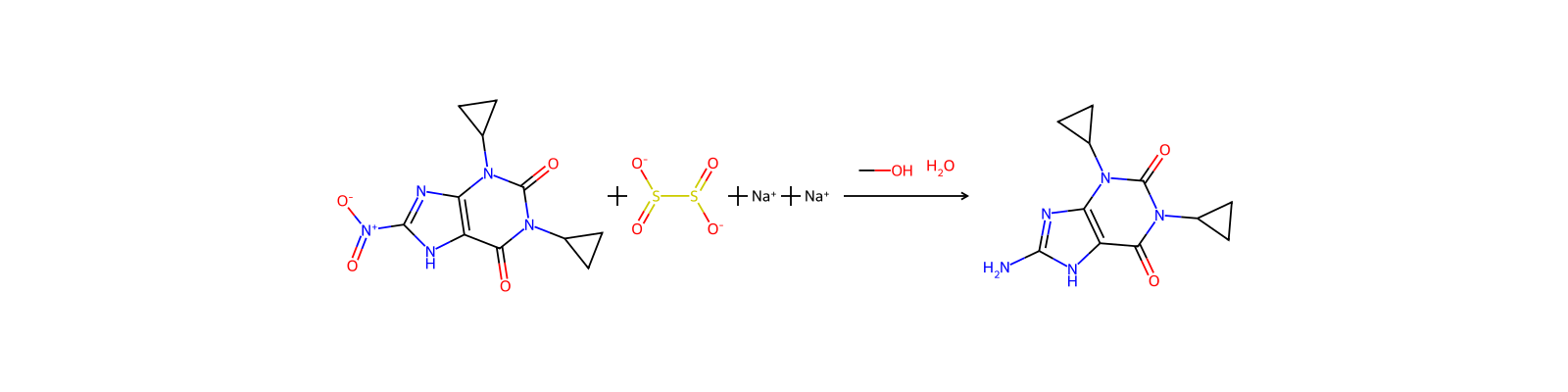
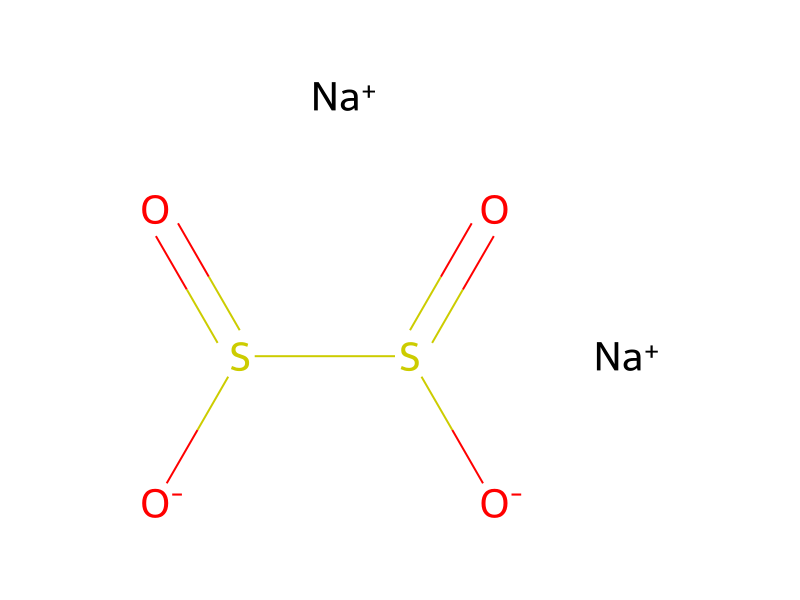
- Standard-SMILES
O=S([O-])S(=O)[O-].[Na+].[Na+]- InChIKey
JVBXVOWTABLYPX-UHFFFAOYSA-L- Summenformel
- Na2O4S2
- Durchschnittliche Molmasse
- 174,11 g/mol
- Monoisotopische Masse
- 173,90333939
Namen und Bezeichner
- Bevorzugter Name
- Sodium Dithionite
- IUPAC
- Disodium dithionite
- Lokaler Name
- Natriumdithionit
- Englischer Name
- Sodium dithionite
- Summenformel
- Na2O4S2
- Molmasse
- 174.11
Namen und Synonyme
Sodium dithioniteSODIUM HYDROSULFITE7775-14-6Sodium hydrosulphiteVatroliteSodium sulfoxylateDisodium dithioniteDithionous acid, disodium saltBlankitBurmolHydrosBlankit IN
Weitere Namen anzeigen
Na2S2O4HYDROSULFITESODIUM HYPODISULFITENatriumdithionitdisodiumhydrosulfitedithionous acid disodium saltSodium hydrosulfite, anhydrous
V-Brite BHydrosulfite R ConcDisodium hydrosulfiteSodium hydrosulfite (Na2S2O4)Sodium dithionite (Na2(S2O4))2K5B8F6ES1DTXSID9029697CHEBI:66870
Datenbank-Bezeichner
- CAS
7775-14-6- PubChem CID
- 24489
- DTXSID
DTXSID9029697- ChEMBL
CHEMBL3410462- ChEBI
CHEBI:66870- UNII
- 2K5B8F6ES1
- EC Number
- 231-890-0
- Nikkaji
- J41.404B
Eigenschaften
Berechnete Struktureigenschaften
- Polarare Oberfläche (TPSA)
- 119 Ų
- H-Brücken-Donoren
- 0
- H-Brücken-Akzeptoren
- 6
- Frei drehbare Bindungen
- 0
- Schwere Atome
- 8
- Formalladung
- 0
- Komplexität
- 60
Experimentelle und physikochemische Eigenschaften
LogPlog Kow = < -4.7
Odor
Faint sulfurous
Slight characteristic odor
Density
2.38 g/cu cm
Na2S2O4.2H2O, mol wt 210.146 ... crystallizes in thin, yellowish shiny, soft prisms of density 1.58 g/cu cm /Dihydrate/
2.4 g/m³
Color/Form
White or grayish-white crystalline powder
Light-lemon-colored solid in powder or flake form
White, colorless or yellow-white crystals
Solubility
Slightly sol in alcohol; very soluble in water
Slightly sol in cold water; insoluble in acids
At 20 °C, 24.1 g/100 g water
Solubility in water, g/100ml at 20 °C: 25 (moderate)
Flash Point
about 100 °C (open cup)
>100 °C o.c.
Decomposition
A batch decomposed violently during drying in graining bowl. No explanation was offered but contamination with water and/or oxidant seems likely. Thermal decomposition occurs violently at 190 °C.
>100 °C
Melting Point52 °C (decomposes)
Physical Description
Sodium dithionite is a whitish to light yellow crystalline solid having a sulfur dioxide-like odor. It spontaneously heats on contact with air and moisture. This heat may be sufficient to ignite surrounding combustible materials. Under prolonged exposure to fire or intense heat containers of this material may violently rupture. It is used in dyeing and to bleach paper pulp.
Liquid; Other Solid; Dry Powder
White to grayish-white granular powder with a sulfur dioxide odor; [CHEMINFO MSDS]
Solid
WHITE CRYSTALLINE POWDER.
Stability/Shelf Life
Avoid formation of dust and aerosols. Provide appropriate exhaust ventilation at places where dust is formed. Keep away from combustible material.
Oxidizes in air, (more readily so in presence of moisture or when in solution) to bisulfite and bisulfate and acquires an acid reaction.
Sodium dithionite is not stable under physiological conditions, with the rate of decomposition increasing with increasing acidity. Upon contact with moisture, it is oxidized to hydrogen sulfite, sulfite and hydrogen sulfate, and under strongly acidic conditions it may liberate sulfur dioxide.
Autoignition Temperatureabout 190 °C
Other Experimental Properties
Strong reducing agent; also available in liquid form
Decomposes violently when heated to 190 °C and emits toxic fumes of SOx and Na2O.
Physikochemische Eigenschaften
- Schmelzpunkt
- 300 °C · 300 °C
- Siedepunkt
- 1390 °C · 1390°C
- Dichte
- 2.13 · 2.13
- Flammpunkt
- 100 °C · >100°C
- storage temp.
- 5 °C · Store at +5°C to +30°C.
- Löslichkeit
- 250 g/L · 250 g/L (20°C)
- Aggregatzustand
- Powder/Solid
- Farbe
- White
- PH
- 5.5 · 5.5-8.5 (50g/l, H2O, 20℃)
- Geruch (Odor)
- None or slight scent of sulfur dioxide
- Wasserlöslichkeit
- 250 g/L · 250 g/L (20 ºC)
- Merck
- 14 · 14,8626
- Stabilität
- Stable, but air sensitive. Incompatible with strong acids, strong oxidizing agents, water, moisture.
- Kosmetik-Inhaltsstoffe Funktionen
- VISCOSITY CONTROLLINGREDUCING
- InChI
- 1S/2Na.H2O4S2/c;;1-5(2)6(3)4/h;;(H,1,2)(H,3,4)/q2*+1;/p-2
- InChIKey
- JVBXVOWTABLYPX-UHFFFAOYSA-L
- SMILES
- [Na+].[Na+].[O-]S(=O)S([O-])=O
- LogP
- -2.756 · -2.756 (est)
- CAS Datenbank
- 7775 · 7775-14-6(CAS DataBase Reference)
- EPA chemische Informationen
- Sodium hydrosulfite (7775-14-6)
Sicherheit und Regulatorisches
GHS-Klassifizierung
GHS Classification
Danger
H251: Self-heating; may catch fire [Danger Self-heating substances and mixtures];H302: Harmful if swallowed [Warning Acute toxicity, oral]
P235, P264, P270, P280, P301+P317, P330, P407, P410, P413, P420, and P501 (click each P-code to see the statement)
Danger
Gefahrenhinweise
Hazards Identification
Water-reactive material (WR)
Water-reactive material (WR)
Regulatory Information
Chemical: Dithionous acid, disodium salt
Dithionous acid, sodium salt (1:2) is listed on the EPA's Chemical Data Reporting (CDR) system. Manufacturers and importers of Dithionous acid, sodium salt (1:2) are required to report information about their production and use of this chemical to the EPA under the Toxic Substances Control Act (TSCA). (40 eCFR Part 711)
Status: Active Update: 01-02-2023 https://echa.europa.eu/registration-dossier/-/registered-dossier/15288
Dithionous acid, disodium salt: Does not have an individual approval but may be used under an appropriate group standard
The New Jersey Worker and Community Right to Know Act requires public and private employers to provide information about hazardous substances at their workplaces. (N.J.S.A. 34:5A-1 et. seq.)
Other Safety InformationIMAP assessments - Dithionous acid, disodium salt: Human health tier I assessment;IMAP assessments - Dithionous acid, disodium salt: Environment tier I assessment
DOT LabelSpontaneously Combustible
Fire Hazards
Excerpt from ERG Guide 135 [Substances - Spontaneously Combustible]:;Flammable/combustible material. May ignite on contact with moist air or moisture. May burn rapidly with flare-burning effect. Some react vigorously or explosively on contact with water. Some may decompose explosively when heated or involved in a fire. May re-ignite after fire is extinguished. Runoff may create fire or explosion hazard. Containers may explode when heated. (ERG, 2024)
· Flammable/combustible material.;· May ignite on contact with moist air or moisture.;· May burn rapidly with flare-burning effect.;· Some react vigorously or explosively on contact with water.;· Some may decompose explosively when heated or involved in a fire.;· May re-ignite after fire is extinguished.;· Runoff may create fire or explosion hazard.;· Containers may explode when heated.
· Flammable/combustible material.;· May ignite on contact with moist air or moisture.;· May burn rapidly with flare-burning effect.;· Some react vigorously or explosively on contact with water.;· Some may decompose explosively when heated or involved in a fire.;· May re-ignite after fire is extinguished.;· Runoff may create fire or explosion hazard.;· Containers may explode when heated.
Combustible. Gives off irritating or toxic fumes (or gases) in a fire.
Fire Potential
Combustible solid. Easily oxidized. Heats spontaneously in contact with moisture and air, and may ignite surrounding combustible materials. Closed containers may rupture violently when heated.
Flammable when exposed to heat or flame. Ignites on contact with water or sodium chorite.
Health Hazards
Excerpt from ERG Guide 135 [Substances - Spontaneously Combustible]:;Fire will produce irritating, corrosive and/or toxic gases. Inhalation of decomposition products may cause severe injury or death. Contact with substance may cause severe burns to skin and eyes. Runoff from fire control or dilution water may cause environmental contamination. CAUTION: Pentaborane (UN1380) is highly toxic and may be fatal if inhaled, ingested or absorbed through skin. (ERG, 2024)
· Fire will produce irritating, corrosive and/or toxic gases.;· Inhalation of decomposition products may cause severe injury or death.;· Contact with substance may cause severe burns to skin and eyes.;· Runoff from fire control or dilution water may cause environmental contamination.;CAUTION: Pentaborane (UN1380) is highly toxic and may be fatal if inhaled, ingested or absorbed through skin.
· Fire will produce irritating, corrosive and/or toxic gases.;· Inhalation of decomposition products may cause severe injury or death.;· Contact with substance may cause severe burns to skin and eyes.;· Runoff from fire control or dilution water may cause environmental contamination.;CAUTION: Pentaborane (UN1380) is highly toxic and may be fatal if inhaled, ingested or absorbed through skin.
Hazards SummaryA skin and eye irritant; Reacts with acids and hot water to form oxides of sulfur; Inhalation of high concentrations may cause acute pneumonitis; [CHEMINFO MSDS] Reacts with water to form hydrogen sulfide and sulfur dioxide; [ERG 2016]
DOT ID and Guide
1384 135
1384 135
Reactive GroupAnhydrides
EC ClassificationSymbol: Xn; R: 7-22-31; S: (2)-7/8-26-28-43
UN ClassificationUN Hazard Class: 4.2; UN Pack Group: II
Sicherheit und Schutzausrüstung
Fire Fighting
Excerpt from ERG Guide 135 [Substances - Spontaneously Combustible]:;DO NOT USE WATER, CO2 OR FOAM ON MATERIAL ITSELF. Some of these materials may react violently with water. CAUTION: For Xanthates, UN3342 and for Dithionite (Hydrosulfite/Hydrosulphite) UN1384, UN1923 and UN1929, USE FLOODING AMOUNTS OF WATER for SMALL AND LARGE fires to stop the reaction. Smothering will not work for these materials, they do not need air to burn.;SMALL FIRE: Dry chemical, soda ash, lime or DRY sand, EXCEPT for UN1384, UN1923, UN1929 and UN3342.;LARGE FIRE: DRY sand, dry chemical, soda ash or lime EXCEPT for UN1384, UN1923, UN1929 and UN3342, or withdraw from area and let fire burn. CAUTION: UN3342 when flooded with water will continue to evolve flammable Carbon disulfide/Carbon disulphide vapors. If it can be done safely, move undamaged containers away from the area around the fire.;FIRE INVOLVING TANKS, RAIL TANK CARS OR HIGHWAY TANKS: Fight fire from maximum distance or use unmanned master stream devices or monitor nozzles. Do not get water inside containers or in contact with substance. Cool containers with flooding quantities of water until well after fire is out. Withdraw immediately in case of rising sound from venting safety devices or discoloration of tank. ALWAYS stay away from tanks in direct contact with flames. (ERG, 2024)
Use carbon dioxide, dry sand, special powder, water in large amounts.
First Aid Measures
Fresh air, rest. Seek medical attention if you feel unwell.
Remove contaminated clothes. Rinse and then wash skin with water and soap.
Rinse with plenty of water (remove contact lenses if easily possible). Refer for medical attention.
Rinse mouth. Do NOT induce vomiting. Give one or two glasses of water to drink.
Accidental Release Measures
· CALL 911. Then call emergency response telephone number on shipping paper. If shipping paper not available or no answer, refer to appropriate telephone number listed on the inside back cover.;· Stay upwind, uphill and/or upstream.;· Keep unauthorized personnel away.
· ELIMINATE all ignition sources (no smoking, flares, sparks or flames) from immediate area.;· Do not touch or walk through spilled material.;· Stop leak if you can do it without risk.;Small Spill;CAUTION: For spills of Xanthates, UN3342 and for Dithionite (Hydrosulfite/Hydrosulphite), UN1384, UN1923 and UN1929, dissolve in 5 parts water and collect for proper disposal.;CAUTION: UN3342 when flooded with water will continue to evolve flammable Carbon disulfide/Carbon disulphide vapors.;· Cover with DRY earth, DRY sand or other non-combustible material followed with plastic sheet to minimize spreading or contact with rain.;· Use clean, non-sparking tools to collect material and place it into loosely covered plastic containers for later disposal.;· Prevent entry into waterways, sewers, basements or confined areas.
First Aid
Excerpt from ERG Guide 135 [Substances - Spontaneously Combustible]:;Refer to the "General First Aid" section. (ERG, 2024)
General First Aid:;· Call 911 or emergency medical service.;· Ensure that medical personnel are aware of the material(s) involved, take precautions to protect themselves and avoid contamination.;· Move victim to fresh air if it can be done safely.;· Administer oxygen if breathing is difficult.;· If victim is not breathing:;-- DO NOT perform mouth-to-mouth resuscitation; the victim may have ingested or inhaled the substance.;-- If equipped and pulse detected, wash face and mouth, then give artificial respiration using a proper respiratory medical device (bag-valve mask, pocket mask equipped with a one-way valve or other device).;-- If no pulse detected or no respiratory medical device available, provide continuous compressions. Conduct a pulse check every two minutes or monitor for any signs of spontaneous respirations.;· Remove and isolate contaminated clothing and shoes.;· For minor skin contact, avoid spreading material on unaffected skin.;· In case of contact with substance, remove immediately by flushing skin or eyes with running water for at least 20 minutes.;· For severe burns, immediate medical attention is required.;· Effects of exposure (inhalation, ingestion, or skin contact) to substance may be delayed.;· Keep victim calm and warm.;· Keep victim under observation.;· For further assistance, contact your local Poison Control Center.;· Note: Basic Life Support (BLS) and Advanced Life Support (ALS) should be done by trained professionals.;In Canada, an Emergency Response Assistance Plan (ERAP) may be required for this product. Please consult the shipping paper and/or the "ERAP" section.
General First Aid:;· Call 911 or emergency medical service.;· Ensure that medical personnel are aware of the material(s) involved, take precautions to protect themselves and avoid contamination.;· Move victim to fresh air if it can be done safely.;· Administer oxygen if breathing is difficult.;· If victim is not breathing:;-- DO NOT perform mouth-to-mouth resuscitation; the victim may have ingested or inhaled the substance.;-- If equipped and pulse detected, wash face and mouth, then give artificial respiration using a proper respiratory medical device (bag-valve mask, pocket mask equipped with a one-way valve or other device).;-- If no pulse detected or no respiratory medical device available, provide continuous compressions. Conduct a pulse check every two minutes or monitor for any signs of spontaneous respirations.;· Remove and isolate contaminated clothing and shoes.;· For minor skin contact, avoid spreading material on unaffected skin.;· In case of contact with substance, remove immediately by flushing skin or eyes with running water for at least 20 minutes.;· For severe burns, immediate medical attention is required.;· Effects of exposure (inhalation, ingestion, or skin contact) to substance may be delayed.;· Keep victim calm and warm.;· Keep victim under observation.;· For further assistance, contact your local Poison Control Center.;· Note: Basic Life Support (BLS) and Advanced Life Support (ALS) should be done by trained professionals.;In Canada, an Emergency Response Assistance Plan (ERAP) may be required for this product. Please consult the shipping paper and/or the "ERAP" section.
Safe StorageDry. Well closed. Separated from strong oxidants and acids. Store in an area without drain or sewer access.
Exposure Control and Personal Protection
· Wear positive pressure self-contained breathing apparatus (SCBA).;· Wear chemical protective clothing that is specifically recommended by the manufacturer when there is NO RISK OF FIRE.;· Structural firefighters' protective clothing provides thermal protection but only limited chemical protection.
· Wear positive pressure self-contained breathing apparatus (SCBA).;· Wear chemical protective clothing that is specifically recommended by the manufacturer when there is NO RISK OF FIRE.;· Structural firefighters' protective clothing provides thermal protection but only limited chemical protection.
TIH (Toxic Inhalation Hazard) - Term used to describe gases and volatile liquids that are toxic when inhaled. Some are TIH materials themselves, e.g., chlorine, and some release TIH gases when spilled in water, e.g., chlorosilanes. [ERG 2016].
Fire Fighting Procedures
Special protective equipment for fire-fighters: Wear self contained breathing apparatus for fire fighting if necessary.
Use only flooding quantities of water. Monitor temperature of containers exposed to fire for at least 48 hours to verify decomposition has not begun in the sealed container.
Storage Conditions
Store in cool place. Keep container tightly closed in a dry and well-ventilated place. Do not store near acids. Air sensitive. Heat sensitive. Moisture sensitive. Handle under inert gas. Protect from moisture.
Store in a cool, dry, well-ventilated location. Outside or detached storage is preferred. Separate from combustibles and oxiding materials. Immediately remove and properly dispose of any spilled material.
Materials to avoid: strong oxidizing agents, acids.
Cleanup Methods
Keep water away from release. Prompt cleanup and removal are necessary. Control runoff and isolate discharged material for proper disposal.
Personal precautions: Wear respiratory protection. Avoid dust formation. Avoid breathing dust. Ensure adequate ventilation.
Methods for cleaning up: Pick up and arrange disposal without creating dust. Keep in suitable, closed containers for disposal.
SRP: Wastewater from contaminant suppression, cleaning of protective clothing/equipment, or contaminated sites should be contained and evaluated for subject chemical or decomposition product concentrations. Concentrations shall be lower than applicable environmental discharge or disposal criteria. Alternatively, pretreatment and/or discharge to a permitted wastewater treatment facility is acceptable only after review by the governing authority and assurance that "pass through" violations will not occur. Due consideration shall be given to remediation worker exposure (inhalation, dermal and ingestion) as well as fate during treatment, transfer and disposal. If it is not practicable to manage the chemical in this fashion, it must be evaluated in accordance with EPA 40 CFR Part 261, specifically Subpart B, in order to determine the appropriate local, state and federal requirements for disposal.
Nonfire Spill Response
Excerpt from ERG Guide 135 [Substances - Spontaneously Combustible]:;ELIMINATE all ignition sources (no smoking, flares, sparks or flames) from immediate area. Do not touch or walk through spilled material. Stop leak if you can do it without risk.;SMALL SPILL: CAUTION: For spills of Xanthates, UN3342 and for Dithionite (Hydrosulfite/Hydrosulphite), UN1384, UN1923 and UN1929, dissolve in 5 parts water and collect for proper disposal. CAUTION: UN3342 when flooded with water will continue to evolve flammable Carbon disulfide/Carbon disulphide vapors. Cover with DRY earth, DRY sand or other non-combustible material followed with plastic sheet to minimize spreading or contact with rain. Use clean, non-sparking tools to collect material and place it into loosely covered plastic containers for later disposal. Prevent entry into waterways, sewers, basements or confined areas. (ERG, 2024)
Disposal Methods
Dissolve or mix the material with a combustible solvent and burn in a chemical incinerator equipped with an afterburner and scrubber. Observe all federal, state, and local environmental regulations. Contact a licensed professional waste disposal service to dispose of this material.
SRP: The most favorable course of action is to use an alternative chemical product with less inherent propensity for occupational harm/injury/toxicity or environmental contamination. Recycle any unused portion of the material for its approved use or return it to the manufacturer or supplier. Ultimate disposal of the chemical must consider: the material's impact on air quality; potential migration in soil or water; effects on animal and plant life; and conformance with environmental and public health regulations.
Spillage Disposal
Personal protection: particulate filter respirator adapted to the airborne concentration of the substance. Do NOT let this chemical enter the environment. Sweep spilled substance into covered containers. Carefully collect remainder. Then store and dispose of according to local regulations. Do NOT absorb in saw-dust or other combustible absorbents.
Toxikologische Informationen
Interactions
Sodium hyposulfite at a concentration of 1 x 10⁻⁵ M decreased the number of chromosome fragments produced by cobalt 60 gamma rays in Tradescantia paludosa (clone B2-2) root tip by 46%. Concentrations of 1 x 10⁻⁴ or 1 x 10⁻³ M were no more effective, and the 1 x 10⁻³ M concentration was toxic to the root tips.
Ecotoxicity Values
LC50 Species; Leuciscus idus (ide, freshwater fish); Conditions: German Industrial Standard DIN 38 412, Part 15; Concentration: 63.2 mg/L (nominal) for 96 hr
EC50; Species: Daphnia magna (water flea); Conditions: Directive 79.831 EEC, C2; Concentration: 98.3 mg/L for 48 hr, endpoint: immobilization /Effect not given in source/
Adverse EffectsOther Poison - Chemical Asphyxiant;Toxic Pneumonitis - Inflammation of the lungs induced by inhalation of metal fumes or toxic gases and vapors.
Exposure RoutesThe substance can be absorbed into the body by ingestion.
Toxicity Summary
Human Health: Sodium dithionite is not stable under physiological conditions, with the rate of decomposition increasing with increasing acidity. Upon contact with moisture, it is oxidized to hydrogen sulfite, sulfite and hydrogen sulfate, and under strongly acidic conditions it may liberate sulfur dioxide. Under anaerobic conditions (such as in the lower gastrointestinal tract), hydrogen sulfite and thiosulfate may be formed. Hydrogen sulfite can be absorbed after ingestion. It is efficiently metabolized, and the major part rapidly excreted as sulfate into the urine. The acute oral LD50 of sodium dithionite in rats was about 2500 mg/kg bw, with atony, gastro-intestinal irritation, diarrhea and dyspnea as the main clinical and pathological signs at doses near to or exceeding the LD50. There were no acute dermal and no valid acute inhalation studies available. Sodium dithionite was slightly irritating to the skin, and strongly irritating to the eyes of rabbits. Under acidic conditions, sodium dithionite may liberate sulfur dioxide, which is known to induce respiratory irritation in humans. There was no animal data available regarding sensitization. In humans, allergic dermatitis from exposure to sulfites is rare and, consequently, sodium dithionite is not considered to possess a significant skin sensitization potential. Although there were no specific reports with regard to sodium dithionite available, the potential for allergoid reactions ("sulfite-asthma") should be assumed in sensitive individuals following oral or inhalation exposure. Sodium dithionite was not tested for its toxicity after repeated dosing. Due to its rapid degradation under in vivo conditions, the toxicity data on its decomposition products were used for the evaluation of this endpoint. The conversion products, including sulfite, hydrogen sulfite, sulfate and thiosulfate, are considered as substances of very low order systemic toxicity. It should be noted that sulfites, in general, reduce the thia
Ecotoxicity Excerpts
/AQUATIC SPECIES/ A test following Directive 79/831/EEC, C2, with Daphnia magna with 10 nominal concentrations, plus a control ranging from 0.976 - 500 mg/L, resulted in an EC50 (48 hr, immobilization) of 98.3 mg/L. As oxygen values in the 250 mg/L and 500 mg/L test solutions were below 1 mg/L at the beginning of the test, it cannot be excluded that the toxicity was in part due to oxygen deficiency effects.
/AQUATIC SPECIES/ In a study with Leuciscus idus, following the German Industrial Standard DIN 38 412, Part 15, six concentrations from 21.5 - 147 mg/L (nominal), plus a control and pH adjusted 147 mg/L and 500 mg/L group, were tested. An LC50 (96 hr) of 63.2 mg/L (nominal) was calculated. All fish in the pH adjusted 147 mg/L and 500 mg/L concentration groups died within one hour. Less than 1 mg/L oxygen was measured in those test solutions at test start. In a pre-test in which the fish were placed into the aquaria 1 hr after preparation of the test solution the initial oxygen consumption was compensated by the continuous aeration and the concentration of 100 mg/L did not cause any mortality or symptoms. Therefore, the toxic effect may be, in part, due to oxygen deficiency.
/AQUATIC SPECIES/ Acute toxicity to Scenedesmus subspicatus was determined in a study, following the German Industrial Standard DIN 38 412 Part 9, with 7 nominal concentrations ranging from 7.81 -500 mg/L, plus a control. The ErC50 (72 hr) for growth rate was 206 mg/L (nominal concentration) and the NOEC 62.5 mg/L (nominal concentration); corresponding values for the endpoint biomass were 135 mg/L and 62.5 mg/L respectively.
/AQUATIC SPECIES/ The following chronic toxicity test with aquatic organisms is available: Water flea (Daphnia magna): NOEC (21 d) > 10 mg/L. Three concentrations (1, 5, and 10 mg/L) were tested.
Signs and Symptoms
Cough. Sore throat.
Redness. Pain.
Nausea. Abdominal pain. Vomiting. Diarrhoea.
ICSC Environmental DataThe substance is harmful to aquatic organisms.
Human Toxicity Excerpts
/SIGNS AND SYMPTOMS/ Probable oral lethal dose (human) 0.5-5 g/kg bw. Because of rapid oxidation to sulfates, sulfites are well tolerated until large dises are reached; then violent colic and diarrhea, circulatory disturbances, central nervous depression, and death are described.
/SIGNS AND SYMPTOMS/ May cause respiratory tract irritation ... May cause skin irritation. May cause eye irritation.
/CASE REPORTS/ ... A female dry cleaner is reported to have developed hand dermatitis presumably due to regular preparation of sodium sulfite solutions. Patch testing gave a positive response on application of a 0.5% and 1% solution of sodium dithionite.
/ALTERNATIVE and IN VITRO TESTS/ Incubation of normal human erythrocytes with sodium dithionite resulted in the formation of Heinz bodies. Addition of superoxide dismutase to the incubation medium incr the formation of Heinz bodies by sodium dithionite.
/OTHER TOXICITY INFORMATION/ Under acidic conditions, sodium dithionite may liberate sulfur dioxide (SO2). Sulfur dioxide is known to induce respiratory irritation and in disposed humans also bronchospasms. The hypersensitivity reaction is also known as "sulfite-asthma" and linked to SO2 exposure or the use of SO2 or bisulfite as antioxidants in foodstuffs. About 10 % of asthmatic humans are reportedly sulfite- or SO2-sensitive.
Environmental BiodegradationAEROBIC: At 20 °C, the 5-day BOD of sodium dithionite was 22%, through the action of sewage bacteria(1).
Non-Human Toxicity Excerpts
/LABORATORY ANIMALS: Acute Exposure/ 2% aq soln of sodium hydrosulfite adjusted to pH 7 with sodium bicarbonate tested on rabbit eyes by irrigation of surface of eye for 10 min after removal of corneal epithelium caused slight corneal edema ...
/LABORATORY ANIMALS: Acute Exposure/ For sodium dithionite (tested as suspension in aqueous carboxymethylcellulose), an oral LD50 of about 2500 mg/kg bw was determined for rats. No clinical signs were noted at doses up to and including 1600 mg/kg bw. At higher doses (>= 2000 mg/kg bw), clinical signs included atony, dyspnea and diarrhea. Gross pathology revealed acute hyperemic congestion, cardiac dilatation, gastrointestinal irritation and dilatation, associated with bloody ulceration in animals administered doses of 2500 mg/kg bw or higher.
/LABORATORY ANIMALS: Acute Exposure/ An 80% aqueous suspension of sodium dithionite tested in two rabbits under occlusive conditions for 20 hours produced mild skin erythema. The mild erythema seen at 24 hours post-treatment did not persist to 8 days. With an exposure time of 20 hours (instead of 4 hours), and occlusive conditions (instead of semi-occlusive), the test conditions were more stringent than those required in the current OECD TG 404.
/LABORATORY ANIMALS: Acute Exposure/ Sodium dithionite was tested for its effects on the eye of rabbits in a study performed in accordance with OECD TG 405. 97 mg of the finely powdered test substance (purity 88%) were instilled in the conjunctival sac of three rabbits, and washed out with physiological saline after one hour of exposure. In all animals, moderate to severe erythema and slight edema were found after 1 hour and persisted until 72 and 48 hours, respectively. Mean scores for erythema were 3.0 (24 hr), 3.0 (48 hr), and 2.3 (72 hr), and for edema 1.3 (24 hr), 0.67 (48 hr), and 0.33 (72 hr). No changes were noted in the cornea and iris. All effects were completely reversible by day 7 after exposure except for 1 animal which still showed slight conjunctival redness.
For more Non-Human Toxicity Excerpts (Complete) data for Sodium hydrosulfite (9 total), please visit the HSDB record page.
Environmental Abiotic DegradationThe hydrolysis products of aqueous sodium dithionite solutions can be trapped as sodium 1-hydroxyalkane-sulfinates and 1-hydroxyalkanesulfonates by addition of aldehydes or ketones(1).
Regulatorische Informationen
Regulatory Information
Chemical: Dithionous acid, disodium salt
Dithionous acid, sodium salt (1:2) is listed on the EPA's Chemical Data Reporting (CDR) system. Manufacturers and importers of Dithionous acid, sodium salt (1:2) are required to report information about their production and use of this chemical to the EPA under the Toxic Substances Control Act (TSCA). (40 eCFR Part 711)
Status: Active Update: 01-02-2023 https://echa.europa.eu/registration-dossier/-/registered-dossier/15288
Dithionous acid, disodium salt: Does not have an individual approval but may be used under an appropriate group standard
The New Jersey Worker and Community Right to Know Act requires public and private employers to provide information about hazardous substances at their workplaces. (N.J.S.A. 34:5A-1 et. seq.)
DHS Chemicals of Interest (COI)
Sodium hydrosulfite
A Commercial Grade
A Placarded Amount
Chemical or material that can be mixed with readily available materials.
Sicherheitsdaten
- F
- 1-10
- wgk
- 1
- tsca
- TSCA listed
- ridadr
- UN 1384
- hs_code
- 28311010
- risk_code
- 7-22-31
- Toxizität
- LD50 orally in Rabbit: 2500 mg/kg
- hazard_code
- Xn
- safety_code
- 26-28-43-7/8-43E-28A
- hazard_class
- 4.2
- packing_group
- II
- Speicherklasse
- 4.2 - Pyrophoric and self-heating hazardous materials
- Giftige Stoffe Daten
- 7775-14-6(Hazardous Substances Data)
- Hazard Classifications
- Acute Tox. 4 OralEye Irrit. 2Self-heat. 1
- Selbstentzündungstemperatur
- >200 °C
Chemie und Industrie
Pharmakologische Informationen
Metabolism/Metabolites
Sodium dithionite is not stable under physiological conditions, with the rate of decomposition increasing with increasing acidity. Upon contact with moisture, it is oxidized to hydrogen sulfite, sulfite and hydrogen sulfate, and under strongly acidic conditions it may liberate sulfur dioxide. Under anaerobic conditions (such as in the lower gastrointestinal tract), hydrogen sulfite and thiosulfate may be formed. Hydrogen sulfite can be absorbed after ingestion. It is efficiently metabolized, and the major part rapidly excreted as sulfate into the urine.
As sodium dithionite is chemically unstable in the presence of water and oxygen, in particular under acidic conditions, rapid conversion of sodium dithionite into various related sulfite species is expected to occur under physiological conditions. Therefore, it is justified to take account of toxicological data of sodium sulfite, sodium hydrogen sulfite, and disodium disulfite (= sodium metabisulfite) in the human health assessment of dithionite ... In this context, sodium sulfite and sodium hydrogen sulfite are considered to be the predominant chemicals that are systemically available to the body.
Verwendung und Herstellung
Uses
Used to dye fibers and textiles, to strip dyes from fabrics, and to bleach sugar, soap, oils and wood pulp; Used as a chemical reagent and an oxygen scavenger in the production of synthetic rubber; [Hawley]
Pulp and Paper Processing [Category: Industry];Textiles (Printing, Dyeing, or Finishing) [Category: Industry];Toxic Gas from Spilling Chemical in Water [Category: Other]
Reducing agent to strip certain dyes from fabrics and in vat dyeing; bleaching agent for ground wood pulp, soap, straws, sugar reducing agent to strip certain dyes from fabrics and in vat dyeing; bleaching agent for ground wood pulp, soap, straws, sugar
Oxygen scavenger for synthetic rubbers; vat dyeing of fibers and textiles; stripping agent for dyes; reagent; bleaching of sugar, soap, oils, and groundwood.
As reducing agent, particularly in dyeing with indigo and vat dyes; bleaching soaps, straw; removing dyes from dyed fabrics.
All uses of sodium dithionite are based on its reducing properties. In the textile industry, sodium dithionite is primarily used as reducing agent for vat dyes and sulfur containing dyes, and for the removal of pigments on textiles. It is also used as a bleaching agent in reductive bleaching processes, for instance, in the bleaching of mechanical paper pulp, and the bleaching of cotton and wool, as well as sugar.
Impurities> 88% pure w/w. Impurities: Disodium disulfite (1-5% w/w); Sodium sulfite (1-5% w/w); Sodium thiosulfate (0-2% w/w)
U.S. Exports
(1972) 1.63X10+9 grams
(1975) 3.9X10+9 grams
CHEMICAL PROFILE: Sodium Hydrosulfite. US Exports: 2001: 8,000 short tons; 2002: 9,000 short tons.
CHEMICAL PROFILE: Sodium Hydrosulfite. US Exports: 2004: 8,300 short tons; 2005: 7,900 short tons.
U.S. Imports
(1972) 6.35X10+8 grams
(1975) 9.08X10+7 grams
CHEMICAL PROFILE: Sodium Hydrosulfite. US Imports: 2001: 18,000 short tons; 2002: 17,000 short tons.
CHEMICAL PROFILE: Sodium Hydrosulfite. US Imports: 2004: 35,300 short tons; 2005: 33,500 short tons.
U.S. Production
2023: 100,000,000 - <500,000,000 lb;2022: 100,000,000 - <500,000,000 lb;2021: 100,000,000 - <500,000,000 lb;2020: 100,000,000 - <500,000,000 lb
(1972) 4.26X10+10 grams
(1975) 4.54X10+10 grams
Production volumes for non-confidential chemicals reported under the Inventory Update Rule. [Table#2081]
Production volume for non-confidential chemicals reported under the 2006 Inventory Update Rule. Chemical: Dithionous acid, sodium salt (1:2). Aggreated National Production Volume: 100 to <500 million lbs.
For more U.S. Production (Complete) data for Sodium hydrosulfite (13 total), please visit the HSDB record page.
Consumption Patterns
70% as a reducing agent in vat dyeing; 15% as a bleaching agent for pulp; 15% in misc bleaching, reducing, and dyestripping applications (1972)
CHEMICAL PROFILE: Sodium Hydrosulfite. End-use pattern for sodium hydrosulfite in 1985.;Table: End-use pattern for sodium hydrosulfite in 1985. [Table#2071]
CHEMICAL PROFILE: Sodium Hydrosulfite. End-use pattern for sodium hydrosulfite in 1988.;Table: End-use pattern for sodium hydrosulfite in 1988. [Table#2072]
CHEMICAL PROFILE: Sodium Hydrosulfite. End-use pattern for sodium hydrosulfite in 1991.;Table: End-use pattern for sodium hydrosulfite in 1991. [Table#2073]
For more Consumption Patterns (Complete) data for Sodium hydrosulfite (17 total), please visit the HSDB record page.
Consumer UsesNot Known or Reasonably Ascertainable;Reducing agent
Industry UsesBleaching agent;Other;Dye;Oxidizing agent;Not Known or Reasonably Ascertainable;Reducing agent
Methods of Manufacturing
Zinc dust process: ... An aqueous slurry of zinc dust is treated in a stirred reactor with cooling at ca. 40 °C with liquid or gaseous sulfur dioxide to give zinc dithionite. After completion of the reaction the solution is passed through a filter press to remove unreacted zinc dust and impurities from the zinc. The zinc is then precipitated from the zinc dithionite by adding sodium carbonate or sodium hydroxide in stirred vessels. The zinc carbonate or hydroxide is removed in filter presses. Anhydrous sodium dithionite is precipitated from the clarified sodium dithionite solution by concentration under vacuum and addition of sodium chloride at > 60 °C. It is filtered, washed with methanol, and dried at 90 - 100 °C. Besides the evaporation process the salting out process, which was more widely used previously, is still known. In this process the dithionite is obtained from the solution by the addition of sodium chloride and methanol.
Amalgam Process. In the amalgam process, sodium hydrogensulfite is reduced to sodium dithionite in aqueous solution in a cooled, stirred vessel using the sodium amalgam of a chloralkali electrolysis cell. The sodium-free mercury is returned to the electrolysis cell where it is recharged with sodium. During reaction of the amalgam with the hydrogensulfite solution a pH of 5 - 6 must be maintained. The product is obtained by precipitation with salts or methanol or both.
Formate Process: Sodium formate, dissolved in 80% aqueous methanol, is charged to a stirred vessel. At a pressure of 2 - 3 bar sulfur dioxide and sodium hydroxide are introduced into this solution such that a pH of 4 - 5 is maintained.
Sodium Borohydride Process Sodium borohydride is stable in strong aqueous alkali and can be used in this form for the production of sodium dithionite by adding SO2 and sodium hydroxide.
For more Methods of Manufacturing (Complete) data for Sodium hydrosulfite (8 total), please visit the HSDB record page.
Formulations/Preparations
Commercial sodium dithionite generally has a purity of about 88%. It contains about 3% of each of the following: sodium disulfite, sodium sulfite, sodium sulfate, and sodium carbonate. The latter stabilizes the Na2S2O4. The total heavy metal content is generally < 20 ppm. The product from the zinc-dust process has a zinc content of up to 300 ppm.
Grades: technical; reagent. /Dihydrate/
Blankit
Burmol
For more Formulations/Preparations (Complete) data for Sodium hydrosulfite (17 total), please visit the HSDB record page.
Household ProductsInformation on 12 consumer products that contain Sodium hydrosulfite in the following categories is provided:;• Hobby/Craft;• Inside the Home;• Landscaping/Yard
Use ClassificationCosmetics -> Reducing; Viscosity controlling
Anwendungen
VerwendenSodium dithionite is a reducing agent for vat dyes,reducing hair bleaching agents,vat dyes printing auxiliaries, silk scouring and bleaching agents, coloring agents and objects stripping vat cleaning agent, particularly in dyeing with indigo and vat dyes; bleaching soaps, straw; removing dyes from dyed fabrics.
Darstellung
synthetischeSodium dithionite is today produced mainly from sodium formate and sulfur dioxide. Zinc dithionite, prepared on-site from sulfur dioxide and zinc dust, was formerly more important than the sodium salt. The heavy metal zinc ended up in the effluent, which caused environmental problems. Today in pulp mills on-site production of zinc dithionite is no longer practiced. The number of plants using sodium amalgam and sulfur dioxide for dithionite production is decreasing with the number of amalgam cells in electrolysis. On-site generation of dithionite from alkaline sodium borohydride solution, sodium bisulfite, and sulfur dioxide is used by some mills. Sodium dithionite is available as crystalline powder (&90% Na2S2O4) or as a refrigerated 150 g/L solution stabilized with alkali. The white crystals can decompose on heating. Low alkalinity, pH8 to 13, stabilizes dithionite solution at low temperature. These solutions should be kept well below 10 °C with the exclusion of air. In presence of air, oxidation rapidly yields sulfate and sulfite. The powder product prepared via the amalgam route dissolves into an alkaline solution as it contains sodium carbonate and sulfite. This can trigger the precipitation of calcium carbonate (water hardness) in the solution tank. Therefore, it is recommended to add small amounts of chelants during the dissolution step. (Chelants are not required to stabilize the bleaching reaction.) Sodium dithionite prepared by the formate route dissolves into a slightly acidic solution. Dithionite powder can ignite if exposed to high humidity or elevated temperature.
Vor- und nachgelagerte Produkte
Vorgelagerte Rohstoffe
Nachgelagerte Produkte
Anbieter50 Anbieter
国药集团化学试剂有限公司86-21-63210123 · [email protected]
北京华美互利生物化工010-56205725 · [email protected]
梯希爱(上海)化成工业发展有限公司021-67121386 · [email protected]
上海阿拉丁生化科技股份有限公司400-6206333 13167063860 · [email protected]
南通润丰石油化工有限公司66017690 19952660367 · [email protected]
Career Henan Chemica Co+86-0371-86658258 +86-13203830695 · [email protected]
合肥翰刚医药科技有限公司+8618062405514 · [email protected]
天津市恒兴化学试剂制造有限公司022-26772349 15822233318 · [email protected]
常州市紫东联化进出口有限公司0519-85560282 13656141470 · [email protected]
河北创海生物科技有限公司+86-86-13131129325 · [email protected]
河北展药生物科技有限公司15369953316 +8615369953316 · [email protected]
T&W GROUP021-61551611 13296011611 · [email protected]
Baoji Guokang Healthchem co.,ltd+8615604608665 15604608665 · [email protected]
Dayang Chem (Hangzhou) Co.,Ltd.+86-0571-88938639 17705817739 · [email protected]
Hebei Yanxi Chemical Co., Ltd.+86-17531190177 · [email protected]
Syntechem Co.,Ltd[email protected]
上海迈瑞尔生化科技有限公司4006356688 18621169109 · [email protected]
武汉易泰科技有限公司上海分公司18930552037 · [email protected]
上海晶抗生物工程有限公司021-54721350 13524668266 · [email protected]
阿法埃莎(中国)化学有限公司400-6106006 · [email protected]
安耐吉化学&3A(安徽泽升科技股份有限公司)400-0056266 · [email protected]
武汉卡诺斯科技有限公司027-83238443 15327105076 · [email protected]
上海瀚鸿科技股份有限公司021-54306202 13764082696 · [email protected]
中化蒙联化工有限公司131-10056998 13110056998 · [email protected]
上海景颜化工科技有限公司13817811078 · [email protected]
上海泰坦科技股份有限公司400-6009262 15618770481 · [email protected]
山东西亚化学有限公司13355009207 13355009207 · [email protected]
玛雅试剂+86 (573) 82222445 (0)18006601000 452520369 · [email protected]
HONG KONG IPURE BIOLOGY CO.,LIMITED86 18062405514 18062405514 · [email protected]
四川库利南科技有限公司400-1166-196 18981987031 · [email protected]
天津希恩思生化科技有限公司400 638 7771 · [email protected]
南京化学试剂股份有限公司025-58369808 17895012682 · [email protected]
斯百全化学(上海)有限公司021-021-021-67601398-809-809-809 15221380277 · [email protected]
艾科试剂4008-755-333 18080918076 · [email protected]
赛默飞世尔科技(中国)有限公司800-810-5118 · [email protected]
北京伊诺凯科技有限公司400-810-7969 010-59572699 · [email protected]
TOKYO CHEMICAL INDUSTRY CO., LTD.03-36680489 · [email protected]
上海乐晨国际贸易有限公司021-67256163 · [email protected]
北京环宇世纪化学科技有限公司hysj_bj.com
上海将来实业股份有限公司400-0066400 13621662912 · [email protected]
安徽科迪达化工有限公司0554-2106669 · [email protected]
HBCChem, Inc.+1-510-219-6317 · [email protected]
上海麦克林生化科技股份有限公司15221275939 15221275939 · [email protected]
上海嵩爰化工科技有限公司010-1234567 18521000990 · [email protected]
成都润泽本土化工有限公司13096311329 028-88469284 616445927 · [email protected]
池州凯隆进出口贸易有限公司[email protected]
Sigma-Aldrich西格玛奥德里奇(上海)贸易有限公司021-61415566 800-8193336 · [email protected]
郑州科豫隆化工产品有限公司17319789407 17319789407 · [email protected]
上海昕凯医药科技有限公司21-619849051-1 18521059765 · [email protected]
Hebei Runbin Biotechnology Co. LTD13180553332 · [email protected]
Ergänzende Hinweise
DefinitionChEBI: An inorganic sodium salt that is the disodium salt of dithionous acid.
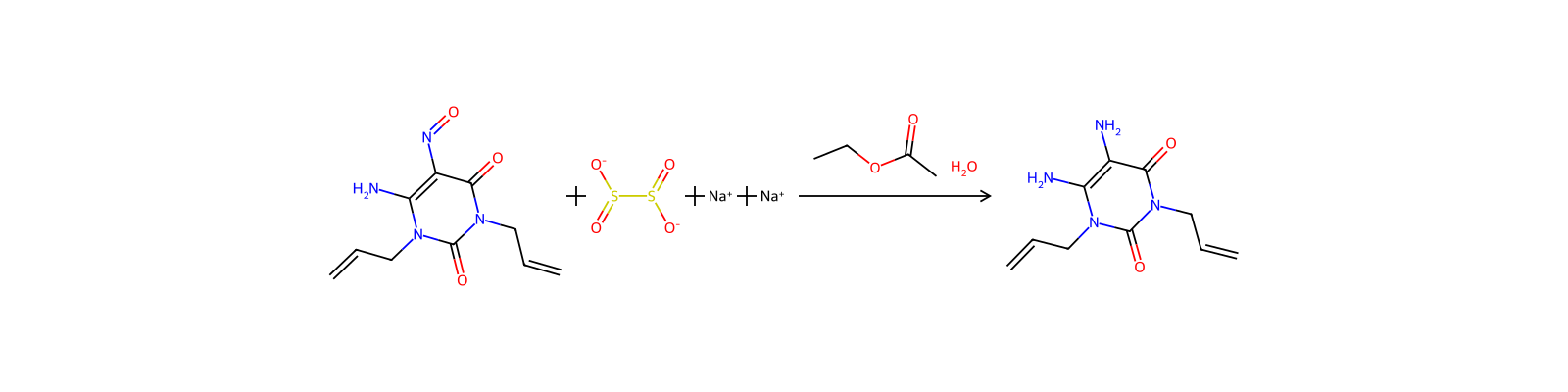
Zugehörige Reaktionen
1.540






Verknüpfte Notizen
Wird geladen…