
Grundinformationen
- Standard-SMILES
ClCl- InChIKey
KZBUYRJDOAKODT-UHFFFAOYSA-N- Summenformel
- Cl2
- Durchschnittliche Molmasse
- 70,9 g/mol
- Monoisotopische Masse
- 69,93770536
Überblick
At room temperature, chlorine is a yellow-green gas that is heavier than air and has a strong irritating odor. It can be converted to a liquid under pressure or cold temperatures. Chlorine is mainly used as bleach in the manufacture of paper and cloth and to make a wide variety of products.
Namen und Bezeichner
- Bevorzugter Name
- Chlorine
- IUPAC
- molecular chlorine
- Englischer Name
- Chlorine
- Summenformel
- Cl2
- Molmasse
- 70.906
Namen und Synonyme
CHLORINEMolecular chlorine7782-50-5dichlorineBertholiteChlorine gasChlorinumChloorChloreChlorCloroChlorine mol.
Weitere Namen anzeigen
Chlorine 35UN 1017DTXSID10202734R7X1O2820CHEBI:29310Gas, ChlorineCl2 GasGas, Cl2
Datenbank-Bezeichner
- CAS
7782-50-5、81859-29-2- PubChem CID
- 24526
- DTXSID
DTXSID1020273- ChEBI
CHEBI:29310- UNII
- 4R7X1O2820
- EC Number
- 231-959-5
Eigenschaften
Berechnete Struktureigenschaften
- XLogP
- 1,6
- Polarare Oberfläche (TPSA)
- 0 Ų
- H-Brücken-Donoren
- 0
- H-Brücken-Akzeptoren
- 0
- Frei drehbare Bindungen
- 0
- Schwere Atome
- 2
- Formalladung
- 0
- Komplexität
- 0
Experimentelle und physikochemische Eigenschaften
Chemical Classes
Hazardous Air Pollutants (HAPs)
Toxic Gases & Vapors -> Oxidizers
-> NIOSH Emergency Response Categories
SpringerMaterials PropertiesGibbs energy
PesticidesPesticide -> EPA IRIS
Odor
Suffocating odor
Pungent, irritating
Odor like concentrated bleach
Irritating, bleach-like choking odor
Food AdditivesANTIMICROBIAL AGENT, FUMIGANT, OXIDIZING OR REDUCING AGENT, PH CONTROL AGENT -> FDA Substance added to food
Density
1.424 at 59 °F (pressurized liquid) (USCG, 1999) - Denser than water; will sink
2.898 g/L
Heat capacity at constant pressure (gas, 25 °C): 8.11 cal/mol °C; critical density: 0.573; oxidizing agent; very reactive; reduction potential (aqueous): 1.356 V; dissociation energy: 57.978 kcal at 25 °C; forms halides with all elements except the rare gases helium, neon, and argon; 1.4085 (liquid) at 20 °C and 6.864 atm; 1.5649 (liquid) at -35 °C and 0.9949 atm
Stable isotope abundance (atom, %): Cl-35, 75.53%; Cl-37, 24.47%; critical volume: 0.001745 cu m/kg; density: 3.213 kg/cu m at 0 °C and 101.3 kPa; latent heat of vaporization, 287.75 J/g ;enthalpy of fusion: 90.33 kJ/kg; electron affinity: 3.77 eV; enthalpy of hydration of chloride ion: 405.7 kJ/mol; ionization energies: 13.01 eV; 23.80 eV; 39.9; 53.3; 67.8; 96.6, 114.2 eV; specific heat at constant pressure: 481 kJ/kg K; specific heat at constant volume: 0.357 kJ/kg K; specific magnetic susceptibility: -7.4X10⁻⁹ cu m/kg at 20 °C; electrical conductivity of liquid at-70 °C: 1X10-16 (Ohm cm)-1; dielectric constant at 0 °C (wavelengths > 10 m): 1.97
Liquid; clear amber; very irritating odor; density: 1.56 at -35 °C, freezing point: -101 °C; 1 L liquid = 456.8 L gas at 0 °C and 1 atm; very low electrical conductivity; soluble in chlorides and alcohols; extremely strong oxidizing agent; slightly soluble in cold water /Liquid/
Saturated vapor density: 0.95960 lb/cu ft at 50 °F
Viscosity0.134 mPa.sec at 20 °C (gas); 0.346 mPa.sec at 20 °C (liquid)
Color/Form
Yellowish-green gas
Greenish-yellow gas ... [Note: Shipped as a liquefied compressed gas]
Solubility
0.7 % (NIOSH, 2024)
1.46 g/100 cc water at 0 °C; 310 cc/100 cc water at 10 °C; 177 cc/100 cc water at 30 °C; 0.57 g/100 cc water at 30 °C
Solubility in water at 25 °C with formation of aqueous Cl2 (0.062 M), HOCl (0.030 M), chloride ion (0.030 M); total solubility: 0.092 M; more soluble in alkalies
In water, 6,300 mg/L at 25 °C
Solubility in water, g/100ml at 20 °C: 0.7
0.7%
Corrosivity
Chlorine will attack some forms of plastics, rubber, and coatings
Highly corrosive to all metals in the presence of any humidity factor
Boiling Point
-30.3 °F at 760 mmHg (EPA, 1998)
-34.04 °C
-34 °C
-29 °F
-34.04 °C @760 [mm Hg]
-29 °F
DecompositionHazardous decomposition products formed under fire conditions - Nature of decomposition products not known.
Physikochemische Eigenschaften
- Schmelzpunkt
- -105.5 °C · -105.5 °C
- Siedepunkt
- -34.04 °C · -34.04 °C
- Dichte
- 1.4 g/cm3 · 1.4 g/cm3(Temp: 20 °C Press: 5210 Torr)
Sicherheit und Regulatorisches
GHS-Klassifizierung
GHS Classification
Danger
H270: May cause or intensify fire; oxidizer [Danger Oxidizing gases]
P220, P244, P261, P264, P264+P265, P271, P273, P280, P302+P352, P304+P340, P305+P351+P338, P316, P319, P321, P332+P317, P337+P317, P362+P364, P370+P376, P391, P403, P403+P233, P405, and P501 (click each P-code to see the statement)
Danger
H270 (70.4%): May cause or intensify fire; oxidizer [Danger Oxidizing gases]
P220, P244, P260, P261, P264, P264+P265, P271, P273, P280, P284, P302+P352, P304+P340, P305+P351+P338, P316, P319, P320, P321, P332+P317, P337+P317, P362+P364, P370+P376, P391, P403, P403+P233, P405, P410+P403, and P501 (click each P-code to see the statement)
Gefahrenhinweise
Hazards IdentificationToxic/poison by inhalation (TIH/PIH)
Regulatory Information
Chemical: Chlorine
Hazard Traits - Ocular Toxicity; Respiratory Toxicity
Regulation (EC) No 178/2002 (amended)
Chlorine is listed on the EPA's Chemical Data Reporting (CDR) system. Manufacturers and importers of Chlorine are required to report information about their production and use of this chemical to the EPA under the Toxic Substances Control Act (TSCA). (40 eCFR Part 711)
Status: Active Update: 21-04-2023 https://echa.europa.eu/registration-dossier/-/registered-dossier/16137
Chlorine: HSNO Approval: HSR001058 Approved with controls
Other Safety Information
IMAP assessments - Chlorine: Human health tier II assessment
- Indoor Air: Chlorine can be released into indoor air as a gas.
DOT LabelPoison Gas Oxidizer Corrosive
Fire Hazards
May ignite other combustible materials (wood, paper, oil, etc.). Mixture with fuels may cause explosion. Container may explode in heat of fire. Vapor explosion and poison hazard indoors, outdoors or in sewers. Hydrogen and chlorine mixtures (5-95%) are exploded by almost any form of energy (heat, sunlight, sparks, etc.). May combine with water or steam to produce toxic and corrosive fumes of hydrochloric acid. Emits highly toxic fumes when heated. Avoid plastics and rubber. Avoid heat and contact with hydrogen gas or powdered metals. (EPA, 1998)
· Substance does not burn but will support combustion.
Not combustible but enhances combustion of other substances. Many reactions may cause fire or explosion. Risk of fire and explosion. See Chemical Dangers.
Fire Potential
Most combustibles will burn in chlorine, forming irritating and toxic gases. Cylinders may vent rapidly or explode when heated. Flame impingement upon steel chlorine container will result in iron/chlorine fire causing rupture of the container.
Health Hazards
Poisonous; may be fatal if inhaled. Contact may cause burns to skin and eyes. Bronchitis or chronic lung conditions. (EPA, 1998)
· TOXIC and/or CORROSIVE; may be fatal if inhaled or absorbed through skin.
Hazards Summary
At room temperature, chlorine is a yellow-green gas that is heavier than air and has a strong irritating odor. It can be converted to a liquid under pressure or cold temperatures. Chlorine is mainly used as bleach in the manufacture of paper and cloth and to make a wide variety of products.
Chlorine is a commonly used household cleaner and disinfectant. Chlorine is a potent irritant to the eyes, the upper respiratory tract, and lungs. Chronic (long-term) exposure to chlorine gas in workers has resulted in respiratory effects, including eye and throat irritation and airflow obstruction. No information is available on the carcinogenic effects of chlorine in humans from inhalation exposure. A National Toxicology Program (NTP) study showed no evidence of carcinogenic activity in male rats or male and female mice, and equivocal evidence in female rats, from ingestion of chlorinated water. EPA has not classified chlorine for potential carcinogenicity.
The TLV-STEL is based on D'Alessandro et al. (1996) findings of significant pulmonary function changes in 10 human volunteers, 5 with airway hyper-reactivity (AHR) and 5 without AHR after 60-minute exposures to 1 ppm Cl2. Lung function changes did not persist when measured after 24 hours. [ACGIH] Liquid causes first degree burns on short exposure; [CHRIS] Listed as one of major irritant airborne toxicants; [LaDou, p. 563] Possible frostbite from contact with liquid; [NIOSH] When spilled in water Chlorine dioxide, hydrate, frozen can release large amounts of Chlorine. [ERG 2016] A lachrymator; [CHEMINFO] Causes lachrymation; [ICSC] Chlorine is fibrogenic to the lungs in the context of an acute inhalation exposure complicated by bronchiolitis obliterans.
DOT ID and Guide
1017 124
1017 124
Reactive GroupOxidizing Agents, Strong
EC ClassificationSymbol: T, N; R: 23-36/37/38-50; S: (1/2)-9-45-61
UN ClassificationUN Hazard Class: 2.3; UN Subsidiary Risks: 5.1 and 8
Sicherheit und Schutzausrüstung
Fire Fighting
Evacuate area endangered by gas. Stay upwind; keep out of low areas. Wear positive pressure breathing apparatus and full protective clothing. Move container from fire area if you can do so without risk. Spray cooling water on containers that are exposed to flames until well after fire is out. If it is necessary to stop the flow of gas, use water spray to direct escaping gas away from those effecting shut-off.
In case of fire in the surroundings, use appropriate extinguishing media. In case of fire: keep cylinder cool by spraying with water. NO direct contact with water.
- Chlorine is not combustible, but it enhances the combustion of other substances.
First Aid Measures
Fresh air, rest. Half-upright position. Refer immediately for medical attention. Artificial respiration may be needed.
First rinse with plenty of water for at least 15 minutes, then remove contaminated clothes and rinse again. Refer immediately for medical attention.
Rinse with plenty of water for several minutes (remove contact lenses if easily possible). Refer immediately for medical attention.
Accidental Release Measures
· CALL 911. Then call emergency response telephone number on shipping paper. If shipping paper not available or no answer, refer to appropriate telephone number listed on the inside back cover.
· Do not touch or walk through spilled material.
First Aid
Warning: Effects may be delayed. Caution is advised. Chlorine is corrosive and may be converted to hydrochloric acid in the lungs.
General First Aid:
(General first aid procedures)
Safe StorageFireproof if in building. Provision to contain effluent from fire extinguishing. Separated from food and feedstuffs. See Chemical Dangers. Cool. Dry. Keep in a well-ventilated room. Store in an area without drain or sewer access.
Firefighting HazardsMay combine with water or steam to produce toxic and corrosive fumes of hydrochloric acid.
Exposure Control and Personal Protection
· Wear positive pressure self-contained breathing apparatus (SCBA).
TIH (Toxic Inhalation Hazard) - Term used to describe gases and volatile liquids that are toxic when inhaled. Some are TIH materials themselves, e.g., chlorine, and some release TIH gases when spilled in water, e.g., chlorosilanes. [ERG 2016].
9.0 [ppm]
0.5 [ppm]
Fire Fighting Procedures
Suitable extinguishing media: Use water spray, alcohol-resistant foam, dry chemical, or carbon dioxide.
Advice for firefighters: Wear self-contained breathing apparatus for firefighting if necessary.
Use water spray to cool unopened containers.
Use water spray to keep fire exposed containers cool. Extinguish fire using agent suitable for surrounding fire.
Respiratory protection for chlorine ... /during/ fire fighting: self contained breathing apparatus with a full facepiece operated in pressure demand or other positive pressure mode.
Storage Conditions
Keep container tightly closed in a dry and well-ventilated place. Contents under pressure. Storage class (TRGS 510): Gases.
Store in a cool, dry, well-ventilated location. Separate from combustible, organic, or easily oxidizable materials. Isolate from acetylene, ammonia, hydrogen, hydrocarbons, ether, turpentine, and finely divided metals. Outside or detached storage is preferred.
Permanent storage of chlorine is generally not recommended. However, at chlorine producing plants and barge shipping terminals, chlorine storage is an obvious necessity. Moderate amt may be handled in high strength tanks as a liquefied gas under pressure. The max amt that is considered safe under these conditions is about 450 tons. For larger quantities, low temp storage at atmosphere pressure is preferred in the interest of safety as well as economy. Chlorine gas evaporating from the low temp storage tank is reliquefied by a small refrigeration unit and recycled to storage. A standby absorber unit, usually a caustic soda soln tank, is also available to absorb evaporated chlorine in case of refrigeration unit failure. In small quantities, chlorine is stored and transported as a liquefied gas under pressure in 45.4, 68, and 909 kg steel cylinders equipped with fusible plug relief devices.
Cleanup Methods
ACCIDENTAL RELEASE MEASURES: Personal precautions, protective equipment and emergency procedures: Wear respiratory protection. Avoid breathing vapors, mist or gas. Ensure adequate ventilation. Evacuate personnel to safe areas. Environmental precautions: Prevent further leakage or spillage if safe to do so. Do not let product enter drains. Discharge into the environment must be avoided. Methods and materials for containment and cleaning up: Contain spillage, and then collect with an electrically protected vacuum cleaner or by wet-brushing and place in container for disposal according to local regulations.
Neutralizing agents: calcium carbonate, hydroxide, or oxide, adventitious crustacean shells, sodium hydroxide or carbonate, limestone, or dolomite. Reducing agents: calcium sulfite hemihydrate, lignite filtrate, or cellulose sulfite liquor from wood pulping. Sorbents: activated carbon, polyurethane, polyolefin and Dowex 1. Sodium thiosulfate should be used for dechlorination.
Construct barriers to contain spill or divert to impermeable surfaces. Immobilize spill with recommended materials. Remove material with dredges, pumps or vacuum equipment. Absorb small amounts of spill with sawdust, sand, or synthetic sorbents, shovel into containers with covers.
Water treatment: ... A pilot plant water treatment system composed of sand and diatomaceous earth filtration ozonation and activated carbon filtration was evaluated. Activated carbon filtration did not completely eliminate chlorine under any conditions tested; the post-activated carbon filtration chlorine concentrations were relatively insensitive to large variations in incoming chlorine levels and water flow rates. Activated carbon filtration also reduced the total dissolved organic carbon concentrations by 65% and reduced various halogenated methane derivatives by 97-100%. Ultra violet irradiation eliminated up to 99% of the total chlorine in municipal water; Ultra violet dechlorination was sensitive to flow rate. ... Water temperatures ranging from 7.5-20.6 °C did not affect the efficiency of dechlorination by activated carbon filtration or ultra violet irradiation. sodium sulfite at a 3:1 molar ratio to chlorine completely eliminated chlorine from municipal water while a sulfur trioxide:chlorine ratio of 6:1 was required to completely dechlorinate water which had been partially dechlorinated by activated carbon filtration. ...
Nonfire Spill ResponseExcerpt from ERG Guide 124 [Gases - Toxic and/or Corrosive - Oxidizing]:
Disposal Methods
SRP: Recycle any unused portion of the material for its approved use or return it to the manufacturer or supplier. Ultimate disposal of the chemical must consider: the material's impact on air quality; potential migration in air, soil or water; effects on animal, aquatic and plant life; and conformance with environmental and public health regulations. If it is possible or reasonable use an alternative chemical product with less inherent propensity for occupational harm/injury/toxicity or environmental contamination.
SRP: Wastewater from contaminant suppression, cleaning of protective clothing/equipment, or contaminated sites should be contained and evaluated for subject chemical or decomposition product concentrations. Concentrations shall be lower than applicable environmental discharge or disposal criteria. Alternatively, pretreatment and/or discharge to a permitted wastewater treatment facility is acceptable only after review by the governing authority and assurance that "pass through" violations will not occur. Due consideration shall be given to remediation worker exposure (inhalation, dermal and ingestion) as well as fate during treatment, transfer and disposal. If it is not practicable to manage the chemical in this fashion, it must be evaluated in accordance with EPA 40 CFR Part 261, specifically Subpart B, in order to determine the appropriate local, state and federal requirements for disposal.
Product: Contact a licensed professional waste disposal service to dispose of this material. Burn in a chemical incinerator equipped with an afterburner and scrubber but exert extra care in igniting as this material is highly flammable. Offer surplus and non-recyclable solutions to a licensed disposal company; Contaminated packaging: Dispose of as unused product.
Do not discharge effluent containing this product into lakes, streams, ponds, estuaries, oceans or other waters unless in accordance with the requirements of a National Pollutant Discharge Elimination System (NPDES) permit and the permitting authority has been notified in writing prior to discharge.
/Dispose the contents of a/ leaking cylinder to a safe out-of-doors area or a hood with forced ventilation. Attach an appropriate control valve provided with a trap or check valve and a long piece of flexible hose connected to the valve outlet. Discharge the gas at a moderate rate into an adequate amount of about 15% aqueous sodium hydroxide or other alkali in a suitable container. When all the gas has been discharged, close the cylinder valve, and transport the resulting salt solution to the plant treating unit for neutralization and disposal. The cylinder should be tagged as defective and returned to the supplier according to /their/ directions.
Toxikologische Informationen
Toxicological InformationCDC-ATSDR Toxicological Profile
Treatment
In case of inhalation, move patient to fresh air. Monitor for respiratory distress. If cough or difficulty breathing develops, evaluate for respiratory tract irritation, bronchitis, or pneumonitis. Administer oxygen and assist ventilation as required. Treat bronchospasm with an inhaled beta2 agonist and oral or parenteral corticosteroids. Examine mucous membranes, eyes and skin to be certain that corrosive effects have not occurred. In case of acute lung injury, maintain ventilation and oxygenation and evaluate with frequent arterial blood gas or pulse oximetry monitoring. In case of eye exposure, irrigate exposed eyes with copious amounts of room temperature water for at least 15 minutes. In case of dermal exposure, remove contaminated clothing and wash exposed area thoroughly with soap and water.
Interactions
Hypochlorite containing disinfectants or bleaching fluids, if inhaled, may lead to life threatening poisoning through the immediate liberation of chlorine gas, if they are used together with another cleansing fluid which is very acidic. /Hypochlorites/
An additive effect due to smoking in workers exposed to chlorine was observed by comparing maximal mid-expiratory flow values in smokers and non-smokers. A significant decr of mid-expiratory flow was established in exposed smokers in comparison with non-smokers, and in both groups in comparison with workers without chlorine exposure.
Chlorine-nickel temperature interactions were studied in rainbow trout (Salmo gairdneri). Mortality in chlorine-nickel test groups was significantly greater than predicted by an additive interaction. Chlorine-nickel treatment groups with high chlorine concentrations regardless of the level of nickel showed greater percentage mortality than treatment groups with either nickel or chlorine alone. When chlorine and nickel were combined, the chlorine concentration was the key factor in determining mortality, even at sublethal levels of chlorine, for the concentrations tested. Temperature did not influence toxicity as strongly as either chlorine or nickel concentrations. The presence of 0.018 ppm total residual chlorine significantly increased nickel accumulation in tissues from fish exposed to chlorine and nickel, when compared with tissue samples from fish under similar exposure conditions in the absence of chlorine. The increased nickel concentration may be attributed to an increase in the permeability of the gill to nickel during chlorine exposures.
Chlorine (Cl(2))-induced lung injury is a serious public health threat that may result from industrial and household accidents. Post-Cl(2) administration of aerosolized ascorbate in rodents decreased lung injury and mortality. However, the extent to which aerosolized ascorbate augments depleted ascorbate stores in distal lung compartments has not been assessed. We exposed rats to Cl(2) (300 ppm for 30 min) and returned them to room air. Within 15-30 min postexposure, rats breathed aerosolized ascorbate and desferal or vehicle (mean particle size 3.3 um) through a nose-only exposure system for 60 min and were euthanized. We measured the concentrations of reduced ascorbate in the bronchoalveolar lavage (BAL), plasma, and lung tissues with high-pressure liquid chromatography, protein plasma concentration in the BAL, and the volume of the epithelia lining fluid (ELF). Cl(2)-exposed rats that breathed aerosolized vehicle had lower values of ascorbate in their BAL, ELF, and lung tissues compared to air-breathing rats. Delivery of aerosolized ascorbate increased reduced ascorbate in BAL, ELF, lung tissues, and plasma of both Cl(2) and air-exposed rats without causing lung injury. Based on mean diameter of aerosolized particles and airway sizes we calculated that approximately 5% and 1% of inhaled ascorbate was deposited in distal lung regions of air and Cl(2)-exposed rats, respectively. Significantly higher ascorbate levels were present in the BAL of Cl(2)-exposed rats when aerosol delivery was initiated 1 hr post-Cl(2). Aerosol administration is an effective, safe, and noninvasive method for the delivery of low molecular weight antioxidants to the lungs of Cl(2)-exposed individuals for the purpose of decreasing morbidity and mortality. Delivery is most effective when initiated 1 hr postexposure when the effects of Cl(2) on minute ventilation subside.
Target Organs
Dermal (Skin), Gastrointestinal (Stomach and Intestines, part of the digestive system), Respiratory (From the Nose to the Lungs)
Eyes, skin, respiratory system
Health Effects
The principal targets of exposure to chlorine gas are the respiratory airways and the eyes. Exposure to chlorine gas can lead to mild irritation of the nose, eye irritation and headache and throat irritation. Pulmonary edema and hypoxia can follow and further increase capillary permeability. Further complications can lead to pneumonia and even death. The principal targets of exposure to aqueous chlorine are the upper gastrointestinal tract and the skin. Ingestion of chlorine can lead to esophageal and gastric mucosal erosions, perforations at the gastroesophageal junction, and extensive necrosis of adjacent soft tissue. (L245)
Ecotoxicity Values
LC50; Species: Daphnia magna (Water flea); Concentration: 0.097 mg/L for 30 min /Conditions of bioassay not specified in source examined/
LC50; Species: Daphnia magna (Water flea); Concentration: 0.063 mg/L for 60 min /Conditions of bioassay not specified in source examined/
LC50; Species: Gambusia affinis; Concentration: 1.59 mg/L for 30 min /Conditions of bioassay not specified in source examined/
LC50; Species: Gambusia affinis; Concentration: 0.84 mg/L for 60 min /Conditions of bioassay not specified in source examined/
For more Ecotoxicity Values (Complete) data for CHLORINE (26 total), please visit the HSDB record page.
Environmental Fate
TERRESTRIAL FATE: If liquid chlorine is spilled onto soil, it will react with both organic and inorganic mater in the soil; however, much of the chlorine is expected to volatilize immediately(1). Chlorine is expected to dissolve and disproportionate in the water of moist soils to form chloride and hypochlorite(1). Chlorine in a gas cloud is expected to react with soil surfaces that it comes into contact with(1). Chlorine is toxic to microbial communities; therefore, biodegradation is not considered to be a relevant fate process(1).
AQUATIC FATE: Chlorine gas released into water first dissolves and then undergoes a disproportionation within seconds at environmental pH to form hydrochloric and hypochlorous acid(1,2). Under acidic conditions (pH <4.5), the formation of molecular chlorine is possible(2). Volatilization of molecular chlorine from water surfaces is expected to occur rapidly(2,3) based upon a Henry's Law constant of 0.0104 atm-cu m/mole at 25 °C(4). Chlorine is toxic to microbial communities; therefore, biodegradation is not considered to be a relevant fate process(2). The hypochlorous acid formed during the disproportionation of chlorine in natural waters reacts with organic and inorganic materials, ultimately forming chloride, oxidized inorganics, chloramines, trihalomethanes, oxygen, and nitrogen(2). Chlorine is not expected to bioaccumulate or bioconcentrate in plants or animals since it reacts with the moist tissues of living systems(1,5). In water chlorine/hypochlorite undergoes direct photolysis with an estimated half-life of 1-4 hours, depending on the time of the day(5).
ATMOSPHERIC FATE: According to a model of gas/particle partitioning of semivolatile organic compounds in the atmosphere(1), chlorine, which has a vapor pressure of 5850 mm Hg at 25 °C(2), is expected to exist solely as a gas in the ambient atmosphere. Gas-phase chlorine is removed from air primarily by direct photolysis(3-5). At tropospheric wavelengths the gas-phase chlorine molecule (Cl-Cl) undergoes photodissociation, forming two chlorine radicals, which abstract a hydrogen atom from any available organic molecule to form hydrochloric acid(4). A lifetime of 7.3 hours was reported for the photolysis of chlorine, based on a measured rate constant of 2.3X10⁻³/second(4). In the atmosphere chlorine/hypochlorite undergoes photolysis with an estimated half-life of 1-4 hours, depending on the time of the day(6). Chlorine is also expected to react with cloud particulates and rain drops that it comes into contact with in the atmosphere, forming hydrochloric and hypochlorous acids(3). These acids can then be washed out of the atmosphere by precipitation(3).
Food Survey Values
... The chlorine content of unbleached flour was found to be 43-54 mg Cl per 100 g of flour, and that of bleached flour, 131-189 mg Cl per 100 g. ... nearly all the additional chlorine was in water-solubles and gluten. At least 50% of the Cl in the gluten fraction was in the lipid. In the untreated flour, 70% is prime starch and this contained 20-25% of the Cl; treatment with chlorine did not, however, significantly increase the Cl in the prime starch ...
Adverse EffectsDermatotoxin - Skin burns.
Exposure Routes
Serious by all routes of exposure.
inhalation, skin and/or eye contact
Inhalation is the main route of chlorine gas exposure. Contact with the escaping gas may cause frost bite.Compressed liquid can cause frostbite and/or chemical burns to the eyes and skin. Significant skin absorption or ingestion is unlikely. Chlorine is a gas at room temperature, making ingestion an unlikely route of exposure.
Inhalation (L247) ; dermal (L247)
Toxicity Summary
IDENTIFICATION AND USE: Chlorine is a greenish yellow gas, and becomes a clear to amber liquid under pressure and has a pungent suffocating odor. The major uses of chlorine are in the manufacture of chlorinated organic chemicals and inorganic chemicals. It is used as a bleaching agent in the manufacture of pulp and paper; in bleaching textiles, in the manufacture of pesticides, herbicides, refrigerants, propellants, household and commercial bleaches, detergents for automatic dish washers, antifreeze, antiknock compounds, plastics, synthetic rubbers, adhesives, pharmaceuticals, drinking and swimming water purification, sanitation of industrial and sewage wastes and in the degassing of aluminum metal. HUMAN EXPOSURE AND TOXICITY: Chlorine has a suffocating pungent odor and the gas irritates the eyes and causes tears. Exposure to chlorine gas can be from oral, inhalation and dermal and eye routes. Chlorine gas can lead to ocular irritation and burns. Skin exposure can cause irritation, pain, erythema, blister and burns. Liquid chlorine on contact can burn the skin and eyes. Initially the irritation of the eyes, nose and throat, followed by coughing and wheezing, dyspnea, sputum production and chest pain. Larger exposures may lead to hyperchloremic acidosis, anoxia and may lead to cardiac or respiratory arrest. Chemical pneumonitis may follow. The effects of chronic exposure to chlorine among workers at a pulp mill have shown persistent respiratory symptoms. Bronchial obstruction and bronchial hyper-responsiveness were noted. There have also been occasional reports of asthma precipitated by exposure to chlorinated water. In a series of in vitro experiments on a human lymphocyte culture system reported that chlorine concn 2-20 times those normally found in drinking water induced chromatid and chromosome breaks, translocations, dicentric chromosomes, and gaps. ANIMAL STUDIES: Exposure of rats to 3 or 9 ppm chlorine for 6 hr/day, 5 days/week for 6 weeks was associated with decreased body weight, increased hematocrit and white cell count (in females exposed to 9 ppm only), and increases in clinical chemistry measures suggestive of altered renal function. There was gross evidence of an inflammatory reaction in the upper and lower respiratory tract among animals exposed to a 9 ppm concentration of chlorine; animals exposed to 3 ppm exhibited these effects to a lesser degree. Water containing 0, 70, 140, or 275 ppm chlorine was provided to groups of 70 rats or mice of each sex for up to 2 years. Although the marginal increase in leukemia incidence in the mid- and high-dose female rats suggested a possible association with the administration of chlorinated water, the incidence of leukemia was not clearly dose related. There was no indication of reduced latency of leukemia, and the incidence of leukemia in concurrent controls was less than the mean for historical controls; furthermore, there was no supporting evidence of an effect in male rats. Thus, the marginal increase in leukemia incidence in female rats was considered equivocal evidence of carcinogenic activity. There were no neoplasms or nonneoplastic lesions in male rats or in male or female mice that were clearly associated with the consumption of chlorinated water. In vivo induction of micronuclei (MN) was studied in polychromatic erythrocytes (PCEs) derived from bone marrow of chlorinated drinking water (CDW)-treated Wistar rats. The results demonstrated significant increases of micronucleated PCEs in the bone marrow of rats fed with relatively low CDW doses (33.3mL/kg body weight per day). ECOTOXICITY STUDIES: Estuarine water was chlorinated to 10 mg/L, aged 10-35 days and then used as growth medium for three phytoplankton species, Thalassiosira pseudonana, Dunaliella species, Isochrysis galbana. Total residual chlorine compounds were undetectable in the chlorinated water; two species did not grow even after the water had been aged 35 days. A more resistant species grew in chlorinated water aged 23 or 35 days but did not grow in water aged 10 days. All three species grew well in the same water that had not been chlorinated.
Chlorine is a strong oxidizer that hydrolyzes in water forming hydrochloric and hypochlorous acids. In this form, it can penetrate the cell and form N-chloro-derivatives that can damage cellular integrity. Chlorine reacts with water in the epithelial lining of the upper respiratory airways. The mechanism of toxicity of aqueous chlorine or a hypochlorous acid/sodium hypochlorite is basically the same as that for chlorine gas. However, hypochlorous acid is a stronger oxidant than chlorine gas as reflected by its higher redox potential. Damage to the upper gastrointestinal tract, as may occur following ingestion of sodium hypochlorite bleach, is likely the result of oxidation reactions of hypochlorous acid with a range of biological molecules.
Ecotoxicity Excerpts
/AQUATIC SPECIES/ Chlorine (Cl) is a highly toxic, widely used halogen disinfectant that is present in point-source pollution discharges from wastewater treatment plants and industrial facilities. The U.S. Environmental Protection Agency freshwater criteria for Cl are 19 ug total residual Cl (TRC)/L as a maximum 1-hr average concentration and 11 ug TRC/L as a maximum 4-day average; however, toxicological data for unionids were not used in these calculations. To address this void in the data, /the authors/ conducted acute tests with glochidia from several species and 21-day bioassays with three-month-old Epioblasma capsaeformis and three-, six-, and 12-month-old Villosa iris juveniles. The 24-hr LC50 values for glochidia were between 70 and 220 ug TRC/L, which are 2.5 to 37 times higher than those reported in other studies for cladocerans. Significant declines in growth and survivorship were observed in the 21-day test with E. capsaeformis at 20 ug TRC/L. Lowest-observed-adverse-effects concentrations in bioassays with juvenile V. iris were higher (30-60 ug TRC/L) but showed a significant trend of declining toxicity with increased age. Although endpoints were above water quality criteria, the long life spans of unionids and potential implications of chronic exposure to endangered juvenile mussels still warrant concern.
/AQUATIC SPECIES/ ... Two 2 week tests beginning with 16 to 24 hr old Daphnia magna /were conducted/. Flow through tests were conducted with nominal sewage concentrations of 1.2 to 20%; untreated Lake Superior water was the dilution water. The secondary sewage was chlorinated just before entering the diluter systems, and the probable predominant form of total residual chlorine was monochloramine. The total residual chlorine concentrations ranged from control to 114 ug/L in one test and control to 136 ug/L in the second. Daphnids did not survive the 2 week exposure to the three highest chlorinated effluent concentrations (14 to 114 ug/L in the first test and 7 to 136 ug/L in the second). Daphnids that survived to adulthood reproduced successfully. In the first test, therefore, the lowest unacceptable concentration was 4 ug/L resulting in a chronic value 7.483 ug/L for that test. The results of the second test are more difficult to interpret. At the test concentration of 7 ug/L all daphnids died in seven days in both test chambers. At the next lower concentration of 2 ug/L all daphnids died in one test chamber in seven days, but 50% of the daphnids in the duplicate chamber survived and reproduced successfully. Two of the four controls from both tests had survival as low as 70%. /Chlorinated water/
/AQUATIC SPECIES/ The presence of carcinogenic and mutagenic chemicals in the effluent of a wastewater treatment plant was indicated by papilloma development in caged bullhead catfish (Ictalurus melas), hepatic enzyme induction in exposed fish, and Ames test mutagenicity of organic extracts of wastewater. ... Mutagenic and carcinogenic chemicals were not identified in the wastewater, but chlorination was implicated as a factor contributing to the induction of papillomas. The prevalence of papillomas on wild black bullheads exposed to the effluent decreased from 73 to 23% after the amount of residual chlorine in the effluent leaving the chlorine contact chamber was reduced from 1.3-3.1 mg/L to 0.25-1.2 mg/L. /Chlorinated water/
/AQUATIC SPECIES/ Estuarine water was chlorinated to 10 mg/L, aged 10-35 days and then used as growth medium for three phytoplankton species, Thalassiosira pseudonana, Dunaliella species, Isochrysis galbana. Total residual chlorine compounds were undetectable in the chlorinated water; two species did not grow even after the water had been aged 35 days. A more resistant species grew in chlorinated water aged 23 or 35 days but did not grow in water aged 10 days. All three species grew well in the same water that had not been chlorinated. /Chlorinated water/
For more Ecotoxicity Excerpts (Complete) data for CHLORINE (11 total), please visit the HSDB record page.
Regulatorische Informationen
RCRA RequirementsD002; A solid waste containing chlorine may become characterized as a hazardous waste when subjected to testing for corrosivity as stipulated in 40 CFR 261.22, and if so characterized, must be managed as a hazardous waste.
FIFRA Requirements
Chlorine gas is exempted from the requirement of a tolerance when used preharvest or postharvest in solution on all raw agricultural commodities.
Based on the reviews of the generic data for the active ingredient chlorine, the Agency has sufficient information on the health effects of chlorine and on its potential for causing adverse effects in fish and wildlife and the environment. The Agency has determined that chlorine products, labeled and used as specified in this Reregistration Eligibility Decision, will not pose unreasonable risks or adverse effects to humans or the environment if products are labeled and applied according to the requirements specified in Section V. Therefore, the Agency concludes that products containing chlorine for all uses are eligible for reregistration. Those products which contain other active ingredients will be eligible for reregistration only when the other active ingredients are determined to be eligible for reregistration.
As the federal pesticide law FIFRA directs, EPA is conducting a comprehensive review of older pesticides to consider their health and environmental effects and make decisions about their continued use. Under this pesticide reregistration program, EPA examines newer health and safety data for pesticide active ingredients initially registered before November 1, 1984, and determines whether the use of the pesticide does not pose unreasonable risk in accordance to newer safety standards, such as those described in the Food Quality Protection Act of 1996. Pesticides for which EPA had not issued Registration Standards prior to the effective date of FIFRA '88 were divided into three lists based upon their potential for human exposure and other factors, with List B containing pesticides of greater concern than those on List C, and with List C containing pesticides of greater concern than those on List D. Chlorine is found on List D. Case No: 4022; Pesticide type: Antimicrobial; Case Status: RED Approved (09/94) - OPP has made a decision that some/all uses of the pesticide are eligible for reregistration, as reflected in a Reregistration Eligibility Decision (RED) document; Active ingredient (AI): Chlorine; Data Call-in (DCI) Date(s): 09/30/93; AI Status: RED Completed - OPP has completed a Reregistration Eligibility Decision (RED) document for the case/AI.
Atmospheric Standards
Listed as a hazardous air pollutant (HAP) generally known or suspected to cause serious health problems. The Clean Air Act, as amended in 1990, directs EPA to set standards requiring major sources to sharply reduce routine emissions of toxic pollutants. EPA is required to establish and phase in specific performance based standards for all air emission sources that emit one or more of the listed pollutants. Chlorine is included on this list.
CERCLA Reportable Quantities
Persons in charge of vessels or facilities are required to notify the National Response Center (NRC) immediately, when there is a release of this designated hazardous substance, in an amount equal to or greater than its reportable quantity of 10 lb or 4.54 kg. The toll free number of the NRC is (800) 424-8802. The rule for determining when notification is required is stated in 40 CFR 302.4 (section IV. D.3.b).
Releases of CERCLA hazardous substances are subject to the release reporting requirement of CERCLA section 103, codified at 40 CFR part 302, in addition to the requirements of 40 CFR part 355. Chlorine is an extremely hazardous substance (EHS) subject to reporting requirements when stored in amounts in excess of its threshold planning quantity (TPQ) of 100 lbs.
Clean Water Act Requirements
Chlorine is designated as a hazardous substance under section 311(b)(2)(A) of the Federal Water Pollution Control Act and further regulated by the Clean Water Act Amendments of 1977 and 1978. These regulations apply to discharges of this substance. This designation includes any isomers and hydrates, as well as any solutions and mixtures containing this substance.
The ambient water quality criterion for chlorine based on a daily water consumption of 2 L to protect human health is recommended to be 10.0 mg/L.
Freshwater aquatic organisms and their uses should not be affected unacceptably if the 4 day average concn of total residual chlorine does not exceed 11 ug/L more than once every 3 years on the average concn does not exceed 19 ug/L more than once every 3 years on the average.
Saltwater aquatic organisms and their uses should not be affected unacceptably if the 4 day average concn of chlorine produced oxidants does not exceed 7.5 ug/L more than once every 3 years on the average and if the 1 hr average concn does not exceed 13 ug/L more than once every 3 years on the average.
DHS Chemicals of Interest (COI)
Chlorine
1
2500
9.77
500
Toxic chemical that can be released at a facility.
Federal Drinking Water StandardsEPA 4000 ug/L
Federal Drinking Water GuidelinesEPA 4000 ug/L
Sicherheitsdaten
- ridadr
- UN 3520
- hazard_class
- 2.3
Chemie und Industrie
Pharmakologische Informationen
Mechanism of Action
Chlorine persists as an element only at a very low pH (less than 2), and at the higher pH found in living tissue it is rapidly converted into hypochlorous acid. In this form, apparently, it can penetrate the cell and form N-chloroderivatives that damage cellular integrity. ... According to microbial test systems, chlorine can also disrupt cell wall permeability, which possibly explains its ability to cause edema and acute tissue injury. Hypochlorous acid has been shown to react with sulfhydryl groups in cysteine ... and to inhibit various enzymes, including the aldolase enzyme essential for glucose oxidation in Escherichia coli.
Biological Half-LifeNo reports found; [TDR, p. 308]
Metabolism/Metabolites
Chlorine persists as an element only at a very low pH (less than 2), and at the higher pH found in living tissue it is rapidly converted into hypochlorous acid. In this form, it apparently can penetrate the cell and form N-chloro-derivatives that can damage cellular integrity.
Chlorine is a strong oxidizing agent that forms both hypochlorous and hydrochloric acid on contact with moist mucous membranes. The former cmpd decomposes into hypochloric acid and oxygen free radicals (.O2-). Damage results from the disruption of cellular proteins. These agents combine with sulfhydryl groups and disulfur bonds and form stable hydrates of organic chlorine.
Hypochlorous acid reacts with proteins, amino acids, and unsaturated lipids to form chlorinated compounds, whereas the reaction with carbohydrates yields oxidation products. Metabolisation of chlorine results in the production of N-chloramines, tentatively identified as N-chloroalanine, N-chloroglycine, and N-chlorophenylalanine. (L245)
MeSH Pharmacological ClassificationChemicals that are used to cause the disturbance, disease, or death of humans during WARFARE.
Absorption, Distribution and Excretion
Chlorine is eliminated primarily in urine and feces, mainly (81% of ingested label) as the chloride ion.
Chlorine gas is found to accumulate in the leaves of plants; entering via the stomata.
Chlorine, as chlorine gas, chlorite ion, and hypochlorite, is a strong oxidant that readily reacts with organic molecules to produce a variety of chlorinated compounds. This reactivity in biological systems makes it difficult to study the pharmacokinetics of chlorine and to separate the effects of chlorine from those of the chlorine compounds and metabolites.
Verwendung und Herstellung
Uses
Chlorine is a commonly used household cleaner and disinfectant. It is widely used as an oxidizing agent in water treatment and chemical processes. It is also used in the bleaching process of wood pulp in pulp mills.
Used in water purification, paper manufacturing, and the synthesis of chlorinated hydrocarbons; [Levy, p. 409] Also used in shrink-proofing wool; [ACGIH]
Petroleum Production and Refining [Category: Industry]
Intalagio printing [Category: Hobbies]
For chlorine (USEPA/OPP Pesticide Code: 020501) ACTIVE products with label matches. /SRP: Registered for use in the U.S. but approved pesticide uses may change periodically and so federal, state and local authorities must be consulted for currently approved uses./
Because of its high toxicity and occurrence of poisoning incidents, the Agency is requiring restricted use status for the non-residential swimming pool use, the industrial food use settings, cooling water towers, and for pulp and paper mill process water systems. Under the provisions of restricted use, only certified applicators or other persons under direct supervision of a certified applicator (40 CFR 171.6) would be able to apply chlorine gas and only for these uses covered by the Certified Applicators certification.
Impurities
Commonly tested for nonvolatile residue, iron and water content
Produced on a large scale by electrolysis from fused chlorides. The industrial product is about 99.3% pure. Contaminants are traces of bromide, hexachloroethane, hexachlorobenzene, and water.
U.S. Exports
(1984) 3.95X10+10 g
(1987) 8,347,367 lb
U.S. Imports
(1984) 2.51x10+11 g
(1986) 658,450,736 lb
U.S. Production
2023: 15,000,000,000 - <20,000,000,000 lb
(1985) 9.50X10+12 g
(1986) 10,436,434 tons
(1987) 10,979,930 tons
(1988) 5,566,804 tons
For more U.S. Production (Complete) data for CHLORINE (14 total), please visit the HSDB record page.
Consumption Patterns
36% USED AS AN INTERMED FOR CHLORINATED ORG CMPD EXCEPT VINYL CHLORIDE AND EPICHLOROHYDRIN; 20% FOR VINYL CHLORIDE; 10% AS AN INTERMED FOR INORG CHEM; 4% FOR EPICHLOROHYDRIN; 20% IN MANUFACTURE OF PULP AND PAPER; 5% IN WATER AND WASTE TREATMENT; AND 5% IN MISC APPLICATIONS (1974)
Ethylene dichloride/vinyl chloride monomer, 21%; Pulp and paper, 17%; Inorganic chemicals, 15%; Chloroethanes, 10%; Chloromethanes, 8%; Other organic chemicals (including propylene oxide), 18%; Water treatment, 5%; Miscellaneous, 6% (1986)
CHEMICAL PROFILE: Chlorine. Ethylene dichloride/vinyl chloride monomer, 28%; pulp and paper, 18%; inorganic chemicals, 8%; chloromethanes, 7%; chloroethanes, 6%; other organic chemicals (including propylene oxide), 20%; water treatment, 6%; miscellaneous, 7%.
CHEMICAL PROFILE: Chlorine. Demand: 1988: 11.6 million tons (31,780 tons per day); 1989: 11.7 million tons (32,050 tons per day); 1993 /projected/: 12 million tons (32,880 tons per day). (Includes exports, which totaled 128 million lb last year, but not imports, which amounted to 619 million lb last year.)
For more Consumption Patterns (Complete) data for CHLORINE (7 total), please visit the HSDB record page.
Consumer UsesBleaching agent
Industry UsesProcessing aids not otherwise specified
Methods of Manufacturing
In the chlor-alkali electrolysis process, an aqueous solution of sodium chloride is decomposed electrolytically by direct current, producing chlorine, hydrogen, and sodium hydroxide solution. The overall reaction of the process takes place in two parts, at the anode and at the cathode. The evolution of chlorine takes place at the anode. There are three basic processes for the electrolytic production of chlorine, the nature of the cathode reaction depending on the specific process. These three processes are (1) the diaphragm cell process (Griesheim cell, 1885), (2) the mercury cell process (Castner-Kellner cell, 1892), and (3) the membrane cell process (1970). Each process represents a different method keeping the chlorine produced at the anode separate from the caustic soda and hydrogen produced, directly or indirectly, at the cathode.
Commercial sources: seawater, ocean derived mineral deposits, brines from lakes, wells and springs. Industrial preparation from brine in electrolytic cells.
(1) Electrolysis of sodium chloride brine in either diaphragm or mercury-cathode cells; chlorine is released at the anode. (2) Fused-salt electrolysis of sodium or magnesium chloride. (3) Electrolysis of hydrochloric acid. (4) Oxidation of hydrogen chloride with nitrogen oxide as catalyst and absorption of steam with sulfuric acid ("KeloChlor" process). No by-product caustic produced.
Chlorine (and co-product caustic soda) is made by the electrolysis of brines using mercury, membrane, or diaphragm cells. Traditionally, electrolysis has been carried out by the mercury amalgam or diaphragm cell processes, but the ion exchange membrane cell is taking a growing share on environmental and economic grounds. In Europe, mercury and membrane cell routes dominate, but producers have pledged to phase out the older mercury route by 2020. Mercury cells are cheaper to operate than diaphragm cells when electricity costs are low, but mercury must be removed from the effluent. Diaphragm cells need plenty of thermal energy to concentrate the caustic solutions, but can be cheaper than mercury when steam costs are low. Membranes can handle varying current densities and maximize production at cheap electricity prices.
Formulations/Preparations
Chlorine is formulated as a pressurized gas and distributed in large stationary containers such as tank cars or trucks and 150-pound to 1-ton cylinders.
Grades: Technical (gas and liquid), pure (99.9%)
Waterworks grade, liquefied
Semiconductor, high-purity (99.5%, liquid phase) grades; liquefied gas grade; research (min purity 99.99%), high purity (99.5%) grades
For more Formulations/Preparations (Complete) data for CHLORINE (35 total), please visit the HSDB record page.
Household ProductsInformation on 2 consumer products that contain Chlorine in the following categories is provided:
Use Classification
Chemical Classes -> Inorganic substances, Metals/Elements (the simplest forms of matter)
Food Additives -> BLEACHING_AGENT; FLOUR_TREATMENT_AGENT -> JECFA Functional Classes
Zugehörige Reaktionen
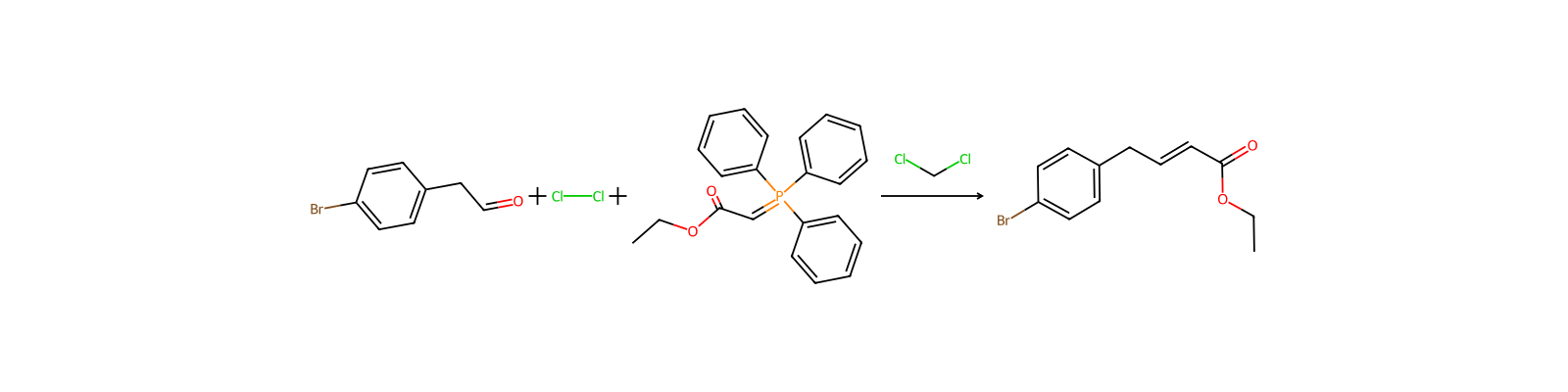
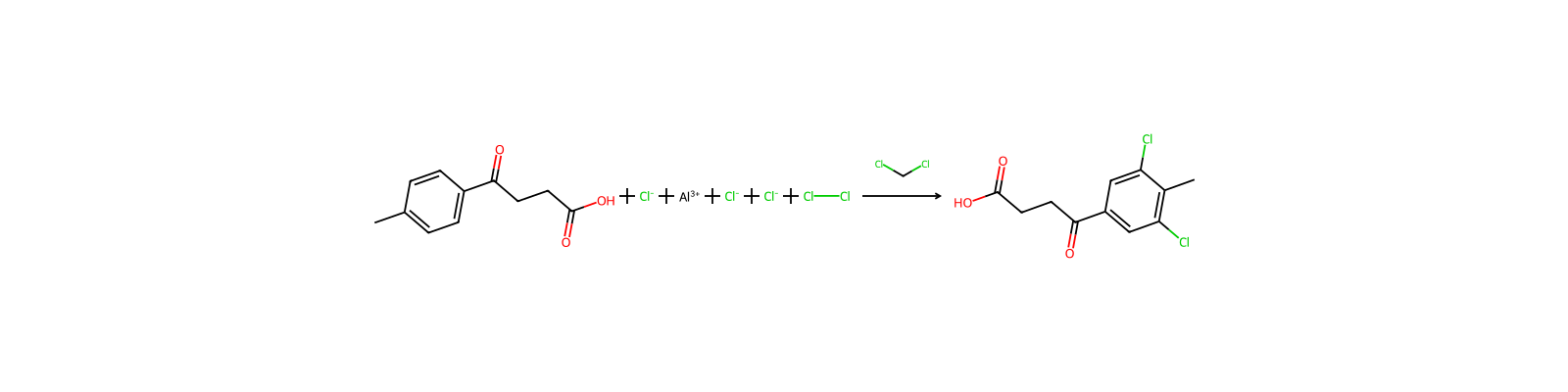
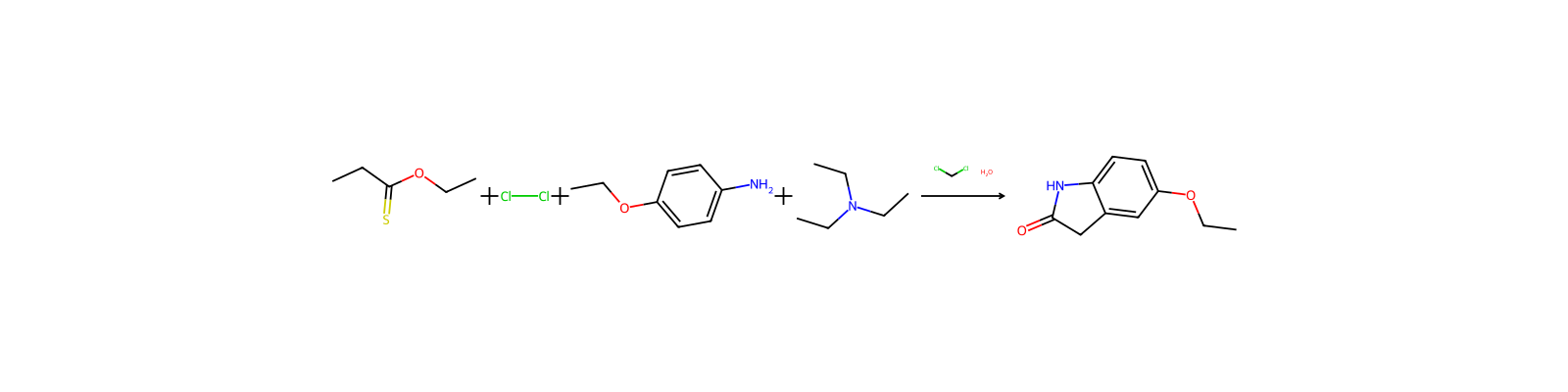
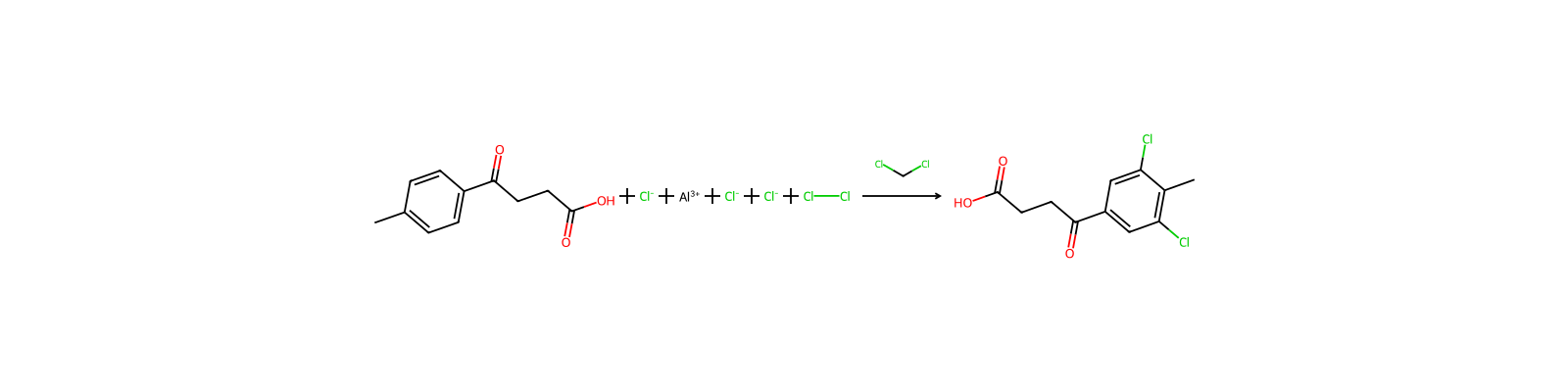
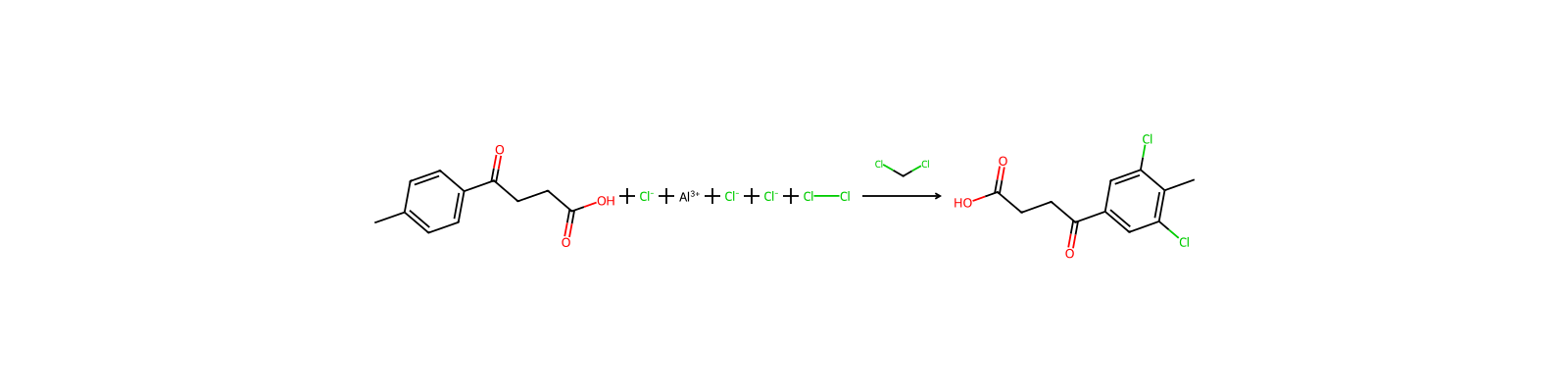
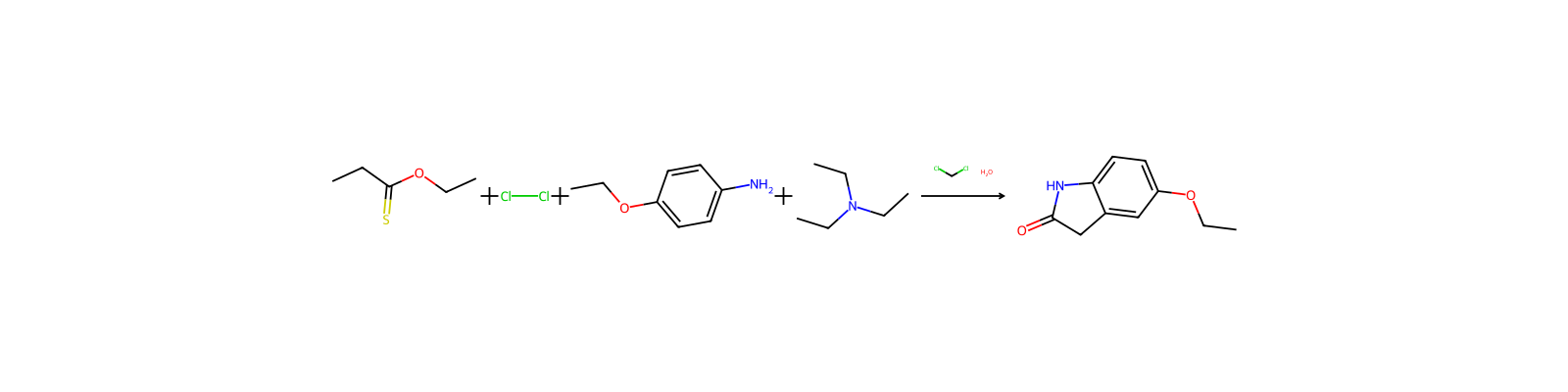
1.664

Verknüpfte Notizen
Wird geladen…