
Cadmiumchlorid
Cadmium chloride, dihydrate

Grundinformationen
- CAS
10108-64-2- Standard-SMILES
[Cd+2].[Cl-].[Cl-]- InChIKey
YKYOUMDCQGMQQO-UHFFFAOYSA-L- Summenformel
- CdCl2
- Durchschnittliche Molmasse
- 183,32 g/mol
- Monoisotopische Masse
- 183,84106386
Überblick
See also: Cadmium Chloride (preferred).
Namen und Bezeichner
- Bevorzugter Name
- Cadmium chloride, dihydrate
- IUPAC
- cadmium(2+) dichloride
- Lokaler Name
- Cadmiumchlorid
- Englischer Name
- Cadmium chloride
- Summenformel
- CdCl2
- Molmasse
- 183.32
Namen und Synonyme
CADMIUM CHLORIDE, DIHYDRATEcadmium(2+);dichlorideCAS-10108-64-273664-99-0109-Cadmium chlorideCadmium chloride (CdCl)(109Cd)Cadmium chloridecadmium(II)chlorideSCHEMBL19856CADMIUM CHLORIDE [MI]CADMIUM CHLORIDE [HSDB]CADMIUM MURIATICUM [HPUS]
Weitere Namen anzeigen
CdCl2Cadmium chloride (CdCl2)cadmium chloride solutionCaddyVi-CadNSC 51148KadmiumchloridDichlorocadmiumCADMIUM CHLORIDECadmium dichloride
CADMIUM CHLORIDE [WHO-DD]Tox21_202229Tox21_303000AKOS024256118NCGC00090932-01NCGC00256542-01NCGC00259778-0113966-86-4
Datenbank-Bezeichner
- CAS
10108-64-2、13966-86-4、72589-96-9、73664-99-0- PubChem CID
- 24633
- DTXSID
DTXSID6020226- UNII
- J6K4F9V3BA
- Nikkaji
- J3.116J
Eigenschaften
Berechnete Struktureigenschaften
- Polarare Oberfläche (TPSA)
- 0 Ų
- H-Brücken-Donoren
- 0
- H-Brücken-Akzeptoren
- 2
- Frei drehbare Bindungen
- 0
- Schwere Atome
- 3
- Formalladung
- 0
- Komplexität
- 0
Experimentelle und physikochemische Eigenschaften
Endocrine DisruptorsPotential endocrine disrupting compound
Physikochemische Eigenschaften
- Schmelzpunkt
- 568 °C · 568 °C(lit.)
- Siedepunkt
- 960 °C · 960 °C
- Dichte
- 1.01 g/mL · 1.01 g/mL at 20 °C
- Dampfdichte
- 6.3 · 6.3 (vs air)
- Dampfdruck
- 10 mm · 10 mm Hg ( 656 °C)
- Flammpunkt
- 960 °C · 960°C
- storage temp.
- 2 · 2-8°C
- Löslichkeit
- 2 O: · H2O: soluble
- Aggregatzustand
- beads
- Farbe
- White
- Wichte
- 4.047 · 4.047
- Geruch (Odor)
- Odorless
- Wasserlöslichkeit
- 1400 g/L · 1400 g/L (20 ºC)
- Spezifische Wärmekapazität
- 0.41 J/ · Cp(crystal): 0.41 J/(g·K), at 25℃
Sicherheit und Regulatorisches
Sicherheitsangaben dienen nur zur Orientierung und ersetzen weder das Sicherheitsdatenblatt (SDB) des Lieferanten noch geltende Vorschriften oder eine fachliche Bewertung.
Sicherheitsdaten
- F
- 3-9-23
- wgk
- 3
- tsca
- TSCA listed
- ridadr
- UN 3082 9/PG 3
- hs_code
- 28273985
- RTECS-Nr.
- EV0175000
- risk_code
- 45-46-60-61-25-26-48/23/25-51/53-50/53-48/20/22-23-22
- Toxizität
- LD50 orally in rats: 88 mg/kg (Nriagu)
- hazard_code
- T,N,T+
- safety_code
- 53-45-61-60-36/37-28
- hazard_class
- 6.1
- packing_group
- III
- Speicherklasse
- 6.1A - Combustible acute toxic Cat. 1 and 2very toxic hazardous materials
- Giftige Stoffe Daten
- 10108-64-2(Hazardous Substances Data)
- Hazard Classifications
- Acute Tox. 2 InhalationAcute Tox. 3 OralAquatic Acute 1Aquatic Chronic 1Carc. 1BMuta. 1BRepr. 1BSTOT RE 1
Chemie und Industrie
Anwendungen
BeschreibungCadmium chloride is a colourless and odourless crystal. It is used for the preparation of cadmium sulphide, used as ‘cadmium yellow’, a brilliant-yellow pigment, which is stable to heat and sulphide fumes. Cadmium chloride has a high solubility in water and is a non-combustible solid, but the dust can be a moderate fire hazard when exposed to heat or flame or when reacted with oxidising agents. It is incompatible with bromine trifluoride, potassium oxidisers, zinc, selenium, tellurium, and hydrogen azide.
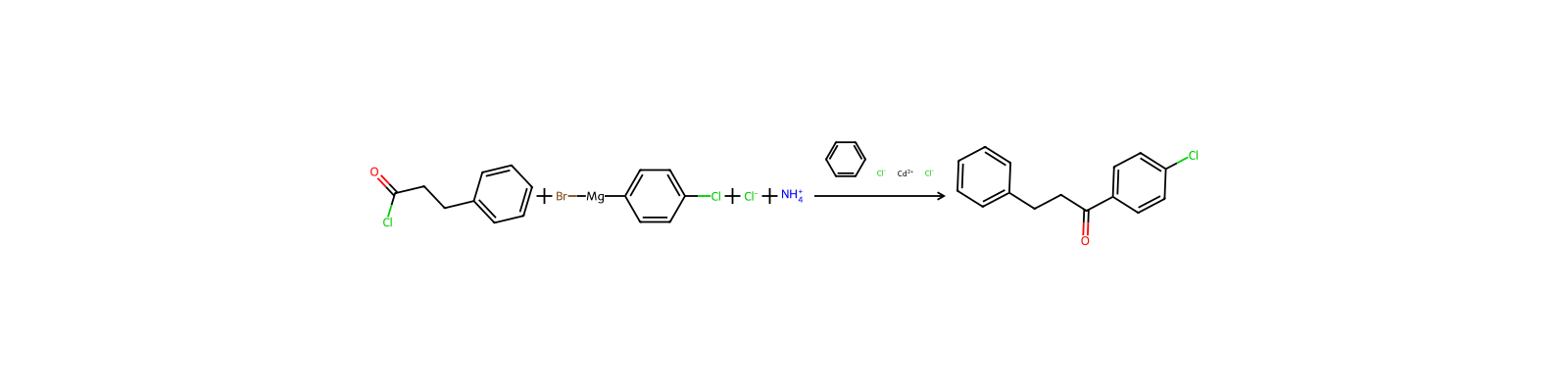
VerwendenCadmium Chloride is used in the preparation of the stable inorganic pigment cadmium sulfide (Cadmium Yellow). Cadmium Chloride treatment of thin film CDTe solar cells is used to produce high-efficienc y solar cells.. Cadmium Chloride is also used in the preparation of organocadmium compounds.
Darstellung
synthetischeCadmium chloride may be prepared by heating the metal with chlorine or hydrogen chloride gas. In the solution, it is formed by treating the metal or its salts, such as oxide, hydroxide, carbonate, or sulfide with hydrochloric acid:Cd + 2HCl → CdCl2 + H2CdO + 2HCl → CdCl2 + H2OCdCO3 + 2HCl → CdCl2+ H2O + CO2The solution is evaporated and crystallized to yield a hydrated salt. The hydrated salt yields anhydrous cadmium chloride upon heating under hydrogen chloride or when refluxed with thionyl chloride.Cadmium chloride also may be prepared by adding dry cadmium acetate to acetyl chloride in glacial acetic acid.
Vor- und nachgelagerte Produkte
Vorgelagerte Rohstoffe
Nachgelagerte Produkte
Zugehörige Reaktionen
28


Notizen zur Verbindung
Wird geladen…