Nitrogen oxide (N2O4)
Daten werden ergänzt – lade die Seite später neu, um den aktuellen Stand zu sehen
Grundinformationen
- CAS
10544-72-6- Standard-SMILES
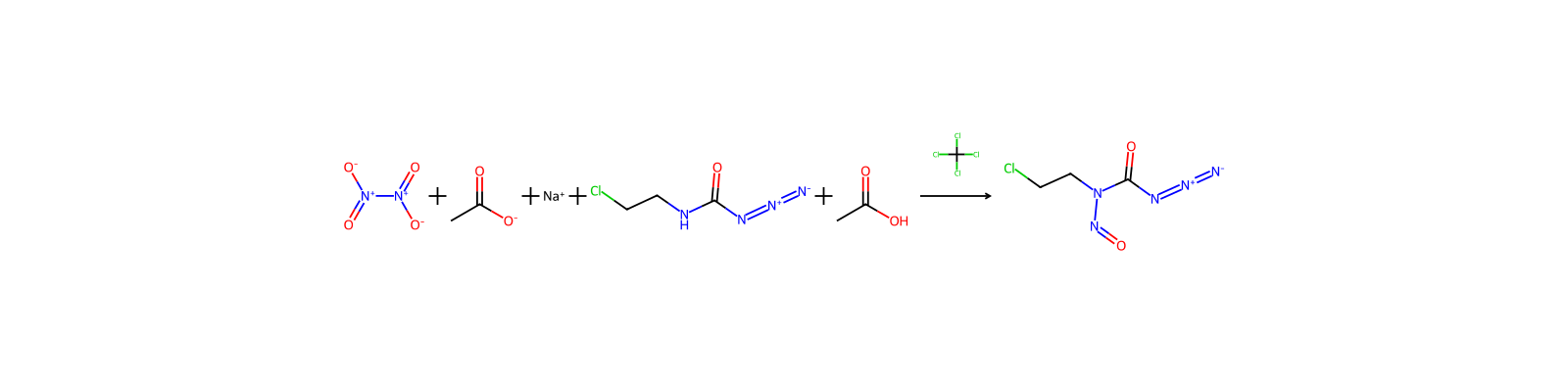
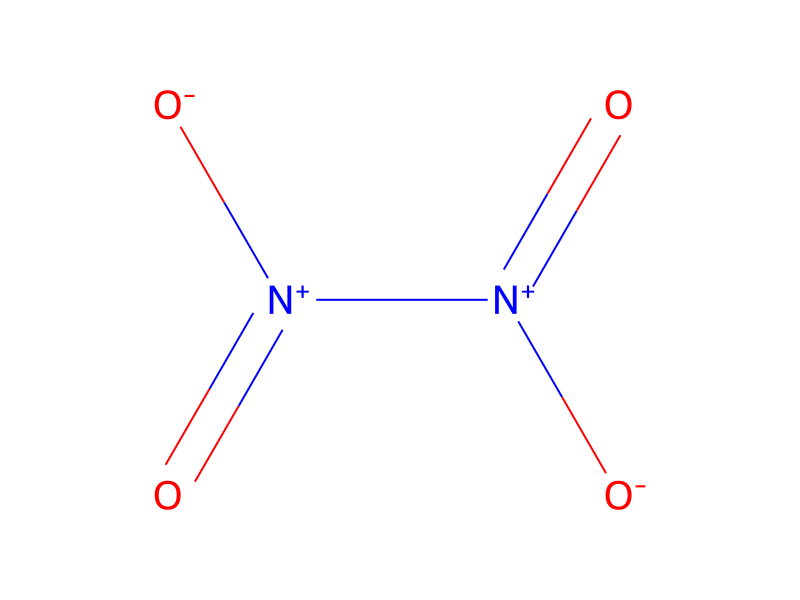
O=[N+]([O-])[N+](=O)[O-]- InChIKey
WFPZPJSADLPSON-UHFFFAOYSA-N- Summenformel
- N2O4
- Durchschnittliche Molmasse
- 92,011 g/mol
- Monoisotopische Masse
- 91,98580649
Überblick
Nitrogen tetroxide appears as red-brown liquid with a sharp, unpleasant chemical odor. Low-boiling (boiling point 21.15 °C) and held as a liquid by compression. Density 1.448 g / cm3. Consists of an equilibrium mixture of brown NO2 (nitrogen dioxide) and colorless N2O4 (dinitrogen tetroxide). Evolves poisonous brown vapors. Cylinders and ton containers may not be equipped with a safety relief device. Prolonged exposure of the containers to fire or heat may result in their violent rupturing and rocketing.
Namen und Bezeichner
- Bevorzugter Name
- Nitrogen oxide (N2O4)
- Englischer Name
- Dinitrogen tetroxide
- Summenformel
- N2O4
- Molmasse
- 92.01
Namen und Synonyme
Dinitrogen tetroxideDinitrogen tetraoxideNITROGEN TETROXIDE10544-72-6Nitrogen oxide (N2O4)Nitrogen tetraoxideNitrogen dioxide, di-DistickstofftetroxidM9APC3P75AO2NNO2CHEBI:29803DTXSID00893116
Weitere Namen anzeigen
(N(NO2)O2)[N(NO2)O2]Peroxyde d'azoteRefChem:166099OXIDES OF NITROGENDTXCID501323062234-126-4Di-nitrogen dioxide
Datenbank-Bezeichner
- CAS
10544-72-6- PubChem CID
- 25352
- DTXSID
DTXSID00893116- ChEBI
CHEBI:29803- UNII
- M9APC3P75A
- EC Number
- 234-126-4
- Nikkaji
- J597.078D
Eigenschaften
Berechnete StruktureigenschaftenWird ergänzt
- XLogP
- 0,4
- Polarare Oberfläche (TPSA)
- 91,6 Ų
- H-Brücken-Donoren
- 0
- H-Brücken-Akzeptoren
- 4
- Frei drehbare Bindungen
- 0
- Schwere Atome
- 6
- Formalladung
- 0
- Komplexität
- 60,5
Experimentelle und physikochemische Eigenschaften
Chemical ClassesToxic Gases & Vapors -> Oxidizers
Density
1.45 at 68 °F (USCG, 1999) - Denser than water; will sink
1.45 g/cu cm at 20 °C
1.493 @ 20°C
Color/Form
Colorless gas
Yellow liquid below 22 °C
Colorless liquid; equilibrium with NO2
Brown liquid under pressure /Nitrogen dioxide/
SolubilityReacts with water
CorrosivityCorrosive liquid
Boiling Point
70.1 °F at 760 mmHg (USCG, 1999)
21.15 °C
21.15 °C @760 [mm Hg]
DecompositionWhen heated to decomposition it emits toxic fumes of /nitroxides/.
Melting Point
11.8 °F (USCG, 1999)
-9.3 °C
-11.2 °C
Vapor Pressure
1551 mmHg (USCG, 1999)
904.0 [mmHg]
9.04X10+2 mm Hg at 25 °C
Surface TensionIn contact with vapor 27.5 dynes/cm at 19.8 °C
Heat of VaporizationMolar enthalpy of vaporization: 38.12 kJ/mol at 21.15 °C
Physical Description
Nitrogen tetroxide appears as red-brown liquid with a sharp, unpleasant chemical odor. Low-boiling (boiling point 21.15 °C) and held as a liquid by compression. Density 1.448 g / cm3. Consists of an equilibrium mixture of brown NO2 (nitrogen dioxide) and colorless N2O4 (dinitrogen tetroxide). Evolves poisonous brown vapors. Cylinders and ton containers may not be equipped with a safety relief device. Prolonged exposure of the containers to fire or heat may result in their violent rupturing and rocketing.
Liquid
Colorless gas; [HSDB] Red-brown liquid with a sharp unpleasant odor (kept liquid by compression); bp = 21.15 deg C; [CAMEO]
Sicherheit und Regulatorisches
Sicherheitsangaben dienen nur zur Orientierung und ersetzen weder das Sicherheitsdatenblatt (SDB) des Lieferanten noch geltende Vorschriften oder eine fachliche Bewertung.
GHS-Klassifizierung
GHS Classification
Danger
H270: May cause or intensify fire; oxidizer [Danger Oxidizing gases]
P220, P244, P260, P264, P271, P280, P284, P301+P330+P331, P302+P361+P354, P304+P340, P305+P354+P338, P316, P320, P321, P363, P370+P376, P403, P403+P233, P405, and P501 (click each P-code to see the statement)
Danger
H270 (100%): May cause or intensify fire; oxidizer [Danger Oxidizing gases]
P220, P244, P260, P261, P264, P264+P265, P271, P280, P284, P301+P330+P331, P302+P361+P354, P304+P340, P305+P354+P338, P316, P317, P319, P320, P321, P363, P370+P376, P403, P403+P233, P405, P410+P403, and P501 (click each P-code to see the statement)
Gefahrenhinweise
Hazards IdentificationToxic/poison by inhalation (TIH/PIH)
Regulatory Information
Chemical: Nitrogen oxide (N2O4)
Nitrogen oxide (N2O4) is listed on the EPA's Chemical Data Reporting (CDR) system. Manufacturers and importers of Nitrogen oxide (N2O4) are required to report information about their production and use of this chemical to the EPA under the Toxic Substances Control Act (TSCA). (40 eCFR Part 711)
REACH registered substance: Dinitrogen tetraoxide (EC: 234-126-4)
Dinitrogen tetroxide (nitrogen dioxide): HSNO Approval: HSR001457 Approved with controls
The New Jersey Worker and Community Right to Know Act requires public and private employers to provide information about hazardous substances at their workplaces. (N.J.S.A. 34:5A-1 et. seq.)
DOT LabelPoison Gas Oxidizer Corrosive
Fire Hazards
Special Hazards of Combustion Products: Produces toxic gas when heated.
· Substance does not burn but will support combustion.
Fire PotentialNon-flammable. Nitrogen tetroxide does not burn but supports the combustion of carbon, phosphorus, and sulfur.
Health Hazards
Very concentrated fumes produce coughing, choking, headache, nausea, pain in chest and abdomen; otherwise, few symtoms appear at time of exposure. After symptom-free period of 5-72 hours, pulmonary edema gradually develops, causing fatigue, restlessness, coughing, difficulty in breathing, frothy expectoration, mental confusion, lethargy, bluish skin, and weak, rapid pulse. Since NOX interferes with gas exchange in lungs, unconscious- ness and death by asphyxiation can result, usually within a few hours after onset of pulmonary edema. (USCG, 1999)
· TOXIC and/or CORROSIVE; may be fatal if inhaled or absorbed through skin.
Hazards Summary
Highly toxic; [Quick CPC] Like other nitrogen oxides, inhalation of NO4 may induce delayed pulmonary edema. Concentrations of 25-50 ppm cause irritation of the eyes and nose while 50-100 ppm can cause pulmonary edema and death. Cases of irritant-induced asthma have been reported. In animal experiments, methemoglobin level of 55% were produced in one hour after application of NO4 to the skin of rats. [HSDB] Liquid is an equal mixture of nitrogen dioxide and nitrogen tetroxide (evolves toxic vapors); A strong oxidizing agent; Reacts with water producing nitric acid and nitric oxide; [CAMEO] Classifications in the EU: Causes burns; Highly toxic by inhalation; Human exposures most commonly associated with silo-fillers disease. Three members of Apollo/Soyuz Test Project crew were exposed to an estimated average concentration of 250 ppm in flight; Each member displayed signs and symptoms of chemical pneumonitis and increased methemoglobin levels; Since N2O4 is in equilibrium with NO2, the toxic properties observed in clinical and toxicological cases have not distinguished between the two. [IUCLID] Causes impaired liver function tests in 30-week intermittent inhalation studies of rabbits; [RTECS] See Nitrogen dioxide.
DOT ID and Guide1067 124
Reactive GroupOxidizing Agents, Strong
Special Reports
European Commission, ESIS; IUCLID Dataset, Dinitrogen tetraoxide (CAS #10544-72-6) (2000 CD-ROM edition) contains information on use, toxicology, and environmental effects of this chemical as supplied to the European Union by industry.[Available from, as of May 11, 2010: http://esis.jrc.ec.europa.eu/]
Reactivity AlertsStrong Oxidizing Agent
Reactivity Profile
Liquid NITROGEN TETROXIDE is an oxidizing agent consisting of an equilibrium mixture of colorless dinitrogen tetraoxide (N2O4) and red-brown nitrogen dioxide (NO2). The exact composition of the mixture depends on the temperature with higher temperature favoring conversion to NO2. Vaporizes readily to give NO2, also an oxidizing agent. Noncombustible but can accelerate the burning of combustible materials. Reacts with reducing agents to generate heat and products that may be gaseous (causing pressurization of closed containers). The products may themselves be capable of further reactions (such as combustion in the air). Reacts with alkalis to form nitrates and nitrites [Merck 11th ed. 1989]. Corrodes steel if wet, but can be stored in steel cylinders if dry [Merck]. Reacts explosively with liquid ammonia even at very low temperatures (below its freezing point) [Mellor, 1940, Vol. 8, 54]. Reacts energetically with boron trichloride [Mellor, 1946, Vol. 5, 132]. Mixtures with metal carbonyls are hypergolic (enflame immediately). Mixtures with halocarbons, hydrazine derivatives, heterocyclic bases (pyridine), isopropyl nitrite/propyl nitrite, active metals (magnesium, calcium, etc.), nitroaromatics, nitrogen trichloride, phosphorus, triethylamine, unsaturated hydrocarbons may react explosively. Accidental mixing with hot cyclohexane caused an explosion [MCA Case History 128. 1962]. A mixture with acetonitrile and indium showed no evidence of change for a time and then detonated when shaken (ascribed to the catalyzed oxidation of acetonitrile) [Chem. & Ind., 1958, 1004]. Mixture with alcohols produced a violent explosion [Chem. Eng. News, 1955, 33, 2372]. Vapor reacts with barium oxide incandescently [Mellor, 1940, Vol. 8, 545]. A slow reaction between the vapor and formaldehyde became explosive near 180 °C [Trans. Faraday Soc. 45:767-770. 1949]. Manganese and potassium both ignite in the vapor [Ann. Chem. et Phys.(2) 2:317]. The vapor and ozone react with the evolution of light and often explode when mixed [J. Chem. Phys. 18:366. 1920].
Sicherheit und Schutzausrüstung
Fire FightingFire Extinguishing Agents: Stop flow of gas (USCG, 1999)
Accidental Release Measures
· CALL 911. Then call emergency response telephone number on shipping paper. If shipping paper not available or no answer, refer to appropriate telephone number listed on the inside back cover.
· Do not touch or walk through spilled material.
First Aid
INHALATION: remove patient to fresh air and have him breathe as deeply as possible; call a doctor; enforce complete rest for 24-48 hours; keep warm; give oxygen if coughing starts; physician may administer morphine (10 mg.)
General First Aid:
Firefighting HazardsNitrogen oxides enhance the activity of an existing fire. /Nitrogen oxides/
Exposure Control and Personal Protection
· Wear positive pressure self-contained breathing apparatus (SCBA).
TIH (Toxic Inhalation Hazard) - Term used to describe gases and volatile liquids that are toxic when inhaled. Some are TIH materials themselves, e.g., chlorine, and some release TIH gases when spilled in water, e.g., chlorosilanes. [ERG 2016].
Fire Fighting Procedures
Extinguish surrounding fire using suitable agent. Use water spray to keep fire-exposed containers cool. Approach fire from upwind to avoid hazardous vapors. /Nitrogen oxides/
Wear special protective clothing and positive pressure self-contained breathing apparatus. /Nitrogen oxides/
Storage Conditions
Store in tightly closed containers in a cool, well ventilated area away from oxidizable materials. Outside or detached storage is preferred. Do not put on wooden floors. /Nitrogen oxides/
Store in a cool, dry, well-ventilated location. Separate from oxidizable materials. Outside or detached storage is preferred. /Nitrogen oxides/
Cleanup Methods
Releases may require isolation or evacuation. Stop or control the leak if this can be done without undue risk. Use water spray to disperse vapors and protect personnel. Approach release from upwind. Runoff of less volatile nitrogen oxides may contain highly corrosive nitric acid. /Nitrogen oxides/
1. Ventilate area of spill or leak to disperse gas. 2. If in the liquid form, allow to vaporize. 3. If in the gaseous form, stop flow of gas. If source of leak is a cylinder and the leak cannot be stopped in place, remove the leaking cylinder to a safe place in the open air, and repair the leak or allow the cylinder to empty.
Nonfire Spill ResponseExcerpt from ERG Guide 124 [Gases - Toxic and/or Corrosive - Oxidizing]:
Disposal Methods
SRP: The most favorable course of action is to use an alternative chemical product with less inherent propensity for occupational harm/injury/toxicity or environmental contamination. Recycle any unused portion of the material for its approved use or return it to the manufacturer or supplier. Ultimate disposal of the chemical must consider: the material's impact on air quality; potential migration in soil or water; effects on animal and plant life; and conformance with environmental and public health regulations.
Nitrogen tetroxide is a poor candidate for incineration.
Preventive Measures
SRP: Wastewater from contaminant suppression, cleaning of protective clothing/equipment, or contaminated sites should be contained and evaluated for subject chemical or decomposition product concentrations. Concentrations shall be lower than applicable environmental discharge or disposal criteria. Alternatively, pretreatment and/or discharge to a permitted wastewater treatment facility is acceptable only after review by the governing authority and assurance that "pass through" violations will not occur. Due consideration shall be given to remediation worker exposure (inhalation, dermal and ingestion) as well as fate during treatment, transfer and disposal. If it is not practicable to manage the chemical in this fashion, it must be evaluated in accordance with EPA 40 CFR Part 261, specifically Subpart B, in order to determine the appropriate local, state and federal requirements for disposal.
SRP: Contaminated protective clothing should be segregated in such a manner so that there is no direct personal contact by personnel who handle, dispose, or clean the clothing. Quality assurance to ascertain the completeness of the cleaning procedures should be implemented before the decontaminated protective clothing is returned for reuse by the workers. Contaminated clothing should not be taken home at end of shift, but should remain at employee's place of work for cleaning.
SRP: The scientific literature for the use of contact lenses in industry is conflicting. The benefit or detrimental effects of wearing contact lenses depend not only upon the substance, but also on factors including the form of the substance, characteristics and duration of the exposure, the uses of other eye protection equipment, and the hygiene of the lenses. However, there may be individual substances whose irritating or corrosive properties are such that the wearing of contact lenses would be harmful to the eye. In those specific cases, contact lenses should not be worn. In any event, the usual eye protection equipment should be worn even when contact lenses are in place.
Isolation and Evacuation
Excerpt from ERG Guide 124 [Gases - Toxic and/or Corrosive - Oxidizing]:
Immediate precautionary measure
Small spill:
Small spill:
Toxikologische Informationen
Treatment
Methemoglobinemia can be treated with supplemental oxygen and methylene blue 1% solution administered intravenously slowly over five minutes followed by IV flush with normal saline. Methylene blue restores the iron in hemoglobin to its normal (reduced) oxygen-carrying state. (L1613)
Interactions
To investigate the protective effect and its mechanisms of N-acetylcysteine (NAC) on acute lung injury (ALI) caused by exposure to high concentration rocket liquid propellants asymmetrical dimethylhydrazine (UDMH) and dinitrogen tetroxide (N(2)O(4)) ... 42 (male Sprague-Dawley) rats were randomly divided into three groups: the control group, the exposure group and the exposure plus the treatment group (NAC group). The rats of the latter two groups were exposed to UDMH 0.98 mg/L for 10 min and then N(2)O(4) 0.19 mg/L for another 10 min. After the exposure, the NAC group rats received immediately 150 mg/kg of NAC intravenously, and reenforced by intraperitoneal injection of NAC with a dose of 50 mg/kg 3 hr after the intravenous injection. The rats of other group were treated with saline in equal volume. All rats were killed after 6 hr. The lung wet to dry ratio (W/D ), the contents of lactate dehydrogenase (LDH) and total protein in bronchoalveolar lavage fluid (BALF), the activities of superoxide dismutase (SOD) and glutathione peroxidase (GSH-Px) in lung tissue, and the malondialdehyde (MDA) of plasma were measured. Pathological examination was performed. RESULTS: The lung W/D ratio, the LDH and total protein in BALF, and the MDA of plasma were increased in the exposure group, while the activities of SOD and GSH-Px in lung tissue were decreased. The histopathology of the rats of exposure groups showed that there was exudation within alveolar spaces and prominent interstitial thickening of septa. In the NAC group, the values of the above findings were lowered, and the degree of lung injury was alleviated in histopathology. The lung W/D were negatively correlated with the activities of SOD and GSH-Px in lung tissue, and the correlation coefficient were -0662 (P < 0.01) and -0707(P < 0.01) respectively. CONCLUSION: The administration of NAC appears to attenuate the injury to the lung after an exposure to UDMH and N(2)O(4) in high concentration, and the antioxidant activity of NAC may be responsible for the protective effect.
Health EffectsNitrate and nitrite poisoning causes methemoglobinemia. Nitrites may cause pregnancy complications and developmental effects. They may also be carcinogenic. (L1137)
Environmental Fate
PHOTOCHEMICAL AIR POLLUTION ARISES FROM A SERIES OF ATMOSPHERIC REACTIONS. THE MAIN COMPONENTS ARE OZONE, OXIDES OF NITROGEN, ALDEHYDES, PEROXYACETYL NITRATES, AND HYDROCARBONS. ... THEY ENTER INTO THE CHEMICAL REACTIONS THAT LEAD TO FORMATION OF PHOTOCHEMICAL SMOG. /OXIDES OF NITROGEN/
Adverse EffectsOccupational hepatotoxin - Secondary hepatotoxins: the potential for toxic effect in the occupational setting is based on cases of poisoning by human ingestion or animal experimentation.
Exposure RoutesOral (L1137) ; inhalation (L1137)
Toxicity Summary
Nitrate's toxicity is a result of it's conversion to nitrite once in the body. Nitrite causes the autocatalytic oxidation of oxyhemoglobin to hydrogen peroxide and methemoglobin. This elevation of methemoglobin levels is a condition known as methemoglobinemia, and is characterized by tissue hypoxia, as methemoglobin cannot bind oxygen. (A2450, L1613)
Ecotoxicity Excerpts
/AQUATIC SPECIES/ No data on the ecotoxicology of nitrogen tetroxide have been found in the literature ... In water, nitrogen tetroxide will decompose to nitrous acid (HNO2) and nitric acid (HNO3), and the aquatic toxicity should be equal to the water concentrations of these substances due to the decomposition of the actual concentrations of nitrogen tetroxide.
Signs and Symptoms
Nitrate and nitrite poisoning causes methemoglobinemia. Symptoms include cyanosis, cardiac dysrhythmias and circulatory failure, and progressive central nervous system (CNS) effects. CNS effects can range from mild dizziness and lethargy to coma and convulsions. (L1137)
Atmospheric ConcentrationsIN TERMS OF AMT OF MATERIAL EMITTED ANNUALLY INTO AIR, FIVE MAJOR POLLUTANTS ACCOUNT FOR CLOSE TO 98% OF POLLUTION. ... NITROGEN OXIDES (6%). /NITROGEN OXIDES/
Human Toxicity Excerpts
/SIGNS AND SYMPTOMS/ Most experience on human exposure appears from farmers getting the so-called "silo-fillers disease", a silage gas poisoning. The fixed nitrates of certain crops, especially corn, may be much increased under conditions of drought, premature harvest, or heavy sunlight. In the warm, moist silo, clouds of /nitroxides/, predominantly nitrogen dioxide and nitrogen tetroxide, may be released. A worker entering the silo within a week of ensilage may inhale exceedingly high concentrations of these gases. The clinical picture is the same as for heavy nitrogen dioxide exposure, with pulmonary edema as the worst consequence.
/SIGNS AND SYMPTOMS/ /Nitrogen tetroxide liquid/ ... Can be expected to cause severe burns on even brief contact with the skin or eyes.
/SIGNS AND SYMPTOMS/ During the breaking of many glass ampules of pure nitrate-free nitrogen dioxide-nitrogen tetroxide ... whenever liquid or concentrated gas came in contact with dry skin corrosion resulted. Corroded area had same appearance that results from contact with nitric acid or its concentrated vapors except ... not as intense. /Nitrogen dioxide-Nitrogen tetroxide/
/SIGNS AND SYMPTOMS/ Only very high vapor concentrations induce prompt or immediate distress. Usually there are no symptoms at the time of exposure, except perhaps for a slight and transient cough, mild fatigue, and brief nausea. The acute danger period arises 5 to 72 hr later, when a slowly evolving but progressive inflammation of the lungs causes profuse exudation into the alveolar spaces. Fluid loss from the blood produces massive pulmonary edema and severe hemoconcentration. Because of impaired gas exchange in the lungs, breathing becomes rapid and cyanosis becomes intense. Death is usually due to asphyxia within a few hr after respiratory symptoms begin. /Nitrogen oxides/
For more Human Toxicity Excerpts (Complete) data for Nitrogen tetroxide (12 total), please visit the HSDB record page.
Artificial Pollution Sources
Volatile organics and nitrogen oxides are emitted by transportation and industrial sources. Oxides of nitrogen are emitted in the combustion of fossil fuels. /Nitrogen oxides/
... RELEASED IN REACTION BETWEEN NITRIC ACID & ANY ORG MATERIAL; IN EXHAUST FROM METAL CLEANING ... FROM ELECTRIC ARC WELDING; IN ELECTROPLATING, ENGRAVING, & PHOTOGRAVURE OPERATIONS; IN DYNAMITE BLASTING ... IN DIESEL ENGINE EXHAUST; IN BURNING OF NITROCELLULOSE ... & IN COMBUSTION OF SOME SHOE POLISHES. /NITROGEN OXIDES/
/NITROGEN DIOXIDE & NITROGEN TETROXIDE/ ... ARE ... EVOLVED WHEN NITRATED ORG CMPD BURN OR EXPLODE, OR WHEN ORG CMPD (AS GASOLINE) BURN @ HIGH TEMP IN AIR (AUTOMOBILE EXHAUST). /NITROGEN DIOXIDE AND NITROGEN TETROXIDE/
Regulatorische Informationen
CERCLA Reportable Quantities
Persons in charge of vessels or facilities are required to notify the National Response Center (NRC) immediately, when there is a release of this designated hazardous substance, in an amount equal to or greater than its reportable quantity of 10 lb or 4.54 kg. The toll free number of the NRC is (800) 424-8802. The rule for determining when notification is required is stated in 40 CFR 302.4 (section IV. D.3.b).
DHS Chemicals of Interest (COI)
Dinitrogen tetroxide
3.8
15
Weapons of Mass Effect chemical material that, if stolen or diverted, can be converted into weapons using simple chemistry, equipment, or techniques.
Chemie und Industrie
Pharmakologische Informationen
Metabolism/Metabolites
Intake of some amount of nitrates and nitrites is a normal part of the nitrogen cycle in humans. In vivo conversion of nitrates to nitrites can occur in the gastrointestional tract under the right conditions, significantly enhancing nitrates' toxic potency. The major metabolic pathway for nitrate is conversion to nitrite, and then to ammonia. Nitrites, nitrates, and their metabolites are excreted in the urine. (L1137)
Verwendung und Herstellung
Uses
Exposure occurs where nitric acid is used, especially in acid baths for metal cleaning. Like NO2, it is also generated during welding operations. [HSDB] Used in rocket fuels; [REPROTOX]
Acid and Alkali Cleaning of Metals [Category: Clean]
Intermediate in nitric acid and sulfuric acid production; in nitration of organic compounds and explosives; in the manufacture of oxidized cellulose compounds (hemostatic cotton); has been used to bleach flour; proposed as oxidizing agent in rocket propulsion /Nitrogen dioxide/
U.S. Production
2023: 134,809 lb
Production volume for non-confidential chemicals reported under the 2006 Inventory Update Rule. Chemical: Nitrogen oxide. Aggregated National Production Volume: < 500,000 pounds.
Industry UsesOxidizing agent
General Manufacturing Information
Other (requires additional information)
Nitrogen oxide (N2O4): ACTIVE
Commercial brown liquid under pressure is called nitrogen tetroxide. Actually this is an equilibrium mixture of nitrogen dioxide and colorless nitrogen tetroxide.
/Nitrogen dioxide and nitrogen tetroxide/ ... Are frequently referred to as the dioxide, and computations ... are almost always made on the same basis as though the mixture were all nitrogen dioxide.
This mixture has frequently been erroneously referred to as nitrous fumes, but it is not nitrous oxide; and it is a gaseous mixture and not a fume.
Nitrogen dioxide and its dimer, nitrogen tetroxide, are always found together at normal environmental temp ... . At -9.3 °C and below, the oxides are ... composed completely of nitrogen tetroxide. At temp of 135 °C and above, the gas ... /is/ essentially nitrogen dioxide. At temp within this range, the gases are always present as a mixture ... .
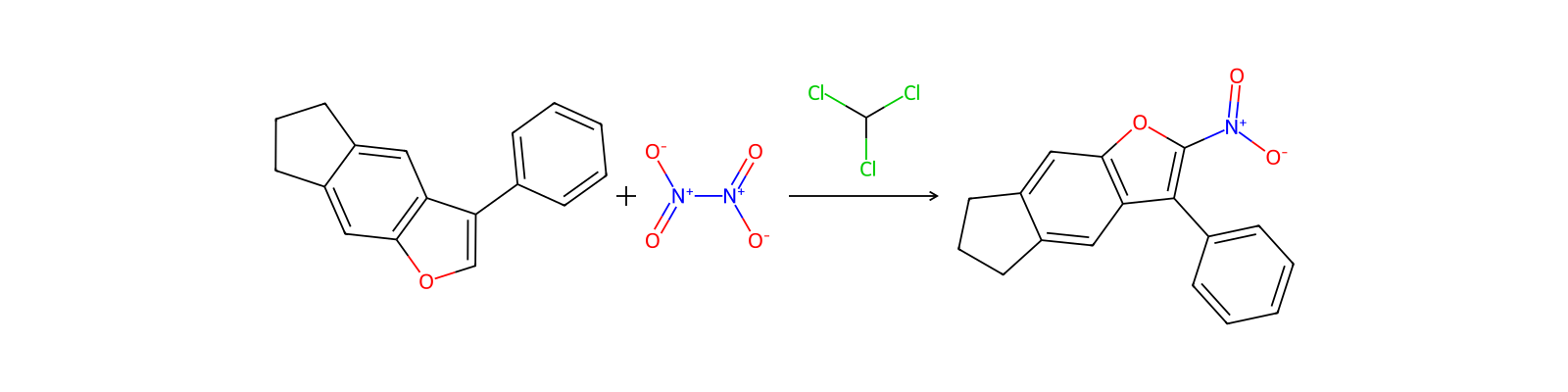
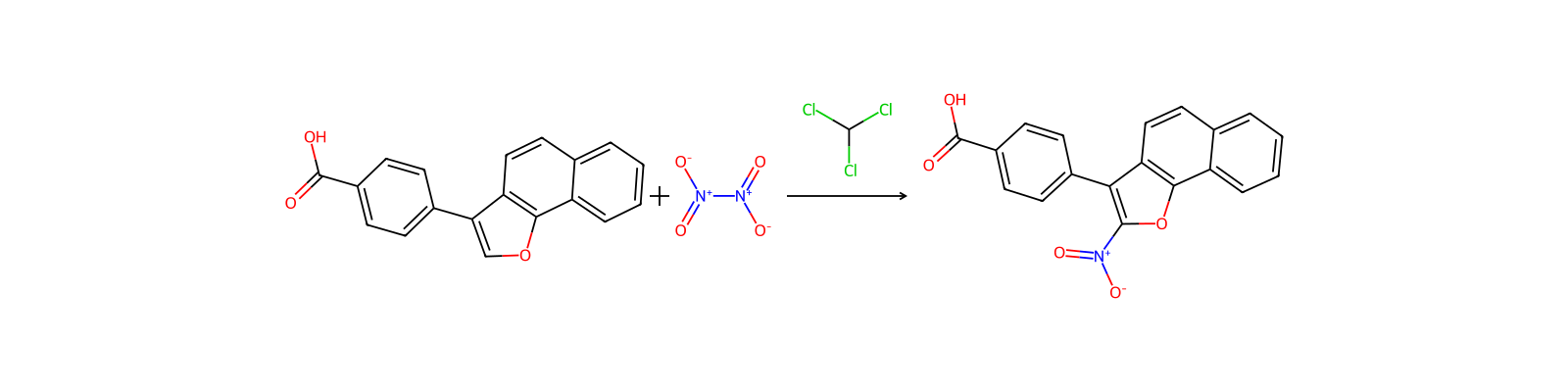
Zugehörige Reaktionen
132




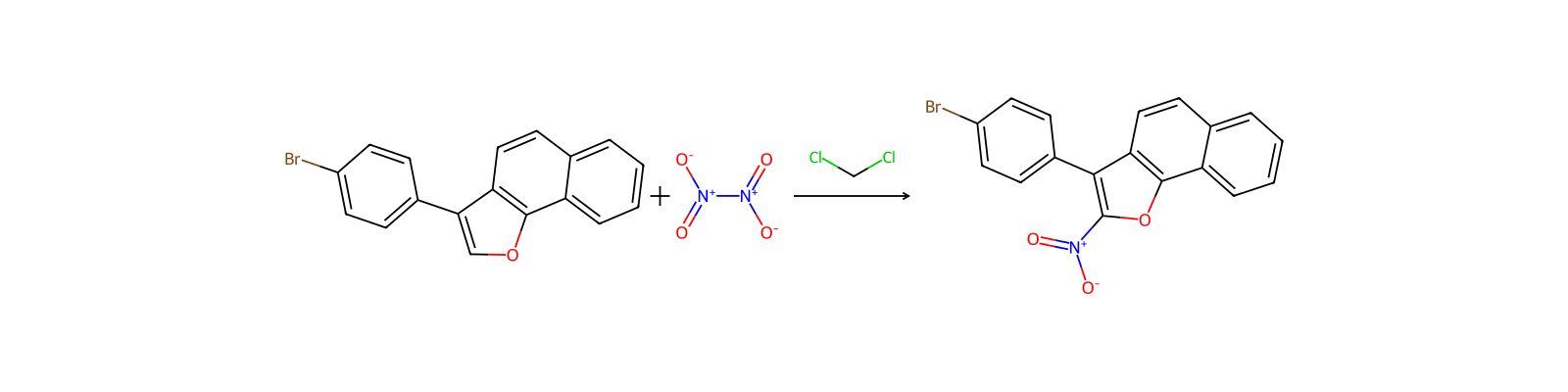
Notizen zur Verbindung
Wird geladen…