

Grundinformationen
- Standard-SMILES
COC(=O)Nc1nc2ccccc2[nH]1- InChIKey
TWFZGCMQGLPBSX-UHFFFAOYSA-N- Summenformel
- C9H9N3O2
- Durchschnittliche Molmasse
- 191,19 g/mol
- Monoisotopische Masse
- 191,06947653
Überblick
Carbendazim appears as light gray or beige powder. (NTP, 1992)
Namen und Bezeichner
- Bevorzugter Name
- Carbendazim
- IUPAC
- methyl N-(1H-benzimidazol-2-yl)carbamate
- Lokaler Name
- Carbendazim
- Englischer Name
- Carbendazim
- Summenformel
- C9H9N3O2
- Molmasse
- 191.19
Namen und Synonyme
Carbendazim10605-21-7CarbendazoleMecarzoleBavistinThicoperCarbendazimeDerosalBavistanCarbendazolFunabenSupercarb
Weitere Namen anzeigen
BCMMBCCARBENDAZINspinagrizima118
DelseneKolfugoMedamineBattalMycoMethyl 2-benzimidazolecarbamateCarbendazymEquitdazin
Datenbank-Bezeichner
- CAS
10605-21-7、37953-07-4- PubChem CID
- 25429
- DTXSID
DTXSID4024729- ChEMBL
CHEMBL70971- ChEBI
CHEBI:3392- UNII
- H75J14AA89
- EC Number
- 234-232-0
- Nikkaji
- J3.120H
Eigenschaften
Berechnete Struktureigenschaften
- XLogP
- 1,5
- Polarare Oberfläche (TPSA)
- 67 Ų
- H-Brücken-Donoren
- 2
- H-Brücken-Akzeptoren
- 3
- Frei drehbare Bindungen
- 2
- Schwere Atome
- 14
- Formalladung
- 0
- Komplexität
- 222
Experimentelle und physikochemische Eigenschaften
DrugsPharmaceuticals -> Listed in ZINC15
Pesticides
Agrochemicals -> Pesticide active substances
Active substance -> EU Pesticides database: Not approved
Pesticides -> Fungicides
Environmental transformation -> Pesticides (parent, predecessor)
Pesticides -> Fungicides -> Benzimidazole fungicides
Fungicides, Transformation products
LogP
log Kow = 1.52
1.52
1.49
1.75
OdorOdorless /Technical/
Density
1.45 at 68 °F (NTP, 1992) - Denser than water; will sink
1.45 g/cu cm at 25 °C
0.27 g/cm³
Color/Form
White powder
Crystalline powder
Nearly white solid /Technical/
Light-gray powder
Off-white, crystalline powder
Solubility
less than 1 mg/mL at 70 °F (NTP, 1992)
Solubility in water at 24 °C: 29 mg/L at pH 4; 8 mg/L at pH 7; 1.49 mg/L at pH 8
Soluble in (g/L at 24 °C): dimethylformamide 5, acetone 0.3, ethanol 0.3, chloroform 0.1, ehtyl acetate 0.135, dichlormethane 0.068, benzene 0.036, cyclohexane <0.01, diethyl ether <0.01, hexane 0.0005
Xylene: <1 g/100 g at 20 °C; Cylcohexanone: < 1 g/100 g /Technical grade/
Solubility at 20 °C (mg/L): hexane 0.5; benzene 36; dichloromethane 68; ethanol 300; dimethylformamide 5000, chloroform 100, acetone 300
Slightly soluble in most solvents
Endocrine DisruptorsPotential endocrine disrupting compound
Decomposition
Decomposes at 300 °C.
When heated to decomposition it emits toxic fumes of /nitric oxides/.
Slowly decomposed in alkaline soln (22 °C): DT50 >350 days (pH 5 and pH 7), 124 days (pH 9).
302-307 °C
Melting Point
576 to 585 °F (decomposes) (NTP, 1992)
Decomposes at 300 °C
MP: 302-307 °C (decomposes)
302 - 307 °C
Vapor Pressure
less than 0.000000075 mmHg at 68 °F ; <0.001 mmHg at 257 °F (NTP, 1992)
7.5X10⁻¹⁰ mm Hg at 20 °C
Vapor pressure at 20 °C: negligible
Physical Description
Carbendazim appears as light gray or beige powder. (NTP, 1992)
White to light-gray, odorless solid; [HSDB] Powder; [MSDSonline]
Solid
COLOURLESS CRYSTALS OR GREY-TO-WHITE POWDER.
Physikochemische Eigenschaften
- Schmelzpunkt
- 300 °C · >300 °C (lit.)
- Siedepunkt
- 326.92 °C · 326.92°C (rough estimate)
- Dichte
- 1.45 · 1.4500
- Dampfdruck
- 1.5 x · 1.5 x 10-4 Pa (25 °C)
- Brechungsindex
- 1.65 · 1.6500 (estimate)
- Flammpunkt
- 11 °C · 11 °C
- storage temp.
- -20 °C · -20°C
- Löslichkeit
- 1 %, · pyridine: soluble1%, clear, very faintly brownish-yellow
- pka
- 4.48 · 4.48(at 25℃)
- Aggregatzustand
- Solid
- Farbe
- White to off-white
- Biologische Quelle
- human
- Wasserlöslichkeit
- 0.1 g/100 · <0.1 g/100 mL at 21 ºC
- Merck
- 13 · 13,1799
- BRN
- 649044 · 649044
- Henry's Law Constant
- 4.7 · 4.7×105 mol/(m3Pa) at 25℃, HSDB (2015)
- Major Application
- agriculturecleaning productscosmeticsenvironmentalfood and beveragespersonal care
- InChI
- 1S/C9H9N3O2/c1-14-9(13)12-8-10-6-4-2-3-5-7(6)11-8/h2-5H,1H3,(H2,10,11,12,13)
- InChIKey
- TWFZGCMQGLPBSX-UHFFFAOYSA-N
- SMILES
- COC(=O)Nc1nc2ccccc2[nH]1
- LogP
- 1.4 · 1.4-1.5 at 25℃ and pH5-9
- CAS Datenbank
- 10605 · 10605-21-7(CAS DataBase Reference)
- EPA chemische Informationen
- Carbendazim (10605-21-7)
Sicherheit und Regulatorisches
GHS-Klassifizierung
GHS Classification
Danger
H317: May cause an allergic skin reaction [Warning Sensitization, Skin]
P203, P261, P272, P273, P280, P302+P352, P318, P321, P333+P317, P362+P364, P391, P405, and P501 (click each P-code to see the statement)
This chemical does not meet GHS hazard criteria for 0.3% (2 of 692) of reports.
Danger
H317 (27.9%): May cause an allergic skin reaction [Warning Sensitization, Skin]
Gefahrenhinweise
Regulatory Information
Chemical: Carbamic acid, 1H-benzimidazol-2-yl-, methyl ester
Hazard Traits - Genotoxicity; Reproductive Toxicity
Regulation (EC) No 396/2005 (amended)
Carbendazim (MBC) is listed in the dataset of EPA Human Health Benchmarks for Pesticides under the Safe Drinking Water Act (40 eCFR 141)
2006/135/EC, 2010/70/EC, 2011/58/EU, Reg (EU) 2015/408, Reg. (EU) 2022/801, Reg. (EU) No 540/2011, Reg. (EU) No 542/2011
Status: Active Update: 04-03-2019 https://echa.europa.eu/registration-dossier/-/registered-dossier/27856
Other Safety InformationIMAP assessments - Carbamic acid, 1H-benzimidazol-2-yl-, methyl ester: Human health tier II assessment
DOT LabelClass 9
Fire Hazards
Literature sources indicate that this chemical is probably nonflammable. (NTP, 1992)
Gives off irritating or toxic fumes (or gases) in a fire.
Health HazardsACUTE/CHRONIC HAZARDS: When heated to decomposition this compound emits toxic fumes of NOx. (NTP, 1992)
Hazards Summary
Reproductive toxin in animal studies; [ICSC] Toxic by ingestion and skin absorption; Workers may be exposed after inhalation of dust or skin contact; Male rats fed 200 mg/kg 5 days/week for 2 weeks have testicular damage; Rats fed 32 mg/kg for 90 days have liver and kidney damage; [HSDB] An irritant; [MSDSonline] Induces genetic damage in germ cells of humans or animals (3A); [MAK]
Reactive GroupAmines, Phosphines, and Pyridines
EC ClassificationSymbol: T, N; R: 46-60-61-50/53; S: 53-45-60-61
RCRA Requirements
U372; As stipulated in 40 CFR 261.33, when carbendazim, as a commercial chemical product or manufacturing chemical intermediate or an off-specification commercial chemical product or a manufacturing chemical intermediate, becomes a waste, it must be managed according to Federal and/or State hazardous waste regulations. Also defined as a hazardous waste is any residue, contaminated soil, water, or other debris resulting from the cleanup of a spill, into water or on dry land, of this waste. Generators of small quantities of this waste may qualify for partial exclusion from hazardous waste regulations (40 CFR 261.5).
FIFRA Requirements
New Active Ingredients ... includes pesticide active ingredients initially registered after November 1, 1984, that currently have active product registrations. By law, these newer pesticides are not subject to the reregistration program. They must, however, meet the new safety standard of the FQPA, and will be reviewed on a 15-year cycle under the registration review program. ... Active Ingredient Number: 128872; Type of Pesticide: fungicide; Use Site: non-food use.
Reactivity Profile
CARBENDAZIM is a carbamate ester-amine. Amines behave as chemical bases. Carbamates are chemically similar to, but more reactive than amides. Like amides they form polymers such as polyurethane resins. Carbamates are incompatible with strong acids and bases, and especially incompatible with strong reducing agents such as hydrides. Flammable gaseous hydrogen is produced by the combination of active metals or nitrides with carbamates. Strongly oxidizing acids, peroxides, and hydroperoxides are incompatible with carbamates.
Chemical DangersDecomposes slowly on contact with bases.
Sicherheit und Schutzausrüstung
Fire Fighting
Fires involving this material can be controlled with a dry chemical, carbon dioxide or Halon extinguisher. (NTP, 1992)
Use water spray, powder.
First Aid Measures
Fresh air, rest.
Remove contaminated clothes. Rinse and then wash skin with water and soap.
First rinse with plenty of water for several minutes (remove contact lenses if easily possible), then refer for medical attention.
Rinse mouth. Rest.
First Aid
EYES: First check the victim for contact lenses and remove if present. Flush victim's eyes with water or normal saline solution for 20 to 30 minutes while simultaneously calling a hospital or poison control center. Do not put any ointments, oils, or medication in the victim's eyes without specific instructions from a physician. If symptoms (such as redness or irritation) develop, immediately transport the victim to a hospital.
Safe StorageSeparated from bases and food and feedstuffs.
Exposure Control and Personal Protection10.0 [mg/m3], inhalable fraction[German Research Foundation (DFG)]
Fire Fighting Procedures
Suitable extinguishing media: Use water spray, alcohol-resistant foam, dry chemical, or carbon dioxide.
Advice for firefighters: Wear self-contained breathing apparatus for firefighting if necessary.
Storage ConditionsKeep container tightly closed in a dry and well-ventilated place.
Cleanup Methods
ACCIDENTAL RELEASE MEASURES: Personal precautions, protective equipment and emergency procedures. Use personal protective equipment. Avoid dust formation. Avoid breathing vapors, mist or gas. Ensure adequate ventilation. Evacuate personnel to safe areas. Avoid breathing dust. Environmental precautions: Prevent further leakage or spillage if safe to do so. Do not let product enter drains. Discharge into the environment must be avoided. Methods and materials for containment and cleaning up Pick up and arrange disposal without creating dust. Sweep up and shovel. Keep in suitable, closed containers for disposal.
Nonfire Spill Response
SMALL SPILLS AND LEAKAGE: If you spill this chemical, you should dampen the solid spill material with water, then transfer the dampened material to a suitable container. Use absorbent paper dampened with water to pick up any remaining material. Seal your contaminated clothing and the absorbent paper in a vapor-tight plastic bag for eventual disposal. Wash all contaminated surfaces with a soap and water solution. Do not reenter the contaminated area until the Safety Officer (or other responsible person) has verified that the area has been properly cleaned.
Disposal Methods
Generators of waste (equal to or greater than 100 kg/mo) containing this contaminant, EPA hazardous waste number U372, must conform with USEPA regulations in storage, transportation, treatment and disposal of waste.
Product: Offer surplus and non-recyclable solutions to a licensed disposal company. Contact a licensed professional waste disposal service to dispose of this material. Dissolve or mix the material with a combustible solvent and burn in a chemical incinerator equipped with an afterburner and scrubber; Contaminated packaging: Dispose of as unused product.
Do NOT let this chemical enter the environment. Sweep spilled substance into covered containers. If appropriate, moisten first to prevent dusting. Carefully collect remainder. Then store and dispose of according to local regulations.
Spillage DisposalDo NOT let this chemical enter the environment. Sweep spilled substance into covered containers. If appropriate, moisten first to prevent dusting. Carefully collect remainder. Then store and dispose of according to local regulations.
Preventive Measures
ACCIDENTAL RELEASE MEASURES: Personal precautions, protective equipment and emergency procedures. Use personal protective equipment. Avoid dust formation. Avoid breathing vapors, mist or gas. Ensure adequate ventilation. Evacuate personnel to safe areas. Avoid breathing dust. Environmental precautions: Prevent further leakage or spillage if safe to do so. Do not let product enter drains. Discharge into the environment must be avoided.
Precautions for safe handling: Avoid formation of dust and aerosols. Provide appropriate exhaust ventilation at places where dust is formed.
Appropriate engineering controls: Handle in accordance with good industrial hygiene and safety practice. Wash hands before breaks and at the end of workday.
Gloves must be inspected prior to use. Use proper glove removal technique (without touching glove's outer surface) to avoid skin contact with this product. Dispose of contaminated gloves after use in accordance with applicable laws and good laboratory practices. Wash and dry hands.
SRP: Local exhaust ventilation should be applied wherever there is an incidence of point source emissions or dispersion of regulated contaminants in the work area. Ventilation control of the contaminant as close to its point of generation is both the most economical and safest method to minimize personnel exposure to airborne contaminants. Ensure that the local ventilation moves the contaminant away from the worker.
Toxikologische Informationen
Treatment
For acute exposures and first aid: EYES: irrigate opened eyes for several minutes under running water. INGESTION: do not induce vomiting. Rinse mouth with water (never give anything by mouth to an unconscious person). Seek immediate medical advice. SKIN: should be treated immediately by rinsing the affected parts in cold running water for at least 15 minutes, followed by thorough washing with soap and water. If necessary, the person should shower and change contaminated clothing and shoes, and then must seek medical attention. INHALATION: supply fresh air. If required provide artificial respiration.
Interactions
... The present work studied the effect of licorice aqueous extract on carbendazim-induced testicular toxicity in albino rats. Administration of carbendazim induced significant decrease in testis weight, diameter, and germinal epithelial height of the seminiferous tubules. Histological results revealed degeneration of seminiferous tubules, loss of spermatogenic cells, and apoptosis. Moreover, carbendazim caused elevation of testicular malondialdehyde (MDA), marker of lipid peroxidation, and reduced the activity of the antioxidant enzymes, superoxide dismutase (SOD) and catalase (CAT). Coadministration of licorice extract with carbendazim improved the histomorphological and histopathological changes observed in animals treated with carbendazim. In addition, licorice treatment leads to a significant decrease in the level of MDA and increase in the activities of SOD and CAT. According to the present results, it is concluded that licorice aqueous extract can improve the testicular toxicity of carbendazim and this effect may be attributed to antioxidant properties of one or more of its constituents.
2,5-Hexanedione (2,5-HD), a taxol-like promoter of microtubule assembly, and carbendazim (CBZ), a colchicine-like inhibitor of microtubule assembly, are two environmental testicular toxicants that target and disrupt microtubule function in Sertoli cells. At the molecular level, these two toxicants have opposite effects on microtubule assembly, yet they share the common physiologic effect of inhibiting microtubule-dependent functions of Sertoli cells. By studying a combined exposure to 2,5-HD and CBZ, we sought to determine whether CBZ would antagonize or exacerbate the effects of an initial 2,5-HD exposure. In vitro, 2,5-HD-treated tubulin had a decreased lag time and an increased maximal velocity of microtubule assembly. These 2,5-HD-induced in vitro alterations in microtubule assembly were normalized by CBZ exposure. In vivo, adult male rats were exposed to a 1% solution of 2,5-HD in the drinking water for 2.5 weeks. CBZ was administered by gavage (200 mg/kg body weight) at the same time as unilateral surgical ligation of the efferent ducts, 24 hr before evaluation of the testis. Measures of testicular effect (testis weight, histopathologic changes [sloughing and vacuolization], and seminiferous tubule diameters) were all significantly altered with combined exposure. The testicular effects in the combined exposure group were either different (seminiferous tubule diameters), additive (% vacuolization), or greater than additive (% sloughing) compared to the effects of the individual toxicant exposure groups referenced to the controls. Therefore, CBZ coexposure does not antagonize the effects of an initial 2,5-HD exposure, as might be expected if their molecular effects on microtubule assembly were solely responsible for their combined toxicity; instead, 2,5-HD and CBZ act together to exacerbate the testicular injury.
... Detailed toxicity tests were performed to determine whether effects of mixtures of copper-cadmium and copper-carbendazim on Caenorhabditis elegans were similar to the effects of the individual compounds. Effects on the course of reproduction, the length of the juvenile period, the length of the reproductive period, and body length were analyzed. Dose-response data were compared to the additive model and tested for four deviation patterns from additivity: No deviation, synergistic/antagonistic deviation, dose ratio-dependent deviation, dose level-dependent deviation. During the exposure, the cadmium-copper effect on reproduction changed from a synergistic, to a dose ratio-dependent deviation from additivity. More cadmium in the mixture decreased the toxicity and more copper increased the toxicity. The effect of copper-carbendazim on reproduction was synergistic at low dose levels and antagonistic at high dose levels and independent of time. Mixture effects on the juvenile and reproductive period were similar to single component effects. It was concluded that the observed time-dependence of toxic interactions was small and that interactions on the timing of reproduction were not found. The additive model underestimated mixture effects on reproduction and body length.
The fungicide Carbendazim Methyl-2-benzimidazole carbamate (MBC) is known to produce male reproductive toxicity. The present study has been undertaken to investigate the impact of vitamin E, an antioxidant against the testicular toxicity induced by MBC. HPLC analysis showed that the amount of MBC in testis and serum was 57.40 +/- 3.38 nmol/g and 14.10 +/- 0.84 nmol/mL, respectively, in rats treated with carbendazim + vitamin-E, which were significantly lower than that of rats treated with carbendazim alone (240 +/- 15.60 nmol/g and 318.70 +/- 22.52 nmol/mL, respectively). MBC treatment significantly decreased the testicular weight while co-administration of vitamin-E registered normal testicular weight. Histomorphometric analysis revealed a significant decrease (P < 0.05) in the diameter of the seminiferous tubules and lumen in MBC-treated rats compared to control whereas they remained normal in vitamin E + MBC-treated rats. Leydig cells appeared dispersed and hypertrophic after MBC treatment. Various histopathological changes were observed in testis of rats treated with MBC whereas these changes were absent in vitamin-E + MBC-treated rat testis. In conclusion protection against MBC-induced toxicity was observed with co-administration of vitamin E with MBC.
For more Interactions (Complete) data for CARBENDAZIM (18 total), please visit the HSDB record page.
Health Effects
Carbendazim is a suspected endocrine disruptor. It is also a developmental toxin. Animals exposed to carbendazim in the womb to have serious deformities such as lack of eyes and hydrocephalus (water on the brain). Carbendazim can disrupt the development of sperm and damage testicular development in adult rats.
Ecotoxicity Values
LD50; Species: /Coturnix japonica/ (Japanese quail) oral 10,996 mg/kg
EC50; Species: Eisenia andrei (Earthworm) adult, weight 50-60 mg; watered exposure (artificial soil, pH 5.03, organic matter 1.28%) <1 mg/kg for 48 hr; Effect: chemical avoidance
EC50; Species: Eisenia andrei (Earthworm) adult, well developed clitellum; direct application (artificial soil, pH 6.0) 0.88 mg/kg dry soil for 56 days; Effect: reproduction; decreased progeny counts/numbers
EC50; Species: Eisenia fetida (Earthworm) adult, European; direct application (natural soil, pH 6.1, organic matter 6.17%) 127.4 mg/kg for 48 hr (95% confidence interval: 90.1-179.6 mg/kg); Effect: chemical avoidance
For more Ecotoxicity Values (Complete) data for CARBENDAZIM (19 total), please visit the HSDB record page.
Environmental Fate
TERRESTRIAL FATE: Based on a classification scheme(1), Koc values of 122.3-2805(2-3), indicate that carbendazim is expected to have high mobility in some soils with decreasing mobility as the amount of clay and organic carbon content increases, pH will have a lesser effect on mobility. Volatilization of carbendazim from moist soil surfaces is not expected to be an important fate process(SRC) given an estimated Henry's Law constant of 1.5X10⁻¹² atm-cu m/mole(SRC), using a fragment constant estimation method(4). Carbendazim is not expected to volatilize from dry soil surfaces(SRC) based upon a vapor pressure of 7.5X10⁻¹⁰ mm Hg at 25 °C(5). Measured soil biodegradation rates of 45% in 21 days and 45% in 14 days suggest that carbendazim is expected to biodegrade slowly under normal environmental conditions(6). However, biodegradation rates of 100% in 5 days and 97% in 9 days suggest that biodegradation of carbendazim will be enhanced in pretreated soils(6).
TERRESTRIAL FATE: Carbendazim is absorbed through the roots and green tissues of plants, with translocation acropetally.
AQUATIC FATE: Based on a classification scheme(1), Koc values of 122.3-2805(2-3), indicate that carbendazim is expected to adsorb to suspended solids and sediment(SRC). Volatilization from water surfaces is not expected(4) based upon an estimated Henry's Law constant of 1.5X10⁻¹² atm-cu m/mole(SRC), developed using a fragment constant estimation method(5). Measured hydrolysis half-lives for carbendazim at 22 °C were >350 days at pH 5-7 and 124 days at pH 9(6). According to a classification scheme(7), BCFs of <1.5-3.5 measured in carp(8), suggest bioconcentration in aquatic organisms is low(SRC). A 0% of Theoretical BOD using activated sludge in the Japanese MITI test(8) suggests that biodegradation is not an important environmental fate process in water(SRC).
ATMOSPHERIC FATE: According to a model of gas/particle partitioning of semivolatile organic compounds in the atmosphere(1), carbendazim, which has a vapor pressure of 7.5X10⁻¹⁰ mm Hg at 25 °C(2), is expected to exist solely in the particulate phase in the ambient atmosphere. Particulate-phase carbendazim may be removed from the air by wet and dry deposition(SRC).
Food Survey Values
In a Total Diet Study conducted in the US (samples collected Oct 1, 1984 to Sept 30, 1991) carbendazim was not detected in domestic samples (number tested) of apple juice (114), banana (72), grape juice (32), plain (2739) and vitamin D (180) milk, orange juice (13), oranges (862) and pears (571)(1). Carbendazim was detected in 20 of 2464 domestic apple samples at a maximum of 1.7 ppm(1). Carbendazim was not detected in imported apple juice (351), apples (735), grape juice (24), orange juice (64), oranges (474) or pears (816). Carbendazim was detected in imported fruit at maximum residues of 0.26, 0.66 and 0.54 ppm in 1 of 1097 bananas, 1 of 474 oranges, and 2 of 816 pears, respectively(1). Carbendazim was detected in 55 of 56 oranges and 97 of 134 tangerines sampled in 2001 from Valencia, Spain at 0.03-0.6 and 0.02-0.13 mg/kg, respectively; it was not detected in 13 watermelon and 24 persimmons(2). In samples of 27 different vegetables procured from retail markets of Karachi, India during 2000-2003, carbendazim was detected at unreported concentrations in carrot, garlic, onion, potato, spinach, chillies French bean, lady's finger and pumpkin(3). Carbendazim was not detected in ginger, radish, sugar beet, turnip, Brassica leaves, coriander, methi, mint, salad, brinjal, bittergourd, Indian squash, cucumber, luffa, peas, tomato, cabbage or cauliflower(3). Carbendazim was detected at <0.01 ng/kg in >60% of 33 fruit based baby foods sampled from Spain and the United Kingdom(4). Carbendazim was detected in 38 of 145 mushroom samples obtained from wholesale cooperatives in Northern Ireland between 1997 and 1999(5). Carbendazim was detected in Bramley apple flesh, core and peel at <0.43, 2.2 and 5.2 mg/kg, respectively; apples were treated with Ridomil mbc 60 WP post harvest(6). Carbendazim was detected at a mean level of 1.05 mg/kg in 5 of 150 citrus samples from an agricultural co-operative of the Valencian Community, Spain(7). In a Total Diet Study conducted in Kuwait, of the 140 food items tested carbendazim was detected only in grapes and mandarin oranges at 0.5 and 0.4 mg/kg, respectively(8).
Carbendazim was not detected in the following domestic (D) and imported (I) Danish food samples taken in 1978 and 1979: banana(I), plum(D and I), peach (I), nectarines (I), grapefruit (I), carrot (D and I), potato (D and I), chervil (D), cabbage (D and I), onion (I), leek (D), pear (D and I), rhubarb (D), red beets (D), celeriac (D), spinach (D) and tomato (I)(1). Carbendazim was detected in other commodities as follows(1):[Table#6072]
Adverse EffectsOccupational hepatotoxin - Secondary hepatotoxins: the potential for toxic effect in the occupational setting is based on cases of poisoning by human ingestion or animal experimentation.
Exposure Routes
The substance can be absorbed into the body by inhalation of its aerosol.
Inhalation (L793) ; oral (L793); dermal (L793)
Milk ConcentrationsCarbendazim was not detected (detection limit not reported) in 2739 and 180 plain and vitamin D milk samples, respectively; samples collected Oct 1, 1984 to Sept 30, 1991 in the US(1).
Toxicity Summary
IDENTIFICATION AND USE: Carbendazim is a white powder. it is a systemic leaf and soil fungicide, absorbed through the roots and green tissues. HUMAN EXPOSURE AND TOXICITY: Six human chromosomes were investigated in pairs (1 and 8, 11 and 18, and X and 17). Abnormalities were classified as chromosome loss (including centromeric positive micronuclei), chromosome gain, non-disjunction, or polyploidy. ANIMAL STUDIES: Previous studies indicate that carbendazim may interfere with mitosis and thus may disrupt or inhibit microtubule function resulting in apoptosis. Carbendazim even at low dose exhibited toxicity, affected the liver and also caused specific changes in hematological and biochemical parameters in the rat. Male rats (6 per dose level) were gavaged with 200, 3400 and 5000 mg/kg 5 days/wk for 2 wk. Two out of the 6 rats died at the dose level of 3400 mg/kg per day. At all dose levels, gross and microscopic evidence of adverse effects on the testes and reduction or absence of sperm in the epididymides was seen. The testes were small and discolored, with tubular degeneration and evidence of aspermatogenesis. At the dose level of 3400 mg/kg per day, there were also morphological changes in the duodenum (edema and focal necrosis), bone marrow (reduction in the blood forming elements) and liver (decrease in the large globular shaped vacuoles). Groups of 1 yr old beagles (4 males, 4 females) were admin carbendazim in the diet for 3 months at dietary levels of 0, 100, 500 and 2500 mg/kg. Females at the mid dose level showed a trend toward incr cholesterol levels at 1, 2 and 3 months compared with the pre-test and control values. High dose females also had elevated cholesterol levels. Organ to body weight changes were observed in the case of the thymus of low and mid dose males and the prostate of mid dose males. Groups of pregnant rats were administered carbendazim by gavage on days 6-15 of gestation at dose levels up to 80 mg/kg/day. Groups of pregnant rabbits were similarly administered up to 160 mg/kg/day on days 6-18 of gestation. In the rats, dead and resorbed fetuses accounted for 29% of conceptions in controls, 48% at 20 mg/kg, 64% at 40 mg/kg, and 73% at 80 mg/kg. In rabbits, no dead or resorbed fetuses were seen in controls whereas 15-33% were found in carbendazim-treated rabbits. There were no differences among rats or rabbits in mean weight of live fetuses, and there were no malformations. Carbendazim induced chromosome aberrations in spermatids with a high incidence of aneuploidy. Carbendazim induced micronuclei in mouse bone marrow cells. 2,3-diaminophenazine (DAP) and 2-amino-3-hydroxyphenazine (AHP) were detected in mutagenic carbendazim samples. Carbendazim samples containing DAP or AHP at levels as low as 5 or 10 ppm, respectively, were positive in the Salmonella/Ames test with activation when tested at 5000 ug/plate. Purified carbendazim was not mutagenic. ECOTOXICITY STUDIES: Amazonian fish appeared to be slightly less sensitive for carbendazim than temperate fish with LC50 values ranging between 1648 and 4238 ug/L, and Amazonian invertebrates were found to be significantly more resistant than their temperate counterparts, with LC50 values higher than 16000 ug/L. In plants, carbendazim causes methylation or demethylation of certain genes and changes the expression of these genes.
Carbendazim targets beta tubulin in actively dividing cells. It binds to microtubules, interfering with cell functions, such as meiosis and intracellular transportation (A15332).
Average Daily Intake
The estimated dermal and inhalation exposure to workers applying pesticides to flower crops in greenhouses in Colombia were 20 and 0.03 mg/day, respectively; 10% of the dermal exposure was expected to be adsorbed through the skin resulting in 2 mg/day absorbed(1).
Ecotoxicity Excerpts
/BIRDS and MAMMALS/ ... This report is that of an investigation on the response of the testis of the Japanese quail to experimental administration of /carbendazim/ in sexually mature and active birds. A single dose (400 mg/kg body weight) of carbendazim was administered orally to 20 quails that were sacrificed thereafter at 5 hr, 3, 8 and 13 days post-exposure, at five birds spatio-temporally. Five birds acted as control. Testis weights and seminiferous tubular diameter as well as epithelial height decreased significantly from 8 day post-exposure. Epithelial histology was remarkably disrupted, and cessation of spermatogenesis occurred at 13 day post-administration of the chemical. Degenerative changes were uniform in each testis, and not patchy or multi-focal, as previously reported in the rat. The observed histological changes in the testis, due to carbendazim, were capable of causing prolonged infertility in exposed birds.
/BIRDS and MAMMALS/ The study investigated the effect of various doses of carbendazim on the morphology of the magnum of the Japanese quail. No morphological changes were observed in the magnum in birds treated with carbendazim at doses of 25 mg/kg and 100 mg/kg bodyweight. A carbendazim dose of 400 mg/kg bodyweight was the lowest dose which caused morphological changes in the magnum. Histologically, carbendazim caused pyknosis and glandular atrophy in the magnum mucosa. Carbendazim also caused significant decreases in the height of the mucosal folds, epithelial height, glandular width and glandular luminal diameter at 400 mg/kg and 800 mg/kg (p<0.05). At ultrastructural level, dose-dependent deciliation was observed. Pyknotic nuclei, dilated cisternae of rough endoplasmic reticulum, swollen mitochondria, numerous vacuoles and lysosomes in the luminal and glandular epithelia were identified. The observed degenerative changes could be due to cytoskeletal disruption caused by carbendazim toxicity. Degeneration of the luminal and glandular cells in the magnum pose a potential threat to the egg production and reproduction of exposed birds.
/AQUATIC SPECIES/ ... In this study, the two main conceptual models for mixture evaluation based on the effect of individual compounds, concentration addition (CA) and independent action (IA) and deviations to synergism/antagonism, "dose ratio" and "dose level" dependency were used. The single and combined effects of cadmium, carbendazim and low dissolved oxygen levels were assayed for life-cycle parameters (survival and feeding) of the water flea Daphnia magna Straus. The results of single exposures revealed an increase of acute and chronic toxicity as concentrations of cadmium and carbendazim increases. At low dissolved oxygen levels both survival and feeding parameters were significantly affected (p</=0.05). In the acute mixture exposure of cadmium and carbendazim a "dose ratio" dependency was observed with a higher toxicity when cadmium was dominant whereas at high concentrations ofcarbendazim a lower effect on survival was observed. At chronic exposures an antagonistic deviation from IA model was observed for this mixture. The IA model showed to be adequate for toxicity prediction on acute exposure combinations with low DO levels where a synergistic behavior was observed. However, at sublethal exposures IA and CA models failed by underestimation. ...
/AQUATIC SPECIES/ A model ecosystem experiment was conducted to investigate the ability of an in situ Daphnia magna feeding bioassay to assess impairment of ecosystem function. Animals were deployed in model ecosystems dosed with different concentrations of the fungicide carbendazim, and effects on the postexposure feeding rate of D. magna were compared with effects on zooplankton species richness (ecosystem structure) and development of phytoplankton biomass (ecosystem function). In the medium-dosed systems (21 ug/L), a structural change was observed within the zooplankton community, but no indirect effects on phytoplankton development were detected. It appears that at this treatment level, functional redundancy was sufficient to prevent functional impairment despite species loss. The feeding assay did not show any response at this concentration. In the high-dosed systems (221 ug/L), structural changes in the zooplankton community were accompanied by increased development of phytoplankton biomass. The feeding bioassay also showed a significant response at this concentration. At the high treatment level, species loss resulted in functional impairment, indicating that at this level, functional redundancy could not compensate for loss of individuals. The D. magna feeding bioassay matched well with the functional response (i.e., the indirect effects on phytoplankton) in the dosed systems but not with the more subtle effects on zooplankton community structure. ...
For more Ecotoxicity Excerpts (Complete) data for CARBENDAZIM (20 total), please visit the HSDB record page.
Regulatorische Informationen
RCRA Requirements
U372; As stipulated in 40 CFR 261.33, when carbendazim, as a commercial chemical product or manufacturing chemical intermediate or an off-specification commercial chemical product or a manufacturing chemical intermediate, becomes a waste, it must be managed according to Federal and/or State hazardous waste regulations. Also defined as a hazardous waste is any residue, contaminated soil, water, or other debris resulting from the cleanup of a spill, into water or on dry land, of this waste. Generators of small quantities of this waste may qualify for partial exclusion from hazardous waste regulations (40 CFR 261.5).
FIFRA Requirements
New Active Ingredients ... includes pesticide active ingredients initially registered after November 1, 1984, that currently have active product registrations. By law, these newer pesticides are not subject to the reregistration program. They must, however, meet the new safety standard of the FQPA, and will be reviewed on a 15-year cycle under the registration review program. ... Active Ingredient Number: 128872; Type of Pesticide: fungicide; Use Site: non-food use.
CERCLA Reportable Quantities
Persons in charge of vessels or facilities are required to notify the National Response Center (NRC) immediately, when there is a release of this designated hazardous substance, in an amount equal to or greater than its reportable quantity of 10 lb or 4.54 kg. The toll free number of the NRC is (800) 424-8802. The rule for determining when notification is required is stated in 40 CFR 302.4 (section IV.D.3.b).
Sicherheitsdaten
- wgk
- 3
- tsca
- TSCA listed
- ridadr
- UN 3077 9/PG 3
- hs_code
- 29339900
- RTECS-Nr.
- DD6500000
- risk_code
- 46-60-61-50/53-39/23/24/25-23/24/25-11-52/53
- Toxizität
- LD50 oral in rabbit: 8160mg/kg
- hazard_code
- T,N,F,Xn
- safety_code
- 53-45-60-61-36/37-16
- Speicherklasse
- 6.1C - Combustible acute toxic Cat.3toxic compounds or compounds which causing chronic effects
- Giftige Stoffe Daten
- 10605-21-7(Hazardous Substances Data)
- Hazard Classifications
- Aquatic Acute 1Aquatic Chronic 1Muta. 1BRepr. 1BSkin Sens. 1
Chemie und Industrie
Pharmakologische Informationen
Mechanism of Action
... Previous studies indicate that FB642 /carbendazim/ may interfere with mitosis and thus may disrupt or inhibit microtubule function resulting in apoptosis. ...
Carbendazim inhibits microtubule assembly, thus blocking mitosis and inhibiting cancer cell proliferation. Accordingly, carbendazim is being explored as an anticancer drug. Data show that carbendazim increased mRNA and protein expressions and promoter activity of CYP1A1. In addition, carbendazim activated transcriptional activity of the aryl hydrocarbon response element, and induced nuclear translocation of the aryl hydrocarbon receptor (AhR), a sign the AhR is activated. Carbendazim-induced CYP1A1 expression was blocked by AhR antagonists, and was abolished in AhR signal-deficient cells. Results demonstrated that carbendazim activated the AhR, thereby stimulating CYP1A1 expression. In order to understand whether AhR-induced metabolic enzymes turn carbendazim into less-toxic metabolites, Hoechst 33,342 staining to reveal carbendazim-induced nuclear changes and flow cytometry to reveal the subG0/G1 population were applied to monitor carbendazim-induced cell apoptosis. Carbendazim induced less apoptosis in Hepa-1c1c7 cells than in AhR signal-deficient Hepa-1c1c7 mutant cells. Pretreatment with beta-NF, an AhR agonist that highly induces CYP1A1 expression, decreased carbendazim-induced cell death. In addition, the lower the level of AhR was, the lower the vitality present in carbendazim-treated cells, including hepatoma cells and their derivatives with AhR RNA interference, also embryonic kidney cells, bladder carcinoma cells, and AhR signal-deficient Hepa-1c1c7 cells. In summary, carbendazim is an AhR agonist. The toxicity of carbendazim was lower in cells with the AhR signal. This report provides clues indicating that carbendazim is more potent at inducing cell death in tissues without than in those with the AhR signal, an important reference for applying carbendazim in cancer chemotherapy.
Biological Half-Life
The disappearance of (14)C-carbendazim in rat (i.v. 12 mg/kg) followed the kinetics of a two-compartment open-system model. Half-lives of the alpha-phase were 0.16 hr (liver), 0.25 hr (kidney), and of the beta-phase: 2.15 hr, 6.15 hr, respectively. Two metabolites: methyl 5-hydroxy-2-benzimidazolecarbamate (5-HBC) and 2-aminobenzimidazole (2-AB) were formed very rapidly. Their peak concentrations in liver and kidney were 15 min after i.v. injection. Unchanged carbendazim was found in highest concentrations in blood. 5-HBC prevails in organs. 2-AB was present only in minor amounts. The extent of bioavailability in orally administered 14C-carbendazim (12 mg/kg) was about 85%. The disposition of radioactivity in subcellular fractions was not uniform, its highest concentration was in cytosol, the lowest in microsomes. The elimination of (14)C-carbendazim in urine is biphasic. Half-lives of the alpha-phase were 1.4 hr (i.v.) and 2.5 hr (oral), and of the beta-phase 11.2 hr and 12.1 hr, respectively. Irrespective of the route of administration, 95% of the radioactivity in urine was composed of 5-HBC. The concentration of unchanged carbendazim in blood and of 5-HBC in urine may be of diagnostic value in acute poisoning with carbendazim.
Metabolism/Metabolites
Readily absorbed by plants. One degradation product is 2-aminobenzimidazole.
... Two metabolites: methyl 5-hydroxy-2-benzimidazolecarbamate (5-HBC) and 2-aminobenzimidazole (2-AB) were formed very rapidly /in rats admin 12 mg/kg iv/. Their peak concentrations in liver and kidney were 15 min after i.v. injection. Unchanged carbendazim was found in highest concentrations in blood. 5-HBC prevails in organs. 2-AB was present only in minor amounts. The extent of bioavailability in orally administered 14C-carbendazim (12 mg/kg) was about 85%. The disposition of radioactivity in subcellular fractions was not uniform, its highest concentration was in cytosol, the lowest in microsomes. ...
The carbamates are hydrolyzed enzymatically by the liver; degradation products are excreted by the kidneys and the liver. (L793)
MeSH Pharmacological Classification
Substances used in the treatment or control of nematode infestations. They are used also in veterinary practice.
Chemicals that kill or inhibit the growth of fungi in agricultural applications, on wood, plastics, or other materials, in swimming pools, etc.
Chemical agents that increase the rate of genetic mutation by interfering with the function of nucleic acids. A clastogen is a specific mutagen that causes breaks in chromosomes.
Absorption, Distribution and ExcretionIn male rats, following a single oral admin of 3 mg/kg, 66% was eliminated in the urine within 6 hr.
Cellular LocationsCytoplasm
Verwendung und Herstellung
Uses
Used as a fungicide in cereals, fruits, vines, hops, vegetables, ornamentals, coffee, cotton, rice, flax, beet, sugar cane, peanuts, oilseed rape, cucurbits, rubber, tobacco, turf, mushrooms, and other crops; [HSDB]
Farming (Pesticides) [Category: Industry]
For carbendazim (USEPA/OPP Pesticide Code: 128872) ACTIVE products with label matches. /SRP: Registered for use in the U.S. but approved pesticide uses may change periodically and so federal, state and local authorities must be consulted for currently approved uses./
Fungicide
Systemic leaf and soil fungicide, absorbed through the roots and green tissues.
/Carbendazim is/ used as a preservative in paint, papermaking and leather industry, and as a preservative of fruits.
Impurities2,3-Diaminophenazine, 2-Amino-3-hydroxyphenazine
U.S. Production
Non-confidential 2012 Chemical Data Reporting (CDR) information on the production and use of chemicals manufactured or imported into the United States. Chemical: Carbamic acid, N-1H-benzimidazol-2-yl-, methyl ester. National Production Volume: Withheld.
Methods of Manufacturing
Prepn: H.M. Loux, United States of America patent 3010968 (1961 to du Pont)
Carbendazim is produced by the reaction of o-phenylenediamine with methoxycarbonylcyanamide or with methoxycarbonyl isocyanide dichloride (formed from cyanogen chloride, phosgene, and methanol) in the presence of a base.
Formulations/Preparations
Mergal BCM (Troy Chemical Company Limited): Active ingredient: Carbendazim 99.0%.
Mergal BCM Technical (Troy Chemical Company Limited): Active ingredient: Carbendazim 98.6%.
Rocima 63 Industrial Microbicide (Rohm & Hass Company): Active ingredient: Diuron 20.0%; Octhilinone 2.7%; and Carbendazim 7.5%.
Rocima 65 Industrial Microbicide (Rohm & Hass Company): Active ingredient: 3(2H)-Isothiazolone, 4,5-dichloro-2-octyl- 5.0%; Carbendazim 9.0%; and 1,3,5-Triazine-2,4-diamine, N-cyclopropyl-N'-(1,1-dimethylethyl)-6-(methylthio)- 3.5%.
For more Formulations/Preparations (Complete) data for CARBENDAZIM (25 total), please visit the HSDB record page.
Household ProductsInformation on 19 consumer products that contain Carbendazim in the following categories is provided:
Use Classification
Fungicides, Transformation products
Pesticides -> Fungicides -> Benzimidazole fungicides
Environmental transformation -> Pesticides (parent, predecessor)
General Manufacturing Information
Carbamic acid, N-1H-benzimidazol-2-yl-, methyl ester: ACTIVE
The WHO Recommended Classification of Pesticides by Hazard identifies carbendazim (technical grade) as unlikely to present an acute hazard in normal use; Main Use: fungicide.
Marine pollutant.
Degradation product of benomyl.
Anwendungen
BeschreibungCarbendazim is the degradation product and active ingredient of the carbamate fungicide benomyl. Carbendazim (100 μM) disrupts the growth of S. cerevisiae by inhibiting microtubule polymerization. It impairs meiosis and steroidogenesis in an ex vivo rat model of seminiferous tubules and increases prostate weight in rats when administered at a dose of 100 mg/kg but does not affect other testosterone-dependent or estrogen-dependent tissues.
VerwendenCarbendazim is the most widely used active ingredient in the benzimidazole class of fungicides. It is a systemic fungicide with both protective and curative activities against a wide range of fungal diseases, especially caused by most Ascomycetes spp. and some Basidiomycetes and Deuteromycetes spp. in a wide variety of crop and ornamental uses.
Vor- und nachgelagerte Produkte
Vorgelagerte Rohstoffe
Nachgelagerte Produkte
Anbieter4 Anbieter
河北展药生物科技有限公司15369953316 +8615369953316 · [email protected]
武汉盈邦医药有限公司+86-13296627870; +86-13971566811 · [email protected]
石家庄通洋进出口有限公司[email protected]
河北奥轩进出口贸易有限公司17073140108
Ergänzende Hinweise
DefinitionChEBI: A member of the class of benzimidazoles that is 2-aminobenzimidazole in which the primary amino group is substituted by a methoxycarbonyl group. A fungicide, carbendazim controls Ascomycetes, Fungi Imperfecti, and Basidiomy etes on a wide variety of crops, including bananas, cereals, cotton, fruits, grapes, mushrooms, ornamentals, peanuts, sugarbeet, soybeans, tobacco, and vegetables.
Zugehörige Reaktionen
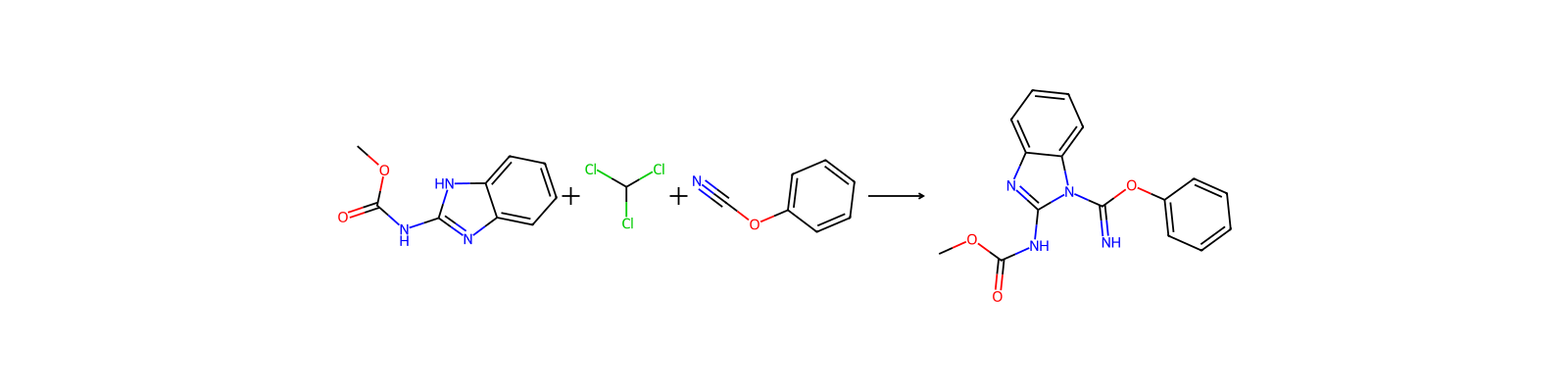
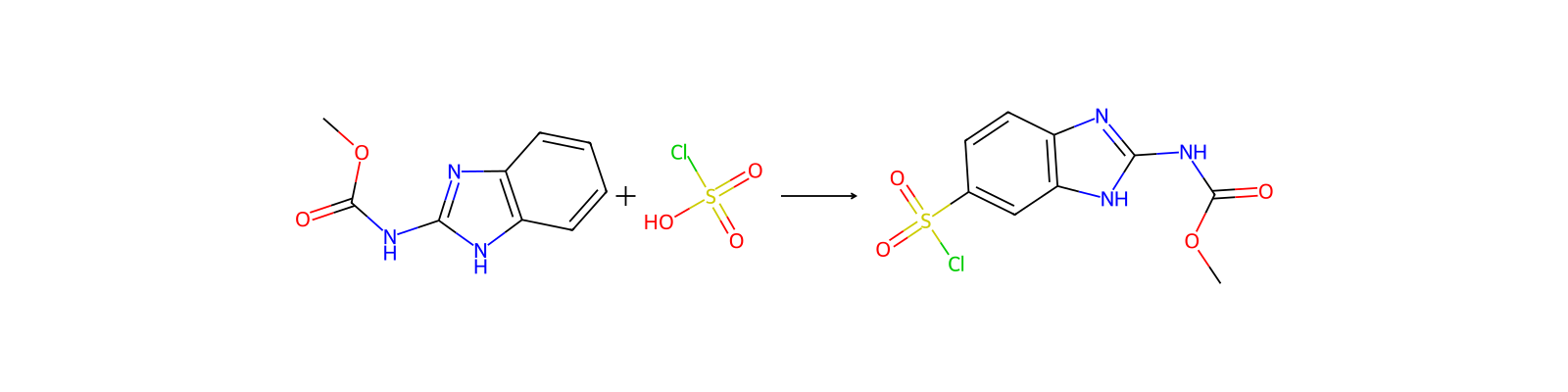
51





Verknüpfte Notizen
Wird geladen…