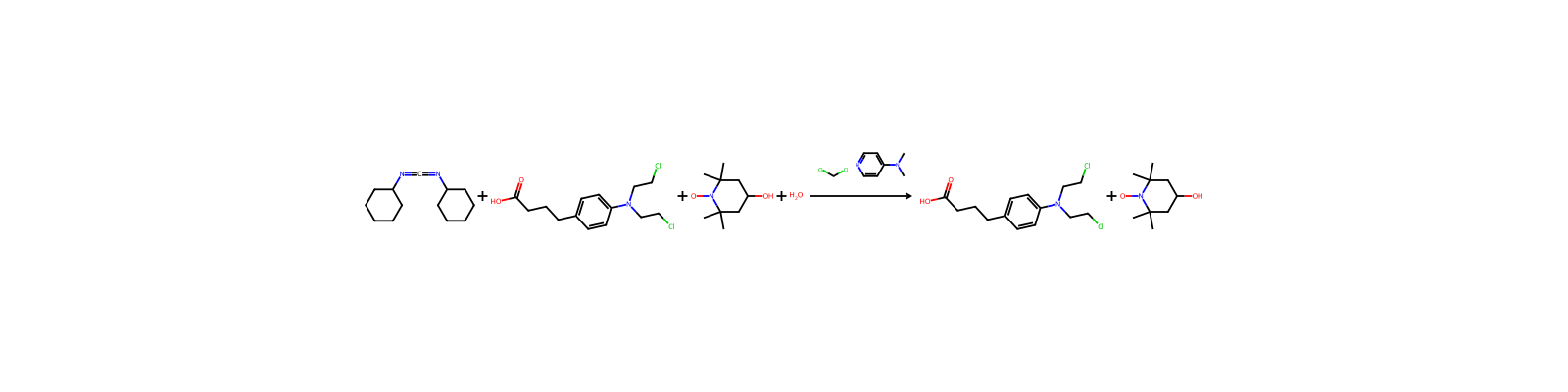
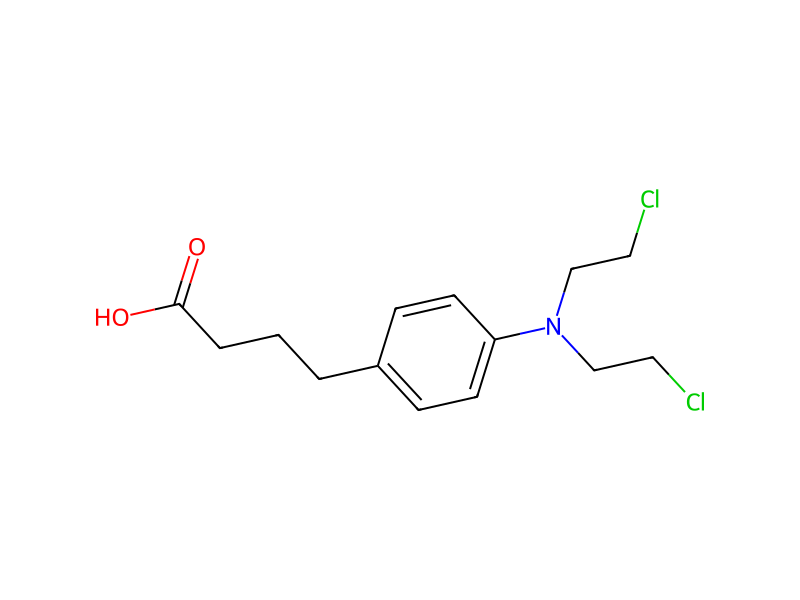
Grundinformationen
- Standard-SMILES
O=C(O)CCCc1ccc(N(CCCl)CCCl)cc1- InChIKey
JCKYGMPEJWAADB-UHFFFAOYSA-N- Summenformel
- C14H19Cl2NO2
- Durchschnittliche Molmasse
- 304,2 g/mol
- Monoisotopische Masse
- 303,07928421
Überblick
Chlorambucil can cause cancer according to California Labor Code. It can cause developmental toxicity according to an independent committee of scientific and health experts.
Namen und Bezeichner
- Bevorzugter Name
- Chlorambucil
- IUPAC
- 4-[4-[bis(2-chloroethyl)amino]phenyl]butanoic acid
- Englischer Name
- 305-03-3
- Molmasse
- 0
Namen und Synonyme
chlorambucil305-03-3ChloroambucilAmbochlorinLeukeranChloraminophenChlorbutinChloraminopheneChlorobutineAmboclorinEclorilChlorbutine
Weitere Namen anzeigen
ChlorobutinLympholysinLinfolizinLinfolysinElcorilPhenylbutyric acid nitrogen mustardLeukersanLeukoran
Datenbank-Bezeichner
- CAS
305-03-3- PubChem CID
- 2708
- DTXSID
DTXSID7020263- ChEMBL
CHEMBL515- ChEBI
CHEBI:28830- UNII
- 18D0SL7309
- EC Number
- 206-162-0
- Nikkaji
- J1.521K
Eigenschaften
Berechnete Struktureigenschaften
- XLogP
- 1,7
- Polarare Oberfläche (TPSA)
- 40,5 Ų
- H-Brücken-Donoren
- 1
- H-Brücken-Akzeptoren
- 3
- Frei drehbare Bindungen
- 9
- Schwere Atome
- 19
- Formalladung
- 0
- Komplexität
- 250
Experimentelle und physikochemische Eigenschaften
DrugsPharmaceuticals -> Listed in ZINC15
SpringerMaterials PropertiesFusion temperature
LogP
log Kow = 1.70 at pH 7.4
3.9
3.82
OdorSlight odor
Color/Form
Off-white, slightly granular powder
Flattened needles from petroleum ether
Fine white crystals
Solubility
less than 0.1 mg/mL at 72 °F (NTP, 1992)
Insoluble in water ... The sodium salt is soluble in water.
The free acid is soluble at 20 °C in 1.5 parts ethanol, 2 parts acetone, 2.5 parts chloroform and 2 parts ethyl acetate; soluble in benzene and ether. Readily soluble in acid or alkali.
7.73e-02 g/L
>45.6 [ug/mL] (The mean of the results at pH 7.4)
Human Drugs
Breast Feeding; Lactation; Milk, Human; Antineoplastic Agents, Alkylating
FDA approved drugs -> Active ingredient
FDA approved drugs -> Active ingredient
Cytotoxic medicines
DecompositionWhen heated to decomposition it emits very toxic fumes of /hydrogen chloride and nitrogen oxides/.
Melting Point
147 to 151 °F (NTP, 1992)
65 °C
65 °C
Physical Description
Chlorambucil appears as white to pale beige crystalline or granular powder with a slight odor. Melting point 65-69 °C.
Solid
Stability/Shelf LifeSensitive to light and heat.
Dissociation Constants
5.75
pKa = 5.75
Sicherheit und Regulatorisches
GHS-Klassifizierung
GHS Classification
Danger
H301 (100%): Toxic if swallowed [Danger Acute toxicity, oral]
P203, P261, P264, P264+P265, P270, P271, P280, P301+P316, P302+P352, P304+P340, P305+P351+P338, P318, P319, P321, P330, P332+P317, P337+P317, P362+P364, P403+P233, P405, and P501 (click each P-code to see the statement)
Aggregated GHS information provided per 48 reports by companies from 10 notifications to the ECHA C&L Inventory. Each notification may be associated with multiple companies.
Danger
H341: Suspected of causing genetic defects [Warning Germ cell mutagenicity]
Gefahrenhinweise
Regulatory InformationHazard Traits - Carcinogenicity; Developmental Toxicity
Other Safety InformationIMAP assessments - Benzenebutanoic acid, 4-[bis(2-chloroethyl)amino]-: Environment tier I assessment
DOT LabelPoison
Fire HazardsLiterature sources indicate that this chemical is nonflammable. (NTP, 1992)
Health Hazards
SYMPTOMS: Symptoms of exposure to this compound include leukemia, dyspnea, cough, interstitial fibrosis and menstrual cycle changes or disorders. It may cause keratitis epithelialis in association with exfoliative dermatitis and reversible pseudotumor cerebri with papilledema. It may also cause vomiting, lethargy and unconsciousness with grand mal seizures. Other symptoms include convulsions, infertility, reversible and permanent sterility, lymphopenia, neutropenia, bone marrow suppression, gastrointestinal disturbances such as nausea, diarrhea and oral ulceration, hepatotoxicity, jaundice, drug fever, skin hypersensitivity, peripheral neuropathy, sterile cystitis, fibrosis, vasculitis and depletion of primordial follicles, skin rash, bleeding, unusual lumps, agitated behavior and ataxia. It may cause hyperuricemia, which may lead to acute renal failure, reversible pancytopenia, sideroblastic anemia and myeloblastic leukemia. Exposure may cause erythroleukemia, reticulum-cell sarcoma, lymphosarcoma, myelosuppression, viral, fungal and bacterial infections, chromosomal damage and oligospermia, azoospermia and disappearance of testicular germinal cells in males. It may cause irreversible bone marrow depression, central nervous excitation and jerky movements. It may also cause thrombocytopenia, leucopenia and hemorrhage of the skin and mucous membranes. Other symptoms of exposure include coma, irritation to the skin and mucous membranes, lymphocytopenia, cutaneous pigmentation, adrenal cortical insufficiency and neurotoxicity. It may cause amenorrhea and dermatitis. When administered to a pregnant woman, the offspring may develop unilateral renal agenesis. It may be injurious to the developing retina.
Hazards Summary
The major hazards encountered in the use and handling of chlorambucil stem from its toxicologic properties. Exposure to this off-white, slightly granular powder may occur from its manufacture, formulation, or distribution for use as an antineoplastic drug. Effects from exposure may include vomiting, ataxia, seizures, coma, infertility, acute renal failure, acute leukemia, pulmonary fibrosis, hepatotoxicity, irreversable bone marrow damage, and chromosomal damage. Chlorambucil has been indicated as a human carcinogen (Group 1) by the International Agency for Research on Cancer (IARC). Exposure should be controlled by mechanical ventilation with high-efficiency particulate arrestors (HEPA) or charcoal filters to minimize the amount of the substance in exhausted air. In activities or situations where over-exposure may occur, wear protective clothing and carefully fitted respirators. Potentially exposed skin should be immediately and thoroughly washed with soap and water. Contaminated clothing should be removed and discarded or left at the work site for cleaning before reuse. Smoking, eating, and drinking should be prohibited in chlorambucil work areas. Chlorambucil should be stored and transported in securely sealed glass bottles or ampoules, which are in turn placed inside strong screw-cap or snap-top containers. This substance is a good candidate for disposal by rotary kiln or fluidized bed forms of incineration.
FDA Requirements
The Approved Drug Products with Therapeutic Equivalence Evaluations identifies currently marketed prescription drug products, including chlorambucil, approved on the basis of safety and effectiveness by FDA under sections 505 of the Federal Food, Drug, and Cosmetic Act.
Reactive GroupAcids, Carboxylic
Special Reports
U.S. Department of Health & Human Services/National Toxicology Program; Twelfth Report on Carcinogens (2011). The Report on Carcinogens is an informational scientific and public health document that identifies and discusses substances (including agents, mixtures, or exposure circumstances) that may pose a carcinogenic hazard to human health. Chlorambucil (305-03-3) is listed as known to be a human carcinogen. First listed in the Second Annual Report on Carcinogens (1981)[Available from, as of March 1, 2012: http://ntp.niehs.nih.gov/?objectid=03C9AF75-E1BF-FF40-DBA9EC0928DF8B15]
Cannon GW et al; Semin Arthritis Rheum 15 (2): 106-18 (1985). Clinical experience in 28 patients receiving chlorambucil for rheumatoid arthritis (RA) and the reports on chlorambucil therapy are reviewed.
RCRA Requirements
U035; As stipulated in 40 CFR 261.33, when chlorambucil, as a commercial chemical product or manufacturing chemical intermediate or an off-specification commercial chemical product or a manufacturing chemical intermediate, becomes a waste, it must be managed according to Federal and/or State hazardous waste regulations. Also defined as a hazardous waste is any residue, contaminated soil, water, or other debris resulting from the cleanup of a spill, into water or on dry land, of this waste. Generators of small quantities of this waste may qualify for partial exclusion from hazardous waste regulations (40 CFR 261.5).
Reactivity ProfileCHLORAMBUCIL is an alkylating agent. Reacts with proteins and a variety of nucleophilic compounds (NTP, 1992).
Air and Water ReactionsInsoluble in water.
Sicherheit und Schutzausrüstung
Fire FightingFires involving this material can be controlled with a dry chemical, carbon dioxide or Halon extinguisher. (NTP, 1992)
First Aid
EYES: First check the victim for contact lenses and remove if present. Flush victim's eyes with water or normal saline solution for 20 to 30 minutes while simultaneously calling a hospital or poison control center. Do not put any ointments, oils, or medication in the victim's eyes without specific instructions from a physician. IMMEDIATELY transport the victim after flushing eyes to a hospital even if no symptoms (such as redness or irritation) develop.
Fire Fighting Procedures
Water spray, dry chemical, carbon dioxide, or foam as appropriate for surrounding fire and materials.
As with all fires, evacuate personnel to a safe area. Firefighters should use self-contained breathing equipment and protective clothing.
Storage Conditions
Store in a refrigerator, 2 to 8 °C (36 to 46 °F).
Store in tight, light-resistant container as defined in the USP-NF. This material should be handled and stored per label instructions to ensure product integrity.
Cleanup Methods
/PRECAUTIONS FOR ANTINEOPLASTIC AGENTS:/ If hazardous drugs are routinely prepared or administered in carpeted areas, special equipment is necessary to remove the spill. Absorbent powder should be substituted for pads or sheets and left in place on the spill for the time recommended by the manufacturer. The powder should then be picked up with a small vacuum unit reserved for hazardous drug cleanup. The carpet should then be cleaned according to usual procedures. The vacuum bag should be removed and discarded or cleaned, and the exterior of the vacuum cleaner should be washed with detergent and rinsed before being covered and stored. The contaminated powder should be discarded into a sealable plastic bag and segregated with other contaminated waste materials. Alternatively, inexpensive wet or dry vacuum units may be purchased for this express use and used with appropriate cleaners. All such units are contaminated, once used, and must be cleaned, stored, and ultimately discarded /properly/ ... The circumstances and handling of spills should be documented. Health-care personnel exposed during spill management should also complete an incident report or exposure form. /Antineoplastic agents/
/PRECAUTIONS FOR ANTINEOPLASTIC AGENTS:/ Spill kits containing all materials needed to clean up spills of hazardous drugs should be assembled or purchased. These kits should be readily available in all areas where hazardous drugs are routinely handled. If hazardous drugs are being prepared or administered in a nonroutine area (home setting or unusual patient-care area), a spill kit should be obtained by the drug handler. The kit should include two pairs of disposable gloves (one outer pair of utility gloves and one inner latex pair); low-permeability, disposable protective garments (coveralls or gown and shoe covers); safety glasses or splash goggles; respirator; absorbent, plastic-backed sheets or spill pads; disposable toweling; at least 2 sealable thick plastic hazardous waste disposal bags (prelabeled with an appropriate warning label); a disposable scoop for collecting glass fragments; and a puncture-resistant container for glass fragments. All individuals who routinely handle hazardous drugs must be trained in proper spill management and cleanup procedures. Spills and breakages must be cleaned up immediately according to the following procedures. If the spill is not located in a confined space, the spill area should be identified and other people should be prevented from approaching and spreading the contamination. Wearing protective apparel from the spill kit, workers should remove any broken glass fragments and place them in the puncture-resistant container. Liquids should be absorbed with a spill pad; powder should be removed with damp disposable gauze pads or soft toweling. The hazardous material should be completely removed and the area rinsed with water and then cleaned with detergent. The spill cleanup should proceed progressively from areas of lesser to greater contamination. The detergent should be thoroughly rinsed and removed. All contaminated materials should be placed in the disposal bags provided and sealed and transported to a designated containment receptacle. Spills occurring in the biohazard cabinet should be cleaned up immediately; a spill kit should be used if the volume exceeds 150 ml or the contents of one drug vial or ampule. If there is broken glass, utility gloves should be worn to remove it and place it in the puncture-resistant container located in the biohazard cabinet. The biological safety cabinet, including the drain spillage trough, should be thoroughly cleaned. If the spill is not easily and thoroughly contained, the biological safety cabinet should be decontaminated after cleanup. If the spill contaminates the high efficiency particulate air filter, use of the biological safety cabinet should be suspended until the cabinet has been decontaminated and the high efficiency particulate air filter replaced. /Antineoplastic agents/
Wear approved respiratory protection, chemically compatible gloves, and protective clothing. Wipe up spillage or collect spillage using a high-efficiency vacuum cleaner. Avoid breathing dust. Wash spill site with 5% caustic soda solution, then with water. Place spillage and all contaminated cleanup materials in a thick plastic hazardous waste disposal bag or leakproof container and label it CAUTION: HAZARDOUS CHEMICAL WASTE.
Nonfire Spill Response
SMALL SPILLS AND LEAKAGE: Should a spill occur while you are handling this chemical, FIRST REMOVE ALL SOURCES OF IGNITION, then you should dampen the solid spill material with 60-70% ethanol and transfer the dampened material to a suitable container. Use absorbent paper dampened with 60-70% ethanol to pick up any remaining material. Seal the absorbent paper, and any of your clothes, which may be contaminated, in a vapor-tight plastic bag for eventual disposal. Solvent wash all contaminated surfaces with 60-70% ethanol followed by washing with a soap and water solution. Do not reenter the contaminated area until the Safety Officer (or other responsible person) has verified that the area has been properly cleaned.
Disposal Methods
Generators of waste (equal to or greater than 100 kg/mo) containing this contaminant, EPA hazardous waste number U035, must conform with USEPA regulations in storage, transportation, treatment and disposal of waste.[
SRP: Expired or waste pharmaceuticals shall carefully take into consideration applicable DEA, EPA, and FDA regulations. It is not appropriate to dispose by flushing the pharmaceutical down the toilet or discarding to trash. If possible return the pharmaceutical to the manufacturer for proper disposal being careful to properly label and securely package the material. Alternatively, the waste pharmaceutical shall be labeled, securely packaged and transported by a state licensed medical waste contractor to dispose by burial in a licensed hazardous or toxic waste landfill or incinerator.
/PRECAUTIONS FOR ANTINEOPLASTIC AGENTS:/ All contaminated disposables should be contained in sealable bags for transfer to larger waste containers. /Antineoplastic agents/
/PRECAUTIONS FOR ANTINEOPLASTIC AGENTS:/ All bottles must be discarded as contaminated waste after decontamination of the biohazard cabinet. All protective apparel (gown, gloves, goggles, and respirator) should be discarded as contaminated waste. /Antineoplastic agents/
For more Disposal Methods (Complete) data for CHLORAMBUCIL (9 total), please visit the HSDB record page.
Preventive Measures
/PRECAUTIONS FOR ANTINEOPLASTIC AGENTS:/ Only individuals trained to administer hazardous drugs should be allowed to perform this function. Training programs should contain information on the therapeutic and adverse effects of these drugs and the potential, long term health risk to personnel handling these drugs. Each individual's knowledge and technique should be evaluated before administration of these drugs. This should be done by written examination and direct observation of the individual's performance. /Antineoplastic agents/
/PRECAUTIONS FOR ANTINEOPLASTIC AGENTS:/ Each health-care setting should have an established first aid protocol for treating cases of direct contact with hazardous drugs, many of which are irritating or caustic and can cause tissue destruction. Medical care providers in each setting should be contacted for input into this protocol. The protocol should include immediate treatment measures and should specify the type and location of medical follow-up and work-injury reporting. Copies of the protocol, highlighting emergency measures, should be posted wherever hazardous drugs are routinely handled. /Antineoplastic agents/
/PRECAUTIONS FOR ANTINEOPLASTIC AGENTS:/ The work area should be designed to provide easy access to those items necessary to prepare, label, and transport final products; contain all related waste; and avoid inadvertent contamination of the work area. /Antineoplastic agents/
/PRECAUTIONS FOR ANTINEOPLASTIC AGENTS:/ All personnel involved with the transportation, preparation, administration, and disposal of cytotoxic and hazardous substances should continually be updated on new or revised information on safe handling of cytotoxic and hazardous substances. Policies and procedures should be updated accordingly. /Antineoplastic agents/
For more Preventive Measures (Complete) data for CHLORAMBUCIL (22 total), please visit the HSDB record page.
Isolation and EvacuationExcerpt from ERG Guide 154 [Substances - Toxic and/or Corrosive (Non-Combustible)]:
Personal Protective Equipment (PPE)
RECOMMENDED RESPIRATOR: Where the neat test chemical is weighed and diluted, wear a NIOSH-approved half face respirator equipped with a combination filter cartridge, i.e. organic vapor/acid gas/HEPA (specific for organic vapors, HCl, acid gas, SO2 and a high efficiency particulate filter). (NTP, 1992)
/PRECAUTIONS FOR ANTINEOPLASTIC AGENTS:/ During compounding of hazardous drugs (eg, crushing, dissolving, and preparing an ointment), workers should wear low permeability gowns and double gloves. Compounding should take place in a protective area such as a disposable glove box. If compounding must be done in the open, an area away from drafts and traffic must be selected, and the worker should use appropriate respiratory protection. /Antineoplastic agents/
/PRECAUTIONS FOR ANTINEOPLASTIC AGENTS:/ Workers who are not protected by the containment environment of a biohazard cabinet should use respiratory protection when handling hazardous drugs. Respiratory protection should be an adjunct to and not a substitute for engineering controls. Surgical masks of all types provide no respiratory protection against powdered or liquid aerosols of hazardous drugs. In situations where workers may be exposed to potential eye contact with hazardous drugs, an appropriate plastic face shield or splash goggles should be worn. /Antineoplastic agents/
/PRECAUTIONS FOR ANTINEOPLASTIC AGENTS:/ Workers should wear powder free, disposable surgical latex gloves of good quality when preparing hazardous drugs. Selection criteria for gloves should include thickness (especially at the fingertips where stress is the greatest), fit, length, and tactile sensation. ... The practice of double gloving is supported by research that indicates that many glove materials vary in drug permeability even within lots; therefore, double gloving is recommended. ... In general, surgical latex gloves fit better, have appropriate elasticity for double gloving and maintaining the integrity of the glove-gown interface, and have sufficient tactile sensation (even during double gloving) for stringent aseptic procedures. ... Powdered gloves should be avoided. /Antineoplastic agents/
/PRECAUTIONS FOR ANTINEOPLASTIC AGENTS:/ Class 100 clean-air work stations, both horizontal and vertical airflow (with no containment characteristics), are inappropriate engineering controls for handling hazardous drugs because they provide no personnel protection and permit environmental contamination. Although there are no engineering controls designed specifically for the safe handling of hazardous chemicals as sterile products, Class II contained vertical-flow biological safety cabinets (biohazard cabinets) have been adopted for this use. Biohazard cabinetry is, however, designed for the handling of infectious agents, not hazardous chemicals. ... Based on design, ease of use, and cost considerations, Class II contained-vertical-flow biohazard cabinetry is currently recommended for use in preparing sterile doses of hazardous drugs. Class II cabinetry design and performance specifications are defined in NSF Standard 49. Biological safety cabinets selected for use with hazardous drugs should meet NSF Standard 49 specifications to ensure the maximum protection from these engineering controls. /Antineoplastic agents/
For more Personal Protective Equipment (PPE) (Complete) data for CHLORAMBUCIL (7 total), please visit the HSDB record page.
Toxikologische Informationen
Interactions
Because normal defense mechanisms may be suppressed by chlorambucil therapy, concurrent use with a live virus vaccine may potentiate the replication of the vaccine virus, may increase the side/adverse effects of the vaccine virus, and/or may decrease the patient's antibody response to the vaccine; immunization of these patients should be undertaken only with extreme caution after careful review of the patient's hematologic status and only with the knowledge and consent of the physician managing the chlorambucil therapy. The interval between discontinuation of medication that cause immunosuppression and restoration of the patient's ability to respond to the vaccine depends on the intensity and type of immunosuppression-causing medications used, the underlying disease, and other factors; estimates vary from 3 months to 1 year. Patients with leukemia in remission should not receive live virus vaccine until at least 3 months after their last chemotherapy. In addition, immunization with oral polio-virus vaccine should be postponed in persons in close contact with the patient, especially family members.
These medications /tricyclic antidepressants and possibly, structurally related compounds such as cyclobenzaprine, haloperidol, loxapine, maprotiline, molindone, monoamine oxidase inhibitors including furazolidone, procarbazine, and selegiline, phenothiazines, pimozide, thioxanthenes/ may lower the seizure threshold and increase the risk of chlorambucil-induced seizures.
Leukopenic and/or thrombocytopenic effects of chlorambucil may be increased with concurrent or recent therapy /with blood dyscrasia-causing medications/ if these medications cause the same effects; dosage adjustment of chlorambucil, if necessary, should be based on blood counts.
Additive bone marrow depression may occur; dosage reduction may be required when two or more bone marrow depressants, including radiation, are used concurrently or consecutively /with chlorambucil/.
For more Interactions (Complete) data for CHLORAMBUCIL (8 total), please visit the HSDB record page.
Hepatotoxicity
Chlorambucil therapy is associated with a low rate of serum enzyme elevations, but these are generally mild and self limited, not requiring dose adjustment. Rare instances of clinically apparent acute liver injury attributed to chlorambucil have been reported. The onset of symptoms was within 2 to 6 weeks of starting chlorambucil and the typical enzyme pattern was cholestatic. Some cases have had features of hypersensitivity (rash, fever), and liver injury has recurred upon rechallenge. This form of liver injury is rare and resembles the idiosyncratic acute liver injury due to cyclophosphamide. Chlorambucil has not been linked specifically to sinusoidal obstruction syndrome, but it is not used in high doses in neoplastic disease or in conditioning regimens for hematopoietic cell transplantation, situations in which alkylating agents are commonly associated with this complication. Chlorambucil therapy has also been linked to hypersensitivity reactions and severe cutaneous adverse events such as Stevens Johnson syndrome and toxic epidermal necrolysis, both of which can be accompanied by serum enzyme elevations and hepatitis.
Environmental Fate
TERRESTRIAL FATE: Based on a classification scheme(1), an estimated Koc value of 11(SRC), determined from a log Kow of 1.70(2) and a regression-derived equation(3), indicates that chlorambucil is expected to have very high mobility in soil(SRC). The pKa of chlorambucil is 5.75(2), indicating that this compound will exist partially in the anion form in the environment and anions generally do not adsorb more strongly to soils containing organic carbon and clay than their neutral counterparts(4). Volatilization of of the neutral species from moist soil surfaces is not expected to be an important fate process(SRC) given an estimated Henry's Law constant of 2.7X10⁻¹⁰ atm-cu m/mole(SRC), using a fragment constant estimation method(5). Chlorambucil is not expected to volatilize from dry soil surfaces(SRC) based upon an estimated vapor pressure of 9.3X10⁻⁷ mm Hg at 25 °C(SRC), determined from a fragment constant method(6). Biodegradation data in soil were not available(SRC, 2012).
AQUATIC FATE: Based on a classification scheme(1), an estimated Koc value of 11(SRC), determined from a log Kow of 1.70(2) and a regression-derived equation(3), indicates that chlorambucil is not expected to adsorb to suspended solids and sediment(SRC). Volatilization of the neutral species from water surfaces is not expected(4) based upon an estimated Henry's Law constant of 2.7X10⁻¹⁰ atm-cu m/mole(SRC), developed using a fragment constant estimation method(5). A pKa of 5.75(2) indicates chlorambucil will exist partially in the anion form at pH values of 5 to 9 and therefore volatilization from water surfaces is not expected to be an important fate process(SRC). According to a classification scheme(6), an estimated BCF of 3(SRC), from its log Kow(2) and a regression-derived equation(3), suggests the potential for bioconcentration in aquatic organisms is low(SRC). The compound hydrolyzes rapidly in water with a half-life of 1.7 hours reported(7). Biodegradation data in water were not available(SRC, 2012).
ATMOSPHERIC FATE: According to a model of gas/particle partitioning of semivolatile organic compounds in the atmosphere(1), chlorambucil, which has an estimated vapor pressure of 9.3X10⁻⁷ mm Hg at 25 °C(SRC), determined from a fragment constant method(2), will exist in both the vapor and particulate phases in the ambient atmosphere. Vapor-phase chlorambucil is degraded in the atmosphere by reaction with photochemically-produced hydroxyl radicals(SRC); the half-life for this reaction in air is estimated to be 1 hour(SRC), calculated from its rate constant of 1.9X10⁻¹⁰ cu cm/molecule-sec at 25 °C(SRC) that was derived using a structure estimation method(3). Particulate-phase chlorambucil may be removed from the air by wet or dry deposition(SRC). Chlorambucil exhibits an absorption maximum in water of 256 nm(4), and therefore is not expected to be susceptible to direct photolysis by sunlight(SRC).
Milk Concentrations
It is not known whether this drug is excreted in human milk. Because many drugs are excreted in human milk and because of the potential for serious adverse reactions in nursing infants from chlorambucil, a decision should be made whether to discontinue nursing or to discontinue the drug, taking into account the importance of the drug to the mother.
Toxicity Summary
Alkylating agents work by three different mechanisms: 1) attachment of alkyl groups to DNA bases, resulting in the DNA being fragmented by repair enzymes in their attempts to replace the alkylated bases, preventing DNA synthesis and RNA transcription from the affected DNA, 2) DNA damage via the formation of cross-links (bonds between atoms in the DNA) which prevents DNA from being separated for synthesis or transcription, and 3) the induction of mispairing of the nucleotides leading to mutations.
Ongoing Test Status
The following link will take the user to the National Toxicology Program (NTP) Test Agent Search Results page, which tabulates all of the "Standard Toxicology & Carcinogenesis Studies", "Developmental Studies", and "Genetic Toxicity Studies" performed with this chemical. Clicking on the "Testing Status" link will take the user to the status (i.e., in review, in progress, in preparation, on test, completed, etc.) and results of all the studies that the NTP has done on this chemical.[Available from: http://ntp-apps.niehs.nih.gov/ntp_tox/index.cfm?fuseaction=ntpsearch.searchresults&searchterm=305-03-3]
Medical Surveillance
/PRECAUTIONS FOR ANTINEOPLASTIC AGENTS:/ There is no method available for routine monitoring of personnel for evidence of hazardous drug exposure. Tests for the presence of mutagens or chromosomal damage are not drug specific and are of value only in controlled studies. Chemical analysis of urine for the presence of hazardous drugs at the sensitivity level needed to detect occupational exposure is limited to a few drugs and is not yet commercially available. /Antineoplastic agents/
Soil Adsorption/Mobility
The Koc of chlorambucil is estimated as 11(SRC), using a log Kow of 1.70(1) and a regression-derived equation(2). According to a classification scheme(3), this estimated Koc value suggests that chlorambucil is expected to have very high mobility in soil. The pKa of chlorambucil is 5.75(1), indicating that this compound will exist partially in the anion form in the environment and anions generally do not adsorb more strongly to soils containing organic carbon and clay than their neutral counterparts(4).
Natural Pollution SourcesChlorambucil is not known to occur in nature.
Human Toxicity Excerpts
/HUMAN EXPOSURE STUDIES/ To assess the gonadal effects of chlorambucil given to prepubertal and pubertal boys, testicular function of 21 adolescents or young men, treated with chlorambucil for nephrotic syndrome before or during puberty, have been evaluated. Evaluations have been based on penis and testicular size, serum FSH, LH and testosterone values and sperm count. Effects observed including testicular hypotrophy, elevated follicle stimulating hormone, azoospermia, oligospermia, and repetitive sperm counts show no improvement.
/SIGNS AND SYMPTOMS/ Acute overdosage of chlorambucil in 4 young children has been reported. Within 1.5-4 hours after ingestion of 1.5-5 mg/kg, vomiting, ataxia, abdominal pain, muscle twitching, and/or agitation developed. In one child who ingested 5 mg/kg, coma (lasting 24 hours) and major motor seizures developed within 5 hours after ingestion; multiple seizures occurred in the first 24 hours, but the child markedly improved with complete disappearance of signs and symptoms within 24-48 hours. In another child, multifocal myoclonic seizures occurred within 16 hours but cleared spontaneously within 32 hours without anticonvulsant therapy. In another child, lethargy, irritability, and periods of hyperactivity with jerky movements occurred over 48 hours and subsided within 3-5 days. No apparent residual neurologic damage occurred in any of the children. Moderate pancytopenia generally developed with nadirs occurring 1-6 weeks after the ingestion, and recovery of the bone marrow occurring 3-7 weeks after the ingestion.
/SIGNS AND SYMPTOMS/ One adult reportedly ingested a total of 280 mg of chlorambucil (4.1 mg/kg) over 5 days and was asymptomatic except for a moderate pancytopenia which was reversible within 30 days.
/SIGNS AND SYMPTOMS/ Single doses of 20 mg regularly produces nausea and vomiting, whereas 6.5 mg/kg may be associated with irreversible bone marrow depression. Additional cytotoxic effects may be manifested in lymphoid organs and epithelial tissue as well. In two accidentally poisoned children (2 and 2.5 yr old), however, the major signs were of central nervous excitation. A dose of about 1.5 mg/kg produced vomiting, ataxia & jerky movements without frank seizures.
For more Human Toxicity Excerpts (Complete) data for CHLORAMBUCIL (32 total), please visit the HSDB record page.
Artificial Pollution SourcesChlorambucil's production and use as an antineoplastic(1) may result in its release to the environment through various waste streams(SRC).
Carcinogen Classification
Chlorambucil
Group 1: Carcinogenic to humans
Volume 26: (1981) Some Antineoplastic and Immunosuppressive Agents
2012
2008
1, carcinogenic to humans. (L135)
Regulatorische Informationen
FDA Requirements
The Approved Drug Products with Therapeutic Equivalence Evaluations identifies currently marketed prescription drug products, including chlorambucil, approved on the basis of safety and effectiveness by FDA under sections 505 of the Federal Food, Drug, and Cosmetic Act.
RCRA Requirements
U035; As stipulated in 40 CFR 261.33, when chlorambucil, as a commercial chemical product or manufacturing chemical intermediate or an off-specification commercial chemical product or a manufacturing chemical intermediate, becomes a waste, it must be managed according to Federal and/or State hazardous waste regulations. Also defined as a hazardous waste is any residue, contaminated soil, water, or other debris resulting from the cleanup of a spill, into water or on dry land, of this waste. Generators of small quantities of this waste may qualify for partial exclusion from hazardous waste regulations (40 CFR 261.5).
CERCLA Reportable Quantities
Persons in charge of vessels or facilities are required to notify the National Response Center (NRC) immediately, when there is a release of this designated hazardous substance, in an amount equal to or greater than its reportable quantity of 10 lb or 4.54 kg. The toll free number of the NRC is (800) 424-8802. The rule for determining when notification is required is stated in 40 CFR 302.4 (section IV.D.3.b).
Chemie und Industrie
Pharmakologische Informationen
ATC Code
L01AA02
L - Antineoplastic and immunomodulating agents
QL - Antineoplastic and immunomodulating agents
L01AA02
Protein Binding99%
Pharmacodynamics
Chlorambucil is an antineoplastic in the class of alkylating agents that is used to treat various forms of cancer. Alkylating agents are so named because of their ability to add alkyl groups to many electronegative groups under conditions present in cells. They stop tumor growth by cross-linking guanine bases in DNA double-helix strands - directly attacking DNA. This makes the strands unable to uncoil and separate. As this is necessary in DNA replication, the cells can no longer divide. In addition, these drugs add methyl or other alkyl groups onto molecules where they do not belong which in turn inhibits their correct utilization by base pairing and causes a miscoding of DNA. Alkylating agents are cell cycle-nonspecific. Alkylating agents work by three different mechanisms all of which achieve the same end result - disruption of DNA function and cell death.
Mechanism of Action
Alkylating agents work by three different mechanisms: 1) attachment of alkyl groups to DNA bases, resulting in the DNA being fragmented by repair enzymes in their attempts to replace the alkylated bases, preventing DNA synthesis and RNA transcription from the affected DNA, 2) DNA damage via the formation of cross-links (bonds between atoms in the DNA) which prevents DNA from being separated for synthesis or transcription, and 3) the induction of mispairing of the nucleotides leading to mutations.
As an alkylating agent, chlorambucil interferes with DNA replication and transcription of RNA, and ultimately results in the disruption of nucleic acid function. In vitro studies have shown that the major metabolite of chlorambucil (phenylacetic acid mustard), which is also a bifunctional alkylating compound, has antineoplastic activity against some neoplastic human cell lines that is approximately equal to that of chlorambucil. Therefore, the major metabolite of chlorambucil may contribute to the in vivo antitumor activity of the drug. Chlorambucil also possesses some immunosuppressive activity, principally due to its suppression of lymphocytes. The drug is the slowest acting and generally least toxic of the presently available nitrogen mustard derivatives.
A marked transient increase was observed in ribonucleotide reductase activity within 2 hr of exposing BALB/c 3T3 mouse cells to DNA damaging concentrations of chlorambucil. Elevations in activity were accompanied by transient increases in the mRNA levels of both genes (R1 and R2) that code for ribonucleotide reductase. Only the protein for the limiting component for enzyme activity R2 was significantly elevated in chlorambucil treated cultures. The chlorambucil effects upon activity and regulation of ribonucleotide reductase occurred without any detectable changes in the rate of DNA synthesis, as would be expected if the elevation in enzyme activity is required for DNA repair. The chlorambucil-induced elevations in R1 and R2 message levels were blocked by treatment of cells with actinomycin D or the tumor promoter 12-O-tetradecanoylphorbol-13-acetate indicating the importance of the reductase transcriptional process in responding to the action of chlorambucil and providing evidence for the involvement of a protein kinase C pathway in the regulation of mammalian ribonucleotide reductase. In addition to the chlorambucil-induced elevations in enzyme activity, message, and protein levels, the drug was also shown to be an inhibitor of ribonucleotide reductase activity in cell-free preparations. Both R1 and R2 proteins were targets for chlorambucil, in keeping with the known alkylating abilities of the drug.
/ALTERNATIVE and IN VITRO TESTS/ Reaction of one of the two chloroethyl groups of chlorambucil with the N7 position of guanine or adenine of double-stranded DNA leads to the formation of mono-adducts. These are repaired rapidly in an error-free fashion by methylguanine methyltransferase (sometimes called alkylguanine alkyltransferase). However, some cells lack this repair activity, usually because of silencing of the corresponding gene, and the unrepaired DNA mono-adduct then forms a complex with mismatch-repair enzymes. The subsequent inhibition of DNA replication can eventually induce DNA breakage. The second chloroethyl group of the DNA mono-adduct with chlorambucil can interact with proteins but more importantly, because of its juxtaposition to other bases in the major groove of DNA, it can react with a DNA base to form an interstrand DNA cross-link. This DNA crosslink complex is quite stable, and its repair requires nucleotide excision repair factors (such as xeroderma pigmentosum complementation group F-excison repair cross-complementing rodent repair deficiency, complementation group, 1-XPF-ERCC1) that act slowly by homologous recombination. The DNA cross-link attracts several binding proteins, probably the BRCA1 and BRCA2 proteins, Fanconi anemia gene product, and Nijmegen breakage syndrome gene product to form a complex. As shown in cultured HeLa cells, addition of chlorambucil prolongs S-phase and induces a corresponding mitotic delay. The magnitude of these effects correlates with the level of DNA cross-links. Treatment of cells in the G2-phase of the cell cycle does not induce mitotic delay but does inhibit DNA synthesis in the subsequent cell cycle, and causes a delay in the next mitosis, suggesting that at least some lesions induced by chlorambucil are long-lasting.
Biological Half-Life
1.5 hours
In a study of 12 patients given single oral doses of 0.2 mg/kg of chlorambucil, ... t1/2 was 1.3 +/- 0.5 hours, and the tmax was 0.83 +/- 0.53 hours. For the major metabolite, phenylacetic acid mustard, ... the t1/2 was 1.8 +/- 0.4 hours, and the tmax was 1.9 +/- 0.7 hours.
Metabolism/Metabolites
Chlorambucil undergoes rapid metabolism to phenylacetic acid mustard, the major metabolite, and the combined chlorambucil and phenylacetic acid mustard urinary excretion is extremely low - less than 1% in 24 hours.
Chlorambucil and its major metabolite spontaneously degrade in vivo forming monohydroxy and dihydroxy derivatives.
Chlorambucil is extensively metabolized in rodents by monochloroethylation and by beta oxidation, forming the phenylacetic acid derivative, which also has anticancer activity.
Ten metabolites of chlorambucil were isolated, most of which were phenylacetic acid & benzoic acid derivatives.
Route of Elimination: Chlorambucil is extensively metabolized in the liver primarily to phenylacetic acid mustard. The pharmacokinetic data suggests that oral chlorambucil undergoes rapid gastrointestinal absorption and plasma clearance and that it is almost completely metabolized, having extremely low urinary excretion. Half Life: 1.5 hours
FDA Pharmacological Classification
18D0SL7309
CHLORAMBUCIL
Mechanisms of Action [MoA] - Alkylating Activity
Established Pharmacologic Class [EPC] - Alkylating Drug
Chlorambucil is an Alkylating Drug. The mechanism of action of chlorambucil is as an Alkylating Activity.
CHLORAMBUCIL
MeSH Pharmacological Classification
A class of drugs that differs from other alkylating agents used clinically in that they are monofunctional and thus unable to cross-link cellular macromolecules. Among their common properties are a requirement for metabolic activation to intermediates with antitumor efficacy and the presence in their chemical structures of N-methyl groups, that after metabolism, can covalently modify cellular DNA. The precise mechanisms by which each of these drugs acts to kill tumor cells are not completely understood. (From AMA, Drug Evaluations Annual, 1994, p2026)
Absorption, Distribution and Excretion
Chlorambucil is extensively metabolized in the liver primarily to phenylacetic acid mustard. The pharmacokinetic data suggests that oral chlorambucil undergoes rapid gastrointestinal absorption and plasma clearance and that it is almost completely metabolized, having extremely low urinary excretion.
Chlorambucil is rapidly and completely absorbed from the GI tract. Following single oral doses of 0.6-1.2 mg/kg, peak plasma concentrations of chlorambucil are reached within 1 hour.
In a limited number of patients given a single oral dose of chlorambucil 0.2 mg/kg, an average peak plasma chlorambucil concentration of 492 ng/mL (adjusted to a dose of 12 mg) was reached at about 0.83 hours, and a mean peak plasma concentration of phenylacetic acid mustard (the major metabolite of chlorambucil) of 306 ng/mL (adjusted to a chlorambucil dose of 12 mg) occurred at approximately 1.9 hours. The area under the plasma concentration-time curve (AUC) of phenylacetic acid mustard was about 1.36 times greater than the AUC of chlorambucil.
In a study of 12 patients given single oral doses of 0.2 mg/kg of chlorambucil, the mean dose (12 mg) adjusted (+/-SD) plasma chlorambucil Cmax was 492 +/- 160 ng/mL, the AUC was 883 +/- 329 ng.hr/mL, t1/2 was 1.3 +/- 0.5 hours, and the tmax was 0.83 +/- 0.53 hours. For the major metabolite, phenylacetic acid mustard, the mean dose (12 mg) adjusted (+/- SD) plasma Cmax was 306 +/- 73 ng/mL, the AUC was 1204 +/- 285 ng.h/mL, the t1/2 was 1.8 +/- 0.4 hours, and the tmax was 1.9 +/- 0.7 hours.
Chlorambucil and its metabolites are extensively bound to plasma and tissue proteins. In vitro, chlorambucil is 99% bound to plasma proteins, specifically albumin.
For more Absorption, Distribution and Excretion (Complete) data for CHLORAMBUCIL (12 total), please visit the HSDB record page.
Cellular LocationsCytoplasm
Verwendung und Herstellung
Uses
Selective antineoplastic
MEDICATION
MEDICATION (VET)
For treatment of chronic lymphatic (lymphocytic) leukemia, childhood minimal-change nephrotic syndrome, and malignant lymphomas including lymphosarcoma, giant follicular lymphoma, Hodgkin's disease, non-Hodgkin's lymphomas, and Waldenstrн_mду»s Macroglobulinemia.
U.S. Imports
(1972) 3.4X10+4 GRAMS (PRINCIPL CUSTMS DISTS)
(1975) 3.18X10+4 GRAMS (PRINCPL CUSTMS DISTS)
U.S. ProductionNOT PRODUCED IN THE USA (IMPORTED FROM UNITED KINGDOM)
Consumption PatternsPROBABLY 100% AS ANTINEOPLASTIC AGENT (1974)
Methods of Manufacturing
4-Phenylbutyric acid is nitrated and the resulting p-nitric acid is esterified with isopropyl alcohol. The nitro ester then is hydrogenated to the aminoester. Reaction with ethylene oxide converts the NH2 into N(CH2CH2OH)2, which then is converted into N(CH2CH2Cl2)2 by treatment with POCl3. Hydrolysis of the ester yields the acid, chlorambucil.
Chlorambucil can be prepared by hydrogenating the methyl or ethyl ester of 4-(para-nitrophenyl)butyric acid in the presence of a catalyst. The resulting para-amino analog is treated with ethylene oxide followed by chlorination. The resulting 4-(para-bis-2-(chloroethylamino)phenyl)butyric acid ester is converted to the free acid by hydrolysis with hydrochloric acid.
Formulations/Preparations
LEUKERAN (chlorambucil) is available in tablet form for oral administration. Each film-coated tablet contains 2 mg chlorambucil and the inactive ingredients colloidal silicon dioxide, hypromellose, lactose (anhydrous), macrogol/PEG 400, microcrystalline cellulose, red iron oxide, stearic acid, titanium dioxide, and yellow iron oxide.
Chlorambucil is available in USP grade in the form of tablets containing 2 and 5 mg active ingredient. Chlorambucil powder, USP, used to formulate the tablets, contains 98-101% chlorambucil, calculated on the anhydrous basis. Chlorambucil tablets, USP, contain 93-107% of the labelled amount of chlorambucil.
US Brand Name (s): Ambochlorin, Amboclorin and Linfozilin.
Anbieter50 Anbieter
北京华美互利生物化工010-56205725 · [email protected]
梯希爱(上海)化成工业发展有限公司021-67121386 · [email protected]
上海阿拉丁生化科技股份有限公司400-6206333 13167063860 · [email protected]
苏州法姆医药科技有限公司0510-88771160 18051901298 · [email protected]
Baoji Guokang Healthchem co.,ltd+8615604608665 15604608665 · [email protected]
Dayang Chem (Hangzhou) Co.,Ltd.+86-0571-88938639 17705817739 · [email protected]
LGM Pharma1-(800)-881-8210 · [email protected]
安耐吉化学&3A(安徽泽升科技股份有限公司)400-0056266 · [email protected]
武汉凯威斯科技有限公司86-027-67849912 · [email protected]
上海瀚鸿科技股份有限公司021-54306202 13764082696 · [email protected]
南京圣亿来化工有限公司19951936396 · [email protected]
天津万象恒远科技有限公司15722085254 · [email protected]
MedChemexpress LLC021-58955995 · [email protected]
医恩医疗系统研发(上海)有限公司021-58958002 18930822973 · [email protected]
上海瀚香生物科技有限公司177-54423994 17754423994 · [email protected]
上海攀鸿化工科技有限公司021-56491756 13512199871 · [email protected]
天津狄克特科技有限公司22-58627059 13920586291 · [email protected]
武汉裕清嘉衡药业有限公司027-83850128 18207128853 · [email protected]
斯百全化学(上海)有限公司021-021-021-67601398-809-809-809 15221380277 · [email protected]
AdooQ BioScience, LLC+1 (866) 930-6790 · [email protected]
上海遐瑞医药科技有限公司+86 21 61551611
TCI AMERICA800-4238616 · [email protected]
TOKYO CHEMICAL INDUSTRY CO., LTD.03-36680489 · [email protected]
TCI Europe320-37350700 · [email protected]
深圳振强药物研发有限公司0755-66853366 13670046396 · [email protected]
广州爱纯医药科技有限公司020-39119399 18927568969 · [email protected]
南京生利德生物科技有限公司025-57798810 18652991625 · [email protected]
HBCChem, Inc.+1-510-219-6317 · [email protected]
北京奥秘佳得医药科技有限公司+86-13522808617 · [email protected]
四川省维克奇生物科技有限公司028-81700200 18116577057 · [email protected]
成都零六生物科技有限公司400-1166-196 13458535857 · [email protected]
湖南华腾制药有限公司400-8592883 · [email protected]
上海创赛科技有限公司400-6087598 15021221957 · [email protected]
南京恩德萨生物科技有限公司025-58862853 18915922038 · [email protected]
上海麦克林生化科技股份有限公司15221275939 15221275939 · [email protected]
杭州杰恒化工有限公司0571-87396432 · [email protected]
上海鑫凯化学科技有限公司021-58930698 15921516558 · [email protected]
湖北巨胜科技有限公司027-59599241 18871490274 · [email protected]
池州凯隆进出口贸易有限公司[email protected]
Sigma-Aldrich西格玛奥德里奇(上海)贸易有限公司021-61415566 800-8193336 · [email protected]
江苏倍达医药科技有限公司0512-63009836 18994340901 · [email protected]
TargetMol中国(陶术生物)021-021-33632979 15002134094 · [email protected]
上海陶术生物科技股份有限公司+1-781-999-5354; +1-00000000000 · [email protected]
上海皓之翔生物科技有限公司(原上海拓青化工有限公司)526763801 13301653310 · [email protected]
BOC Sciences16314854226; +8616314854226 · [email protected]
合肥孚亚生物技术有限公司18096409024 · [email protected]
sgtlifesciences pvt ltd+91-8790379245 · [email protected]
上海珞珐生化科技有限公司021-51111890 15317326293 · [email protected]
上海岚克医药科技发展有限公司0086-21-58956006
北京华威锐科化工科技有限公司89508211 18501085097 · [email protected]
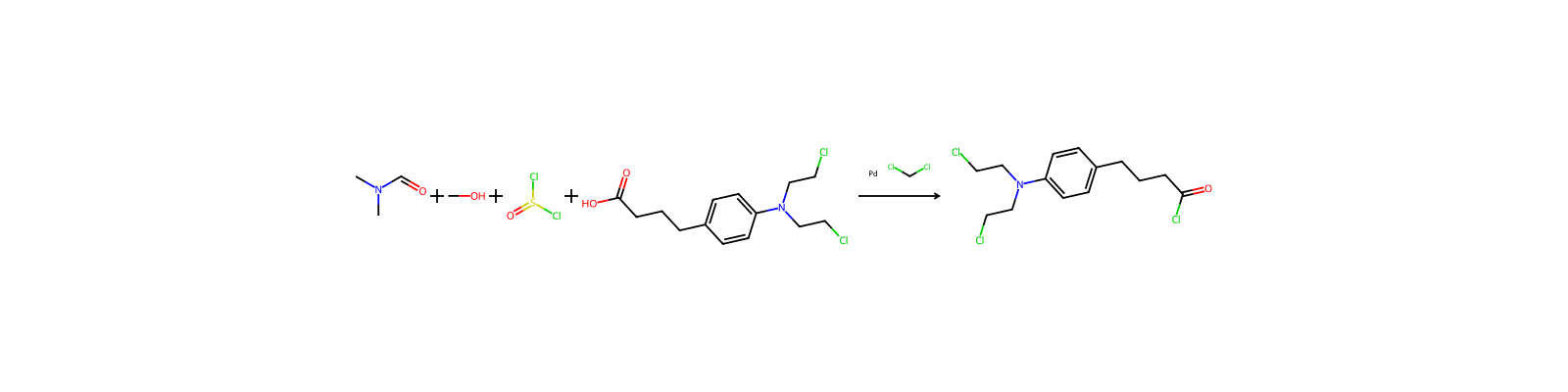
Zugehörige Reaktionen
27






Verknüpfte Notizen
Wird geladen…