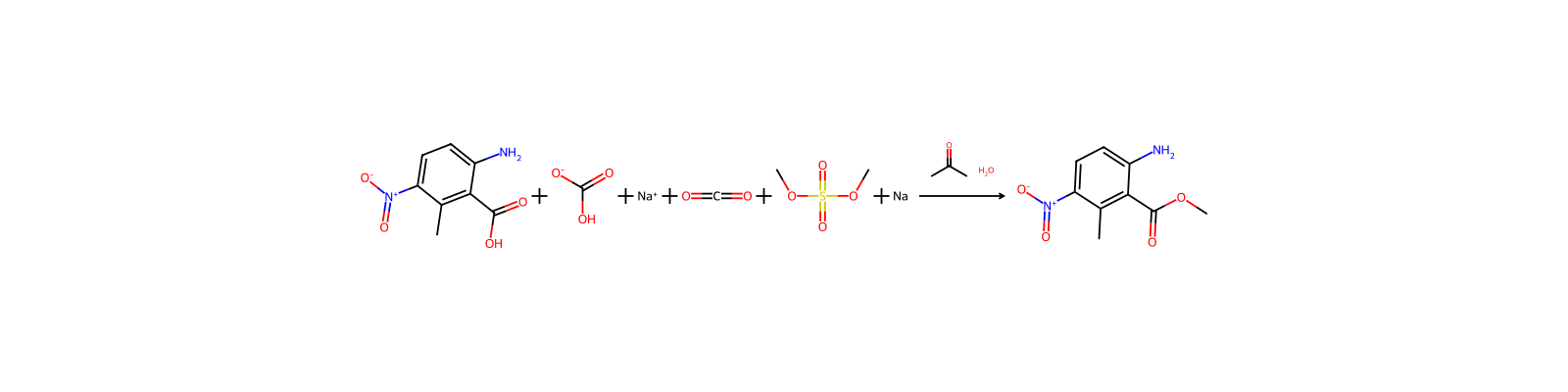

Grundinformationen
- Standard-SMILES
O=C=O- InChIKey
CURLTUGMZLYLDI-UHFFFAOYSA-N- Summenformel
- CO2
- Durchschnittliche Molmasse
- 44,009 g/mol
- Monoisotopische Masse
- 43,98982924
Überblick
Carbon dioxide appears as a colorless odorless gas at atmospheric temperatures and pressures. Relatively nontoxic and noncombustible. Heavier than air and may asphyxiate by the displacement of air. Soluble in water. Forms carbonic acid, a mild acid. Under prolonged exposure to heat or fire the container may rupture violently and rocket. Used to freeze food, to control chemical reactions, and as a fire extinguishing agent.
Namen und Bezeichner
- Bevorzugter Name
- Carbon Dioxide
- IUPAC
- carbon dioxide
- Lokaler Name
- Kohlenstoffdioxid
- Englischer Name
- Carbon dioxide
- Summenformel
- CO2
- Molmasse
- 44.01
Namen und Synonyme
carbon dioxidecarbonic anhydride124-38-9carbonic acid gasCarbonic acid anhydridemethanedioneCarbonicaKohlendioxydCarbon oxide, di-KohlensaureKhladon 744After-damp
Weitere Namen anzeigen
CO2DRY ICEcarbondioxide(co2)Trockeneisr744KohlendioxidDrikoldKohlenstoffdioxid
AER FixusAnhydride carboniqueDioxido de carbonoDioxyde de carboneCarbon oxide (CO2)R 744Carbon-12 dioxideINS NO.290
Datenbank-Bezeichner
- CAS
124-38-9、14485-07-5、2684-00-6- PubChem CID
- 280
- DTXSID
DTXSID4027028- ChEMBL
CHEMBL1231871- ChEBI
CHEBI:16526- UNII
- 142M471B3J
- EC Number
- 204-696-9、686-102-1
- Nikkaji
- J43.600C
Eigenschaften
Berechnete Struktureigenschaften
- XLogP
- 0,9
- Polarare Oberfläche (TPSA)
- 34,1 Ų
- H-Brücken-Donoren
- 0
- H-Brücken-Akzeptoren
- 2
- Frei drehbare Bindungen
- 0
- Schwere Atome
- 3
- Formalladung
- 0
- Komplexität
- 18,3
Experimentelle und physikochemische Eigenschaften
Chemical ClassesToxic Gases & Vapors -> Simple Asphyxiants
CosmeticsPropellant
pHThe pH of saturated CO2 solutions varies from 3.7 at 101 kPa (1 atm) to 3.2 at 2370 kPa (23.4 atm)
SpringerMaterials PropertiesSchoenflies notation
Pesticides
Other Treatment
Active substance -> EU Pesticides database: Not approved
Agrochemicals -> Pesticide active substances
Active substance -> EU Pesticides database: Approved
LogP
0.83
0.83
Odor
Odorless
Faintly pungent odor
TasteFaint acid taste
Food AdditivesANTIMICROBIAL AGENT, ANTIOXIDANT, FLAVOR ENHANCER, FLAVORING AGENT OR ADJUVANT, FORMULATION AID, FREEZING OR COOLING AGENT, DIRECT CONTACT, PH CONTROL AGENT, PROCESSING AID, PROPELLANT, SOLVENT -> FDA Substance added to food
Density
1.56 at -110.2 °F (USCG, 1999) - Denser than water; will sink
Absolute density: 0.1146 lb/cu ft at 25 °C; density: (gas at 0 °C) 1.976 g/L at 760 mm Hg; (liq at 0 °C) 0.914 at 34.3 atm; (solid) at -56.6 °C) 1.512; critical density: 0.464
Density: 1.799 g/L
Liquid: volatile, odorless, density 1.101 at -37 °C, specific volume 8.76 cu ft/lb at 70 °F
Absolute density, gas at 101.325 kPa at 0 °C: 1.9770 kg/cu m; relative density, gas at 101.325 kPa at 0 °C (Air = 1): 1.53
Latent heat of vaporization = 353.4 J/g at the triple point; 231.3 J/g at 0 °C; viscosity = 0.015 mPa-sec at 298 K and 101.3 kPa; gas density = 1.976 g/L at 273 K and 101.3 kPa
Viscosity21.29 uPa-sec at 300 K /26.85 °C/
Color/Form
Colorless gas
Liquid: colorless
Solid (dry ice): white, snow-like flakes or cubes
Colorless ... gas [Note: Shipped as a liquefied compressed gas. Solid form is utilized as dry ice].
Physikochemische Eigenschaften
- Schmelzpunkt
- 78.5 °C · −78.5 °C(lit.)
- Siedepunkt
- -78.46 °C · -78.46°C
- Dichte
- 1.977 · 1.977(0℃)
- Dampfdichte
- 1.52 · 1.52 (vs air)
- Dampfdruck
- 56.5 atm · 56.5 atm ( 20 °C)
- Brechungsindex
- 1.0004 · 1.0004
- storage temp.
- 70 °C · −70°C
- Löslichkeit
- 20 °C · At 20 °C and at a pressure of 101 kPa, 1 volume dissolves in about 1 volume of water.
- Aggregatzustand
- colorless gas
- Farbe
- colorless
- Geruch (Odor)
- 100 % · at 100.00%. odorless
- Wasserlöslichkeit
- 2 · mL CO2/100mL H2O at 760mm: 171 (0°C), 88 (20°C), 36 (60°C) [MER06]
- Spezifische Wärmekapazität
- 0.84 J/ · Cp(gas): 0.84 J/(g·K), at 25℃
- Merck
- 13 · 13,1819
- BRN
- 1900390 · 1900390
- Henry's Law Constant
- 3.4 · 3.4×10-4 mol/(m3Pa) at 25℃, Burkholder et al. (2019)
- Dielectric constant
- 1.6 · 1.6(0℃)
- Stabilität
- Stable. Incompatible with chemically active metals, such as alkali metals.
- Kosmetik-Inhaltsstoffe Funktionen
- PROPELLANT
- InChI
- 1S/CO2/c2-1-3
- InChIKey
- CURLTUGMZLYLDI-UHFFFAOYSA-N
- SMILES
- O=C=O
- LogP
- 0.83 · 0.830 (est)
- Oberflächenspannung
- 1.19 mN/m · 1.19mN/m at 293.15K
- CAS Datenbank
- 124 · 124-38-9(CAS DataBase Reference)
- EPA chemische Informationen
- Carbon dioxide (124-38-9)
- CAS Number Unlabeled
- 124 · 124-38-9
Sicherheit und Regulatorisches
GHS-Klassifizierung
GHS Classification
This chemical does not meet GHS hazard criteria for 4.9% (77 of 1570) of reports.
Warning
H280 (82%): Contains gas under pressure; may explode if heated [Warning Gases under pressure]
P282, P336+P317, P403, and P410+P403 (click each P-code to see the statement)
Aggregated GHS information provided per 1570 reports by companies from 10 notifications to the ECHA C&L Inventory. Each notification may be associated with multiple companies.
This chemical does not meet GHS hazard criteria for 97.4% (38 of 39) of all reports.
Gefahrenhinweise
Regulatory Information
Chemical: Carbon dioxide
Commission Regulation No 844/2012
Carbon dioxide is listed on the EPA's Chemical Data Reporting (CDR) system. Manufacturers and importers of Carbon dioxide are required to report information about their production and use of this chemical to the EPA under the Toxic Substances Control Act (TSCA). (40 eCFR Part 711)
Reg. (EU) 2021/80
2008/127, Reg. (EU) 2017/195, Reg. (EU) 2020/1160, Reg. (EU) 2021/745, Reg. (EU) 2022/437, Reg. (EU) No 532/2013, Reg. (EU) No 540/2011
Carbon dioxide: Non hazardous
Other Safety InformationIMAP assessments - Carbon dioxide: Human health tier I assessment
DOT Label
Non-Flammable Gas
Non-Flammable Gas
Class 9
Fire Hazards
Behavior in Fire: Containers may explode when heated. (USCG, 1999)
Excerpt from ERG Guide 120 [Gases - Inert (Including Refrigerated Liquids)]:
Excerpt from ERG Guide 120 [Gases - Inert (Including Refrigerated Liquids)]:
· Non-flammable gases.
· Non-flammable gases.
· Non-flammable gases.
Fire PotentialNoncombustible gas.
Health Hazards
Inhalation causes increased respiration rate, headache, subtle physiological changes for up to 5% concentration and prolonged exposure. Higher concentrations can cause unconsciousness and death. Solid can cause cold contact burns. Liquid or cold gas can cause freezing injury to skin or eyes similar to a burn. (USCG, 1999)
Excerpt from ERG Guide 120 [Gases - Inert (Including Refrigerated Liquids)]:
Excerpt from ERG Guide 120 [Gases - Inert (Including Refrigerated Liquids)]:
· Vapors may cause dizziness or asphyxiation without warning, especially when in closed or confined areas.
· Vapors may cause dizziness or asphyxiation without warning, especially when in closed or confined areas.
· Vapors may cause dizziness or asphyxiation without warning, especially when in closed or confined areas.
Hazards SummaryPossible frostbite from contact with liquid; [NIOSH] Simple asphyxiant; [ICSC]
DOT ID and Guide
1845 120
1013 120
2187 120
1013 120
1845 120(dry ice)
2187 120(liquid)
FDA Requirements
Substance added directly to human food affirmed as generally recognized as safe (GRAS).
Carbon dioxide used as a general purpose food additive in animal drugs, feeds, and related products is generally recognized as safe when used in accordance with good manufacturing or feeding practice.
Reactive Group
Acids, Weak
Not Chemically Reactive
Not Chemically Reactive
UN ClassificationUN Hazard Class: 2.2
Special Reports
USEPA/Office of Pesticide Programs; Reregistration Eligibility Decision Document - Carbon and Carbon Dioxide (September 1991). The RED summarizes the risk assessment conclusions and outlines any risk reduction measures necessary for the pesticide to continue to be registered in the U.S.[Available from, as of November 20, 2009: http://www.epa.gov/pesticides/reregistration/status.htm]
USEPA. Climate Change. Overview of Greenhouse Gases. Carbon Dioxide Emissions. This page summarizes the sources of carbon dioxide emissions and trends in the U.S, as well as strategies for reducing emissions.[Available from, as of February 18, 2015: http://www.epa.gov/climatechange/ghgemissions/gases/co2.html#ref1]
Ocean acidification and its potential effects on marine ecosystems. Guinotte JM, Fabry VJ; Ann N Y Acad Sci 1134: 320-42 (2008): Marine taxa covered in this review include tropical reef-building corals, cold-water corals, crustose coralline algae, Halimeda, benthic mollusks, echinoderms, coccolithophores, foraminifera, pteropods, seagrasses, jellyfishes, and fishes.
Environment Canada; Tech Info for Problem Spills: Carbon Dioxide (1984)
Sicherheit und Schutzausrüstung
Fire Fighting
Excerpt from ERG Guide 120 [Gases - Inert (Including Refrigerated Liquids)]:
Excerpt from ERG Guide 120 [Gases - Inert (Including Refrigerated Liquids)]:
Excerpt from ERG Guide 120 [Gases - Inert (Including Refrigerated Liquids)]:
In case of fire in the surroundings, use appropriate extinguishing media. In case of fire: keep cylinder cool by spraying with water. Combat fire from a sheltered position.
First Aid Measures
Fresh air, rest. Administration of oxygen may be needed. Artificial respiration may be needed. Refer for medical attention.
ON FROSTBITE: rinse with plenty of water, do NOT remove clothes. Refer for medical attention .
ON FROSTBITE: rinse with plenty of water. Refer for medical attention.
Accidental Release Measures
· CALL 911. Then call emergency response telephone number on shipping paper. If shipping paper not available or no answer, refer to appropriate telephone number listed on the inside back cover.
· Do not touch or walk through spilled material.
· CALL 911. Then call emergency response telephone number on shipping paper. If shipping paper not available or no answer, refer to appropriate telephone number listed on the inside back cover.
· Do not touch or walk through spilled material.
· CALL 911. Then call emergency response telephone number on shipping paper. If shipping paper not available or no answer, refer to appropriate telephone number listed on the inside back cover.
· Do not touch or walk through spilled material.
First Aid
Excerpt from NIOSH Pocket Guide for Carbon dioxide:
Excerpt from NIOSH Pocket Guide for Carbon dioxide:
Excerpt from NIOSH Pocket Guide for Carbon dioxide:
General First Aid:
General First Aid:
General First Aid:
Safe StorageFireproof if in building. Cool. Ventilation along the floor.
Firefighting Hazards
/Carbon dioxide/ is not effective for use on fires involving chemicals that have their own oxygen supply (i.e., cellulose nitrate); or on fires involving reactive metals (such as, potassium, sodium, magnesium, aluminum, titanium and zirconium) or their hydrides as these materials decompose carbon dioxide.
Exposure Control and Personal Protection
· Wear positive pressure self-contained breathing apparatus (SCBA).
· Wear positive pressure self-contained breathing apparatus (SCBA).
· Wear positive pressure self-contained breathing apparatus (SCBA).
5000.0 [ppm]
Fire Fighting Procedures
Suitable extinguishing media: Use water spray, alcohol-resistant foam, dry chemical or carbon dioxide.
Advice for firefighters: Wear self contained breathing apparatus for fire fighting if necessary.
Fire fighting: self-contained breathing apparatus with a full facepiece operated in pressure-demand or other positive pressure mode.
If material on fire or involved in fire: Extinguish fire using agent suitable for type of surrounding fire. (Material itself does not burn or burns with difficulty.) Cool all affected containers with flooding quantities of water. Do not use water on material itself. Apply water from as far a distance as possible. /Carbon dioxide; carbon dioxide, refrigerated liquid/
Storage Conditions
Conditions for safe storage, including any incompatibilities: Keep container tightly closed in a dry and well-ventilated place. Contents under pressure. Avoid heating above: 50 °C.
Fireproof if in building. Cool. Ventilation along the floor.
Dry ice should not be kept in container that is not designed to withstand pressure. Containers of other substances stored over dry ice for extended periods generally absorb carbon dioxide unless they have been carefully sealed. When such containers are removed from storage and allowed to come rapidly to room temperature, the carbon dioxide may develop sufficient pressure to burst the container with explosive violence. On removal of such containers from storage, the stopper should be loosened or the container itself should be wrapped in towels and kept behind a shield.
Store liquid containers in well ventilated areas. Keep cylinders away from sources of heat. Storage should not be in heavy traffic areas to prevent accidental knocking over or damage from passing or falling objects. Valve caps should remain on cylinders not connected for use. Segregate full and empty cylinders. ... Store carbon dioxide cylinders with the valve end up.
Cleanup Methods
Accidental release measures. Personal precautions, protective equipment and emergency procedures: Avoid breathing vapors, mist or gas. Ensure adequate ventilation. Evacuate personnel to safe areas.; Environmental precautions: Do not let product enter drains.; Methods and materials for containment and cleaning up: Clean up promptly by sweeping or vacuum.
1) Ventilate area of leak to disperse gas. 2) Stop flow of gas. If source of leak is cylinder & leak cannot be stopped in place, remove...to safe place in open air, & repair leak or allow cylinder to empty.
Water spray may be used to convert any form of carbon dioxide to carbonic acid which may then be neutralized with alkali.
Nonfire Spill Response
Excerpt from ERG Guide 120 [Gases - Inert (Including Refrigerated Liquids)]:
Excerpt from ERG Guide 120 [Gases - Inert (Including Refrigerated Liquids)]:
Excerpt from ERG Guide 120 [Gases - Inert (Including Refrigerated Liquids)]:
Disposal Methods
SRP: Recycle any unused portion of the material for its approved use or return it to the manufacturer or supplier. Ultimate disposal of the chemical must consider: the material's impact on air quality; potential migration in air, soil or water; effects on animal, aquatic and plant life; and conformance with environmental and public health regulations. If it is possible or reasonable use an alternative chemical product with less inherent propensity for occupational harm/injury/toxicity or environmental contamination.
Product: Offer surplus and non-recyclable solutions to a licensed disposal company. Contact a licensed professional waste disposal service to dispose of this material.
Contaminated packaging: Dispose of as unused product.
Vent to atmosphere.
Evaporation: Remove leaking /carbon dioxide/ cylinder or scrap solid (snow or dry ice) to a hood with forced ventilation or to a remote outside area. Allow gas to bleed off at a moderate rate or solid to sublime.
Toxikologische Informationen
Treatment
In case of inhalation, administer 100% humidified supplemental oxygen with assisted ventilation as required. Administer a benzodiazepine IV if seizures occur. Irrigate exposed eyes with copious amounts of room temperature water for at least 15 minutes if exposure occurred through eye exposure. In case of dermal exposure, rewarming and a variety of topical treatments are indicated for frostbite injury. (T36)
Interactions
Reactive oxygen species (ROS) are harmful because they can oxidize biological macromolecules. We show here that atmospheric CO(2) (concentration range studied: 40-1,000 ppm.) increases death rates due to H(2)O(2) stress in Escherichia coli in a dose-specific manner. This effect is correlated with an increase in H(2)O(2)-induced mutagenesis and, as shown by 8-oxo-guanine determinations in cells, DNA base oxidation rates. Moreover, the survival of mutants that are sensitive to aerobic conditions (Hpx(-) dps and recA fur), presumably because of their inability to tolerate ROS, seems to depend on CO(2) concentration. Thus, CO(2) exacerbates ROS toxicity by increasing oxidative cellular lesions.
The responsiveness of respiratory center to stimulation by CO2 ... is depressed by anoxia and various drugs such as ether, alcohol, chloroform, morphine, barbital, etc.
The role of CO2 in hyperbaric oxygen toxicity was investigated by administering acetazolamide ..., tris buffer (tris-hydroxymethyl) aminomethane, and NaHCO3 by ip injection, and by exposure of other groups of animals to an atmosphere of 5% CO2 and 95% O2. All animals were placed in a pressure chamber and maintained at 50 psig in 100% O2 until death. The tris buffer and NaHCO3 buffer significantly extended /the/ time to onset of convulsions and to time of death. Acetazolamide and also 5% CO2 shortened /the/ time of convulsions and significantly shortened survival time. Apparently, increased tissue levels of CO2 play an important role in hyperbaric O2 toxicity. The cause of death in the animals exposed to hyperbaric O2 was pulmonary edema secondary to a systemic hypertension.
Toxicological interactions between carbon monoxide and carbon dioxide were evaluated in rats. Groups of six male Fischer rats were exposed for 30 minutes to carbon monoxide and CO2, either individually or in combination, or to the products of combustible materials. Exposure to carbon monoxide in air caused death within the first minute at concentrations of 4600 to 5000 ppm, which gave carboxyhemoglobin levels greater than 83%. With 2500 ppm carbon monoxide, blood pH decreased from 7.42 to 7.2. The CO2 concentrations tested (1.3 to 14.7%) were neither incapacitating nor lethal. When CO2 was added to sublethal concentrations of carbon monoxide, some of the rats died during either the 30 minute exposure period or in the following 24 hours. The rate of formation of carboxyhemoglobin from an exposure to 2500 ppm carbon monoxide was 1.5 times greater in the presence of 5.25% CO2. However, this could not explain the increased death rate, since the carboxyhemoglobin equilibrium level (78%) did not change. The combination of 2500 ppm carbon monoxide and 5.25% CO2 reduced the blood pH to 6.8. With the combined gases, the total CO2 and bicarbonate values remained low for at least 30 minutes after exposure indicating that a combination of respiratory and metabolic acidosis occurred in animals exposed to both gases. Carbon monoxide, CO2 and carboxyhemoglobin levels produced as a result of thermal combustion of 11 natural and synthetic materials at their median lethal concentrations were measured. Only polyphenylsulfone produced sufficient carbon monoxide and carboxyhemoglobin levels to suggest carbon monoxide as the primary toxicant. For the other materials the carbon monoxide concentration was too low to account for the deaths observed. It was concluded that in the range of 2500 to 4100 ppm, carbon monoxide alone has very little probability of causing death, but if it is combined with levels of CO2 above 1.5 % the probability of death is much higher.
For more Interactions (Complete) data for Carbon dioxide (6 total), please visit the HSDB record page.
Target Organsrespiratory system, cardiovascular system
Health EffectsCarbon dioxide poisoning (Hypercapnia) can induce increased cardiac output, an elevation in arterial blood pressure, and a propensity toward arrhythmias (L1145).
Ecotoxicity Values
LC50; Species: /Oncorhynchus mykiss/ (Rainbow trout); Concentration: 240 mg/L for 1 hour /Conditions of bioassay not specified in source/
LC50; Species: /Oncorhynchus mykiss/ (Rainbow trout); Concentration: 35 mg/L for 96 hr /Conditions of bioassay not specified in source/
LC50; Species: /Oncorhynchus mykiss/ (Rainbow trout); Concentration: 60-240 mg/L for 12 hr /Conditions of bioassay not specified in source/
Environmental Fate
The extensive sets of global CO2 measurements of the National Oceanic and Atmospheric Admin (NOAA) Geophysical Monitoring for Climatic Change (GMCC) division and of the Upper Atmosphere and Space Research Laboratory of Tohoku University are combined with a two-dimensional transport model to derive, in an "inverse" calculation, the latitudinal and seasonal distributions of sources and sinks of CO2 necessary to reproduce the observed concn. ... It is found that the southern oceans are a sink of carbon of 0.8 to 1.5 Gt/yr (1 Gt = 1 x 10 +15 g) and that the equatorial areas are a source to the atmosphere of 1.4 to 2.8 Gt. There seems to be significant seasonality in the sources and sinks of CO2, both in the tropics and in the southern oceans. Seasonal net ecosystem production north of 25 deg N is found to be 6.2 to 8.2 Gt of carbon. ... The global average net source of atmospheric CO2 estimated from the Tohoku data is 2.84 Gt C/yr, while for the GMCC data it is 2.98 Gt C/yr.
Adverse EffectsOther Poison - Simple Asphyxiant
Exposure Routes
The substance can be absorbed into the body by inhalation.
inhalation, skin and/or eye contact (liquid/solid)
Inhalation (L1144) ; dermal (L1144) ; eye contact (L1144).
Toxicity Summary
IDENTIFICATION AND USE: Carbon dioxide (CO2) is a colorless gas and liquid, or solid (dry ice): white, snow-like flakes or cubes. It is registered for pesticide use in the U.S. but approved pesticide uses may change periodically and so federal, state and local authorities must be consulted for currently approved uses. Carbon dioxide is used as a pesticide for insect control in stored grain under modified atmospheres containing approx. 60% carbon dioxide. It is also used as rodenticide (mice and rats). Other uses include refrigeration, carbonated beverages, aerosol propellant, chemical intermediate (carbonates, synthetic fibers, p-xylene, etc.), low-temperature testing, fire extinguishing, inert atmospheres, municipal water treatment, medicine, enrichment of air in greenhouses, fracturing and acidizing of oil wells, mining (Cardox method), miscible pressure source, hardening of foundry molds and cores, shielding gas for welding, cloud seeding, moderator in some types of nuclear reactors, immobilization for humane animal killing, special lasers, blowing agent, as demulsifier in tertiary oil recovery, possible source of methane, (liquid) carrier for powdered-coal slurry. Supercritical or liquid CO2 used in extraction of caffeine and hops aroma; dry cleaning; metal degreasing; cleaning semiconductor chips; paint spraying; polymer modification. Carbon dioxide is used in hydraulic fracturing. CO2 is also used as medication during surgical procedures. HUMAN EXPOSURE AND TOXICITY: Carbon dioxide is produced by the body's metabolism and is always present in the body at about 6% concentration. An average adult human will produce more than 500 g of carbon dioxide daily under resting conditions, and will produce much more when active. The gas is a weak CNS depressant at 30,000 ppm, giving rise to reduced acuity of hearing and increasing blood pressure and pulse. Exposure at 7%-10% produces unconsciousness within a few minutes. At low concentrations, gaseous carbon dioxide appears to have little toxicological effect. At higher concentrations it leads to an increased respiratory rate, tachycardia, cardiac arrhythmias and impaired consciousness. Concentrations >10% may cause convulsions, coma and death. Solid carbon dioxide may cause burns following direct contact. If it is warmed rapidly, large amounts of carbon dioxide are generated, which can be dangerous, particularly within confined areas. Carbon dioxide at high concentration in air causes stinging sensation in eyes, nose, and throat. Asphyxiation with CO2 is said to have induced temporary proptosis and mydriasis and caused yellow vision, with transient blindness. Severe damage of CNS and retinal ganglion cells has been reported. ANIMAL STUDIES: Inhalation of air containing 68% carbon dioxide for 5 min caused death from asphyxia in pigs. Dogs were given 30% carbon dioxide for 2 hr, then 40% carbon dioxide, and then abruptly returned to normal air. Eleven dogs died within 10 min with ventricular fibrillation. Four survived with cardiac arrhythmias, and two had no cardiac symptoms. Rats exposed to an atmosphere containing 50% carbon dioxide died within 6 hr. Rats exposed to 25% died within 36 hr. Deaths were a result of pulmonary injury. Atmospheres as low as 20% carbon dioxide caused cerebral depression. All rats exposed to 10% carbon dioxide survived. Guinea pigs exposed to 15% carbon dioxide for 7 days lost weight at first but later returned to normal weight. They also had higher blood corticosteroids, lower adrenal epinephrine, decreased adrenal cholesterol, higher arterial free fatty acids, and decreased lymphocytes in the first 3 days of exposure. No effects were seen in male rhesus monkeys that spent 93 days in an atmosphere with 3% carbon dioxide. Toxicity to fertility (morphological changes of spermatozoa in mice at 1% and testicular changes in rats at 2.5%) and teratogenicity (cardiac and skeletal abnormalities in rats at 6%; skeletal abnormalities in rabbits at 10%) were observed. ECOTOXICITY STUDIES: Harmful to some species of aquatic life in concentrations less than 20 mg/L. Adult and larval insects are rapidly anesthetized by carbon dioxide. Groups of caged, queenless Apis mellifera (honeybee) workers narcotized with CO(2) on consecutive days early in adult life showed a significantly lower level of ovary activation than did groups of untreated workers. This same experimental treatment, by contrast, is known to accelerate ovary activation and induce egg laying in virgin honey bee queens--an observation that suggests that CO(2) narcosis has contrasting effects in queen versus worker ovary activation. Elevated levels of atmospheric carbon dioxide, a consequence of anthropogenic global change, can profoundly affect the interactions between crop plants and insect pests and may promote yet another form of global change: the rapid establishment of invasive species.
Carbon dioxide causes widespread activation of the sympathetic nervous system and an increase in the plasma concentrations of epinephrine, norepinephrine, angiotensin, and other vasoactive peptides . The response is mediated by various subcortical centers in the hypothalamus, brainstem reticular formation and medulla. These areas can be excited locally by carbon dioxide, but they also receive afferents from the carotid and aortic chemoreceptors that are sensitive to changes in carbon dioxide in the blood. The results of sympathetic nervous system activation are, in general, opposite to the local effects of carbon dioxide. The sympathetic effects consist of an increase in cardiac contractility and heart rate and vasoconstriction (A628).
Ecotoxicity Excerpts
/AQUATIC SPECIES/ Carbon capture and storage is increasingly being considered one of the most efficient approaches to mitigate the increase of CO2 in the atmosphere associated with anthropogenic emissions. However, the environmental effects of potential CO2 leaks remain largely unknown. The amphipod Ampelisca brevicornis was exposed to environmental sediments collected in different areas of the Gulf of Cadiz and subjected to several pH treatments to study the effects of CO2-induced acidification on sediment toxicity. After 10 days of exposure, the results obtained indicated that high lethal effects were associated with the lowest pH treatments, except for the Ria of Huelva sediment test. The mobility of metals from sediment to the overlying seawater was correlated to a pH decrease. The data obtained revealed that CO2-related acidification would lead to lethal effects on amphipods as well as the mobility of metals, which could increase sediment toxicity.
/AQUATIC SPECIES/ The injection and storage of CO2 into marine geological formations has been suggested as a mitigation measure to prevent global warming. However, storage leaks are possible resulting in several effects in the ecosystem. Laboratory-scale experiments were performed to evaluate the effects of CO2 leakage on the fate of metals and on the growth of the microalgae Phaeodactylum tricornutum. Metal contaminated sediments were collected and submitted to acidification by means of CO2 injection or by adding HCl. Sediments elutriate were prepared to perform toxicity tests. The results showed that sediment acidification enhanced the release of metals to elutriates. Iron and zinc were the metals most influenced by this process and their concentration increased greatly with pH decreases. Diatom growth was inhibited by both processes: acidification and the presence of metals. Data obtained is this study is useful to calculate the potential risk of CCS activities to the marine environment.
/AQUATIC SPECIES/ Rising atmospheric carbon dioxide (CO2), primarily from human fossil fuel combustion, reduces ocean pH and causes wholesale shifts in seawater carbonate chemistry. The process of ocean acidification is well documented in field data, and the rate will accelerate over this century unless future CO2 emissions are curbed dramatically. Acidification alters seawater chemical speciation and biogeochemical cycles of many elements and compounds. One well-known effect is the lowering of calcium carbonate saturation states, which impacts shell-forming marine organisms from plankton to benthic molluscs, echinoderms, and corals. Many calcifying species exhibit reduced calcification and growth rates in laboratory experiments under high-CO2 conditions. Ocean acidification also causes an increase in carbon fixation rates in some photosynthetic organisms (both calcifying and noncalcifying). The potential for marine organisms to adapt to increasing CO2 and broader implications for ocean ecosystems are not well known; both are high priorities for future research. Although ocean pH has varied in the geological past, paleo-events may be only imperfect analogs to current conditions.
/AQUATIC SPECIES/ Ocean acidification describes the progressive, global reduction in seawater pH that is currently underway because of the accelerating oceanic uptake of atmospheric CO(2). Acidification is expected to reduce coral reef calcification and increase reef dissolution. Inorganic cementation in reefs describes the precipitation of CaCO(3) that acts to bind framework components and occlude porosity. Little is known about the effects of ocean acidification on reef cementation and whether changes in cementation rates will affect reef resistance to erosion. Coral reefs of the eastern tropical Pacific (ETP) are poorly developed and subject to rapid bioerosion. Upwelling processes mix cool, subthermocline waters with elevated pCO(2) (the partial pressure of CO(2)) and nutrients into the surface layers throughout the ETP. Concerns about ocean acidification have led to the suggestion that this region of naturally low pH waters may serve as a model of coral reef development in a high-CO(2) world. We analyzed seawater chemistry and reef framework samples from multiple reef sites in the ETP and found that a low carbonate saturation state (Omega) and trace abundances of cement are characteristic of these reefs. These low cement abundances may be a factor in the high bioerosion rates previously reported for ETP reefs, although elevated nutrients in upwelled waters may also be limiting cementation and/or stimulating bioerosion. ETP reefs represent a real-world example of coral reef growth in low-Omega waters that provide insights into how the biological-geological interface of coral reef ecosystems will change in a high-CO(2) world.
For more Ecotoxicity Excerpts (Complete) data for Carbon dioxide (24 total), please visit the HSDB record page.
Signs and Symptoms
Dizziness. Headache. Elevated blood pressure. Increased heart rate. Palpitations. Suffocation. Unconsciousness.
ON CONTACT WITH GAS OR DRY ICE: FROSTBITE.
ON CONTACT WITH LIQUID: FROSTBITE.
headache, dizziness, restlessness, paresthesia; dyspnea (breathing difficulty); sweating, malaise (vague feeling of discomfort); increased heart rate, cardiac output, blood pressure; coma; asphyxia; convulsions; frostbite (liquid, dry ice)
Flushed skin, full pulse, extrasystoles, muscle twitches, hand flaps, reduced neural activity, headache, and possibly a raised blood pressure. In severe poisoning, symptomatology progresses to disorientation, panic, hyperventilation, convulsions, unconsciousness, and eventually death (L1145).
Medical Surveillance
Consider evaluation of body calcium and acid-base balance.
It is recognized that repeated daily exposure at 0.5 to 1.5% inspired carbon dioxide at 1 atmosphere is well tolerated by normal individuals. Employment medical examination should be directed to selecting individuals normal in cardiovascular, pulmonary-respiratory, & neurological function. Specific appraisal & standards should incl ... MEDICAL HISTORY- AGE: /Protect from exposure/ individuals over 65, even in evident good health. History of current & past illness: Exclude individuals with recent (5 yr) history of: epilepsy of any form, stroke, fainting, cardiac dysfunction of any form ... chronic resp distress of any form ... glaucoma, mental disease of any form, current endocrine disorder, & gastric or duodenal ulcer. PHYSIOLOGIC AND GENERAL MEDICAL EXAM: General medical exam, blood pressure, electrocardiogram, chest X-ray, pulmonary vital capacity, exercise tolerance step test (masters), red cell count, white cell count, & hemoglobin concn & urinalysis. The results are to be within normal limits & these exams should be repeated periodically; frequency ... detemined ... /by/ physician.
Regulatorische Informationen
FDA Requirements
Substance added directly to human food affirmed as generally recognized as safe (GRAS).
Carbon dioxide used as a general purpose food additive in animal drugs, feeds, and related products is generally recognized as safe when used in accordance with good manufacturing or feeding practice.
FIFRA Requirements
Residues of carbon dioxide are exempted from the requirement of a tolerance when used in accordance with good agricultural practice as inert (or occasionally active) ingredients in pesticide formulations applied to growing crops or to raw agricultural commodities after harvest. Use: propellant. Limit: none.
Residues of carbon dioxide are exempted from the requirement of a tolerance when used in accordance with good agricultural practice as inert (or occasionally active) ingredients in pesticide formulations applied to animals. Use: propellant. Limit: none.
The insecticide carbon dioxide is exempted from the requirement of a tolerance when used after harvest in modified atmospheres for stored insect control on food commodities.
The EPA has previously identified and required submission of generic (i.e., active ingredient specific) data required to support reregistration of products containing carbon and carbon dioxide as an active ingredients. EPA has also consulted and relied upon published literature as a source for technical information. EPA has completed its review of these generic data, and has determined that the data are sufficient to support reregistration of products containing carbon and carbon dioxide. ... EPA has determined that all products containing carbon or carbon dioxide as the active ingredient are eligible for reregistration.
As the federal pesticide law FIFRA directs, EPA is conducting a comprehensive review of older pesticides to consider their health and environmental effects and make decisions about their continued use. Under this pesticide reregistration program, EPA examines newer health and safety data for pesticide active ingredients initially registered before November 1, 1984, and determines whether the use of the pesticide does not pose unreasonable risk in accordance to newer safety standards, such as those described in the Food Quality Protection Act of 1996. Pesticides for which EPA had not issued Registration Standards prior to the effective date of FIFRA '88 were divided into three lists based upon their potential for human exposure and other factors, with List B containing pesticides of greater concern than those on List C, and with List C containing pesticides of greater concern than those on List D. Carbon dioxide is found on List D. Case No: 4019; Pesticide type: insecticide, rodenticide; Case Status: RED Approved 09/19; OPP has made a decision that some/all uses of the pesticide are eligible for reregistration, as reflected in a Reregistration Eligibility Decision (RED) document.; Active ingredient (AI): carbon dioxide; AI Status: OPP has completed a Reregistration Eligibility Decision (RED) document for the case/AI.
Sicherheitsdaten
- F
- 4.5-31
- OEB
- A
- OEL
- TWA: 5000 ppm (9000 mg/m3), STEL: 30,000 ppm (54,000 mg/m3)
- wgk
- -
- IDLA
- 40,000 ppm
- tsca
- TSCA listed
- ridadr
- UN 2187 2.2 (CARBON DIOXIDE, REFRIGERATED LIQUID)
- hs_code
- 28112100
- RTECS-Nr.
- FF6400000
- safety_code
- 9
- hazard_class
- 2.2
- packing_group
- III
- Speicherklasse
- 2A - Gases
- DOT Classification
- 2.2 (Non-flammable gas)
- Giftige Stoffe Daten
- 124-38-9(Hazardous Substances Data)
- Hazard Classifications
- Press. Gas Liquefied gas
Chemie und Industrie
Pharmakologische Informationen
ATC Code
V - Various
QV - Various
Bionecessity
... Essential to photosynthesis and plant growth. CO2 absorbed by leaves and water absorbed by roots are converted to simple sugars by sun's energy in plant chlorophyll.
... Necessary for respiration cycle of ... animals.
Protein BindingNo protein binding data.
PharmacodynamicsData not found.
Mechanism of Action
Data not found.
Supercritical carbon dioxide possesses germicide (bactericide and sporicide) effect. Despite of the fact, that this effect is used in industrial sterilization processes, the sterilization mechanism at molecular level is unclear. Our hypotheses can provide a molecular-biological explanation for the phenomenon. We believe that in supercritical state CO(2) reacts competitively with Met-tRNA(fMet), the formation rate and the amount of formyl-methionyl-tRNA (fMet-tRNA(fMet)) will be diminished by irreversible substrate consumption. The fMet-tRNA(fMet) possesses a key role in prokaryotic protein synthesis, being almost exclusively the initiator aminoacyl-tRNA. The formed carbamoyl-methionyl-tRNA (cMet-tRNA(fMet)), probably stable only under pressure and high CO(2) concentration, is stabilized by forming a ternary molecular complex with the GTP-form of the translational initiation factor 2 (GTP-IF2). This complex is unable to dissociate from preinitiation 70S ribosomal complex because of strong polar binding between the protein C-2 domain and the modified initiator aminoacyl-tRNA. The IF2-fMet-tRNA(fMet)-blocked 70S ribosomal preinitiation complex does not decompose following the GTP hydrolysis, becoming unable to synthesize proteins. The death of the microbial cell is caused by inhibition of the protein synthesis and energetic depletion. Moreover, we propose a possible mechanism for the accumulation of cMet-tRNA(fMet) in the bacterial cell. Since the translational process is an important target for antibiotics, the proposed mechanism could be a work hypothesis for discovery of new antibiotics. Made by high conservative character of prokaryotic translation initiation, the proposed IF2 pathway deterioration strategy may conduct to obtaining selective (with low mammalian toxicity) antimicrobials and at the same time, with reduced possibility of the drug resistance development.
... Well fed C. elegans (roundworm) avoid CO2 levels above 0.5%. Animals can respond to both absolute CO2 concentrations and changes in CO2 levels within seconds. Responses to CO2 do not reflect avoidance of acid pH but appear to define a new sensory response. Sensation of CO2 is promoted by the cGMP-gated ion channel subunits TAX-2 and TAX-4, but other pathways are also important. Robust CO2 avoidance in well fed animals requires inhibition of the DAF-16 forkhead transcription factor by the insulin-like receptor DAF-2. Starvation, which activates DAF-16, strongly suppresses CO2 avoidance. Exposure to hypoxia (<1% O2) also suppresses CO2 avoidance via activation of the hypoxia-inducible transcription factor HIF-1. The npr-1 215V allele of the naturally polymorphic neuropeptide receptor npr-1, besides inhibiting avoidance of high ambient O2 in feeding C. elegans, also promotes avoidance of high CO2. C. elegans integrates competing O2 and CO2 sensory inputs so that one response dominates. Food and allelic variation at NPR-1 regulate which response prevails. These results suggest that multiple sensory inputs are coordinated by C. elegans to generate different coherent foraging strategies.
... Adult Caenorhabditis elegans (roundworm) display an acute avoidance response upon exposure to CO2 that is characterized by the cessation of forward movement and the rapid initiation of backward movement. This response is mediated by a cGMP signaling pathway that includes the cGMP-gated heteromeric channel TAX-2/TAX-4. CO2 avoidance is modulated by multiple signaling molecules, including the neuropeptide Y receptor NPR-1 and the calcineurin subunits TAX-6 and CNB-1. Nutritional status also modulates CO2 responsiveness via the insulin and TGFbeta signaling pathways. CO2 response is mediated by a neural circuit that includes the BAG neurons, a pair of sensory neurons of previously unknown function. TAX-2/TAX-4 function in the BAG neurons to mediate acute CO2 avoidance. ... C. elegans senses and responds to CO2 using multiple signaling pathways and a neural network that includes the BAG neurons and this response is modulated by the physiological state of the worm.
Biological Half-LifeData not found.
Metabolism/Metabolites
Not metabolized.
Carbon dioxide is produced by the body's metabolism and is always present in the body at about 6% concentration. An average adult human will produce more than 500 g of carbon dioxide daily under resting conditions, and will produce much more when active. Additional carbon dioxide has several effects on the body, and responses are immediate. It stimulates breathing, which exhales the carbon dioxide carried to the lungs from the cells by the bloodstream. An increase in carbon dioxide concentration stimulates the heart rate, increases the blood pressure, increases adrenalin flow, and relaxes the vascular smooth muscles. In addition, carbon dioxide reacts with water in the body to form carbonic acid, which dissociates to hydrogen ion and bicarbonate. An increase in carbon dioxide in the body increases acidity, and then the kidneys act to restore normal acidity.
Perturbation of mitochondrial metabolism, oxidative phosphorylation or Krebs cycle affects embryogenesis. These studies assess the effects of altering pyruvate metabolism in 3-5 somite mouse embryos in whole embryo culture. ... To establish that pyruvate is metabolized during organogenesis the rates of (14)C-carbon dioxide production from 3-(14)C-pyruvate by conceptuses in vitro were measured on days 9-12. The rates of carbon dioxide production incr with incr gestational age. ... The rate of carbon dioxide production from pyruvate by day 10 yolk sac was 10 times greater than that by the embryo proper. Fluoroacetate produced a time and concn dependent reduction in carbon dioxide production in day 10 conceptuses. These studies demonstrate that pyruvate is metabolized by Krebs cycle during organogenesis. alpha-Cyano-4-hydroxycinnamate inhibits transport of pyruvate from cytosol to mitochondria. Embryos exposed to alpha-Cyano-4-hydroxycinnamate exhibited neural tube defects (11/12 at 1,000 uM). Thus, alterations of utilization of pyruvate is teratogenic to cultured embryos. Pyruvate dehydrogenase is inhibited via phosphorylation by E1-kinase. Dichloroacetate inhibits e1-kinase resulting incr pyruvate dehydrogenase activity and incr metabolism of pyruvate by Krebs cycle. Dichloroacetate produced neural tube defects in 0/12 embryos at 100 uM and 6/15 embryos at 500 uM. ... Pyruvate is metabolized during organogenesis and that proper regulation of pyruvate is metabolized during organogenesis and that proper regulation of pyruvate transport and metabolism is essential for normal development.
Carbon dioxide is transported in the blood in diverse forms: dissolved in the plasma, or linked to proteins independently of the PCO2. Carbone dioxide is transported by the hemoglobin back to the lungs, where it is exhaled (A320, L1147).
FDA Pharmacological Classification
142M471B3J
CARBON DIOXIDE
Established Pharmacologic Class [EPC] - Radiographic Contrast Agent
Mechanisms of Action [MoA] - X-Ray Contrast Activity
Carbon dioxide is a Radiographic Contrast Agent. The mechanism of action of carbon dioxide is as a X-Ray Contrast Activity.
CARBON DIOXIDE
Absorption, Distribution and Excretion
Data not found.
Data not found.
Data not found.
Data not found.
Carbon dioxide is excreted by the lungs and, in the form of bicarbonate ion, by the kidney, intestine and skin.
Carbon dioxide is produced by metabolism at approximately the same rate as O2 is consumed. At rest, this value is about 3 mL/kg per minute, but it may increase dramatically with heavy exercise. Carbon dioxide diffuses readily from the cells into the blood, where it is carried partly as bicarbonate ion (HCO3-), partly in chemical combination with hemoglobin and plasma proteins, and partly in solution at a partial pressure of about 6 kPa (46 mmHg) in mixed venous blood. CO2 is transported to the lung, where it is normally exhaled at the rate it is produced, leaving a partial pressure of about 5.2 kPa (40 mmHg) in the alveoli and in arterial blood.
Tissue LocationsKidney
Cellular LocationsCytoplasm
Metabolite Pathways2-aminoadipic 2-oxoadipic aciduria
Verwendung und Herstellung
Uses
Used in carbonated beverages, fire extinguishers, dry ice, and propellants; A product of fermentation; [ACGIH] A product of animal metabolism and released when organic materials burn; a constituent of the earth's atmosphere at about 0.03% by volume; [Merck Index # 1809] Used in the deliming stage of leather production; [PMID 21938525]
Aluminum Producing [Category: Industry]
Smoking cigarettes [Category: Food & Drugs]
For carbon dioxide (USEPA/OPP Pesticide Code: 016601) ACTIVE products with label matches. /SRP: Registered for use in the U.S. but approved pesticide uses may change periodically and so federal, state and local authorities must be consulted for currently approved uses./
Carbon dioxide is used as a pesticide for insect control in stored grain under modified atmospheres containing approx 60% carbon dioxide.
Rodenticide (mice and rats)
Impurities
May contain traces of hydrogen sulfide and sulfur dioxide.
The main impurities present in ... carbon dioxide /from natural sources / are methane and hydrogen sulfide.
The necessary degree of purity is dependent on the final use to which the carbon dioxide is put. Because a large proportion is used in the food and drink industries, the major criteria for the quality of the carbon dioxide are that it should be free of odor and taste. Thus, all contaminants that could contribute to these two properties (e.g., sulfur compounds, oils, and hydrocarbons) should be removed, preferably to less than mg/kg levels. The main impurities present to any significant degree in the final purified product are usually nitrogen, oxygen, and argon (from air), and hydrogen and carbon monoxide (if the carbon dioxide came from a process-gas source).
U.S. Exports
(1972) Negligible
(1975) Negligible
U.S. Imports
(1972) Negligible
(1975) Negligible
U.S. Production
2023: 100,000,000,000 - <110,000,000,000 lb
(1972) 1.46X10+12 grams
(1975) 1.68X10+12 grams
(1985) 3.92X10+12 g /liquid and solid only/
(1990) 10.37 billion lb
For more U.S. Production (Complete) data for Carbon dioxide (11 total), please visit the HSDB record page.
Consumption Patterns
44% is used captively (42% as a chem raw material for urea prodn; and 2% in the prodn of methanol and sodium carbonate, for inerting, pressurizing in coal mining and oil recovery); 56% is used as merchant carbon dioxide (11% in refrigeration; 5% in carbonation; 3% as chem raw material; 3% in inerting; 1% for pressurizing in soft drink mfr, breweries, wineries, and as an aerosol propellant in some food products; 30% in oil well stimulation; and 3% in other applications). (1973)
Refrigeration, 35%; Beverage carbonization, 25%; Inerting and pressurizing, 10%; Enhanced oil recovery, 10%; Miscellaneous, 20% (1983)
A large portion (ca. 50%) of all the carbon dioxide recovered is used at the point of production to make further chemicals of commercial importance, mainly urea and methanol
About 51% of the carbon dioxide used in the US is used in the food industry...it is generally used for food freezing or chilling; approximately 18% is used for beverage carbonation...both soft drinks and beer production consume the largest quantity for carbonation; about 10% is used for chemical manufacturing; other applications include metal working (4%) and oil and gas recovery (6%)
Consumer UsesOther
Industry UsesIntermediate
Methods of Manufacturing
Much of the carbon dioxide generated in the world is a byproduct of ammonia and hydrogen production, which make much more carbon dioxide than is ever recovered. Other sources are still exploited, but these are generally less efficient, and financially less attractive.
/Carbon dioxide from ammonia: In the production of ammonia/ desulfurization of the hydrocarbon feedstock (e.g., natural gas, naphtha) is carried out before catalytic steam reforming of the hydrocarbon to give a gaseous mixture of hydrogen, carbon dioxide, and carbon monoxide. Air is added and further steam reforming is effected in a gaseous mixture that then also contains nitrogen. Because only hydrogen and nitrogen are required to make ammonia, the carbon oxide is removed from the gas stream. Most of the carbon monoxide is catalytically converted to carbon dioxide, and the latter is removed by dissolution under pressure.
Carbon dioxide from flue gases. Carbon dioxide is a component of all flue gases produced by the complete combustion of carbonaceous fuels. Typical concentrations of carbon dioxide in such gases are 10 - 18 vol%. ... The flue gases, after being cooled and cleaned by passing through a water scrubber, are passed through an alkaline carbonate solution or an amine solution which absorbs carbon dioxide. Unlike carbon dioxide from an ammonia plant, the product obtained from flue gases is generally contaminated with small amounts of sulfur compounds. Although manufacture of carbon dioxide by this method was once of a considerable commercial importance, it is now seldom economically viable. It is, however, being revived in the United States for enhanced oil recovery projects, which require vast quantities of CO2.
Large quantities of carbon dioxide are generated by fermentation processes, and up to 80% of this gas may be recoverable. Before being suitable for further use, however, the carbon dioxide must be freed of the impurities inherent in this method of manufacture, i.e., hydrogen sulfide, sulfur dioxide, and various organic compounds such as aldehydes, acids, and higher alcohols and diols. Two general methods are available to purify fermentation carbon dioxide. Both use water scrubbers to remove the bulk of the entrained material. The impurities are then taken out by passing through either an activated charcoal bed or solutions of potassium permanganate and potassium dichromate. The first method relies on adsorption, whereas the second involves chemical reactions. In the second case the gas must be treated further downstream to remove oxidation products formed in the earlier stages as well as any traces of the reagents used in the purification.
For more Methods of Manufacturing (Complete) data for Carbon dioxide (8 total), please visit the HSDB record page.
Formulations/Preparations
Grades: Technical, United States Pharmacopeia, commercial and welding, 99.5%, bone dry (99.95%).
Usually marketed in steel cylinders (under sufficient pressure to keep it liquid) or in solid form as Dry Ice.
Available in gas, liquid and solid form
RADAR aerosol rodenticide containing 2.8 g pressurized CO2, purity > 99% (v/v) (Rentokil)
For more Formulations/Preparations (Complete) data for Carbon dioxide (7 total), please visit the HSDB record page.
Household ProductsInformation on 256 consumer products that contain Carbon dioxide in the following categories is provided:
Use Classification
Food additives
Food Additives -> EXTRACTION_SOLVENT; FOOD_ADDITIVE; FREEZING_AGENT; PRESERVATIVE; PROPELLANT -> JECFA Functional Classes
Food Additives -> EXTRACTION_SOLVENT; FOOD_ADDITIVE; FREEZING_AGENT; PRESERVATIVE; PROPELLANT -> JECFA Functional Classes
Food Additives -> EXTRACTION_SOLVENT; FOOD_ADDITIVE; FREEZING_AGENT; PRESERVATIVE; PROPELLANT -> JECFA Functional Classes
Cosmetics -> Propellant
Anwendungen
BeschreibungCarbon dioxide is a colorless, odorless, noncombustible gas present throughout the atmosphere and is an essential compound for life on Earth. It is found on other planets in the solar system. Mars’s icecaps are primarily frozen carbon dioxide and Venus’s atmosphere is mostly carbon dioxide. Carbon dioxide occurs naturally as approximately 0.03% v/v of the atmosphere.Solid carbon dioxide, also known as dry ice, is usually encountered as white-colored pellets or blocks.
HistoryThe discovery of carbon dioxide, credited to Joseph Black (1728–1799), played a critical role in supplanting the phlogiston theory and advancing the development of modern chemistry. Black, in his medical studies, was searching for a substance to dissolve kidney stones, but he switched his subject to a study of stomach acidity. Black was working with the carbonates magnesia alba (magnesium carbonate) and calcium carbonate (limestone) and observed that when magnesia alba was heated or reacted with acids, it produced a gas and a salt. Black, who published his work in 1756, called the gas “fixed air” and noted that it had properties similar to those described by Jan Baptista van Helmont (1577–1644) for spiritus sylvestrius. Spiritus sylvestrius was the gas produced during combustion processes, and van Helmont realized that this was the same gas produced during fermentation and when acids reacted with seashells.
VerwendenCarbon Dioxide is a gas obtained during fermentation of glucose (grain sugar) to ethyl alcohol. it is used in pressure-packed foods as a propellant or aerating agent and is also used in the carbonation of beverages. it is released as a result of the acid carbonate reaction of leavening agents in baked goods to produce an increase in volume. as a solid, it is termed dry ice and is used for freezing and chilling.
Darstellung
synthetischeCarbon dioxide is produced as a by-product in many processes. It is pro duced as a by-product in the manufacture of lime from calcium carbonate: CaCO3 →CaO + CO2 CO2 also is derived from synthesis gas which is a mixture of CO, CO2, H2 and N2 from air obtained by steam reforming. Carbon dioxide also is obtained by combustion of natural gas: CH4 + 2O2 → CO2 + 2H2O It also is obtained as a by-product in the Haber-Bosch process for the man ufacture of ammonia. The method involves passing steam and air over hot coke. Carbon dioxide also is produced along with ethanol from fermentation of carbohydrates by yeast: C6H12O6→2CO2 + 2C2H5OH In the laboratory, CO2 may be produced by the reaction of any carbonate with a dilute mineral acid: CaCO3 + 2HCl → CaCl2 + CO2 + H2O
Vor- und nachgelagerte Produkte
Vorgelagerte Rohstoffe
Nachgelagerte Produkte
Anbieter50 Anbieter
Hebei Chuanghai Biotechnology Co., Ltd+86-17732866630 · [email protected]
Career Henan Chemica Co+86-0371-86658258 +86-13203830695 · [email protected]
安徽旺山旺水特种气体有限公司15906197626 · [email protected]
江西核研院新材料有限公司18901398682 18901398682 · [email protected]
上海光铧科技有限公司13801626616 · [email protected]
武汉欣扬瑞和化学科技有限公司153-07155313 15307155313 · [email protected]
T&W GROUP021-61551611 13296011611 · [email protected]
湖南省华中特种气体有限公司0734-8755555 15674722888 · [email protected]
江苏普乐司生物科技有限公司0513-66017706 18551496367 · [email protected]
安耐吉化学&3A(安徽泽升科技股份有限公司)400-0056266 · [email protected]
尚澜气体(上海)有限公司4001882517 13323475516 · [email protected]
杭州成丰气体有限公司[email protected]
山东洛克化工有限公司17653113209 13065062079 · [email protected]
上海景颜化工科技有限公司13817811078 · [email protected]
上海嘉斯保气体有限公司13218776790 13218776790 · [email protected]
山东洛恒化工产品有限公司17306359933
济南市万理气体有限公司13245484555 · [email protected]
时美拓特种气体(上海)有限公司15757158480 · [email protected]
陕西缔都医药化工有限公司029-81024372 17792795018 · [email protected]
池州凯隆进出口贸易有限公司[email protected]
Sigma-Aldrich西格玛奥德里奇(上海)贸易有限公司021-61415566 800-8193336 · [email protected]
厦门志信化学有限公司+86-5922680277 +86-13806087780 · [email protected]
热耳科技(上海)有限公司021-64400900 15800436310 · [email protected]
山东智尚新材料有限公司+8617653113209 · [email protected]
迈奇化学股份有限公司15660870300 15737400781 · [email protected]
茂图气体设备(上海)有限公司17301833415 · [email protected]
南通市苏北化工原料有限公司0513-85290972 18762756250 · [email protected]
广东翁江化学试剂有限公司0751-2886750 13927877953 · [email protected]
淄博泽诺医药科技有限公司0533-8800999 13515338377 · [email protected]
山东小野化学股份有限公司0539-6362799 20)
河南天孚化工有限公司+86-0371-55170693 +86-19937530512 · [email protected]
厦门盈融达化工有限公司+86-0592-6210733 · [email protected]
武汉纽瑞德特种气体有限公司027-82652715 18986267605 · [email protected]
SHANDONG ZHI SHANG CHEMICAL CO.LTD0531-68652808 18953170293 · [email protected]
海蔚化学86-21-51086038 · [email protected]
常州新星联生物科技有限公司+86-0519-85551759 · [email protected]
XIAMEN AMITY INDUSTRY AND TRADE CO., LTD.+8618950047208 · [email protected]
Nanjing Doge Biomedical Technology Co., Ltd+86-25-58227606 +86-15305155328 · [email protected]
广州市粤佳气体有限公司400-6377517 19876107228 · [email protected]
SHANGHAI KEAN TECHNOLOGY CO., LTD.+8613817748580 · [email protected]
武汉吉鑫益邦生物科技有限公司59768661 13297943853 · [email protected]
青岛腾龙微波科技有限公司0532-83818797 17669478191 · [email protected]
SUZHOU SENFEIDA CHEMICAL CO.,LTD+86-0512-83500002 +86-15195660023 · [email protected]
南京一览生物科技有限公司13851808754 · [email protected]
江苏润丰合成科技有限公司0513-66017678 18551497631 · [email protected]
江苏博思特化工科技有限公司87161895 15651337098 · [email protected]
Hefei TNJ Chemical Industry Co.,Ltd.+86-0551-65418671 +86-189 4982 3763 · [email protected]
江苏雷恩环保科技有限公司66814573 16651336298 · [email protected]
吉友联有机合成化学(上海)有限公司021-63907388-21 18017369769
南通润丰石油化工有限公司66814565 18912298907 · [email protected]
Ergänzende Hinweise
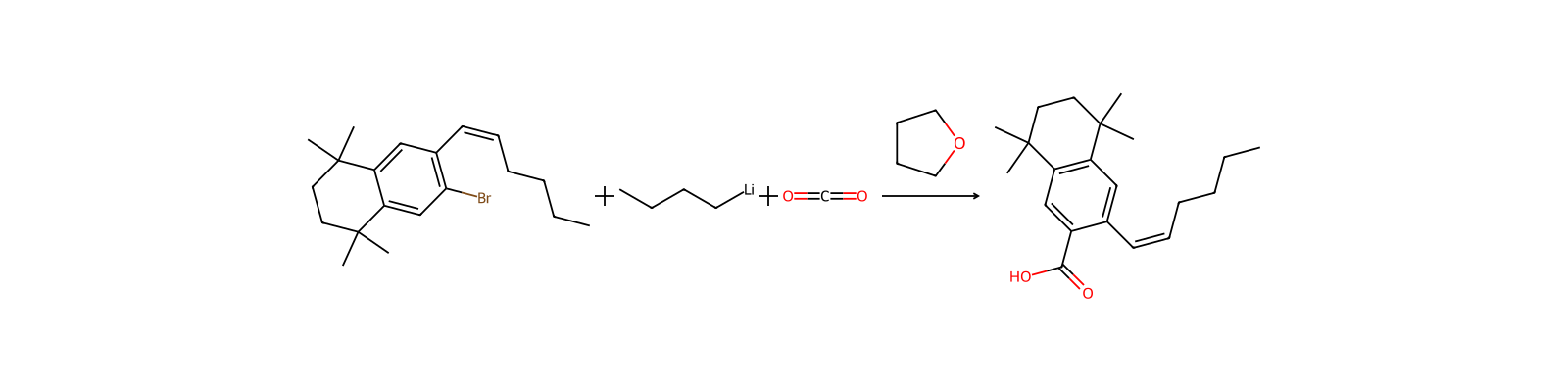
Definition1. The solution of carbon dioxide in a liquid under pressure, as in carbonated soft drinks. 2. The addition of carbon dioxide to compounds, e.g. the insertion of carbon dioxide into Grignard reagents.
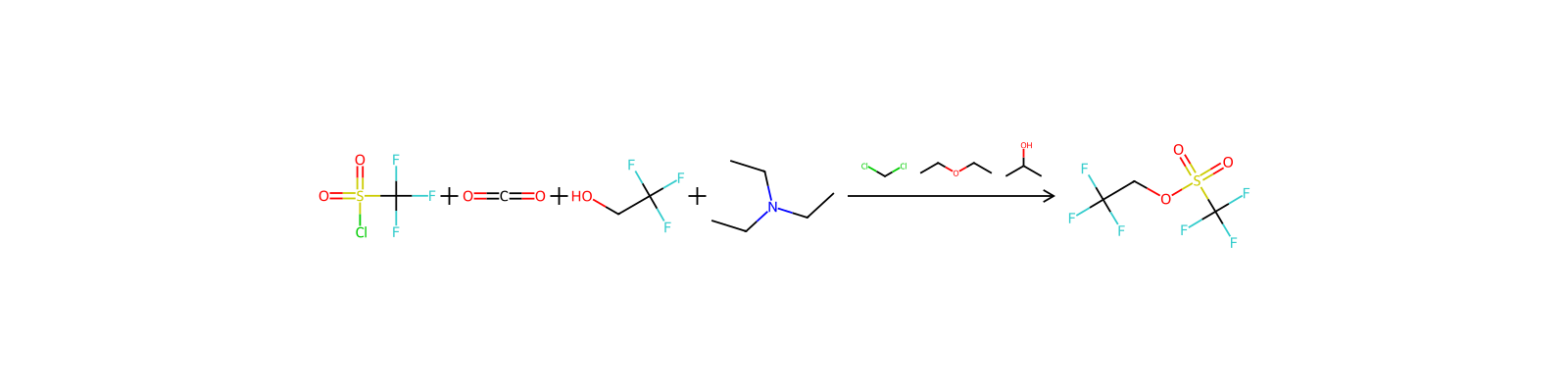
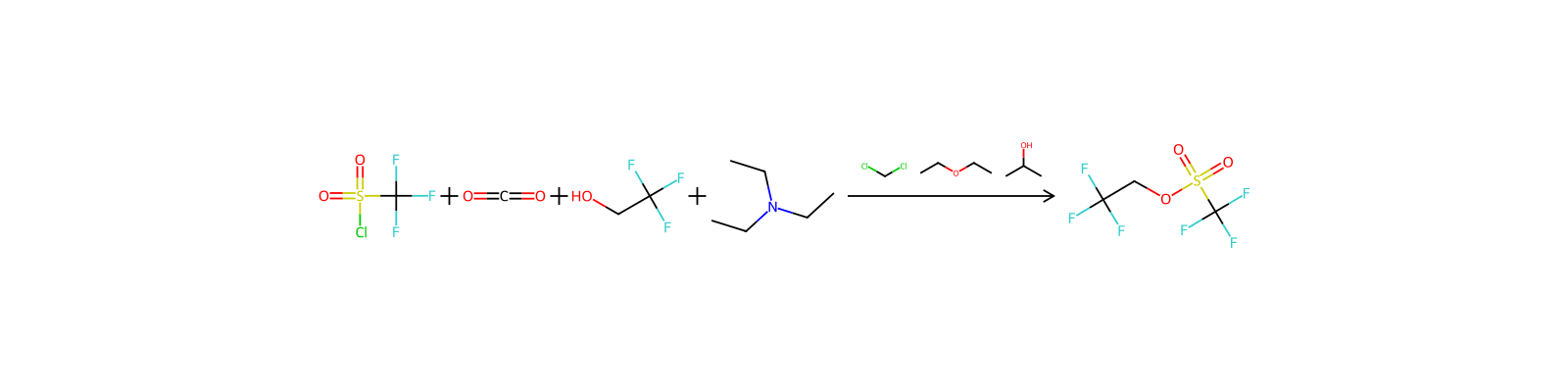
Zugehörige Reaktionen
4.707




Verknüpfte Notizen
Wird geladen…