StartseiteMCPWorkbenchSkills
StartseiteWorkbenchBenachrichtigungenMein Bereich
llms.txt · MCP-AnleitungDatenschutz · Nutzungsbedingungen · Supportv1.8.0
  1. Startseite
  2. /Verbindung

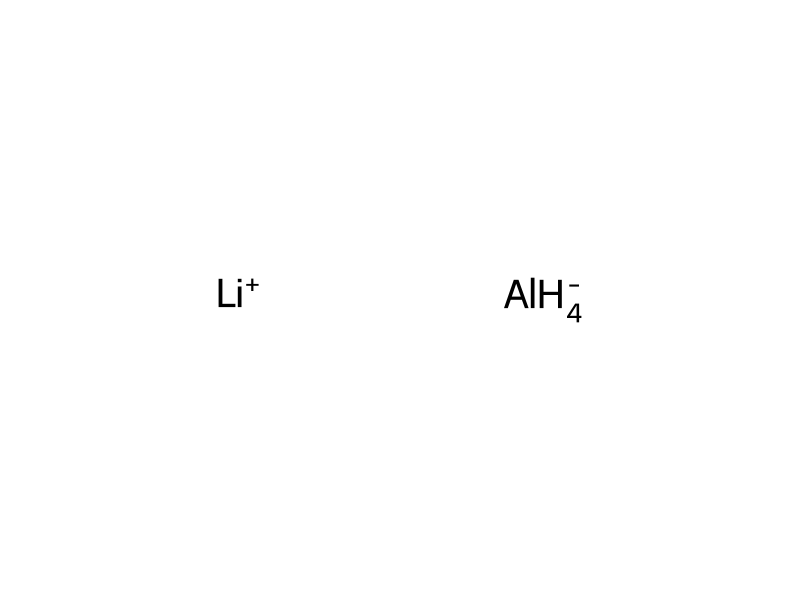
Lithium aluminum hydride
HCID 28112
Neue NotizNeue ReaktionAnfrage stellen
Druckvorschau
GrundinformationenÜberblickNamen und BezeichnerEigenschaftenSicherheit und RegulatorischesChemie und IndustrieZugehörige ReaktionenNotizen zur Verbindung
TeilstruktursucheÄhnliche Strukturen suchen

Grundinformationen

CAS
16853-85-3
Standard-SMILES
[AlH4-].[Li+]
InChIKey
OCZDCIYGECBNKL-UHFFFAOYSA-N
Summenformel
AlH4.Li
Durchschnittliche Molmasse
38 g/mol
Monoisotopische Masse
38,02884331

Überblick

Lithium aluminum hydride appears as a white powder that turns gray on standing. If spread out over a large flat combustible surface, friction can cause ignition. Used to make other chemicals, as a polymerization catalyst, as a hydrogen source, and as a propellant.

Namen und Bezeichner

Bevorzugter Name
Lithium aluminum hydride
IUPAC
lithium alumanuide
Englischer Name
Lithium Aluminum Hydride
Summenformel
AlH4.Li
Molmasse
37.95

Namen und Synonyme

Lithium aluminohydrideLithium tetrahydroaluminateAluminum lithium hydrideLithium alanateLiAlD4LiAlH4Lithium tetrahydroaluminate(1-)Li[AlH4]CHEBI:30142DTXSID7089344177UJC875H4Li(AlH4)
Weitere Namen anzeigen
LAHLITHIUM ALUMINIUM TETRAHYDRIDELITHIUM ALUMINIUM HYDRIDELiAlHLithium aluminum tetrahydrideAlH4.Li
RefChem:153695lithium(1+) ion alumanuideDTXCID901323452Lithium aluminum hydride, etherealAluminum lithium hydride (LiAlH4)Aluminate(1-), tetrahydro-, lithiumAluminate (1-), tetrahydro-, lithiumAluminate(1-), tetrahydro-, lithium, (T-4)-

Datenbank-Bezeichner

CAS
16853-85-3
PubChem CID
28112
DTXSID
DTXSID70893441
ChEBI
CHEBI:30142
UNII
77UJC875H4
EC Number
240-877-9

Eigenschaften

Berechnete Struktureigenschaften

Polarare Oberfläche (TPSA)
0 Ų
H-Brücken-Donoren
0
H-Brücken-Akzeptoren
1
Frei drehbare Bindungen
0
Schwere Atome
2
Formalladung
0
Komplexität
0

Experimentelle und physikochemische Eigenschaften

Chemical Classes · 2 Einträge

Metals -> Metal Hydrides

Flammable agents - 2nd degree

OdorNone
Density · 3 Einträge

0.917 at 59 °F (USCG, 1999) - Less dense than water; will float

0.92

0.92 @25 °C

Color/Form · 2 Einträge

Microcrystalline powder when pure; gray when aluminum impurity present. Monoclinic crystals.

Gray-white monoclinic crystals

SolubilitySolubility (parts/100 parts solvent): 30 (ether); 13 (tetrahydrofuran); 10 (dimethylcellosolve); 2 (dibutyl ether); 0.1 (dioxane).
Decomposition · 2 Einträge

Decomposes to lithium hydride, aluminum metal and hydrogen above 125 °C without melting.

Decomposes above 125 °C, slowly loses hydrogen at 120 °C, decomposes in moist air.

Melting PointDecomposes >125 °C
Physical Description · 2 Einträge

Lithium aluminum hydride appears as a white powder that turns gray on standing. If spread out over a large flat combustible surface, friction can cause ignition. Used to make other chemicals, as a polymerization catalyst, as a hydrogen source, and as a propellant.

Sicherheit und Regulatorisches

Sicherheitsangaben dienen nur zur Orientierung und ersetzen weder das Sicherheitsdatenblatt (SDB) des Lieferanten noch geltende Vorschriften oder eine fachliche Bewertung.

GHS-Klassifizierung

GHS Classification · 6 Einträge

Danger

H220 (13.3%): Extremely flammable gas [Danger Flammable gases]

P203, P210, P222, P223, P231+P232, P260, P264, P264+P265, P280, P301+P330+P331, P302+P335+P334, P302+P361+P354, P304+P340, P305+P354+P338, P316, P317, P321, P363, P370+P378, P377, P381, P402+P404, P403, P405, and P501 (click each P-code to see the statement)

Aggregated GHS information provided per 279 reports by companies from 4 notifications to the ECHA C&L Inventory. Each notification may be associated with multiple companies.

Danger

H260: In contact with water releases flammable gases which may ignite spontaneously [Danger Substances and mixtures which in contact with water, emit flammable gases]

Gefahrenhinweise

Regulatory Information · 4 Einträge

Chemical: Aluminate(1-), tetrahydro-, lithium, (T-4)-

Status: Active Update: 11-11-2013 https://echa.europa.eu/registration-dossier/-/registered-dossier/11218

Aluminate(1-), tetrahydro-, lithium, (T-4)-: HSNO Approval: HSR001279 Approved with controls

The New Jersey Worker and Community Right to Know Act requires public and private employers to provide information about hazardous substances at their workplaces. (N.J.S.A. 34:5A-1 et. seq.)

Other Safety InformationIMAP assessments - Aluminate(1-), tetrahydro-, lithium, (T-4)-: Human health tier I assessment
DOT LabelDangerous When Wet
Fire Hazards · 3 Einträge

Behavior in Fire: Decomposes at 257 °F to form hydrogen gas. The heat generated may cause ignition and/or explosion. (USCG, 1999)

· Produce flammable gases on contact with water.

· Produce flammable gases on contact with water.

Chemie und Industrie

Pharmakologische Informationen

Metabolism/Metabolites · 1 Eintrag

Aluminum is poorly absorbed following either oral or inhalation exposure and is essentially not absorbed dermally. The bioavailability of aluminum is strongly influenced by the aluminum compound and the presence of dietary constituents which can complex with aluminum and enhance or inhibit its absorption. Aluminum binds to various ligands in the blood and distributes to every organ, with highest concentrations found in bone and lung tissues. In living organisms, aluminum is believed to exist in four different forms: as free ions, as low-molecular-weight complexes, as physically bound macromolecular complexes, and as covalently bound macromolecular complexes. Absorbed aluminum is excreted principally in the urine and, to a lesser extent, in the bile, while unabsorbed aluminum is excreted in the faeces. (L739)

MeSH Pharmacological ClassificationMaterials that add an electron to an element or compound, that is, decrease the positiveness of its valence. (From McGraw-Hill Dictionary of Scientific and Technical Terms, 5th ed)

Verwendung und Herstellung

Uses · 4 Einträge

Used as a reducing agent, catalyst, and propellant; Used to produce other hydrides; [HSDB]

In preparation of other hydrides

Reducing agent for over 60 different functional groups, especially for pharmaceutical, perfume, and fine organic chemicals; converts esters, aldehydes and ketones to alcohols and nitriles to amines; source of hydrogen; propellant; catalyst in polymerizations.

In manufacture of vitamin A, ... anti-histamines and antibiotics

Methods of Manufacturing · 2 Einträge

Commercial manufacture of lithium aluminum hydride uses the original synthetic method ... addition of a diethyl ether solution of aluminum chloride to a slurry of lithium hydride. ... The stoichiometry (4 mol lithium hydride to 1 mol lithium aluminum hydride) makes this an inherently expensive process, even though high yields of pure product are obtained. For large-scale production, metathesis from sodium aluminum hydride is economically preferred.

Zugehörige Reaktionen

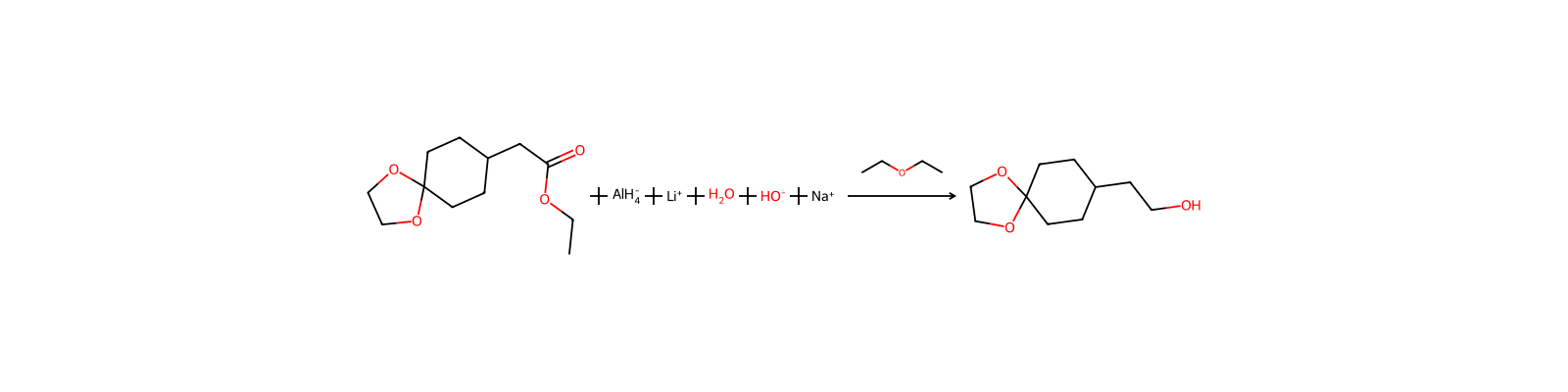
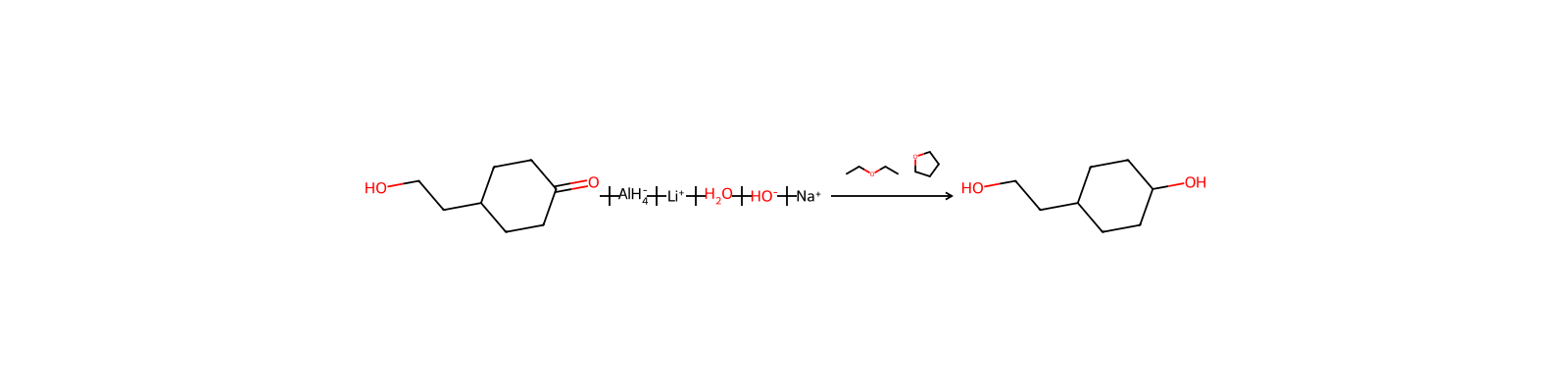
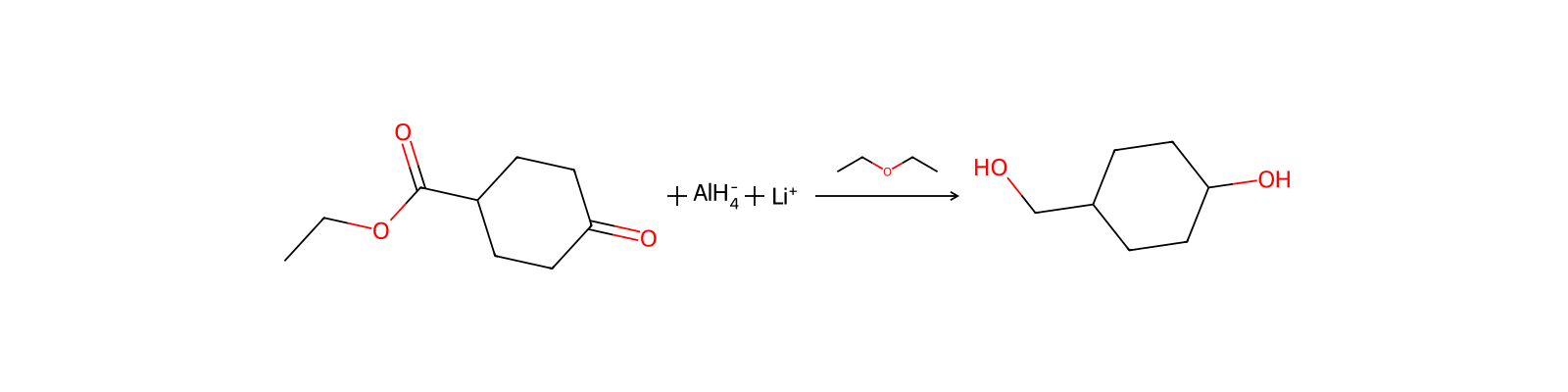
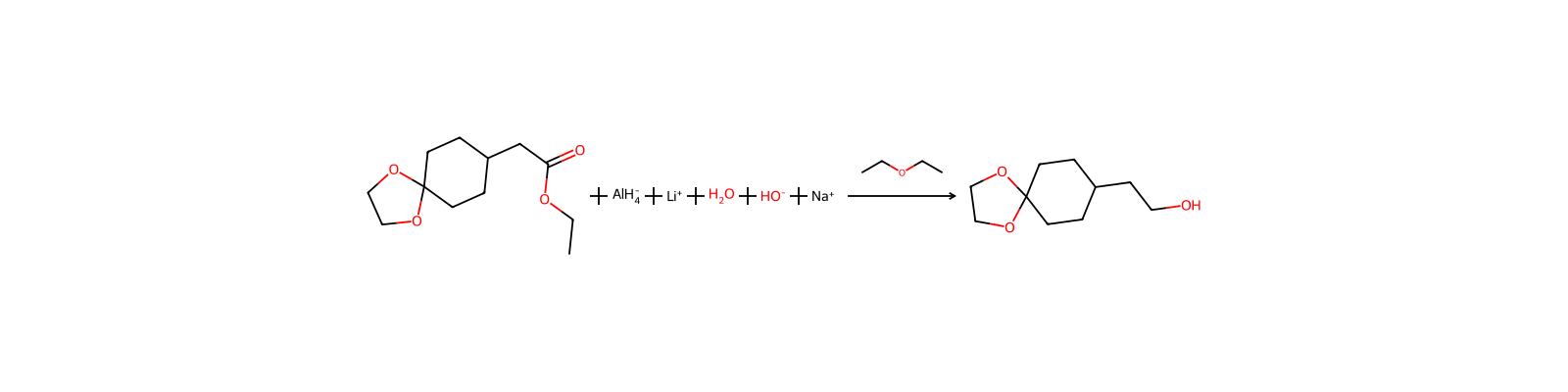
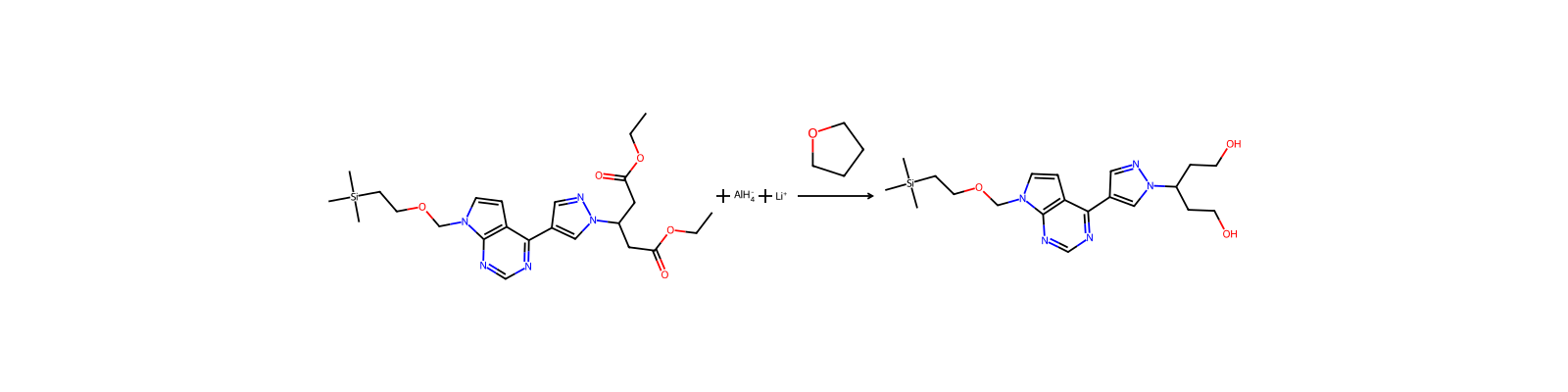
230
Reaktionsaufzeichnung erstellen
Reaktionsgleichung von HRID 1935
HRID 1935als Eduktuspto-grants-1998_03
Reaktionsgleichung von HRID 40944
HRID 40944als Eduktuspto-grants-2013_09
Reaktionsgleichung von HRID 40970
HRID 40970als Eduktuspto-grants-2013_09
Reaktionsgleichung von HRID 40980
HRID 40980als Eduktuspto-grants-2013_09
Reaktionsgleichung von HRID 40982
HRID 40982als Eduktuspto-grants-2013_09
Reaktionsgleichung von HRID 40985
HRID 40985als Eduktuspto-grants-2013_09
Reaktionsgleichung von HRID 45001
HRID 45001als Eduktuspto-grants-2013_09
Reaktionsgleichung von HRID 45011
HRID 45011als Eduktuspto-grants-2013_09
Seite 1 von 29

Notizen zur Verbindung

Wird geladen…

Auf dieser SeiteGrundinformationenÜberblickNamen und BezeichnerEigenschaftenSicherheit und RegulatorischesChemie und IndustrieZugehörige ReaktionenNotizen zur Verbindung
Weitere Aktionen
Neue NotizNeue ReaktionAnfrage stellen

Gray to white crystals; [HSDB]

Stability/Shelf Life · 4 Einträge

Stable in dry air at room temperature.

Sometimes turns gray on standing

Low melting solids or colorless, volatile liquids. /Alkylaluminum halides/

Less sensitive than trialkylaminums to oxidation upon exposure to air. /Alkylaluminum halides/

Other Experimental Properties · 4 Einträge

Reacts rapidly with water and alcohols; reduces aldehydes, ketones, acid chlorides and esters to alcohols; reduces nitriles to amines; aromatic nitro compounds to azo-compounds. Does not attack olefinic double bonds unless they are conjugated with a phenyl group and a carbonyl or nitrile group.

Gray when aluminum impurity present

Stable in dry air at room temperature, decomposes above 125 °C, slowly loses hydrogen at 120 °C, decomposes in moist air, may ignite on grinding in air.

Heat of formation: -116.3 (crystalline) kJ/mol @ 298.15 K; Gibbs energy of formation: -44.7(crystalline) kJ/mol @ 298.15 K; standard molar entropy: 78.7 J/mol K @ 298.15 K; molar heat capacity at constant pressure: 83.2 J/mol K @ 298.15 K

Physikochemische Eigenschaften

Schmelzpunkt
125 °C · 125 °C (dec.)(lit.)
Siedepunkt
0 °C · 0°C
Dichte
0.97 g/mL · 0.97 g/mL at 20 °C
Flammpunkt
99 °F · 99 °F
storage temp.
30 °C · Store below +30°C.
Löslichkeit
2 O, · reacts with H2O, ethanol; seth, tetrahydrofuran
pka
3.86 · 3.86
Aggregatzustand
tablets (~0.5 g each)
Farbe
White to light gray
Wichte
0.917 · 0.917
Geruch (Odor)
Odorless solid
Wasserlöslichkeit
Reacts
Spezifische Wärmekapazität
2.19 J/ · Cp(crystal): 2.19 J/(g·K), at 25℃
Merck
14 · 14,350
Stabilität
Stable. Reacts violently with water, liberating hydrogen. Incompatible with strong oxidizing agents, alcohols, acids.
InChI
1S/Al.Li.4H/q-1;+1;;;;
InChIKey
OCZDCIYGECBNKL-UHFFFAOYSA-N
SMILES
[Li].[AlH3]
CAS Datenbank
16853 · 16853-85-3(CAS DataBase Reference)
NIST chemische Informationen
Lithium tetrahydroaluminate(16853-85-3)
EPA chemische Informationen
Lithium aluminum hydride (16853-85-3)
Fire Potential · 6 Einträge

Evolves hydrogen & ignites on contact with water.

Decomposition begins at 257 °F (125 °C) & releases heat. Combustion may produce irritants & toxic gases.

Flammable, dangerous fire risk. May ignite spontaneously on grinding or rubbing, or from static sparks.

Lithium aluminum hydride has the additional fire hazard in that it is used in the flammable solvents diethyl ether and tetrahydrofuran.

Lithium aluminum hydride should not be used to dry methyl ethers or tetrahydrofuran; fires from this are very common.

Lithium aluminum hydride with carbon dioxide in sodium bicarbonate at high temp is a fire hazard.

Health Hazards · 3 Einträge

Contact of solid with eyes and skin causes severe burns similar to those caused by caustic soda. (USCG, 1999)

· Inhalation or contact with vapors, substance or decomposition products may cause severe injury or death.

· Inhalation or contact with vapors, substance or decomposition products may cause severe injury or death.

Hazards Summary · 1 Eintrag

Contact with solid causes caustic burns to eyes and skin. [CHRIS] Inhalation of high concentrations can cause pulmonary edema; [HSDB] Reacts with moisture on the skin or in the eyes and respiratory tract to form a corrosive alkali solution (lithium hydroxide); [CHEMINFO]

DOT ID and Guide · 2 Einträge

1411 138

1410 138

Reactive GroupMetal Hydrides, Metal Alkyls, Metal Aryls, and Silanes
RCRA RequirementsD003; A solid waste containing Lithium aluminum hydride may become characterized as a hazardous waste when subjected to testing for reactivity as stipulated in 40 CFR 261.23, and if so characterized, must be managed as a hazardous waste.
Reactivity AlertsStrong Reducing Agent
Reactivity Profile · 1 Eintrag

LITHIUM ALUMINUM HYDRIDE is a powerful reducing agent. React violently on contact with many oxidizing agents. Ignites by friction, especially if powdered. Reacts vigorously with hydroxy compounds such as water, alcohols, carboxylic acids [Mellor 2 Supp. 2:142. 1961]. Caused a violent explosion when used to dry diethylene glycol dimethyl ether: Ignition may have been caused by heat from reaction with impurity water or perhaps decomposition of peroxides in the ether. About 75% of the ether had been removed when the explosion occurred [MCA Case History 1494. 1968]. Reduces carbon dioxide or sodium hydrogen carbonate to methane and ethane at elevated temperatures. These flammable or explosive gases can form when CO2 extinguishers are used to fight hydride fires. Forms explosive complexes with ether, dimethylamine and various tetrazoles. Tetrazoles include, 2-methyl, 2-ethyl, 5-ethyl, 2-methyl-5-vinyl, 5-amino-2-ethyl [US Pat. 3 396 170, 1968].

Sicherheit und Schutzausrüstung

Fire FightingExcerpt from ERG Guide 138 [Substances - Water-Reactive (Emitting Flammable Gases)]:
Accidental Release Measures · 4 Einträge

· CALL 911. Then call emergency response telephone number on shipping paper. If shipping paper not available or no answer, refer to appropriate telephone number listed on the inside back cover.

· ELIMINATE all ignition sources (no smoking, flares, sparks or flames) from immediate area.

· CALL 911. Then call emergency response telephone number on shipping paper. If shipping paper not available or no answer, refer to appropriate telephone number listed on the inside back cover.

· ELIMINATE all ignition sources (no smoking, flares, sparks or flames) from immediate area.

First Aid · 3 Einträge

In case of accidental contact with the skin, wipe off excess with a dry paper towel. Wash the affected area with a large volume of water to prevent localized heating of the skin. (USCG, 1999)

General First Aid:

General First Aid:

Firefighting Hazards · 1 Eintrag

It /lithium aluminum hydride/ reacts with water to form lithium hydroxide, a corrosive material, aluminum hydroxide and hydrogen, a flammable gas. The heat of this reaction may be sufficient to ignite the hydrogen. The lithium and aluminum hydroxides are corrosive.

Exposure Control and Personal Protection · 2 Einträge

· Wear positive pressure self-contained breathing apparatus (SCBA).

· Wear positive pressure self-contained breathing apparatus (SCBA).

Fire Fighting Procedures · 5 Einträge

Fire must be extinguished with powdered limestone or dry chemical.

A fire once started cannot be extinguished by ordinary methods; smothering by dolomite powder is recommended.

Fires should be extinguished with dry chemicals; "Lith-X," the trademark for a graphite-base dry chemical extinguishing agent, is available for such fires.

Sand can be used as a fire extinguisher for lithium aluminum hydride.

For more Fire Fighting Procedures (Complete) data for LITHIUM ALUMINUM HYDRIDE (7 total), please visit the HSDB record page.

Storage Conditions · 5 Einträge

Store in a cool, dry, well-ventilated location. Separate from ketones, aldehydes, nitrogenous organic compounds.

Extremely reactive with air, moisture and compounds containing active hydrogen and therefore must be kept under a blanket of inert gas. /Aluminum alkyls/

In general, materials ... toxic as stored or which can decompose into toxic components ... Should be stored in cool ... ventilated place, out of ... sun, away from ... fire hazard ... be periodically inspected and monitored. Incompatible materials should be isolated ...

All possibility of contact with water must be avoided. Solution containing not more than 20% of these compounds in non-reactive solvents, however, can be handled without risk of spontaneous ignition. /Aluminum alkyls/

For more Storage Conditions (Complete) data for LITHIUM ALUMINUM HYDRIDE (6 total), please visit the HSDB record page.

Nonfire Spill ResponseExcerpt from ERG Guide 138 [Substances - Water-Reactive (Emitting Flammable Gases)]:
Disposal Methods · 2 Einträge

Aluminum compounds are treated under anhydrous conditions to prevent violent reactions, recover solvent, and form Al compounds suitable for landfill by reaction with anhydrous hydrolysis agent, eg calcium hydroxide. /Aluminum compounds/

SRP: The most favorable course of action is to use an alternative chemical product with less inherent propensity for occupational exposure or environmental contamination. Recycle any unused portion of the material for its approved use or return it to the manufacturer or supplier. Ultimate disposal of the chemical must consider: the material's impact on air quality; potential migration in soil or water; effects on animal, aquatic, and plant life; and conformance with environmental and public health regulations.

Preventive Measures · 5 Einträge

Burning lithium aluminum hydride is not extinguished by nitrogen; therefore, for large-scale utilization of lithium aluminum hydride, use of an inert gas such as argon is necessry to prevent a potentially hazardous situation.

The principal physical property of lithium hydrides important to their safe handling is the large amount of hydrogen contained in a relatively small volume. Two g of lithium hydride treated with water will liberate 200 cu ft of hydrogen. ... In the handling of lithium hydrides, water in any form must be eliminated. ... Chief hazards in handling are dust production, static electricity, and fire. /Lithium hydrides/

Care is necessary in handling ... . A rubber mallet is recommended for /pulverizing instead of a mortar and pestle/.

Personnel protection: Avoid breathing dusts, and fumes from burning material. ... Do not handle broken packages unless wearing appropriate personal protective equipment. Wash away any material which may have contacted the body with copious amounts of water or soap and water.

For more Preventive Measures (Complete) data for LITHIUM ALUMINUM HYDRIDE (9 total), please visit the HSDB record page.

Isolation and Evacuation · 3 Einträge

Excerpt from ERG Guide 138 [Substances - Water-Reactive (Emitting Flammable Gases)]:

Immediate precautionary measure

Immediate precautionary measure

Minimum Risk LevelIntermediate Oral: 1.0 mg/kg/day (L134) Chronic Oral: 1.0 mg/kg/day (L134)

Toxikologische Informationen

Treatment · 1 Eintrag

EYES: irrigate opened eyes for several minutes under running water. INGESTION: do not induce vomiting. Rinse mouth with water (never give anything by mouth to an unconscious person). Seek immediate medical advice. SKIN: should be treated immediately by rinsing the affected parts in cold running water for at least 15 minutes, followed by thorough washing with soap and water. If necessary, the person should shower and change contaminated clothing and shoes, and then must seek medical attention. INHALATION: supply fresh air. If required provide artificial respiration.

Health Effects · 1 Eintrag

Aluminum targets the nervous system and causes decreased nervous system performance and is associated with altered function of the blood-brain barrier. The accumulation of aluminum in the body may cause bone or brain diseases. High levels of aluminum have been linked to Alzheimer's disease. A small percentage of people are allergic to aluminium and experience contact dermatitis, digestive disorders, vomiting or other symptoms upon contact or ingestion of products containing aluminium. (L739, L740)

Adverse EffectsNeurotoxin - Other CNS neurotoxin
Exposure RoutesOral (L739) ; inhalation (L739)
Toxicity Summary · 2 Einträge

IDENTIFICATION AND USE: Lithium aluminum hydride is a gray-white monoclinic crystalline material which is soluble in ether, tetrahydrofuran, dimethylcellosolve; partially soluble in dibutyl ether and insoluble in dioxane. This chemical is an intermediate in the production of other hydrides. It is used as a reducing agent for over 60 different functional groups, especially for pharmaceutical, perfume, and fine organic chemicals; converts esters, aldehydes and ketones to alcohols and nitriles to amines; source of hydrogen; propellant; catalyst in polymerizations. HUMAN EXPOSURE AND TOXICITY: Causes severe eye and skin burns. It may be harmful if inhaled. This chemical is irritating to skin, eyes, and respiratory system. Symptoms of overexposure include spasms, inflammation and edema of larynx, and bronchi, pulmonary edema, coughing, wheezing, laryngitis, nausea, and vomiting. Solid will burn skin and eyes. The hydrides of aluminum can react with moisture and leave behind hydroxide. The hydrides of lithium in the presence of moisture are readily converted to hydroxides which are highly irritating to the skin by caustic and thermal action. Similar effects can occur on contact with eyes and respiratory mucous membranes. ANIMAL STUDIES: No animal studies could be located.

The main target organs of aluminum are the central nervous system and bone. Aluminum binds with dietary phosphorus and impairs gastrointestinal absorption of phosphorus. The decreased phosphate body burden results in osteomalacia (softening of the bones due to defective bone mineralization) and rickets. Aluminum's neurotoxicity is believed to involve several mechanisms. Changes in cytoskeletal protein functions as a results of altered phosphorylation, proteolysis, transport, and synthesis are believed to be one cause. Aluminum may induce neurobehavioral effects by affecting permeability of the blood-brain barrier, cholinergic activity, signal transduction pathways, lipid peroxidation, and impair neuronal glutamate nitric oxide-cyclic GMP pathway, as well as interfere with metabolism of essential trace elements because of similar coordination chemistries and consequent competitive interactions. It has been suggested that aluminum's interaction with estrogen receptors increases the expression of estrogen-related genes and thereby contributes to the progression of breast cancer (A235), but studies have not been able to establish a clear link between aluminum and increased risk of breast cancer (A15468). Certain aluminum salts induce immune responses by activating inflammasomes. (L739, A235, A236)

Signs and Symptoms · 1 Eintrag

Inhalating aluminum dust causes coughing and abnormal chest X-rays. A small percentage of people are allergic to aluminium and experience contact dermatitis, digestive disorders, vomiting or other symptoms upon contact or ingestion of products containing aluminium. (L739, L740)

Human Toxicity Excerpts · 3 Einträge

/HUMAN EXPOSURE STUDIES/ Contamination of aluminum with lithium was suggested as a mechanism for encephalopathy because psychotic patients treated with lithium salts exhibit tremors, early or after several years. Lithium may be a neurotoxin alone, as suggested by the observation that volunteers given lithium carbonate in doses of 1225 +/- 300 mg/day for 7 days when tested in the company of distractors made more errors recalling words than when they received a placebo. Although lithium and aluminum may act similarly, more studies are needed to determine whether lithium contamination contributes to occupational aluminum toxicity. /Lithium contaminated aluminum/

/SIGNS AND SYMPTOMS/ Causes severe eye and skin burns. May be harmful if inhaled. Irritating to skin, eyes, and respiratory system. Symptoms of overexposure include spasms, inflammation and edema of larynx, and bronchi, pulmonary edema, coughing, wheezing, laryngitis, nausea, and vomiting.

/SIGNS AND SYMPTOMS/ From an industrial point of view lithium itself and its salts present no hazard but lithium hydride and its derivatives lithium tetrahydroaluminate and lithium tetrahydroborate are corrosive and irritant.

Carcinogen Classification · 1 Eintrag

Not listed by IARC. IARC classified aluminum production as carcinogenic to humans (Group 1), but did not implicate aluminum itself as a human carcinogen. (L135) A link between use of aluminum-containing antiperspirants and increased risk of breast cancer has been proposed (A235), but studies have not been able to establish a clear link (A15468).

Toxicity DataLC50 (mammal) = 70 mg/m3

Regulatorische Informationen

RCRA RequirementsD003; A solid waste containing Lithium aluminum hydride may become characterized as a hazardous waste when subjected to testing for reactivity as stipulated in 40 CFR 261.23, and if so characterized, must be managed as a hazardous waste.
State Drinking Water Standards(CA) CALIFORNIA 1000 ug/l /Aluminum/
State Drinking Water Guidelines · 3 Einträge

(AZ) ARIZONA 73 ug/l /Aluminum/

(CA) CALIFORNIA 200 ug/l /Aluminum/

(ME) MAINE 1430 ug/l /Aluminum/

Federal Drinking Water GuidelinesEPA 50-200 ug/l /Aluminum/

Sicherheitsdaten

F
10-21
wgk
2
tsca
TSCA listed
ridadr
UN 1411 4.3/PG I (LITHIUM ALUMINIUM HYDRIDE, ETHEREAL)
hs_code
2850 00 20
RTECS-Nr.
BD0100000
risk_code
15-34-14/15-11-36/37-19-40-10-67-66-22-12-35-37-65-48/20-63-36/38-61-60
Toxizität
TLV-TWA (ACGIH) 2 mg (Al)/m3
hazard_code
F,C,Xi,Xn,F+,T
safety_code
43-7/8-6A-45-43B-36/37/39-33-26-16-24/25-27-29-62-53
hazard_class
4.3
packing_group
I
Speicherklasse
4.3 - Hazardous materials which set free flammable gases upon contact with water
Giftige Stoffe Daten
16853-85-3(Hazardous Substances Data)
Hazard Classifications
Eye Dam. 1Skin Corr. 1AWater-react 1

... By treating lithium hydride with an ether solution of aluminum chloride ... .

Formulations/Preparations · 2 Einträge

98% purity grade

95-96% purity

General Manufacturing Information · 2 Einträge

Aluminate(1-), tetrahydro-, lithium (1:1), (T-4)-: ACTIVE

A plant growth nutrient stimulator is prepd by reducing a plant wax with lithium aluminum hydride in tetrahydrofuran, followed by filtering to obtain the product.

Anwendungen · 1 Eintrag

VerwendenLithium aluminum hydride is among the most important industrial reducingagents. It is used extensively in organic syntheses and also in catalytichydrogenation. Reactant or reagent for: 1. The preparation of thermoplastic polyester polyamides from oleic acid 2. Lithium-polymer batteries 3. Hydrodefluorination of gem-difluoromethylene derivatives 4. Asymmetric aldol reactions 5. Synthesis of Li-Al-N-H composites with hydrogen absorption / desorption properties 6. LAH is a powerful reducing agent for many different reduction reactions such as that of ketones to alcohols

Darstellung

synthetischeLithium aluminum hydride is prepared by reaction of lithium hydride with aluminum chloride in diethylether: 4LiH + AlCl3 →(C2H5)2O→LiAlH4+3LiCl

Vor- und nachgelagerte Produkte

Nachgelagerte Produkte

2-[4-(Trifluoromethyl)phenyl]-1,3-thiazole-4-carbaldehydeToremifene2-(2-Fluoro-phenyl)-ethanesulfonyl chloride4-Tert-butylbenzylalkohol1-(2-Naphthyl)methanamine4-Morpholinobenzylamine3-Fluoro-N-methylaniline(R)-TERT-LEUCINOLTetrahydropyranyl-4-acetic acidFlutoprazepam3-[(N-(tert-Butyloxycarbonyl)amino)methyl]pyridine3-(3,4-Dimethoxy-phenyl)-propylaminePicolamin(S)-2-Amino-4-methylpentan-1-ol2-Chloroisonicotinaldehyde4-Methyl-2-[4-(trifluoromethyl)phenyl]-1,3-thiazole-5-carbaldehyde2-Naphthalen-1-yl-ethylamine2-Fluorophenethyl alcohol[6-(1-Pyrrolidinyl)-3-pyridinyl]methanolL-Tryptophanol3,5-Difluoropyridine3-Methylbenzylamin2,5-Dimethyl-piperazin (Gemischder cis- und trans-Isomeren)3-(4-Methoxy-phenyl)-propylamine2-(4-Methylthiazol-5-yl)ethanol(1-phenylcyclopropyl)methanamine(S)-2-(N,N-disubstitued aminomethy)indoline4-Hydroxymethyl-nicotinic acid2,4-Diphenyl-1,3-thiazole-5-carbaldehydetrans-4-Aminocyclohexan-1-ol(5-Methyl-1-phenyl-1H-pyrazol-4-yl)methanol4-(Boc-aminomethyl)pyridineN-(2-Aminoethyl)piperidin(4-Amino-pyridin-3-yl)-methanol4,7,13,16,21-Pentaoxa-1,10-diazabicyclo[8.8.5]tricosan2-o-Tolylethanol2-(4-Biphenyl)ethylamineVinylferrocenα-(Aminomethyl)benzylalkohol(1,5-Dimethyl-1H-pyrazol-3-yl)methanol