StartseiteMCPWorkbenchSkills
StartseiteWorkbenchBenachrichtigungenMein Bereich
llms.txt · MCP-AnleitungDatenschutz · Nutzungsbedingungen · Supportv1.8.0
  1. Startseite
  2. /Verbindung

Ameisensure

Formic Acid

HCID 284
Neue NotizNeue ReaktionAnfrage stellen
Druckvorschau

Daten werden ergänzt – lade die Seite später neu, um den aktuellen Stand zu sehen

GrundinformationenÜberblickNamen und BezeichnerEigenschaftenSicherheit und RegulatorischesChemie und IndustrieZugehörige ReaktionenNotizen zur Verbindung
TeilstruktursucheÄhnliche Strukturen suchen

Grundinformationen

CAS
64-18-6
Standard-SMILES
O=CO
InChIKey
BDAGIHXWWSANSR-UHFFFAOYSA-N
Summenformel
CH2O2
Durchschnittliche Molmasse
46,025 g/mol
Monoisotopische Masse
46,0054793

Überblick

Formic acid appears as a colorless liquid with a pungent odor. Flash point 156 °F. Density 10.2 lb / gal. Corrosive to metals and tissue.

Namen und Bezeichner

Bevorzugter Name
Formic Acid
IUPAC
formic acid
Lokaler Name
Ameisensure
Englischer Name
Formic acid
Summenformel
CH2O2
Molmasse
46.03

Namen und Synonyme

formic acid64-18-6Methanoic acidFormylic acidAminic acidBilorinHydrogen carboxylic acidFormisotonFormiraMyrmicylCollo-bueglattCollo-didax
Weitere Namen anzeigen
HCOOHjiasuanformicMETHANONEFORMALDEHYDE SOLUTIONFORMOLFormic acid 90%
Acide formiqueAdd-FAmeisensaeureC1 acidRCRA waste number U123MierenzuurAcido formicoFormicum acidum

Datenbank-Bezeichner

CAS
64-18-6
PubChem CID
284
DTXSID
DTXSID2024115
ChEMBL
CHEMBL116736
ChEBI
CHEBI:30751
UNII
0YIW783RG1
EC Number
200-579-1
Nikkaji
J1.402H

Eigenschaften

Berechnete StruktureigenschaftenWird ergänzt

XLogP
-0,2
Polarare Oberfläche (TPSA)
37,3 Ų
H-Brücken-Donoren
1
H-Brücken-Akzeptoren
2
Frei drehbare Bindungen
0
Schwere Atome
3
Formalladung
0
Komplexität
10,3

Experimentelle und physikochemische Eigenschaften

Chemical Classes · 2 Einträge

Other Classes -> Organic Acids

Corrosives

Cosmetics · 2 Einträge

Cosmetic ingredients (Formic Acid) -> CIR (Cosmetic Ingredient Review)

Preservative

FragrancesFragrance Ingredient (Formic acid) -> IFRA transparency List
Pesticides · 3 Einträge

Pesticide -> EPA IRIS

Insecticides

Active substance -> EU Pesticides database: Not approved

LogP · 3 Einträge

log Kow = -0.54

-0.54

-0.54

OdorPungent, penetrating odor
TasteSOUR
Food AdditivesFLAVOR ENHANCER, FLAVORING AGENT OR ADJUVANT, FORMULATION AID -> FDA Substance added to food
Density · 6 Einträge

Sicherheit und Regulatorisches

Sicherheitsangaben dienen nur zur Orientierung und ersetzen weder das Sicherheitsdatenblatt (SDB) des Lieferanten noch geltende Vorschriften oder eine fachliche Bewertung.

GHS-Klassifizierung

GHS Classification · 6 Einträge

Danger

H226: Flammable liquid and vapor [Warning Flammable liquids]

P210, P233, P234, P240, P241, P242, P243, P260, P261, P264, P264+P265, P270, P271, P280, P301+P317, P301+P330+P331, P302+P361+P354, P303+P361+P353, P304+P340, P305+P354+P338, P316, P317, P321, P330, P363, P370+P378, P390, P403+P233, P403+P235, P405, P406, and P501 (click each P-code to see the statement)

This chemical does not meet GHS hazard criteria for < 0.1% (1 of 3384) of reports.

Danger

H226 (21.1%): Flammable liquid and vapor [Warning Flammable liquids]

Gefahrenhinweise

Regulatory Information · 6 Einträge

Chemical: Formic acid

Regulation (EC) No 178/2002 (amended)

Regulation (EC) No 1831/2003 (amended)

Formic acid is listed on the EPA's Chemical Data Reporting (CDR) system. Manufacturers and importers of Formic acid are required to report information about their production and use of this chemical to the EPA under the Toxic Substances Control Act (TSCA). (40 eCFR Part 711)

Status: Active Update: 01-12-2022 https://echa.europa.eu/registration-dossier/-/registered-dossier/15127

Formic acid with more than 85% acid by mass: HSNO Approval: HSR000979 Approved with controls

Other Safety InformationIMAP assessments - Formic acid: Environment tier I assessment
DOT LabelCorrosive Flammable Liquid
Fire Hazards · 4 Einträge

Special Hazards of Combustion Products: Toxic vapor generated in fires (USCG, 1999)

· Combustible material: may burn but does not ignite readily.

· Combustible material: may burn but does not ignite readily.

Flammable. Above 45 °C explosive vapour/air mixtures may be formed. Heating will cause rise in pressure with risk of bursting. Risk of fire and explosion on contact with incompatible substances. See Chemical Dangers.

Chemie und Industrie

Pharmakologische Informationen

ATC CodeQP - Antiparasitic products, insecticides and repellents
Mechanism of Action · 2 Einträge

Formic acid is an inhibitor of the mitochondrial cytochrome oxidase causing histotoxic hypoxia. The most significant acid load results from the hypoxic metabolism. Urinary acidification is affected by formic acid.

Formic acid is a mitochondrial toxin, and exerts effects primarily in areas (such as the retina or basal ganglia) that poorly tolerate an interruption in the energy supplied by oxidative phosphorylation.

Biological Half-Life · 2 Einträge

... Mean half-life of serum formate was 2.6 hr, when methanol metabolism was assumed blocked by fomepizole and no folinic acid was given. ... /formate/

The biologic half-life /of formic acid/ is between 15 minutes and 1 hour.

Metabolism/Metabolites · 5 Einträge

Formate is a normal constituent of intermediary metabolism ... /of formic acid/. Formate is metabolized in the rat primarily via the one carbon pool, but in some circumstances the catalase-peroxidative pathway may serve as an alternative route of oxidation. Oxidation occurs in a variety of organs and tissues, including liver, lung, and erythrocytes, the end products being carbon dioxide and water.

Enzyme pathways involved in detoxification of hydrogen peroxide, formaldehyde, and formic acid, which are produced as a consequence of oxidative demethylation by the cytochrome P-450 system, were examined in isolated hepatocytes from phenobarbital pretreated rats. The formaldehyde produced during oxidative demethylation in isolated hepatocytes is rapidly oxidized to formic acid. Depletion of cellular reduced glutathione by pretreatment of rats with diethylmaleate decreases the rate of formic acid production, and therefore, it appears that formaldehyde produced by oxidative demethylation is oxidized by formaldehyde dehydrogenase, an enzyme which requires but does not consume reduced glutathione. Because of the rapid nonenzymatic reaction of formaldehyde with reduced glutathione, this enzyme system may be viewed as essential to prevent the loss of reduced glutathione due to S-hydroxymethylglutathione formation. Reduced glutathione concentration in isolated hepatocytes decreased rapidly following addition of substrates undergoing oxidative demethylation. Addition of other cytochrome P-450 substrates which do not undergo demethylation did not result in such a dramatic oxidation of reduced glutathione. Formic acid, produced during oxidative demethylation acts as a substrate for the peroxidatic mode of catalase, but also binds to catalase as an anionic ligand. This binding decreases the catalase concentration detectable by cyanide titration and therefore appears to inhibit the catalytic reaction mode.

Zugehörige Reaktionen

8.622
Reaktionsaufzeichnung erstellen
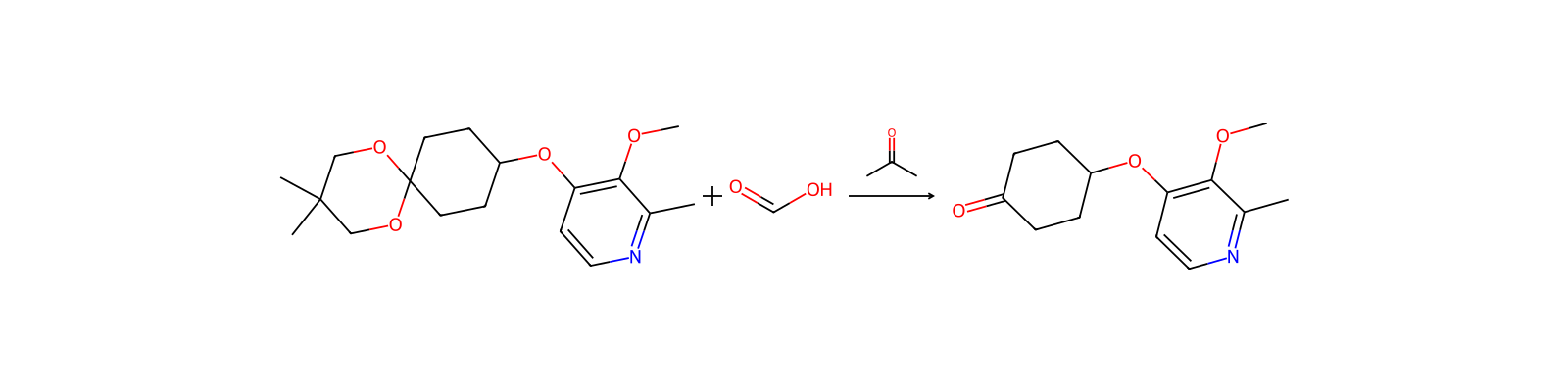
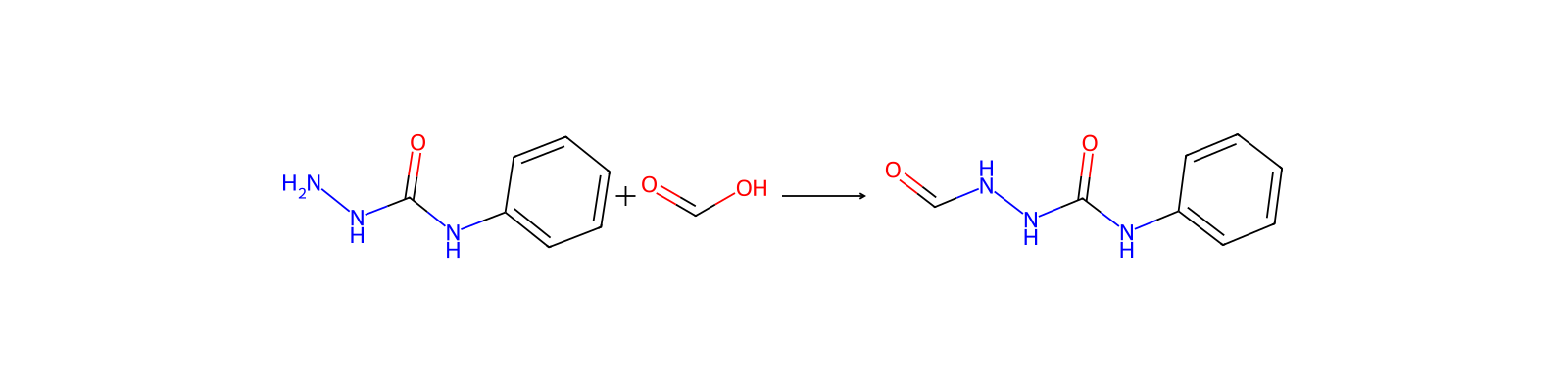
Reaktionsgleichung von HRID 998
HRID 998als Eduktuspto-grants-1998_03
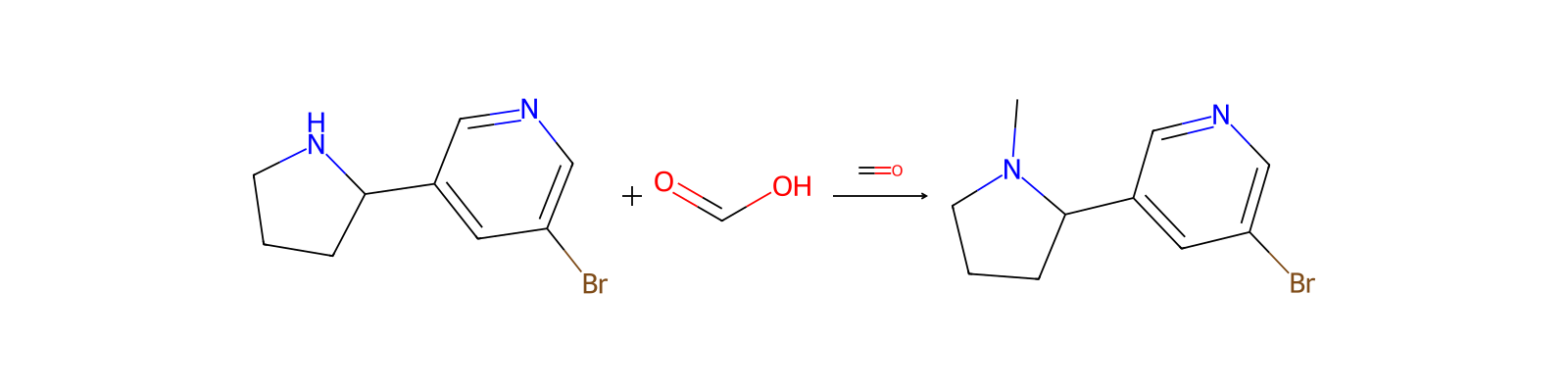
Reaktionsgleichung von HRID 1005
HRID 1005als Lösungsmitteluspto-grants-1998_03
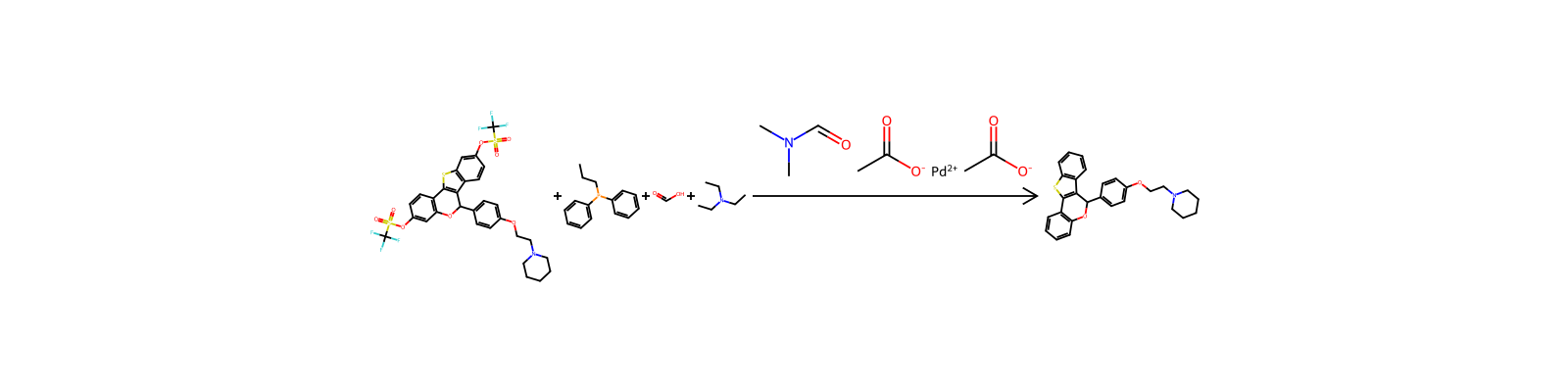
Reaktionsgleichung von HRID 1016
HRID 1016als Eduktuspto-grants-1998_03
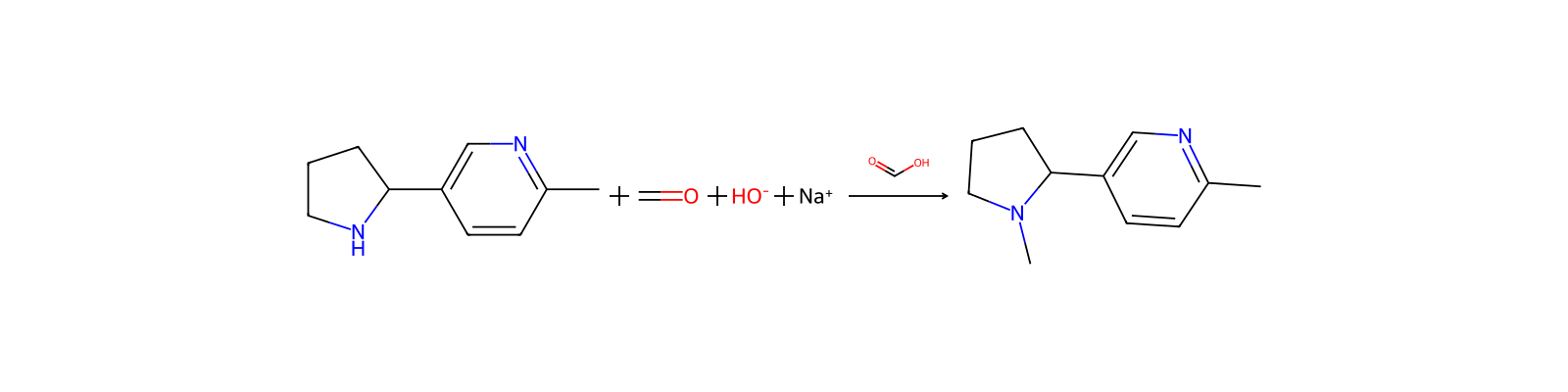
Reaktionsgleichung von HRID 1047
HRID 1047als Eduktuspto-grants-1998_03
Reaktionsgleichung von HRID 1708
HRID 1708als Eduktuspto-grants-1998_03
Reaktionsgleichung von HRID 1741
HRID 1741als Lösungsmitteluspto-grants-1998_03
Reaktionsgleichung von HRID 1761
HRID 1761als Lösungsmitteluspto-grants-1998_03
Reaktionsgleichung von HRID 2327
HRID 2327als Eduktuspto-grants-1998_03
Seite 1 von 500

Notizen zur Verbindung

Wird geladen…

Auf dieser SeiteGrundinformationenÜberblickNamen und BezeichnerEigenschaftenSicherheit und RegulatorischesChemie und IndustrieZugehörige ReaktionenNotizen zur Verbindung
Weitere Aktionen
Neue NotizNeue ReaktionAnfrage stellen

1.22 at 68 °F (USCG, 1999) - Denser than water; will sink

1.220 at 20 °C/4 °C

Bulk density 10.16 lb/gal at 20 °C

Relative density of the vapor/air mixture at 20 °C (air = 1): 1.03

Relative density (water = 1): 1.2 (20 °C)

1.2

Flavoring AgentsEU Flavoring substances
Viscosity · 2 Einträge

1.607 mPas at 25 °C

1.5 mm²/s

Color/Form · 2 Einträge

Colorless fuming liquid

Colorless liquid [Note: Often used in an aqueous solution]

Physikochemische Eigenschaften

Schmelzpunkt
8.2 · 8.2-8.4 °C (lit.)
Siedepunkt
100 · 100-101 °C (lit.)
Dichte
1.22 g/mL · 1.22 g/mL at 25 °C (lit.)
Dampfdichte
1.03 · 1.03 (vs air)
Dampfdruck
52 mm · 52 mm Hg ( 37 °C)
Brechungsindex
20 · n20/D 1.377
FEMA
2487 · 2487 | FORMIC ACID
Flammpunkt
133 °F · 133 °F
storage temp.
2 · 2-8°C
Löslichkeit
2 O: · H2O: soluble1g/10 mL, clear, colorless
pka
3.75 · 3.75(at 20℃)
Aggregatzustand
Liquid
Wichte
1.216 · 1.216 (20℃/20℃)
Farbe
15 · APHA: ≤15
PH
3.47 · 3.47(1 mM solution);2.91(10 mM solution);2.38(100 mM solution);
Geruch (Odor)
0.1 % · at 0.10 % in water. pungent vinegar formyl
Geruchsart
acetic
Biologische Quelle
synthetic
Explosionsgrenze
12 · 12-38%(V)
Wasserlöslichkeit
MISCIBLE
Spezifische Wärmekapazität
2.15 J/ · Cp(liquid): 2.15 J/(g·K), at 25℃
Merck
14 · 14,4241
JECFA Number
79 · 79
BRN
1209246 · 1209246
Henry's Law Constant
25 °C: · At 25 °C: 95.2, 75.1, 39.3, 10.7, and 3.17 at pH values of 1.35, 3.09, 4.05, 4.99, and 6.21, respectively (Hakuta et al., 1977)
Dielectric constant
58 · 58.0(16℃)
Stabilität
Stable. Substances to be avoided include strong bases, strong oxidizing agents and powdered metals, furfuryl alcohol. Combustible. Hygroscopic. Pressure may build up in tightly closed bottles, so bottles should be opened carefully and vented periodically.
Major Application
sample preparation
Kosmetik-Inhaltsstoffe Funktionen
PRESERVATIVEpH ADJUSTERSFRAGRANCE
InChI
1S/CH2O2/c2-1-3/h1H,(H,2,3)
InChIKey
BDAGIHXWWSANSR-UHFFFAOYSA-N
SMILES
OC=O
LogP
-0.54 · -0.540
CAS Datenbank
64 · 64-18-6(CAS DataBase Reference)
NIST chemische Informationen
Formic acid(64-18-6)
EPA chemische Informationen
Formic acid (64-18-6)
Fire PotentialCombustible liquid when wxposed to heat or flame ... .
Health Hazards · 3 Einträge

Liquid causes skin and eye burns. Vapors are irritating and painful to breath. Vapor exposure may cause nausea and vomiting. (USCG, 1999)

· TOXIC and/or CORROSIVE; inhalation, ingestion or skin contact with material may cause severe injury or death.

· TOXIC and/or CORROSIVE; inhalation, ingestion or skin contact with material may cause severe injury or death.

Hazards SummaryLiquid causes second degree burns after contact for a few minutes; [CHRIS] Highly corrosive to skin; [Quick CPC] Pulmonary edema can result from heavy inhalation exposure; [ICSC] TLV Basis is upper respiratory tract irritant;
DOT ID and Guide · 3 Einträge

1779 153

3412 153

1779 153

FDA Requirements · 4 Einträge

Formic acid is a food additive permitted for direct addition to food for human consumption as a synthetic flavoring substance and adjuvant in accordance with the following conditions: a) they are used in the minimum quantity required to produce their intended effect, and otherwise in accordance with all the principles of good manufacturing practice, and 2) they consist of one or more of the following, used alone or in combination with flavoring substances and adjuvants generally recognized as safe in food, prior-sanctioned for such use, or regulated by an appropriate section in this part.

The food additive, formic acid, may be safely used in accordance with the following conditions: (a) The additive is used as a preservative in hay crop silage in an amount not to exceed 2.25 percent of the silage on a dry weight basis or 0.45 percent when direct cut, as follows: (1) The top foot of silage stored should not contain formic acid and (2) Silage should not be fed to livestock within 4 weeks of treatment. (b) The additive is used or intended for use as a feed acidifying agent, to lower the pH, in complete swine feeds at levels not to exceed 1.2 percent of the complete feed. (1) The additive consists of not less than 85 percent formic acid (CAS 64-18-6). (2) The additive meets the following specifications: (i) Free methyl alcohol not to exceed 1,000 parts per million (ppm); (ii) Methyl formate not to exceed 1,000 ppm; and (iii) Moisture not to exceed 15 percent.

Indirect food substance additives affirmed as generally recognized as safe. (a) Formic acid (CH2O2, CAS Reg. No. 64-18-6) is also referred to as methanoic acid or hydrogen carboxylic acid. It occurs naturally in some insects and is contained in the free acid state in a number of plants. Formic acid is prepared by the reaction of sodium formate with sulfuric acid and is isolated by distillation. (b) Formic acid is used as a constituent of paper and paperboard used for food packaging. (c) The ingredient is used at levels not to exceed good manufacturing practice in accordance with part 186.1(b)(1). (d) Prior sanctions for formic acid different from the uses established in this section do not exist or have been waived.

Drug products containing certain active ingredients offered over-the-counter (OTC) for certain uses. A number of active ingredients have been present in OTC drug products for various uses, as described below. However, based on evidence currently available, there are inadequate data to establish general recognition of the safety and effectiveness of these ingredients for the specified uses: formic acid is included in pediculicide drug products.

Reactive GroupAcids, Carboxylic
UN ClassificationUN Hazard Class: 8; UN Pack Group: II
Special Reports · 5 Einträge

DHHS/NTP; NTP Technical Report on Toxicity Studies of Formic Acid Administered by Inhalation to F344/N Rats and B6C3F1 Mice NTP Tox 19 (1992)[Available from, as of April 4, 2003: http://ntp.niehs.nih.gov/ntp/htdocs/ST_rpts/tox019.pdf]

A review of the metabolism of methanol and formic acid.[Liesivuori J, Savolainen H; Pharm Toxicol 69 (3): 157-63 (1991)]

Restani P, Galli CL; CRC Crit Rev Toxicol 21 (5): 315-28 (1991). Oral toxicity of formaldehyde and its derivatives are reviewed, /including metabolic products such as formic acid/.

Schramm A et al; Anaesthesiol Reanim 16 (4): 259-65 (1991). A review of the methanol metabolites formaldehyde and formic acid concerning central nervous system and ocular symptoms.

EPA/Office of Pollution prevention and toxics; High production Volume (HPV) Challenge program's Robust summaries and Test Plans.[Availible form, as of July 12, 2005: http://www.epa.gov/hpv/pubs/hpvrstp.htm]

Sicherheit und Schutzausrüstung

Fire Fighting · 2 Einträge

Excerpt from ERG Guide 153 [Substances - Toxic and/or Corrosive (Combustible)]:

Use water spray, powder, alcohol-resistant foam, carbon dioxide. In case of fire: keep drums, etc., cool by spraying with water.

First Aid Measures · 4 Einträge

Fresh air, rest. Half-upright position. Refer immediately for medical attention.

Wear protective gloves when administering first aid. Remove contaminated clothes. Rinse skin with plenty of water or shower. Refer immediately for medical attention.

First rinse with plenty of water for several minutes (remove contact lenses if easily possible), then refer for medical attention. Refer immediately for medical attention.

Give nothing to drink. Rinse mouth. Do NOT induce vomiting. Refer immediately for medical attention.

Accidental Release Measures · 4 Einträge

· CALL 911. Then call emergency response telephone number on shipping paper. If shipping paper not available or no answer, refer to appropriate telephone number listed on the inside back cover.

· ELIMINATE all ignition sources (no smoking, flares, sparks or flames) from immediate area.

· CALL 911. Then call emergency response telephone number on shipping paper. If shipping paper not available or no answer, refer to appropriate telephone number listed on the inside back cover.

· ELIMINATE all ignition sources (no smoking, flares, sparks or flames) from immediate area.

First Aid · 4 Einträge

EYES: First check the victim for contact lenses and remove if present. Flush victim's eyes with water or normal saline solution for 20 to 30 minutes while simultaneously calling a hospital or poison control center. Do not put any ointments, oils, or medication in the victim's eyes without specific instructions from a physician. IMMEDIATELY transport the victim after flushing eyes to a hospital even if no symptoms (such as redness or irritation) develop.

General First Aid:

General First Aid:

(General first aid procedures)

Safe Storage · 1 Eintrag

Fireproof. Store only in original container. Well closed. Separated from strong oxidants, strong bases, strong acids and food and feedstuffs. See Chemical Dangers. Keep in a well-ventilated room. Store in an area without drain or sewer access.

Firefighting Hazards... Vapors may travel long distances to ignition sources and flashback. Vapors in confined areas may explode when exposed to fire. Containers my explode in fire. ...
Exposure Control and Personal Protection · 3 Einträge

· Wear positive pressure self-contained breathing apparatus (SCBA).

· Wear positive pressure self-contained breathing apparatus (SCBA).

5.0 [ppm]

Fire Fighting Procedures · 2 Einträge

Use water spray, dry chemical, "alcohol resistant" foam, or carbon dioxide. Use water spray to keep fire-exposed containers cool.

If material on fire or involved in fire: Use water in flooding quantities as fog. Solid streams of water may be ineffective. Cool all affected containers with flooding quantities of water. Apply water from as far a distance as possible. Use "alcohol" foam, carbon dioxide or dry chemical. Use water spray to knock-down vapors.

Storage Conditions · 4 Einträge

Store in a dry, well-ventilated place. Separate from oxidizing materials and alkaline substances.

Protect against physical damage. Store in a cool, dry, well-ventilated location. Outdoors or detached storage is preferred.

Separated from strong oxidants, strong bases, strong acids, and food and feedstuffs. Well closed. Keep in a well-ventilated room.

Store indoors, in original container, out of direct sunlight, in a cool, dry, and well-ventilated area away from sulphuric acid, oxidizing agents, and sources of ignition and away from the reach of children. Avoid heat, sparks, and open flames. Do not eat, drink or smoke in areas of use or storage. Use caution when opening the container, especially in warm weather, i.e.: open outdoors and stay upwind. Keep separate to prevent cross-contamination of other pesticides, fertilizer, food, or feed. /Mite-Away Quick Strips/

Cleanup Methods · 4 Einträge

Spill or leak procedures: Use water spray to cool and disperse vapors and protect personnel. Control runoff and isolate discharged material for proper disposal. Neutralize spill and washings with soda ash or lime.

Environmental considerations--land spill: Dig a pit, pond, lagoon, holding area to contain liquid or solid material /SRP: If time permits, pits, ponds, lagoons, soak holes, or holding areas should be sealed with an impermeable flexible membrane liner./. Dike surface flow using soil, sand bags, foamed polyurethane, or foamed concrete. Absorb bulk liquid with fly ash or cement powder. Neutralize with agricultural lime ... crushed limestone (CaCO3) or sodium bicarbonate (NaHCO3).

Environmental considerations--water spill: Neutralize with agricultural lime (CaO), crushed limestone (CaCO3) or sodium bicarbonate (NaHCO3). Use mechanical dredges or lifts to remove immobilized masses of pollutants and precipitates.

Environmental considerations--air spill: Apply water spray or mist to knock down vapors. Vapor knockdown water is corrosive or toxic and should be diked for containment.

Nonfire Spill ResponseExcerpt from ERG Guide 153 [Substances - Toxic and/or Corrosive (Combustible)]:
Disposal Methods · 5 Einträge

Generators of waste (equal to or greater than 100 kg/mo) containing this contaminant, EPA hazardous waste number U123, must conform with USEPA regulations in storage, transportation, treatment and disposal of waste.

A good candidate for liquid injection incineration at a temperature range of 650 to 1,600 °C and a residence time of 0.1 to 2 seconds. A good candidate for rotary kiln incineration at a temperature range of 820 to 1,600 °C and residence times of seconds for liquids and gases, and hours for solids. A good candidate for fluidized bed incineration at a temperature range of 450 to 980 °C and residence times of seconds for liquids and gases, and longer for solids.

SRP: Wastewater from contaminant suppression, cleaning of protective clothing/equipment, or contaminated sites should be contained and evaluated for subject chemical or decomposition product concentrations. Concentrations shall be lower than applicable environmental discharge or disposal criteria. Alternatively, pretreatment and/or discharge to a permitted wastewater treatment facility is acceptable only after review by the governing authority and assurance that "pass through" violations will not occur. Due consideration shall be given to remediation worker exposure (inhalation, dermal and ingestion) as well as fate during treatment, transfer and disposal. If it is not practicable to manage the chemical in this fashion, it must be evaluated in accordance with EPA 40 CFR Part 261, specifically Subpart B, in order to determine the appropriate local, state and federal requirements for disposal.

The following wastewater treatment technologies have been investigated for formic acid: biological treatment.

For more Disposal Methods (Complete) data for FORMIC ACID (7 total), please visit the HSDB record page.

Toxikologische Informationen

Body Burden · 1 Eintrag

After the inhalation of methanol (40-160 ppm) and formic acid (2-5.5 ppm), 10 employees in the formic acid filling plant and in the production of urea formaldehyde resin showed formic acid concentrations of 21.2-118 mg/g creatinine in the urine 16 hr after exposure.

Target OrgansEyes, skin, respiratory system
Ecotoxicity Values · 5 Einträge

LC50; Species: Daphnia magna (Water flea); Concentration: 34 mg/L for 24 hr /Conditions of bioassay not specified in source examined/

LC50; Species: Daphnia magna (Water flea); Concentration: 34 mg/L for 48 hr /Conditions of bioassay not specified in source examined/

EC50; Species: Daphnia magna (Water flea); Conditions: static, 22 °C, pH 7.0-8.2; Concentration: 151.2 mg/L for 48 hr; Effect: immobilization

LC50; Species: Lepomis macrochirus (Bluegill); Concentration: 175 mg/L for 24 hr /Conditions of bioassay not specified in source examined/

For more Ecotoxicity Values (Complete) data for FORMIC ACID (12 total), please visit the HSDB record page.

Environmental Fate · 3 Einträge

TERRESTRIAL FATE: Based on a classification scheme(1), an estimated Koc value of 1(SRC), determined from a log Kow of -0.54(2) and a regression-derived equation(3), indicates that formic acid is expected to have very high mobility in soil(SRC). The pKa of formic acid is 3.75(4), indicating that this compound will primarily exist in anion form in the environment and anions generally do not adsorb more strongly to organic carbon and clay than their neutral counterparts(5). Volatilization of formic acid from moist soil surfaces is expected to be an important fate process(SRC) given a Henry's Law constant of 1.67X10⁻⁷ atm-cu m/mole(6). Formic acid is expected to volatilize from dry soil surfaces(SRC) based upon a vapor pressure of 42.6 mm Hg(7). Theoretical BOD values ranging from 4.3% to 77.6% after 5 days using sewage and activated sludge inocula(8-13) indicate that biodegradation may be an important environmental fate process in soil(SRC).

AQUATIC FATE: Based on a classification scheme(1), an estimated Koc value of 1(SRC), determined from a log Kow of -0.54(2) and a regression-derived equation(3), indicates that formic acid is not expected to adsorb to suspended solids and sediment(SRC). Volatilization from water surfaces is expected(3) based upon a Henry's Law constant of 1.67X10⁻⁷ atm-cu m/mole(4). Using this Henry's Law constant and an estimation method(3), volatilization half-lives for a model river and model lake are 150 and 1100 days, respectively(SRC). The pKa of formic acid is 3.8(5), indicating that this compound will primarily exist in anion form in the environment and anions generally do not adsorb more strongly to organic carbon and clay than their neutral counterparts(6). According to a classification scheme(7), an estimated BCF of 3.2(SRC), from its log Kow -0.54(2) and a regression-derived equation(8), suggests the potential for bioconcentration in aquatic organisms is low(SRC). Theoretical BOD values ranging from 4.3% to 77.6% after 5 days using sewage, activated sludge, fresh water, and synthetic sea water inocula(9-15) indicate that biodegradation may be an important environmental fate process in water(SRC).

ATMOSPHERIC FATE: According to a model of gas/particle partitioning of semivolatile organic compounds in the atmosphere(1), formic acid, which has a vapor pressure of 42.6 mm Hg at 25 °C(2), is expected to exist solely as a vapor in the ambient atmosphere. Vapor-phase formic acid is degraded in the atmosphere by reaction with photochemically-produced hydroxyl radicals(SRC); the half-life for this reaction in air is estimated to be 36 days(SRC), calculated from its rate constant of 4.5X10⁻¹³ cu cm/molecule-sec at 25 °C(3). Formic acid does not absorb at wavelengths >290 nm(4) and therefore is not expected to be susceptible to direct photolysis by sunlight(SRC).

Food Survey Values · 1 Eintrag

Formic acid is a natural constituent of some fruits, nuts, and dairy products(1). Fruit wine, desert wine, and brandies contain formic acid(2). Formic acid concentrations in wine and brandies produced from apples, pears, plums, and apricots ranged from 2.7-87 mg/L(2). Formic acid has been identified as a meat volatile(3).

Adverse EffectsDermatotoxin - Skin burns.
Exposure Routes · 2 Einträge

The substance can be absorbed into the body by inhalation of its vapour, through the skin and by ingestion.

inhalation, ingestion, skin and/or eye contact

Toxicity Summary · 2 Einträge

The CIR Expert Panel concluded that formic acid and sodium formate are safe in the present practices of use and concentration in cosmetics, as described in this safety assessment, when formulated to be non-irritating.

Safe for use in cosmetics, with qualifications

Ecotoxicity Excerpts · 1 Eintrag

/OTHER TERRESTRIAL SPECIES/ Two formic acid autumnal treatments, gel packets (BeeVar formulation) and impregnated paperwick (Liebig-Dispenser), were tested in apiary... . The total amount of formic acid administered per hive during all the treatment period was approximately 200 g for either treatment. A significantly higher adult bee mortality was recorded in the Liebig-Dispenser-treated hives compared with the BeeVar-treated group. On the contrary, BeeVar treatment produced an interruption of brood reared, whereas the extension of the sealed brood area of the Liebig-Dispenser-treated hives was not significantly different from that of the control hives. Neither queen mortality nor robbing activity was observed due to the treatments. Formic acid residues in honey collected in the nest were 3,855 +/- 2,061 and 3,030 +/- 1,624 mg/kg for the BeeVar- and the Liebig-Dispenser-treated hives, respectively. After 21 days from the end of the treatment, the residues fell to 1,261 +/- 1,054 and 794 +/- 518 mg/kg for the honey sampled from the BeeVar and Liebig-Dispenser groups, respectively.

Plant ConcentrationsThe shrub Purging Croton (Croton tiglium L.) was reported to contain formic acid in the seed at 4000 ppm(1).
Animal ConcentrationsFormic acid is found in the red ant, Formica rufa, and has been detected in the poison or defense systems of ants, bees, and other insects(1).
Signs and Symptoms · 5 Einträge

Sore throat. Cough. Burning sensation. Shortness of breath. Laboured breathing. Unconsciousness. Symptoms may be delayed.

Pain. Blisters. Serious skin burns.

Redness. Blurred vision. Pain. Severe burns.

Burns in mouth and throat. Sore throat. Abdominal cramps. Ulceration in the mouth.

irritation eyes; skin, throat; skin burns, dermatitis; lacrimation (discharge of tears); rhinorrhea (discharge of thin nasal mucus); cough, dyspnea (breathing difficulty); nausea

Regulatorische Informationen

FDA Requirements · 4 Einträge

Formic acid is a food additive permitted for direct addition to food for human consumption as a synthetic flavoring substance and adjuvant in accordance with the following conditions: a) they are used in the minimum quantity required to produce their intended effect, and otherwise in accordance with all the principles of good manufacturing practice, and 2) they consist of one or more of the following, used alone or in combination with flavoring substances and adjuvants generally recognized as safe in food, prior-sanctioned for such use, or regulated by an appropriate section in this part.

The food additive, formic acid, may be safely used in accordance with the following conditions: (a) The additive is used as a preservative in hay crop silage in an amount not to exceed 2.25 percent of the silage on a dry weight basis or 0.45 percent when direct cut, as follows: (1) The top foot of silage stored should not contain formic acid and (2) Silage should not be fed to livestock within 4 weeks of treatment. (b) The additive is used or intended for use as a feed acidifying agent, to lower the pH, in complete swine feeds at levels not to exceed 1.2 percent of the complete feed. (1) The additive consists of not less than 85 percent formic acid (CAS 64-18-6). (2) The additive meets the following specifications: (i) Free methyl alcohol not to exceed 1,000 parts per million (ppm); (ii) Methyl formate not to exceed 1,000 ppm; and (iii) Moisture not to exceed 15 percent.

Indirect food substance additives affirmed as generally recognized as safe. (a) Formic acid (CH2O2, CAS Reg. No. 64-18-6) is also referred to as methanoic acid or hydrogen carboxylic acid. It occurs naturally in some insects and is contained in the free acid state in a number of plants. Formic acid is prepared by the reaction of sodium formate with sulfuric acid and is isolated by distillation. (b) Formic acid is used as a constituent of paper and paperboard used for food packaging. (c) The ingredient is used at levels not to exceed good manufacturing practice in accordance with part 186.1(b)(1). (d) Prior sanctions for formic acid different from the uses established in this section do not exist or have been waived.

Drug products containing certain active ingredients offered over-the-counter (OTC) for certain uses. A number of active ingredients have been present in OTC drug products for various uses, as described below. However, based on evidence currently available, there are inadequate data to establish general recognition of the safety and effectiveness of these ingredients for the specified uses: formic acid is included in pediculicide drug products.

RCRA Requirements · 1 Eintrag

U123; As stipulated in 40 CFR 261.33, when formic acid, as a commercial chemical product or manufacturing chemical intermediate or an off-specification commercial chemical product or a manufacturing chemical intermediate, becomes a waste, it must be managed according to Federal and/or State hazardous waste regulations. Also defined as a hazardous waste is any residue, contaminated soil, water, or other debris resulting from the cleanup of a spill, into water or on dry land, of this waste. Generators of small quantities of this waste may qualify for partial exclusion from hazardous waste regulations (40 CFR 261.5).

FIFRA RequirementsThe pesticide formic acid is exempted from the requirement of a tolerance in or on honey and honeycomb when used to control tracheal mites and suppress varroa mites in bee colonies, and applied in accordance with label use directions.
Atmospheric Standards · 1 Eintrag

This action promulgates standards of performance for equipment leaks of Volatile Organic Compounds (VOC) in the Synthetic Organic Chemical Manufacturing Industry (SOCMI). The intended effect of these standards is to require all newly constructed, modified, and reconstructed SOCMI process units to use the best demonstrated system of continuous emission reduction for equipment leaks of VOC, considering costs, non air quality health and environmental impact and energy requirements. Formic acid is produced, as an intermediate or final product, by process units covered under this subpart.

CERCLA Reportable Quantities · 1 Eintrag

Persons in charge of vessels or facilities are required to notify the National Response Center (NRC) immediately, when there is a release of this designated hazardous substance, in an amount equal to or greater than its reportable quantity of 5000 lb or 2270 kg. The toll free number of the NRC is (800) 424-8802. The rule for determining when notification is required is stated in 40 CFR 302.4 (section IV. D.3.b).

Clean Water Act Requirements · 1 Eintrag

Formic acid is designated as a hazardous substance under section 311(b)(2)(A) of the Federal Water Pollution Control Act and further regulated by the Clean Water Act Amendments of 1977 and 1978. These regulations apply to discharges of this substance. This designation includes any isomers and hydrates, as well as any solutions and mixtures containing this substance.

State Drinking Water Guidelines(FL) FLORIDA 14,000 ug/L

Sicherheitsdaten

F
10
OEB
B
OEL
TWA: 5 ppm (9 mg/m3)
wgk
2
IDLA
30 ppm
tsca
TSCA listed
ridadr
UN 3412 8/PG II (FORMIC ACID with not less than 10 % but not more than 85 % acid by mass)
hs_code
29151100
RTECS-Nr.
LP8925000
risk_code
23/24/25-34-40-43-35-36/38-10
Toxizität
LD50 in mice (mg/kg): 1100 orally; 145 i.v. (Malorny)
hazard_code
T,C,Xi
safety_code
36/37-45-26-23-36/37/39
hazard_class
8
packing_group
II
Speicherklasse
3 - Flammable liquids
Giftige Stoffe Daten
64-18-6(Hazardous Substances Data)
Hazard Classifications
Acute Tox. 3 InhalationAcute Tox. 4 OralEye Dam. 1Flam. Liq. 3Skin Corr. 1A
Selbstentzündungstemperatur
1004 °F

The major part of the absorbed formic acid is metabolized in the liver, but partially also in the intestinal mucosa, lungs, kidneys and spleen. Formic acid is oxidized in relation to folate and according to a catalase-peroxidative mechanism. Formic acid is metabolized into CO2 considerably more slowly in primates than in rats. The species sensitivity to methanol intoxication (metabolic acidosis caused by formic acid) is possibly dependent on the tetrahydrofolate concentration.

Formic acid was excreted in the urine of rabbits during inhalation of methyl alcohol ... .

For more Metabolism/Metabolites (Complete) data for FORMIC ACID (8 total), please visit the HSDB record page.

Absorption, Distribution and Excretion · 6 Einträge

Formic acid is readily metabolized and eliminated by the body.

Formic acid is absorbed from the gastrointestinal tract, via the lungs and the intact skin. The absorbed substance is degraded to carbon dioxide (CO2) and water and is partially excreted unchanged in the urine.

The dose-dependent elimination of formate was investigated in the rat using both in vitro and in vivo systems. The in situ perfused liver was used to define the kinetics of hepatic metabolism and obtain initial in vitro estimates of the hepatic metabolism parameters. Formate was eliminated from the perfused rat liver following the Michaelis-Menten kinetics. Estimates of the Michaelis-Menten parameters obtained from the perfused liver studies were used in a two-compartment pharmacokinetic model of the dose-dependent elimination of formate in vivo. A good fit of the model to the observed in vivo data was obtained. Initial estimates of the Michaelis-Menten parameters, Vmax and Km, obtained from the perfused liver model, were within 40% of the final fitted values of these parameters in the in vivo model.

Some formic acid may be excreted unchanged, the amt depending on the species, dose, and route of admin.

During hemodialysis in a methanol poisoned patient, formate elimination followed first order kinetics with a plasma half-life of 165 min. The mean dialyzer (1.6 at 59 mL) clearance of formate was 148 mL/min at a blood flow of 215 mL/min. Distribution volume was 0.5 L/kg. Formate is more effectively removed by hemodialysis than methanol. /Formate/

For more Absorption, Distribution and Excretion (Complete) data for FORMIC ACID (7 total), please visit the HSDB record page.

Tissue LocationsBrain
Cellular LocationsCytoplasm
Metabolite Pathways17-Beta Hydroxysteroid Dehydrogenase III Deficiency

Verwendung und Herstellung

Uses · 6 Einträge

CIR ingredient: Formic Acid

Used in electroplating, brewing, and mirror silvering; also used in the dyeing and finishing of textiles, paper, and leather; [ACGIH]

Electroplating [Category: Plate]

Smoking cigarettes [Category: Food & Drugs]

Both oil base and water base fracturing fluids are being used in the fracturing industry. Water base, which includes alcohol-water mixtures and low strength acids, make up the majority of treating fluids. The common chemicals added to these fluids are polymers for viscosity development, crosslinkers for viscosity enhancement, pH control chemicals, gel breakers for polymer degradation following the treatment, surfactants, clay stabilizers, alcohol, bactericides, fluid loss additives and friction reducer. /Hydraulic fracturing/

Hydraulic fracturing uses a specially blended liquid which is pumped into a well under extreme pressure causing cracks in rock formations underground. These cracks in the rock then allow oil and natural gas to flow, increasing resource production. ... Chemical Name: Formic acid; Chemical Purpose: Prevents the corrosion of the pipe; Product Function: Corrosion inhibitor.

Impurities · 1 Eintrag

Specifications of technical grade of formic acid (max): < 0.8 wt% acetic acid; < 20 ppm chlorides; < 5 ppm heavy metals; < 3 ppm iron; & < 10 ppm sulfates. Commercial grade have the same specifications but contain no acetic acid. Pharmaceutical grade: 0.4% acetic acid; 0.5% water; 5% toluene; 5% chlorides; 5% heavy metals; 3% iron; 10% sulfates. /From table/

U.S. Exports · 2 Einträge

(1984) 2.76X10+9 G

(1987) 196,921 LB

U.S. Imports · 4 Einträge

(1972) 8.59X10+7 GRAMS

(1975) 2.28X10+6 GRAMS

(1984) 1.26X10+10 G

(1986) 13,096,852 LB

U.S. Production · 6 Einträge

2023: 50,000,000 - <100,000,000 lb

(1972) 2.13X10+10 GRAMS

(1974) 2.84X10+10 GRAMS

The U.S. market for formic acid is relatively small (ca 30,000 ton/yr) by world standards.

(1986) >50 million - 100 million pounds

For more U.S. Production (Complete) data for FORMIC ACID (12 total), please visit the HSDB record page.

Consumption Patterns · 2 Einträge

55% USED IN TEXTILE DYEING AND FINISHING; 15% AS AN INT FOR FORMATES; 10% IN LEATHER TANNING; AND 20% IN MISC APPLICATIONS (1965)

TEXTILE DYEING AND FINISHING, 21 PERCENT; PHARMACEUTICALS, 20 PERCENT; RUBBER INTERMEDIATE, 16 PERCENT; LEATHER AND TANNING TREATMENT, 15 PERCENT; CATALYSTS, 12 PERCENT; MISCELLANEOUS (INCLUDING OIL WELL ACIDIZING), 18 PERCENT (1985)

Consumer UsespH regulating agent
Industry UsesEtching agent
Methods of Manufacturing · 5 Einträge

Synthesis of formic acid by hydrolysis of methyl formate is based on a two-stage process: in the first stage, methanol is carbonylated with carbon monoxide; in the second stage, methyl formate is hydrolyzed to formic acid and methanol.

Formic acid is produced as a byproduct in the liquid-phase oxidation of hydrocarbons to acetic acid. In the United States, butane is used as the hydrocarbon, and ca. 50 kg of formic acid is produced per ton of acetic acid. In Europe, the oxidation of naphtha is preferred, and up to 250 kg of formic acid is produced per ton of acetic acid in this process.

Hydrolysis of Formamide: ... Formic acid is produced this way in a threestage process. In the first stage, methanol is carbonylated to yield methyl formate. ... In the second stage, formamide is produced by ammonolysis of ethyl formate. ... In the third stage, sulfuric acid is used to hydrolyze formamide to formic acid and ammonium sulfate. ... The residual formic acid is distilled so that dry, pure ammonium sulfate is produced at the kiln end. The yield of formic acid exceeds 90%.

The reaction of sodium formate or calcium formate with strong mineral acids, such as sulfuric and nitric acids, is the oldest known process for producing formic acid commercially. If formates or sodium hydroxide are available cheaply or occur as byproducts in other processes, formic acid can still be produced economically in this manner.

(1) By treatment of sodium formate and sodium acid formate with sulfuric acid at low temperatures and distilling in vacuo; (2) by acid hydrolysis of methyl formate; (3) as a by-product in the manufacture of acetaldehyde and formaldehyde.

Formulations/Preparations · 5 Einträge

Grade: Technical: 85%; 90%; CP; FCC.

Formic acid is marketed in concentrations of 85, 90, 95, 98, and >99 wt%. The impurity content depends on the production process.

Grades: 89-91% for 90% grade; > 98% for technical grade; > 99.5% for pharmaceutical grade. /From table/

For-mite (Mann Lake Limited), Formic acid 65.9%.

Mite-away Quick Strips (Nod Apiary Products USA Inc), Formic acid 46.7%.

Household ProductsInformation on 84 consumer products that contain Formic acid in the following categories is provided:
Use Classification · 6 Einträge

EPA Safer Chemical Functional Use Classes -> Preservatives and Antioxidants;Processing Aids and Additives

Safer Chemical Classes -> Green circle - The chemical has been verified to be of low concern

Fragrance Ingredients

Flavouring Agent -> FLAVOURING_AGENTFood Additives -> PRESERVATIVE -> JECFA Functional Classes

Flavoring Agents -> JECFA Flavorings Index

Cosmetics -> Preservative

Anwendungen · 3 Einträge

BeschreibungFormic acid is a clear, colorless liquid with a pungent odor. Formic acid was first isolated from certain ants and was named after the Latin formica, meaning ant. It is made by the action of sulfuric acid on sodium formate, which is produced from carbon monoxide and sodium hydroxide. It is also produced as a by-product in the manufacture of other chemicals such as acetic acid. It can be anticipated that use of formic acid will continuously increase as it replaces inorganic acids and has a potential role in new energy technology. Formic acid toxicity is of a special interest as the acid is the toxic metabolite of methanol.

OccurrenceWidespread in a large variety of plants; reported identifed in Cistus labdanum and the oil of Artemisia trans- iliensis; also found among the constituents of petit grain lemon and bitter orange essential oil; reported found in strawberry aroma Reported found in apple, sweet cherry, papaya, pear, raspberry, strawberry, peas, cheeses, breads, yogurt, milk, cream, buttermilk, raw fsh, cognac, rum, whiskey, cider, white wine, tea, coffee and roasted chicory root

HistoryFormic acid is taken from the Latin word forant, formica. Naturalists had observed the acrid vapor from ant hills for hundreds of years. One of the earliest descriptions of formic acid was reported in an extract of a letter written from John Wray (1627–1705) to the publisher of Philosophical Transactions published in 1670. Wray’s letter reported on “uncommon Observations and Experiments made with an Acid Juyce to be Found in Ants” and noted the acid was previously obtained by Samuel Fisher from the dry distillation of wood ants. Formic acid is found in stinging insects, plants, unripe fruit, foods, and muscle tissue. Jns Jacob Berzelius (1779–1848) characterized formic acid in the early 19th century, and it wasfirst synthesized from hydrocyanic acid by Joseph Louis Gay-Lussac (1778–1850) at about the same time. A number of synthetic preparations of formic acid were found in the first half of the 19th century. Marcellin Berthelot (1827–1907) discovered a popular synthesis using oxalic acid and glycerin in 1856; he and several other chemists from his period found syntheses of formic acid by heating carbon monoxide in alkaline solutions.

Vor- und nachgelagerte Produkte

Vorgelagerte Rohstoffe

Methanol solutionKohlenmonoxiddilute sulphuric acidOrthophosphorsureEthylamine water solutionN,N-DiethylethanaminMETALLURGICAL COKENaphthaNatriummethanolatNatriumformiatMethanolNatriumhydroxidMethylformiatSchwefelsureAmmoniak, wasserfrei

Nachgelagerte Produkte

5,7-dichlorooxazolo[5,4-d]pyrimidine2,2'-[(3,3'-Dichlor[1,1'-biphenyl]-4,4'-diyl)bis(azo)]bis[N-(4-chlor-2,5-dimethoxyphenyl)-3-oxobutyramid]2-OXO-2,3-DIHYDRO-BENZOOXAZOLE-5-CARBOXYLIC ACID3-FLUORO-N-METHYLANILINE5-AMINO-6-CHLORO-PYRIMIDIN-4-OLMETHYL PENT-4-YN-2-YLCARBAMATEETHYL 2,4-DICHLOROBENZOATE7-Hydroxy-6-methoxy-3,4-dihydroisoquinoline2-METHANESULFONYL-4-METHYL-PYRIMIDINE2-Hydroxy-4'-methoxy-11H-benzo[a]carbazol-3-carboxanilid[4-AMINO-2-(TRIFLUOROMETHYL)PYRIMIDIN-5-YL]METHANOL4-AMINO-2-(TRIFLUOROMETHYL)PYRIMIDINE-5-CARBALDEHYDESulfur Yellow GCdimethyl dodecyl thioic propylene betaineN,N,N',N'-Tetramethyl-4,4-methylendianilin5-Ethylpyridin-2-ethanol8-BROMO-3-METHYL-3,7-DIHYDRO-PURINE-2,6-DIONESulfur Red Brown B3R3-METHYLTHIOPHENE-2-CARBONITRILEC.I.BASICBLUE22Cinnamylformiat3,7-Dimethyloct-7-en-1-ol1-Methylpiperidine-4-carboxylic acid hydrochloride1H-Benzimidazole-5-carboxylic acid(1H-INDAZOL-3-YL)-ACETIC ACIDGeranylformiat1-FORMYL-4-METHYLPIPERAZINESojabohnenoel, epoxidiertBis(2-amino-1,7-dihydro-6H-purin-6-on)sulfatAmeisensäure-phenylmethylester2,4,6-Trimethyl-2,4,6-triphenylcyclotrisiloxanPyrido[2,3-d]imidazol1-(2-Hydroxyethyl)-4-methylpiperazine5-Chlor-2-(4-chlorphenoxy)anilin5-Methyl-2-(methylsulfonyl)pyrimidine ,97%2-Ethylbuttersure3,4-DihydroisochinolinN-MethylformamidDiethoxymethylacetat1-Methylcyclohexan-1-carbonsure
Ergänzende Hinweise · 1 Eintrag

DefinitionChEBI: Formic acid is the simplest carboxylic acid, containing a single carbon. Occurs naturally in various sources including the venom of bee and ant stings, and is a useful organic synthetic reagent. Principally used as a preservative and antibacterial agent in livestock feed. Induces severe metabolic acidosis and ocular injury in human subjects. It has a role as an antibacterial agent, a protic solvent, a metabolite, a solvent and an astringent. It is a conjugate acid of a formate.