
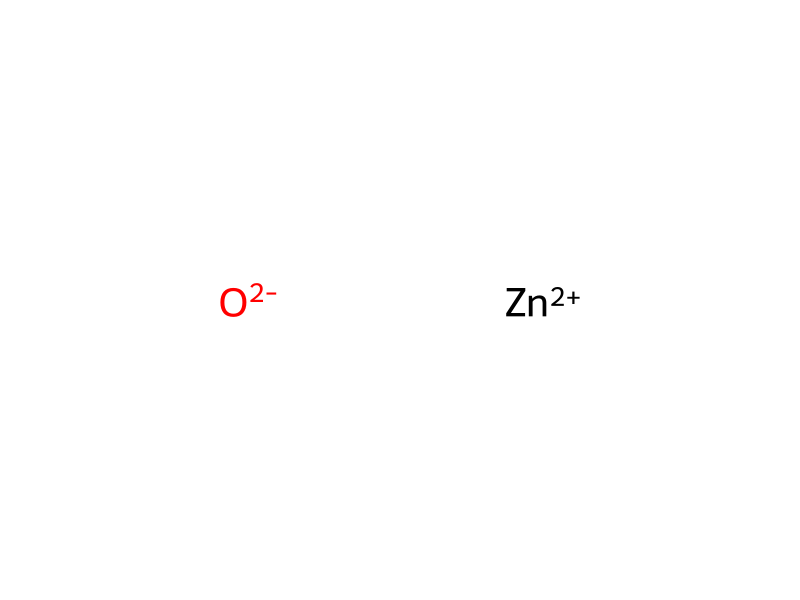
Grundinformationen
- Standard-SMILES
[O-2].[Zn+2]- InChIKey
RNWHGQJWIACOKP-UHFFFAOYSA-N- Summenformel
- OZn
- Durchschnittliche Molmasse
- 81,4 g/mol
- Monoisotopische Masse
- 79,92405682
Überblick
Crude zinc oxide is a yellow-gray granular solid with no odor. It is insoluble in water. The primary hazard is the threat posed to the environment. Immediate steps should be taken to limit its spread to the environment. Prolonged inhalation of the dust may result in metal fume fever with symptoms of chills, fever, muscular pain, nausea and vomiting.
Namen und Bezeichner
- Bevorzugter Name
- Zinc Oxide
- IUPAC
- zinc oxygen(2-)
- Lokaler Name
- Zinkoxid
- Englischer Name
- Zinc oxide
- Summenformel
- OZn
- Molmasse
- 81.39
Namen und Synonyme
Zinc oxide (ZnO)Zincum OxydatumZinc pasteZinci OxydumZinc (as oxide)Zinc oxide emulsionDTXSID7035016Zinc (as zinc oxide)SOI2LOH54ZCI 77947C.I. 77947215-222-5
Weitere Namen anzeigen
ZnOMethiconesnowwhiteZinc whiteZINC OXIDE POWDERZinc oxide, ACS, 99.0% minzinciteyanghuaxinZINC(II)OXIDE
Lassar's PasteOxide, ZincPaste, Lassar'saloevellacalahistdaburdiapermultipurpose
Datenbank-Bezeichner
- CAS
1314-13-2、8051-03-4- PubChem CID
- 3007857
- DTXSID
DTXSID7035016- ChEMBL
CHEMBL3988900- UNII
- SOI2LOH54Z
- EC Number
- 215-222-5、617-101-6
Eigenschaften
Berechnete Struktureigenschaften
- Polarare Oberfläche (TPSA)
- 1 Ų
- H-Brücken-Donoren
- 0
- H-Brücken-Akzeptoren
- 1
- Frei drehbare Bindungen
- 0
- Schwere Atome
- 2
- Formalladung
- 0
- Komplexität
- 0
Experimentelle und physikochemische Eigenschaften
Chemical ClassesMetals -> Metals, Inorganic Compounds
Polymers
Plastics -> Other functions -> UV/light stabiliser; flame retardant
Plastics -> Polyolefin-I; PUR; Polyolefin-II; PVC (soft); ABS; PVC (rigid); PET; PMMA; PA; PC; (E)PS
Plastics -> Antistatic
CosmeticsCosmetic colorant; Uv absorber; Bulking; Skin protecting
pHpH = 6.95 (American process zinc oxide); 7.37 (French process)
SpringerMaterials Propertiesthermal expansion coefficient
FragrancesFragrance Ingredient (Zinc oxide (zno)) -> IFRA transparency List
OdorOdorless
TasteBitter taste
Food Additives
Drugs, Cosmetics -> FDA Regulatory Status of Color Additives
COLOR OR COLORING ADJUNCT, NUTRIENT SUPPLEMENT -> FDA Substance added to food
Density
5.61 (NIOSH, 2024) - Denser than water; will sink
5.6 g/cu cm
5.6 g/cm³
5.61
5.6 @25 °C
5.61
Flame RetardantsFlame retardants
Color/Form
White or yellowish-white powder; hexagonal crystals
Coarse white or grayish powder
Hexagonal, wurtzite crystal structure
White powder; hexagonal
Physikochemische Eigenschaften
- Schmelzpunkt
- 1975 °C · 1975 °C
- Siedepunkt
- 1949.9 °C · 1949.9°C (estimate)
- Dichte
- 5.6 · 5.6
- Brechungsindex
- 2.008 · 2.008~2.029
- Flammpunkt
- 27 ℃ · 27℃
- storage temp.
- 5 °C · Store at +5°C to +30°C.
- Löslichkeit
- 0.0016 g/l · 0.0016g/l insoluble
- Aggregatzustand
- nanopowder
- Farbe
- White to pale yellow
- Wichte
- 5.61 · 5.61
- PH
- 7 · 7 (50g/l, H2O, 20℃)(slurry)
- Geruch (Odor)
- wh. to gray powd. or crystals, odorless, bitter taste
- Wasserlöslichkeit
- 1.6 mg/L · 1.6 mg/L (29 ºC)
- Spezifische Wärmekapazität
- 0.5 J/ · Cp(crystal): 0.5 J/(g·K), at 25℃
- Merck
- 14 · 14,10147
- Dielectric constant
- 40 · 40.0(20℃)
- Stabilität
- Stable. Incompatible with magnesium, strong acids.
- Kosmetik-Inhaltsstoffe Funktionen
- SKIN PROTECTINGUV FILTERLIGHT STABILIZERORAL CAREBULKINGANTIMICROBIALCOLORANTUV ABSORBER
- InChI
- 1S/O.Zn
- InChIKey
- XLOMVQKBTHCTTD-UHFFFAOYSA-N
- SMILES
- O=[Zn]
- CAS Datenbank
- 1314 · 1314-13-2(CAS DataBase Reference)
- NIST chemische Informationen
- Zinc oxide(1314-13-2)
- EPA chemische Informationen
- Zinc oxide (1314-13-2)
Sicherheit und Regulatorisches
GHS-Klassifizierung
GHS Classification
Warning
H400: Very toxic to aquatic life [Warning Hazardous to the aquatic environment, acute hazard]
P273, P391, and P501 (click each P-code to see the statement)
This chemical does not meet GHS hazard criteria for 0.2% (15 of 7128) of reports.
Warning
H400 (98.4%): Very toxic to aquatic life [Warning Hazardous to the aquatic environment, acute hazard]
Gefahrenhinweise
Regulatory Information
Chemical: Zinc oxide (ZnO)
Regulation (EC) No 1831/2003 (amended)
Zinc oxide (ZnO) is listed on the EPA's Chemical Data Reporting (CDR) system. Manufacturers and importers of Zinc oxide (ZnO) are required to report information about their production and use of this chemical to the EPA under the Toxic Substances Control Act (TSCA). (40 eCFR Part 711)
Status: Active Update: 17-05-2023 https://echa.europa.eu/registration-dossier/-/registered-dossier/16139
Zinc oxide: Does not have an individual approval but may be used under an appropriate group standard
The New Jersey Worker and Community Right to Know Act requires public and private employers to provide information about hazardous substances at their workplaces. (N.J.S.A. 34:5A-1 et. seq.)
Other Safety InformationIMAP assessments - Zinc oxide (ZnO): Human health tier I assessment
DOT LabelClass 9
Fire Hazards
Excerpt from ERG Guide 171 [Substances (Low to Moderate Hazard)]:
Not combustible.
Fire Potential
Not combustible.
Contact with water liberates highly flammable gases.
Health HazardsExcerpt from NIOSH Pocket Guide for Zinc oxide:
Hazards SummaryCauses metal fume fever; [Rom, p. 404-6] See Zinc.
DOT ID and Guide1516 143
FDA Requirements
The Approved Drug Products with Therapeutic Equivalence Evaluations identifies currently marketed prescription drug products, including zinc oxide, approved on the basis of safety and effectiveness by FDA under sections 505 of the Federal Food, Drug, and Cosmetic Act.
Certification of this color additive when used for coloring externally applied drugs, including those used in the area of the eye, in amounts consistent with good manufacturing practice is not necessary for the protection of the public health, and therefore batches thereof are exempt from the certification pursuant to section 721(c) of the Federal Food, Drug and Cosmetic Actt.
Certification of this color additive when used in cosmetics, including cosmetics intended for use in the area of the eye, in amounts consistent with good manufacturing practice is not necessary for the protection of the public health, and therefore batches thereof are exempt from the certification pursuant to section 721(c) of the Federal Food, Drug and Cosmetic Act.
This substance is generally recognized as safe when used as a nutrient in accordance with good manufacturing practice.
For more FDA Requirements (Complete) data for ZINC OXIDE (11 total), please visit the HSDB record page.
Reactive GroupSalts, Basic
EC ClassificationSymbol: N; R: 50/53; S: 60-61
UN ClassificationUN Hazard Class: 9; UN Pack Group: III
Sicherheit und Schutzausrüstung
Fire Fighting
Excerpt from ERG Guide 171 [Substances (Low to Moderate Hazard)]:
In case of fire in the surroundings, use appropriate extinguishing media.
First Aid Measures
Fresh air, rest. Refer for medical attention if breathing difficulties and/or fever develop.
Rinse and then wash skin with water and soap.
Rinse with plenty of water (remove contact lenses if easily possible).
Rinse mouth. Refer for medical attention if you fell unwell.
First Aid
Excerpt from NIOSH Pocket Guide for Zinc oxide:
(General first aid procedures)
Safe StorageSeparated from incompatible materials. See Chemical Dangers. Provision to contain effluent from fire extinguishing.
Exposure Control and Personal Protection0.01 [mg/m3] (respirable fraction), 2 mg/m3 (inhalable fraction) [fume and solids][German Research Foundation (DFG)]
Fire Fighting Procedures
Special protective equipment for firefighters: Wear self contained breathing apparatus for fire fighting if necessary.
In case of fire in the surroundings: use appropriate extinguishing media.
Storage Conditions
Store in airtight containers.
Conditions for safe storage: Keep container tightly closed in a dry and well-ventilated place. Keep in a dry place.
Store between 15 deg and 30 °C (59 deg and 86 °F).
Cleanup Methods
Accidental release measures: Personal precautions: Use personal protective equipment. Avoid dust formation. Avoid breathing vapors, mist or gas. Ensure adequate ventilation. Evacuate personnel to safe areas. Avoid breathing dust. Environmental precautions: Prevent further leakage or spillage if safe to do so. Do not let product enter drains. Discharge into the environment must be avoided. Methods and materials for containment and cleaning up: Pick up and arrange disposal without creating dust. Sweep up and shovel. Keep in suitable, closed containers for disposal.
Sweep spilled substance into containers; if appropriate, moisten first to prevent dusting. Carefully collect remainder, then remove to safe place.
Nonfire Spill ResponseExcerpt from ERG Guide 171 [Substances (Low to Moderate Hazard)]:
Disposal Methods
SRP: The most favorable course of action is to use an alternative chemical product with less inherent propensity for occupational exposure or environmental contamination. Recycle any unused portion of the material for its approved use or return it to the manufacturer or supplier. Ultimate disposal of the chemical must consider: the material's impact on air quality; potential migration in soil or water; effects on animal, aquatic, and plant life; and conformance with environmental and public health regulations.
Chemical Treatability of Zinc; Concentration Process: Ultrafiltration; Chemical Classification: Metals; Scale of Study: Continuous flow, pilot scale; Type of Wastewater Used: Industrial wastewater; Results of Study: 0.38 ppm effluent concentration. /Zinc/
Chemical Treatability of Zinc; Concentration Process: Miscellaneous sorbents; Chemical Classification: Metals; Scale of Study: Literature review; Type of Wastewater Used: Unknown; Results of Study: Final concentration reduced to 0.1 ppb; SiO2 + CaO slags used. /Zinc/
Spillage Disposal
Personal protection: particulate filter respirator adapted to the airborne concentration of the substance. Do NOT let this chemical enter the environment. Sweep spilled substance into covered containers. If appropriate, moisten first to prevent dusting. Carefully collect remainder. Then store and dispose of according to local regulations.
Preventive Measures
SRP: Local exhaust ventilation should be applied wherever there is an incidence of point source emissions or dispersion of regulated contaminants in the work area. Ventilation control of the contaminant as close to its point of generation is both the most economical and safest method to minimize personnel exposure to airborne contaminants. Ensure that the local ventilation moves the contaminant away from the worker.
Exhaust ventilation is the most effective control of freshly generated zinc oxide fumes. Education of metal repair persons as to the hazards and proper use of temporary ventilation for large repair jobs is essential.
Prevention ... /of metal fume fever/ is a matter of keeping exposure of workers below level of concn currently accepted as satisfactory for working with the metal in industry, preferably by employment of proper local exhaust ventilation to collect fumes at their source. Acceptable respirators are avail commercially but should be used only under suitable conditions. /Zinc/
Do not eat, drink, or smoke during work.
For more Preventive Measures (Complete) data for ZINC OXIDE (6 total), please visit the HSDB record page.
Toxikologische Informationen
TreatmentZinc poisoning is treated symptomatically, often by administering fluids such as water or milk, or with gastric lavage. (L49)
Interactions
The presence of zinc oxide inhibits the therapeutic effects of 8-hydroxyquinoline in ointments.
... The effect of zinc oxide on contact allergy to colophony /was studied/. With 14 patients with earlier history of moderate patch test reactions to colophony a patch test with 10% zinc oxide (2.3 mg Zinc/sq cm) with and without colophony was performed. No positive response was observed in the 14 patients when only a 10% solution of zinc oxide was used. The addition of zinc oxide to colophony decreased the allergic reaction induced by colophony.
... /The authors/ report here preliminary studies of biocidal effects and cellular internalization of ZnO nanoparticles on Escherichia coli bacteria ... Bacteria thin sections were used to study biocidal action of ZnO materials. The results confirmed that E. coli cells after contact with di(ethylene glycol) (DEG) and ZnO were damaged showing a Gram-negative triple membrane disorganization. This behavior causes the increase of membrane permeability leading to accumulation of ZnO nanoparticles in the bacterial membrane and also cellular internalization of these nanoparticles.
Zinc oxide effectively reduces visual cell loss in rats exposed to intense visible light and is known to slow the rate of disease progression in advanced stages of age-related macular degeneration. Our goal was to determine the efficacy of zinc oxide in combination with novel and well-established antioxidants in an animal model of light-induced oxidative retinal damage. One group of male Sprague-Dawley rats was pretreated with zinc oxide with or without a detergent extract of rosemary powder and then exposed to intense visible light for 4-24 hr. Another group of animals received zinc oxide combined with rosemary oil diluted with a mixture of polyunsaturated fatty acids (ROPUFA) and a third group was given an antioxidant mineral mix containing zinc oxide, as recommended by the Age Related Eye Disease Study group's first clinical trial (AREDS1). Visual cell survival was determined 2 weeks after intense light treatment by measuring rhodopsin and photoreceptor cell DNA levels and confirmed by retinal histology and agarose gel electrophoresis of DNA. Western analysis was used to determine the effects of zinc and antioxidants on the oxidative stress markers, glial fibrillary acidic protein (GFAP), heme-oxygenase-1 (HO-1), and carboxyethylpyrrole (CEP). Rod and cone opsin and arrestin levels were used as markers of photoreceptor cell function. Dark-reared rats treated with 1.3 mg/kg zinc oxide and 17 mg/kg rosemary extract, or with one-half those doses, and exposed to moderate intensity green light retained 75%-85% of the rhodopsin and retinal DNA measured in unexposed rats. These levels were significantly higher than found for zinc oxide or rosemary treatment alone. Rosemary oil was also effective when combined with zinc oxide, but ROPUFA alone was no more effective than the detergent vehicle. Prolonged intense green light led to increases in retinal GFAP and HO-1 levels and to decreases in cone cell opsin and rod and cone arrestins. Rosemary plus zinc treatment reduced the expression of oxidative stress protein markers and enhanced visual cell survival, as shown by improved photoreceptor cell morphology and by decreased retinal DNA degradation. Using higher intensity white light for exposures in cyclic light-reared rats, treatment with an AREDS antioxidant/mineral mixture was found to be ineffective, whereas rosemary extract plus an equivalent dose of zinc oxide was significantly more effective in preserving visual cells. CEP protein adduct formation was reduced by all antioxidant treatments, but rosemary plus zinc oxide also prevented the loss of cone cell opsin and arrestin more effectively than AREDS. In the rat model of acute retinal light damage, zinc oxide combined with a detergent extract of rosemary powder or rosemary oil is more effective than treatment with either component alone and significantly more effective than an AREDS mixture containing a comparable dose of zinc oxide. Light-induced oxidative stress in animal models of retinal degeneration can be a useful preclinical paradigm for screening novel antioxidants and for testing potential therapeutics designed to slow the progression of age-related ocular disease.
Diminish the penetration of ultraviolet (UV) light through the epidermis by absorbing UV radiation within a specific wavelength range. The amount and wavelength of UV radiation absorbed are affected by the molecular structure of the sunscreen agent. /Sunscreen agents, topical/
Target Organsrespiratory system
Health EffectsChronic exposure to zinc causes anemia, atazia, lethargy, and decreases the level of good cholesterol in the body. It is also believed to cause pancreatic and reproductive damage. (L49)
Ecotoxicity Values
LD50; Species: Colinus virginianus (Bobwhite quail) 23 weeks old; oral via capsule 566 mg/kg (95% confidence limit: 428-719 mg/kg)
LC50; Species: Colinus virginianus (Bobwhite quail) 11 days old; dietary >5000 ppm for 8 days /99% AI formulation/
LC50; Species: Lepomis macrochirus (Bluegill sunfish) weight 0.38 g; Conditions: static; Concentration: >320 ppm for 96 hr /99% AI formulation/
LC50; Species: Oncorhynchus mykiss (Rainbow trout) weight 0.78 g; Conditions: static; Concentration: 1.1 ppm for 96 hr (95% confidence limit: 0.59-2.5 ppm) /99% AI formulation/
For more Ecotoxicity Values (Complete) data for ZINC OXIDE (8 total), please visit the HSDB record page.
Environmental FateContamination of pastures with zinc oxide is known to occur in vicinity of works where zinc is produced from its ores and is likely in neighborhood of brass foundries.
Exposure Routes
The substance can be absorbed into the body by inhalation of fume.
inhalation
Inhalation (L49) ; oral (L49) ; dermal (L49)
Toxicity Summary
Anaemia results from the excessive absorption of zinc suppressing copper and iron absorption, most likely through competitive binding of intestinal mucosal cells. Unbalanced levels of copper and zinc binding to Cu,Zn-superoxide dismutase has been linked to amyotrophic lateral sclerosis (ALS). Stomach acid dissolves metallic zinc to give corrosive zinc chloride, which can cause damage to the stomach lining. Metal fume fever is thought to be an immune response to inhaled zinc. (L48, L49, A49)
Ecotoxicity Excerpts
/OTHER TERRESTRIAL SPECIES/ The pore water zinc concentration and the calcium chloride extracted zinc fraction are higher in the soils spiked with a zinc salt (ZnCl2) compared to soils spiked with zinc oxide or zinc powder. Based on total zinc concentrations in the soil, the acute toxicity of zinc salt to the compost worm Eisenia fetida, the potworm Enchytraeus albidus and the springtail Folsomia candida was lower compared to zinc oxide and zinc powder. However, when expressed on the basis of pore water concentrations or calcium chloride extracted fractions, acute toxicity was higher for zinc salt, which indicated that dermal uptake via the pore water is not the only route of uptake. Chronic toxicity of zinc salt, zinc oxide and zinc powder was similar when based on total concentrations in the soil which again indicates that the pore water route of uptake is not the only route of exposure but that oral uptake is also important.
Signs and Symptoms
Cough. Sore throat. Fumes: Metallic taste. Headache. Fever. Chest tightness. Shortness of breath. Weakness. Muscle pain.
No acute symptoms expected.
Redness.
Abdominal pain. Diarrhoea. Nausea. Vomiting.
Metal fume fever: chills, muscle ache, nausea, fever, dry throat, cough; lassitude (weakness, exhaustion); metallic taste; headache; blurred vision; low back pain; vomiting; malaise (vague feeling of discomfort); chest tightness; dyspnea (breathing difficulty), rales, decreased pulmonary function
Ingestion of large doses of zinc causes stomach cramps, nausea, and vomiting. Acute inhalation of large amounts of zinc causes metal fume fever, which is characterized by chills, fever, headache, weakness, dryness of the nose and throat, chest pain, and coughing. Dermal contact with zinc results in skin irritation. (L49)
ICSC Environmental DataThe substance is very toxic to aquatic organisms. The substance may cause long-term effects in the aquatic environment. It is strongly advised not to let the chemical enter into the environment.
Medical Surveillance
Frequent exam urine zinc level
Medical surveillance shall be made available ... for all persons occupationally exposed to zinc oxide. Preplacement medical examinations shall include comprehensive or interim work history and comprehensive or interim medical history. The examination shall give special emphasis to the respiratory tract. Such tests as chest X-rays and pulmonary function studies may be considered by the responsible physician.
The assessment of zinc exposure can be accomplished through measurement of zinc. The presence of excess zinc ... can indicate high exposure to zinc; however, no information was found in the literature regarding the accuracy of these levels in predicting possible health effects. Blood Reference Ranges: Normal - average level 1200 ug/dl; Exposed - not established; Toxic - not established. Serum or Plasma Reference Ranges: Normal - average levels 100 ug/dl; Exposed - not established; Toxic - not established. Urine Reference Ranges: Normal - average levels 0.5 mg/g creatinine or 150 to 1200 ug/24 hours; Exposed - urinary concentrations of 600 to 700 ug/l were found in workers exposed to zinc oxide at levels of 3 to 5 mg/cu m; Toxic - greater than 1200 ug/24 hours has been indicated as a toxic urinary level of zinc; however no information was located relating to the severity of symptoms seen with high urinary zinc levels. /Zinc/
Respiratory Symptom Questionnaires: Questionnaires have been published by the American Thoracic Society and the British Medical Research Council. These questionnaires have been found to be useful in identification of people with chronic bronchitis, however certain pulmonary function tests such as FEV1 have been found to be better predictors of chronic airflow obstruction. /Zinc/
For more Medical Surveillance (Complete) data for ZINC OXIDE (10 total), please visit the HSDB record page.
Regulatorische Informationen
FDA Requirements
The Approved Drug Products with Therapeutic Equivalence Evaluations identifies currently marketed prescription drug products, including zinc oxide, approved on the basis of safety and effectiveness by FDA under sections 505 of the Federal Food, Drug, and Cosmetic Act.
Certification of this color additive when used for coloring externally applied drugs, including those used in the area of the eye, in amounts consistent with good manufacturing practice is not necessary for the protection of the public health, and therefore batches thereof are exempt from the certification pursuant to section 721(c) of the Federal Food, Drug and Cosmetic Actt.
Certification of this color additive when used in cosmetics, including cosmetics intended for use in the area of the eye, in amounts consistent with good manufacturing practice is not necessary for the protection of the public health, and therefore batches thereof are exempt from the certification pursuant to section 721(c) of the Federal Food, Drug and Cosmetic Act.
This substance is generally recognized as safe when used as a nutrient in accordance with good manufacturing practice.
For more FDA Requirements (Complete) data for ZINC OXIDE (11 total), please visit the HSDB record page.
FIFRA Requirements
Residues of zinc oxide are exempted from the requirement of a tolerance when used as a coating agent in accordance with good agricultural practice as inert (or occasionally active) ingredients in pesticide formulations applied to growing crops or to raw agricultural commodities after harvest.
Residues of zinc oxide are exempted from the requirement of a tolerance when used as a solid diluent, carrier in accordance with good agricultural practice as inert (or occasionally active) ingredients in pesticide formulations applied to animals.
The Agency has sufficient information on the human health effects of zinc salts and on it potential for causing effects in fish and wildlife and the environment when used to control moss and fungus growth in outdoor residential areas, on structures, in pressure-treated lumber and incorporated into fibers used in carpet. The Agency concludes that products containing zinc salts for these uses ar eligible for reregistration. Only certain generic physical chemistry data studies on zinc salts still are needed as comfirmatory information. The Agency has determined tha zinc salt containing products, labeled and used as specified in this Reregistration Eligibility Document will not pose unreasonable risks or adverse effects to humans or the environment.
As the federal pesticide law FIFRA directs, EPA is conducting a comprehensive review of older pesticides to consider their health and environmental effects and make decisions about their continued use. Under this pesticide reregistration program, EPA examines newer health and safety data for pesticide active ingredients initially registered before November 1, 1984, and determines whether the use of the pesticide does not pose unreasonable risk in accordance to newer saftey standards, such as those described in the Food Quality Protection Act of 1996. Pesticides for which EPA had not issued Registration Standards prior to the effective date of FIFRA '88 were divided into three lists based upon their potential for human exposure and other factors, with List B containing pesticides of greater concern than those on List C, and with List C containing pesticides of greater concern than those on List D. Zinc oxide is found on List D. Case No: 4099; Pesticide type: fungicide, herbicide, antimicrobial; Case Status: RED Approved 09/92; OPP has made a decision that some/all uses of the pesticide are eligible for reregistration, as reflected in a Reregistration Eligibility Decision (RED) document.; Active ingredient (AI): Zinc oxide; Data Call-in (DCI) Date(s): 10/07/92; AI Status: OPP has completed a Reregistration Eligibility Decision (RED) document for the case/AI.
Atmospheric Standards
... Substances for which a Federal Register notice has been published that included consideration of the serious health effects, including cancer, from ambient air exposure to the substance. Zinc oxide (52 FR 32597, August 1987) is included on this list.
Clean Water Act RequirementsToxic pollutant designated pursuant to section 307(a)(1) of the Federal Water Pollution Control Act and is subject to effluent limitations. /Zinc and compounds/
State Drinking Water Guidelines
(AZ) ARIZONA 5000 ug/L /Zinc/
(MN) MINNESOTA 2000 ug/L /Zinc/
Federal Drinking Water Guidelines
EPA 5000 ug/L /Zinc/
EPA 2000 ug/L /Zinc, Lifetime health advisory/
Sicherheitsdaten
- OEB
- B
- OEL
- TWA: 5 mg/m3, Ceiling: 15 mg/m3
- wgk
- 2
- IDLA
- 500 mg/m3
- tsca
- TSCA listed
- ridadr
- UN 3077 9/PG 3
- hs_code
- 28170000
- RTECS-Nr.
- ZH4810000
- risk_code
- 50/53-20-43-36/38-20/21/22-67-66-10-11
- Toxizität
- LD50 orally in Rabbit: > 5000 mg/kg
- hazard_code
- N,Xn,F
- safety_code
- 60-61-7/9-36/37-26-16
- hazard_class
- 9
- packing_group
- III
- Speicherklasse
- 11 - Combustible Solids
- Giftige Stoffe Daten
- 1314-13-2(Hazardous Substances Data)
- Hazard Classifications
- Aquatic Acute 1Aquatic Chronic 1
Chemie und Industrie
Pharmakologische Informationen
ATC CodeQA - Alimentary tract and metabolism
Protein BindingIntended for local use only, no systemic absorption.
PharmacodynamicsZinc oxide has astringent, soothing and protective properties and is used in topical preparations for eczema, slight excoriations, wounds and haemorrhoids. It also reflects ultraviolet radiation and can be used as a physical sunscreen.
Mechanism of Action
It acts by providing a physical barrier to prevent skin irritation and help heal damaged skin.
... Freshly formed fumes are ... composed of ... particles in range of 0.05 to 0.5 um, and ... /have/ increased activity when they come into contact with the alveolar walls of lung. As fumes age they become less reactive because they tend to agglomerate or form aggregates and settle out of atmosphere ... thereby reducing concn of reactive particulates in lung. ... The size of particles is important factor in producing the illness. ... Finely divided particles of metals /are/ so small that they behave much like a gas and act on the alveolar surfaces, affecting the lung tissue and not upper respiratory tract. /Zinc/
... /That/ zinc oxide fume inhalation initiates a time-dependent sequence of proinflammatory events /was postulated/. This includes dose-dependent increases in pulmonary neutrophils and increased tumor necrosis factor (TNF) release into the pulmonary environment beginning at 3 hr after exposure, which, in turn, may lead to increases in bronchoalveolar lavage (BAL) IL-6 and the neutrophil chemoattractant IL-8. The IL-6 then enters the circulation, contributing to the development of the fever and the symptoms of metal-fume fever. /It was/ confirmed, through in vitro studies, that zinc oxide exposure stimulated U937 mononuclear cells to release TNF and IL-8, a finding consistent with in vivo observations in metal-fume fever.
The pathogenesis /of metal fume fever/ is unknown, but it is thought to result from endogenous pyrogen release due to cell lysis. Extracts prepared from tracheal mucosa and from the lungs of animals with experimentally induced metal fume fever produce similar symptoms when injected into other animals.
Diminish the penetration of ultraviolet (UV) light through the epidermis by absorbing UV radiation within a specific wavelength range. The amount and wavelength of UV radiation absorbed are affected by the molecular structure of the sunscreen agent. /Sunscreen agents/
Biological Half-Life
Intended for local use only, no systemic absorption.
For zinc, whole body: 162-500 days; [TDR, p. 1245]
Groups of three rats received single intratracheal installations of zinc oxide suspension at the dose of 100 mg/rat during the experiment and were killed 1/3, 1, 2, 3, 5, 7, 14, and 21 days after administration. The half-life of zinc oxide was calculated to be 14 hr.
Metabolism/Metabolites
Intended for local use only, no systemic absorption.
Zinc can enter the body through the lungs, skin, and gastrointestinal tract. Intestinal absorption of zinc is controlled by zinc carrier protein CRIP. Zinc also binds to metallothioneins, which help prevent absorption of excess zinc. Zinc is widely distributed and found in all tissues and tissues fluids, concentrating in the liver, gastrointestinal tract, kidney, skin, lung, brain, heart, and pancreas. In the bloodstream zinc is found bound to carbonic anhydrase in erythrocytes, as well as bound to albumin, _2-macroglobulin, and amino acids in the the plasma. Albumin and amino acid bound zinc can diffuse across tissue membranes. Zinc is excreted in the urine and faeces. (L49)
FDA Pharmacological Classification
BROAD SPECTRUM SPF 15 SPEARMINT LIP BALM
Decreased Copper Ion Absorption [PE]; Copper Absorption Inhibitor [EPC]
KINFIELD CLOUD COVER MINERAL BODY SUNSCREEN BROAD SPECTRUM SPF 35
Copper Absorption Inhibitor [EPC]; Decreased Copper Ion Absorption [PE]
KINFIELD DAILY DEW SEA KELP MOISTURIZER SUNSCREEN LOTION BROAD SPECTRUM SPF 35
Copper Absorption Inhibitor [EPC]; Decreased Copper Ion Absorption [PE]
MeSH Pharmacological Classification
Drugs used to treat or prevent skin disorders or for the routine care of skin.
Chemical or physical agents that protect the skin from sunburn and erythema by absorbing or blocking ultraviolet radiation.
Absorption, Distribution and Excretion
No significant percutaneous absorption from topically applied zinc oxide.
Intended for local use only, no systemic absorption.
Intended for local use only, no systemic absorption.
Intended for local use only, no systemic absorption.
Urinary and blood exam /in workers in maufacturing of zinc oxide compound/ indicated that zinc was absorbed and excreted in amount higher than normal, from 0.12-3.93 mg/100 cc in urine (normal average ... estimated as 1.06 mg); Fecal Zn also high, but this represented to considerable extent Zn swallowed and passed through GI tract unabsorbed.
Absorption occurs across broken epithelium when zinc oxide is applied to treat burns or wounds.
Verwendung und Herstellung
Uses
Used in pigments, rubber, and electronic devices; Zinc oxide is produced when zinc is heated to its boiling point (907 degrees C); [ACGIH] Nanoparticle applications include sunscreen and fungicide for personal care products, UV nanolasers, biocide in food packaging, additive to rubber and ceramics for abrasion resistance, and additive to automobiles, furniture, and fabrics to protect from sun damage; [HSDB]
Steel Producing [Category: Industry]
Jewelry making [Category: Hobbies]
For zinc oxide (USEPA/OPP Pesticide Code: 088502) ACTIVE products with label matches. /SRP: Registered for use in the U.S. but approved pesticide uses may change periodically and so federal, state and local authorities must be consulted for currently approved uses./
Type of pesticide: fungicide, herbicide, bacteriostat; Use sites: terrestrial non-food, outdoor residential, indoor non-food; Target pests: moss, fungi, bacteria.
Mesh Heading: Dermatologic agents, sunscreening agents
Impurities... Some technical grades contain a few tenths of a percent lead.
U.S. Exports
(1986) 9.08X10+8 g
Quantities in metric tons: (1994) 8,200; (1995) 7,090
U.S. Imports
(1986) 4.36X10+10 g
Quantities in metric tons: (1994) 41,300; (1995) 49,100
U.S. Production
2023: 550,000,000 - <700,000,000 lb
(1970) 202,059 metric tons
(1975) 150,050 metric tons
(1980) 145,509 metric tons
(1992) 103,037 metric tons
For more U.S. Production (Complete) data for ZINC OXIDE (7 total), please visit the HSDB record page.
Consumption Patterns
Rubber, 50%; agriculture, 15%; chemicals, 12%; paints, 8%; ceramics, 5%; photocopying, 5%; miscellaneous, 5% (1986)
Zinc oxide shipments in metric tons (1970), 193,488; (1975) 153,754; (1978) 181,452; (1979) 179,769; (1980) 135,776; (1995) 104,000
US consumption in metric tons: (1995) 70,900
(2001) 1410 thousand metric tons zinc. /Apparent, all forms/
For more Consumption Patterns (Complete) data for ZINC OXIDE (8 total), please visit the HSDB record page.
Consumer UsesFixing agent (mordant)
Industry UsesTanning agents not otherwise specified
Methods of Manufacturing
... By vaporization of metallic zinc and oxidation of the vapors with preheated air (French process); also from franklinite, (American process) or from zinc sulfide.
Two processes are used to produce metallic zinc from the ore concentrates that are not subjected to caustic soda leaching. In one process, the ore concentrate containing zinc sulfide is roasted in the presence of air to produce zinc oxide, which is combined with coke or coal and retorted to approximately 1,100 °C to produce metallic zinc. In the other process, the roasted zinc oxide is leached with sulfuric acid, and the solution is electrolyzed to produce zinc of >99.9% purity.
Direct or American Process. The direct process is noted for its simplicity, low cost, and excellent thermal efficiency. It consists of an initial high-temperature reduction (1000 - 1200 °C) of a zinc-containing material (as oxide), the reducing agent being coal. Reduction The zinc vapor and the CO gas are then oxidized to zinc oxide and carbon dioxide above the reaction bed or at the furnace exit. Various zinc-containing materials are used, e.g., zinc concentrates, metallization residues, byproduct zinc hydroxide, and above all zinc dross from casting furnaces or galvanizing. The dross must first be treated to remove chloride and lead by heating at ca. 1000 °C in rotary kilns. Only rotary kilns are now used for the direct process; the use of static furnaces has been discontinued. The zinc content of raw materials is between 60 and 75 %.
Indirect or French Process. The zinc is boiled, and the resulting vapor is oxidized by combustion in air under defined conditions. The crystallographic and physical properties of the ZnO can be controlled by adjustment of the combustion conditions (e.g., flame turbulence and air excess). The chemical composition of the ZnO is solely a function of the composition of the zinc vapor. Many types of furnace are available to produce vapor of the required purity from various raw materials and obtain a high yield of zinc. Pure zinc (super high grade, SHG; high grade, HG) or, to an increasing extent, metal residues (e.g., scrap zinc, die casting dross /SRP: a mass of solid impurities floating on surface of molten metal/, or galvanizer's dross) are used as raw materials. Various liquid- or vapor-phase separation techniques are used for separating Cd, Pb, Fe, and Al from zinc metal before it is oxidized.
Wet Process. Zinc oxide is also produced industrially from purified solutions of zinc sulfate or chloride by precipitating the basic carbonate, which is then washed, filtered, and finally calcined. This method produces a grade of zinc oxide with a high specific surface area. Products of this type are also obtained from waste hydroxides which are purified by a chemical route and then calcined.
Formulations/Preparations
Zinc oxide is incorporated in powders, ointments, and pastes. ... Preparation containing zinc oxide including zinc oxide ointment (20% or 25% ZnO), zinc oxide paste (25% ZnO), and zinc oxide and salicylic acid paste (2% salicylic acid in zinc oxide paste).
Calamine consists of pink powder containing zinc oxide (not less than 98%) and small amont of ferric oxide. It is incorporated into calamine lotion (8% calamine and 8% zinc oxide), and phenolated calamine lotion (compound calamine lotion) (1% phenol in calamine lotion).
The medicinal grade contains 99.5% or more ZnO; technical grades contain 90-99% ZnO and a few tenths of 1% of lead.
Grades: American process, lead-free; French process, lead-free, green seal, red seal, white seal (according to fineness); leaded (white lead sulfate); USP, single crystals.
For more Formulations/Preparations (Complete) data for ZINC OXIDE (13 total), please visit the HSDB record page.
Household ProductsInformation on 321 consumer products that contain Zinc oxide in the following categories is provided:
Use Classification
Animal Drugs -> FDA Approved Animal Drug Products (Green Book) -> Active Ingredients
Fragrance Ingredients
Plastics -> Antistatic
Plastics -> Other functions -> UV/light stabiliser; flame retardant
Cosmetics -> Cosmetic colorant; Uv absorber; Bulking; Skin protecting
Plastics -> Polymer Type -> Polyolefin-I; PUR; Polyolefin-II; PVC (soft); ABS; PVC (rigid); PET; PMMA; PA; PC; (E)PS
Anwendungen
Verwendenzinc oxide has been used to protect, soothe, and heal the skin. Zinc oxide provides an excellent barrier to the sun and other irritants. It is somewhat astringent, anti-septic, and anti-bacterial. When used in sunscreen preparations, it provides both uVA and uVB protection, and can contribute to and/or increase SPF. At the appropriate particle size, zinc oxide is transparent in the visible light spectrum but opaque in the uVC ranges, thereby avoiding a whitening effect when incorporated into sunscreen preparations. Zinc oxide is included on the FDA’s list of approved sunscreen chemicals. It demonstrates an impressive synergistic effect when combined with organic sunscreens. Zinc oxide is also used when a white color is desired for a product. It is obtained from zinc ore, a commonly found mineral, and is relatively non-allergenic.
Darstellung
synthetischeZinc oxide is obtained as an intermediate in recovering zinc from minerals (See Zinc, Recovery). The oxide is prepared by vaporizing zinc metal and oxidation of the zinc vapors with preheated air (French process). The oxide can be produced by other processes. Another method involves roasting franklinite and other ores with coal and then oxidizing the product in air.
Vor- und nachgelagerte Produkte
Vorgelagerte Rohstoffe
Nachgelagerte Produkte
Ergänzende Hinweise
Definitionzinc oxide: A powder, white whencold and yellow when hot, ZnO; r.d.5.606; m.p. 1975°C. It occurs naturallyas a reddish orange ore zincite,and can also be made by oxidizinghot zinc in air. It is amphoteric,forming zincates with bases. It isused as a pigment (Chinese white) and a mild antiseptic in zinc ointments.An archaic name is philosopher’swool.
Zugehörige Reaktionen
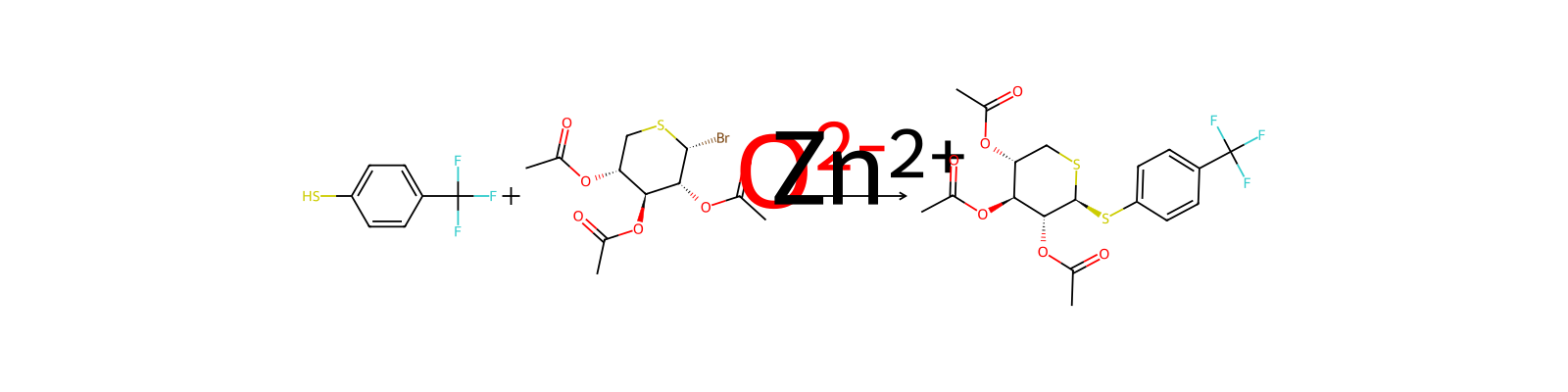
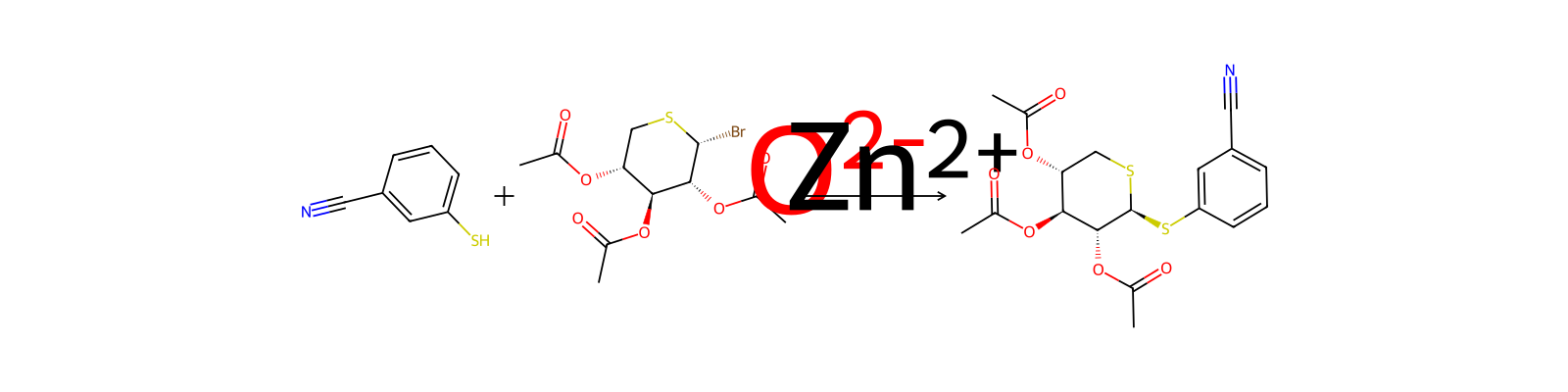
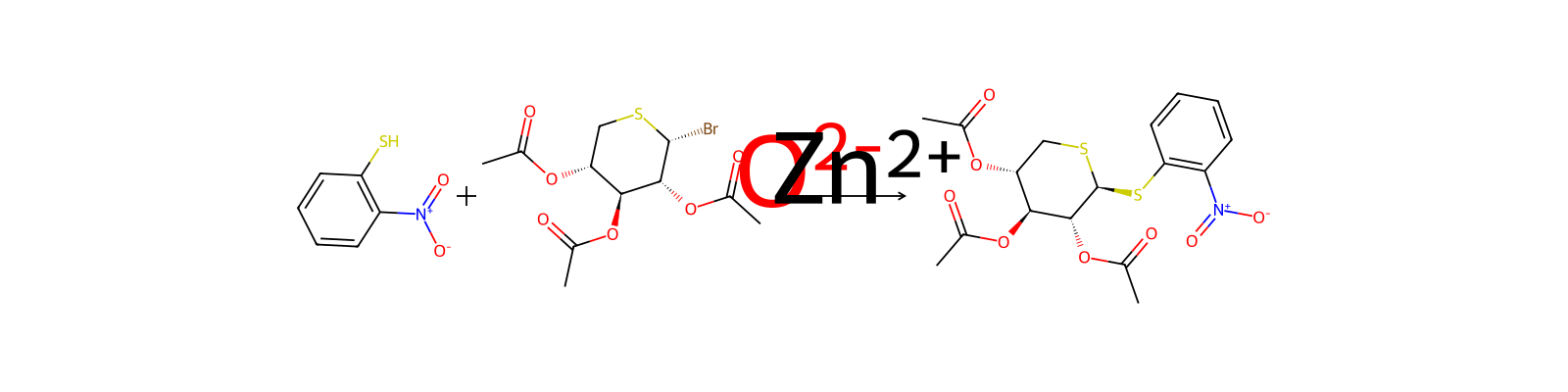
151




Verknüpfte Notizen
Wird geladen…