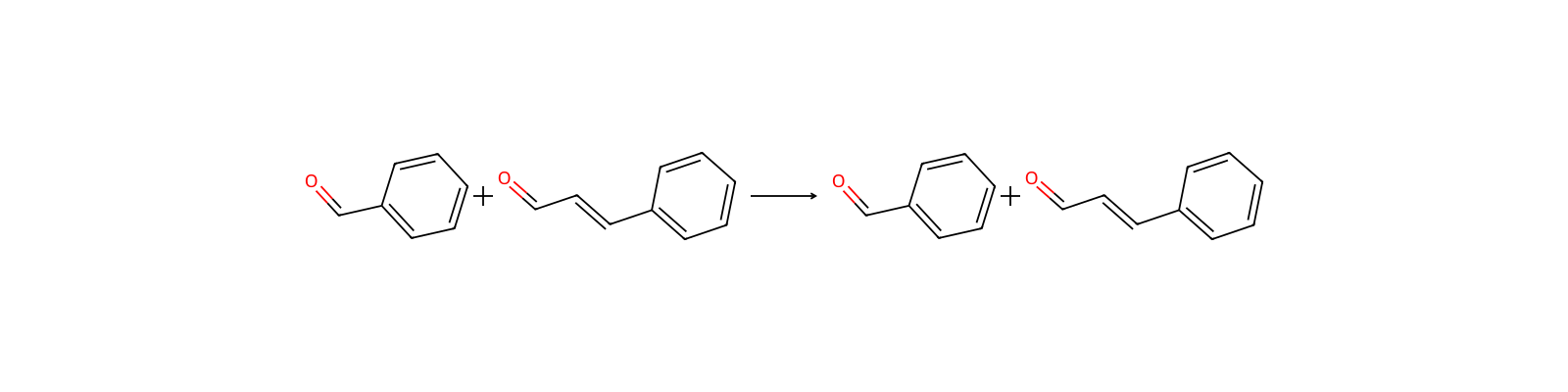
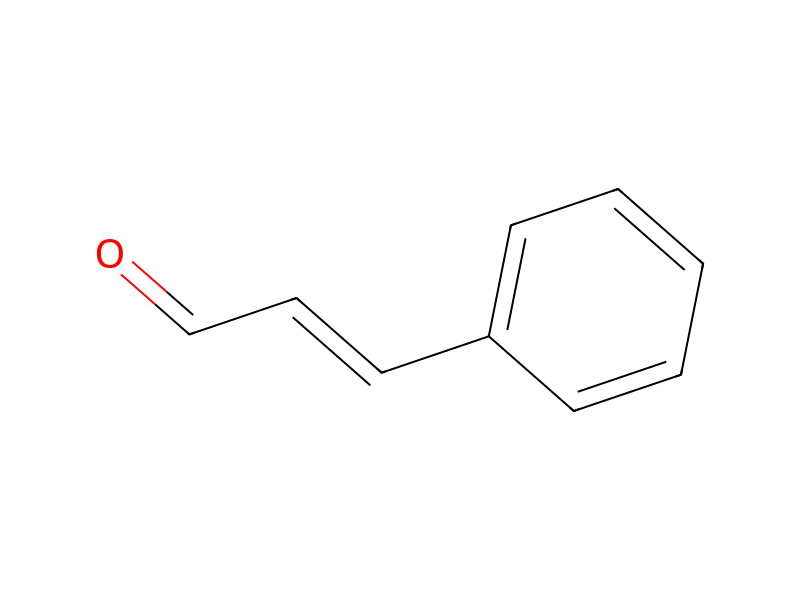
Zimtaldehyd
3-Phenylprop-2-Enal
Grundinformationen
- CAS
104-55-2- Standard-SMILES
O=CC=Cc1ccccc1- InChIKey
KJPRLNWUNMBNBZ-UHFFFAOYSA-N- Summenformel
- C9H8O
- Durchschnittliche Molmasse
- 132,16 g/mol
- Monoisotopische Masse
- 132,05751487
Überblick
3-phenylprop-2-enal has been reported in Curcuma xanthorrhiza, Alpinia latilabris, and other organisms with data available.
Namen und Bezeichner
- Bevorzugter Name
- 3-Phenylprop-2-Enal
- IUPAC
- 3-phenylprop-2-enal
- Lokaler Name
- Zimtaldehyd
- Englischer Name
- Cinnamaldehyde
- Summenformel
- C9H8O
- Molmasse
- 132.16
Namen und Synonyme
3-phenylprop-2-enalDTXSID1024835DTXCID904835CHEBI:142921RefChem:10684953-phenyl-propenaltrans-3-PhenylacrylaldehydeformylstyreneNSC 169353-phenyl-prop-2-enalPropenaldehyde, 3-phenyl-3-phenyl-2-propen-1-one
Weitere Namen anzeigen
CINNAMIC ALDEHYDE2-Propenal, 3-phenyl-3-Phenyl-2-propenalSTYRONE203-213-93-PhenylacrylaldehydeFEMA 2286Zimtaldehyd3-PHENYLPROPENAL2-propenal,3-phenyl-
SCHEMBL3442SCHEMBL277462-Propenaldehyde, 3-phenyl-SCHEMBL787790orb1222698orb1222904orb1302312orb3025776
Datenbank-Bezeichner
- CAS
104-55-2- PubChem CID
- 307
- DTXSID
DTXSID1024835- ChEMBL
CHEMBL3187944
Eigenschaften
Berechnete Struktureigenschaften
- XLogP
- 1,9
- Polarare Oberfläche (TPSA)
- 17,1 Ų
- H-Brücken-Donoren
- 0
- H-Brücken-Akzeptoren
- 1
- Frei drehbare Bindungen
- 2
- Schwere Atome
- 10
- Formalladung
- 0
- Komplexität
- 121
Experimentelle und physikochemische Eigenschaften
SpringerMaterials Properties13C nuclear magnetic resonance spectrum
Physikochemische Eigenschaften
- Schmelzpunkt
- 9 · −9-−4 °C(lit.)
- Siedepunkt
- 248 °C · 248 °C (lit.)
- Dichte
- 1.05 g/mL · 1.05 g/mL at 25 °C (lit.)
- Dampfdichte
- 4.6 · 4.6 (vs air)
- Dampfdruck
- 0.1 hPa · <0.1 hPa (20 °C)
- FEMA
- 2286 · 2286 | CINNAMALDEHYDE
- Brechungsindex
- 20 · n20/D 1.622(lit.)
- Flammpunkt
- 160 °F · 160 °F
- storage temp.
- 30 °C · Store below +30°C.
- Löslichkeit
- 1 g/l · 1g/l soluble
- Aggregatzustand
- Liquid
- pka
- 0 · 0[at 20 ℃]
- Farbe
Sicherheit und Regulatorisches
Sicherheitsangaben dienen nur zur Orientierung und ersetzen weder das Sicherheitsdatenblatt (SDB) des Lieferanten noch geltende Vorschriften oder eine fachliche Bewertung.
GHS-Klassifizierung
GHS Classification
Warning
H317: May cause an allergic skin reaction [Warning Sensitization, Skin]
P261, P272, P280, P302+P352, P321, P333+P317, P362+P364, and P501 (click each P-code to see the statement)
Gefahrenhinweise
Hazard Classes and CategoriesSkin Sens. 1A
Toxikologische Informationen
Health EffectsAllergic reaction.
Exposure RoutesInhalation; dermal; ingestion
Toxicity SummaryCinnamaldehyde is an allergen. The physiologic effect of cinnamaldehyde is by means of increased histamine release and cell-mediated immunity.
Signs and SymptomsThe specific symptoms that can result from cinnamic aldehyde allergy can vary considerably amongst patients from a severe anaphylactic reaction to asthma, abdominal symptoms, eczema or headaches. (L2140)
Carcinogen ClassificationNo indication of carcinogenicity to humans (not listed by IARC).
Toxicity DataLD50: 3400 mg/kg (rat, oral)
Sicherheitsdaten
- F
- 10-23
- wgk
- 3
Chemie und Industrie
Pharmakologische Informationen
Metabolism/MetabolitesCinnamaldehyde is converted to cinnamoyl-CoA by cinnamoyl-CoA reductase.
Anwendungen
BeschreibungCinnamic aldehyde is used as a flavoring agent, ingredient of fragrance in soft drinks, ice creams, dentifrices, pastries, chewing-gum, etc. It can induce both contact urticaria and delayed-type reactions. It can be implicated in contact dermatitis in those who work in the perfume industry or food handlers. Cinnamic aldehyde is contained in the "fragrance mix".
OccurrenceReported found in celery seed, cinnamon, cinnamon leaf, cassia leaf, clove stem and lemon balm.
VerwendenCinnamaldehyde is used in flavor and perfumes.It occurs in cinnamon oils.
Vor- und nachgelagerte Produkte
Vorgelagerte Rohstoffe
Nachgelagerte Produkte
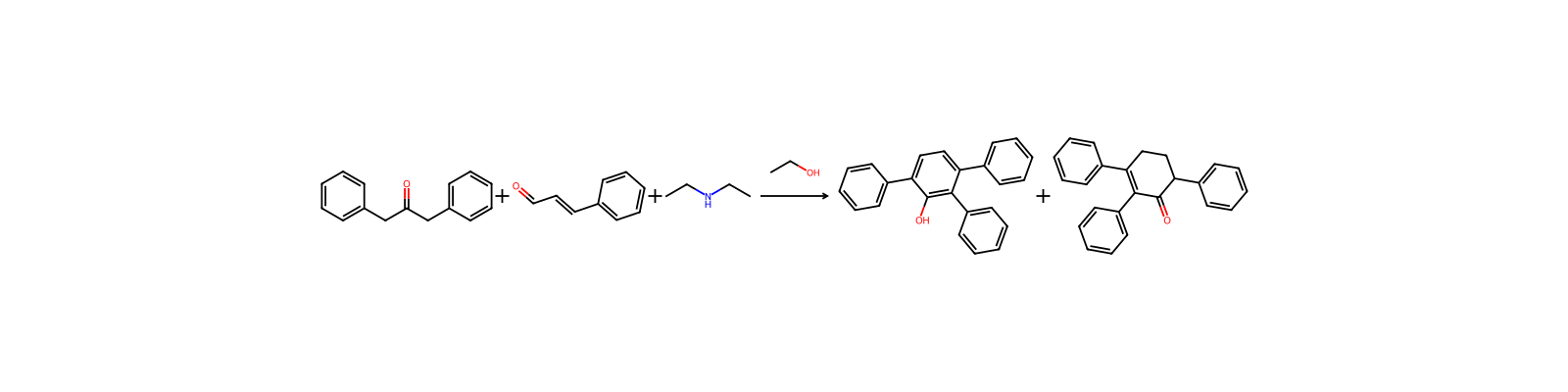
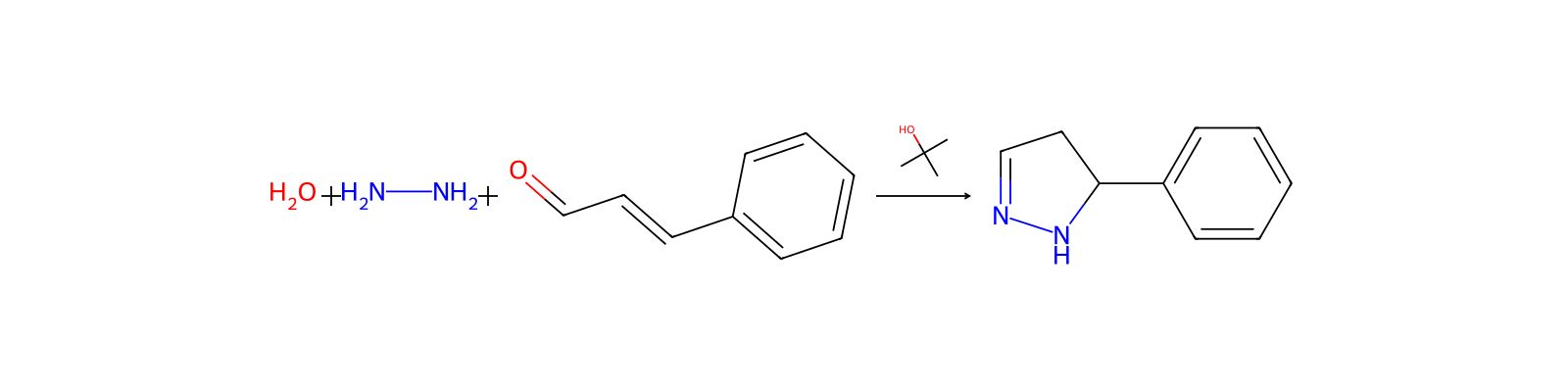
Zugehörige Reaktionen
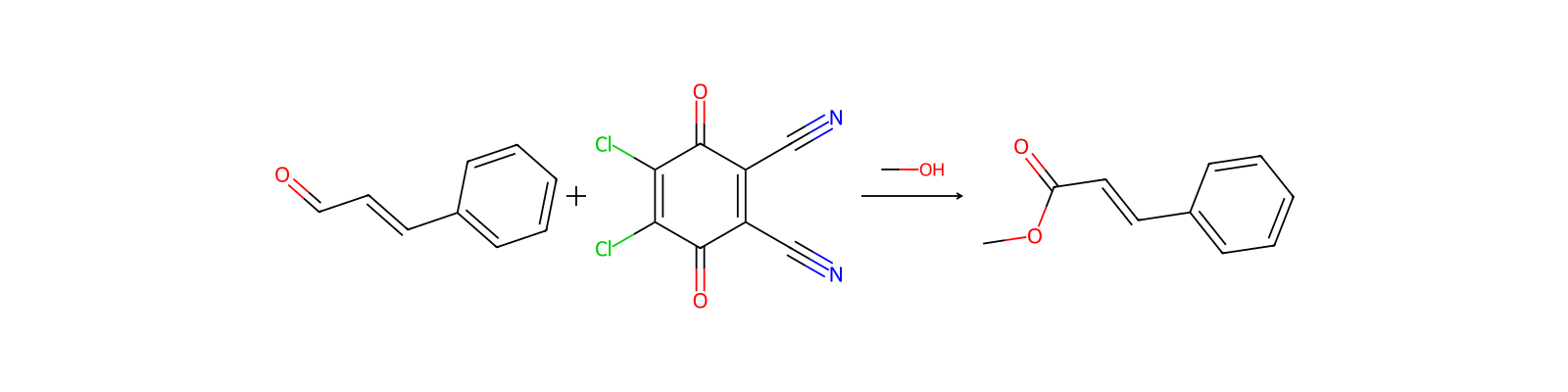
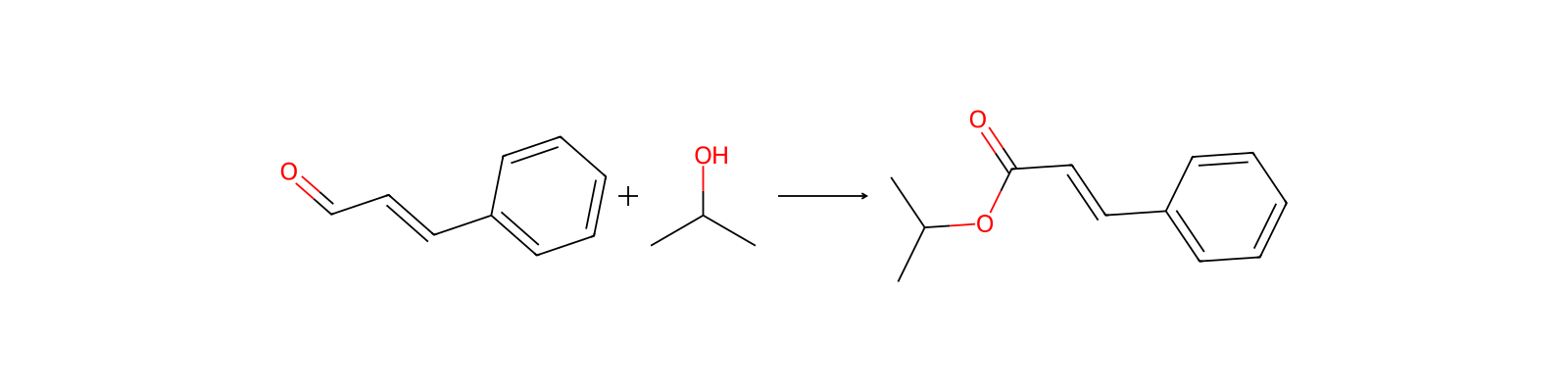
221



Notizen zur Verbindung
Wird geladen…