StartseiteMCPWorkbenchSkills
StartseiteWorkbenchBenachrichtigungenMein Bereich
llms.txt · MCP-AnleitungDatenschutz · Nutzungsbedingungen · Supportv1.8.0
  1. Startseite
  2. /Verbindung

Quecksilbermonoxid

Mercuric oxide

HCID 30856
Neue NotizNeue ReaktionAnfrage stellen
Druckvorschau
GrundinformationenÜberblickNamen und BezeichnerEigenschaftenSicherheit und RegulatorischesChemie und IndustrieZugehörige ReaktionenNotizen zur Verbindung
TeilstruktursucheÄhnliche Strukturen suchen

Grundinformationen

CAS
21908-53-2
Standard-SMILES
[O]=[Hg]
InChIKey
UKWHYYKOEPRTIC-UHFFFAOYSA-N
Summenformel
HgO
Durchschnittliche Molmasse
216,59 g/mol
Monoisotopische Masse
217,965558

Überblick

Mercuric oxide, [solid] appears as red or orange-red odorless, dense crystalline powder or scales, yellow when finely powdered. Used as a chemical intermediate for mercury salts, organic mercury compounds, and chlorine monoxide; antiseptic in pharmaceuticals; component of dry cell batteries; pigment and glass modifier; fungicide; preservative in cosmetics; analytical reagent; formerly used in antifouling paints. (EPA, 1998)

Namen und Bezeichner

Bevorzugter Name
Mercuric oxide
IUPAC
oxomercury
Lokaler Name
Quecksilbermonoxid
Englischer Name
Mercuric Oxide
Summenformel
HgO
Molmasse
216.59

Namen und Synonyme

MERCURIC OXIDEMercury(II) oxideoxomercury21908-53-2Mercuric oxide, redSantarRed PrecipitateRed mercuric oxideMercury oxide (HgO)Mercuric oxide, yellowSantar MYellow precipitate
Weitere Namen anzeigen
HgOMercury oxideMercuricOxideYellowGrci77760santarmKankerexc.i.77760
Mercuric oxide redNatural montroyditeMercury(2+) oxideRed oxide of mercuryGelbes quecksilberoxydHydrargyrum oxid flavYellow mercuric oxideMercuric oxide (red)

Datenbank-Bezeichner

CAS
21908-53-2
PubChem CID
30856
DTXSID
DTXSID4042125
EC Number
244-654-7
Nikkaji
J43.909F

Eigenschaften

Berechnete Struktureigenschaften

Polarare Oberfläche (TPSA)
17,1 Ų
H-Brücken-Donoren
0
H-Brücken-Akzeptoren
1
Frei drehbare Bindungen
0
Schwere Atome
2
Formalladung
0
Komplexität
2

Experimentelle und physikochemische Eigenschaften

Chemical Classes · 2 Einträge

Metals -> Mercury Compounds, Inorganic

Teratogens

Pesticides · 2 Einträge

Agrochemicals -> Pesticide active substances

Active substance -> EU Pesticides database: Not approved

OdorOdorless
Density · 4 Einträge

11.1 at 39 °F (EPA, 1998) - Denser than water; will sink

11.00-11.29 (Red); 11.03 @ 27.5 °C (Yellow)

11.1 g/cm³

11.14 @25 °C

Color/Form · 3 Einträge

Yellow mercuric oxide: yellow or orange-yellow, heavy, powder, orthorhombic structure

Heavy, bright orange powder

Red mercuric oxide: bright red or orange-red, heavy, crystalline powder or scales; orthorhombic structure; yellow when finely powdered

Solubility · 6 Einträge

0.0053 G/100 CC WATER @ 25 °C

0.0395 G/100 CC WATER @ 100 °C

INSOL IN ALCOHOL, ETHER, ACETONE, ALKALI, AMMONIA

Red mercuric oxide: sol in dilute hydrochloric or nitric acid; sol in soln of alkali cyanides or iodides; slowly sol in soln of alkali bromides

For more Solubility (Complete) data for MERCURIC OXIDE (6 total), please visit the HSDB record page.

Sicherheit und Regulatorisches

Sicherheitsangaben dienen nur zur Orientierung und ersetzen weder das Sicherheitsdatenblatt (SDB) des Lieferanten noch geltende Vorschriften oder eine fachliche Bewertung.

GHS-Klassifizierung

GHS Classification · 6 Einträge

Danger

H300 (100%): Fatal if swallowed [Danger Acute toxicity, oral]

P260, P262, P264, P270, P271, P273, P280, P284, P301+P316, P302+P352, P304+P340, P316, P319, P320, P321, P330, P361+P364, P391, P403+P233, P405, and P501 (click each P-code to see the statement)

Aggregated GHS information provided per 78 reports by companies from 12 notifications to the ECHA C&L Inventory. Each notification may be associated with multiple companies.

Danger

H300: Fatal if swallowed [Danger Acute toxicity, oral]

Gefahrenhinweise

Regulatory Information · 4 Einträge

Chemical: Mercury oxide (HgO)

12C - indicates a substance that is prohibited to be exported from the Unites States under TSCA section 12(c).

Mercury (II) oxide: HSNO Approval: HSR004550 Approved with controls

The New Jersey Worker and Community Right to Know Act requires public and private employers to provide information about hazardous substances at their workplaces. (N.J.S.A. 34:5A-1 et. seq.)

Other Safety InformationIMAP assessments - Mercury oxide (HgO): Environment tier I assessment
DOT LabelPoison
Fire Hazards · 2 Einträge

When heated to decomposition (932F) it decomposes into mercury and oxygen. Fumes from fire may contain poisonous mercury vapor; oxygen may increase intensity of fire. Explosion of mercuric oxide may occur with friction or application of heat. Avoid reducing agents. Avoid light; may decompose into mercury and oxygen. Hazardous polymerization may not occur. (EPA, 1998)

Not combustible but enhances combustion of other substances. Gives off irritating or toxic fumes (or gases) in a fire.

Chemie und Industrie

Pharmakologische Informationen

Biological Half-Life... Found half-times of 23 and 26 days in the head of two subjects accidentally exposed to radioactive mercuric oxide.
Metabolism/Metabolites · 1 Eintrag

Mercury is absorbed mainly via ingestion and inhalation, then distributed throughout the body via the bloodstream, where a portion binds to sulfhydryl groups on haemoglobin. Mercury can undergo oxidation to mercuric mercury, which takes place via the catalase-hydrogen peroxide pathway. The mercury atom is able to diffuse down the cleft in the catalase enzyme to reach the active site where the heme ring is located. Oxidation most likely occurs in all tissue, as the catalase hydrogen peroxide pathway is ubiquitous. Following oxidation, mercury tends to accumulate in the kidneys. Mercury is excreted mainly by exhalation and in the faeces. (A6, L7)

Absorption, Distribution and Excretion · 5 Einträge

SALIVARY EXCRETION OF MERCURY (HG) & ITS RELATION TO BLOOD & URINE HG HAS BEEN DETERMINED TO BE ABOUT ONE-TENTH THAT OF THESE BODY FLUIDS, AS FOUND FROM A STUDY OF 40 WORKMEN EXPOSED FOR SEVERAL YR TO MIXED INORGANIC & ORGANIC MERCURIALS, CHIEFLY METALLIC HG, MERCURIC OXIDE, & PHENYL HG ACETATE.

MOST OF MERCURIC OXIDE ADMIN ORALLY TO RATS (5 MG MERCURY/KG) WAS EXCRETED IN FECES, & APPROX 2% OF DOSE WAS EXCRETED IN URINE. DISTRIBUTION OF MERCURY IN RAT TISSUES AFTER ORAL ADMIN OF MERCURIC OXIDE WAS SIMILIAR TO MERCURIC CHLORIDE. THUS, MERCURIC OXIDE COULD BE ABSORBED FROM GI TRACT WITHOUT TRANSFORMATION TO MERCURIC CHLORIDE.

TECHNIQUES OF BODY RADIOACTIVITY MEASUREMENT WERE USED TO STUDY THE BEHAVIOR OF (203)HG IN 2 MEN WHO HAD ACCIDENTALLY (WHILE MONITORING AIRBORNE CONTAMINATION) INHALED AEROSOLS OF IRRADIATED MERCURIC OXIDE. THE MAJOR SITE OF SYSTEMIC DEPOSITION WAS THE KIDNEY.

... HG BATTERY WORKERS EXPOSED DAILY TO HGO DUST SHOWED 56% WITH URINARY HG VALUES ABOVE THE NORMAL LEVEL OF 250 UG/L WITHOUT CLINICAL SIGNS OF POISONING, AS EVIDENCED BY NORMAL BETA-GLOBULIN LEVELS.

In experiments on dogs, approx 45% of a radioactive mercury (II) oxide aerosol, with a median droplet diameter of 0.16 (+ or - 0.06) um, was cleared in less than 24 hr and the remainder with a half-time of 33 days ... Radioactivity was detected in blood as well as in urine. The concn in blood followed the curve of its disappearance from the lungs. The in vivo solubility of the particles was found to be of great importance for the clearance during the slow phase.

Zugehörige Reaktionen

135
Reaktionsaufzeichnung erstellen
Reaktionsgleichung von HRID 10947
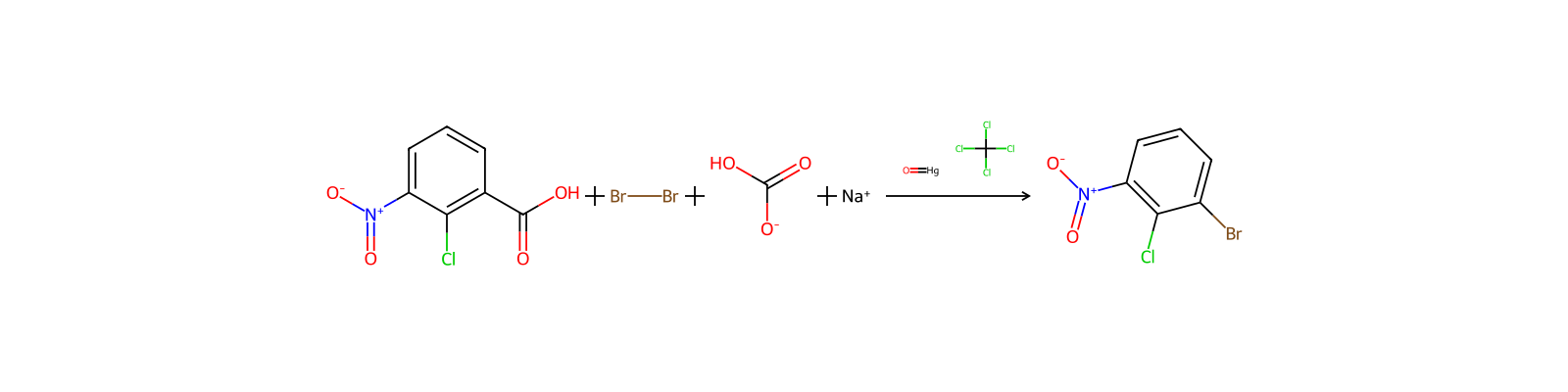
HRID 10947als Katalysatoruspto-grants-2006_08
Reaktionsgleichung von HRID 14693
HRID 14693als Katalysatoruspto-grants-2010_06
Reaktionsgleichung von HRID 40451
HRID 40451als Katalysatoruspto-grants-2013_09
Reaktionsgleichung von HRID 40454
HRID 40454als Katalysatoruspto-grants-2013_09
Reaktionsgleichung von HRID 40455
HRID 40455als Katalysatoruspto-grants-2013_09
Reaktionsgleichung von HRID 46222
HRID 46222als Katalysatoruspto-grants-2013_09
Reaktionsgleichung von HRID 50999
HRID 50999als Katalysatoruspto-grants-2004_03
Reaktionsgleichung von HRID 94765
HRID 94765als EduktTraining data from https://doi.org/10.1039/C8SC04228D (2/10)
Seite 1 von 17

Notizen zur Verbindung

Wird geladen…

Auf dieser SeiteGrundinformationenÜberblickNamen und BezeichnerEigenschaftenSicherheit und RegulatorischesChemie und IndustrieZugehörige ReaktionenNotizen zur Verbindung
Weitere Aktionen
Neue NotizNeue ReaktionAnfrage stellen

Solubility in water, mg/l at 20 °C: 50 (very poor)

Decomposition · 2 Einträge

WHEN HEATED TO DECOMPOSITION IT EMITS HIGHLY TOXIC FUMES OF MERCURY

500 °C

Melting Point · 2 Einträge

Decomposes at 932 °F (EPA, 1998)

500 °C (decomp)

Refractive IndexINDEX OF REFRACTION: 2.37, 2.5, 2.65
Physical Description · 3 Einträge

Mercuric oxide, [solid] appears as red or orange-red odorless, dense crystalline powder or scales, yellow when finely powdered. Used as a chemical intermediate for mercury salts, organic mercury compounds, and chlorine monoxide; antiseptic in pharmaceuticals; component of dry cell batteries; pigment and glass modifier; fungicide; preservative in cosmetics; analytical reagent; formerly used in antifouling paints. (EPA, 1998)

Yellow, orange-yellow, or red crystals; Insoluble in water; [ICSC] Powder; [Sigma-Aldrich MSDS]

YELLOW, ORANGE-YELLOW OR RED HEAVY CRYSTALLINE POWDER.

Stability/Shelf Life · 2 Einträge

DECOMPOSES ON EXPOSURE TO AIR

RED MERCURIC OXIDE: DECOMP ON EXPOSURE TO LIGHT INTO MERCURY & OXYGEN

Other Experimental Properties · 4 Einträge

Yellow mercuric oxide: becomes red on heating and yellow again on cooling; more finely divided and more reactive than red mercuric oxide

Red mercuric oxide: @ 400 °C becomes almost black, but red again on cooling

Physical state at 15 °C and 1 atm: solid

Soluble ionized mercuric salts give a yellow precipitate of HgO with NaOH and a red precipitate of HgI2 with alkali iodide. /Soluble mercuric salts/

Physikochemische Eigenschaften

Schmelzpunkt
500 °C · 500 °C (dec.)(lit.)
Dichte
11 · 11,14 g/cm3
Dampfdruck
0.12 Pa · 0.12 Pa ( 20 °C)
storage temp.
Poison room
Löslichkeit
Aqueous Acid (Slightly), Methanol (Very Slightly)
Aggregatzustand
Powder
Wichte
11.14 · 11.14
Farbe
Yellow to orange
Geruch (Odor)
Odorless
PH
6 · 6-7 (20°C, 50g/L in H2O, slurry)
Wasserlöslichkeit
Partially soluble in water. insoluble in alcohol, ether, acetone and ammonia.
Spezifische Wärmekapazität
0.2 J/ · Cp(crystal): 0.2 J/(g·K), at 25℃
Merck
14 · 14,5882
Henry's Law Constant
3.2 · 3.2×104 mol/(m3Pa) at 25℃, Shon et al. (2005)
Stabilität
Stable. Sensitive to light. Incompatible with strong oxidizing agents, strong reducing agents, combustible materials, organic materials, phenols.
Kosmetik-Inhaltsstoffe Funktionen
ANTIMICROBIAL
InChI
1S/Hg.O
InChIKey
UKWHYYKOEPRTIC-UHFFFAOYSA-N
SMILES
O=[Hg]
CAS Datenbank
21908 · 21908-53-2(CAS DataBase Reference)
NIST chemische Informationen
Mercury(ii) oxide(21908-53-2)
EPA chemische Informationen
Mercuric oxide (21908-53-2)
Fire Potential · 2 Einträge

Flammable by chemical reaction. A powerful oxidizer.

BEHAVIOR IN FIRE: DECOMP @ 500 °C INTO MERCURY & OXYGEN, WHICH CAN INCREASE INTENSITY OF FIRE; NOT FLAMMABLE

Health Hazards · 1 Eintrag

This material is highly toxic by ingestion, inhalation, or skin absorption. Very short exposure to small quantities may cause death or permanent injury. Following ingestion, mercuric oxide is readily converted to mercuric chloride, the most dangerous mercury compound. Mercuric oxide dust has a corrosive effect on eyes, skin, and respiratory tract. People with a history of allergies or known sensitization to mercury, chronic respiratory disease, nervous system disorders, or kidney disorders are at increased risk from exposure. (EPA, 1998)

Hazards Summary · 1 Eintrag

A skin, eye, and respiratory tract irritant; Toxic to the kidneys; [ICSC] Toxic by ingestion, inhalation, and skin absorption; [CAMEO] Decomposed by light into mercury and oxygen; [Merck Index] Highly toxic by ingestion, inhalation, and skin absorption; May cause liver and kidney injury; Teratogenic effects and reproductive toxicity observed in experimental animals; [Sigma-Aldrich MSDS] See Mercury, inorganic compounds and the linked occupational disease.

Reactive GroupMetals, Less Reactive
EC ClassificationSymbol: T+, N; R: 26/27/28-33-50/53; S: (1/2)-13-28-45-60-61; Note: A, 1
UN ClassificationUN Hazard Class: 6.1; UN Pack Group: II
RCRA Requirements · 1 Eintrag

D009; A solid waste containing mercury may or may not become characterized as a hazardous waste when subjected to the Toxicity Characteristic Leaching Procedure listed in 40 CFR 261.24, and if so characterized, must be managed as a hazardous waste. /Mercury/

OSHA StandardsVacated 1989 OSHA PEL still enforced in some states: Hg vapor, TWA 0.05 mg/cu m, skin; Non-alkyl cmpds, Ceiling 0.1 mg/cu m, skin. /Mercury cmpd, as Hg, (except (organo) alkyls)/

Sicherheit und Schutzausrüstung

Fire Fighting · 2 Einträge

Wear full body protective clothing and self-contained breathing apparatus.

In case of fire in the surroundings, use appropriate extinguishing media.

First Aid Measures · 4 Einträge

Fresh air, rest. Refer for medical attention.

Remove contaminated clothes. Rinse and then wash skin with water and soap. Refer for medical attention .

First rinse with plenty of water for several minutes (remove contact lenses if easily possible), then refer for medical attention.

Rinse mouth. Give one or two glasses of water to drink. Refer for medical attention .

First Aid · 1 Eintrag

Signs and Symptoms of Acute Mercuric Oxide Exposure: Signs and symptoms of acute exposure to mercuric oxide may be severe and include increased salivation, foul breath, inflammation and ulceration of the mucous membranes, abdominal pain, and bloody diarrhea. Oliguria (scanty urination), anuria (suppression of urine formation), and acute renal failure may be noted. Weak pulse, seizures, psychic disturbances, circulatory collapse, chest pain, and dyspnea (shortness of breath) may be observed. Dermal exposure may result in dermatitis (red, inflamed skin).

Safe Storage · 1 Eintrag

Separated from food and feedstuffs, reducing agents, chlorine and reactive substances. See Chemical Dangers. Keep in the dark. Store in an area without drain or sewer access. Provision to contain effluent from fire extinguishing. Well closed.

Exposure Control and Personal Protection0.02 [mg/m3], as Hg, inhalable fraction[German Research Foundation (DFG)]
Fire Fighting ProceduresIf material involved in fire: Extinguish fire using agent suitable for type of surrounding fire. (Material itself does not burn or burns with difficulty.) Use water in flooding quantities as fog. Use foam, dry chemical, or carbon dioxide.
Storage ConditionsPROTECT FROM LIGHT
Cleanup Methods · 5 Einträge

Cleanup: Mercury removal from wastewater can be accomplished by these processes: BMS process; chlorine is added to the wastewater, oxidizing any mercury present to the ionic state. The BMS adsorbent (an activated carbon concentrated of sulfur compound on its surface) is used to collect ionic mercury. The spent adsorbent is then distilled to recover the mercury, leaving a carbon residue for reuse or disposal. TMRIMAC Process: wastewater is fed into a reaction whereby a slight excess of chlorine is maintained, oxidizing any mercury present to ionic mercury. The liquid is then passed through the TMRIMAC ion exchange resin where mercury ions are adsorbed. The mercury is then stripped from the spent resin with hydrochloric acid solution. /Mercury compounds/

Mercury spills should be cleaned up immediately by use of a special vacuum cleaner. Then the area should be washed with a dilute calcium sulfide solution. Small quantities of mercury can be picked up by mixing with copper metal granules. ... /Mercury/

Mercury removal from waste water can be accomplished by these processes: BMS process; Chlorine is added to the waste water, oxidizing any mercury present to the ionic state. The BMS adsorbent (an activated carbon concentrate of sulfur cmpd on its surface) is used to collect ionic mercury. The spent adsorbent is then distilled to recover the mercury, leaving a carbon residue for reuse or disposal. TMR IMAC Process; Waste water is fed into a reactor, whereby a slight excess of chlorine is maintained, oxidizing any mercury present to ionic mercury. The liquid is then passed through the TMR IMAC ion-exchange resin where mercury ions are adsorbed. The mercury is then stripped from the spent resin with hydrochloric acid solution. /Mercury cmpds/

SPILLED MERCURY CMPD OR SOLN CAN BE CLEANED UP BY ANY METHOD THAT DOES NOT CAUSE EXCESSIVE AIRBORNE CONTAMINATION OR SKIN CONTACT. /MERCURY COMPOUNDS/

1) Ventilate area of spill. 2) Collect spilled material for reclamation using commercially available mercury vapor depressants or specialized vacuum cleaners. /Inorganic mercury/

Nonfire Spill ResponseCaution : Extreme temperatures (in excess of 932 degrees F) may decompose mercuric oxide into mercury and oxygen. Avoid sources of extreme heat.
Disposal Methods · 3 Einträge

SRP: At the time of review, criteria for land treatment or burial (sanitary landfill) disposal practices are subject to significant revision. Prior to implementing land disposal of waste residue (including waste sludge), consult with environmental regulatory agencies for guidance on acceptable disposal practices.

SRP: At the time of review, criteria for land treatment or burial (sanitary landfill) disposal practices are subject to significant revision. Prior to implementing land disposal of waste residue (including waste sludge), consult with environmental regulatory agencies for guidance on acceptable disposal practices.

Disposal: Metal collect all droplets and pools at once by means of suction pump and aspirator bottle with a long capillary tube. Cover fine droplets in nonaccessible cracks with calcium polysulfide and excess sulfur. Combine all contaminated mercury in a tightly stoppered bottle. Hold it for purification or sale. Compounds dissolve all water soluble contaminated compounds. Convert other contaminated compounds to the soluble nitrates. Adjust the acidity and precipitate as mercuric sulfide. Wash and dry the precipitate. Ship to the supplier.

Spillage Disposal · 1 Eintrag

Consult an expert! Personal protection: chemical protection suit. Do NOT let this chemical enter the environment. Sweep spilled substance into covered containers. If appropriate, moisten first to prevent dusting. Carefully collect remainder. Then store and dispose of according to local regulations. Do NOT absorb in saw-dust or other combustible absorbents.

Preventive Measures · 3 Einträge

If material not involved in fire: Keep material out of water sources and sewers.

Personnel protection: Avoid breathing dusts, and fumes from burning material. Keep upwind. Avoid bodily contact with the material. ... Do not handle broken packages unless wearing appropriate personal protective equipment. Wash away any material which may have contacted the body with copious amounts of water or soap and water. ... If contact with the material anticipated, wear appropriate chemical protective clothing.

Preventative measure: adequate ventilation; careful attention to good housekeeping, e.g., avoidance of spills, and prompt and proper cleaning if a spill occurs; all containers of mercury and its compounds should be kept tightly closed; should be washed on a regular basis with dilute calcium sulfide solution or other suitable reactant; floors should be nonporous; all workers directly involved in the plant operation should shower thoroughly each day before leaving. /Mercury compounds/

Toxikologische Informationen

TreatmentMercury poisoning is treated by immediate decontamination and chelation therapy using DMSA, DMPS, DPCN, or dimercaprol. (A7)
Health Effects · 1 Eintrag

Mercury mainly affects the nervous system. Exposure to high levels of metallic, inorganic, or organic mercury can permanently damage the brain, kidneys, and developing fetus. Effects on brain functioning may result in irritability, shyness, tremors, changes in vision or hearing, and memory problems. Acrodynia, a type of mercury poisoning in children, is characterized by pain and pink discoloration of the hands and feet. Mercury poisoning can also cause Hunter-Russell syndrome and Minamata disease. (L7)

Environmental FateEnvironmental fate of mercury and all its cmpd are relevant to mercuric oxide because of photodecomposition of mercuric oxide to mercury.
Adverse EffectsNeurotoxin - Sensorimotor
Exposure Routes · 2 Einträge

The substance can be absorbed into the body by inhalation of its aerosol, through the skin and by ingestion.

Oral (L136) ; inhalation (L136); dermal (L136)

Toxicity Summary · 1 Eintrag

High-affinity binding of the divalent mercuric ion to thiol or sulfhydryl groups of proteins is believed to be the major mechanism for the activity of mercury. Through alterations in intracellular thiol status, mercury can promote oxidative stress, lipid peroxidation, mitochondrial dysfunction, and changes in heme metabolism. Mercury is known to bind to microsomal and mitochondrial enzymes, resulting in cell injury and death. For example, mercury is known to inhibit aquaporins, halting water flow across the cell membrane. It also inhibits the protein LCK, which causes decreased T-cell signalling and immune system depression. Mercury is also believed to inhibit neuronal excitability by acting on the postsynaptic neuronal membrane. It also affects the nervous system by inhibiting protein kinase C and alkaline phosphatase, which impairs brain microvascular formation and function, as well as alters the blood-brain barrier. Mercury also produces an autoimmune response, likely by modification of major histocompatibility complex (MHC) class II molecules, self peptides, T-cell receptors, or cell-surface adhesion molecules. (L7, A8, A25, A26)

Signs and Symptoms · 5 Einträge

Cough. Sore throat.

Redness.

Redness.

Abdominal pain. Nausea. Vomiting. Diarrhoea.

Common symptoms include peripheral neuropathy (presenting as paresthesia or itching, burning or pain), skin discoloration (pink cheeks, fingertips and toes), edema (swelling), and desquamation (dead skin peels off in layers). (A5)

ICSC Environmental DataThe substance is very toxic to aquatic organisms. Bioaccumulation of this chemical may occur in aquatic organisms. It is strongly advised not to let the chemical enter into the environment.
Human Toxicity Excerpts · 4 Einträge

FREQUENT APPLICATIONS TO THE LIDS FOR MANY YEARS HAS INDUCED A BLUISH-GRAY DARKENING OF THE LIDS AND CONJUNCTIVAE. SLIGHT DISCOLORATION HAS ALSO BEEN SEEN IN THE CORNEA IN THE PERIPHERAL PORTIONS OF DESCEMET'S MEMBRANE, & A BROWNISH, LUSTERLESS OPACITY SUPERFICIALLY IN THE PUPILLARY AREA OF THE LENS, BUT WITH NO INTERFERENCE WITH TRANSPARENCY OF THE MEDIA OR DISTURBANCE OF VISUAL ACUITY. IN THE BULBAR CONJUNCTIVA DARK PIGMENT GRANULES MAY BE DISTRIBUTED ABOUT THE BLOOD VESSELS NEAR THE CORNEA. THE DISCOLORATION OF CORNEA AND LENS IS SIMILAR TO THAT WHICH OCCURS IN CHRONIC SYSTEMIC ABSORPTION OF MERCURY. IT APPEARS TO BE HARMLESS AND CAUSES NO SYMPTOMS.

... MERCURY BATTERY WORKERS EXPOSED DAILY TO MERCURIC OXIDE DUST SHOWED 56% WITH URINARY HG VALUES ABOVE THE NORMAL LEVEL OF 250 UG/L WITHOUT CLINICAL SIGNS OF POISONING, AS EVIDENCED BY NORMAL BETA-GLOBULIN LEVELS.

TWO EMPLOYEES IN A MERCURIC OXIDE MFR PLANT DEVELOPED NEUROLOGIC CHANGES NOT PREVIOUSLY REPORTED FROM EXPOSURE TO INORGANIC HG OR ELEMENTAL HG VAPOR. THE SYMPTOMS, PHYSICAL FINDINGS & LAB STUDIES RESEMBLED THOSE FOUND IN AMYOTROPHIC LATERAL SCLEROSIS & ORG HG INTOXICATION.

It is reported that employees at a mercuric oxide production facility associated with battery manufacture have exhibited a variety of symptoms: nervous system disorders, low sperm counts, and loss of weight. The employees may have been exposed to manganese, which may have augmented the reported clinical picture.

Carcinogen Classification3, not classifiable as to its carcinogenicity to humans. (L135)
Non-Human Toxicity Excerpts · 4 Einträge

DOGS & CATS ARE ... SUSCEPTIBLE TO TOXIC EFFECTS OF MERCURY FROM MERCURIAL OINTMENTS, BOTH DUE TO DIRECT ABSORPTION & TO LICKING OF PARTS TO WHICH THE OINTMENT HAS BEEN APPLIED. POISONING IN CATTLE HAS ALSO BEEN RECORDED AFTER THE USE OF OINTMENTS CONTAINING ... MERCURIC ... YELLOW OXIDE.

... INJECTED EXPTL INTO ANTERIOR CHAMBER /OF EYE/ OF RABBITS HAS BEEN OBSERVED REGULARLY TO CAUSE INFLAMMATION & A PURULENT EXUDATE.

MERCURIC OXIDE (2.16 MG/DAY, ORALLY) TO PREGNANT RATS ON DAY 5 OF PREGNANCY CAUSED CONGENITAL MALFORMATIONS, RUNTING, & LACK OF EYE PIGMENTATION & PUPILS IN 29.7% OF OFFSPRING, BUT 0% MALFORMATIONS IN CONTROLS AFTER DELIVERY ON DAYS 20-21.

A toxicological study of poorly soluble mercury compounds, including mercuric iodide, mercuric ammonium chloride and mercuric oxide indicated that mercuric iodide was the most toxic compound. Acute toxicity study following administration via stomach and single inhalation exposure to rats showed they have approx similar toxicity.

Evidence for CarcinogenicityA4: Not classifiable as a human carcinogen. /Mercury, elemental and inorganic forms, as Hg/

Regulatorische Informationen

RCRA Requirements · 1 Eintrag

D009; A solid waste containing mercury may or may not become characterized as a hazardous waste when subjected to the Toxicity Characteristic Leaching Procedure listed in 40 CFR 261.24, and if so characterized, must be managed as a hazardous waste. /Mercury/

Atmospheric Standards · 1 Eintrag

Listed as a hazardous air pollutant (HAP) generally known or suspected to cause serious health problems. The Clean Air Act, as amended in 1990, directs EPA to set standards requiring major sources to sharply reduce routine emissions of toxic pollutants. EPA is required to establish and phase in specific performance based standards for all air emission sources that emit one or more of the listed pollutants. Mercuric oxide is included on this list.

CERCLA Reportable Quantities · 1 Eintrag

Releases of CERCLA hazardous substances are subject to the release reporting requirement of CERCLA section 103, codified at 40 CFR part 302, in addition to the requirements of 40 CFR part 355. Mercuric oxide is an extremely hazardous substance (EHS) subject to reporting requirements when stored in amounts in excess of its threshold planning quantity (TPQ) of 500/10,000 lbs.

Clean Water Act RequirementsToxic pollutant designated pursuant to section 307(a)(1) of the Clean Water Act and is subject to effluent limitations. /Mercury and cmpd/
State Drinking Water Guidelines(AZ) ARIZONA 3 ug/l /Mercury/
Federal Drinking Water StandardsEPA 2 ug/l /Mercury/
Federal Drinking Water GuidelinesEPA 2 ug/l /Mercury/

Sicherheitsdaten

F
8
wgk
3
tsca
TSCA listed
ridadr
UN 1641
RTECS-Nr.
OW8750000
risk_code
26/27/28-33-50/53
hazard_code
T+,N
safety_code
13-28-45-60-61-28A
hazard_class
6.1
packing_group
II
Speicherklasse
6.1A - Combustible acute toxic Cat. 1 and 2very toxic hazardous materials
Giftige Stoffe Daten
21908-53-2(Hazardous Substances Data)
Hazard Classifications
Acute Tox. 1 DermalAcute Tox. 2 InhalationAcute Tox. 2 OralAquatic Acute 1Aquatic Chronic 1STOT RE 2

Verwendung und Herstellung

Uses · 6 Einträge

Yellow mercuric oxide: Used to make organic mercurials, as a catalyst, and in chemical analysis; Red mercuric oxide: Used in marine and porcelain paints, dry batteries, as a chemical reagent, and catalyst; Both are used as topical antiseptics; [Merck Index] Used as a pigment, glass modifier, chemical intermediate, and cosmetics preservative; Yellow mercuric oxide is also used as a fungicide paste for treating fruit and rubber trees; [HSDB]

Battery Manufacturing [Category: Industry]

For Mercuric Oxide (USEPA/OPP PC Code: 052102) there are 0 labels match. /SRP: Not registered for current use in the U.S./

Yellow mercuric oxide: for determining zinc or hydrogen cyanide; detecting acetic acid in formic acid, CO in gas mixtures

Red mercuric oxide: in marine bottom paints, diluting pigments for painting on porcelain; with graphite as depolarizer in dry batteries; in Kjeldahl nitrogen detn; as reagent for citric acid, thiophene, glucose, aldehyde, urea, acetone; as reagent and catalyst in organic reactions

Fungicide ... as paste for wound sealing and canker treatment of fruit trees and rubber trees. Not to be used for sealing graft wounds or for treating pruning cuts in first year /Yellow oxide of mercury/

U.S. Imports(1978) 3.3X10+7 g. /Mercury compounds including mercuric oxide/
U.S. Production(1978) 4.5X10+8 G (CONSUMPTION; EST)
Consumption Patterns(1978): 4.5X10+5 kg, estimated by USEPA.
Methods of Manufacturing · 4 Einträge

TO A CONCN AQ SOLN OF HG BICHLORIDE ... A 5% SOLN OF NAOH IS ... ADDED ... PRECIPITATED OXIDE IS WASHED ... BY DECANTATION WITH PURIFIED WATER ... COLLECTED ON A FILTER & WASHED WITH PURIFIED WATER ... IT IS THEN DRIED IN DARK @ ABOUT 50 °C.

By heating mercurous nitrate

BY HEATING MERCURY IN OXYGEN ...

REACTION OF A MERCURIC SALT SOLN-EG, MERCURIC CHLORIDE-WITH ALKALI PRODUCING A PPTD PRODUCT (YELLOW); HEAT-INDUCED DECOMPOSITION OF MERCUROUS NITRATE (RED); REACTION OF SODIUM CARBONATE WITH MERCURIC CHLORIDE OR MERCURIC NITRATE & SODIUM CHLORIDE FOLLOWED BY REFLUXING (RED)

Formulations/Preparations · 4 Einträge

/SANTAR/ THIXOTROPIC PASTE CONTAINING 3% MERCURY AS MERCURIC OXIDE /FORMER USE/

Grades of purity: red: technical, reagent, purified; yellow: technical, NF, reagent

Grade: Technical, paint, ACS reagent (Red); Grade: CP, tehcnical, NF (yellow)

Contains 99-99.5% HgO

General Manufacturing InformationMercury oxide (HgO): ACTIVE

Anwendungen

VerwendenMercury oxide (HgO) exists in two forms, red and yellow mercuric oxides, and is related to mercurous oxide (Hg2O), which is black. All have industrial uses, ranging from antiseptics to pigments.

Vor- und nachgelagerte Produkte

Vorgelagerte Rohstoffe

Quecksilberdichlorid2-(5-methyl-2-propan-2-yl-phenoxy)ethanamineNatriumhydroxid

Nachgelagerte Produkte

DiphenylketeneRimantadine hydrochlorideBis(pyridine)iodonium tetrafluoroborateAluminium nitrate nonahydrate2-IodthiophenDiphenyldiazomethane2-DiazopropaneQuecksilberdi(acetat)PhenylquecksilberacetatQuecksilbersulfat