Grundinformationen
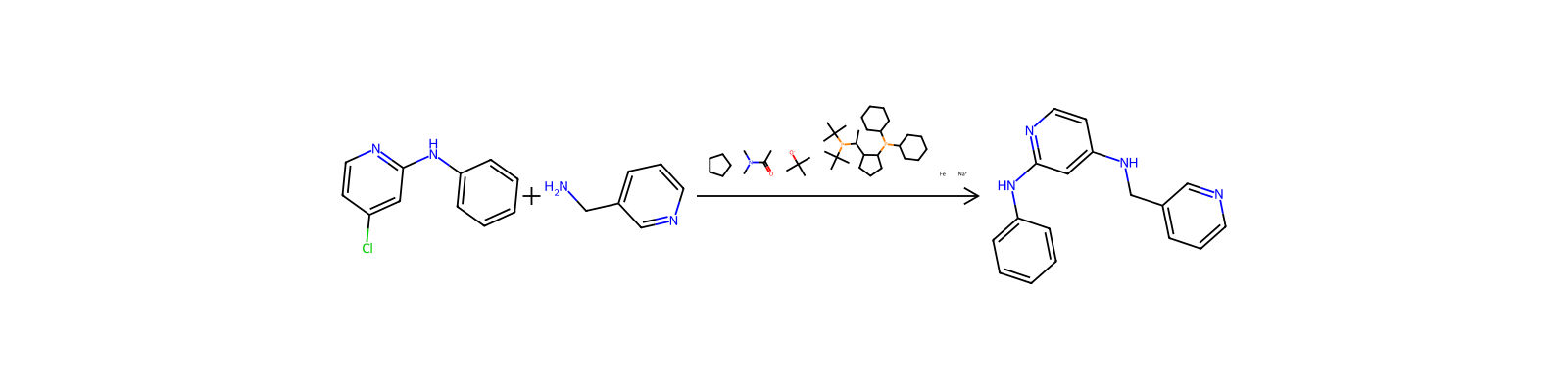
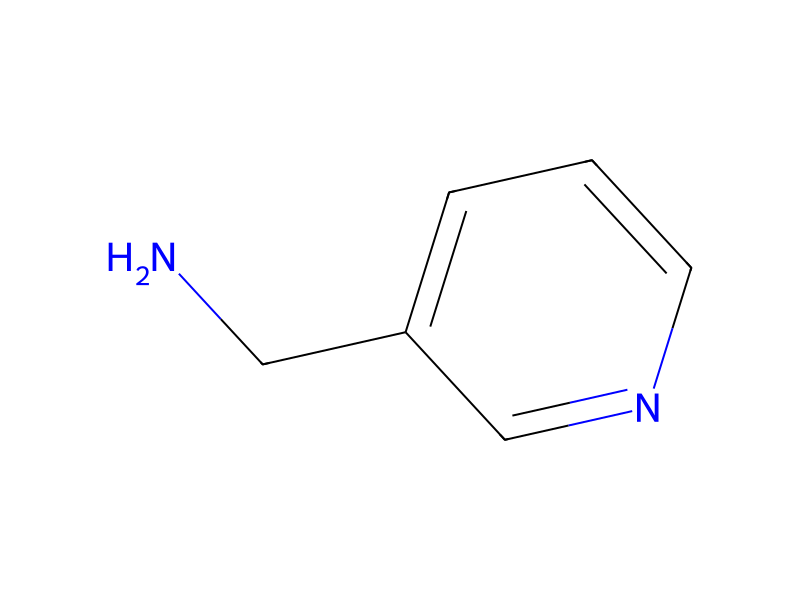
- Standard-SMILES
NCc1cccnc1- InChIKey
HDOUGSFASVGDCS-UHFFFAOYSA-N- Summenformel
- C6H8N2
- Durchschnittliche Molmasse
- 108,14 g/mol
- Monoisotopische Masse
- 108,06874826
Überblick
Picolamine is a small molecule drug. Picolamine has a monoisotopic molecular weight of 108.07 Da.
Namen und Bezeichner
- Bevorzugter Name
- 3-Pyridinemethanamine
- IUPAC
- pyridin-3-ylmethanamine
- Lokaler Name
- Picolamin
- Englischer Name
- 3-(Aminomethyl)pyridine
- Summenformel
- C6H8N2
- Molmasse
- 108.14
Namen und Synonyme
3-(Aminomethyl)pyridine3731-52-0Picolamine3-PyridinemethanaminePicolaminaPyridine, 3-(aminomethyl)-PicolaminumDTXSID2044424NSC-5970631LA41942JDTXCID00244243-picolamine
Weitere Namen anzeigen
3AMPYNSC 59706Picolamin-Aminomethylm-PicolylamineAKOS BBS-000036793-Picolylamine>
RefChem:174159223-091-0pyridin-3-ylmethanamine3-Picolylamine3-Aminomethylpyridine3-Pyridylmethylamine1-(Pyridin-3-yl)methanamine3-pyridylmethanamine
Datenbank-Bezeichner
- CAS
3731-52-0- PubChem CID
- 31018
- DTXSID
DTXSID2044424- ChEMBL
CHEMBL1988272- UNII
- 31LA41942J
- EC Number
- 223-091-0
- Nikkaji
- J8.222H
Eigenschaften
Berechnete Struktureigenschaften
- XLogP
- -0,3
- Polarare Oberfläche (TPSA)
- 38,9 Ų
- H-Brücken-Donoren
- 1
- H-Brücken-Akzeptoren
- 2
- Frei drehbare Bindungen
- 1
- Schwere Atome
- 8
- Formalladung
- 0
- Komplexität
- 63,5
Experimentelle und physikochemische Eigenschaften
LogP-0.1
Collision Cross Section119.6 Ų [M+H]+ [CCS Type: DT; Buffer gas: N2; Ionization: ESI+; Dataset: TOXCAST; Source Identifier: DTXSID2044424]
Physikochemische Eigenschaften
- Schmelzpunkt
- 21 °C · −21 °C(lit.)
- Siedepunkt
- 73 · 73-74 °C1 mm Hg(lit.)
- Dichte
- 1.062 g/mL · 1.062 g/mL at 25 °C(lit.)
- Brechungsindex
- 20 · n20/D 1.551(lit.)
- Flammpunkt
- 213 °F · 213 °F
- storage temp.
- Keep in dark place,Sealed in dry,Room Temperature
- Löslichkeit
- soluble in Chloroform, Ethyl Acetate, Methanol
- pka
- 8.34 · 8.34±0.29(Predicted)
- Aggregatzustand
- clear liquid
- Farbe
- Colorless to Light yellow
- PH
- 11 · 11-12 (100g/l, H2O, 20℃)
- Wasserlöslichkeit
- FREELY SOLUBLE
- BRN
- 108056 · 108056
- Henry's Law Constant
- 4.3 · 4.3×102 mol/(m3Pa) at 25℃, Du et al. (2017)
- InChI
- 1S/C6H8N2/c7-4-6-2-1-3-8-5-6/h1-3,5H,4,7H2
- InChIKey
- HDOUGSFASVGDCS-UHFFFAOYSA-N
- SMILES
- NCc1cccnc1
- CAS Datenbank
- 3731 · 3731-52-0(CAS DataBase Reference)
- NIST chemische Informationen
- Picolamine(3731-52-0)
- EPA chemische Informationen
- 3 · 3-Pyridinemethanamine (3731-52-0)
Sicherheit und Regulatorisches
GHS-Klassifizierung
GHS Classification
Danger
H290 (16%): May be corrosive to metals [Warning Corrosive to Metals]
P234, P260, P264, P264+P265, P280, P301+P330+P331, P302+P361+P354, P304+P340, P305+P354+P338, P316, P317, P321, P363, P390, P405, P406, and P501 (click each P-code to see the statement)
Aggregated GHS information provided per 94 reports by companies from 10 notifications to the ECHA C&L Inventory. Each notification may be associated with multiple companies.
Gefahrenhinweise
Regulatory Information
Status: Active Update: 10-05-2021 https://echa.europa.eu/registration-dossier/-/registered-dossier/32311
3-(Aminomethyl) pyridine: Does not have an individual approval but may be used under an appropriate group standard
Hazard Classes and CategoriesMet. Corr. 1 (16%)
Toxikologische Informationen
Drug Induced Liver Injury
Drug-Induced Liver Injury Severity and Toxicity (DILIst)
Picolamine
DILI Positive
DOI:10.1016/j.drudis.2019.09.022
Sicherheitsdaten
- wgk
- 3
- tsca
- TSCA listed
- ridadr
- UN 2735 8/PG 2
- hs_code
- 29333999
- risk_code
- 34-37-36/37/38
- hazard_code
- C,Xi
- hazard_note
- Irritant
- safety_code
- 26-36/37/39-45-25-36
- hazard_class
- 8
- packing_group
- III
- Speicherklasse
- 8A - Combustible corrosive hazardous materials
- Hazard Classifications
- Eye Dam. 1Met. Corr. 1Skin Corr. 1B
Chemie und Industrie
Verwendung und Herstellung
General Manufacturing Information3-Pyridinemethanamine: ACTIVE
Vor- und nachgelagerte Produkte
Vorgelagerte Rohstoffe
Nachgelagerte Produkte
Anbieter50 Anbieter
国药集团化学试剂有限公司86-21-63210123 · [email protected]
梯希爱(上海)化成工业发展有限公司021-67121386 · [email protected]
Shandong chuangyingchemical Co., Ltd.18853181302 · [email protected]
爱斯特(成都)生物制药股份有限公司+86-28-85122536 85324413 · [email protected]
Baoji Guokang Healthchem co.,ltd+8615604608665 15604608665 · [email protected]
Dayang Chem (Hangzhou) Co.,Ltd.+86-0571-88938639 17705817739 · [email protected]
上海弘顺生物科技有限公司15901914505 · [email protected]
韶远科技(上海)有限公司021-50795510 4000665055 · [email protected]
Syntechem Co.,Ltd[email protected]
上海迈瑞尔生化科技有限公司4006356688 18621169109 · [email protected]
北京华威锐科化工有限公司0757-86329057 18934348241 · [email protected]
武汉易泰科技有限公司上海分公司18930552037 · [email protected]
阿法埃莎(中国)化学有限公司400-6106006 · [email protected]
安耐吉化学&3A(安徽泽升科技股份有限公司)400-0056266 · [email protected]
上海瀚鸿科技股份有限公司021-54306202 13764082696 · [email protected]
上海景颜化工科技有限公司13817811078 · [email protected]
嘉兴市艾森化工有限公司0573-85285100 18627885956 · [email protected]
Pure Chemistry Scientific Inc.001-857-928-2050 or 1-888-588-9418 · [email protected]
郑州研德生物科技有限公司0371-63682289 15538176268 · [email protected]
孝感深远化工有限公司15527621225; 15527621225 · [email protected]
山东西亚化学有限公司13355009207 13355009207 · [email protected]
玛雅试剂+86 (573) 82222445 (0)18006601000 452520369 · [email protected]
四川库利南科技有限公司400-1166-196 18981987031 · [email protected]
上海耐士化工科技有限公司400-188-0725 +86 21 34310725 13611771617
天津希恩思生化科技有限公司400 638 7771 · [email protected]
南京维奥化工有限公司Please Send Email 18652950785 · [email protected]
上海思域化工科技有限公司86-21-34053660 · [email protected]
赛默飞世尔科技(中国)有限公司800-810-5118 · [email protected]
北京伊诺凯科技有限公司400-810-7969 010-59572699 · [email protected]
上海遐瑞医药科技有限公司+86 21 61551611
江苏艾康生物医药研发有限公司025-66113011 13913916777 · [email protected]
上海健超生物科技有限公司150-2103-5486 18017383231 · [email protected]
TCI AMERICA800-4238616 · [email protected]
TOKYO CHEMICAL INDUSTRY CO., LTD.03-36680489 · [email protected]
TCI Europe320-37350700 · [email protected]
上海贤鼎生物科技有限公司4009209199 · [email protected]
Shanghai Witofly Chemical Co.,Ltd[email protected]
上海睿升化工科技有限公司+86-021-50935922
安徽科迪达化工有限公司0554-2106669 · [email protected]
上海石洋化工有限公司021-56795766 · [email protected]
雷丁试剂0510-85629785 18013409632 · [email protected]
上海御略医药科技有限公司021-60345187 13671753212 · [email protected]
上海麦克林生化科技股份有限公司15221275939 15221275939 · [email protected]
上海洽凡生化科技有限公司+86-021-61654350 · [email protected]
凯试(上海)科技有限公司021-50135380 · [email protected]
Changzhou Fullone Chemical Co., Ltd.+86-13328197671 +86-13861172460 · [email protected]
Sigma-Aldrich西格玛奥德里奇(上海)贸易有限公司021-61415566 800-8193336 · [email protected]
南通增德瑞生物科技有限公司0513-87582998 13912206938 · [email protected]
TargetMol中国(陶术生物)021-021-33632979 15002134094 · [email protected]
上海陶术生物科技股份有限公司+1-781-999-5354; +1-00000000000 · [email protected]
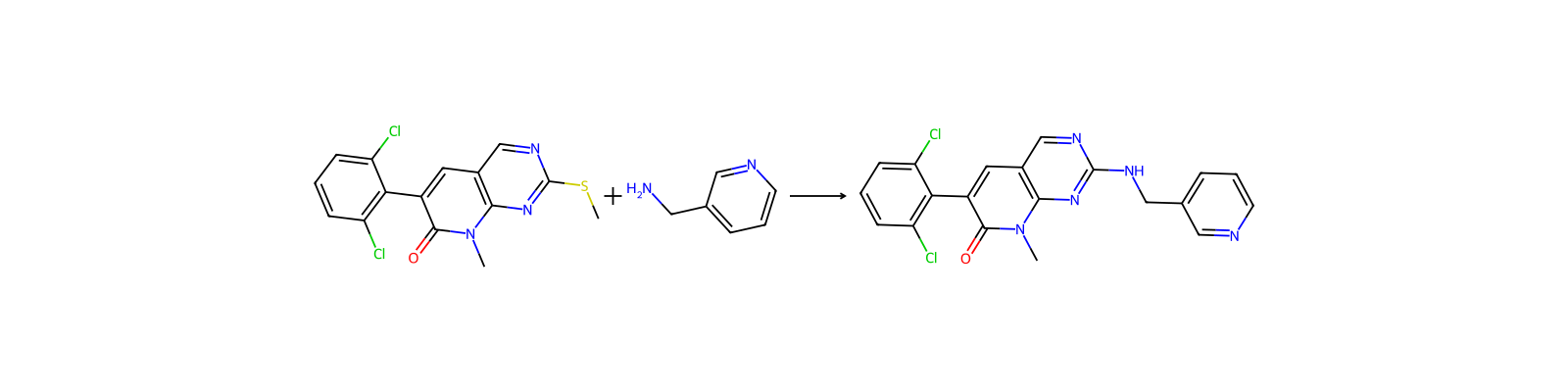
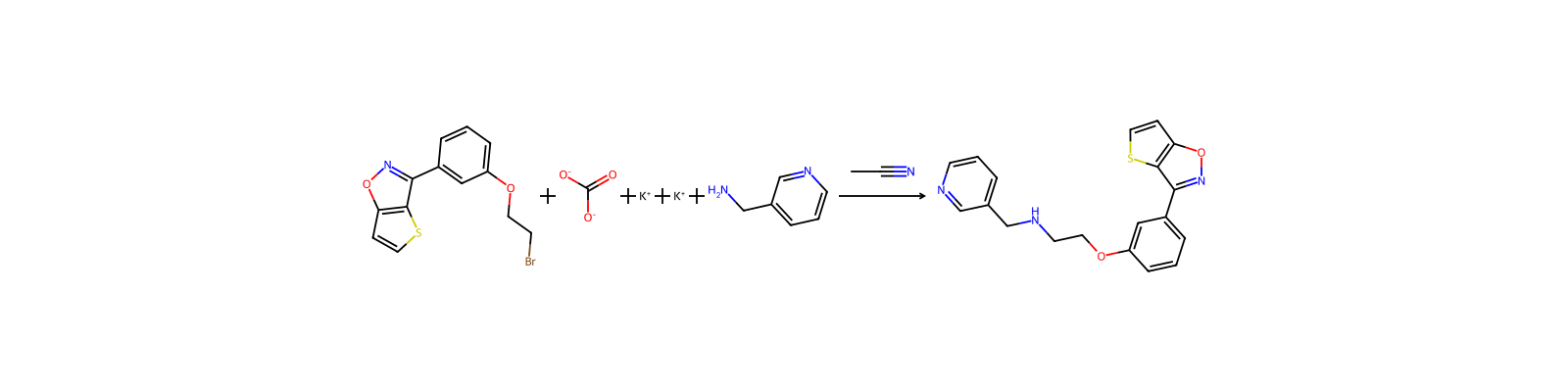
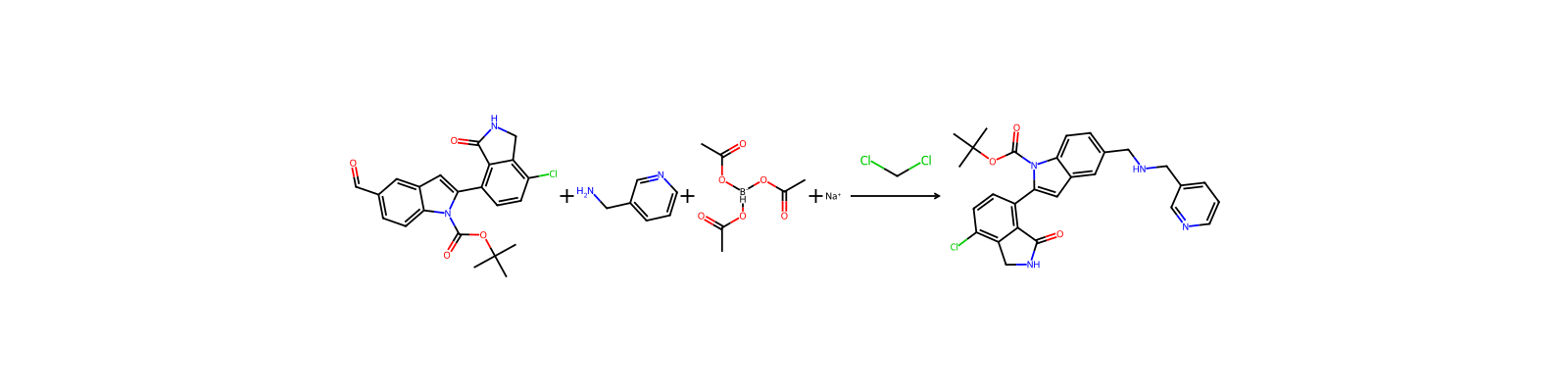
Zugehörige Reaktionen
904




Verknüpfte Notizen
Wird geladen…