StartseiteMCPWorkbenchSkills
StartseiteWorkbenchBenachrichtigungenMein Bereich
llms.txt · MCP-AnleitungDatenschutz · Nutzungsbedingungen · Supportv1.8.0
  1. Startseite
  2. /Verbindung

Citric Acid

HCID 311
Neue NotizNeue ReaktionAnfrage stellen
Druckvorschau

Daten werden ergänzt – lade die Seite später neu, um den aktuellen Stand zu sehen
GrundinformationenÜberblickNamen und BezeichnerEigenschaftenSicherheit und RegulatorischesChemie und IndustrieZugehörige ReaktionenNotizen zur Verbindung
TeilstruktursucheÄhnliche Strukturen suchen

Grundinformationen

CAS
60267-61-0
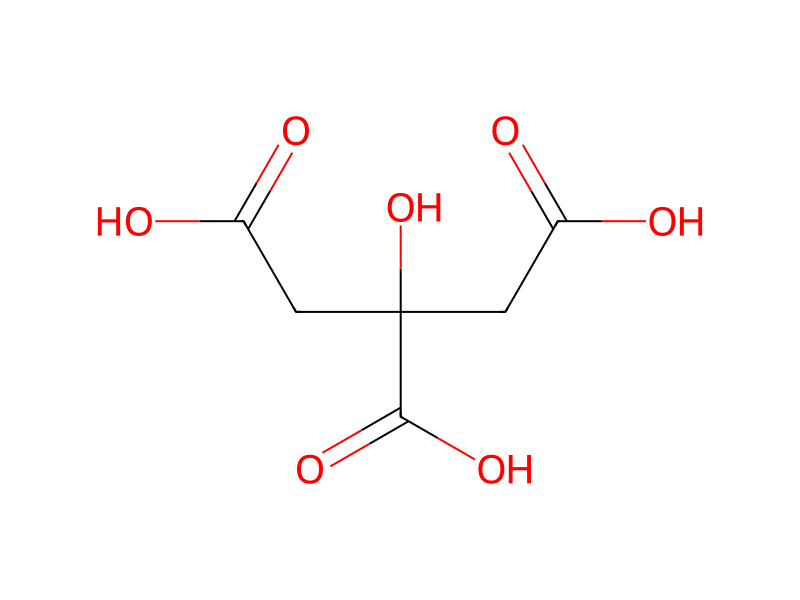
Standard-SMILES
O=C(O)CC(O)(CC(=O)O)C(=O)O
InChIKey
KRKNYBCHXYNGOX-UHFFFAOYSA-N
Summenformel
C6H8O7
Durchschnittliche Molmasse
192,12 g/mol
Monoisotopische Masse
192,02700259

Überblick

Citric acid appears as colorless, odorless crystals with an acid taste. Denser than water. (USCG, 1999)

Namen und Bezeichner

Bevorzugter Name
Citric Acid
IUPAC
2-hydroxypropane-1,2,3-tricarboxylic acid
Englischer Name
ubiquitin cross-reactive protein
Molmasse
0

Namen und Synonyme

citric acid77-92-92-hydroxypropane-1,2,3-tricarboxylic acidCitric acid, anhydrousAcilettenAnhydrous citric acidCitroCitrettenCitric acid anhydrousChemfillHydrocerol A1,2,3-Propanetricarboxylic acid, 2-hydroxy-
Weitere Namen anzeigen
C00496Ubiquitin-13C,15N humanubiquitin cross-reactive proteinUbiquitin-13C,15N human >=98 atom %, >=90% (CP), recombinant, expressed in E. coli
2-hydroxy-1,2,3-propanetricarboxylic acidKyselina citronova2-Hydroxytricarballylic acidbeta-Hydroxytricarballylic acid3-Carboxy-3-hydroxypentane-1,5-dioic acidFEMA No. 2306FEMA Number 2306Citric acid,anhydrous

Datenbank-Bezeichner

CAS
60267-61-0、77-92-9
PubChem CID
311
DTXSID
DTXSID3020332
ChEMBL
CHEMBL1261
ChEBI
CHEBI:30769
UNII
XF417D3PSL
EC Number
201-069-1、680-681-4、920-306-6、921-454-4
Nikkaji
J2.824J

Eigenschaften

Berechnete StruktureigenschaftenWird ergänzt

XLogP
-1,7
Polarare Oberfläche (TPSA)
132 Ų
H-Brücken-Donoren
4
H-Brücken-Akzeptoren
7
Frei drehbare Bindungen
5
Schwere Atome
13
Formalladung
0
Komplexität
227

Experimentelle und physikochemische Eigenschaften

Chemical ClassesOther Classes -> Organic Acids
Drugs · 2 Einträge

Pharmaceuticals

Pharmaceuticals -> Listed in ZINC15

Cosmetics · 2 Einträge

Cosmetic ingredients (Citric Acid) -> CIR (Cosmetic Ingredient Review)

Buffering; Chelating

FragrancesFragrance Ingredient (Citric acid) -> IFRA transparency List
LogP · 4 Einträge

log Kow = -1.64

-1.64

-1.7

-1.22

OdorOdorless
Taste · 2 Einträge

Strongly acidic taste

Pleasant, sweet, tart taste

Food AdditivesANTIMICROBIAL AGENT, ANTIOXIDANT, ENZYME, FLAVOR ENHANCER, FLAVORING AGENT OR ADJUVANT, LEAVENING AGENT, PH CONTROL AGENT, SEQUESTRANT, SOLVENT OR VEHICLE, SURFACE-ACTIVE AGENT -> FDA Substance added to food

Sicherheit und Regulatorisches

Sicherheitsangaben dienen nur zur Orientierung und ersetzen weder das Sicherheitsdatenblatt (SDB) des Lieferanten noch geltende Vorschriften oder eine fachliche Bewertung.

GHS-Klassifizierung

GHS Classification · 6 Einträge

Warning

H319: Causes serious eye irritation [Warning Serious eye damage/eye irritation]

P261, P264+P265, P271, P280, P304+P340, P305+P351+P338, P319, P337+P317, P403+P233, P405, and P501 (click each P-code to see the statement)

This chemical does not meet GHS hazard criteria for 8.2% (359 of 4373) of reports.

Warning

H319 (84.7%): Causes serious eye irritation [Warning Serious eye damage/eye irritation]

Gefahrenhinweise

Regulatory Information · 5 Einträge

Chemical: 1,2,3-Propanetricarboxylic acid, 2-hydroxy-

Regulation (EC) No 1331/2008

1,2,3-Propanetricarboxylic acid, 2-hydroxy- is listed on the EPA's Chemical Data Reporting (CDR) system. Manufacturers and importers of 1,2,3-Propanetricarboxylic acid, 2-hydroxy- are required to report information about their production and use of this chemical to the EPA under the Toxic Substances Control Act (TSCA). (40 eCFR Part 711)

REACH registered substance: Citric acid (EC: 201-069-1)

Citric acid: Does not have an individual approval but may be used under an appropriate group standard

Other Safety InformationIMAP assessments - Citric acid: Human health tier II assessment
Fire Hazards · 2 Einträge

Behavior in Fire: Melts and decomposes. The reaction is not hazardous. (USCG, 1999)

Combustible. Finely dispersed particles form explosive mixtures in air.

Fire PotentialCombustible liquid
Health HazardsInhalation of dust irritates nose and throat. Contact with eyes causes irritation. (USCG, 1999)

Chemie und Industrie

Pharmakologische Informationen

ATC Code · 2 Einträge

A - Alimentary tract and metabolism

QA - Alimentary tract and metabolism

Bionecessity · 2 Einträge

Extremely widespread in nature; also identified in the flowers of Hibiscus subdariffa, cocoa and kiwifruit.

Citric acid and its salts are naturally occurring constituents and common metabolites in plants and animal tissues. Citric acid is an intermediary compound in the Krebs cycle linking oxidative metabolism of carbohydrate, protein and fat. The concentration of naturally occurring citrate is relatively higher in fruits, particularly citrus fruits and juices than vegetables and animal tissues.

Mechanism of Action · 3 Einträge

... The NK(2), and to a lesser extent the NK(1), receptors have been shown to be involved with citric acid-induced bronchoconstriction in the guinea pig, which is in part mediated by endogenously released bradykinin. Tachykinins and bradykinin could also modulate citric acid-induced bronchoconstriction. ... Bronchoconstriction induced by citric acid inhalation in the guinea pig, mainly caused by the tachykinin NK(2) receptor, is counteracted by bronchoprotective NO after activation of bradykinin B(2) and tachykinin NK(1) receptors in airway epithelium.

... A concentration of 47.6 mmol/L of citric acid (pH 2.3) in water led to total cell death within three minutes of incubation /with gingival fibroblasts (GF)/. Media containing 23.8 mmol/L and 47.6 mmol/L of citric acid exerted strong cytotoxicity (47 to 90 per cent of cell death) and inhibited protein synthesis (IC50 = 0.28 per cent) of GF within three hours of incubation. Incubation of cells in a medium containing 11.9 mmol/L of citric acid also suppressed the attachment and spreading of fibroblasts on culture plates and Type I collagen, with 58 per cent and 22 per cent of inhibition, respectively. Culture medium supplemented with 11.9, 23.8 and 47.6 mmol/L of citric acid also led to extracellular acidosis by decreasing the pH value from 7.5 to 6.3, 5.2 and 3.8, respectively.

Inhalation of citric acid (CA) causes airway constriction and coughing. To investigate the role of mast cells in CA-induced airway constriction and cough, three experiments using guinea pigs were carried out. In the first experiment, /the authors/ used compound 48/80 to deplete mast cells, cromolyn sodium to stabilize mast cells, MK-886 to inhibit synthesis of leukotrienes, pyrilamine to antagonize histamine H1 receptor, methysergide to antagonize serotonin receptor, and indomethacin to inhibit cyclooxygenase. In the second experiment, compound 48/80-pretreated animals were divided into 2 parts; the first one was used to test the role of exogenous leukotriene (LT) C4, while the second one to test the role of exogenous histamine. Decreases in respiratory compliance (Crs) and forced expiratory volume in 0.1 sec (FEV0.1) were used as indicators for airway constriction in anesthetized guinea pigs. CA-induced cough was recorded for 12 min using a barometric body plethysmograph in conscious animals. In the third experiment, the activation of mast cells upon CA inhalation was investigated by determining lung tissue or arterial plasma histamine concentration in animals. Exposure to CA induced marked airway constriction and increase in cough number. Compound 48/80, cromolyn sodium, MK-886 and pyrilamine, but not indomethacin or methysergide, significantly attenuated CA-induced airway constriction and cough. Injection of LTC4 or histamine caused a significant increase in CA-induced airway constriction and cough in compound 48/80-pretreated animals. In addition, CA inhalation caused significant increase in lung tissue and plasma histamine concentrations, which were blocked by compound 48/80 pretreatment. These results suggest that mast cells play an important role in CA aerosol inhalation-induced airway constriction and cough via perhaps mediators including LTs and histamine.

Zugehörige Reaktionen

4.933
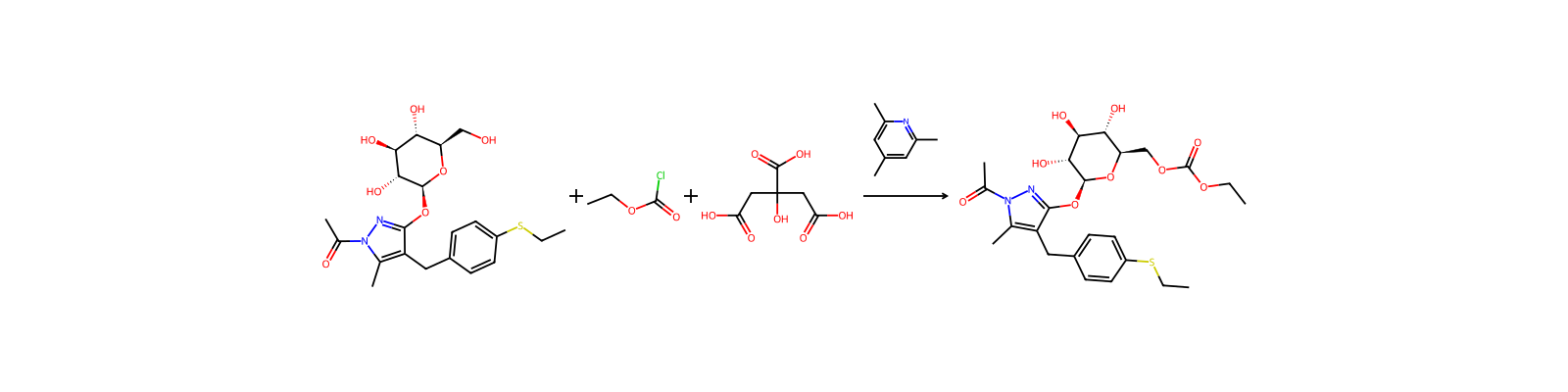
Reaktionsaufzeichnung erstellen
Reaktionsgleichung von HRID 1595
HRID 1595als Eduktuspto-grants-1998_03
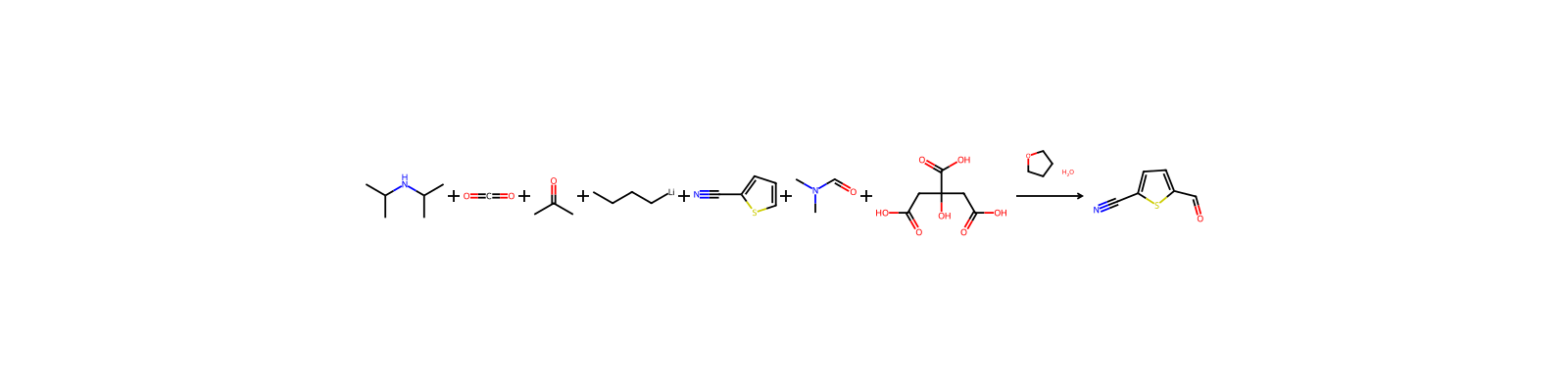
Reaktionsgleichung von HRID 3611
HRID 3611als Eduktuspto-grants-1998_03
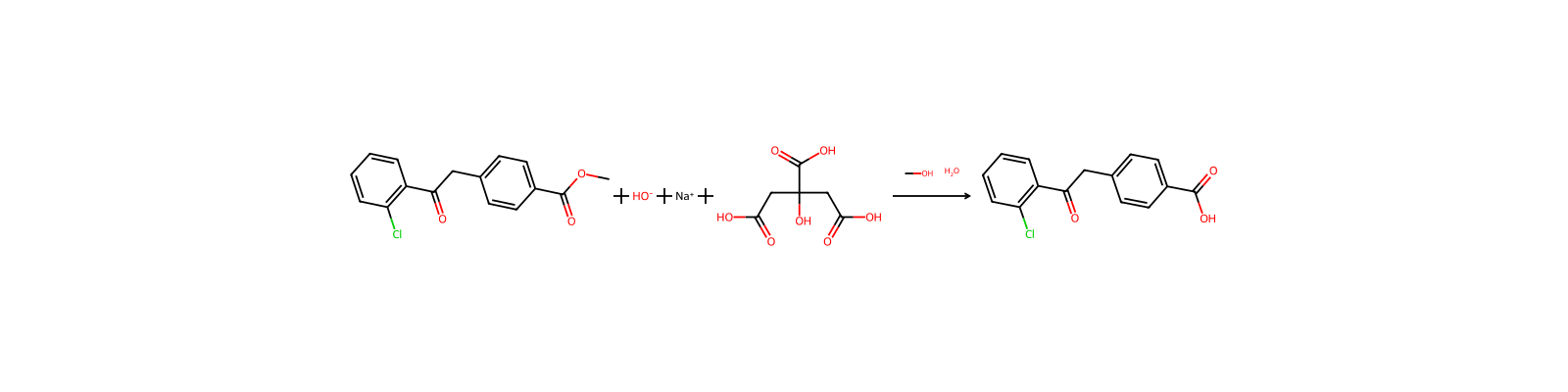
Reaktionsgleichung von HRID 4216
HRID 4216als Eduktuspto-grants-1988_02
Reaktionsgleichung von HRID 4228
HRID 4228als Eduktuspto-grants-1988_02
Reaktionsgleichung von HRID 5731
HRID 5731als Eduktuspto-grants-1993_09
Reaktionsgleichung von HRID 6569
HRID 6569als Eduktuspto-grants-2006_08
Reaktionsgleichung von HRID 6660
HRID 6660als Eduktuspto-grants-2006_08
Reaktionsgleichung von HRID 6662
HRID 6662als Eduktuspto-grants-2006_08
Seite 1 von 500

Notizen zur Verbindung

Wird geladen…

Auf dieser SeiteGrundinformationenÜberblickNamen und BezeichnerEigenschaftenSicherheit und RegulatorischesChemie und IndustrieZugehörige ReaktionenNotizen zur Verbindung
Weitere Aktionen
Neue NotizNeue ReaktionAnfrage stellen
Density · 5 Einträge

1.54 at 68 °F (USCG, 1999) - Denser than water; will sink

1.665 g/cu cm at 20 °C

BULK DENSITY: 56.2 LB/CU FT; HEAT OF SOLN: -3.9 KCAL/MOLE; BUFFERING INDEX: 2.46; STD FREE ENERGY OF ANION FORMATION: -278.8 KCAL FOR AQ SOLN @ 25 °C

Density: 1.542 g/cu cm /Citric acid monohydrate/

White, odorless crystals, granules or powder; cool, saline taste. Stable in air, becomes anhydrous at 150 °C. Density: 1.814. Soluble in 3 parts water, 0.6 parts boiling water. Insoluble in alcohol. The aqueous solution is slightly alkaline to litmus. pH about 8 /Sodium citrate dihydrate/

Viscosity2.549 cP 30% aqueous solution at 20 °C
Color/Form · 3 Einträge

Crystals; monoclinic holohedra; crystallizes from hot concentrated aqueous solution

Colorless, translucent crystals or powder

Rhombic crystals from water with 1 mol of water of crystallization

Solubility · 5 Einträge

greater than or equal to 100 mg/mL at 72 °F (NTP, 1992)

Very soluble in water; freely soluble in ethanol; soluble in ether

In water, 3.83X10+5 mg/L at 25 °C

Solubility in water: 54.0% w/w at 10 °C; 59.2% at 20 °C; 64.3% at 30 °C; 68.6% at 40 °C; 70.9% at 50 °C; 73.5% at 60 °C; 76.2% at 70 °C; 78.8% at 80 °C; 81.4% at 90 °C; 84.0% at 100 °C

Very soluble in ethanol; soluble in ether, ethyl acetate; insoluble in benzene, chloroform

Physikochemische Eigenschaften

storage temp.
-20 °C · -20°C
Löslichkeit
7.5 · Tris-HCl, pH 7.5: 1.0—1.10mg/mL, clear to slightly hazy, colorless
Aggregatzustand
saline suspension
Biologische Quelle
human
Hazards Summary
An irritant to the throat and eyes; [CAMEO] Concentrated solutions can cause severe eye damage and blindness; Animals fed 1.2% citric acid for 90 weeks showed no adverse effects except erosion of tooth enamel. [CHEMINFO]
FDA Requirements · 4 Einträge

Substance added directly to human food affirmed as generally recognized as safe (GRAS).

Citric acid used as a general purpose food additive in animal drugs, feeds, and related products is generally recognized as safe when used in accordance with good manufacturing or feeding practice.

Citric acid used as a sequestrant in animal drugs, feeds, and related products is generally recognized as safe when used in accordance with good manufacturing or feeding practice.

Drug products containing certain active ingredients offered over-the-counter (OTC) for certain uses. A number of active ingredients have been present in OTC drug products for various uses, as described below. However, based on evidence currently available, there are inadequate data to establish general recognition of the safety and effectiveness of these ingredients for the specified uses: citric acid is included in weight control drug products.

Reactive GroupAcids, Carboxylic
Special Reports · 2 Einträge

Leung HW, Paustenbach DJ; Organic Acids and Bases: Review of Toxicological Studies; Am J Ind Med 18 (6): 717-35 (1990).

USEPA/Office of Prevention, Pesticides and Toxic Substance; Reregistration Eligibility Decision Document - Citric Acid (June 1992). The RED summarizes the risk assessment conclusions and outlines any risk reduction measures necessary for the pesticide to continue to be registered in the U.S.[Available from, as of August 30, 2013: http://www.epa.gov/pesticides/reregistration/status.htm]

EPA Safer ChemicalChemical: Citric acid, anhydrous
FIFRA Requirements · 3 Einträge

Unless specifically excluded, residues resulting from the use of the following substance as either an inert or an active ingredient in a pesticide chemical formulation, including antimicrobial pesticide chemicals, is exempted from the requirement of a tolerance under FFDCA section 408, if such use is in accordance with good agricultural or manufacturing practices. Citric acid is included on this list.

Section 4(g)(2)(A) of FIFRA requires the Agency to determine, after consideration of relevant data concerning an active ingredient whether products containing the active ingredient are eligible for reregistration. For products containing citric acid as an active ingredient the Agency has waived all generic data requirements except for those basic product identity and chemistry. These data were submitted and reviewed. In addition to these data, the Agency has considered the factors ... regarding citric acid's natural occurrence, common use as a food item, and the lack of reported adverse effects information. The Agency has completed its consideration of these data and other factors and has determined this information is sufficient to support reregistration of products containing citric acid as an active ingredient.

As the federal pesticide law FIFRA directs, EPA is conducting a comprehensive review of older pesticides to consider their health and environmental effects and make decisions about their continued use. Under this pesticide reregistration program, EPA examines newer health and safety data for pesticide active ingredients initially registered before November 1, 1984, and determines whether the use of the pesticide does not pose unreasonable risk in accordance to newer saftey standards, such as those described in the Food Quality Protection Act of 1996. Pesticides for which EPA had not issued Registration Standards prior to the effective date of FIFRA '88 were divided into three lists based upon their potential for human exposure and other factors, with List B containing pesticides of greater concern than those on List C, and with List C containing pesticides of greater concern than those on List D. Citric acid is found on List D. Case No: 021801; Pesticide type: fungicide/ antimicobial; Case Status: RED Approved 08/92 - OPP has made a decision that some/all uses of the pesticide are eligible for reregistration, as reflected in a Reregistration Eligibility Decision (RED) Document.; Active ingredient (AI): Citric acid; AI Status: RED Completed - OPP has completed a Reregistration Eligibility Decision (RED) document for the case/AI.

Reactivity Profile · 1 Eintrag

CITRIC ACID reacts with oxidizing agents, bases, reducing agents and metal nitrates (NTP, 1992). Reactions with metal nitrates are potentially explosive. Heating to the point of decomposition causes emission of acrid smoke and fumes [Lewis].

Sicherheit und Schutzausrüstung

Fire Fighting · 2 Einträge

Fire Extinguishing Agents: Water, foam, dry chemical, carbon dioxide (USCG, 1999)

Use water spray, powder, foam, carbon dioxide.

First Aid Measures · 4 Einträge

Fresh air, rest. Refer for medical attention.

Rinse skin with plenty of water or shower. Refer for medical attention .

First rinse with plenty of water for several minutes (remove contact lenses if easily possible), then refer for medical attention.

Rinse mouth. Refer for medical attention .

First Aid · 1 Eintrag

EYES: First check the victim for contact lenses and remove if present. Flush victim's eyes with water or normal saline solution for 20 to 30 minutes while simultaneously calling a hospital or poison control center. Do not put any ointments, oils, or medication in the victim's eyes without specific instructions from a physician. If symptoms (such as redness or irritation) develop, immediately transport the victim to a hospital.

Safe StorageSeparated from strong oxidants, strong bases, metal nitrates and metals. Dry.
Exposure Control and Personal Protection2.0 [mg/m3], inhalable fraction[German Research Foundation (DFG)]
Fire Fighting ProceduresExtinguish with/ water, foam, dry chem, carbon dioxide.
Storage Conditions · 4 Einträge

Crystalline citric acid, anhydrous, can be stored in dry form without difficulty, although conditions of high humidity and elevated temperatures should be avoided to prevent caking. Storage should be in tight containers to prevent exposure to moist air. Several granulations are commercially available with the larger particle sizes having less tendency toward caking.

Temperature: ambient; Venting: open.

Containers: 230 lb Barrels, bags, kegs, boxes, cartons, fiber drums, bottles.

Separated from strong oxidants, strong bases, metal nitrates and metals. Dry.

Cleanup Methods · 1 Eintrag

Personal protection: particulate filter respirator adapted to the airborne concentration of the substance. Sweep spilled substance into covered containers. If appropriate, moisten first to prevent dusting. Wash away remainder with plenty of water.

Nonfire Spill Response · 1 Eintrag

SMALL SPILLS AND LEAKAGE: If you spill this chemical, you should dampen the solid spill material with water, then transfer the dampened material to a suitable container. Use absorbent paper dampened with water to pick up any remaining material. Seal your contaminated clothing and the absorbent paper in a vapor-tight plastic bag for eventual disposal. Wash all contaminated surfaces with a soap and water solution. Do not reenter the contaminated area until the Safety Officer (or other responsible person) has verified that the area has been properly cleaned.

Disposal Methods · 2 Einträge

SRP: Wastewater from contaminant suppression, cleaning of protective clothing/equipment, or contaminated sites should be contained and evaluated for subject chemical or decomposition product concentrations. Concentrations shall be lower than applicable environmental discharge or disposal criteria. Alternatively, pretreatment and/or discharge to a permitted wastewater treatment facility is acceptable only after review by the governing authority and assurance that "pass through" violations will not occur. Due consideration shall be given to remediation worker exposure (inhalation, dermal and ingestion) as well as fate during treatment, transfer and disposal. If it is not practicable to manage the chemical in this fashion, it must be evaluated in accordance with EPA 40 CFR Part 261, specifically Subpart B, in order to determine the appropriate local, state and federal requirements for disposal.

Inject at base of incinerator equipped with afterburner. Flammable solvent may be added.

Spillage Disposal · 1 Eintrag

Personal protection: particulate filter respirator adapted to the airborne concentration of the substance. Sweep spilled substance into covered containers. If appropriate, moisten first to prevent dusting. Wash away remainder with plenty of water.

Preventive Measures · 4 Einträge

Do not eat, drink, or smoke during work.

Closed system, ventilation, explosion-proof electrical equipment and lighting. Prevent deposition of dust.

SRP: Local exhaust ventilation should be applied wherever there is an incidence of point source emissions or dispersion of regulated contaminants in the work area. Ventilation control of the contaminant as close to its point of generation is both the most economical and safest method to minimize personnel exposure to airborne contaminants. Ensure that the local ventilation moves the contaminant away from the worker.

SRP: The scientific literature for the use of contact lenses by industrial workers is inconsistent. The benefits or detrimental effects of wearing contact lenses depend not only upon the substance, but also on factors including the form of the substance, characteristics and duration of the exposure, the uses of other eye protection equipment, and the hygiene of the lenses. However, there may be individual substances whose irritating or corrosive properties are such that the wearing of contact lenses would be harmful to the eye. In those specific cases, contact lenses should not be worn. In any event, the usual eye protection equipment should be worn even when contact lenses are in place.

Toxikologische Informationen

Body BurdenCitric acid was found to be excreted by humans through urine at a rate of 3-17 mg/kg body weight/day and through sweat at 0.2 mg/100 mL(1).
Interactions · 5 Einträge

... Citric acid aerosol inhalation caused decreases in dynamic respiratory compliance and forced expiratory volume in 0.1 s (FEV0.1). This airway constriction was significantly attenuated by MK-886, mepyramine, cromolyn sodium, and compound 48/80, but not by either methysergide or indomethacin. Both LTC4 and histamine infusion significantly increased the magnitude of citric acid-induced airway constriction in compound 48/80-pretreated guinea pigs. Citric acid inhalation caused significant increase in histamine level in the bronchoalveolar lavage sample, which was significantly suppressed by compound 48/80.

The relative efficacy of citric, malic, malonic, oxalic and succinic acids, and deferoxamine mesylate on the toxicity, distribution and excretion in mice exposed to aluminum were compared. Chelating agents were administered ip at a dose equal to one-fourth of their respective LD50. To determine the effect of the various chelators on the toxicity of aluminum, various doses of aluminum nitrate (938-3188 mg/kg) were administered ip, followed by one of the chelators. Survival was recorded at the end of 14 days. ... Malic acid and deferoxamine mesylate were the most effective in increasing the urinary excretion of aluminum. Citric acid was the most effective in increasing the fecal excretion of aluminum. Malonic, oxalic and succinic acids had no overall beneficial effects. Citric acid would appear to be the most effective agent of those tested in the prevention of acute aluminium intoxication.

... When aluminum hydroxide and citric acid (133 mg Al/kg and 62 mg/kg, respectively) were simultaneously given orally to mice, fetal skeletal development defects resulted.

The primary purpose of this study was to determine the relative usefulness of various measures to monitor body aluminum burden in weanling rats fed various amounts of aluminum (0.39 umol aluminum/g diet for 29 days, approximately 40 umol aluminum/g diet with or without citrate for 29 days and approximately 100 umol aluminum/g diet with citrate for 12 or 29 days) or injected ip with graded doses of aluminum (0.01, 4.6, 11.8, 23.5 or 94 umol aluminum). Twenty four hours prior to sacrifice, all rats were injected ip with either desferrioxamine (75 mg) or buffer. All seven indices of aluminum exposure monitored (eg: tibia, liver, kidney and serum aluminum concn; changes in serum aluminum concn in response to desferrioxamine; urinary aluminum excretion with and without desferrioxamine treatment) were highly (p< 0.001) correlated to parenteral aluminum exposure. Ingestion of citrate had small but significant effects on aluminum retention. /Citrate/

For more Interactions (Complete) data for CITRIC ACID (7 total), please visit the HSDB record page.

Ecotoxicity ValuesLC50; Species: Carcinus maenas (Green or European shore crab); Conditions: renewal; Concentration: 160 mg/L for 48 hr /formulated product/
Environmental Fate · 3 Einträge

TERRESTRIAL FATE: Based on a classification scheme(1), an estimated Koc value of 10(SRC), determined from a structure estimation method(2), indicates that citric acid is expected to have very high mobility in soil(SRC). The pKa of citric acid is 2.79(3), indicating that this compound will exist almost entirely in the anion form in the environment and anions generally do not adsorb more strongly to soils containing organic carbon and clay than their neutral counterparts(4). Volatilization from moist soil is not expected because the compound exists as an anion and anions do not volatilize. Citric acid is not expected to volatilize from dry soil surfaces(SRC) based upon a vapor pressure of 1.66X10⁻⁸ mm Hg at 25 °C(5). Citric acid reached 53% of its theoretical BOD in 5 days using a sludge inoculum(6), suggesting that biodegradation may be an important environmental fate process in soil(SRC).

AQUATIC FATE: Based on a classification scheme(1), an estimated Koc value of 10(SRC), determined from a structure estimation method(2), indicates that citric acid is not expected to adsorb to suspended solids and sediment(SRC). A pKa of 2.79(3) indicates citric acid will exist almost entirely in the anion form at pH values of 5 to 9 and, therefore, volatilization from water surfaces is not expected to be an important fate process(SRC). According to a classification scheme(4), an estimated BCF of 3(SRC), from its log Kow of -1.64(5) and a regression-derived equation(2), suggests the potential for bioconcentration in aquatic organisms is low(SRC). Theoretical biodegradation values of 66.4% and 67.3% after 5 days using freshwater and seawater inoculums, respectively(6), indicate that biodegradation is an important environmental fate process in water(SRC).

ATMOSPHERIC FATE: According to a model of gas/particle partitioning of semivolatile organic compounds in the atmosphere(1), citric acid, which has an estimated vapor pressure of 1.7X10⁻⁸ mm Hg at 25 °C(SRC), determined from a fragment constant method(2), is expected to exist solely in the particulate phase. Particulate-phase citric acid may be removed from the air by wet and dry deposition(SRC). Citric acid absorbs light at wavelengths up to 260 nm(3) and, therefore, is not expected to be susceptible to direct photolysis since sunlight consists of wavelengths above 290 nm(SRC).

Food Survey Values · 4 Einträge

Plants containing citric acid, concentrations reported(1).

Plants containing citric acid, concentrations not reported(1).

Citric acid was detected as a flavoring constituent of farine collected from St. Lucia in the Caribbean(1). Citric acid was detected in 6 edible mushroom species sampled in Portugal in 2003. Concentrations were reported as follows (mg/kg and in combination with ketoglutaric acid): Amanita caesarea 452.07; Boletus edulis 432.89-785.45; Gyroporus castaneus 1282.85; Lactarius deliciosus 92.97-6112-72; Suillus collintus 362.73-2903.02; and Xerocomus chrysenteron 377.97(2).

MID, TO INCR EFFECTIVENESS OF ANTIOXIDANTS IN LARD, SHORTENING, & UNSMOKED DRY SAUSAGE; @ 0.01% ALONE OR WITH ANTIOXIDANTS IN LARD OR SHORTENING; 0.001% IN ... SAUSAGE WITH 0.003% BHA.

Adverse EffectsDermatotoxin - Skin burns.
Exposure RoutesThe substance can be absorbed into the body by inhalation and by ingestion.
Toxicity SummarySafe in the present practices of use and concentration. Ingredient, concentration, and use information are available in documents discoverable at https://cir-reports.cir-safety.org
Ecotoxicity Excerpts · 1 Eintrag

/OTHER TERRESTRIAL SPECIES/ The entomopathogenic fungus, Beauveria bassiana, produced citric acids in liquid cultures containing grasshopper (Melanoplus sanguinipes) cuticle as the sole nutrient source. Citric acids solubilized cuticular proteins as well as commercial preparations of elastin and collagen. Melanoplus sanguinipes treated with Beauveria bassiana showed a LT50 of 7.33 days, while Melanoplus sanguinipes treated with citric acid showed a LT50 of 7.25 and 13.28 days, respectively. Melanoplus sanguinipes treated with citric acid followed by a Beauveria bassiana conidia treatment showed a LT50 of 3.88 days. Analysis of the bioassay data revealed that the relationship between citric acid together with Beauveria bassiana conidia in grasshopper mortality was markedly synergistic. It is suggested that acid metabolites produced by Beauveria bassiana may play a role in cuticle solubilization and subsequent hyphal penetration.

Signs and Symptoms · 4 Einträge

Cough. Shortness of breath. Sore throat.

Redness.

Redness. Pain.

Abdominal pain. Sore throat.

Soil Adsorption/Mobility · 1 Eintrag

Using a structure estimation method based on molecular connectivity indices(1), the Koc of citric acid can be estimated to be 10(SRC). According to a classification scheme(2), this estimated Koc value suggests that citric acid is expected to have very high mobility in soil. The pKa of citric acid is 2.79(3), indicating that this compound will exist almost entirely in the anion form in the environment and anions generally do not adsorb more strongly to soils containing organic carbon and clay than their neutral counterparts(4). A 2 uM solution of citric acid in Gulfstream seawater showed equilibrium absorption values of 79% and 94% onto 0.01 and 0.25 g of hydroxyapatite, respectively(5).

Natural Pollution Sources · 2 Einträge

Citric acid is widely distributed in plants and in animal tissues and fluids(1). It is extremely widespread in plants and has been identified in flowers of Hibiscus subdariffa(3).

In nature, the citric acid cycle (Krebs cycle, TCA cycle, tricarboxylic acid cycle) is a series of enzymatic reactions occurring in living cells of aerobic organisms, the net result of which is the conversion of pyruvic acid, formed by anaerobic metabolism of carbohydrates, into carbon dioxide and water. The metabolic intermediates are degraded by a combination of decarboxylation and dehydrogenation. It is the major terminal pathway of oxidation in animal, bacterial, and plant cells. Recent research indicates that the TCA cycle may have predated life on earth and may have provided the pathway for formation of amino acids(1).

Regulatorische Informationen

FDA Requirements · 4 Einträge

Substance added directly to human food affirmed as generally recognized as safe (GRAS).

Citric acid used as a general purpose food additive in animal drugs, feeds, and related products is generally recognized as safe when used in accordance with good manufacturing or feeding practice.

Citric acid used as a sequestrant in animal drugs, feeds, and related products is generally recognized as safe when used in accordance with good manufacturing or feeding practice.

Drug products containing certain active ingredients offered over-the-counter (OTC) for certain uses. A number of active ingredients have been present in OTC drug products for various uses, as described below. However, based on evidence currently available, there are inadequate data to establish general recognition of the safety and effectiveness of these ingredients for the specified uses: citric acid is included in weight control drug products.

FIFRA Requirements · 3 Einträge

Unless specifically excluded, residues resulting from the use of the following substance as either an inert or an active ingredient in a pesticide chemical formulation, including antimicrobial pesticide chemicals, is exempted from the requirement of a tolerance under FFDCA section 408, if such use is in accordance with good agricultural or manufacturing practices. Citric acid is included on this list.

Section 4(g)(2)(A) of FIFRA requires the Agency to determine, after consideration of relevant data concerning an active ingredient whether products containing the active ingredient are eligible for reregistration. For products containing citric acid as an active ingredient the Agency has waived all generic data requirements except for those basic product identity and chemistry. These data were submitted and reviewed. In addition to these data, the Agency has considered the factors ... regarding citric acid's natural occurrence, common use as a food item, and the lack of reported adverse effects information. The Agency has completed its consideration of these data and other factors and has determined this information is sufficient to support reregistration of products containing citric acid as an active ingredient.

As the federal pesticide law FIFRA directs, EPA is conducting a comprehensive review of older pesticides to consider their health and environmental effects and make decisions about their continued use. Under this pesticide reregistration program, EPA examines newer health and safety data for pesticide active ingredients initially registered before November 1, 1984, and determines whether the use of the pesticide does not pose unreasonable risk in accordance to newer saftey standards, such as those described in the Food Quality Protection Act of 1996. Pesticides for which EPA had not issued Registration Standards prior to the effective date of FIFRA '88 were divided into three lists based upon their potential for human exposure and other factors, with List B containing pesticides of greater concern than those on List C, and with List C containing pesticides of greater concern than those on List D. Citric acid is found on List D. Case No: 021801; Pesticide type: fungicide/ antimicobial; Case Status: RED Approved 08/92 - OPP has made a decision that some/all uses of the pesticide are eligible for reregistration, as reflected in a Reregistration Eligibility Decision (RED) Document.; Active ingredient (AI): Citric acid; AI Status: RED Completed - OPP has completed a Reregistration Eligibility Decision (RED) document for the case/AI.

Sicherheitsdaten

wgk
WGK 3
Speicherklasse
11 - Combustible Solids
Metabolism/Metabolites · 3 Einträge

Citric acid is a normal metabolite and an intermediate in cellular oxidative metabolism ... The acid is formed in the mitochondrion after condensation of acetate with oxaloacetate. The six-carbon acid is then successively degraded to a series of four-carbon acids, effectively accomplishing oxidation of acetate in the cell.

In human (as well as in animal and plant) physiology, citric acid is a very common intermediate in one of the central biochemical cycles, the Krebs or tricarboxylic acid cycle, which takes place in every cell. It completes the breakdown of pyruvate formed from glucose through glycolysis, thereby liberating carbon dioxide and a further four hydrogen atoms which are picked up by electron transport molecules. Thus, in man approximately 2 kg of citric acid are formed and metabolised every day. This physiological pathway is very well developed and capable of processing very high amounts of citric acid as long as it occurs in low concentrations.

Citric acid in reaction with enzyme citratase /citrate lyase/ yields oxaloacetic acid & acetic acid.

FDA Pharmacological Classification · 6 Einträge

XF417D3PSL

ANHYDROUS CITRIC ACID

Mechanisms of Action [MoA] - Acidifying Activity

Established Pharmacologic Class [EPC] - Calculi Dissolution Agent

Established Pharmacologic Class [EPC] - Anti-coagulant

Physiologic Effects [PE] - Decreased Coagulation Factor Activity

MeSH Pharmacological Classification · 2 Einträge

Agents that prevent BLOOD CLOTTING.

Substances that bind to and sequester CALCIUM ions.

Absorption, Distribution and Excretion/A portion/ of the circulating (mainly metabolic but also ingested) citric acid is excreted in urine, with 24-hour urine reference values between 1.5 and 3.68 mmol, corresponding to 0.29-0.71 g citric acid excreted per person per day.
Tissue LocationsAll Tissues
Cellular LocationsCytoplasm
Metabolite Pathways2-ketoglutarate dehydrogenase complex deficiency

Verwendung und Herstellung

Uses · 6 Einträge

CIR ingredient: Citric Acid

A Compound from citrus fruits that is an intermediate in the tricarboxylic acid (Krebs) cycle. It is used as an acidifying agent in foods, beverages, and pharmaceuticals. Citrate chelates calcium ions and prevents blood clotting. It is also used as an anticoagulant for stored whole blood and red cells and also for blood specimens. (Dorland, 28th ed) [ChemIDplus]

For citric acid (USEPA/OPP Pesticide Code: 21801) ACTIVE products with label matches. /SRP: Registered for use in the U.S. but approved pesticide uses may change periodically and so federal, state and local authorities must be consulted for currently approved uses./

Active ingredient in products registered for residential and commercial use as disinfectants, sanitizers and fungicides ... products are used to kill odor-causing bacteria, mildew, pathogenic fungi, certain bacteria and some viruses. Citric acid products are used in bathrooms and in/on dairy and food processing equipment.

Acidulant in beverages, confectionary, effervescent salts, in pharmaceutical syrups, elixirs, in effervescent powders and tablets, to adjust pH of foods and as a synergistic antioxidant in processing cheese. Used in beverages, jellies, jams, preserves and candy to provide tartness. In the manufacture of alkyd resins; in esterified form as plasticizer, foam inhibitor. In the manufacture of citric acid salts. As a sequestering agent to remove trace metals. As mordant to brighten colors; in special inks; in electroplating; in analytical chemistry for determining citrate-soluble P2O5; as reagent for albumin, mucin, glucose, bile pigments.

Anticoagulent, generally in solution with glucose, to prevent clotting of blood intended for transfusion

U.S. Exports · 3 Einträge

(1972) 4.94X10+9 GRAMS

(1975) 4.2X10+9 GRAMS

(1985) 6.71X10+9 g

U.S. Imports · 3 Einträge

(1972) 1.46X10+8 GRAMS

(1975) 3.4X10+8 GRAMS

(1985) 1.96X10+10 g

U.S. Production · 6 Einträge

2023: 250,000,000 - <400,000,000 lb

(1990) Worldwide citric acid production: Western Europe 41.0%; North America 28.0%; Far East, Australia, and New Zealand 11.0%; South and Central America 9.0%; Remainder of the world 11.0%. /From table/

... 1990 worldwide production estimated at approximately 550,000 metric tons.

(1991) 3.86X10+8 lb

1,2,3-Propanetricarboxylic acid, 2-hydroxy- is listed as a High Production Volume (HPV) chemical (65FR81686). Chemicals listed as HPV were produced in or imported into the U.S. in >1 million pounds in 1990 and/or 1994. The HPV list is based on the 1990 Inventory Update Rule. (IUR) (40 CFR part 710 subpart B; 51FR21438).

For more U.S. Production (Complete) data for CITRIC ACID (9 total), please visit the HSDB record page.

Consumption Patterns · 1 Eintrag

In foods & beverages as an acidulant, pH regulator, flavor enhancer, preservative, & antioxidant synergist; 16% in pharmaceutical preparations principally in effervescent antacid powders & tablets; 11% in metal cleaning & finishing, & as a chemical intermediate for esters & salts for detergents & plasticizers. )

Consumer UsesCleaning agent
Industry UsesFlavoring and nutrient
Methods of Manufacturing · 5 Einträge

In surface fermentation, Aspergillus niger is grown on a liquid substrate in pans stacked vertically in a chamber. The chamber and pans are sterilized either before or after introduction of the substrate. ... The substrate for the fermentation is a carbohydrate, usually molasses or a sugar, such as raw beet, refined beet, or cane sugars, or a syrup. ... Certain inorganic nutrients, such as ammonium nitrate, potassium phosphate, magnesium sulfate, zinc sulfate, and potassium ferrocyanide, are added. The pH is adjusted to between 3 and 7, depending on the carbohydrate source. Sterilization may be batchwise or continuous; the latter uses less energy and is usually faster. After sterilization, the temperature is adjusted as required. The surface of the sterile substrate in the pans is inoculated with A. niger spores, which germinate and cover the surface of the liquid with a mat of mold. After two to three days the surface is completely covered and citric acid production begins, continuing at almost a constant rate until 80-90% of the sugar is consumed. Fermentation then continues more slowly for an additional six to ten days. The theoretical yield from 100 kg of sucrose is 123 kg of citric acid monohydrate or 112 kg of anhydrous acid. However, the A. niger uses some sugar for growth and respiration, and the actual yield varies between 57 and 77% of theoretical, depending on such factors as substrate purity, the particular strain of organism, and the control of fermentation.

Submerged fermentation ... takes place in large fermentation tanks. This method is used more frequently because labor costs are lower with large tanks than with small pans; equipment costs are also lower. The fermentation vessel can be short and wide or tall and narrow, and equipped with mixing devices, such as top-entering or side-entering agitators of the turbine or propeller type. Agitation can be increased by use of a draft tube, a recirculation loop, or a nozzle through which air and recirculated substrate is pumped. Spargers located at the bottom of the vessel or under the stirrer supply air, which may be enriched with oxygen. Oxygen is usually recovered from the exhaust gas. The air is supplied by a compressor and passes through a sterile filter; if necessary, the air is cooled. Because the process is exothermic, the vessel must be equipped with heat-exchange surfaces, which can be the outside walls or internal coils. Ports are provided for introducing substrate, inoculum, and steam or other sterilizing agents; sampling and exhaust ports are also provided. The substrate is prepared in a separate tank and its pH adjusted; the micronutrients may be added to this tank or directly to the fermentor. The substrate is sterilized by a batchwise or, more commonly, by a continuous operation. The fermentor is sterilized, charged with substrate, and inoculated. Fermentation requires 3-14 days. After it is completed, the air supply is stopped to prevent the microorganisms from consuming the citric acid.

Formulations/Preparations · 5 Einträge

... Anticoagulant citrate dextrose solution, anticoagulant citrate phosphate dextrose solution, citric acid syrup, & effervescent salts.

Grades of purity: USP; reagent; monohydrate grade.

Grades: Both hydrous and anhydrous, technical, Chemically Pure, United States Pharmacopeia, Food Chemical Codex.

Citric acid for pharmaceutical use: not <99.5% anhydrous citric acid; not >5% water; not >0.05% ash; not >0.001% heavy metals; not > 0.0003% As. Hydrous citric acid may contain up to 8.8% water

For more Formulations/Preparations (Complete) data for CITRIC ACID (43 total), please visit the HSDB record page.

Household ProductsInformation on 2599 consumer products that contain Citric acid in the following categories is provided:
Use Classification · 6 Einträge

EPA Safer Chemical Functional Use Classes -> Antimicrobial Actives;Chelating Agents;Processing Aids and Additives

Safer Chemical Classes -> Green circle - The chemical has been verified to be of low concern

Food additives

Fragrance Ingredients

Flavouring Agent -> FLAVOURING_AGENTFood Additives -> ACID; ANTIOXIDANT_SYNERGIST; SEQUESTRANT; SYNERGIST -> JECFA Functional Classes

Flavoring Agents -> JECFA Flavorings Index

General Manufacturing Information · 6 Einträge

All Other Basic Inorganic Chemical Manufacturing

1,2,3-Propanetricarboxylic acid, 2-hydroxy-: ACTIVE

EPA registered the first citric acid-containing products in the early 1970's.

... Dilute aqueous solutions are subject to molding (fermentation), oxalic acid being one of the fermentation products.

To increase effectiveness of antioxidants in lard, shortening, & unsmoked dry sausage; at 0.01% alone or with antioxidants in lard or shortening; 0.001% in ... Sausage with 0.003% BHA.

The chemical synthesis of citric acid was reported in 1880. Since then, many different synthetic routes have been investigated, reported, and patented. However, none of these have proven to be commercially feasible.

Anwendungen · 1 Eintrag

VerwendenUbiquitin, N-terminal FLAG-tagged can replace the ubiquitin in formation of poly-ubiquitin—protein conjugates. The FLAG tag enables separation and enrichment of the protein conjugates on anti-FLAG affinity columns and detection of conjugates in western blot by anti-FLAG antibodies.

The microbial production of citric acid on a commercial scale was begun in 1923 utilizing certain strains of Aspergillus niger to produce citric acid on the surface of a sucrose and salt solution. This tray fermentation technique is still used today, although it is being replaced by a submerged process known as deep tank fermentation. In the deep tank submerged process, Aspergillus niger mold spores are grown under controlled aseptic conditions on a test-tube slant and transferred to a seed tank or inoculum which is added to a fermentor along with pasteurized syrup. The pH is adjusted and nutrients added. Sterile air is sparged into the fermentor while the sugar is converted to citric acid. The complete fermentation cycle can take as long as 15 days. ... Citric acid fermentation broth is generally separated from the biomass using filtration or centrifugation. The citric acid is usually purified using either a lime-sulfuric acid method or a liquid extraction process.

Mold fermentation of beet or sugar cane molasses, or dextrose (corn sugar)

For more Methods of Manufacturing (Complete) data for CITRIC ACID (7 total), please visit the HSDB record page.