Diethylsuccinat
Diethyl Succinate
Daten werden ergänzt – lade die Seite später neu, um den aktuellen Stand zu sehen
Grundinformationen
- CAS
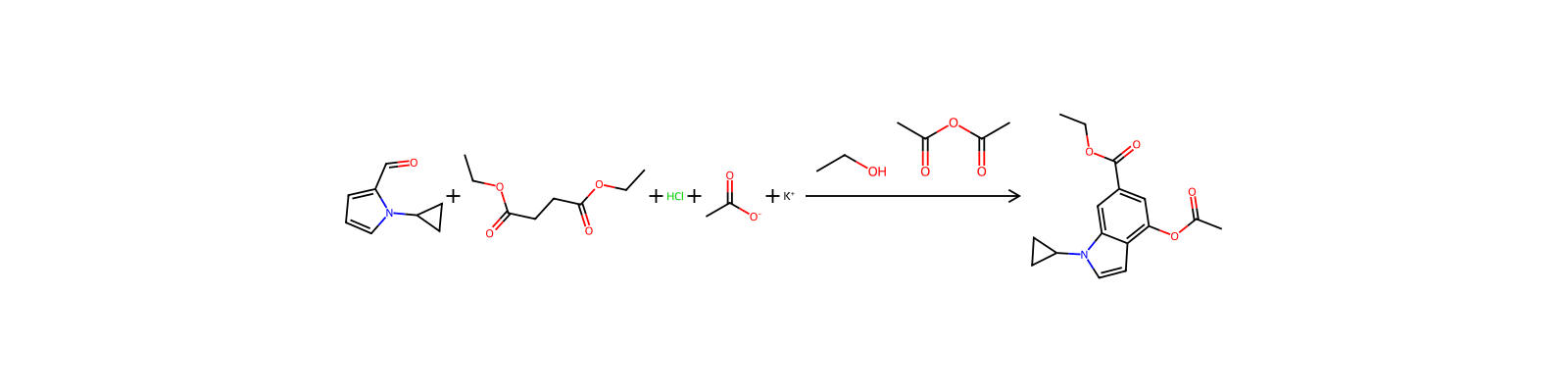
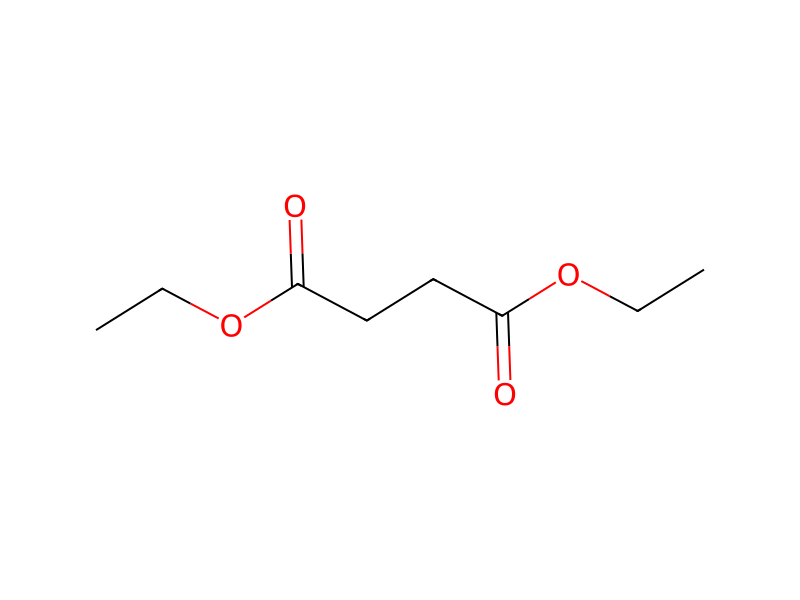
123-25-1- Standard-SMILES
CCOC(=O)CCC(=O)OCC- InChIKey
DKMROQRQHGEIOW-UHFFFAOYSA-N- Summenformel
- C8H14O4
- Durchschnittliche Molmasse
- 174,19 g/mol
- Monoisotopische Masse
- 174,08920893
Überblick
Diethyl succinate is a fatty acid ester.
Namen und Bezeichner
- Bevorzugter Name
- Diethyl Succinate
- IUPAC
- diethyl butanedioate
- Lokaler Name
- Diethylsuccinat
- Englischer Name
- Diethyl succinate
- Summenformel
- C8H14O4
- Molmasse
- 174.19
Namen und Synonyme
DIETHYL SUCCINATE123-25-1Diethyl butanedioateEthyl succinateButanedioic acid, diethyl esterSuccinic acid diethyl ester1,4-diethyl butanedioateSuccinic acid, diethyl esterButanedioic acid, 1,4-diethyl esterDiethylester kyseliny jantaroveFEMA No. 2377DTXSID2038732
Weitere Namen anzeigen
CloriusBUTANEDIOIC ACID DIETHYL ESTERFEMA 2377Diethyl ester of butanedioic acid45993Diethyl succite
ELP55C13DRNSC-8875DTXCID0018732RefChem:571068204-612-07071-15-0DIETHYLSUCCINATEDiethyl ethanedicarboxylate
Datenbank-Bezeichner
- CAS
123-25-1- PubChem CID
- 31249
- DTXSID
DTXSID2038732- ChEMBL
CHEMBL369243- ChEBI
CHEBI:169507- UNII
- ELP55C13DR
- EC Number
- 204-612-0
- Nikkaji
- J21.267I
Eigenschaften
Berechnete StruktureigenschaftenWird ergänzt
- XLogP
- 1,2
- Polarare Oberfläche (TPSA)
- 52,6 Ų
- H-Brücken-Donoren
- 0
- H-Brücken-Akzeptoren
- 4
- Frei drehbare Bindungen
- 7
- Schwere Atome
- 12
- Formalladung
- 0
- Komplexität
- 135
Experimentelle und physikochemische Eigenschaften
Chemical ClassesOther Classes -> Other Organic Compounds
Cosmetics
Cosmetic ingredients (Diethyl Succinate) -> CIR (Cosmetic Ingredient Review)
Emollient
SpringerMaterials PropertiesBoiling point
FragrancesFragrance Ingredient (Diethyl succinate) -> IFRA transparency List
LogP
1.20
1.19
Food AdditivesFLAVORING AGENT OR ADJUVANT -> FDA Substance added to food
Density
1.04 g/cm³
1.031-1.041
Flavoring AgentsEU Flavoring substances
Solubility
19.1 mg/mL at 25 °C
Solubility in water, g/100ml at 25 °C: 0.2
Sicherheit und Regulatorisches
Sicherheitsangaben dienen nur zur Orientierung und ersetzen weder das Sicherheitsdatenblatt (SDB) des Lieferanten noch geltende Vorschriften oder eine fachliche Bewertung.
GHS-Klassifizierung
GHS Classification
This chemical does not meet GHS hazard criteria for 99.5% (405 of 407) of all reports.
Not Classified
Aggregated GHS information provided per 407 reports by companies from 4 notifications to the ECHA C&L Inventory.
Gefahrenhinweise
Regulatory Information
Chemical: Butanedioic acid, diethyl ester
Regulation (EC) No 1831/2003 (amended)
Status: Active Update: 19-07-2022 https://echa.europa.eu/registration-dossier/-/registered-dossier/27981
Diethyl succinate: Does not have an individual approval but may be used under an appropriate group standard
Fire HazardsCombustible.
Hazards SummaryA mild skin and eye irritant; [RTECS] Carboxylesterase substrate. [ChemIDplus] A mild eye irritant; [ICSC] Safe when used as a flavoring agent in food; [JECFA] A mild irritant; [Sigma-Aldrich MSDS]
EPA Safer ChemicalChemical: Diethyl succinate
Chemical DangersOn combustion, forms toxic gases.
Hazard Classes and CategoriesNot Classified
Sicherheit und Schutzausrüstung
Fire FightingUse dry powder, foam, carbon dioxide.
First Aid Measures
Chemie und Industrie
Pharmakologische Informationen
Cellular LocationsCytoplasm
Verwendung und Herstellung
Uses
CIR ingredient: Diethyl Succinate
Permitted for use as an inert ingredient in non-food pesticide products; [EPA] Used as flavoring agent or adjuvant; [FDA]
Use Classification
EPA Safer Chemical Functional Use Classes -> Solvents
Safer Chemical Classes -> Green circle - The chemical has been verified to be of low concern
Fragrance Ingredients
Flavouring Agent -> FLAVOURING_AGENT -> JECFA Functional Classes
Flavoring Agents -> JECFA Flavorings Index
Flavouring Agent -> FLAVOURING_AGENT -> JECFA Functional Classes
General Manufacturing InformationButanedioic acid, 1,4-diethyl ester: ACTIVE
Anwendungen
OccurrenceReported found in apple, raspberry, cognac, rum, whiskey, cider, sherry, plum brandy, apple brandy, grape brandy, cherry brandy, cocoa, arrack and red, white, port, strawberry and sparkling wines.
VerwendenDiethyl succinate can be used as solvent; food flavoring agent; organic synthesis intermediate; gas chromatography stationary solution (maximum use temperature 60°C, solvent is ether). Alkyl succinates have been used as ashless dispersants and detergent additives for lubricating oils.
VerwendenDiethyl Succinate is a diester molecule present naturally in plant and animal tissues. Used commonly in fragrances and food flavourings.
Darstellung
Diethyl succinate is synthesized by esterification of succinic acid and ethanol; by direct esterification of the acid in the presence of concentrated H2SO4 in benzene solution.
Zugehörige Reaktionen
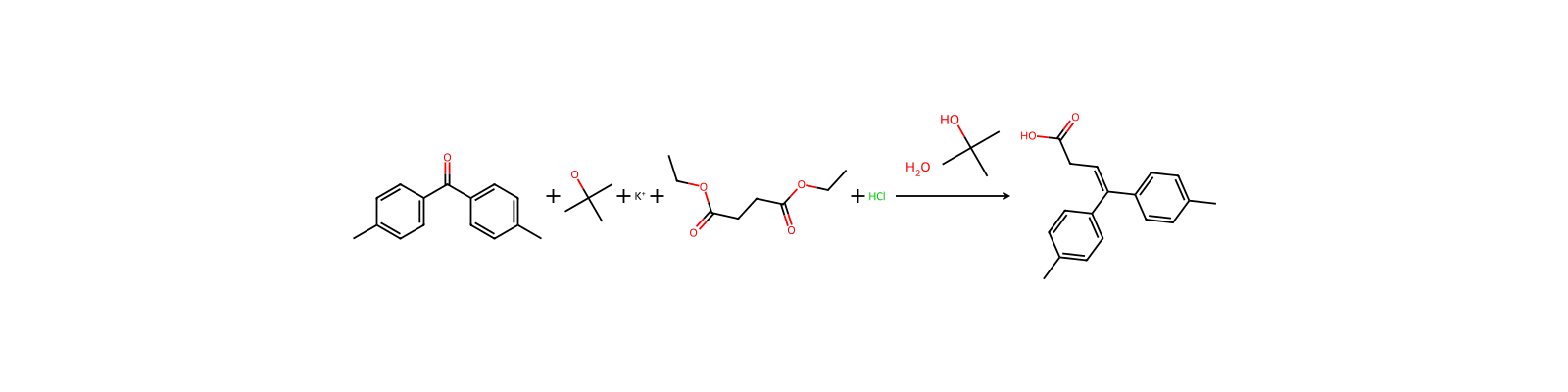
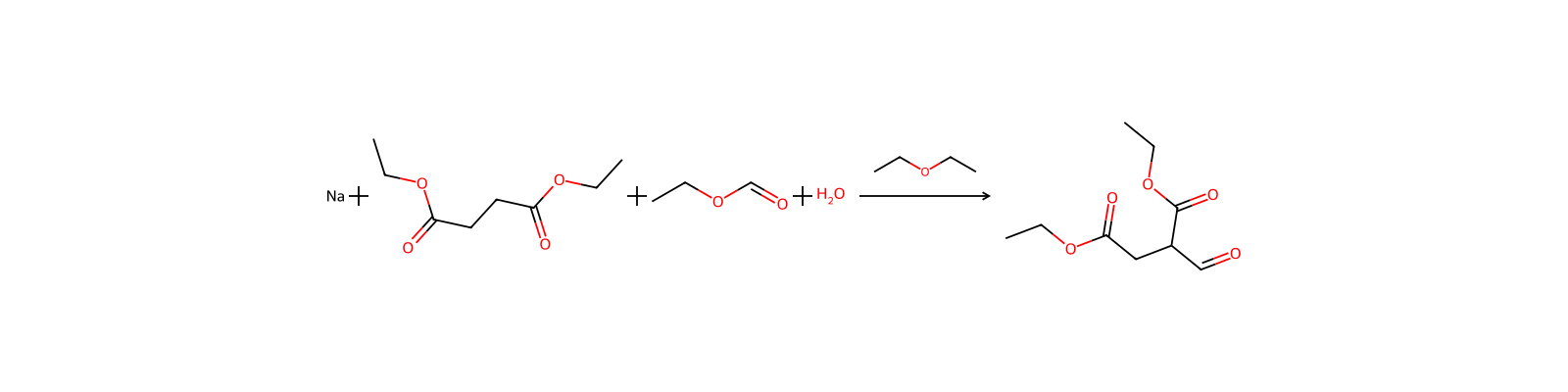
76



Notizen zur Verbindung
Wird geladen…