

Grundinformationen
- Standard-SMILES
O=S1(=O)CCCC1- InChIKey
HXJUTPCZVOIRIF-UHFFFAOYSA-N- Summenformel
- C4H8O2S
- Durchschnittliche Molmasse
- 120,17 g/mol
- Monoisotopische Masse
- 120,0245005
Überblick
Sulfolane is a colorless oily liquid with a weak oily odor. Solidifies (freezing point is 79 °F) and sinks on first contact with water, then mixes with water. (USCG, 1999)
Namen und Bezeichner
- Bevorzugter Name
- Sulfolane
- IUPAC
- thiolane 1,1-dioxide
- Lokaler Name
- Tetrahydrothiophen-1,1-dioxid
- Englischer Name
- Sulfolane
- Summenformel
- C4H8O2S
- Molmasse
- 120.17
Namen und Synonyme
SULFOLANE126-33-0Tetrahydrothiophene 1,1-dioxideTetramethylene sulfoneSulfolan1,1-DioxothiolanSulpholaneThiophene, tetrahydro-, 1,1-dioxidethiolane 1,1-dioxideSulfaloneSulphoxalineDioxothiolan
Weitere Namen anzeigen
foLSulfoloneTETRAHYDROTHIOPHEN-1,1-DIOXIDESULFOLANE-W
Thiophan sulfoneBondelane ABondolane AThiophane dioxideThiacyclopentane dioxideCyclotetramethylene sulfoneTetrahydrothiophene dioxideDihydrobutadiene sulfone
Datenbank-Bezeichner
- CAS
126-33-0、28452-93-9- PubChem CID
- 31347
- DTXSID
DTXSID3027037- ChEMBL
CHEMBL3186899- ChEBI
CHEBI:74794- UNII
- Y5L06AH4G5
- EC Number
- 204-783-1
- Nikkaji
- J3.792.736H
Eigenschaften
Berechnete Struktureigenschaften
- XLogP
- -0,8
- Polarare Oberfläche (TPSA)
- 42,5 Ų
- H-Brücken-Donoren
- 0
- H-Brücken-Akzeptoren
- 2
- Frei drehbare Bindungen
- 0
- Schwere Atome
- 7
- Formalladung
- 0
- Komplexität
- 128
Experimentelle und physikochemische Eigenschaften
Chemical ClassesOther Classes -> Sulfur Compounds
SpringerMaterials PropertiesSchoenflies notation
LogP
log Kow= -0.77
-0.77
OdorOdorless
TasteSlightly bitter taste
Density
1.26 at 86 °F (USCG, 1999) - Denser than water; will sink
1.2606 at 30 °C/4 °C
1.261 @25 °C
Viscosity10.34 centipoises at 30 °C
Color/FormWhite or creamy white, crystalline powder
Solubility
Partially miscible with octanes, olefins, naphthenes; miscible with water, Acetone, toluene at 30 °C
Freely soluble in alcohol, soluble in dilute mineral acids
Flash Point
330 °F (USCG, 1999)
177 °C (350 °F) (OPEN CUP)
Boiling Point
545 °F at 760 mmHg (USCG, 1999)
285 °C
285 °C @760 [mm Hg]
DecompositionWhen heated to decomposition it emits toxic fumes of /sulfur oxide/.
Physikochemische Eigenschaften
- Schmelzpunkt
- 20 · 20-26 °C (lit.)
- Siedepunkt
- 104 °C/0.2 · 104 °C/0.2 mmHg (lit.) 285 °C (lit.)
- Dichte
- 1.261 g/mL · 1.261 g/mL at 25 °C (lit.)
- Dampfdichte
- 4.2 · 4.2 (vs air)
- Dampfdruck
- 0.01 mm · 0.01 mm Hg ( 20 °C)
- Brechungsindex
- 20 · n20/D 1.484(lit.)
- Flammpunkt
- 330 °F · 330 °F
- storage temp.
- 30 °C · Store below +30°C.
- Löslichkeit
- 100 g/l · >=100g/l soluble
- Aggregatzustand
- Liquid After Melting
- Farbe
- Clear yellow
- Wasserlöslichkeit
- soluble
- Spezifische Wärmekapazität
- 1.5 J/ · Cp(liquid): 1.5 J/(g·K), at 25℃
- Merck
- 14 · 14,8955
- BRN
- 107765 · 107765
- Henry's Law Constant
- 2.1 · 2.1×100 mol/(m3Pa) at 25℃, HSDB (2015)
- Dielectric constant
- 44 · 44.0
- Stabilität
- Stable. Combustible. Incompatible with strong oxidizing agents.
- InChI
- 1S/C4H8O2S/c5-7(6)3-1-2-4-7/h1-4H2
- InChIKey
- HXJUTPCZVOIRIF-UHFFFAOYSA-N
- SMILES
- O=S1(=O)CCCC1
- LogP
- 0 at · 0 at 20℃
- Oberflächenspannung
- 47.95 mN/m · 47.95 mN/m at 303.15K
- CAS Datenbank
- 126 · 126-33-0(CAS DataBase Reference)
- NIST chemische Informationen
- 1 · Thiophene, tetrahydro-, 1,1-dioxide(126-33-0)
- EPA chemische Informationen
- Sulfolane (126-33-0)
Sicherheit und Regulatorisches
GHS-Klassifizierung
GHS Classification
Warning
H302: Harmful if swallowed [Warning Acute toxicity, oral]
P264, P270, P301+P317, P330, and P501 (click each P-code to see the statement)
Danger
H302 (100%): Harmful if swallowed [Warning Acute toxicity, oral]
P203, P264, P270, P280, P301+P317, P318, P330, P405, and P501 (click each P-code to see the statement)
Gefahrenhinweise
Regulatory Information
Chemical: Thiophene, tetrahydro-, 1,1-dioxide
Thiophene, tetrahydro-, 1,1-dioxide is listed on the EPA's Chemical Data Reporting (CDR) system. Manufacturers and importers of Thiophene, tetrahydro-, 1,1-dioxide are required to report information about their production and use of this chemical to the EPA under the Toxic Substances Control Act (TSCA). (40 eCFR Part 711)
Status: Active Update: 02-09-2022 https://echa.europa.eu/registration-dossier/-/registered-dossier/13657
Sulpholane: Does not have an individual approval but may be used under an appropriate group standard
DOT LabelClass 9
Fire HazardsSpecial Hazards of Combustion Products: Toxic, irritating gases may be generated in fires. (USCG, 1999)
Fire PotentialCombustible when exposed to heat or flame.
Health HazardsVery mildly irritating to the eyes. (USCG, 1999)
Hazards Summary
Not irritating or sensitizing to rabbit skin; Mildly irritating to rabbit eyes; All rats convulsed during aerosolized exposure in lethal-concentration study; Convulsions observed in sub-chronic inhalation studies of dogs and monkeys and clonic-tonic convulsions noted in rats exposed by oral and parenteral routes; Intraperitoneal injection causes decreased metabolic rate and hypothermia in mice and rats; No evidence of mutagenicity; [HSDB] A mild eye irritant; [Alfa Aesar MSDS]
Reactive GroupSulfonates, Phosphonates, and Thiophosphonates, Organic
Special Reports
USEPA; Chemical Hazard Information Profile Draft Report: Sulfolane (1984). Available data on the hazards of sulfolane is reviewed.
European Chemicals Bureau; IUCLID Dataset, Tetrahydrothiophene 1,1-dioxide (126-33-0) (2000 CD-ROM edition). Available from the database query page: http://ecb.jrc.it/esis/esis.php as of June 27, 2005.
TSCA Requirements
Pursuant to section 8(d) of TSCA, EPA promulgated a model Health and Safety Data Reporting Rule. The section 8(d) model rule requires manufacturers, importers, and processors of listed chemical substances and mixtures to submit to EPA copies and lists of unpublished health and safety studies. Sulfolane is included on this list.
Section 8(a) of TSCA requires manufacturers of this chemical substance to report preliminary assessment information concerned with production, exposure, and use to EPA as cited in the preamble in 51 FR 41329.
Reactivity Profile
Mixing SULFOLANE in equal molar portions with any of the following substances in a closed container caused the temperature and pressure to increase: chlorosulfonic acid and oleum [NFPA 1991]. With nitrating agents (nitronium tetrafluoroborate in sulfolane) very highly exothermic reactions are known to occur [J. Org. Chem., 1978, 43, 4677].
Atmospheric Standards
This action promulgates standards of performance for equipment leaks of Volatile Organic Compounds (VOC) in the Synthetic Organic Chemical Manufacturing Industry (SOCMI). The intended effect of these standards is to require all newly constructed, modified, and reconstructed SOCMI process units to use the best demonstrated system of continuous emission reduction for equipment leaks of VOC, considering costs, non air quality health and environmental impact and energy requirements. Sulfolane is produced, as an intermediate or a final product, by process units covered under this subpart.
Air and Water ReactionsWater soluble.
Sicherheit und Schutzausrüstung
Fire FightingFire Extinguishing Agents: Water, foam, dry chemicals, or carbon dioxide (USCG, 1999)
First AidINGESTION: induce vomiting.
Firefighting HazardsPoisonous gases are produced in fire.
Fire Fighting Procedures
Water or foam may cause frothing.
Wear goggles and self-contained breathing apparatus. Extinguish with water, foam, dry chemical, or carbon dioxide.
Nonfire Spill ResponseExcerpt from ERG Guide 171 [Substances (Low to Moderate Hazard)]:
Disposal Methods
SRP: The most favorable course of action is to use an alternative chemical product with less inherent propensity for occupational exposure or environmental contamination. Recycle any unused portion of the material for its approved use or return it to the manufacturer or supplier. Ultimate disposal of the chemical must consider: the material's impact on air quality; potential migration in soil or water; effects on animal, aquatic, and plant life; and conformance with environmental and public health regulations.
Preventive Measures
SRP: The scientific literature for the use of contact lenses in industry is conflicting. The benefit or detrimental effects of wearing contact lenses depend not only upon the substance, but also on factors including the form of the substance, characteristics and duration of the exposure, the uses of other eye protection equipment, and the hygiene of the lenses. However, there may be individual substances whose irritating or corrosive properties are such that the wearing of contact lenses would be harmful to the eye. In those specific cases, contact lenses should not be worn. In any event, the usual eye protection equipment should be worn even when contact lenses are in place.
Isolation and EvacuationExcerpt from ERG Guide 171 [Substances (Low to Moderate Hazard)]:
Protective Action Criteria (PAC)
8.0 [mg/m3]
88 [mg/m3]
530 [mg/m3]
Personal Protective Equipment (PPE)Goggles or face shield; rubber gloves. (USCG, 1999)
Toxikologische Informationen
Interactions
After oral or parenteral admin to rodents, analeptic effects of sulfolane were nearly additive with those of metrazol. When injected simultaneously with phenobarbital, it decr phenobarbital sleeping time in mice, but incr time when admin 1 hr before.
Rats receiving sulfolane at 240-300 mg/kg, ip, 20 min before irradiation showed 3 times as many bone marrow karyocytes as did control animals after receiving 300-900 rads gamma-irradiation. Mice receiving 120-240 mg/kg showed twice as many as controls.
Ecotoxicity Values
LC50 Carassius auratus (Goldfish, 6.2 +/-0.7 cm, approx 3.3 g) 4800 mg/L/24 hr; static, aerated, dissolved oxygen >/= 4 mg/L, pH 6-8, 20 °C
LC50 Gambusia affinis (Mosquitofish) 1930 mg/L/96 hr /Conditions of bioassay not specified in source examined/
EC50 Selenastrum capricornutum (Algae; growth inhibition) >1000 mg/L/96 hr; static, 24 +/- 1 °C, constant illumination
EC50 Crassostrea gigas (Pacific oyster, embryo; embryo larval test) 460 mg/L/24 hr; static, artificial sea water, dissolved oxygen 6.8-7.1 mg/L, pH 7.9, 25 °C
For more Ecotoxicity Values (Complete) data for SULFOLANE (6 total), please visit the HSDB record page.
Environmental Fate
TERRESTRIAL FATE: Based on a classification scheme(1), Koc values in the range of 4-35 measured in aquifer material from a natural gas plant(2), indicates that sulfolane is expected to have very high mobility in soil(SRC). Volatilization of sulfolane from moist soil surfaces is expected to be an important fate process(SRC) given an estimated Henry's Law constant of 4.8X10⁻⁶ atm-cu m/mole(SRC), using a fragment constant estimation method(3). Sulfolane is not expected to volatilize from dry soil surfaces given a vapor pressure of 0.0062 mm Hg(4). Microcosms constructed of groundwater and sediment obtained from natural gas plants suggest that sulfolane degrades readily under aerobic conditions (half-lives of 2-3 days), but was shown to be recalcitrant under anaerobic conditions(5,6).
AQUATIC FATE: Based on a classification scheme(1), Koc values in the range of 4-35 measured in aquifer material from a natural gas plant(2), indicates that sulfolane is not expected to adsorb to suspended solids and sediment(SRC). Volatilization from water surfaces is expected(3) based upon an estimated Henry's Law constant of 4.8X10⁻⁶ atm-cu m/mole (SRC), developed using a fragment constant estimation method(4). Using this Henry's Law constant and an estimation method(3), volatilization half-lives for a model river and model lake are 6 and 64 days, respectively(SRC). Sulfolane is not expected to undergo hydrolysis in water due to the lack of hydrolyzable functional groups(3). According to a classification scheme(5), BCF values of <13, measured in carp(6) suggest that bioconcentration in aquatic organisms is low(SRC). Sulfolane did not pass the OECD ready biodegradation test(6), suggesting that biodegradation will not be fast. However, aquifer slurries constructed with soil and groundwater from a natural gas plant were shown to be capable of degrading sulfolane under aerobic conditions (half-lives of approximately 2-3 days); no degradation was observed under anaerobic conditions(7,8).
ATMOSPHERIC FATE: According to a model of gas/particle partitioning of semivolatile organic compounds in the atmosphere(1), sulfolane, which has a vapor pressure of 0.0062 mm Hg at 25 °C (2), is expected to exist solely as a vapor in the ambient atmosphere. Vapor-phase sulfolane is degraded in the atmosphere by reaction with photochemically-produced hydroxyl radicals(SRC); the half-life for this reaction in air is estimated to be 29 hours(SRC), calculated from its rate constant of 1.3X10⁻¹¹ cu cm/molecule-sec at 25 °C(SRC) that was derived using a structure estimation method(3).
Adverse EffectsNeurotoxin - Other CNS neurotoxin
Effluent ConcentrationsSulfolane was detected in effluents of advanced waste water treatment plants in Orange county, CA(1). Sulfolane was detected in landfill leachate from municipal waste in Japan at 1200 ug/L(2).
Soil Adsorption/Mobility
Sulfolane exhibited very high mobility in batch adsorption experiments using aquifer material from 3 natural gas plants in Canada(1). In each experiment, the soil adsorption isotherms were linear and the soil adsorption coefficient (Kd) of sulfolane was very low (Kd < 1). The corresponding Koc values in these low organic (0.2-0.9% organic carbon) materials were in the range of 4-35. The Koc value of sulfolane using a humus rich soil (pH = 6.9, 3.6% organic carbon) was 3(1). According to a classification scheme(2), this range of Koc values suggests that sulfolane is expected to have very high mobility in soil(SRC).
TSCA Test Submissions
The mutagenicity of sulfolane was evaluated in Salmonella tester strains TA1535, TA1537, TA1538, TA98 and TA100 (Ames Test), Escherichia coli tester strains WP2 and WP2 urvA, and in Saccharomyces cerevisiae tester strain JD1 with and without Aroclor-induced rat liver S9 metabolic activation. Bacterial cultures were tested at concentrations up to 4000 ug/plate using the plate incorporation technique. Yeast liquid suspension cultures were tested at concentrations up to 5.0 mg/mL. Sulfolane did not produce a positive response in any of the bacterial strains with or without metabolic activation. Sulfolane did not produce a consistent increase in the rate of mitotic gene conversion in Saccharomyces with or without metabolic activation.
The ability of sulfolane to cause chromosome aberrations in cultures of rat liver (RL4) cells was evaluated in the absence of added metabolic activation. Monolayer slide cultures of RL4 cells were exposed to 0, the test material at 250, 500 or 1000 ug/mL for 24 hrs and 100 cells/culture were scored for chromosome aberrations. None of the cultures produced frequencies of chromosome aberrations statistically greater than those produced by the controls (sterile distilled water vehicle).
Artificial Pollution Sources
Sulfolane's use as a solvent for the extraction of benzene, toluene, and xylene from mixtures with aliphatic hydrocarbons and its use in the extraction of acidic components, eg, hydrogen sulfide, carbon dioxide, carbonyl sulfide, carbon dioxide and mercaptans, from sour gas streams(1), may result in its release to the environment through various waste streams(SRC).
Environmental Biodegradation
AEROBIC: In a 5-day standard BOD test using acclimated or unacclimated sewage as microbial inoculum, no biodegradation of sulfolane was observed(1,2). Sulfolane, present at 100 mg/L, reached 10.1% of its theoretical BOD in 2 weeks using an activated sludge inoculum at 30 mg/L and the Japanese MITI test(3). On the other hand, more than 99% of sulfolane at an initial concn of 100 mg/L biodegraded by activated sludge cultures in 1 day in a batch die-away test(4). In a bench scale aerated lagoon reactor, more than 90% degradation of sulfolane occured at an initial concn 20-80 mg/L biodegraded at hydraulic retention time of 2-2.4 days(4). Inorganic sulfate has been identified as the biodegradation product of sulfolane(4). Aquifer slurries using sediment and groundwater from a sour natural gas plant were shown to be capable of degrading sulfolane at 26 and 8 °C under aerobic conditions(5). Following a 10 day acclimation period, sulfolane added at 20 mg/L to aquifer slurries degraded with half-lives of approximately 2-3 days at 26 °C depending upon whether nitrogen and phosphorous containing nutrients were added(5). At 8 degrees C, sulfolane degradation proceeded at a slower rate, particularly in the absence of nutrients; however, complete degradation was observed within 20 days(5).
ANAEROBIC: Under anaerobic conditions, little or no sulfolane degradation was observed at both 8 and 26 degrees C using aquifer sediments from sour natural gas plants(1).
Environmental Bioconcentration
BCFs of <1.3 and <13 were measured for sulfolane at concentrations of 2.5 mg/L and 0.25 mg/L, respectively, using carp which were exposed over a 6-week period(1). According to a classification scheme(2), these BCF data suggest that bioconcentration in aquatic organisms is low(SRC).
Volatilization from Water/Soil
The Henry's Law constant for sulfolane is estimated as 4.8X10⁻⁶ atm-cu m/mole(SRC) using a fragment constant estimation method(1). This Henry's Law constant indicates that sulfolane is expected to volatilize from water surfaces(2). Based on this Henry's Law constant, the volatilization half-life from a model river (1 m deep, flowing 1 m/sec, wind velocity of 3 m/sec)(2) is estimated as 6 days(SRC). The volatilization half-life from a model lake (1 m deep, flowing 0.05 m/sec, wind velocity of 0.5 m/sec)(2) is estimated as 64 days(SRC). Sulfolane's Henry's Law constant indicates that volatilization from moist soil surfaces may occur(SRC). Sulfolane is not expected to volatilize from dry soil surfaces(SRC) based upon a vapor pressure 0.0062 mm Hg(3).
Non-Human Toxicity Excerpts
/LABORATORY ANIMALS: Acute Exposure/ Death, apparently from anoxia, occurred within 24 hr of oral administration of sulfolane to mice. When applied to skin of rats at 3.8 g/kg for 24 hr under an impermeable cover, it produced no systemic effects. It did not irritate or sensitize skin of rabbits.
/LABORATORY ANIMALS: Acute Exposure/ The mean survival time of rats exposed to 11,000 mg of aerosolized sulfolane/cu m was 19.4 hr and all rats convulsed during exposure. Concentration expected to yield mean survival time of 24 hr was 4700 mg/cu m.
/LABORATORY ANIMALS: Acute Exposure/ After <24 hr of exposure, leukopenia and convulsions were observed in rats (3600 mg/cu m) or squirrel monkeys (Saimiri sciureus) (4850 mg/cu m).
/LABORATORY ANIMALS: Acute Exposure/ ...Tested full strength on rabbit eyes was only mildly irritating, producing conjunctival reaction which lasted only a few hours, and no injury of the cornea.
For more Non-Human Toxicity Excerpts (Complete) data for SULFOLANE (18 total), please visit the HSDB record page.
Regulatorische Informationen
TSCA Requirements
Pursuant to section 8(d) of TSCA, EPA promulgated a model Health and Safety Data Reporting Rule. The section 8(d) model rule requires manufacturers, importers, and processors of listed chemical substances and mixtures to submit to EPA copies and lists of unpublished health and safety studies. Sulfolane is included on this list.
Section 8(a) of TSCA requires manufacturers of this chemical substance to report preliminary assessment information concerned with production, exposure, and use to EPA as cited in the preamble in 51 FR 41329.
Atmospheric Standards
This action promulgates standards of performance for equipment leaks of Volatile Organic Compounds (VOC) in the Synthetic Organic Chemical Manufacturing Industry (SOCMI). The intended effect of these standards is to require all newly constructed, modified, and reconstructed SOCMI process units to use the best demonstrated system of continuous emission reduction for equipment leaks of VOC, considering costs, non air quality health and environmental impact and energy requirements. Sulfolane is produced, as an intermediate or a final product, by process units covered under this subpart.
Sicherheitsdaten
- wgk
- 1
- tsca
- TSCA listed
- hs_code
- 29349990
- RTECS-Nr.
- XN0700000
- risk_code
- 22
- Toxizität
- LD50 orally in rats: 1.54 ml/kg (Smyth)
- hazard_code
- Xn
- safety_code
- 23-25
- Speicherklasse
- 6.1C - Combustible acute toxic Cat.3toxic compounds or compounds which causing chronic effects
- Giftige Stoffe Daten
- 126-33-0(Hazardous Substances Data)
- Hazard Classifications
- Acute Tox. 4 OralRepr. 1B
Chemie und Industrie
Pharmakologische Informationen
Biological Half-LifePlasma half-life is between 3 1/2-5 hours.
Metabolism/MetabolitesWhen administered intraperitoneally, sulfolane is excreted both unchanged and as 3-hydroxysulfolane.
MeSH Pharmacological Classification
Substances that act in the brain stem or spinal cord to produce tonic or clonic convulsions, often by removing normal inhibitory tone. They were formerly used to stimulate respiration or as antidotes to barbiturate overdose. They are now most commonly used as experimental tools.
Drugs used to protect against ionizing radiation. They are usually of interest for use in radiation therapy but have been considered for other purposes, e.g. military.
Absorption, Distribution and Excretion
Absorbed rapidly and completely by the gastrointestinal tract. Passed easily through the blood-brain barrier. ...Urine and fecal elimination /times/ were 36.5 and 59 hours respectively. ...Sulfolane is rapidly absorbed by the blood and excreted in urine. ...Excreted mainly as 3-hydroxysulfolane, with some unchanged sulfolane, the percentage of the latter increasing with increasing oral doses.
When administered intraperitoneally, sulfolane is excreted both unchanged and as 3-hydroxysulfolane.
Verwendung und Herstellung
Uses
Used as a solvent (aromatics extraction and polymerization), plasticizer, curing agent (epoxy resins) and therapeutic (antibacterial, convulsant, and radiation-protective agent); Also used for acid gas purification, fractionation (wood tars, tall oil, and other fatty acids), and textile finishing; [HSDB] Used in electronic applications, pharmaceutical manufacturing (solvent), jet printing inks (solvent), and medicines (believed to exist only in patent literature); [SIDS UNEP]
Semiconductor Manufacturing [Category: Industry]
Selective solvent for liquid-vapor extractions.
Solvent for aromatics extraction; for acid gas purification.
Extraction of aromatic hydrocarbons from oil refinery streams; polymerization solvent; plasticizer.
Fractionation of wood tars, tall oil, and other fatty acids; component of hydraulic fluid; textile finishing.
U.S. Exports(1972) NEGLIGIBLE
U.S. Imports(1972) NEGLIGIBLE
U.S. Production
2023: 1,000,000 - <5,000,000 lb
Thiophene, tetrahydro-, 1,1-dioxide is listed as a High Production Volume (HPV) chemical (65FR81686). Chemicals listed as HPV were produced in or imported into the U.S. in >1 million pounds in 1990 and/or 1994. The HPV list is based on the 1990 Inventory Update Rule. (IUR) (40 CFR part 710 subpart B; 51FR21438).
(1986) >1 million - 10 million pounds
(1990) >1 million - 10 million pounds
(1994) >1 million - 10 million pounds
For more U.S. Production (Complete) data for SULFOLANE (7 total), please visit the HSDB record page.
Consumer UsesSolvent
Industry UsesOther
Methods of Manufacturing
Prepared by catalytic hydrogenation of sulfolene oxides: Mahan, Fauske, US 2578565 (1951 to Phillips Petroleum).
... From butadiene and sulfur dioxide ... Evans, Morris, US 2360859 (1944 to Shell).
Sulfolane ... is made by reacting sulfur dioxide and butadiene to form sulfolene, which is then hydrogenated to give sulfolane
Formulations/Preparations
Commercially available as anhydrous sulfolane and as sulfolane containing 3% wt deionized water
Grade: Technical
Sulfolane-W (97% 1,1-tetrahydrothiophenedioxide and 3% water)
General Manufacturing Information
Petrochemical Manufacturing
Thiophene, tetrahydro-, 1,1-dioxide: ACTIVE
Anwendungen
VerwendenSulfolane is used in lithium-ion batteries.
Vor- und nachgelagerte Produkte
Vorgelagerte Rohstoffe
Nachgelagerte Produkte
Anbieter50 Anbieter
国药集团化学试剂有限公司86-21-63210123 · [email protected]
梯希爱(上海)化成工业发展有限公司021-67121386 · [email protected]
衢州润东化工有限公司0570-8789886 18892685668 · [email protected]
山东旭晨化工科技有限公司0533-15715337262 15715337262 · [email protected]
上海阿拉丁生化科技股份有限公司400-6206333 13167063860 · [email protected]
济南宏嘉化工有限公司15253128188; 15253128188
淄博丽硕化工贸易有限公司13853320569
韶远科技(上海)有限公司021-50795510 4000665055 · [email protected]
Syntechem Co.,Ltd[email protected]
上海迈瑞尔生化科技有限公司4006356688 18621169109 · [email protected]
阿法埃莎(中国)化学有限公司400-6106006 · [email protected]
安耐吉化学&3A(安徽泽升科技股份有限公司)400-0056266 · [email protected]
北京绿百草科技发展有限公司010-61136123 · [email protected]
上海瀚鸿科技股份有限公司021-54306202 13764082696 · [email protected]
上海景颜化工科技有限公司13817811078 · [email protected]
嘉兴市艾森化工有限公司0573-85285100 18627885956 · [email protected]
池州捷峰生物科技有限公司0566-8928158 · [email protected]
郑州药领医药科技有限公司13526569071 · [email protected]
合肥天健化工有限公司551-65418679 15856988503;15837135945 · [email protected]
武汉丰泰威远科技有限公司027-87465837 19945049750 · [email protected]
山东西亚化学有限公司13355009207 13355009207 · [email protected]
玛雅试剂+86 (573) 82222445 (0)18006601000 452520369 · [email protected]
四川库利南科技有限公司400-1166-196 18981987031 · [email protected]
天津希恩思生化科技有限公司400 638 7771 · [email protected]
斯百全化学(上海)有限公司021-021-021-67601398-809-809-809 15221380277 · [email protected]
艾科试剂4008-755-333 18080918076 · [email protected]
上海思域化工科技有限公司86-21-34053660 · [email protected]
赛默飞世尔科技(中国)有限公司800-810-5118 · [email protected]
北京伊诺凯科技有限公司400-810-7969 010-59572699 · [email protected]
江苏艾康生物医药研发有限公司025-66113011 13913916777 · [email protected]
上海健超生物科技有限公司150-2103-5486 18017383231 · [email protected]
TOKYO CHEMICAL INDUSTRY CO., LTD.03-36680489 · [email protected]
深圳振强药物研发有限公司0755-66853366 13670046396 · [email protected]
北京环宇世纪化学科技有限公司hysj_bj.com
上海将来实业股份有限公司021-61552785 · [email protected]
安徽科迪达化工有限公司0554-2106669 · [email protected]
HBCChem, Inc.+1-510-219-6317 · [email protected]
日照力德士化工有限公司010-51268198 · [email protected]
美岚实业(上海)有限公司021-58958189 · [email protected]
上海爱蝶实业有限公司021-58957966 18930537195 · [email protected]
成都零六生物科技有限公司400-1166-196 13458535857 · [email protected]
广拓化学(上海)有限公司021-60899189-8001 18918189673 · [email protected]
上海馨远医药科技有限公司021-24206007 13764915196 · [email protected]
上海御略医药科技有限公司021-60345187 13671753212 · [email protected]
济南翱翔化工有限公司18354135979 · [email protected]
上海麦克林生化科技股份有限公司15221275939 15221275939 · [email protected]
杭州杰恒化工有限公司0571-87396432 · [email protected]
上海嵩爰化工科技有限公司010-1234567 18521000990 · [email protected]
上海有朋化工有限公司021-69005955 13701776567 · [email protected]
北京海力扬化学科技有限公司13718199399 · [email protected]
Zugehörige Reaktionen
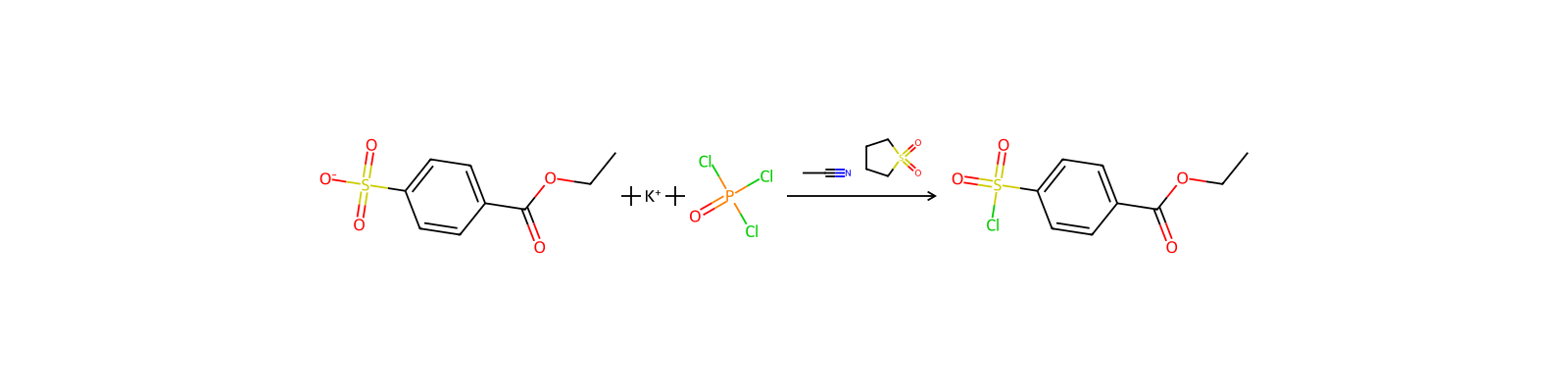
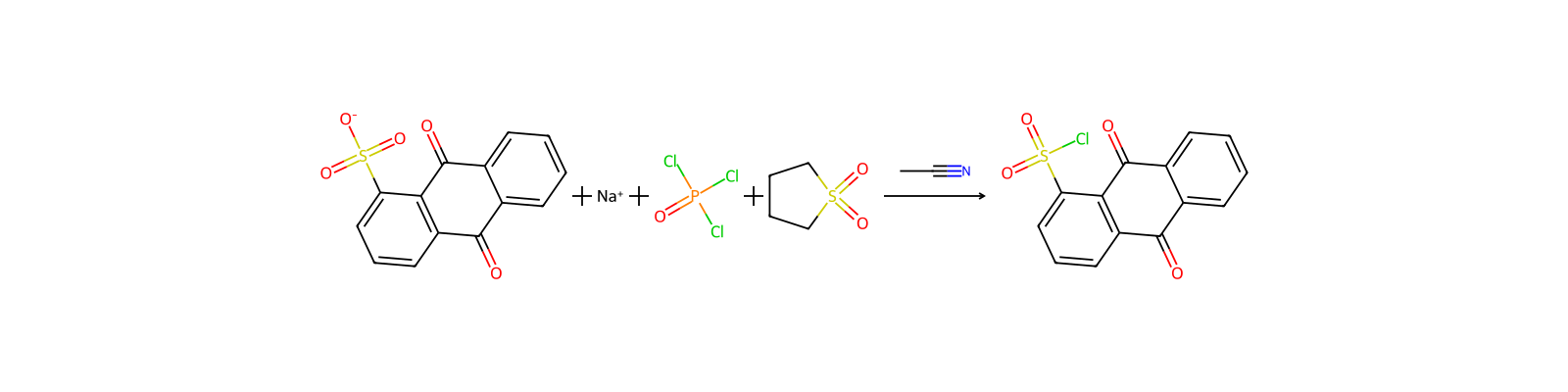
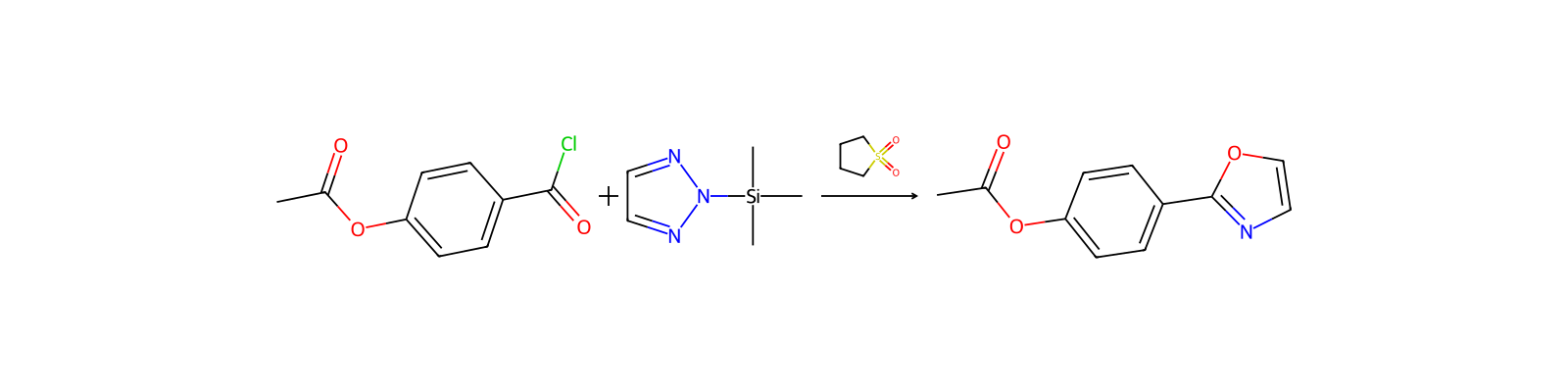
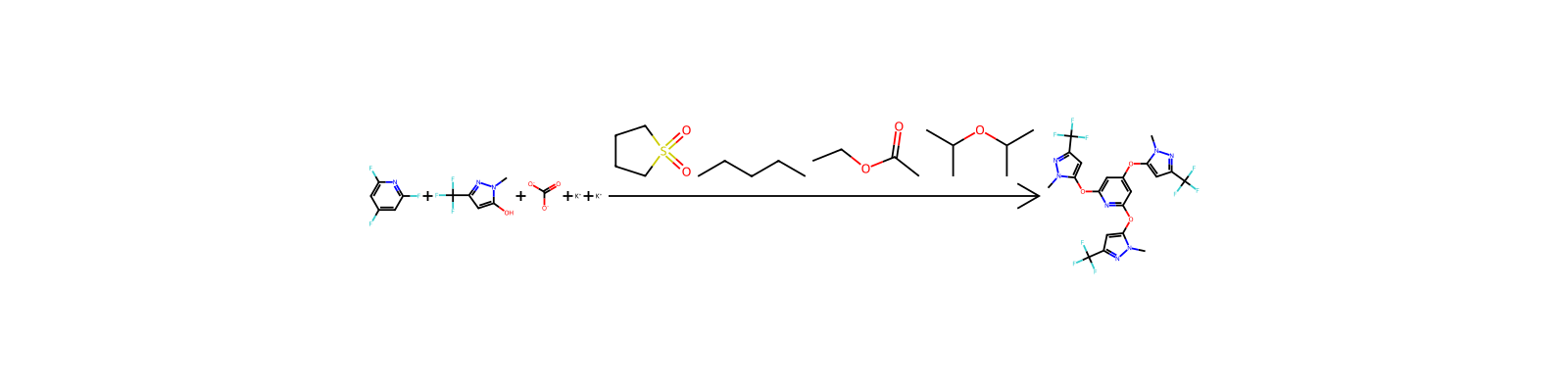
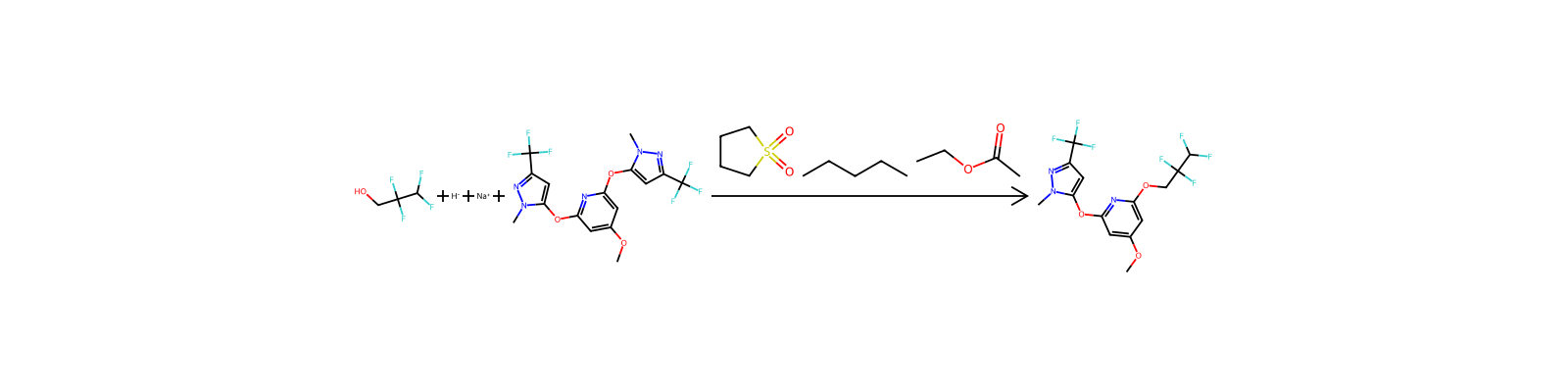
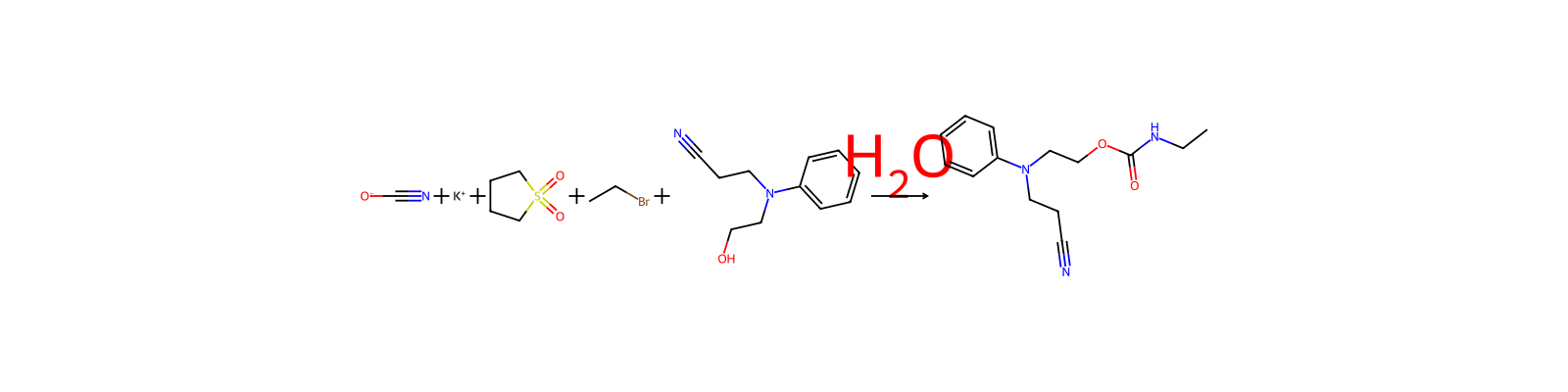
846

Verknüpfte Notizen
Wird geladen…