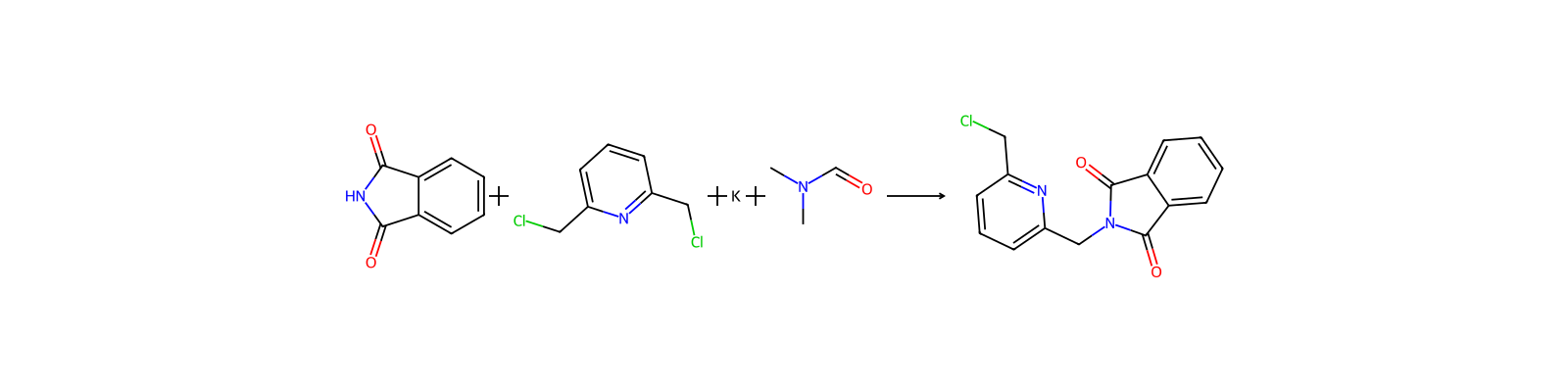
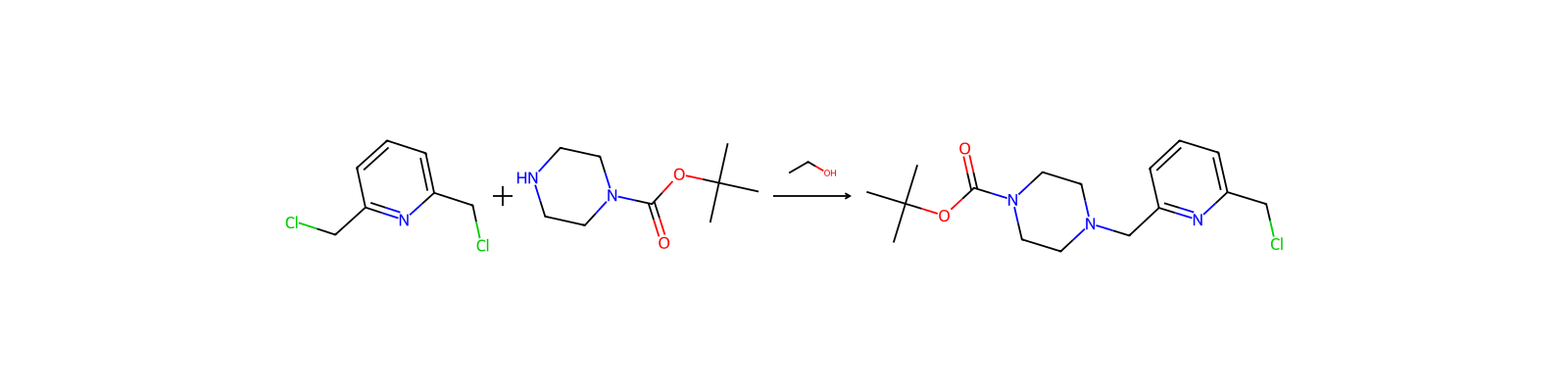
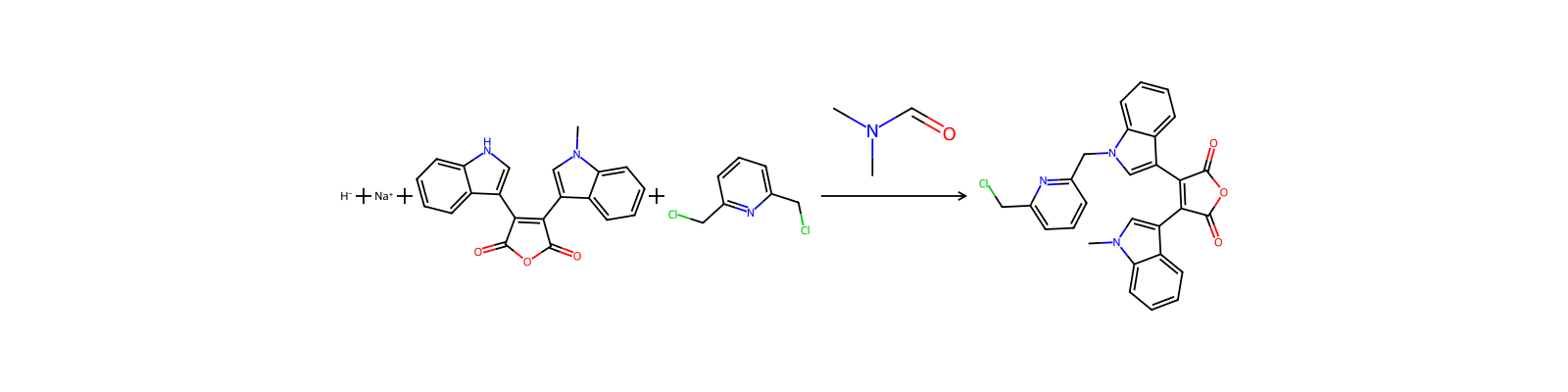
HRID 297807als Edukt
Daten werden ergänzt – lade die Seite später neu, um den aktuellen Stand zu sehen
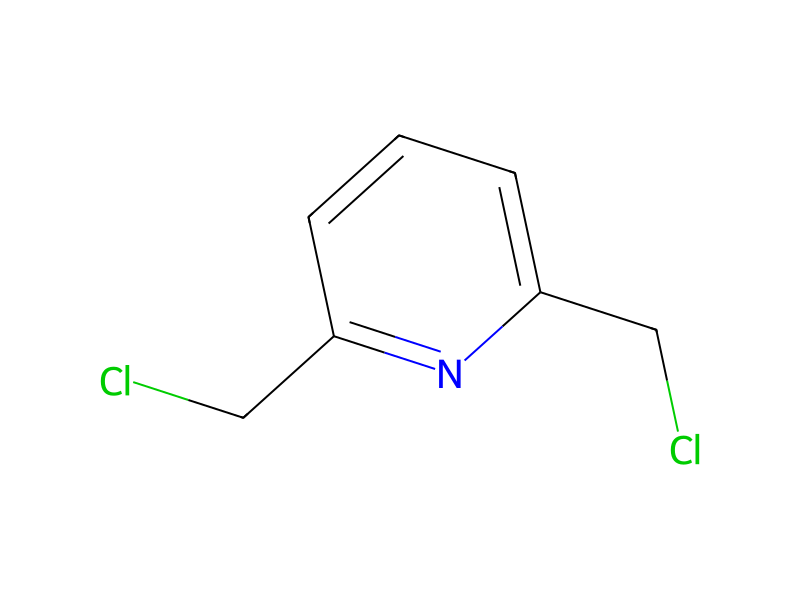
3099-28-3ClCc1cccc(CCl)n1IWQNFYRJSVJWQA-UHFFFAOYSA-Nstructure in first source
3099-28-3DTXSID30311712Sicherheitsangaben dienen nur zur Orientierung und ersetzen weder das Sicherheitsdatenblatt (SDB) des Lieferanten noch geltende Vorschriften oder eine fachliche Bewertung.
Danger
H302 (97.6%): Harmful if swallowed [Warning Acute toxicity, oral]
P261, P264, P264+P265, P270, P271, P280, P301+P317, P302+P352, P304+P340, P305+P354+P338, P317, P319, P321, P330, P332+P317, P362+P364, P403+P233, P405, and P501 (click each P-code to see the statement)
Aggregated GHS information provided per 42 reports by companies from 4 notifications to the ECHA C&L Inventory. Each notification may be associated with multiple companies.
Verwenden2,6-Bis(chloromethyl)pyridine may be used in the following studies:Synthesis of a sensitive fluorescent chemosensor for Hg2+, composed of two aminonaphthalimide fluorophores and a receptor of 2,6-bis(aminomethyl)pyridine.Preparation of carbene pincer ligands, required for the preparation of palladium pincer carbene complex.Synthesis of 2-(di-tert-butylphosphinomethyl)-6-diethylaminomethyl)pyridine, PNN ligand.