
4-Hydroxyzimtsure
4-Coumaric acid

Grundinformationen
- CAS
7400-08-0- Standard-SMILES
O=C(O)C=Cc1ccc(O)cc1- InChIKey
NGSWKAQJJWESNS-UHFFFAOYSA-N- Summenformel
- C9H8O3
- Durchschnittliche Molmasse
- 164,16 g/mol
- Monoisotopische Masse
- 164,04734411
Überblick
NGSWKAQJJWESNS-UHFFFAOYSA-N has been reported in Camellia sinensis, Camellia reticulata, and other organisms with data available.
Namen und Bezeichner
- Bevorzugter Name
- 4-Coumaric acid
- IUPAC
- 3-(4-hydroxyphenyl)prop-2-enoic acid
- Lokaler Name
- 4-Hydroxyzimtsure
- Englischer Name
- 4-Hydroxycinnamic acid
- Summenformel
- C9H8O3
- Molmasse
- 164.16
Namen und Synonyme
DTXSID6064660CHEBI:360903-(4-hydroxyphenyl)prop-2-enoic acidRefChem:1070546DTXCID10476054-Coumaric acidp-Hydroxycinnamic acidp-Hydroxy-cinnamic acid7400-08-04-trans-4-Hydroxycinnamic acidparahydroxycinnamic acidp-hydroxy cinnamic acid
Weitere Namen anzeigen
4-Hydroxycinnamic acidTRANS-P-COUMARIC ACIDTRANS-4-COUMARIC ACIDP-CUMARIC ACIDPHCA3-(4-HYDROXYPHENYL)ACRYLIC ACID3-(4-Hydroxyphenyl)-2-propenoic acidpara-Coumaric acidTRANS-P-CUMARIC ACID
SODIUM2,4-PENTANEDIONATEAlkaline ceramidase2-Propenoic acid, 3-(4-hydroxyphenyl)-, (2Z)-4hydroxycinnamic acidDehydroepiandrosterone-[D6] (CertiMass solution)4- hydroxycinnamic acid4-hy droxycinnamic acid4-hydroxy-cinnamic acid
Datenbank-Bezeichner
- CAS
7400-08-0
Eigenschaften
Berechnete Struktureigenschaften
- XLogP
- 1,5
- Polarare Oberfläche (TPSA)
- 57,5 Ų
- H-Brücken-Donoren
- 2
- H-Brücken-Akzeptoren
- 3
- Frei drehbare Bindungen
- 2
- Schwere Atome
- 12
- Formalladung
- 0
- Komplexität
- 178
Experimentelle und physikochemische Eigenschaften
CosmeticsSkin conditioning
Physikochemische Eigenschaften
- Schmelzpunkt
- 214 °C · 214 °C (dec.)(lit.)
- Siedepunkt
- 251.61 °C · 251.61°C (rough estimate)
- Dichte
- 1.2132 · 1.2132 (rough estimate)
- Brechungsindex
- 1.538 · 1.5380 (estimate)
- storage temp.
- 30 °C · Store below +30°C.
- Löslichkeit
- Acetone (Slightly), Chloroform (Slightly), Methanol (Slightly)
- Aggregatzustand
- Solid
- pka
- 4.65 · 4.65±0.10(Predicted)
- Farbe
- White to Off-White
- Biologische Quelle
- rabbit
- Stabilität
- Light Sensitive
- Kosmetik-Inhaltsstoffe Funktionen
- SKIN CONDITIONING
Sicherheit und Regulatorisches
Sicherheitsangaben dienen nur zur Orientierung und ersetzen weder das Sicherheitsdatenblatt (SDB) des Lieferanten noch geltende Vorschriften oder eine fachliche Bewertung.
GHS-Klassifizierung
GHS Classification
Danger
H301+H311 (63.6%): Toxic if swallowed or in contact with skin [Danger Acute toxicity, oral; acute toxicity, dermal]
P260, P261, P262, P264, P264+P265, P270, P271, P272, P280, P301+P316, P301+P330+P331, P302+P352, P302+P361+P354, P304+P340, P305+P351+P338, P305+P354+P338, P316, P317, P319, P321, P330, P332+P317, P333+P317, P337+P317, P361+P364, P362+P364, P363, P403+P233, P405, and P501 (click each P-code to see the statement)
Aggregated GHS information provided per 44 reports by companies from 7 notifications to the ECHA C&L Inventory. Each notification may be associated with multiple companies.
Gefahrenhinweise
Regulatory Information
REACH registered substance: 4-hydroxycinnamic acid (EC: 231-000-0)
4-Hydroxycinnamic acid: Does not have an individual approval but may be used under an appropriate group standard
Hazard Classes and CategoriesAcute Tox. 3 (68.2%)
Sicherheitsdaten
- wgk
- 2
- tsca
- TSCA listed
- hs_code
- 2918 29 00
- RTECS-Nr.
- GD9095000
- risk_code
- 36/37/38
- hazard_code
- Xi
- safety_code
- 26-36-36/37/39-22
- Speicherklasse
- 11 - Combustible Solids
- Hazard Classifications
- Eye Irrit. 2Skin Irrit. 2STOT SE 3
Chemie und Industrie
Verwendung und Herstellung
Use ClassificationCosmetics -> Skin conditioning
General Manufacturing Information2-Propenoic acid, 3-(4-hydroxyphenyl)-: ACTIVE
Anwendungen
Verwenden4-Hydroxycinnamic acid is the hydroxy derivative of Cinnamic Acid with antioxidant properties. It is a is a major component of lignocellulose. Studies suggest that 4-Hydroxycinnamic acid may reduce the risk of cancer by reducing the formation of carcinogenic nitrosamines. A recent study reports that 4-Hydroxycinnamic acid may act as a chemical castrator in bees by altering the epression of genes required for ovary development. This compound is common in pollen a major constituent of the worker bee diet, but it is not found in queen bees'royal jelly.
Vor- und nachgelagerte Produkte
Vorgelagerte Rohstoffe
Nachgelagerte Produkte
Zugehörige Reaktionen
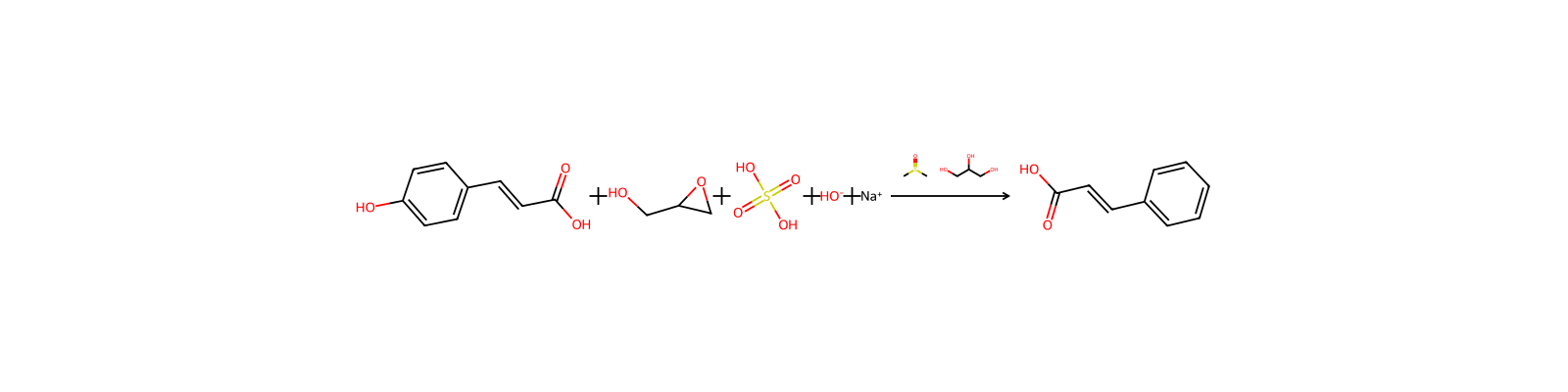
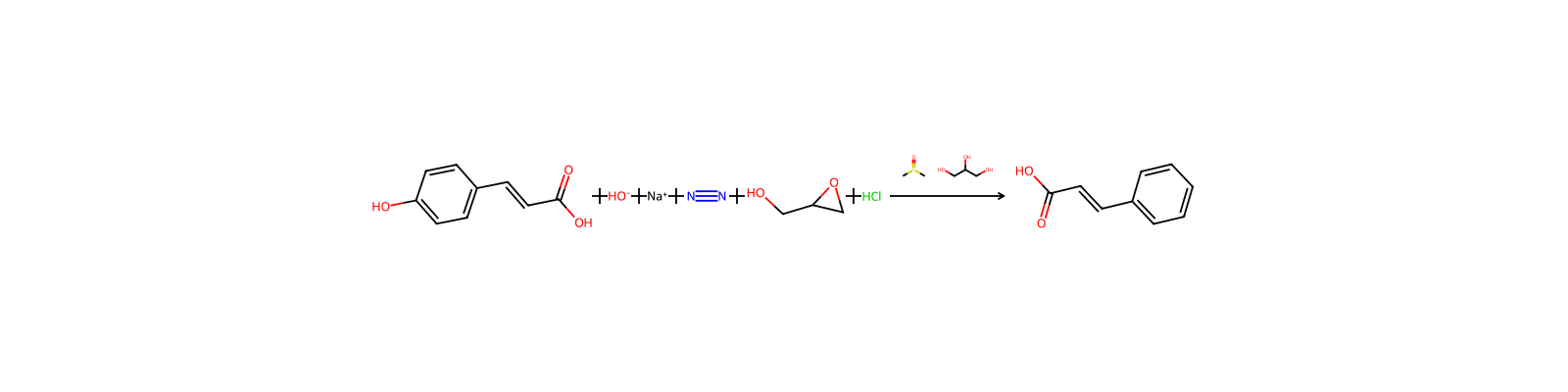
66




Notizen zur Verbindung
Wird geladen…