StartseiteMCPWorkbenchSkills
StartseiteWorkbenchBenachrichtigungenMein Bereich
llms.txt · MCP-AnleitungDatenschutz · Nutzungsbedingungen · Supportv1.8.0
  1. Startseite
  2. /Verbindung

Diethylether

Diethyl Ether

HCID 3283
Neue NotizNeue ReaktionAnfrage stellen
Druckvorschau
GrundinformationenÜberblickNamen und BezeichnerEigenschaftenSicherheit und RegulatorischesChemie und IndustrieZugehörige ReaktionenNotizen zur Verbindung
TeilstruktursucheÄhnliche Strukturen suchen

Grundinformationen

CAS
60-29-7
Standard-SMILES
CCOCC
InChIKey
RTZKZFJDLAIYFH-UHFFFAOYSA-N
Summenformel
C4H10O
Durchschnittliche Molmasse
74,12 g/mol
Monoisotopische Masse
74,07316494

Überblick

Diethyl ether appears as a clear colorless liquid with an anesthetic odor. Flash point -49 °F. Less dense than water and slightly soluble in water. Hence floats on water. Vapors are heavier than air. Used as a solvent and to make other chemicals.

Namen und Bezeichner

Bevorzugter Name
Diethyl Ether
IUPAC
ethoxyethane
Lokaler Name
Diethylether
Englischer Name
Diethyl ether
Summenformel
C4H10O
Molmasse
74.12

Namen und Synonyme

DIETHYL ETHERetherEthoxyethaneEthyl etherEthyl oxide60-29-7PronarcolDiethyl oxideAetherAnesthetic etherAnaesthetic etherSolvent ether
Weitere Namen anzeigen
Anhydrous diethyl etherAnhydrous ether(C2H5)2O1-EthoxyethaneETHYL ETHER pureALCOHOL - ETHER
3-OxapentaneEther, ethylDiaethylaetherDwuetylowy eterEtere etilicoEther ethyliqueAnesthesia etherOxyde d'ethyle

Datenbank-Bezeichner

CAS
60-29-7
PubChem CID
3283
DTXSID
DTXSID3021720
ChEMBL
CHEMBL16264
ChEBI
CHEBI:35702
UNII
0F5N573A2Y
EC Number
200-467-2
Nikkaji
J1.925I

Eigenschaften

Berechnete Struktureigenschaften

XLogP
0,9
Polarare Oberfläche (TPSA)
9,2 Ų
H-Brücken-Donoren
0
H-Brücken-Akzeptoren
1
Frei drehbare Bindungen
2
Schwere Atome
5
Formalladung
0
Komplexität
11,1

Experimentelle und physikochemische Eigenschaften

Chemical Classes · 2 Einträge

Flammable agents - 4th degree

Volatile Organic Compound (VOC)

DrugsPharmaceuticals
SolventsSolvents -> Ethers (<C12)
SpringerMaterials PropertiesCoriolis coupling
PesticidesPesticide -> EPA IRIS
LogP · 3 Einträge

log Kow= 0.89

0.89 (calculated)

0.89

Odor · 2 Einträge

Sweetish, pungent odor

Ethereal odor

TasteBurning and sweet taste
Density · 6 Einträge

0.714 at 68 °F (USCG, 1999) - Less dense than water; will float

0.7134 at 20 °C/4 °C

Density (at 20 °C): 0.7 g/cm³

Relative density of the vapour/air-mixture at 20 °C (air = 1): 1.9

0.71

0.7138 @ 20°C

Sicherheit und Regulatorisches

Sicherheitsangaben dienen nur zur Orientierung und ersetzen weder das Sicherheitsdatenblatt (SDB) des Lieferanten noch geltende Vorschriften oder eine fachliche Bewertung.

GHS-Klassifizierung

GHS Classification · 6 Einträge

Danger

H224: Extremely flammable liquid and vapor [Danger Flammable liquids]

P210, P233, P240, P241, P242, P243, P261, P264, P270, P271, P280, P301+P317, P303+P361+P353, P304+P340, P319, P330, P370+P378, P403+P233, P403+P235, P405, and P501 (click each P-code to see the statement)

This chemical does not meet GHS hazard criteria for 1.9% (12 of 636) of reports.

Danger

H224 (98%): Extremely flammable liquid and vapor [Danger Flammable liquids]

Gefahrenhinweise

Regulatory Information · 6 Einträge

Chemical: Ethane, 1,1'-oxybis-

List II Chemical: A chemical, other than a List I chemical, specified by regulation that, in addition to legitimate uses, is used in manufacturing a controlled substance in violation of the Act. (21 eCFR 1310.02)

Ethane, 1,1'-oxybis- is listed on the EPA's Chemical Data Reporting (CDR) system. Manufacturers and importers of Ethane, 1,1'-oxybis- are required to report information about their production and use of this chemical to the EPA under the Toxic Substances Control Act (TSCA). (40 eCFR Part 711)

REACH registered substance: Diethyl ether (EC: 200-467-2)

Diethyl ether: HSNO Approval: HSR001124 Approved with controls

The New Jersey Worker and Community Right to Know Act requires public and private employers to provide information about hazardous substances at their workplaces. (N.J.S.A. 34:5A-1 et. seq.)

DOT LabelFlammable Liquid
Fire Hazards · 4 Einträge

Behavior in Fire: Vapor is heavier than air and may travel considerable distance to a source of ignition and flash back. Decomposes violently when heated. (USCG, 1999)

· HIGHLY FLAMMABLE: Will be easily ignited by heat, sparks or flames.

· HIGHLY FLAMMABLE: Will be easily ignited by heat, sparks or flames.

Chemie und Industrie

Pharmakologische Informationen

ATC Code · 2 Einträge

N - Nervous system

QN - Nervous system

Mechanism of Action · 5 Einträge

The mechanism of action by which .... ethyl ether produce/s/ reversible loss of consciousness is still unclear. Anesthesia can be produced by a wide variety of chemical agents, ranging from inert rare gases to steriodal molecules. This apparent lack of specificity, together with the observation that general anesthesia can be reversed by high pressure, poses a unique pharmacological problem. Most theories concern interaction of anesthetics with either membrane lipids or hydrophobic regions of specificic membrane-bound proteins. One hypothesis is that the anesthetic changes the function of an ion channel protein by modifying the conformation of the protein. Some investigators suggest that the GABA receptor may be the ion channel protein that is affected by inhalation of anesthetic agents... The most appropriate concept for the mechanism of general anesthesia /may be/ a the heterogenous site of anesthetic action, including both lipid and protein membrane components linked with neuronal function.

In chronically catheterized rats, diethyl ether increased plasma adrenaline and noradrenaline concentrations indicating that this drug stimulates both neurosympathetic and adrenomedullary functions. These effects appear to be centrally mediated, since ganglionic blockade or spinal transection completely counteracted the diethyl ether induced increases in plasma calcium levels.

Hippocampal EEG signals derived from chronically implanted electrodes in the freely moving rat were recorded before and after administration of centrally acting drugs, and analyzed by power and coherence spectra. Diethyl ether induced a low frequency (3-6 c/s) theta power and coherence peak in the immobile rat, which was sensitive to atropine or scopolamine. The residue spectrum, defined as the EEG spectrum with the theta harmonics removed, was sensitive to centrally acting drugs. Diethyl ether suppressed fast waves of 50-100 c/s, and some conditions, enhanced 15-50 c/s waves.

The plasma beta-endorphin responses to ether and handling stress were examined in animals of various ages. At each age studied there was a significant, stress-induced elevation of plasma beta-endorphin-like immunoreactivity levels were higher in animals 3,7, and 14 days of age than in adults.

Cortical action potential activity is suppressed by ether anesthesia and is not affected when sensory fibers in the sciatic nerve are stimulated. Consequently, ether blocks sensory pathways to the cortex; the blockade occurs even before cortical activity is entirely suspended. In contrast, pentobarbital suppresses activity in the cortex without blocking the sensory path to it during sciatic nerve stimulation.

Zugehörige Reaktionen

69.159
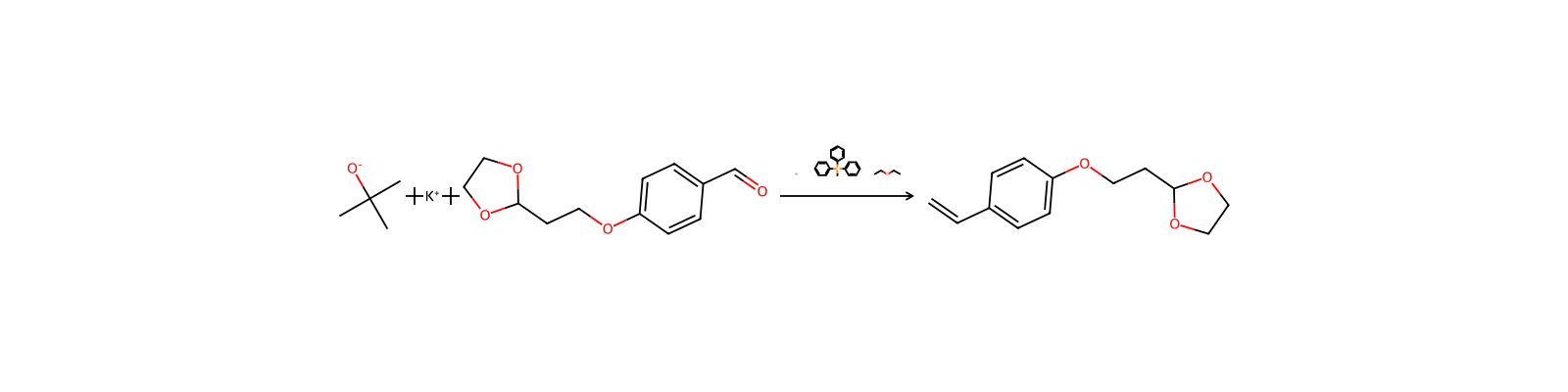
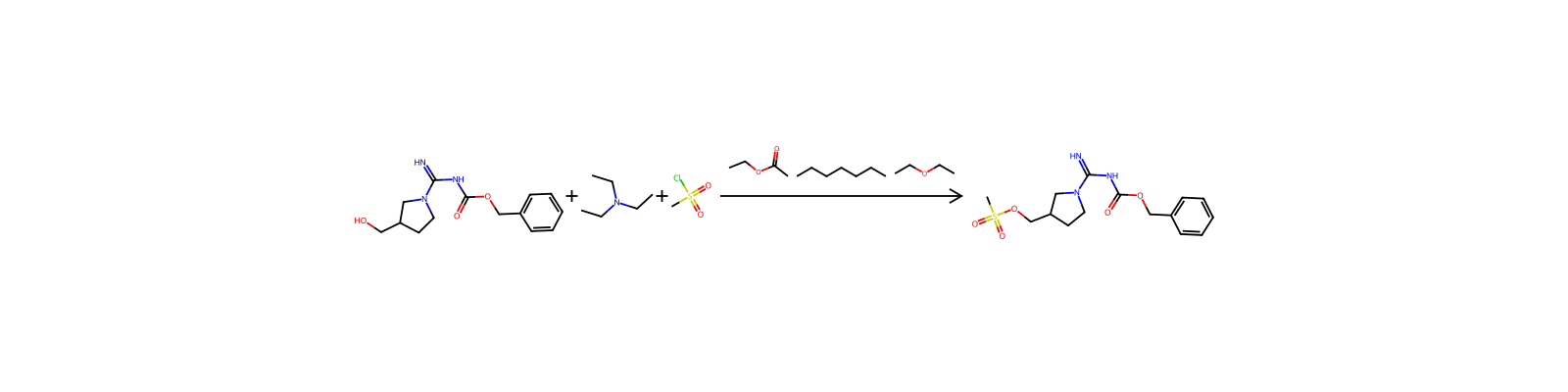
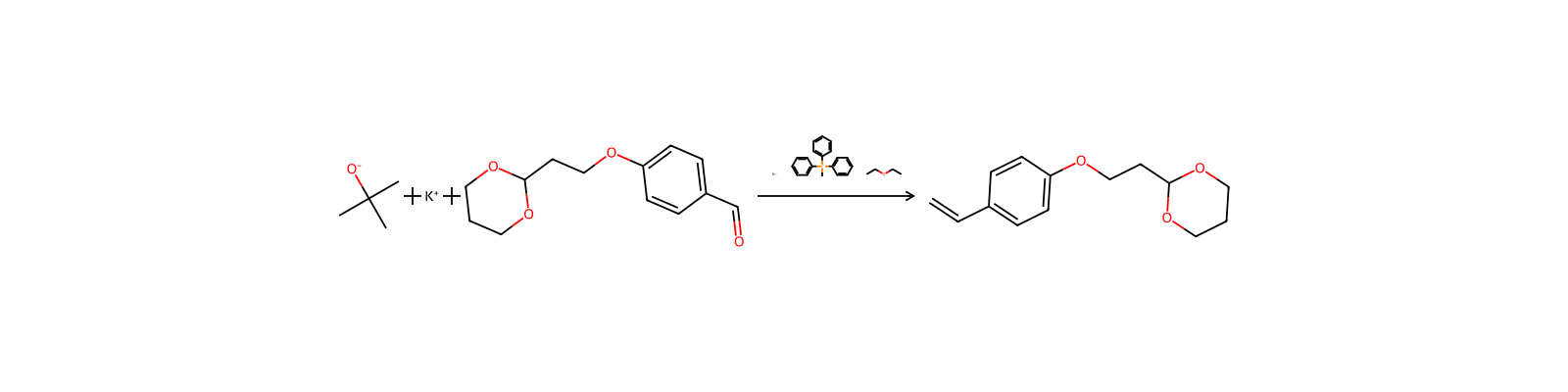
Reaktionsaufzeichnung erstellen
Reaktionsgleichung von HRID 784
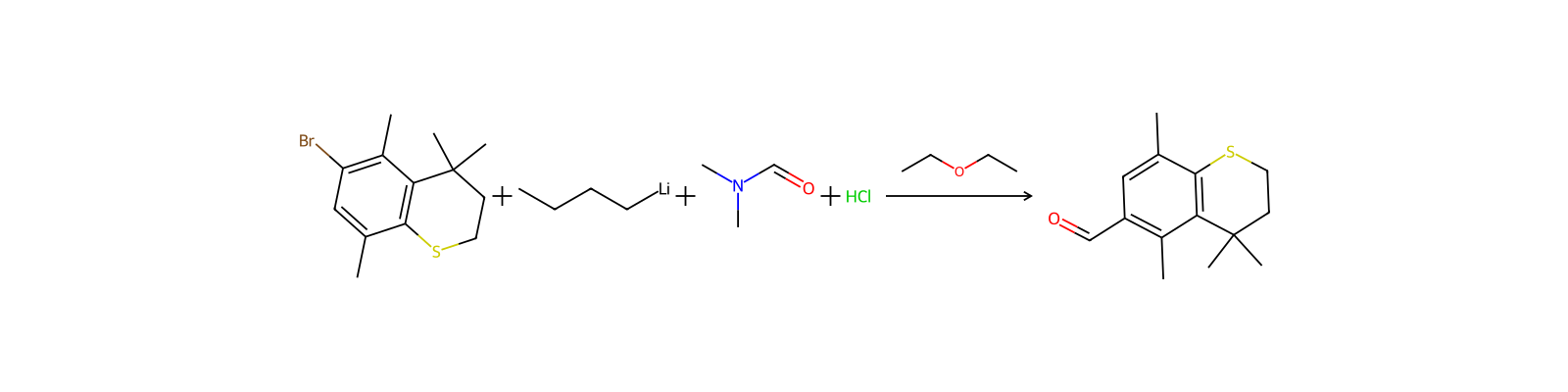
HRID 784als Lösungsmitteluspto-grants-1998_03
Reaktionsgleichung von HRID 786
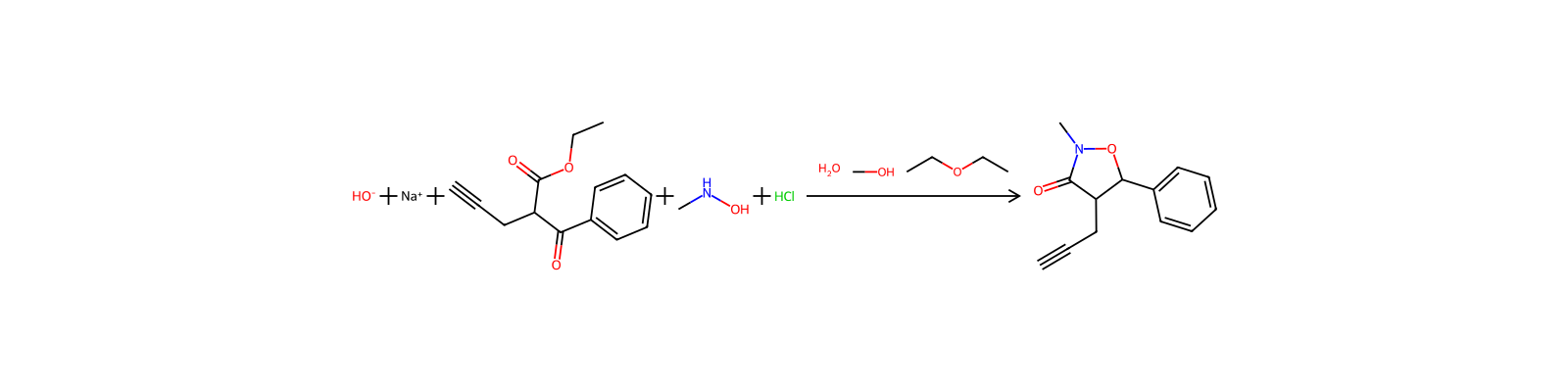
HRID 786als Lösungsmitteluspto-grants-1998_03
Reaktionsgleichung von HRID 798
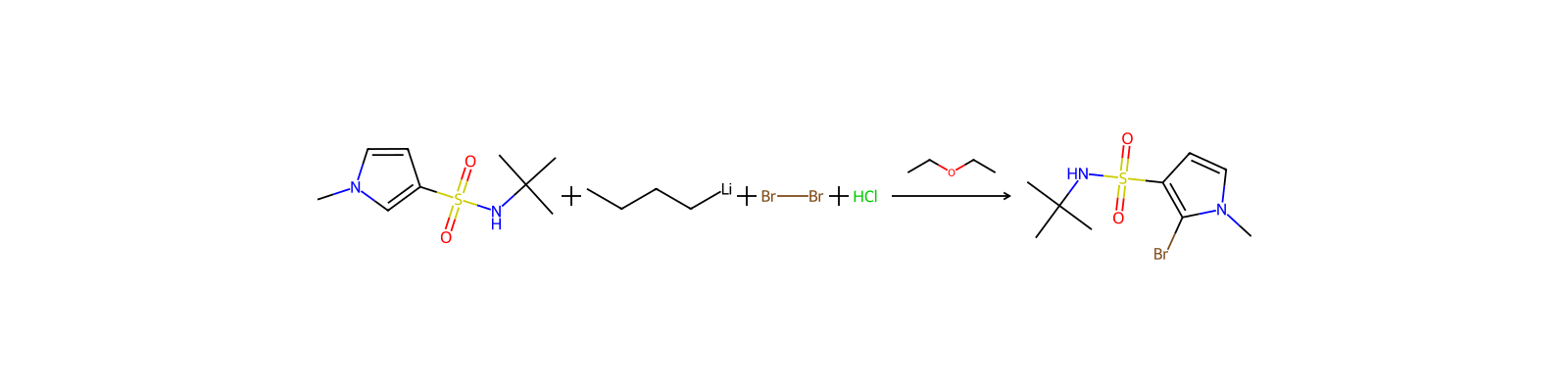
HRID 798als Lösungsmitteluspto-grants-1998_03
Reaktionsgleichung von HRID 811
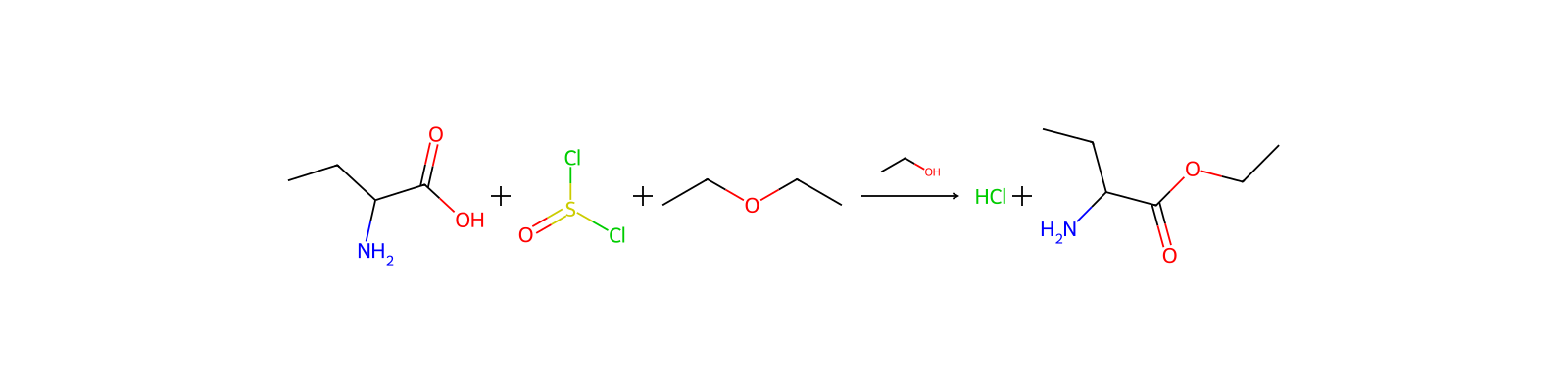
HRID 811als Lösungsmitteluspto-grants-1998_03
Reaktionsgleichung von HRID 818
HRID 818als Lösungsmitteluspto-grants-1998_03
Reaktionsgleichung von HRID 848
HRID 848als Eduktuspto-grants-1998_03
Reaktionsgleichung von HRID 863
HRID 863als Lösungsmitteluspto-grants-1998_03
Reaktionsgleichung von HRID 867
HRID 867als Lösungsmitteluspto-grants-1998_03
Seite 1 von 500

Notizen zur Verbindung

Wird geladen…

Auf dieser SeiteGrundinformationenÜberblickNamen und BezeichnerEigenschaftenSicherheit und RegulatorischesChemie und IndustrieZugehörige ReaktionenNotizen zur Verbindung
Weitere Aktionen
Neue NotizNeue ReaktionAnfrage stellen
Viscosity0.2448 centipoise at 20 °C
Color/Form · 2 Einträge

Colorless, volatile, mobile liquid

Colorless liquid [Note: A gas above 94 degees F].

Solubility · 6 Einträge

greater than or equal to 100 mg/mL at 68 °F (NTP, 1992)

Miscible with lower aliphatic alcohols, benzene, chloroform, petroleum ether, fat solvents, many oils; sol in concn hydrochloric acid

Sol in acetone; very sol in ethanol

Sol in solvent naphtha, benzene, oils

Miscible with most organic solvents

In water, 6.04X10+4 mg/L at 25 °C

Physikochemische Eigenschaften

Schmelzpunkt
-116 °C · -116 °C
Siedepunkt
34.6 °C · 34.6 °C(lit.)
Dichte
0.714 · 0.714
Dampfdichte
2.6 · 2.6 (vs air)
Dampfdruck
28.69 psi · 28.69 psi ( 55 °C)
Brechungsindex
20 · n20/D 1.3530(lit.)
Flammpunkt
-40 °F · -40 °F
storage temp.
Store at RT.
Löslichkeit
Soluble in water, miscible with ethanol (96 per cent), with methylene chloride and with fatty oils. It is highly flammable.
Aggregatzustand
Liquid
Wichte
0.714 · 0.714 (20/4℃) ; 0.712 (25℃)
Farbe
10 · clearAPHA: ≤10
Geruch (Odor)
0.33 ppm · Pungent odor detectable at 0.33 ppm
Explosionsgrenze
1.7 · 1.7-36%(V)
Wasserlöslichkeit
69 g/L · 69 g/L (20 ºC)
Spezifische Wärmekapazität
2.33 J/ · Cp(liquid): 2.33 J/(g·K); Cp(gas): 1.61 J/(g·K), at 25℃
Merck
14 · 14,3806
Henry's Law Constant
12.5 · 12.50(x 10-4 atmm3/mol at 25 °C) (Signer et al., 1969)
Dielectric constant
4 · 4.0(40℃)
Stabilität
Stable, but light-sensitive, sensitive to air. May contain BHT (2,6-di-tert-butyl-4-methylphenol) as a stabilizer. Substances to be avoided include zinc, halogens, halogen-halogen compounds, nonmetals, nonmetallic oxyhalides, strong oxidizing agents, chromyl chloride, turpentine oils, turps substitutes, nitrates, metallic chlorides. Extre
Kosmetik-Inhaltsstoffe Funktionen
SOLVENT
InChI
1S/C4H10O/c1-3-5-4-2/h3-4H2,1-2H3
InChIKey
RTZKZFJDLAIYFH-UHFFFAOYSA-N
SMILES
CCOCC
LogP
0.89 · 0.890
Oberflächenspannung
17.153 mN/m · 17.153mN/m at 293.15K
CAS Datenbank
60 · 60-29-7(CAS DataBase Reference)
NIST chemische Informationen
Ethoxy ethane(60-29-7)
EPA chemische Informationen
Ethyl ether (60-29-7)

Extremely flammable. Vapour/air mixtures are explosive. Risk of fire and explosion on contact with oxidants or incompatible substances. See Chemical Dangers.

Fire Potential · 3 Einträge

When shaken under absolutely dry conditions ether can generate enough static electricity to start a fire.

A very dangerous fire and explosion hazard when exposed to heat or flame.

Only electrical equipment of explosion-proof type (group C classification) is permitted to be operated in ether areas. Ether should not be stored near powerful oxidizers or in areas of high fire hazard. /Ethers/

Health Hazards · 3 Einträge

Vapor inhalation may cause headache, nausea, vomiting, and loss of consciousness. Contact with eyes will be irritating. Skin contact from clothing wet with the chemical may cause burns. (USCG, 1999)

· Inhalation or contact with material may irritate or burn skin and eyes.

· Inhalation or contact with material may irritate or burn skin and eyes.

Hazards Summary · 1 Eintrag

Abnormal liver function tests has been reported in patients anesthetized with ethyl ether. Abuse of ether by workers, ether jags, has been reported. [ACGIH] Ethyl ether is in the list of Some volatile substances which may be abused by inhalation published on the web site of the U.N. International Drug Control Programme, indicating its potential to cause narcosis in workers. [Reference #1] An eye and respiratory tract irritant; [ICSC]

DOT ID and Guide · 3 Einträge

1155 127

1155 127

1155 127

Reactive GroupEthers
UN ClassificationUN Hazard Class: 3; UN Pack Group: I
Special Reports · 2 Einträge

NIOSH; NEG and NIOSH Basis for an Occupational Health Standard for Ethyl Ether. Published in Arbete och Halsa 30 (2002) and available at http://www.cdc.gov/niosh/pdfs/93-103a.pdf as of October 31, 2007.

European Chemicals Bureau; IUCLID Dataset, Diethyl Ether (CAS # 60-29-7) p.44 Available from the Database Query page at: http://ecb.jrc.it/esis/esis.php as of September 24, 2007.

RCRA Requirements · 2 Einträge

U117; As stipulated in 40 CFR 261.33, when diethyl ether, as a commercial chemical product or manufacturing chemical intermediate or an off-specification commercial chemical product or a manufacturing chemical intermediate, becomes a waste, it must be managed according to Federal and/or State hazardous waste regulations. Also defined as a hazardous waste is any residue, contaminated soil, water, or other debris resulting from the cleanup of a spill, into water or on dry land, of this waste. Generators of small quantities of this waste may qualify for partial exclusion from hazardous waste regulations (40 CFR 261.5).

F003; When diethyl ether is a spent solvent, it is classified as a hazardous waste from a nonspecific source (F003), as stated in 40 CFR 261.31, and must be managed according to State and/or Federal hazardous waste regulations.

TSCA Requirements · 2 Einträge

Section 8(a) of TSCA requires manufacturers of this chemical substance to report preliminary assessment information concerned with production, exposure, and use to EPA as cited in the preamble in 51 FR 41329. Effective date 1/26/1994; Reporting date 3/28/94.

Pursuant to section 8(d) of TSCA, EPA promulgated a model Health and Safety Data Reporting Rule. The section 8(d) model rule requires manufacturers, importers, and processors of listed chemical substances and mixtures to submit to EPA copies and lists of unpublished health and safety studies. Diethyl ether is included on this list. Effective date 1/26/1994; Sunset date 6/30/1998.

Sicherheit und Schutzausrüstung

Fire Fighting · 2 Einträge

Excerpt from ERG Guide 127 [Flammable Liquids (Water-Miscible)]:

Use alcohol-resistant foam, powder, carbon dioxide. In case of fire: keep drums, etc., cool by spraying with water.

First Aid Measures · 4 Einträge

Fresh air, rest. Artificial respiration may be needed. Refer immediately for medical attention.

First rinse with plenty of water for at least 15 minutes, then remove contaminated clothes and rinse again.

First rinse with plenty of water for several minutes (remove contact lenses if easily possible), then refer for medical attention.

Do NOT induce vomiting. Rinse mouth. Give nothing to drink. Refer for medical attention .

Accidental Release Measures · 4 Einträge

· CALL 911. Then call emergency response telephone number on shipping paper. If shipping paper not available or no answer, refer to appropriate telephone number listed on the inside back cover.

· ELIMINATE all ignition sources (no smoking, flares, sparks or flames) from immediate area.

· CALL 911. Then call emergency response telephone number on shipping paper. If shipping paper not available or no answer, refer to appropriate telephone number listed on the inside back cover.

· ELIMINATE all ignition sources (no smoking, flares, sparks or flames) from immediate area.

First Aid · 4 Einträge

EYES: First check the victim for contact lenses and remove if present. Flush victim's eyes with water or normal saline solution for 20 to 30 minutes while simultaneously calling a hospital or poison control center. Do not put any ointments, oils, or medication in the victim's eyes without specific instructions from a physician. IMMEDIATELY transport the victim after flushing eyes to a hospital even if no symptoms (such as redness or irritation) develop.

General First Aid:

General First Aid:

(General first aid procedures)

Safe StorageFireproof. Separated from oxidants and other incompatible materials. See Chemical Dangers. Cool. Keep in the dark. Store only if stabilized. Ventilation along the floor.
Exposure Control and Personal Protection · 3 Einträge

· Wear positive pressure self-contained breathing apparatus (SCBA).

· Wear positive pressure self-contained breathing apparatus (SCBA).

400.0 [ppm]

Fire Fighting Procedures · 2 Einträge

Water may be ineffective ... But water should be used to keep fire-exposed containers cool. Use water spray dry chemical, foam, or carbon dioxide.

If material on fire or involved in fire: Do not extinguish fire unless flow can be stopped. Use water in flooding quantities as fog. Solid streams of water may spread fire. Cool all affected containers with flooding quantities of water. Apply water from as far a distance as possible. Use foam, dry chemical, or carbon dioxide.

Storage Conditions · 3 Einträge

Separate from oxidizing materials. Store in a cool, dry, well-ventilated area. Avoid sunlight.

Floors of storage rooms should be conductive ... to ground out any possible static charge of individuals working in the room.

Ethers should not be stored near powerful oxidizers or in areas of high fire hazard. They should be kept cool and the containers electrically grounded to avoid sparks. /Ethers/

Cleanup Methods · 3 Einträge

Spills and leakage: Absorb with paper. Evaporate completely all spilt surface. Dispose by burning the paper after complete ventilation of vapor.

1. Remove all ignition sources. 2. Ventilate area of spill or leak. 3. For small quantities, absorb on paper towels. Evaporate in a safe place (such as a fume hood). Allow sufficient time for evaporating vapors to completely clear the hood ductwork. Burn the paper in a suitable location away from combustible materials. Large quantities can be reclaimed or collected and atomized in a suitable combustion chamber equipped with an appropriate effluent gas cleaning device. Ethyl ether should not be allowed to enter a confined space, such as sewer, because of the possibility of an explosion.

A two-well injection withdrawal experiment was conducted at a hazardous waste disposal site near Ottawa, Canada to assess the feasibility of aquifer restoration by means of a purge well network. The six day test involved injecting tracer labeled clean water into one well while withdrawing contaminated water from a well located 5 m away. Samples taken from multilevel sampling points located along flow lines between the two wells were analyzed to determine the concentrations of tracers and of volatile contaminants. Tracer breakthrough data were fitted to an approximate analytic solution to determine average linear velocities and dispersivities. The concentration histories obtained for 3 volatile organic contaminants (including diethyl ether) deviate significantly from that predicted using local equilibrium based transport models. Comparison with results of a one dimensional, kinetics based transport model indicates qualitative agreement between observed transport behavior and that expected for solutes affected by a first order reversible sorption process for which the rate constants are small relative to the groundwater velocity in the induced flow field.

Nonfire Spill ResponseExcerpt from ERG Guide 127 [Flammable Liquids (Water-Miscible)]:
Disposal Methods · 5 Einträge

Generators of waste (equal to or greater than 100 kg/mo) containing this contaminant, EPA hazardous waste number U117, F003, must conform with USEPA regulations in storage, transportation, treatment and disposal of waste.

Diethyl ether is a waste chemical stream constituent which may be subjected to ultimate disposal by controlled incineration. If concentrated waste contains no peroxides, discharge liquid at a controlled rate near a pilot flame. If concentrated waste contains peroxides, perforation of a container of the waste from a safe distance is followed by open burning.

A good candidate for liquid injection incineration at a temperture range of 650 to 1,600 °C and a residence time 0.1 to 2 seconds. Also, a good candidate for rotary kiln incineration at a temperature range of 820 to 1,600 °C and residence times of seconds for liquids and gases, and hours for solids. Also, a good candidate for fluidized bed incineration at a temperature range of 450 to 980 °C and residence times of seconds for liquids and gases, and longer for solids.

This compound should be susceptible to removal from waste water by air stripping.

For more Disposal Methods (Complete) data for DIETHYL ETHER (8 total), please visit the HSDB record page.

Spillage Disposal · 1 Eintrag

Remove all ignition sources. Evacuate danger area! Consult an expert! Personal protection: filter respirator for organic gases and vapours adapted to the airborne concentration of the substance. Collect leaking liquid in sealable containers. Absorb remaining liquid in sand or inert absorbent. Then store and dispose of according to local regulations.

Toxikologische Informationen

Toxicological InformationRanking: 352 (total points: 631.03)
Body BurdenDiethyl ether was detected in 37.5% of 387 samples of normal expired air from 54 carefully selected normal, healthy, non-smoking, urban, adult human volunteers(1). The geometric mean concn of the positive samples was 0.331 ng/L(1).
TreatmentThere is no antidote for diethyl ether poisoning, thus treatment is symptomatic and supportive. (T36)
Interactions · 5 Einträge

The disposition of diflunisal (DF) at 10 mg/kg iv was investigated over 4 hr in bile-exteriorized male rats continuously anaesthetized with ... diethyl ether inhalation (as required) ... and compared to that obtained in conscious rats. 2. Diethyl ether decreased the plasma clearance of DF to about 30% of control values, by inhibition of both glucuronidation and sulfation of DF. ...

... Appears to increase the neuromuscular blockade caused by antibiotics such as neomycin, streptomycin, polymyxin, and kanamycin.

... In Guinea pigs ... the sleep induced by barbiturates of ether was prolonged by chlordiazepoxide.

... Ether ... sleeping times are prolonged by imipramine but considerably less than by phenothiazine neuroleptics.

For more Interactions (Complete) data for DIETHYL ETHER (10 total), please visit the HSDB record page.

Target OrgansEyes, skin, respiratory system, central nervous system
Health EffectsDiethyl ether causes CNS depression. Death due to respiratory depression may result from severe and prolonged exposure. (T36)
Ecotoxicity Values · 5 Einträge

LC50 Poecilia reticulata (guppy) 2134 mg/L for 14 days; semistatic, 22 °C

LC50 Pimephales promelas (fathead minnow, age 29 days) 2560 mg/L/96 hr; flow-through, 24.8 °C, pH 7.76, dissolved oxygen 7.1 mg/L, hardness 45.1 mg/L CaCO3, alkalinity 41.5 mg/L CaCO3

EC50 Pimephales promelas (fathead minnow, age 29 days) 2260 mg/L/96 hr; flow-through, 24.8 °C, pH 7.76, dissolved oxygen 7.1 mg/L, hardness 45.1 mg/L CaCO3, alkalinity 41.5 mg/L CaCO3; Effect: Affected fish lost schooling behavior and swam in a corkscrew/spiral pattern near the tank surface. They were underreactive to external stimuli, had increased respiration, were darkly colored, and lost equilibrium prior to death.

EC50; Species: Daphnia magna (Water flea); Conditions: freshwater, static, pH 8.0; Concentration: 165 mg/L for 24 hr; Effect: behavior, equilibrium

For more Ecotoxicity Values (Complete) data for DIETHYL ETHER (17 total), please visit the HSDB record page.

Environmental Fate · 3 Einträge

TERRESTRIAL FATE: Based on a classification scheme(1), an estimated Koc value of 73(SRC), determined from a log Kow of 0.89(2) and a regression-derived equation(3), indicates that diethyl ether is expected to have high mobility in soil(SRC). Volatilization of diethyl ether from moist soil surfaces is expected to be an important fate process(SRC) given a Henry's Law constant of 1.23X10⁻³ atm-cu m/mole(4). The potential for volatilization of diethyl ether from dry soil surfaces may exist(SRC) based upon an extrapolated vapor pressure of 538 mm Hg(5). Biodegradation of diethyl ether in soil is expected to be a slow process(SRC), based upon its slow biodegradation in an aqueous screening study(6).

AQUATIC FATE: Based on a classification scheme(1), an estimated Koc value of 73(SRC), determined from a log Kow of 0.89(2) and a regression-derived equation(3), indicates that diethyl ether is not expected to adsorb to suspended solids and sediment in water(SRC). Diethyl ether is expected to volatilize from water surfaces(3) based on a Henry's Law constant of 1.23X10⁻³ atm-cu m/mole(4). Using this Henry's Law constant and an estimation method(3), volatilization half-lives for a model river and model lake are 3.1 hours and 3.6 days, respectively(SRC). According to a classification scheme(5), BCFs ranging from 0.9 to 9.1 in carp(6) suggest bioconcentration in aquatic organisms is low(SRC). Biodegradation of diethyl ether in water is expected to be a slow process(SRC), based upon its slow biodegradation in an aqueous screening study(6).

ATMOSPHERIC FATE: According to a model of gas/particle partitioning of semivolatile organic compounds in the atmosphere(1), diethyl ether, which has an extrapolated vapor pressure of 538 mm Hg at 25 °C(2), is expected to exist solely as a vapor in the ambient atmosphere. Vapor-phase diethyl ether is degraded in the atmosphere by reaction with photochemically-produced hydroxyl radicals and nitrate radicals(SRC); half-lives for these reactions in air are estimated to be 1.2 and 5.8 days, respectively(3,4). Direct photolysis is not expected to be an important removal process since aliphatic ethers do not absorb light in the environmental spectrum(5).

Food Survey ValuesDiethyl ether has been tentatively identified, but not quantified, as a volatile component of raw chicken breast muscle and caecum(1). Diethyl ether was identified as a volatile component of chicken and pork flavor(2).
Adverse EffectsNeurotoxin - Acute solvent syndrome
Exposure Routes · 3 Einträge

The substance can be absorbed into the body by inhalation of its vapour and by ingestion.

inhalation, ingestion, skin and/or eye contact

Oral (T36) ; inhalation (T36)

Toxicity SummaryDiethyl ether inhibits alcohol dehydrogenase. This slows down the metabolism of ethanol and also inhibits the metabolism of other drugs requiring oxidative metabolism. (L1660, A2461)

Regulatorische Informationen

RCRA Requirements · 2 Einträge

U117; As stipulated in 40 CFR 261.33, when diethyl ether, as a commercial chemical product or manufacturing chemical intermediate or an off-specification commercial chemical product or a manufacturing chemical intermediate, becomes a waste, it must be managed according to Federal and/or State hazardous waste regulations. Also defined as a hazardous waste is any residue, contaminated soil, water, or other debris resulting from the cleanup of a spill, into water or on dry land, of this waste. Generators of small quantities of this waste may qualify for partial exclusion from hazardous waste regulations (40 CFR 261.5).

F003; When diethyl ether is a spent solvent, it is classified as a hazardous waste from a nonspecific source (F003), as stated in 40 CFR 261.31, and must be managed according to State and/or Federal hazardous waste regulations.

TSCA Requirements · 2 Einträge

Section 8(a) of TSCA requires manufacturers of this chemical substance to report preliminary assessment information concerned with production, exposure, and use to EPA as cited in the preamble in 51 FR 41329. Effective date 1/26/1994; Reporting date 3/28/94.

Pursuant to section 8(d) of TSCA, EPA promulgated a model Health and Safety Data Reporting Rule. The section 8(d) model rule requires manufacturers, importers, and processors of listed chemical substances and mixtures to submit to EPA copies and lists of unpublished health and safety studies. Diethyl ether is included on this list. Effective date 1/26/1994; Sunset date 6/30/1998.

Atmospheric Standards · 1 Eintrag

This action promulgates standards of performance for equipment leaks of Volatile Organic Compounds (VOC) in the Synthetic Organic Chemical Manufacturing Industry (SOCMI). The intended effect of these standards is to require all newly constructed, modified, and reconstructed SOCMI process units to use the best demonstrated system of continuous emission reduction for equipment leaks of VOC, considering costs, non air quality health and environmental impact and energy requirements. Ethyl ether is produced, as an intermediate or a final product, by process units covered under this subpart.

CERCLA Reportable Quantities · 1 Eintrag

Persons in charge of vessels or facilities are required to notify the National Response Center (NRC) immediately, when there is a release of this designated hazardous substance, in an amount equal to or greater than its reportable quantity of 100 lb or 45.4 kg. The toll free number of the NRC is (800) 424-8802. The rule for determining when notification is required is stated in 40 CFR 302.4 (section IV. D.3.b).

DHS Chemicals of Interest (COI) · 4 Einträge

Ethyl ether

1

10000

Flammable chemical that can be released at a facility.

State Drinking Water Guidelines · 3 Einträge

(FL) FLORIDA 750 ug/l

(MN) MINNESOTA 1000 ug/l

(NH) NEW HAMPSHIRE 1,400 ug/l

Sicherheitsdaten

F
10
wgk
1
IDLA
1,900 ppm [10% LEL]
tsca
TSCA listed
ridadr
UN 3271 3/PG II/III (ETHERS, N.O.S.)
hs_code
2909 11 00
RTECS-Nr.
KI5775000
risk_code
12-19-22-66-67-39/23/24/25-23/24/25-11
Toxizität
LD50 oral (rat) 1215 mg/kgLC50 inhal (rat) 73,000 ppm (2 h)PEL (OSHA) 400 ppmSTEL (ACGIH) 500 ppm
hazard_code
F+,Xn,T,F
safety_code
9-16-29-33-45-36/37-7
hazard_class
3
packing_group
I
Speicherklasse
3 - Flammable liquids
Giftige Stoffe Daten
60-29-7(Hazardous Substances Data)
Hazard Classifications
Acute Tox. 4 OralFlam. Liq. 1STOT SE 3
Selbstentzündungstemperatur
160 °C
Metabolism/Metabolites · 6 Einträge

It has been estimated that about 8-10% of absorbed ethyl ether is metabolized in the body whereas the remainder is excreted unchanged through the lungs. Ethyl ether is metabolized to ethanol and acetaldehyde by the inducible hepatic microsomal enzyme system, a cytochrome P450-containing monooxygenase system. Ethanol and acetaldehyde are rapidly oxidized to acetate, and the acetate subsequently enters the 2-carbon pool of intermediary metabolism.

When (14)C diethyl ether ... admin ... to mice by inhalation a proportion was rapidly metabolized into palmitic, stearic, & oleic acids & cholesterol, which, together with 3 other non-volatile radioactive metab ... mono-, di-, & tri-glycerides, were recovered from liver.

Diethyl ether caused detectable blood acetaldehyde levels in 15 patients. Avg acetaldehyde concn was 21 umolar which approximates the level found after intake of ethanol.

Liver microsomes metabolized diethyl ether to acetaldehyde. The reaction was NADPH-dependent, & inhibited by CO & antibody to rat liver cytochrome P450. Cytochrome P450 containing monooxygenase system analogous to o-dealkylation is indicated.

For more Metabolism/Metabolites (Complete) data for DIETHYL ETHER (10 total), please visit the HSDB record page.

Diethyl ether can be absorbed following ingestion and inhalation, and is then rapidly distributed to the brain and fatty tissues. Diethyl ether is not metabolized in humans and is excreted mainly in expired air. (T36)

MeSH Pharmacological Classification · 2 Einträge

Liquids that dissolve other substances (solutes), generally solids, without any change in chemical composition, as, water containing sugar. (Grant &amp; Hackh&apos;s Chemical Dictionary, 5th ed)

Gases or volatile liquids that vary in the rate at which they induce anesthesia; potency; the degree of circulation, respiratory, or neuromuscular depression they produce; and analgesic effects. Inhalation anesthetics have advantages over intravenous agents in that the depth of anesthesia can be changed rapidly by altering the inhaled concentration. Because of their rapid elimination, any postoperative respiratory depression is of relatively short duration. (From AMA Drug Evaluations Annual, 1994, p173)

Absorption, Distribution and Excretion · 5 Einträge

After inhalation, ethyl ether is rapidly transferred from alveoli to blood. The normal alveolar membrane poses no barrier to the transfer of ethyl ether in either direction. The blood/gas distribution coefficient of ethyl ether is high - 12.1. For oil/gas, the distribution coefficient is 65. ...The penetration /of ethyl ether/ in rabbit skin /was studied/. ... Doses over 20 mL/kg bw could not be retained in contact with the skin. ... The single dermal penetration LD50 was greater than 20 mL/kg bw.

The majority of inhaled ethyl ether is excreted unchanged through the lungs. In experiments on dogs, /it was/ reported that the recovery of ethyl ether in expired air was 79-92% (average for 12 dogs 87%).

... Over 90% of it can be recovered in the exhaled air. A small fraction is excreted in the urine, milk, sweat and other body fluids, and a tiny amount escapes by diffusion through the intact skin. All volatile anesthetics easily pass placental barrier ...

Diethyl ether is instantaneously absorbed from inhaled air into the bloodstream, from which it passes rapidly into the brain. ... It is also taken up rapidly by fatty tissue in rats.

For more Absorption, Distribution and Excretion (Complete) data for DIETHYL ETHER (15 total), please visit the HSDB record page.

Verwendung und Herstellung

Uses · 6 Einträge

Used as a solvent and a reagent in organic syntheses; [ACGIH] Used as a solvent (waxes, fats, oils, perfumes, gums, nitrocellulose, alkaloids); Also used to prime gasoline engines; [Merck Index]

Good solvent for fats, oils, dyes, gums, resins, raw rubber, smokeless powder, perfumes, and nitrocellulose. Also used in the manufacture of photographic films and pharmaceuticals, and as a reaction and extraction medium in the chemical industry. /Formerly (in U.S.A.)/ used as an inhalation anesthetic in surgery, a refrigerant, in diesel fuels, in dry cleaning, and as a starting fuel for engines.

... Used as a solvent for waxes, fats, oils, perfumes, alkaloids, dyes, gums, resins, nitrocellulose, hydrocarbons, raw rubber, and smokeless powder. ... used as an inhalation anesthetic, a refrigerant, in diesel fuels, in dry cleaning, as an extractant, and as a chemical reagent for various organic reactions.

For azeotropic distillation /entrainer/ to obtain better separation.

"Unrefined" grade is used as component of cold weather starting fluids for diesel and gasoline engines, usually blended with other volatile, flammable materials such as propane and butane.

For more Uses (Complete) data for DIETHYL ETHER (11 total), please visit the HSDB record page.

Impurities · 2 Einträge

USP/ACS grade typically containing 2% alcohol; anhydrous grade typically containing 0.003% water and less than 0.01% alcohol.

Maximum limits of impurities: ethanol (preservative)= 2%, carbonyl compounds= 0.001%, water= 0.01%, acetic acid= 5 ppm, heavy metals= 1 ppm, nickel= 0.1 ppm /Ether, anhydrous, 'Photrex' reagent, for spectrophotometry/

U.S. Exports · 2 Einträge

(1964) 3.96X10+8 GRAMS

(1984) 1.68X10+9 g

U.S. Imports · 3 Einträge

(1972) 3.31X10+6 GRAMS

(1975) 7.75X10+7 GRAMS

(1984) 9.55X10+5 g

U.S. Production · 5 Einträge

2023: 4,000,000 - <5,500,000 lb

(1972) 3.15X10+10 GRAMS (TECHNICAL GRADE)

(1975) 1.25X10+10 GRAMS (TECHNICAL GRADE)

Ethane, 1,1'-oxybis- is listed as a High Production Volume (HPV) chemical (65FR81686). Chemicals listed as HPV were produced in or imported into the U.S. in >1 million pounds in 1990 and/or 1994. The HPV list is based on the 1990 Inventory Update Rule. (IUR) (40 CFR part 710 subpart B; 51FR21438).

Production volumes for non-confidential chemicals reported under the Inventory Update Rule. [Table#201]

Consumption Patterns · 2 Einträge

65% AS A SOLVENT; 25% IN CHEM SYNTH (INCL AS AN INT FOR MONOETHANOLAMINE AND ETHYLENE); 3% AS A GENERAL ANESTHETIC AND IN OTHER MEDICAL USES; AND 7% IN MISC USES (INCL AS A DENATURANT FOR ETHYL ALCOHOL)(1974)

Solvent & chemical syntheses, 75%; Diesel & gasoline engine starting fluids, 25% (1983)

Consumer UsesOther
Industry UsesSolvent
Methods of Manufacturing · 5 Einträge

Produced on large scale by dehydration of ethanol or by hydration of ethylene, both processes being carried out in the presence of sulfuric acid.

Vapor phase dehydration of ethanol in a fixed-bed reactor using an alumina catalyst in greater than 95% yield.

/From/ ethylene (catalytic hydration; byproduct of ethanol production)

In countries where ethanol is produced synthetically, diethyl ether is produced in sufficient quantities as a byproduct to make its synthesis unnecessary.

For more Methods of Manufacturing (Complete) data for DIETHYL ETHER (7 total), please visit the HSDB record page.

Formulations/Preparations · 3 Einträge

Grade: USP (for anesthesia); ACS reagent; ACS absolute; CP; concentrated; USP 1880; washed; motor; electronic.

USI (National Distillers) produces four grades: unrefined, USP, ACS, and anhydrous.

Two grades of diethyl ether are commercially available: technical-grade ether and anesthetic ether. There are no universally accepted specifications for technical-grade ether, but it is conventionally free of peroxides. Anhydrous technical-grade ether has a maximum water content of 500 mg/kg. Anesthetic ether has a neutral reaction, is free from foreign odors, passes the tests for peroxides and aldehydes, and has a maximum water content of 0.2%

Household ProductsInformation on 6 consumer products that contain Ethyl ether in the following categories is provided:
Use Classification · 3 Einträge

Food Additives -> EXTRACTION_SOLVENT -> JECFA Functional Classes

Food Additives -> EXTRACTION_SOLVENT -> JECFA Functional Classes

Food Additives -> EXTRACTION_SOLVENT -> JECFA Functional Classes

Anwendungen · 3 Einträge

BeschreibungDiethyl ether is a component of starting fluids and is used as a solvent in the manufacture of synthetic dyes and plastics. Because of its characteristics, diethyl ether was widely used in many countries as an anesthetic agent, but was then replaced by other substances in the 1960s.

HistoryEther was supposedly discovered by Raymundus Lullus (1232–1315) around 1275, although there is no extant evidence of this in his writings. The discoverer of ether is often credited to the German physician and botanist Valerius Cordus (1515–1554), who gave the first description of the preparation of ether in the mid-16th century. Cordus called the substance oleum vitrioli dulce, which is translated as sweet oil of vitriol. Cordus used sulfuric acid (oil of vitriol) to catalyze the conversion of alcohol to ether. At approximately the same time Paracelsus (1493–1541), a Swiss physician who is also cited as a discoverer of ether, observed that chickens were safely put to sleep by breathing vapors from sweet oil of vitriol. In 1730, August Siegmund Frobenius changed the name of sweet vitriol to ether.

VerwendenDiethyl ether has been used extensively as a general anesthetic.

Vor- und nachgelagerte Produkte

Vorgelagerte Rohstoffe

EthylenEthanolPhosphoric acid catalystDehydrolyzing agentEthanol 95%DiethylsulfatSchwefelsureDinatriumdisulfit

Nachgelagerte Produkte

2-Phenylpropan-2-olPyridin-Boran (1:1)6-Morpholinonicotinaldehyde2-Methoxy-5-pyridineboronic acid2-Methoxyphenylboronic acid(6-Ethoxypyridin-3-yl)boronic acid1,2-(Methylendioxy)-4-nitrobenzolLactamid2-Bromo-4-nitro-1-(trifluoromethoxy)benzene(E)-N,N,N',N'-Tetramethylbut-2-en-1,4-diamin2-(4-Ethoxyphenyl)-2-methylpropanol2-[5-(Benzyloxy)-1H-indol-3-yl]-2-oxoacetic acid ,97%Phosphomolybdic acid hydrate2-Bromo-1-indanoneHexa-1,5-dien4-tert-Butylbenzoyl chloride2,6-Difluorophenylboronic acidEthyl-1-methylpyrrol-2-carboxylatA-MELANOCYTE STIMULATING HORMONE SYNTHETIC3-MethylbenzylaminBenzo[b]thien-2-ylboronic acidEcgonin5,7-Dihydroxy-3-(4-hydroxyphenyl)-4-benzopyron17β-Hydroxy-17-methylandrosta-4,9(11)-dien-3-on1-(Thiazol-2-yl)ethan-1-on1,4-EpoxycyclohexanEthylenediamine diacetateAllyl methyl carbonateTert-butyl bis(2-chloroethyl)carbamateN,N-Diethyl-1-propin-1-aminLevonorgestrel7-Hydroxy-3-(4-hydroxyphenyl)-4-benzopyron2,4-Dibromothiophene2-Amino-6-methylpyrimidin-4-ol2,2':5',2''-Terthiophene4-(Trifluoromethyl)phenacyl bromide1-Methyl-1H-pyrazole-5-carboxylic acidHexyloxiranmethylated albumin3-(4-Bromophenoxy)propanoic acid

Ergänzende Hinweise

Definitiondiethyl ether: A colourless flammablevolatile ether, C2H5OC2H5; r.d. 0.71;m.p. –116°C; b.p. 34.5°C. It can bemade by Williamson’s synthesis. Itis an anaesthetic and useful organicsolvent.