StartseiteMCPWorkbenchSkills
StartseiteWorkbenchBenachrichtigungenMein Bereich
llms.txt · MCP-AnleitungDatenschutz · Nutzungsbedingungen · Supportv1.8.0
  1. Startseite
  2. /Verbindung

2-Chlorethanol

2-Chloroethanol

HCID 34
Neue NotizNeue ReaktionAnfrage stellen
Druckvorschau

Daten werden ergänzt – lade die Seite später neu, um den aktuellen Stand zu sehen
GrundinformationenNamen und BezeichnerEigenschaftenSicherheit und RegulatorischesChemie und IndustrieZugehörige ReaktionenNotizen zur Verbindung
TeilstruktursucheÄhnliche Strukturen suchen

Grundinformationen

CAS
107-07-3
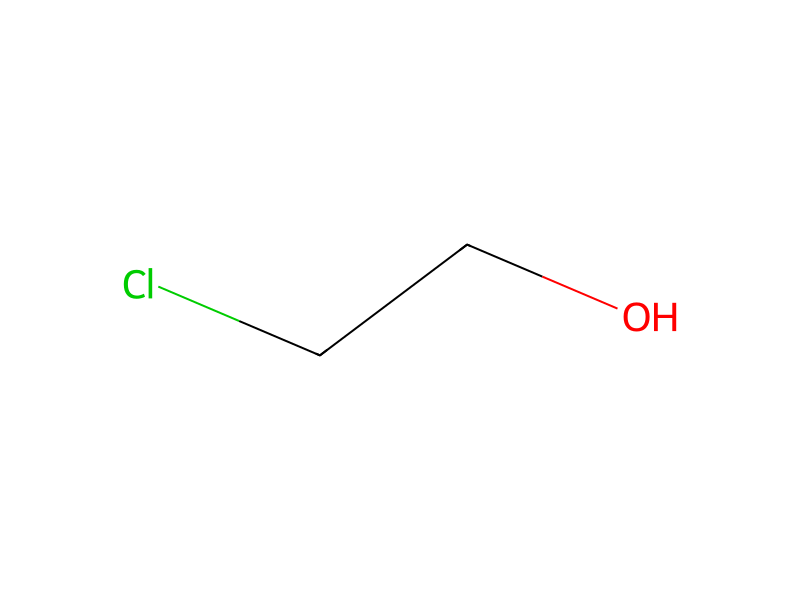
Standard-SMILES
OCCCl
InChIKey
SZIFAVKTNFCBPC-UHFFFAOYSA-N
Summenformel
C2H5ClO
Durchschnittliche Molmasse
80,51 g/mol
Monoisotopische Masse
80,0028925

Namen und Bezeichner

Bevorzugter Name
2-Chloroethanol
IUPAC
2-chloroethanol
Lokaler Name
2-Chlorethanol
Englischer Name
2-Chloroethanol
Summenformel
C2H5ClO
Molmasse
80.51

Namen und Synonyme

2-chloroethanolEthylene chlorohydrin107-07-3Ethanol, 2-chloro-Glycol chlorohydrin2-Chloroethyl alcoholChloroethanolGlycol monochlorohydrin2-MonochloroethanolEthylchlorohydrin2-Chlorethanol2-Chloro-1-ethanol
Weitere Namen anzeigen
2-chloroethan-1-ol2-chloroethylalcohol2-CHLOROETHANOL GC STANDARDCH2ClCH2OHNCI-C50135
Glycomonochlorhydrin2-Hydroxyethyl chloridebeta-Chloroethyl alcoholEthylene chlorhydrinEthene, chlorohydrin2-Chloorethanol2-Chloraethanol2-Cloroetanolo

Datenbank-Bezeichner

CAS
107-07-3、59826-67-4
PubChem CID
34
DTXSID
DTXSID1021877
ChEMBL
CHEMBL191244
ChEBI
CHEBI:28200
UNII
753N66IHAN
EC Number
203-459-7
Nikkaji
J4.050I

Eigenschaften

Berechnete StruktureigenschaftenWird ergänzt

XLogP
-0,1
Polarare Oberfläche (TPSA)
20,2 Ų
H-Brücken-Donoren
1
H-Brücken-Akzeptoren
1
Frei drehbare Bindungen
1
Schwere Atome
4
Formalladung
0
Komplexität
10

Experimentelle und physikochemische Eigenschaften

LogP · 2 Einträge

log Kow = -0.06

-0.06

Odor · 3 Einträge

FAINT ETHEREAL ODOR

SWEET, PLEASANT

Faint ether-like odor.

Density · 6 Einträge

1.197 (EPA, 1998) - Denser than water; will sink

1.197 @ 20 °C/4 °C

WHEN HEATED WITH WATER TO 100 °C IT DECOMPOSES INTO GLYCOL & ALDEHYDE; WHEN HEATED TO 184 °C, IT DECOMPOSES INTO ETHYLENE CHLORIDE & ACETALDEHYDE; DENSITY OF SATURATED AIR: 1.011 @ 20 °C; 1.022 @ 30.3 °C; PERCENT IN SATURATED AIR: 0.644 @ 20 °C; 1.32 @ 30.3 °C

Relative density (water = 1): 1.2

1.2

1.44 @ 20°C

Viscosity0.0343 POISE @ 20 °C
Color/Form · 2 Einträge

COLORLESS GLYCERINE-LIKE LIQ

Colorless liquid.

Solubility · 6 Einträge

greater than or equal to 100 mg/mL at 66 °F (NTP, 1992)

SOL IN ALL PROPORTIONS IN WATER, ALC, ORG SOLVENTS; SLIGHTLY SOL IN ETHER

SOL IN VARIOUS RESINS

Infinitely soluble in aqueous solution (1X10+6 mg/l @ 25 °C)

Sicherheit und Regulatorisches

Sicherheitsangaben dienen nur zur Orientierung und ersetzen weder das Sicherheitsdatenblatt (SDB) des Lieferanten noch geltende Vorschriften oder eine fachliche Bewertung.

GHS-Klassifizierung

GHS Classification · 6 Einträge

Danger

H300: Fatal if swallowed [Danger Acute toxicity, oral];H310: Fatal in contact with skin [Danger Acute toxicity, dermal];H330: Fatal if inhaled [Danger Acute toxicity, inhalation]

P260, P262, P264, P270, P271, P280, P284, P301+P316, P302+P352, P304+P340, P316, P320, P321, P330, P361+P364, P403+P233, P405, and P501 (click each P-code to see the statement)

This chemical does not meet GHS hazard criteria for 3.7% (11 of 299) of reports.

Gefahrenhinweise

Hazards IdentificationToxic/poison by inhalation (TIH/PIH)
Regulatory Information · 6 Einträge

Chemical: Ethanol, 2-chloro-

Regulation (EC) No 178/2002 (amended)

Ethylene Chlorohydrin is listed in the dataset of EPA Human Health Benchmarks for Pesticides under the Safe Drinking Water Act (40 eCFR 141)

Status: Active Update: 12-04-2019 https://echa.europa.eu/registration-dossier/-/registered-dossier/19389;Status: Active Update: 14-10-2021 https://echa.europa.eu/registration-dossier/-/registered-dossier/13574

Ethylene chlorohydrin: HSNO Approval: HSR002990 Approved with controls

The New Jersey Worker and Community Right to Know Act requires public and private employers to provide information about hazardous substances at their workplaces. (N.J.S.A. 34:5A-1 et. seq.)

DOT LabelPoison Inhalation Hazard Flammable Liquid
Fire Hazards · 3 Einträge

Its decomposition products will react with water or steam to produce toxic and corrosive fumes of phosgene and hydrogen chloride. Vapors are heavier than air and may flash back to a source of ignition. (EPA, 1998)

· HIGHLY FLAMMABLE: Will be easily ignited by heat, sparks or flames.;CAUTION: Methanol (UN1230) will burn with an invisible flame. Use an alternate method of detection (thermal camera, broom handle, etc.);· Vapors may form explosive mixtures with air.;· Vapors may travel to source of ignition and flash back.;· Most vapors are heavier than air. They will spread along the ground and collect in low or confined areas (sewers, basements, tanks, etc.).;· Vapor explosion and poison hazard indoors, outdoors or in sewers.;· Those substances designated with a (P) may polymerize explosively when heated or involved in a fire.;· Runoff to sewer may create fire or explosion hazard.;· Containers may explode when heated.;· Many liquids will float on water.

Chemie und Industrie

Pharmakologische Informationen

Biological Half-LifeThe elimination half-life and clearance value for 2-chloroethanol was 40.8 min following iv admin to beagle dogs.
Metabolism/Metabolites · 5 Einträge

IN VIVO, IT IS OXIDIZED TO CHLOROACETIC ACID ... .

2-CHLOROETHANOL WAS GIVEN ORALLY TO RATS. LIVER GLUTATHIONE WAS RAPIDLY DEPLETED & S-CARBOXYMETHYLGLUTATHIONE WAS FORMED. TOXICITY OF 2-CHLOROETHANOL IS PROBABLY DUE TO ITS CONVERSION TO CHLOROACETALDEHYDE IN VIVO.

2-chloroethanol was detected in the blood and liver of rats during the first 24 days after oral dosing of CH2ClCH2Cl /ethylene dichloride/ at 750 mg/kg.

Disposition and metabolism of 1-(2-chloroethyl)-3-(2',3',4'-tri-O-acetylribopyranosyl)-1-nitrosourea (RPCNU) were studied in rats after labeling RPCNU with (14)C- in 3 different positions. Within the first min after injection, most of the radioactivity derived from ethyl-(14)C groups was recovered as volatile products. Among these, 2-chlorothanol was identified as a main component.

For more Metabolism/Metabolites (Complete) data for 2-CHLOROETHANOL (6 total), please visit the HSDB record page.

Absorption, Distribution and Excretion · 3 Einträge

... MAY BE ABSORBED THROUGH THE SKIN.

... MAY BE ABSORBED THROUGH ... GI TRACT, OR BY INHALATION.

The excretion & tissue distribution of (14)C-labeled chloroethanol were studied in rats following single oral admin of 5 & 50 mg/kg. At both dose levels, the radioactivity was rapidly eliminated, mainly in the urine. On the first day 77.2% of the dose was found in the urine, 1.7% in the feces, and 1.0% as CO2 in the expired air. Only 2.8% was excreted by these routes during the following 3 days. The residual radioactivity after 4 days was almost equally distributed. Approx 0.4% of the dose was in the liver and 3% in the whole organism.

Verwendung und Herstellung

Uses · 6 Einträge

Used as a solvent and chemical intermediate; it is formed during the sterilization of supplies with ethylene oxide; [ACGIH] Used as a solvent for cellulose ethers, machine cleaning, and spot removing; [HSDB]

Zugehörige Reaktionen

535
Reaktionsaufzeichnung erstellen
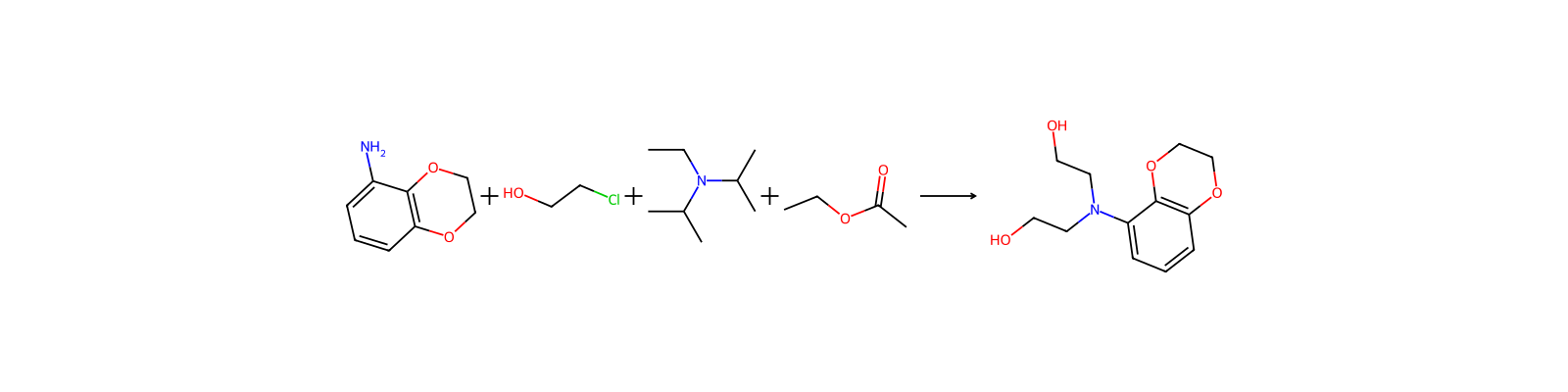
Reaktionsgleichung von HRID 4725
HRID 4725als Eduktuspto-grants-1988_02
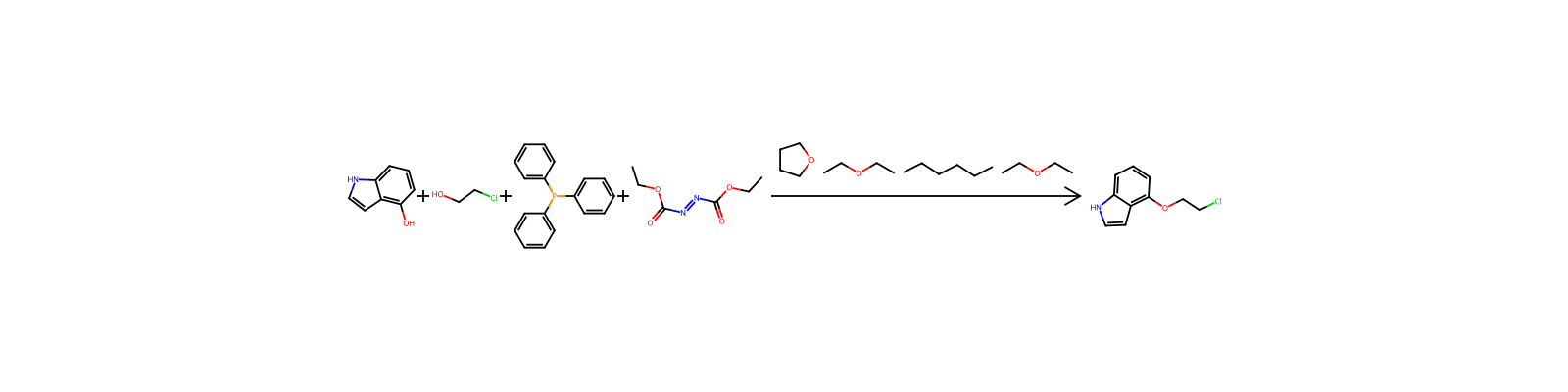
Reaktionsgleichung von HRID 8638
HRID 8638als Eduktuspto-grants-2006_08
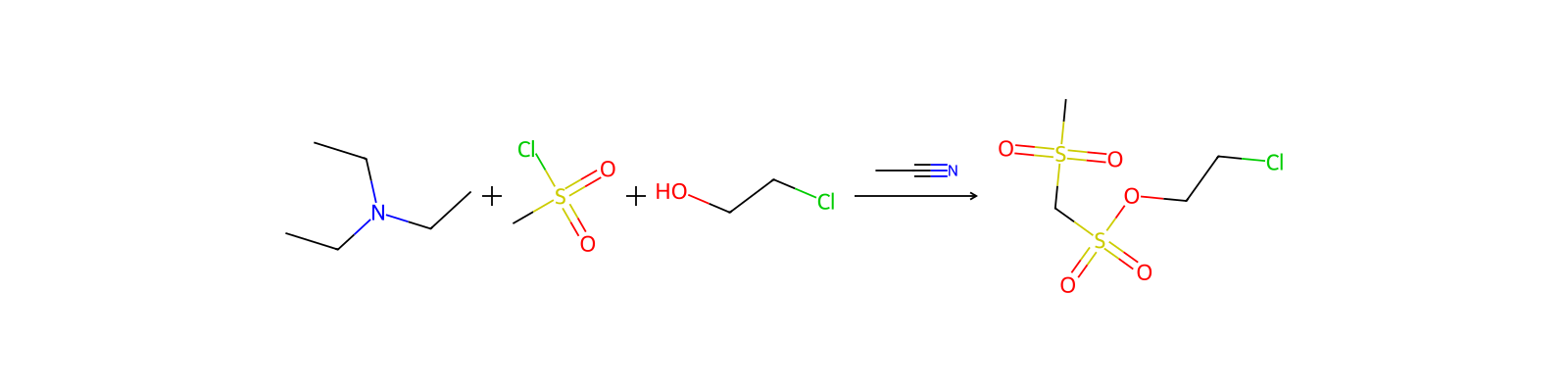
Reaktionsgleichung von HRID 9734
HRID 9734als Eduktuspto-grants-2006_08
Reaktionsgleichung von HRID 22498
HRID 22498als Eduktuspto-grants-1995_06
Reaktionsgleichung von HRID 22502
HRID 22502als Eduktuspto-grants-1995_06
Reaktionsgleichung von HRID 32429
HRID 32429als Eduktuspto-grants-2008_09
Reaktionsgleichung von HRID 35296
HRID 35296als Eduktuspto-grants-1988_08
Reaktionsgleichung von HRID 49989
HRID 49989als Eduktuspto-grants-2004_03
Seite 1 von 67

Notizen zur Verbindung

Wird geladen…

Auf dieser SeiteGrundinformationenNamen und BezeichnerEigenschaftenSicherheit und RegulatorischesChemie und IndustrieZugehörige ReaktionenNotizen zur Verbindung
Weitere Aktionen
Neue NotizNeue ReaktionAnfrage stellen

Solubility in water: miscible

Miscible

Flash Point · 6 Einträge

140 °F (EPA, 1998)

40 °C

105 °F (40 °C) (open cup)

60 °C c.c.

140 °F

140 °F

Boiling Point · 6 Einträge

262 °F at 760 mmHg (EPA, 1998)

128-130 °C @ 760 MM HG

128-130 °C

262 °F

128.8 °C @760 [mm Hg]

262 °F

Decomposition... WHEN HEATED TO DECOMPOSITION, IT EMITS HIGHLY TOXIC FUMES OF PHOSGENE ... .
Melting Point · 6 Einträge

-89.5 °F (EPA, 1998)

-67.5 °C

-67 °C

-90 °F

-67.5 °C

-90 °F

Vapor Density · 4 Einträge

2.78 (EPA, 1998) - Heavier than air; will sink (Relative to Air)

2.78 (AIR= 1)

Relative vapor density (air = 1): 2.78

2.78

Odor ThresholdOdor Threshold Low: 0.4 [ppm];Odor threshold from CHEMINFO

Physikochemische Eigenschaften

Schmelzpunkt
-63 °C · -63 °C
Siedepunkt
129 °C · 129 °C(lit.)
Dichte
1.201 g/mL · 1.201 g/mL at 25 °C(lit.)
Dampfdichte
2.78 · 2.78 (vs air)
Dampfdruck
5 mm · 5 mm Hg ( 20 °C)
Brechungsindex
20 · n20/D 1.441(lit.)
Flammpunkt
140 °F · 140 °F
storage temp.
2 · 2-8°C
Löslichkeit
Soluble in alcohol (Weast, 1986)
pka
14.02 · 14.02±0.10(Predicted)
Aggregatzustand
Liquid
Farbe
Yellow
Geruch (Odor)
Faint, ethereal.
PH
6 · 6-7 (20°C, 500g/L in H2O)
Explosionsgrenze
5 · 5-16% (v/v)
Wasserlöslichkeit
MISCIBLE
Merck
14 · 14,3793
BRN
878139 · 878139
Henry's Law Constant
1.3 · 1.3×101 mol/(m3Pa) at 25℃, Duchowicz et al. (2020)
Dielectric constant
26 · 26.0(25℃)
Stabilität
Stable. Incompatible with oxidizing agents.
InChI
1S/C2H5ClO/c3-1-2-4/h4H,1-2H2
InChIKey
SZIFAVKTNFCBPC-UHFFFAOYSA-N
SMILES
OCCCl
LogP
-0.06 · -0.06-1.06 at 20℃
CAS Datenbank
107 · 107-07-3(CAS DataBase Reference)
NIST chemische Informationen
2 · Ethanol, 2-chloro-(107-07-3)
EPA chemische Informationen
2 · 2-Chloroethanol (107-07-3)

Flammable. Gives off irritating or toxic fumes (or gases) in a fire. Above 60 °C explosive vapour/air mixtures may be formed.

Fire PotentialMODERATE, WHEN EXPOSED TO HEAT, FLAME OR OXIDIZERS.
Health Hazards · 2 Einträge

Very toxic; probable oral lethal dose in humans is 50-500 mg/kg or between 1 teaspoon and 1 ounce for a 70 kg (150 lb.) person. Poisoning causes liver and kidney degeneration and irritates mucous membranes; it may be cumulative. Several fatal cases with brain edema and lung edema have been reported from industrial exposure by inhalation and skin contact. It is more toxic by skin contact than orally. (EPA, 1998)

· TOXIC; may be fatal if inhaled, ingested or absorbed through skin.;· Inhalation or contact with some of these materials will irritate or burn skin and eyes.;· Methyl chloroacetate (UN2295) is an eye irritant/lachrymator (causes flow of tears).;· Fire will produce irritating, corrosive and/or toxic gases.;· Vapors may cause dizziness or asphyxiation, especially when in closed or confined areas.;· Runoff from fire control or dilution water may cause environmental contamination.

Hazards Summary · 1 Eintrag

In acute animal experiments, ethylene chlorohydrin is a potent central nervous system depressant. Autopsy of a worker who died from ethylene chlorohydrin poisoning showed severe damage to the brain, liver, and other organs. [ACGIH] Absorbed through the skin and severely irritating to the eyes and respiratory tract; Causes heart, liver, and kidney damage and respiratory failure; [ICSC] Ethylene chlorohydrin is more toxic to the kidneys than other halogenated hydrocarbons. It readily penetrates through rubber gloves and the skin. [LaDou, p. 417]

DOT ID and Guide · 2 Einträge

1135 131

1135 131

Reactive GroupAlcohols and Polyols;Halogenated Organic Compounds
EC ClassificationSymbol: T+; R: 26/27/28; S: (1/2)-7/9-28-45
UN ClassificationUN Hazard Class: 6.1; UN Subsidiary Risks: 3; UN Pack Group: I
Special ReportsDHHS/NTP; Toxicology & Carcinogenesis Studies of 2-Chloroethanol in F344/N Rats and B6C3F1 Mice Technical Report Series No. 275 (1985) NIH Publication No. 86-2531

Sicherheit und Schutzausrüstung

Fire Fighting · 2 Einträge

Do not breathe fumes from burning material. Air purifying respirator or self-contained breathing apparatus, coat, pants, gloves, and boots should be worn. No skin surface should be exposed. Bands around legs, arm and waist should be provided.;Water spray may be used to extinguish the fire because the material can be cooled below its flash point. Alcohol foam, carbon dioxide, and dry chemical may be used. (EPA, 1998)

Use water spray, powder, alcohol-resistant foam, carbon dioxide. In case of fire: keep drums, etc., cool by spraying with water.

First Aid Measures · 4 Einträge

Fresh air, rest. Half-upright position. Artificial respiration may be needed. Refer for medical attention.

Remove contaminated clothes. Rinse and then wash skin with water and soap. Refer for medical attention .

First rinse with plenty of water for several minutes (remove contact lenses if easily possible), then refer for medical attention.

Rinse mouth. Induce vomiting (ONLY IN CONSCIOUS PERSONS!). Refer for medical attention .

Accidental Release Measures · 2 Einträge

· CALL 911. Then call emergency response telephone number on shipping paper. If shipping paper not available or no answer, refer to appropriate telephone number listed on the inside back cover.;· Keep unauthorized personnel away.;· Stay upwind, uphill and/or upstream.;· Ventilate closed spaces before entering, but only if properly trained and equipped.

· ELIMINATE all ignition sources (no smoking, flares, sparks or flames) from immediate area.;· All equipment used when handling the product must be grounded.;· Do not touch or walk through spilled material.;· Stop leak if you can do it without risk.;· Prevent entry into waterways, sewers, basements or confined areas.;· A vapor-suppressing foam may be used to reduce vapors.;Small Spill;· Absorb with earth, sand or other non-combustible material and transfer to containers for later disposal.;· Use clean, non-sparking tools to collect absorbed material.;Large Spill;· Dike far ahead of liquid spill for later disposal.;· Water spray may reduce vapor, but may not prevent ignition in closed spaces.

First Aid · 3 Einträge

Signs and Symptoms of Acute Chloroethanol Exposure: Signs and symptoms of acute exposure to chloroethanol may include weakness, dizziness, confusion, visual disturbances, incoordination, shock, seizures, and coma. Dyspnea (shortness of breath), pulmonary edema, respiratory depression, and respiratory failure may occur. Weak pulse, hypotension (low blood pressure), and cyanosis (blue tint to the skin and mucous membranes) may be observed. Nausea, vomiting, and hematuria (bloody urine) may be seen after exposure. Liver and kidney damage may also occur. Chloroethanol is irritating to the skin and mucous membranes.;Emergency Life-Support Procedures: Acute exposure to chloroethanol may require decontamination and life support for the victims. Emergency personnel should wear protective clothing appropriate to the type and degree of contamination. Air-purifying or supplied-air respiratory equipment should also be worn, as necessary. Rescue vehicles should carry supplies such as plastic sheeting and disposable plastic bags to assist in preventing spread of contamination.;Inhalation Exposure:;1. Move victims to fresh air. Emergency personnel should avoid self-exposure to chloroethanol.;2. Evaluate vital signs including pulse and respiratory rate, and note any trauma. If no pulse is detected, provide CPR. If not breathing, provide artificial respiration. If breathing is labored, administer oxygen or other respiratory support.;3. Obtain authorization and/or further instructions from the local hospital for administration of an antidote or performance of other invasive procedures.;4. Transport to a health care facility.;Dermal/Eye Exposure:;1. Remove victims from exposure. Emergency personnel should avoid self- exposure to chloroethanol.;2. Evaluate vital signs including pulse and respiratory rate, and note any trauma. If no pulse is detected, provide CPR. If not breathing, provide artificial respiration. If breathing is labored, administer oxygen or other respiratory support.;3. Remove contaminated clothing as soon as possible.;4. If eye exposure has occurred, eyes must be flushed with lukewarm water for at least 15 minutes.;5. Wash exposed skin areas THOROUGHLY with soap and water.;6. Obtain authorization and/or further instructions from the local hospital for administration of an antidote or performance of other invasive procedures.;7. Transport to a health care facility.;Ingestion Exposure:;1. Evaluate vital signs including pulse and respiratory rate, and note any trauma. If no pulse is detected, provide CPR. If not breathing, provide artificial respiration. If breathing is labored, administer oxygen or other respiratory support.;2. Obtain authorization and/or further instructions from the local hospital for administration of an antidote or performance of other invasive procedures.;3. Give the victims water or milk: children up to 1 year old, 125 mL (4 oz or 1/2 cup); children 1 to 12 years old, 200 mL (6 oz or 3/4 cup); adults, 250 mL (8 oz or 1 cup). Water or milk should be given only if victims are conscious and alert.;4. Activated charcoal may be administered if victims are conscious and alert. Use 15 to 30 g (1/2 to 1 oz) for children, 50 to 100 g (1-3/4 to 3-1/2 oz) for adults, with 125 to 250 mL (1/2 to 1 cup) of water.

General First Aid:;· Call 911 or emergency medical service.;· Ensure that medical personnel are aware of the material(s) involved, take precautions to protect themselves and avoid contamination.;· Move victim to fresh air if it can be done safely.;· Administer oxygen if breathing is difficult.;· If victim is not breathing:;-- DO NOT perform mouth-to-mouth resuscitation; the victim may have ingested or inhaled the substance.;-- If equipped and pulse detected, wash face and mouth, then give artificial respiration using a proper respiratory medical device (bag-valve mask, pocket mask equipped with a one-way valve or other device).;-- If no pulse detected or no respiratory medical device available, provide continuous compressions. Conduct a pulse check every two minutes or monitor for any signs of spontaneous respirations.;· Remove and isolate contaminated clothing and shoes.;· For minor skin contact, avoid spreading material on unaffected skin.;· In case of contact with substance, remove immediately by flushing skin or eyes with running water for at least 20 minutes.;· For severe burns, immediate medical attention is required.;· Effects of exposure (inhalation, ingestion, or skin contact) to substance may be delayed.;· Keep victim calm and warm.;· Keep victim under observation.;· For further assistance, contact your local Poison Control Center.;· Note: Basic Life Support (BLS) and Advanced Life Support (ALS) should be done by trained professionals.;Specific First Aid:;· Wash skin with soap and water.

(General first aid procedures);Eye: Irrigate immediately - If this chemical contacts the eyes, immediately wash (irrigate) the eyes with large amounts of water, occasionally lifting the lower and upper lids. Get medical attention immediately.;Skin: Water flush immediately - If this chemical contacts the skin, immediately flush the contaminated skin with water. If this chemical penetrates the clothing, immediately remove the clothing and flush the skin with water. Get medical attention promptly.;Breathing: Respiratory support;Swallow: Medical attention immediately - If this chemical has been swallowed, get medical attention immediately.

Safe StorageFireproof. Separated from strong bases, oxidants and food and feedstuffs. Dry. Well closed.
Firefighting HazardsVapors are heavier than air and may flash back to a source of ignition.
Exposure Control and Personal Protection · 3 Einträge

· Wear positive pressure self-contained breathing apparatus (SCBA).;· Wear chemical protective clothing that is specifically recommended by the manufacturer when there is NO RISK OF FIRE.;· Structural firefighters' protective clothing provides thermal protection but only limited chemical protection.

TIH (Toxic Inhalation Hazard) - Term used to describe gases and volatile liquids that are toxic when inhaled. Some are TIH materials themselves, e.g., chlorine, and some release TIH gases when spilled in water, e.g., chlorosilanes. [ERG 2016].

2.0 [ppm]

Fire Fighting ProceduresWater, alcohol foam, dry chemical, or carbon dioxide.
Cleanup Methods · 1 Eintrag

1. Remove all ignition sources. 2. Ventilate area of spill or leak. 3. For small quantities, absorb on paper towels. Evaporate in a safe place (such as a fume hood). Allow sufficient time for evaporating vapors to completely clear the hood ductwork. Burn the paper in a suitable location away from combustible materials. Large quantities can be collected and atomized in a suitable combustion chamber equipped with an appropriate effluent gas cleaning device. Ethylene chlorohydrin should not be allowed to enter a confined space, such as a sewer, because of the possibility of an explosion.

Nonfire Spill Response · 1 Eintrag

Excerpt from ERG Guide 131 [Flammable Liquids - Toxic]:;ELIMINATE all ignition sources (no smoking, flares, sparks or flames) from immediate area. All equipment used when handling the product must be grounded. Do not touch or walk through spilled material. Stop leak if you can do it without risk. Prevent entry into waterways, sewers, basements or confined areas. A vapor-suppressing foam may be used to reduce vapors.;SMALL SPILL: Absorb with earth, sand or other non-combustible material and transfer to containers for later disposal. Use clean, non-sparking tools to collect absorbed material.;LARGE SPILL: Dike far ahead of liquid spill for later disposal. Water spray may reduce vapor, but may not prevent ignition in closed spaces. (ERG, 2024)

Disposal Methods · 2 Einträge

SRP: At the time of review, criteria for land treatment or burial (sanitary landfill) disposal practices are subject to significant revision. Prior to implementing land disposal of waste residue (including waste sludge), consult with environmental regulatory agencies for guidance on acceptable disposal practices.

1. By absorbing it in vermiculite, dry sand, earth or a similar material and disposing in a secured sanitary landfill. 2. By atomizing in a suitable combustion chamber equipped with an appropriate effluent gas cleaning device.

Spillage Disposal · 1 Eintrag

Personal protection: complete protective clothing including self-contained breathing apparatus. Collect leaking and spilled liquid in sealable containers as far as possible. Absorb remaining liquid in sand or inert absorbent. Then store and dispose of according to local regulations.

Toxikologische Informationen

Interactions · 2 Einträge

Simultaneous administration of ethyl alcohol increased the LD50 of ethylene chlorohydrin regardless of the route of administration (peroral or percutaneous). Necrotic lesions produced in the liver and kidney by ethylene chlorohydrin were also reduced in number and extent by ethanol. Blood concn of the chlorohydrin were raised by ethanol administration, which suggests that the protective effect is due to competitive inhibition of chlorohydrin metabolism to chloroacetaldehyde.

2-Chloroethanol is thought to interfere with the detoxification mechanisms of the alkaloids. Chickens were administered monocrotaline after separate groups were pretreated with BHA and 2-chloroethanol. There was an apparent deleterious effect of monocrotaline in 2-chloroethanol-pretreated chickens, similar to that in non-pretreated birds, with respect to growth rates, morbility, mortality, and hepatic histopatholoqy. Monocrotaline pyrrole formation was measured in chickens pretread with BHA and 2-chloroethanol by means of the Erlich reagent reaction spectrophotometric assay. There was a significant difference in pyrrole production between the treatment groups. The 2-chloroethanol plus-monocrotaline (40 mg/kg), BHA (500 mg/kg) plus monocrotaline, nonocrotaline, BHA (100 mg/kg) plus monocrotaline (20 mg/kg), and BHA (500 mg/kg) plus 2-chloroethanol and monocrotaline groups had decreasing amounts of pyrrole metabolite formation respectively.

Target Organsrespiratory system, liver, kidneys, central nervous system, cardiovascular system, eyes
Ecotoxicity Values · 1 Eintrag

LC50 Pimephales promelas (fathead minnow) 83.7 mg/l/96 hr (95% confidence limit 75.0-93.4 mg/l), flow-through bioassay with measured concentrations, 24.0 °C, dissolved oxygen 7.1 mg/l, hardness 52.3 mg/l calcium carbonate, alkalinity 44.2 mg/l calcium carbonate, and pH 7.22.

Environmental Fate · 3 Einträge

TERRESTRIAL FATE: If released on soil 2-chloroethanol would be expected to leach because of its estimated very low adsorptivity to soil. In view of its low estimated Henry's Law constant, 1.04X10⁻⁷ atm-cu m/mole(1), and low estimated adsortivity to soil, 2-chloroethanol would not be expected to volatilize from moist soil. However, it would be expected to volatilize from dry soil and other surfaces because it's vapor pressure is appreciable, 7.18 mm Hg at 25 °C(2). 2-Chloroethanol was readily biodegradable in screening tests and biological treatment simulations tests which suggest that it may biodegrade in soil(SRC).

AQUATIC FATE: If released in water, the fate of 2-chloroethanol is not clear. In view of its low estimated Henry's Law constant, 1.04X10⁻⁷ atm-cu m/mole(1), 2-chloroethanol would not be expected to volatilize from surface waters. It would not be expected to adsorb to sediment, bioconcentrate in fish, photolyze or hydrolyze. However, based on data from screening tests, it may biodegrade(SRC).

ATMOSPHERIC FATE: 2-Chloroethanol reacts with photochemically-produced hydroxyl radicals in the atmosphere and has a rate constant of 1.40X10⁻¹² cu cm/molec-sec(1) for this reaction. Assuming a hydroxyl radical concn of 5X10+5 per cu cm, the half-life of 2-chloroethanol in the atmosphere will be 11.5 days(SRC). 2-Chloroethanol is soluble in water(2) and would be subject to washout by rain.

Food Survey Values · 1 Eintrag

2-Chloroethanol and 2-chloroethanol fatty acid esters are byproducts of the ethylene oxide fumigation of foods(1). Furthermore, 2-chloroethanol fatty acid esters are hydrolyzed to 2-chloroethanol in model digestive systems(1). The level of 2-chloroethanol found in samples of black walnuts and a variety of spices (item, concn in ppm) was: allspice, 810-880; black pepper, 0.2-45; black walnuts, 1.9-4.8; chili powder, 0.8-45; cocoa, not detected; mint flakes, 0.6; mushrooms, not detected - 0.4; Nacho cheese mix, not detected - 14; nutmeg, 16-37; onion powder, not detected; paprika, not detected - 513; parsley flakes, 0.4; red pepper, 3.6-490; seafood seasoning, 33; taco seasoning, 115-117; vegetable flakes, 0.35-0.6; and white pepper, 0.78(1).

Adverse Effects · 1 Eintrag

Neurotoxin - Acute solvent syndrome;Occupational hepatotoxin - Secondary hepatotoxins: the potential for toxic effect in the occupational setting is based on cases of poisoning by human ingestion or animal experimentation.;Nephrotoxin - The chemical is potentially toxic to the kidneys in the occupational setting.;ACGIH Carcinogen - Not Classifiable.

Exposure Routes · 2 Einträge

The substance can be absorbed into the body by inhalation, through the skin and by ingestion.

inhalation, skin absorption, ingestion, skin and/or eye contact

Signs and Symptoms · 5 Einträge

Cough. Dizziness. Headache. Nausea. Sore throat. Vomiting.

MAY BE ABSORBED! Further see Inhalation.

Redness. Pain. Severe deep burns.

See Inhalation.

irritation mucous membrane; nausea, vomiting; dizziness, incoordination; numb; visual disturbance; headache; thirst; delirium; low blood pressure; collapse, shock, coma; liver, kidney damage

Ongoing Test Status · 1 Eintrag

The following link will take the user to the National Toxicology Program (NTP) Test Agent Search Results page, which tabulates all of the "Standard Toxicology & Carcinogenesis Studies", "Developmental Studies", and "Genetic Toxicity Studies" performed with this chemical. Clicking on the "Testing Status" link will take the user to the status (i.e., in review, in progress, in preparation, on test, completed, etc.) and results of all the studies that the NTP has done on this chemical. [http://ntp-apps.niehs.nih.gov/ntp_tox/index.cfm?fuseaction=ntpsearch.searchresults&searchterm=107-07-3]

ICSC Environmental DataThe substance is harmful to aquatic organisms.
Medical Surveillance · 1 Eintrag

The following medical procedures should be made available to each employee who is exposed to ethylene chlorohydrin at potentially hazardous levels: ... A complete history and physical examination. ... Examination of the respiratory system, liver, kidneys, and central nervous system should be stressed. The skin should be examined for evidence of chronic disorders. ... A profile of liver function should be obtained by using a medically acceptable array of biochemical tests. ... Since kidney damage has been observed from exposure, a urinalysis should be obtained to include at a minimum specific gravity, albumin, glucose, and microscopic /examination/ of centrifuged sediment. ... The aforementioned medical examinations should be repeated on a semi-annual basis for the first two years and annually thereafter.

Soil Adsorption/MobilityThe Koc for 2-chloroethanol estimated from molecular structure is 1.33(1). According to a suggested classification scheme, a Koc of this magnitude indicates that 2-chloroethanol will exhibit very high mobility in soil(2).

Regulatorische Informationen

Regulatory Information · 6 Einträge

Chemical: Ethanol, 2-chloro-

Regulation (EC) No 178/2002 (amended)

Ethylene Chlorohydrin is listed in the dataset of EPA Human Health Benchmarks for Pesticides under the Safe Drinking Water Act (40 eCFR 141)

Status: Active Update: 12-04-2019 https://echa.europa.eu/registration-dossier/-/registered-dossier/19389;Status: Active Update: 14-10-2021 https://echa.europa.eu/registration-dossier/-/registered-dossier/13574

Ethylene chlorohydrin: HSNO Approval: HSR002990 Approved with controls

The New Jersey Worker and Community Right to Know Act requires public and private employers to provide information about hazardous substances at their workplaces. (N.J.S.A. 34:5A-1 et. seq.)

Atmospheric Standards · 1 Eintrag

This action promulgates standards of performance for equipment leaks of Volatile Organic Compounds (VOC) in the Synthetic Organic Chemical Manufacturing Industry (SOCMI). The intended effect of these standards is to require all newly constructed, modified, and reconstructed SOCMI process units to use the best demonstrated system of continuous emission reduction for equipment leaks of VOC, considering costs, non air quality health and environmental impact and energy requirements. ETHYLENE CHLOROHYDRIN is produced, as an intermediate or a final product, by process units covered under this subpart.

CERCLA Reportable Quantities · 1 Eintrag

Releases of CERCLA hazardous substances are subject to the release reporting requirement of CERCLA section 103, codified at 40 CFR part 302, in addition to the requirements of 40 CFR part 355. Chloroethanol is an extremely hazardous substance (EHS) subject to reporting requirements when stored in amounts in excess of its threshold planning quantity (TPQ) of 500 lbs.

Sicherheitsdaten

F
21
OEL
Ceiling: 1 ppm (3 mg/m3) [skin]
wgk
3
IDLA
7 ppm
tsca
TSCA listed
ridadr
UN 1135
hs_code
29333999
RTECS-Nr.
KK0875000
risk_code
26/27/28-39/23/24/25-23/24/25-11-10
Toxizität
LD50 orally in rats: 0.095 g/kg (Smyth)
hazard_code
T+,T,F
safety_code
28-45-7/9-28A-36/37-16-7
hazard_class
6.1
packing_group
I
Speicherklasse
3 - Flammable liquids
Giftige Stoffe Daten
107-07-3(Hazardous Substances Data)
Hazard Classifications
Acute Tox. 1 DermalAcute Tox. 1 InhalationAcute Tox. 2 OralAquatic Chronic 2Eye Dam. 1Flam. Liq. 3Met. Corr. 1
Selbstentzündungstemperatur
797°F

No currently registered in the U.S. for use as a pesticide; [HSDB]

Metal Degreasing [Category: Clean];Sterilizing Equipment [Category: Clean]

For 2-Chloroethanol (USEPA/OPP Pesticide Code: 600502) there are 0 labels match. /SRP: Not registered for current use in the U.S., but approved pesticide uses may change periodically and so federal, state and local authorities must be consulted for currently approved uses./

MFR OF INSECTICIDES; TREATING SWEET POTATOES BEFORE PLANTING

Introduction of hydroxyethyl group in organic synth; solvent for cellulose acetate, ethylcellulose; activate sprouting of dormant potatoes; mfg of ethylene oxide and ethylene glycol, insecticides.

ImpuritiesTHE COMMERCIAL PRODUCT CONTAINS AS ITS CHIEF IMPURITIES ETHYLENE DICHLORIDE & DICHLOROETHYL ETHER.
U.S. Production · 2 Einträge

(1972) NOT MORE THAN 1.6X10+10 GRAMS

(1975) AT LEAST 2.0X10+10 GRAMS

Methods of Manufacturing · 3 Einträge

REACTION OF ETHYLENE OXIDE & AQUEOUS METALLIC CHLORIDES

MADE FROM ETHYLENE BY THE ACTION OF A HYPOCHLORITE.

2-Chloroethanol can be synthesized by reaction of hypochlorous acid with ethylene.

Formulations/Preparations · 2 Einträge

GRADES: ANHYDROUS; 38%.

Grades or Purity: 99+%

General Manufacturing Information · 2 Einträge

Ethanol, 2-chloro-: ACTIVE

For many years 2-chloroethanol was manufactured on a large scale as a precursor to ethylene oxide, but this process has been almost completely displaced by the direct oxidation of ethylene to ethylene oxide.

Anwendungen · 2 Einträge

BeschreibungEthylene chlorohydrine is a clear, colourless liquid with mild, ethereal odour. It reacts with alkali metals. Ethylene chlorohydrine has applications as a laboratory reagent and as a pharmaceutical intermediate. Ethylene chlorohydrine is a building block in the production of pharmaceuticals, biocides, and plasticisers, used for manufacture of thiodiglycol, an important solvent for cellulose acetate and ethyl cellulose, textile-printing dyes, extraction of pine lignin, in dewaxing, refining of rosin, and the cleaning of machines. Several dyes are prepared by the alkylation of aniline derivatives with chloroethanol.

Verwenden2-Chloroethanol, is used in the preparation of TTFTT (tetrathiafulvalene-2,3,6,7-tetrathiolate) and important building block in TTF syntheis. In addition, it is used in the synthesis of vinyltriazoles. This is the labeled analog.

Vor- und nachgelagerte Produkte

Vorgelagerte Rohstoffe

Anhydrous hydrogen chlorideEthylenoxidSchwefeldichloridHydrogenchloridHypochlorigesure

Nachgelagerte Produkte

2-(N-Methylanilino)ethanol1-Brom-2-chlorethan2-Chlorethylchlorformiat3-Hydroxypropiononitril2-Chlorethyl-toluen-4-sulfonat2-(Methylthio)ethanol1-(2-PYRROLIDINOETHYL)PIPERAZINEETHYL 2-CHLOROETHYLCARBAMATE2-((Aminocarbonyl)oxy)-N,N,N-tri-methylethan-aminiumchloridTroxerutinCholinhydroxid1-Brom-2-fluorethan4-(2-(N-BENZYL-N-METHYLAMINO)ETHOXY)-3,5-DICHLOROBENZENAMINECloperastinBis(2-phenoxyethyl)peroxydicarbonatPiperazin-1,4-diethanolN-(2-(p-Bromphenoxy)ethyl)pyrrolidin2-(Ethylthio)ethanol2-(2,4,6-TRICHLORO PHENOXY)CHLOROETHANEfluorescent brightener 311(2-MORPHOLIN-4-YL-ETHYL)-HYDRAZINE2-Iodethanol2-HydroxyethylmethacrylatTris(2-chlorethyl)-phosphatCholinchlorid2-(Diphenylmethoxy)-N,N-dimethyl-ethanaminAdefovir dipivoxilBENZHYDRYL B-CHLOROETHYL ETHER4-((4-BENZYLMORPHOLIN-2-YL)METHOXY)-3,5-DICHLOROBENZENAMINE4-(2-Hydroxyethoxy)benzaldehydeN-(2-Aminoethyl)pyrrolidin(2-PYRROLIDIN-1-YL-ETHYL)-HYDRAZINE(4-CHLORODIPHENYL)METHYL BETA-CHLOROETHYL ETHERchloroalcohol type homogeneous strongly basic anion exchange membrane2-MercaptoethanolThiodiglykolAcetylcholinchloridN-(2-Chlorethyl)pyrrolidinhydrochlorid4-(2-MORPHOLINOETHOXY)-3,5-DICHLOROBENZENAMINE2-Fluorethanol

Ergänzende Hinweise

DefinitionChEBI: 2-chloroethanol is a chloroethanol carrying a chloro substituent at position 2. It has a role as a xenobiotic metabolite.