HRID 111088als Edukt
Daten werden ergänzt – lade die Seite später neu, um den aktuellen Stand zu sehen

6374-87-4O=C1c2ccccc2C(=O)c2cc(CCl)ccc21NVUYDKYMEMGYFP-UHFFFAOYSA-N6374-87-4DTXSID00322395CHEMBL21780Sicherheitsangaben dienen nur zur Orientierung und ersetzen weder das Sicherheitsdatenblatt (SDB) des Lieferanten noch geltende Vorschriften oder eine fachliche Bewertung.
Danger
H314 (100%): Causes severe skin burns and eye damage [Danger Skin corrosion/irritation]
P260, P264, P280, P301+P330+P331, P302+P361+P354, P304+P340, P305+P354+P338, P316, P321, P363, P405, and P501 (click each P-code to see the statement)
Aggregated GHS information provided per 40 reports by companies from 1 notifications to the ECHA C&L Inventory.
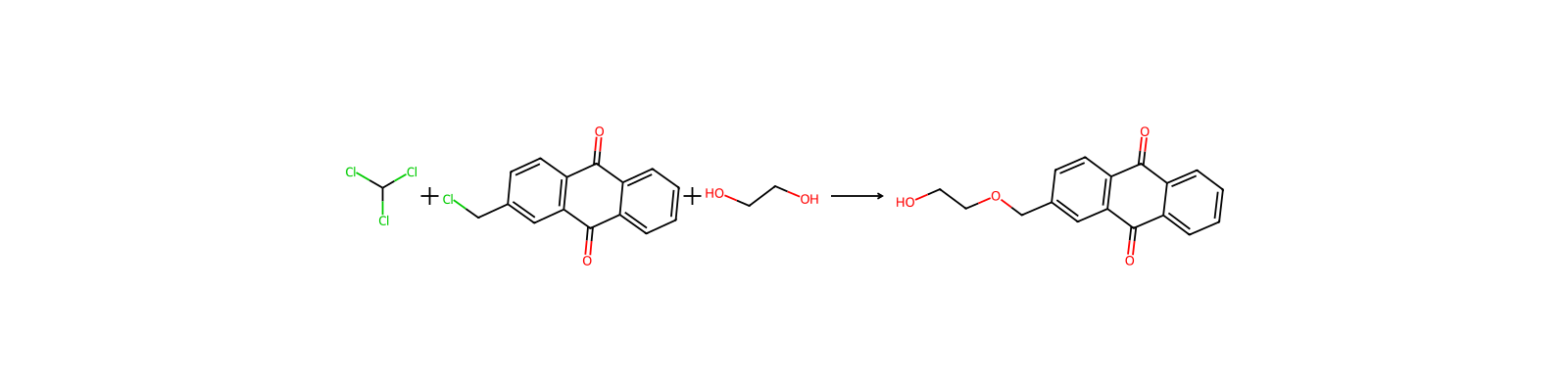
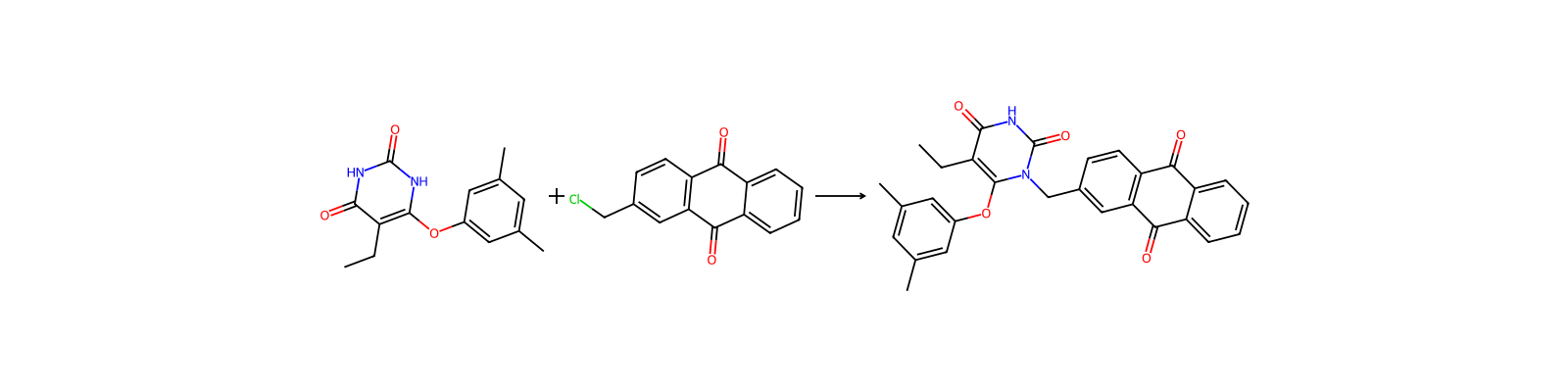
Verwenden2-(Chloromethyl)anthraquinone may be used in the following processes: Synthesis of 2-[methylamino-N-(1′-methyl-4′-N,N-diethylaminobutyl)]anthraquinone diphosphate. Synthesis of 2-(3,4-dicyano-phenyl)-2-(9,10-dioxo-9,10-dihydroantracen-2-yl-methyl)-malonic acid diethyl ester, starting reagent for the synthesis of tetra substituted metallophthalocyanines.To alter the glassy carbon (GC) electrode surface in order to investigate the oxygen reduction reaction (ORR) in alkaline medium.