
Grundinformationen
- Standard-SMILES
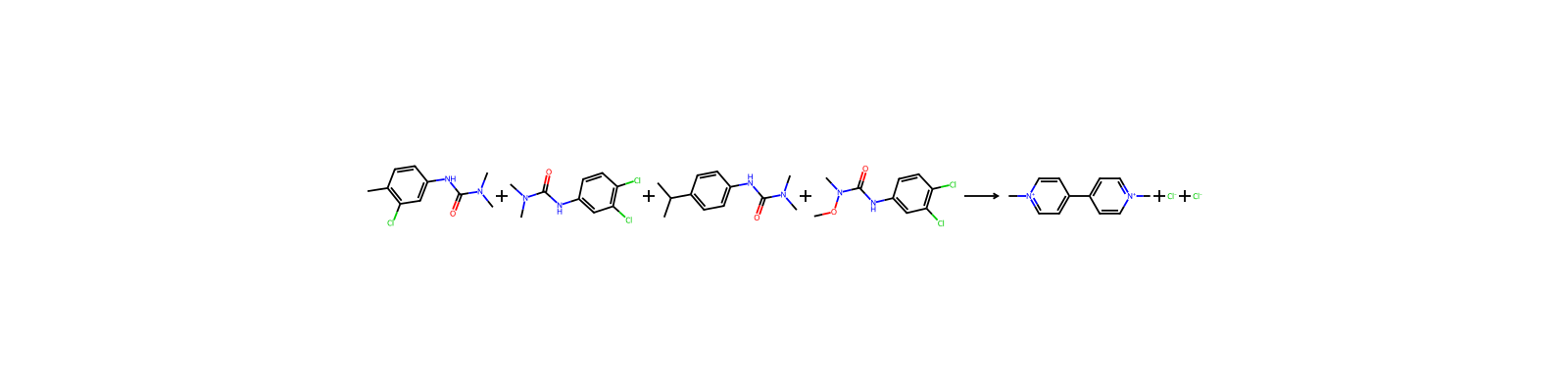
CC(C)c1ccc(NC(=O)N(C)C)cc1- InChIKey
PUIYMUZLKQOUOZ-UHFFFAOYSA-N- Summenformel
- C12H18N2O
- Durchschnittliche Molmasse
- 206,28 g/mol
- Monoisotopische Masse
- 206,1419132
Namen und Bezeichner
- Bevorzugter Name
- Isoproturon
- IUPAC
- 1,1-dimethyl-3-(4-propan-2-ylphenyl)urea
- Lokaler Name
- 3-(4-Isopropylphenyl)-1,1-dime-thylharnstoff
- Englischer Name
- Isoproturon
- Summenformel
- C12H18N2O
- Molmasse
- 206.28
Namen und Synonyme
ISOPROTURON34123-59-6GraminonTolkan3-(4-Isopropylphenyl)-1,1-dimethylureaArelonBelgranArelon RNocilonIPU StefesIP-FloHytane 500L
Weitere Namen anzeigen
ALONSabreGUIDELINEIPUip50HytaneTolken
Zodiac TXDPX 67743-p-Cumenyl-1,1-dimethylureaCGA-18731HOE 16410N-4-Isopropylphenyl-N,N-dimethylureaDTXSID1042077IP 50
Datenbank-Bezeichner
- CAS
34123-59-6- PubChem CID
- 36679
- DTXSID
DTXSID1042077- ChEMBL
CHEMBL2251591- ChEBI
CHEBI:6049- UNII
- 66066K098P
- EC Number
- 251-835-4
- Nikkaji
- J60.490I
Eigenschaften
Berechnete Struktureigenschaften
- XLogP
- 2,9
- Polarare Oberfläche (TPSA)
- 32,3 Ų
- H-Brücken-Donoren
- 1
- H-Brücken-Akzeptoren
- 1
- Frei drehbare Bindungen
- 2
- Schwere Atome
- 15
- Formalladung
- 0
- Komplexität
- 206
Experimentelle und physikochemische Eigenschaften
LogPlog Kow = 2.87
Density1.2 at 20 °C
Color/Form
Colorless crystals
White crystals from benzene
Solubility
In water, 65 mg/L at 22 °C
In water, 70 mg/L at 20 °C
In methanol 75, dichloromethane 63, acetone 38, benzene 5, xylol 4, n-hexane approximately 0.2 (all in g/L at 20 °C)
Flash Point100 °C (212 °F) - closed cup
DecompositionWhen heated to decomposition it emits toxic vapors of /nitrogen oxides/.
Melting Point
158 °C
MP: 153-165 °C /Technical isoproturon/
Vapor Pressure9.1X10-3 mPa /2.47X10-8 mm Hg/ at 25 °C
Stability/Shelf LifeStable under recommended storage conditions.
Ionization Efficiency
Positive
3.29
2.7
Agilent XCT
Electrospray ionization
formic acid (5.3nM)
Collision Cross Section
155.4 Ų [M-H]- [CCS Type: DT; Buffer gas: N2; Ionization: ESI-; Dataset: TOXCAST; Source Identifier: DTXSID1042077];152.9 Ų [M+H]+ [CCS Type: DT; Buffer gas: N2; Ionization: APCI+; Dataset: TOXCAST; Source Identifier: DTXSID1042077];152.1 Ų [M+H]+ [CCS Type: DT; Buffer gas: N2; Ionization: ESI+; Dataset: TOXCAST; Source Identifier: DTXSID1042077];158.8 Ų [M+Na]+ [CCS Type: DT; Buffer gas: N2; Ionization: ESI+; Dataset: TOXCAST; Source Identifier: DTXSID1042077]
150.75 Ų [M+H]+ [CCS Type: TW]
151.8 Ų [M+H]+ [CCS Type: DT; Method: single field calibrated]
158.37 Ų [M+Na]+;151.9 Ų [M+H]+
Other Experimental Properties
Very stable to light, acids and alkalies. Hydrolytically cleaved by strong alkalies on heating.
Hydroxyl radical reaction rate constant = 1.20X10⁻¹¹ cu cm/molec-sec at 25 °C
Physikochemische Eigenschaften
- Schmelzpunkt
- 158 ° · 158°
- Siedepunkt
- 345.15 °C · 345.15°C (rough estimate)
- Dichte
- 1.031 · 1.0310 (rough estimate)
- Brechungsindex
- 1.476 · 1.4760 (estimate)
- Flammpunkt
- 100 °C · 100 °C
- storage temp.
- 4 °C · APPROX 4°C
- Aggregatzustand
- Solid
- pka
- 15.06 · 15.06±0.70(Predicted)
- Farbe
- White to Almost white
- Wasserlöslichkeit
- 60 mg/L · 60mg/L(20 ºC)
- Merck
- 14 · 14,5218
- BRN
- 2214033 · 2214033
- Henry's Law Constant
- 8.8 · 8.8×104 mol/(m3Pa) at 25℃, Duchowicz et al. (2020)
- Major Application
- agriculturecleaning productscosmeticsenvironmentalfood and beveragespersonal care
- InChI
- 1S/C12H18N2O/c1-9(2)10-5-7-11(8-6-10)13-12(15)14(3)4/h5-9H,1-4H3,(H,13,15)
- InChIKey
- PUIYMUZLKQOUOZ-UHFFFAOYSA-N
- SMILES
- CC(C)c1ccc(NC(=O)N(C)C)cc1
- LogP
- 2.87 · 2.870
- CAS Datenbank
- 34123 · 34123-59-6(CAS DataBase Reference)
- NIST chemische Informationen
- 4 · Urea, n,n-dimethyl-n'-[4-(1-methylethyl)phenyl]-(34123-59-6)
- EPA chemische Informationen
- Isoproturon (34123-59-6)
Sicherheit und Regulatorisches
GHS-Klassifizierung
GHS Classification
Warning
H351: Suspected of causing cancer [Warning Carcinogenicity];H373: May causes damage to organs through prolonged or repeated exposure [Warning Specific target organ toxicity, repeated exposure];H400: Very toxic to aquatic life [Warning Hazardous to the aquatic environment, acute hazard];H410: Very toxic to aquatic life with long lasting effects [Warning Hazardous to the aquatic environment, long-term hazard]
P203, P260, P273, P280, P318, P319, P391, P405, and P501 (click each P-code to see the statement)
Warning
Gefahrenhinweise
Regulatory Information
Commission Regulation (EU) No 1141/2010
02/18/EC, 2010/77/EU, Reg (eu) 2015/408, Reg. (EU) 2015/1885, Reg. (EU) 2016/872, Reg. (EU) No 540/2011
Isoproturon: Does not have an individual approval but may be used under an appropriate group standard
Other Safety InformationIMAP assessments - Urea, N,N-dimethyl-N'-[4-(1-methylethyl)phenyl]-: Human health tier I assessment;IMAP assessments - Urea, N,N-dimethyl-N'-[4-(1-methylethyl)phenyl]-: Environment tier I assessment
History and Incidents
On 27 January 1996, about 1 ton of isoproturon was released into the atmosphere due to an accident in a chemical plant located at Frankfurt-Griesheim, Germany. A nearby residential area was contaminated by up to 500 mg isoproturon/sq m. According to the published toxicological data and the contamination data, model calculations were performed demonstrating that the individual exposure remained below the LOEL. For better exposure and risk assessment urine biomonitoring was offered to the residents. HMEPMH, the main metabolite of isoproturon was detected in 12% (19/154) of the participants in the test, with a maximum value of 14.2 ug/L, i.e. the internal exposure remained even below ADI. Control tests demonstrated the decrease of the soil contamination after some weeks, and by June 1996 isoproturone was no longer detectable, neither in soil nor in vegetables.
Toxic Combustion ProductsSpecial hazards arising from the substance or mixture: Carbon oxides, nitrogen oxides (NOx).
Hazard Classes and Categories
Acute Tox. 4 (16.7%);Carc. 2 (100%);STOT RE 2 (57.3%);Aquatic Acute 1 (100%);Aquatic Chronic 1 (100%)
Carcinogenicity - category 2;Specific target organ toxicity (repeated exposure) - category 2;Hazardous to the aquatic environment (acute) - category 1;Hazardous to the aquatic environment (chronic) - category 1
Carc. 2;STOT RE 2;Aquatic Acute 1;Aquatic Chronic 1
Hazardous Reactivities and IncompatibilitiesIncompatible materials: Strong oxidizing agents.
Sicherheit und Schutzausrüstung
Fire Fighting Procedures
Suitable extinguishing media: Use water spray, alcohol-resistant foam, dry chemical or carbon dioxide.
Advice for firefighters: Wear self contained breathing apparatus for fire fighting if necessary.
Storage ConditionsKeep container tightly closed in a dry and well-ventilated place.
Cleanup Methods
ACCIDENTAL RELEASE MEASURES: Personal precautions, protective equipment and emergency procedures: Use personal protective equipment. Avoid dust formation. Avoid breathing vapors, mist or gas. Ensure adequate ventilation. Evacuate personnel to safe areas. Avoid breathing dust. Environmental precautions: Prevent further leakage or spillage if safe to do so. Do not let product enter drains. Discharge into the environment must be avoided. Methods and materials for containment and cleaning up: Pick up and arrange disposal without creating dust. Sweep up and shovel. Keep in suitable, closed containers for disposal.
Disposal Methods
SRP: Recycle any unused portion of the material for its approved use or return it to the manufacturer or supplier. Ultimate disposal of the chemical must consider: the material's impact on air quality; potential migration in air, soil or water; effects on animal, aquatic and plant life; and conformance with environmental and public health regulations. If it is possible or reasonable use an alternative chemical product with less inherent propensity for occupational harm/injury/toxicity or environmental contamination.
Product: Offer surplus and non-recyclable solutions to a licensed disposal company. Contact a licensed professional waste disposal service to dispose of this material; Contaminated packaging: Dispose of as unused product.
Preventive Measures
ACCIDENTAL RELEASE MEASURES: Personal precautions, protective equipment and emergency procedures: Use personal protective equipment. Avoid dust formation. Avoid breathing vapors, mist or gas. Ensure adequate ventilation. Evacuate personnel to safe areas. Avoid breathing dust. Environmental precautions: Prevent further leakage or spillage if safe to do so. Do not let product enter drains. Discharge into the environment must be avoided.
Precautions for safe handling: Avoid contact with skin and eyes. Avoid formation of dust and aerosols. Provide appropriate exhaust ventilation at places where dust is formed.
Appropriate engineering controls: Handle in accordance with good industrial hygiene and safety practice. Wash hands before breaks and at the end of workday.
Gloves must be inspected prior to use. Use proper glove removal technique (without touching glove's outer surface) to avoid skin contact with this product. Dispose of contaminated gloves after use in accordance with applicable laws and good laboratory practices. Wash and dry hands.
SRP: Local exhaust ventilation should be applied wherever there is an incidence of point source emissions or dispersion of regulated contaminants in the work area. Ventilation control of the contaminant as close to its point of generation is both the most economical and safest method to minimize personnel exposure to airborne contaminants. Ensure that the local ventilation moves the contaminant away from the worker.
Personal Protective Equipment (PPE)
Eye/face protection: Safety glasses with side-shields conforming to EN166. Use equipment for eye protection tested and approved under appropriate government standards such as NIOSH (US) or EN 166(EU).
Skin protection: Handle with gloves.
Body Protection: Complete suit protecting against chemicals. The type of protective equipment must be selected according to the concentration and amount of the dangerous substance at the specific workplace.
Respiratory protection: Where risk assessment shows air-purifying respirators are appropriate use a full-face particle respirator type N100 (US) or type P3 (EN 143) respirator cartridges as a backup to engineering controls. If the respirator is the sole means of protection, use a full-face supplied air respirator. Use respirators and components tested and approved under appropriate government standards such as NIOSH (US) or CEN (EU).
Toxikologische Informationen
Interactions
Effects of three photosystem II inhibitors and of their mixture on a freshwater phytoplankton community were studied in outdoor mesocosms. Atrazine, isoproturon, and diuron were applied as 30% hazardous concentrations (HC30s) obtained from species-sensitivity distributions. Taking concentration addition into account, the mixture comprised one-third of the HC30 of each substance. Effects were investigated during a five-week period of constant concentrations and a five-month posttreatment period when the herbicides dissipated. Total abundance, species composition, and diversity and recovery of the community were evaluated. Ordination techniques, such as principal component analysis and principal response curve, were applied to compare the various treatments on the community level. The three herbicides stimulated comparable effects on total abundance and diversity of phytoplankton during the period of constant exposure because of the susceptibility of the dominant cryptophytes Chroomonas acuta and Cryptomonas erosa et ovata and the prasinophyte Nephroselmis cf. olivacea. Moreover, concentration addition described combined effects of atrazine, isoproturon, and diuron on total abundance and diversity in the constant-exposure period, because their mixture induced effects on abundance and diversity similar to those of the single substances. Principal component and principal response curve analyses revealed that the community structure of diuron- and isoproturon-treated phytoplankton recovered two weeks after constant exposure, which might be related to the fast dissipation of the phenylureas. Species compositions of mixture- and atrazine-treated communities were not comparable to that of the control community five months after the end of constant exposure. This might be explained by the slower dissipation of atrazine relative to the phenylureas and by differences in the species sensitivities, resulting in a different succession of phytoplankton.
Rats were treated orally with technical hexachlorocyclohexane (HCH, 12.5, 25 and 50 mg/kg/day) and technical isoproturon (ISP 22.5. 45 and 90 mg/kg/day) daily for a period of 90 days alone and in combination. Treatment with HCH alone showed mild to severe toxicity and death. Significant changes occurred in liver weight, clinical enzyme profiles, hematological parameters and pathomorphological changes. Treatment with ISP alone did not produce such changes. The combination of HCH and ISP produced changes not suggestive of synergism.
The cytogenetic effects of deltamethrin (DEL) and/or isoproturon (ISO) were examined in human lymphocytes and mouse bone marrow cells. Peripheral lymphocytes were exposed to DEL (2.5, 5, 10, or 20 uM), ISO (25, 50, 100, or 200 uM), or DEL + ISO (2.5 + 25, 5 + 50, 10 + 100, or 20 + 200 uM) and cytogenic effects were evaluated via chromosomal aberrations (CA) and the cytokinesis-block micronucleus assay (CBMN). Mice were orally gavaged to single dose of DEL (6.6 mg/kg), ISO (670 mg/kg), or DEL+ISO (6.6 + 670 mg/kg) for 24 hr or to DEL (3.3 mg/kg/day), ISO (330 mg/kg/day), or DEL + ISO (3.3 + 330 mg/kg/day) for 30 days and analyzed for CA. DEL induced a significant frequency of CA at 10 uM whereas ISO (25-100 uM) alone, or in combination with DEL, did not show any significant effect. Micronucleus (MN) induction was observed to be concentration-dependent though significant frequencies were observed at 5 uM DEL, 100 uM ISO, or 5 + 50 uM DEL + ISO. In mice, DEL inhibited the mitotic index (MI) significantly (P < 0.001) at 24 hr while ISO alone, or in combination with DEL, did not cause any statistically significant effect. Following a 24 hr exposure, DEL and ISO alone induced significant (P < 0.01) frequencies of CA, whereas DEL + ISO in combination did not. Furthermore, 30 days exposure of ISO significantly inhibited the MI (P < 0.02 or < 0.01) and induced CA while DEL alone, or in combination with ISO, resulted in no significant effect on CA or the MI. The present findings indicate that the in vitro and in vivo exposure of a commercial formulation of DEL can cause genotoxic effects in mammals. However, the coexposure of DEL and ISO did not show additive effects, but instead demonstrated somewhat reduced genotoxicity.
Here, we assess the physiological effects induced by environmental concentrations of pesticides in Pacific oyster Crassostrea gigas. Oysters were exposed for 14 d to trace levels of metconazole (0.2 and 2 ug/L), isoproturon (0.1 and 1 ug/L), or both in a mixture (0.2 and 0.1 ug/L, respectively). Exposure to trace levels of pesticides had no effect on the filtration rate, growth, and energy reserves of oysters. However, oysters exposed to metconazole and isoproturon showed an overactivation of the sensing-kinase AMP-activated protein kinase alpha (AMPKalpha), a key enzyme involved in energy metabolism and more particularly glycolysis. In the meantime, these exposed oysters showed a decrease in hexokinase and pyruvate kinase activities, whereas 2-DE proteomic revealed that fructose-1,6-bisphosphatase (F-1,6-BP), a key enzyme of gluconeogenesis, was up-regulated. Activities of antioxidant enzymes were higher in oysters exposed to the highest pesticide concentrations. Both pesticides enhanced the superoxide dismutase activity of oysters. Isoproturon enhanced catalase activity, and metconazole enhanced peroxiredoxin activity. Overall, our results show that environmental concentrations of metconazole or isoproturon induced subtle changes in the energy and antioxidant metabolisms of oysters.
For more Interactions (Complete) data for Isoproturon (8 total), please visit the HSDB record page.
Ecotoxicity Values
EC50; Species: Desmodesmus subspicatus (Green Algae) 10000 cells/mL, CCAP 276/22; Conditions: freshwater, static, 23 °C; Concentration: 27 ug/L for 72 hr; Effect: population, decreased abundance /99.9% purity/
EC50; Species: Parachlorella kessleri (Green Algae) 10000 cells/mL; Conditions: freshwater, static, 23 °C; Concentration: 54 ug/L for 72 hr; Effect: population, decreased abundance /99.9% purity/
EC50; Species: Desmodesmus subspicatus (Green Algae) exponential growth phase (log), inoculated with 10000 cells/mL; Conditions: freshwater, static, 23 °C, pH 8; Concentration: 149 ug/L for 72 hr; Effect: population, decreased population growth rate
EC50; Species: Chlorella pyrenoidosa (Green Algae) 60000 cells/mL; Conditions: freshwater, static, 25 °C; Concentration: 5 ug/L for 96 hr; Effect: population, decreased population growth rate /95% purity/
For more Ecotoxicity Values (Complete) data for Isoproturon (18 total), please visit the HSDB record page.
Environmental Fate
TERRESTRIAL FATE: Based on a classification scheme(1), a Koc value of 126(2) indicates that isoproturon is expected to have moderate mobility in soil(SRC). Volatilization of isoproturon from moist soil surfaces is not expected to be an important fate process(SRC) given an estimated Henry's Law constant of 1.9X10⁻⁹ atm-cu m/mole(SRC), based upon its vapor pressure, 2.47X10⁻⁸ mm Hg(3), and water solubility, 65 mg/L(3). Isoproturon is not expected to volatilize from dry soil surfaces(SRC) based upon its vapor pressure(3). Laboratory studies have shown that 14C-labeled isoproturon is 5-25% mineralized to CO2 within 2-3 months at 20 °C(8) indicating that biodegradation is not an important environmental fate process in soil(SRC).
FIELD STUDIES: Isoproturon may persist in soil. Field studies indicate a slow natural degradation rate of isoproturon following agricultural practices with leaching losses after rain events. Leaching to underlying aquifers may occur for at least 3 years following application(1).
AQUATIC FATE: Based on a classification scheme(1), a Koc value of 126(2) indicates that isoproturon is expected to adsorb to suspended solids and sediment(SRC). Volatilization from water surfaces is not expected(3) based upon an estimated Henry's Law constant of 1.9X10⁻⁹ atm-cu m/mole(SRC), derived from its vapor pressure, 2.47X10⁻⁸ mm Hg(4), and water solubility, 65 mg/L(4). According to a classification scheme(6), a BCF of 40(SRC), from its log Kow of 2.87(6) and a regression-derived equation(7), suggests the potential for bioconcentration in aquatic organisms is moderate(SRC). Laboratory studies have shown that 14C-labeled isoproturon is 5-25% mineralized to CO2 within 2-3 months at 20 °C(8) indicating that biodegradation is not an important environmental fate process in water(SRC).
ECOSYSTEM: Approximately 9% of applied C14-labelled isoproturon (5.07 ug/L) was removed from three fresh water microcosms operated for 21 days simulating outdoor conditions with a 12 hour photoperiod at 23 °C. Volatilization was very low at 0.13% of the applied isoproturon. A BCF of 15.8 was measured in Lemna minor (duckweed). Mineralization was reported at 0.49% applied over 21 days(1).;Table: Mean value of three systems [Table#6180]
ATMOSPHERIC FATE: According to a model of gas/particle partitioning of semivolatile organic compounds in the atmosphere(1), isoproturon, which has a vapor pressure of 2.47X10⁻⁸ mm Hg at 25 °C(2), will exist in both the vapor and particulate phases in the ambient atmosphere. Vapor-phase isoproturon is degraded in the atmosphere by reaction with photochemically-produced hydroxyl radicals(SRC); the half-life for this reaction in air is estimated to be 1.3 days(SRC), calculated from its rate constant of 1.20X10⁻¹¹ cu cm/molecule-sec at 25 °C(3). Particulate-phase isoproturon may be removed from the air by wet and dry deposition(SRC). Isoproturon absorbs UV light at 245 nm(4) and, therefore, is not expected to be susceptible to direct photolysis by sunlight since sunlight consists of wavelengths above 290 nm(SRC).
Toxicity Summary
IDENTIFICATION AND USE: Isoproturon is a solid. It was formerly used in the United States as pre- and post-emergence herbicide for control of annual grasses and broad-leaved weeds. HUMAN STUDIES: Micronucleus induction was observed in human lymphocytes exposed to 100 uM isoproturon. ANIMAL STUDIES: Repeated applications of isoproturon technical (IPT) and its wettable powder formulation (IPF) to the skin of male and female rats for 21 days caused mild to moderate toxic effects. IPT was more toxic to male rats as evidenced by animal mortality and enzymatic and hematological changes. The toxicity of IPF was less to both sexes. In adult male rats exposed to isoproturon, testis showed degeneration and desquamation of cells of germinal layers. Tubular lumens of testis and epididymis exhibited reduced number of spermatids and spermatozoa, respectively, indicating retardation of spermatogenesis. Effect of isoproturon (0.225, 0.45 and 0.90 g/kg/day) administered from day 6 through 15 of gestation was studied on pregnant rats and their offspring. There were no distinct clinical signs other than dose-related depression and drowsiness of pregnant rats. At higher doses, decreased maternal body weight was observed during the advanced stage of pregnancy. The litter size, fetal weight and crown-rump and transumbilical lengths were decreased. There was an increase in fetal resorption frequency and the number of fetuses with stunted growth. The genotoxic effect of isoproturon was assessed by employing in vivo chromosomal aberration, micronucleus and sperm-shape abnormality assays. A significant dose-responsive mutagenic effect was observed in chromosome aberration and sperm-shape abnormality tests whereas in micronucleus assay the effect was significant only at the highest dose (200 mg/kg). ECOTOXICITY STUDIES: Cellular volume and dry weight of Chlorella vulgaris cells were increased strongly in the presence of isoproturon. Isoproturon was found to be nontoxic to bees. In earthworm (
Ecotoxicity Excerpts
/AQUATIC SPECIES/ Herbicide concentrations fluctuate in rivers following crop application and can reach high levels after rain events, yet the duration of these pulses is short. In the present study, we assessed the effect of atrazine and isoproturon pulse exposure on Scenedesmus vacuolatus (Chlorophyceae; strain 211-8b, Kessler) as well as the recovery in the postexposure period. We further explored whether the time-dependent toxicity is similar for herbicides inhibiting the photosystem II (PSII). The growth rate was assessed for different exposure durations, and in addition the inhibition of the effective quantum yield of PSII was measured to monitor the response at the target site. Atrazine and isoproturon did not have similar time-dependent effects on growth rate, despite their same primary mode of action on PSII. Atrazine was less toxic than isoproturon after 10 hr of exposure, but the toxicity of both herbicides was similar after 48 hr of exposure. However, both compounds inhibited the PSII effective quantum yield within 1 hr following exposure. Similarly, the effective quantum yield recovered completely within 4 hr after removal of the toxicants, leading to rapid recovery of algal growth. The rapid onset of effects of isoproturon on the growth of the alga during exposure suggests that a single pulse to this herbicide is likely to induce greater effects than an atrazine pulse at the same concentration, even if these effects are reversible. The information gained in the present study should support the effect assessment of sequential exposures as well as the risk evaluation of fluctuating herbicidal exposure.
/AQUATIC SPECIES/ Effects of three photosystem II inhibitors and of their mixture on a freshwater phytoplankton community were studied in outdoor mesocosms. Atrazine, isoproturon, and diuron were applied as 30% hazardous concentrations (HC30s) obtained from species-sensitivity distributions. Taking concentration addition into account, the mixture comprised one-third of the HC30 of each substance. Effects were investigated during a five-week period of constant concentrations and a five-month posttreatment period when the herbicides dissipated. Total abundance, species composition, and diversity and recovery of the community were evaluated. Ordination techniques, such as principal component analysis and principal response curve, were applied to compare the various treatments on the community level. The three herbicides stimulated comparable effects on total abundance and diversity of phytoplankton during the period of constant exposure because of the susceptibility of the dominant cryptophytes Chroomonas acuta and Cryptomonas erosa et ovata and the prasinophyte Nephroselmis cf. olivacea. Moreover, concentration addition described combined effects of atrazine, isoproturon, and diuron on total abundance and diversity in the constant-exposure period, because their mixture induced effects on abundance and diversity similar to those of the single substances. Principal component and principal response curve analyses revealed that the community structure of diuron- and isoproturon-treated phytoplankton recovered two weeks after constant exposure, which might be related to the fast dissipation of the phenylureas. Species compositions of mixture- and atrazine-treated communities were not comparable to that of the control community five months after the end of constant exposure. This might be explained by the slower dissipation of atrazine relative to the phenylureas and by differences in the species sensitivities, resulting in a different succession of phytoplankton.
/AQUATIC SPECIES/ The effects of two herbicides used wide-spread, isoproturon (phenylurea) and terbutryn (triazine), on growth, dry weight, elemental composition, photosynthetic pigments and protein content, and cell volume assayed by flow cytometry in the freshwater microalgae Chlorella vulgaris were studied. Different parameters for algal activity show widely different sensitivities to these aquatic pollutants. After 96 hr of herbicide exposure, terbutryn was the strongest inhibitor of growth, giving an EC50 value for growth twice lower than that for isoproturon cultures (EC50 terbutryn=0.097 uM; EC50 isoproturon=0.199 uM). However, lower concentrations of the triazine herbicide provoked an increase in the cellular density and growth rate of this microalga, not observed in the phenylurea-treated cultures. Cellular volume and dry weight of C. vulgaris cells were increased strongly in the presence of isoproturon and terbutryn. Other cellular parameters, such as pigment and protein content, were stimulated with both herbicides at higher concentrations.
/AQUATIC SPECIES/ The toxic effects of the phenylurea herbicide isoproturon (IPU): (3-(4-isopropylphenyl)-1, 1-dimethylurea) were studied on the colonization of periphytic diatom communities, within indoor microcosms consisting of a mixed biotope (water column and natural sediment) and two biological species-rooted macrophyte cuttings (Elodea densa) and benthic bivalve mollusks (Corbicula fluminea). The periphyton, essentially composed of diatoms, was collected on artificial substrata (glass slides) in the upper layers of the water column, after two periods of exposure (34 and 71 days). IPU was initially added in the water or in the sediment compartment, at two nominal concentrations (L1 and L2 levels) for each contamination source - 5 and 20 ug/L and 100 and 400 ug/kg in sediment (w/w) respectively. The effects of IPU on the density and community structure of periphytic diatoms are described. A marked reduction in the diatom density was observed after 34 days exposure to the lower concentration of IPU in the water (5 ug/L). For the L2 levels, the very small number of live cells present did not permit quantification of the diatom density. After 71 days, recovery in community parameters occurred for the two contamination levels of the sediment and water column sources. Samples collected in the experimental units contaminated with the L2 levels were dominated by heterotrophic and smaller diatom species, such as Sellaphora seminulum. Data treatment based on factorial discriminant analysis enabled us to distinguish the different contamination conditions, with only 11 species from the 130 taxa identified.
For more Ecotoxicity Excerpts (Complete) data for Isoproturon (20 total), please visit the HSDB record page.
Ongoing Test Status
EPA has released the Interactive Chemical Safety for Sustainability (iCSS) Dashboard. The iCSS Dashboard provides an interactive tool to explore rapid, automated (or in vitro high-throughput) chemical screening data generated by the Toxicity Forecaster (ToxCast) project and the federal Toxicity Testing in the 21st century (Tox21) collaboration. /The title compound was tested by ToxCast and/or Tox21 assays/[USEPA; ICSS Dashboard Application; Available from, as of November 16, 2017: http://actor.epa.gov/dashboard/]
Effluent Concentrations
Isoproturon was detected in 51% of 90 European wastewater treatment plant effluents sampled in 2010. The average concentration was 10.1 ng/L (max 270 ng/L) and limit of quantitation = 1 ng/L(1). Isoproturon was detected in the dissolved and particulate phases on all 38 storm water runoff sites located in Paris, France and its suburbs following 15 storm events. The concentration range was <0.1 to 0.14 ug/L; median of 0.03 ug/L. Isoproturon is one of the most widely used herbicides in urban settings and, therefore, its presence in the watershed is ubiquitous(2).
Pesticide residues are frequently found in water bodies and may threaten freshwater ecosystems and biodiversity. In addition to runoff or leaching from treated agricultural fields, pesticides may enter streams via effluents from wastewater treatment plants (WWTPs). We compared the pesticide toxicity in terms of log maximum Toxic Unit (log mTU) of sampling sites in small agricultural streams of Germany with and without WWTPs in the upstream catchments. We found an approximately half log unit higher pesticide toxicity for sampling sites with WWTPs (p < 0.001). Compared to fungicides and insecticides, herbicides contributed most to the total pesticide toxicity in streams with WWTPs. A few compounds (diuron, terbuthylazin, isoproturon, terbutryn and Metazachlor) dominated the herbicide toxicity. Pesticide toxicity was not correlated with upstream distance to WWTP (Spearman's rank correlation, rho = - 0.11, p > 0.05) suggesting that other context variables are more important to explain WWTP-driven pesticide toxicity. Our results suggest that WWTPs contribute to pesticide toxicity in German streams.
Soil Adsorption/Mobility
A log Koc 2.1 (Koc 126) for isoproturon has been reported(1). According to a classification scheme(2), this Koc value suggests that isoproturon is expected to have moderate mobility in soil(SRC). Freundlich constants ranging from 2.1-5.3 mg/kg were reported using 13 different cultivated soils from Lorraine, France and Brittany(3). Isoproturon sorbs to organic colloids in solution with the establishment of a threshhold. Below that threshhold, isoproturon appears to sorb predominantly to clays(4). Adsorption of isoproturon to soils takes place in three phases: dissolved in solution; bound to insoluble matter; adsorbed to organic colloids in suspenstion(5). An average Freundlich adsorption coefficient of 15 was reported after 6 hrs using 10 ug isoproturon/L and activated sludge from a German WWTP. The log Koc value is 1.5 for treatment in the nitrification zone(8), corresponding to a Koc in sludge of 32(SRC). Predicted treatment plant removal is <5%(6).
Isoproturon Freundlich constants of in 13 French soils; concentration = 1 mg/L(1).[Table#6181]
Human Toxicity Excerpts
/GENOTOXICITY/ The alkaline comet assay was used to assess DNA damage in mononuclear leukocytes of farmers before and after a 1-day spraying period with selected pesticides under usual conditions. Two blood samples were collected, one in the morning of the day of spraying (S0) and the second in the morning of the day after (S1). Here, we assessed variations in DNA damage levels between these two sampling times. Four groups of farmers were formed, according to exposure to: (a) various fungicide-insecticide mixtures (including chlorothalonil; group 1, n = 8), (b) the herbicide isoproturon (group 2, n = 11), (c) fungicide triazoles (group 3, n = 14), and (d) a fungicide (chlorothalonil)-insecticide mixture (group 4, n = 8). An increase in DNA damage levels was observed at S1 for groups 1 and 4, who were exposed to similar pesticides. This increase was correlated with area sprayed between S0 and S1 and with the number of spraying tanks used over this 1-day period. No effect was observed on cell viability or on hematological parameters for these two groups. No statistically significant modification of DNA damage level was observed the day after spraying for groups 2 and 3, when each was observed as a whole. However, some farmers presented significantly more DNA damage after exposure, and others presented less damage. In these two groups, a significant decrease of neutrophils was observed at S1, and a decrease of red blood cells was observed in group 3. In parallel, a significant loss of lymphocyte viability was observed in these two groups. A 1-day spraying period seems to be sufficient to significantly modify DNA damage levels in mononuclear leukocytes, but the correlation of this change with pesticide-related exposure parameters depends on the kind of pesticide concerned.
/GENOTOXICITY/ The cytogenetic effects of deltamethrin (DEL) and/or isoproturon (ISO) were examined in human lymphocytes and mouse bone marrow cells. Peripheral lymphocytes were exposed to DEL (2.5, 5, 10, or 20 uM), ISO (25, 50, 100, or 200 uM), or DEL + ISO (2.5 + 25, 5 + 50, 10 + 100, or 20 + 200 uM) and cytogenic effects were evaluated via chromosomal aberrations (CA) and the cytokinesis-block micronucleus assay (CBMN). Mice were orally gavaged to single dose of DEL (6.6 mg/kg), ISO (670 mg/kg), or DEL+ISO (6.6 + 670 mg/kg) for 24 hr or to DEL (3.3 mg/kg/day), ISO (330 mg/kg/day), or DEL + ISO (3.3 + 330 mg/kg/day) for 30 days and analyzed for CA. DEL induced a significant frequency of CA at 10 uM whereas ISO (25-100 uM) alone, or in combination with DEL, did not show any significant effect. Micronucleus (MN) induction was observed to be concentration-dependent though significant frequencies were observed at 5 uM DEL, 100 uM ISO, or 5 + 50 uM DEL + ISO. In mice, DEL inhibited the mitotic index (MI) significantly (P < 0.001) at 24 hr while ISO alone, or in combination with DEL, did not cause any statistically significant effect. Following a 24 hr exposure, DEL and ISO alone induced significant (P < 0.01) frequencies of CA, whereas DEL + ISO in combination did not. Furthermore, 30 days exposure of ISO significantly inhibited the MI (P < 0.02 or < 0.01) and induced CA while DEL alone, or in combination with ISO, resulted in no significant effect on CA or the MI. The present findings indicate that the in vitro and in vivo exposure of a commercial formulation of DEL can cause genotoxic effects in mammals. However, the coexposure of DEL and ISO did not show additive effects, but instead demonstrated somewhat reduced genotoxicity.
/ALTERNATIVE and IN VITRO TESTS/ The goal of this work was to study the ability of 18 pesticides to inhibit selective model activities for all major xenobiotic-metabolizing enzymes, namely CYP1A1/2, 2A6, 2B6, 2C8, 2C9, 2C19, 2D6, 2E1 and 3A4. Generally organophosphorus insecticides were the most potent and extensive inhibitors, especially towards CYP1A1/2 (IC(50) values of chlorpyrifos, fenitrothion and profenofos approximately 3 uM), CYP2B6 (IC(50) values of chlorpyrifos and fenitrothion 2.5 uM), CYP2C8 (fenitrothion 4.3 uM), CYP2C9 (fenitrothion and malathion 4.8 and 2.5 uM, respectively), CYP2D6 (chlorpyrifos and phenthoate approximately 3 uM) and CYP3A4 (chlorpyrifos, fenitrothion and phenthoate 3-4 uM). Otherwise there were quite considerable differences in potency and extent of inhibition between different organophosphates. Pyrethroids were in general very weak or inactive. Deltamethrin and fenvalerate were potent inhibitors of CYP2D6 (IC(50) values of approximately 3 uM) while lambda-cyhalothrin potently inhibited both CYP2D6 and CYP3A4-mediated activities (IC(50)'s about 3-4 uM). Some pesticides caused relatively potent inhibitions sporadically (carbendazim, CYP2D6, IC(50) = 12 uM; atrazine, CYP3A4, IC(50) = 2.8 uM; glyphosate, CYP2C9, IC(50) = 3.7 uM; hexaflumuron, IC(50) = 6.0 uM). With the exceptions of alpha-cypermethrin, cypermethrin, isoproturon, carbaryl and abamectin, most pesticides inhibited relatively potently at least one CYP-selective activity, which may have relevance for potential interactions in occupational exposures and for further studies on the CYP-associated metabolism of respective pesticides.
/ALTERNATIVE and IN VITRO TESTS/ To evaluate possible deleterious effects of commonly used herbicides on leukocytes, cytokine production was selected as a sensitive indicator. After in vitro exposure of human peripheral blood mononuclear cells from normal donors, the production of all 3 cytokines tested--interferon-gamma (a type 1 cytokine), interleukin-5 (a type 2 cytokine) and tumor necrosis factor-alpha (an inflammatory cytokine)--was impaired by up to 70, 50 and 70% respectively in a concentration-dependent manner in cultures exposed to atrazine (0.03-3 uM in 1% dimethylsulfoxide, DMSO). The effect paralleled that seen with dexamethasone, a known immunosuppressive agent. Other pesticides also dissolved in DMSO - mecoprop, simazine or MCPA (each up to 1 uM) - or dissolved in phosphate-buffered saline--diuron (up to 1 uM), isoproturon (up to 3 uM), metoxuron (up to 8 uM) or metamitron (up to 80 uM)--showed no concentration-related effects on cytokine production. There was, however, an inhibition of IFN-gamma and TNF-alpha production by simazine, metoxuron and mecoprop and of all three cytokines tested by diuron. MCPA (0.01 and 0.1 uM) stimulated the production of TNF-alpha. Thus, exposure to herbicides leading to plasma levels in the micromolar range induces imbalance in cytokine production.
Artificial Pollution Sources
Isoproturon's production may result in its release to the environment through various waste streams; it's use as a pre- and post-emergence herbicide(1) will result in its direct release to the environment(SRC). It is not marketed in the US(2).
Environmental Biodegradation
AEROBIC: Laboratory studies have shown that 14C-labeled isoproturon is 5-25% mineralized to CO2 within 2-3 months at 20 °C. Isoproturon binding to soil components greatly decreases the mineralization of the phenyl ring making it less available to microbial processes. A concentration of 1.25 mg/kg of 14C-labelled isoproturon was 6% mineralized to CO2 within 20 days when incubated for 135 days in agricultural soil from fields in Graese and Flakkebjerg, Denmark previously exposed for nine and one year, respectively, to isproturon. Isoproturon was degraded abiotically to 3-(4-isopropylphenyl)-1-methyl urea, 3-(4-isopropylphenyl)-urea and 4-isopropylaniline. Field studies indicate a slow natural degradation rate of isoproturon following agricultural practices with leaching losses after rain events(1).
ANAEROBIC: No mineralization was reported for isoproturon incubated anaerobically in the presence of nitrate using a sandy aquifer sediment microcosm. Isoproturon was not mineralized after incubation for 310 days at 10 °C using aquifer sediments under denitrifying, sulfate-reducing or methanogenic conditions(1).
PURE CULTURE: The rate at which two Shingomonas sp. mineralized C14-labeled isoproturon was affected by the pH of the liquid medium; faster rates were observed at increasing pH in the range of 6.5-7.5(1).
PURE CULTURE: Isoproturon (IPU) degradation in an agricultural soil inoculated with an isolated IPU-degrader strain (Sphingomonas sp. strain AK1, IS) or a microbial consortium (MC) harboring this strain, with or without carrier material, were investigated in soil microcosm experiments during 46 days. Effect of the carrier material and inoculation size on IPU-degradation efficacy of the inoculants were studied. Mineralization, extractable residues and non-extractable residues of 14C-labeled IPU were analyzed. The low IPU mineralization in untreated soil (7.0%) was enhanced to different extents by inoculation of IS (17.4%-46.0%) or MC (58.9%-67.5%). Concentrations of IPU residues in soils amended with MC (0.002-0.095 ug/g dry soil) were significantly lower than in soils amended with IS (0.02-0.67 ug/g dry soil) and approximately 10 times lower than in the uninoculated soil (0.06-0.80 ug/g dry soil). Less extractable residues and non-extractable residues were detected in soil with higher IPU mineralization. Inoculation size (as indicated by the volume of liquid cultures or by the number of carrier particles) determined the IPU-removal efficacy of IS in soil, but this effect was less pronounced for MC. The low sorption of IPU to soil and the decreasing IPU-mineralizing rates suggested incapability of IS to establish the IPU-mineralizing function in the soil. The thorough removal of IPU and persistent IPU-mineralizing activity of soil inoculated with MC indicated a high persistence of IPU-metabolic trait. Our results showed that microbial consortia might be more efficient than single degrader strains to enhance clean-up of organic chemicals in soil.
Environmental Bioconcentration
An estimated BCF of 40 was calculated in fish for isoproturon(SRC), using a log Kow of 2.87(1) and a regression-derived equation(2). According to a classification scheme(2), this BCF suggests the potential for bioconcentration in aquatic organisms is moderate(SRC).
Regulatorische Informationen
Regulatory Information
Commission Regulation (EU) No 1141/2010
02/18/EC, 2010/77/EU, Reg (eu) 2015/408, Reg. (EU) 2015/1885, Reg. (EU) 2016/872, Reg. (EU) No 540/2011
Isoproturon: Does not have an individual approval but may be used under an appropriate group standard
Sicherheitsdaten
- wgk
- 3
- ridadr
- UN 3077
- hs_code
- 29242990
- RTECS-Nr.
- YT0170000
- risk_code
- 40-50/53-36-20/21/22-11
- Toxizität
- LD50 in mice, rats (mg/kg): 3350, 3600 orally (Thizy, 1972)
- hazard_code
- Xi;N,N,Xi,Xn,F
- safety_code
- 36/37-60-61-26-16
- hazard_class
- 9
- packing_group
- III
- Speicherklasse
- 11 - Combustible Solids
- Giftige Stoffe Daten
- 34123-59-6(Hazardous Substances Data)
- Hazard Classifications
- Aquatic Acute 1Aquatic Chronic 1Carc. 2Repr. 2STOT RE 2
Chemie und Industrie
Pharmakologische Informationen
Mechanism of ActionInhibition of photosynthesis at photosystem II.
Biological Half-Life
Toxicokinetic behavior and recoveries of isoproturon from feces, urine, and different tissues of goat were determined after 4, 5, 6, and 7 days following single oral administration at 500 mg/kg. ... The higher half-life (beta) (9.78 +/- 0.33 hr) and V(d)()area (4.49 +/- 0.41 L/kg) associated with lower Cl(B) (0.32 +/- 0.02 L/kg/hr) suggested slow elimination from the blood. ...
Metabolism/Metabolites
Using ring-(14)C-labeled isoproturon (1 ug/L), the uptake into spawn and tadpoles of Bombina bombina and Bombina variegata was investigated. Two percent of the applied radioactivity was found per gram fresh weight in the embryo after 24 hr. Results indicate that the jelly mass of the spawn does not act as a sufficient physical barrier for protection against the uptake and influence of isoproturon (IPU) on the embryo. In vivo metabolism of ring-(14)C-labeled IPU by the cytochrome P-450 system was analyzed in tadpoles. Different metabolites of IPU, such as N-demethylated and C-hydroxylated derivatives, and the olefinic metabolite were detected. In tadpoles of B. variegata, the activity of microsomal and soluble glutathione-S-transferase (sGSTs) toward different model substrates was measured after treatment with IPU. Activities of sGST increased corresponding to elevated stress by IPU dependent on exposure time and dose. Compared to the pure active ingredient IPU, the commercial phenyl-urea herbicide Tolkan Flo, consisting of IPU and an emulsifier, also caused significantly elevated enzymatic response.
MeSH Pharmacological ClassificationPesticides used to destroy unwanted vegetation, especially various types of weeds, grasses (POACEAE), and woody plants. Some plants develop HERBICIDE RESISTANCE.
Absorption, Distribution and Excretion
Toxicokinetic behavior and recoveries of isoproturon from feces, urine, and different tissues of goat were determined after 4, 5, 6, and 7 days following single oral administration at 500 mg/kg. Isoproturon was rapidly absorbed and attained blood concentration within 15 min of administration. The kinetic behavior followed a two-compartment open model. The higher half-life (beta) (9.78 +/- 0.33 hr) and V(d)()area (4.49 +/- 0.41 L/kg) associated with lower Cl(B) (0.32 +/- 0.02 L/kg/hr) suggested slow elimination from the blood. Approximately 56% of the total administered compound was recovered from feces. The rate of excretion of isoproturon through feces was maximum at 48 hr and could not be detected beyond 120 hr. The excretion pattern of isoproturon through urine resembled that of feces, and approximately 10-11% was eliminated in urine. A maximum quantity of residue was detected in all tissues of goats slaughtered after 4 days followed by a substantial decline after day 5, and nothing could be detected after day 7. Histopathological study revealed that isoproturon produced moderate cellular changes like fatty degeneration in the liver and kidney and emphysema in the lung after 7 days post administration.
Verwendung und Herstellung
Uses
For isoproturon (USEPA/OPP Pesticide Code: 512200) there are 0 labels match. /SRP: Not registered for current use in the U.S., but approved pesticide uses may change periodically and so federal, state and local authorities must be consulted for currently approved uses./
Pre- and post-emergence herbicide for control of annual grasses and broad-leaved weeds.
Herbicide
Methods of Manufacturing
Isoproturon is produced by reaction of 4-isopropylphenyl isocyanate with dimethylamine.
Preparation ...: C. W. Todd, United States of America patent 2655447 (1953 to du Pont); Belgium patent 770928 (1971 to Pepro); A. Thizy et al., United States of America patent 4295877 (1981 to Philagro).
Formulations/Preparations
Trade Names. Panron, Alon, Arelon, Strong, Passport, Trump, Ingot Javelin Gold.
Dispersion, flowable, water dispersible granule, wettable powder.
Premix Partners: Beflubutamid; Bifenox; Bromoxynil; Chlorotoluron; Diflufenican; Dinoterb; Fenoxaprop-P-ethyl; Fluoroglycofen-ethyl; Flurtamone; Ioxynil; Mecoprop; Mecoprop-P; Metribuzin; Neburon; Orbencarb; Simazine; Triasulfuron.
Use Classification
Herbicides
Environmental transformation -> Pesticides (parent, predecessor)
Pesticides -> Herbicides -> Urea herbicides -> Phenylurea herbicides
Pharmaceuticals
General Manufacturing Information
Registration Notes: USA: Not marketed. Outside USA: Zodiac TX in France.
The WHO Recommended Classification of Pesticides by Hazard identifies isoproturon (technical grade) as Class II: moderately hazardous; Main Use: herbicide.
... isoproturon has the same mode of action and similar applications as diuron. However, it is far less used in practice.
Anwendungen
VerwendenIsoproturon may be used as a reference standard for the determination of isoproturon in crops using high performance liquid chromatography (HPLC) with fluorescence detection combined with UV decomposition and post-column derivatization.
Vor- und nachgelagerte Produkte
Vorgelagerte Rohstoffe
Nachgelagerte Produkte
Anbieter50 Anbieter
上海阿拉丁生化科技股份有限公司400-6206333 13167063860 · [email protected]
湖南韵邦生物科技股份有限公司85561037 15386497078 · [email protected]
北京福源坊科技有限公司010-57903446 15869909019 · [email protected]
山东泰诚生物科技有限公司18769832557 18769832557 · [email protected]
盐城通铭生物科技有限公司15195160625 · [email protected]
上海麦克林生化科技股份有限公司021-50706066 15221275939 · [email protected]
山东海舟生物工程有限公司130-0567-0367 13006570367 · [email protected]
广州佳途科技股份有限公司81960175 18933936954 · [email protected]
河南赢创生物科技有限公司16650615803 · [email protected]
苏州市森菲达化工有限公司18796480002 18796480002 · [email protected]
Dayang Chem (Hangzhou) Co.,Ltd.+86-0571-88938639 17705817739 · [email protected]
Hebei Yanxi Chemical Co., Ltd.+86-17531190177 · [email protected]
Syntechem Co.,Ltd[email protected]
安耐吉化学&3A(安徽泽升科技有限公司)021-58432009 400-005-6266 · [email protected]
梯希爱(上海)化工贸易有限公司021-61109150 · [email protected]
湖北长耀生物科技有限公司17683887209 17683887209 · [email protected]
湖北魏氏化学试剂股份有限公司027-59102966 18717199209 · [email protected]
上海相辉医药科技有限公司13761987713 · [email protected]
上海艾梯西生物科技有限公司18721763493
泰安鑫润生物科技有限公司15318133072 15318133072 · [email protected]
北京海岸鸿蒙标准物质技术有限责任公司13240431552 · [email protected]
武汉贝乐叶生物医药科技有限公司15871353653 18086118076 · [email protected]
上海毕楷科技有限公司18516304666
山东李比希生物医药科技有限公司15318973357; 15318973357 · [email protected]
四川库利南科技有限公司400-1166-196 18981987031 · [email protected]
艾科试剂4008-755-333 18080918076 · [email protected]
TCI AMERICA800-4238616 · [email protected]
TOKYO CHEMICAL INDUSTRY CO., LTD.03-36680489 · [email protected]
TCI Europe320-37350700 · [email protected]
成都思天德生物科技有限公司028-83243028 19136088901 · [email protected]
潍坊沃腾进出口有限公司0536-2456718
南京生利德生物科技有限公司025-57798810 18652991625 · [email protected]
天成化工(江苏)有限公司0512-66387919 18662433356 · [email protected]
天津阿尔塔科技有限公司022-65378550-8551 · [email protected]
天津普西唐生物医药科技有限公司010-60605840 · [email protected]
杭州杰恒化工有限公司0571-87396432 · [email protected]
武汉弘德悦欣医药科技有限公司027-83855396 15271852016
湖北宝凌化工科技有限公司13129969326 · [email protected]
凯试(上海)科技有限公司021-50135380 · [email protected]
Sigma-Aldrich西格玛奥德里奇(上海)贸易有限公司021-61415566 800-8193336 · [email protected]
天津阿尔塔科技有限公司022-6537-8550 15522853686 · [email protected]
湖北赛恩斯化工有限公司15994282563 15994282563 · [email protected]
南兴化工(江苏)有限公司0512-66387035 18662433356 · [email protected]
九鼎化学(上海)科技有限公司4009209199 · [email protected]
湖北玖丰隆化工有限公司13277936479 · [email protected]
湖北军瑞生物科技有限公司13971166412 · [email protected]
西安美川生物科技有限公司029-89275612 +8618991951683 · [email protected]
广东翁江化学试剂有限公司0751-2886766 13927870850 · [email protected]
泰安市江舟生物科技有限公司1385-13854830759 13854830759 · [email protected]
北京汇科盈生物科技有限公司15210661751 · [email protected]
Ergänzende Hinweise
DefinitionChEBI: A member of the class of ureas that is 1,1-dimethylurea substituted by a p-cumenyl group at position 3. A selective, systemic herbicide used to control annual grasses and broadleaf weeds in cereals, its use within the EU has been banned after eptember 2017 on the grounds of potential groundwater contamination and risks to aquatic life; there have also been concerns about its endocrine-disrupting properties.
Zugehörige Reaktionen
3

Verknüpfte Notizen
Wird geladen…