StartseiteMCPWorkbenchSkills
StartseiteWorkbenchBenachrichtigungenMein Bereich
llms.txt · MCP-AnleitungDatenschutz · Nutzungsbedingungen · Supportv1.8.0
  1. Startseite
  2. /Verbindung

5-Hydroxy-2-hydroxymethyl-4-pyron

Kojic Acid

HCID 3840
Neue NotizNeue ReaktionAnfrage stellen
Druckvorschau
GrundinformationenÜberblickNamen und BezeichnerEigenschaftenSicherheit und RegulatorischesChemie und IndustrieZugehörige ReaktionenNotizen zur Verbindung
TeilstruktursucheÄhnliche Strukturen suchen

Grundinformationen

CAS
501-30-4
Standard-SMILES
O=c1cc(CO)occ1O
InChIKey
BEJNERDRQOWKJM-UHFFFAOYSA-N
Summenformel
C6H6O4
Durchschnittliche Molmasse
142,11 g/mol
Monoisotopische Masse
142,02660867

Überblick

Kojic acid is a pyranone that is 4H-pyran substituted by a hydroxy group at position 5, a hydroxymethyl group at position 2 and an oxo group at position 4. It has been isolated from the fungus Aspergillus oryzae. It has a role as an EC 1.14.18.1 (tyrosinase) inhibitor, a NF-kappaB inhibitor, an Aspergillus metabolite, a skin lightening agent, an EC 1.10.3.1 (catechol oxidase) inhibitor, an EC 1.10.3.2 (laccase) inhibitor, an EC 1.13.11.24 (quercetin 2,3-dioxygenase) inhibitor and an EC 1.4.3.3 (D-amino-acid oxidase) inhibitor. It is a member of 4-pyranones, a primary alcohol and an enol. It derives from a hydride of a 4H-pyran.

Namen und Bezeichner

Bevorzugter Name
Kojic Acid
IUPAC
5-hydroxy-2-(hydroxymethyl)pyran-4-one
Lokaler Name
5-Hydroxy-2-hydroxymethyl-4-pyron
Englischer Name
Kojic acid
Summenformel
C6H6O4
Molmasse
142.11

Namen und Synonyme

kojic acid501-30-45-Hydroxy-2-(hydroxymethyl)-4H-pyran-4-one5-Hydroxy-2-(hydroxymethyl)-4-pyrone5-hydroxy-2-(hydroxymethyl)pyran-4-one5-Hydroxy-2-hydroxymethyl-4-pyrone4H-PYRAN-4-ONE, 5-HYDROXY-2-(HYDROXYMETHYL)-acido kojico2-Hydroxymethyl-5-hydroxy-gamma-pyrone2-(Hydroxymethyl)-5-hydroxy-4H-pyran-4-oneDTXSID2040236CHEBI:43572
Weitere Namen anzeigen
kojic acid powderkojicKADKojic acid 99%5-Hydroxy-2-(hydroxyMethyl)-4H-pyranoneKJ ACIDNSC 1942
6K23F1TT52NSC-1942DTXCID0020236BeauteCleansing PasdsTurmericKojicSoapSurfree Kojic AcidCLEANSING PADS

Datenbank-Bezeichner

CAS
501-30-4

Eigenschaften

Berechnete Struktureigenschaften

XLogP
-0,9
Polarare Oberfläche (TPSA)
66,8 Ų
H-Brücken-Donoren
2
H-Brücken-Akzeptoren
4
Frei drehbare Bindungen
1
Schwere Atome
10
Formalladung
0
Komplexität
214

Experimentelle und physikochemische Eigenschaften

DrugsPharmaceuticals -> Listed in ZINC15
Cosmetics · 2 Einträge

Cosmetic ingredients (Kojic Acid) -> CIR (Cosmetic Ingredient Review)

Antioxidant

SpringerMaterials PropertiesCrystal structure
LogP · 3 Einträge

log Kow = -0.64

-0.64

-0.64

Color/Form · 3 Einträge

Prismatic needles from acetone, ethanol+ether or methanol+ethyl acetate

Crystals

Prisms, needles from acetone

Solubility · 3 Einträge

Soluble in ethanol, ethyl ether, acetone, DMSO; slightly soluble in benzene

Soluble in water, acetone; slightly solluble in ether; insoluble in benzene

Sparingly soluble in pyridine

Endocrine DisruptorsPotential endocrine disrupting compound
Melting Point · 2 Einträge

153.5 °C

Sicherheit und Regulatorisches

Sicherheitsangaben dienen nur zur Orientierung und ersetzen weder das Sicherheitsdatenblatt (SDB) des Lieferanten noch geltende Vorschriften oder eine fachliche Bewertung.

GHS-Klassifizierung

GHS Classification · 5 Einträge

This chemical does not meet GHS hazard criteria for 86.2% (69 of 80) of all reports.

Warning

H351 (13.8%): Suspected of causing cancer [Warning Carcinogenicity]

P203, P280, P318, P405, and P501 (click each P-code to see the statement)

Aggregated GHS information provided per 80 reports by companies from 4 notifications to the ECHA C&L Inventory.

Gefahrenhinweise

Regulatory Information4H-Pyran-4-one, 5-hydroxy-2-(hydroxymethyl)-: Does not have an individual approval but may be used under an appropriate group standard
Hazard Classes and CategoriesCarc. 2 (13.8%)

Sicherheit und Schutzausrüstung

Disposal Methods · 1 Eintrag

SRP: At the time of review, criteria for land treatment or burial (sanitary landfill) disposal practices are subject to significant revision. Prior to implementing land disposal of waste residue (including waste sludge), consult with environmental regulatory agencies for guidance on acceptable disposal practices.

Toxikologische Informationen

Interactions · 3 Einträge

Kojic acid (5-hydroxy-2-hydroxymethyl-gamma-pyrone) is a bacterial metabolic product used intensively in the food industry. In the presence of visible light and molecular oxygen it was found to cause breakage of calf thymus DNA. Such degradation was considerably enhanced in the presence of the transition metal ions Fe(III), Fe(II) and Cu(II). The cleavage of DNA in the presence of Fe(III) did not appear to have any preferred site(s) or sequence(s) for strand scission. Kojic acid catalysed the reduction of transition metal which in the case of Cu(II) was found to play an essential role in the degradation of DNA. Kojic acid also reduced oxygen to superoxide and hydroxyl radicals were formed in the presence of metal ions. The involvement of these active oxygen species in the reaction was established by the inhibition of DNA breakage by superoxide dismutase, catalase, iodide, mannitol, formate and sodium azide.

Chemie und Industrie

Pharmakologische Informationen

Mechanism of Action · 2 Einträge

The mechanism of action of kojic acid is well defined and it has been shown to act as a competitive and reversible inhibitor of animal and plant polyphenol oxidases, xanthine oxidase, and D- and some L-amino acid oxidases.

The activation of NF-kappaB induced by kojic acid, an inhibitor of tyrosinase for biosynthesis of melanin in melanocytes, was investigated in human transfectant HaCaT and SCC-13 cells. These two keratinocyte cell lines transfected with pNF-kappaB-SEAP-NPT plasmid were used to determine the activation of NF-kappaB. Transfectant cells release the secretory alkaline phosphatase (SEAP) as a transcription reporter in response to the NF-kappaB activity and contain the neomycin phosphotransferase (NPT) gene for the dominant selective marker of geneticin resistance. NF-kappaB activation was measured in the SEAP reporter gene assay using a fluorescence detection method. Kojic acid showed the inhibition of cellular NF-kappaB activity in both human keratinocyte transfectants. It could also downregulate the ultraviolet ray (UVR)-induced activation of NF-kappaB expression in transfectant HaCaT cells. Moreover, the inhibitory activity of kojic acid in transfectant HaCaT cells was found to be more potent than known antioxidants, e.g., vitamin C and N-acetyl-L-cysteine. These results indicate that kojic acid is a potential inhibitor of NF-kappaB activation in human keratinocytes, and suggest the hypothesis that NF-kappaB activation may be involved in kojic acid induced anti-melanogenic effect.

Metabolism/Metabolites · 2 Einträge

The structure of kojic acid indicates a relatively simple route of metabolism much like dietary hexoses.

Kojic acid is absorbed by the gastrointestinal tract, enters the circulation, and is probably metabolized similar to hexoses. (A3073)

MeSH Pharmacological ClassificationNaturally occurring or synthetic substances that inhibit or retard oxidation reactions. They counteract the damaging effects of oxidation in animal tissues.
Cellular LocationsCytoplasm

Verwendung und Herstellung

Zugehörige Reaktionen

87
Reaktionsaufzeichnung erstellen
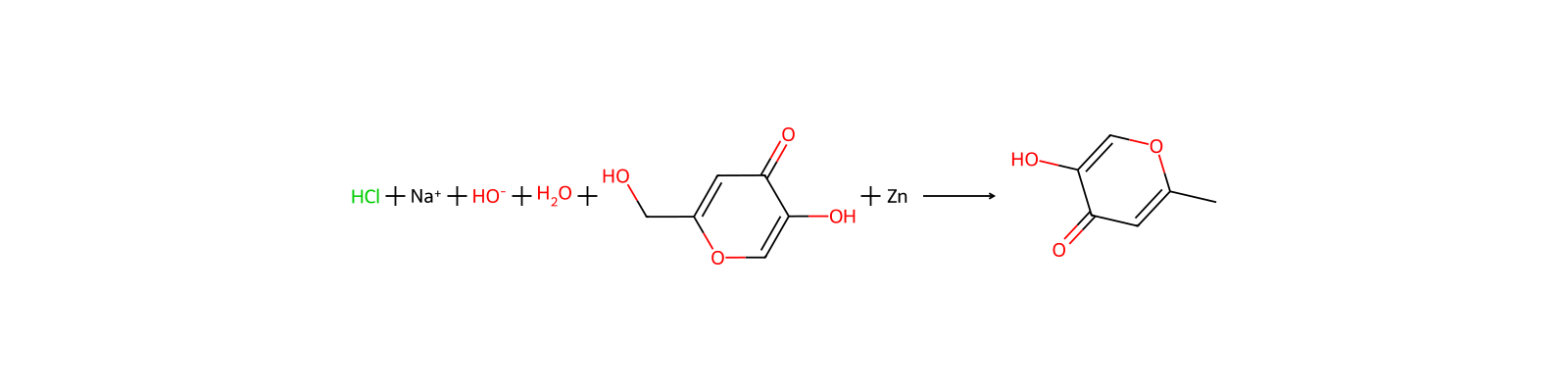
Reaktionsgleichung von HRID 4106
HRID 4106als Eduktuspto-grants-1988_02
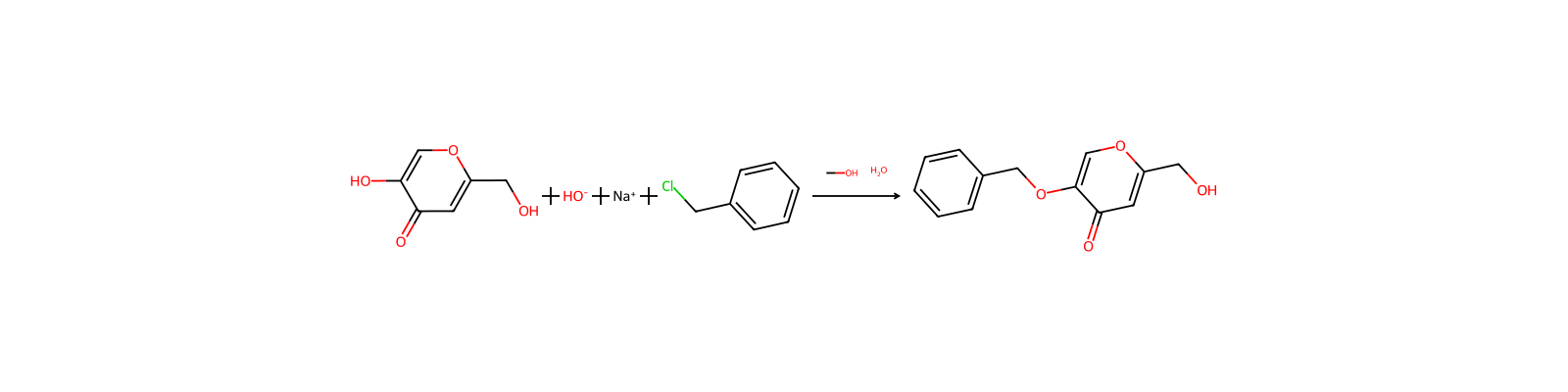
Reaktionsgleichung von HRID 102041
HRID 102041als EduktTraining data from https://doi.org/10.1039/C8SC04228D (2/10)
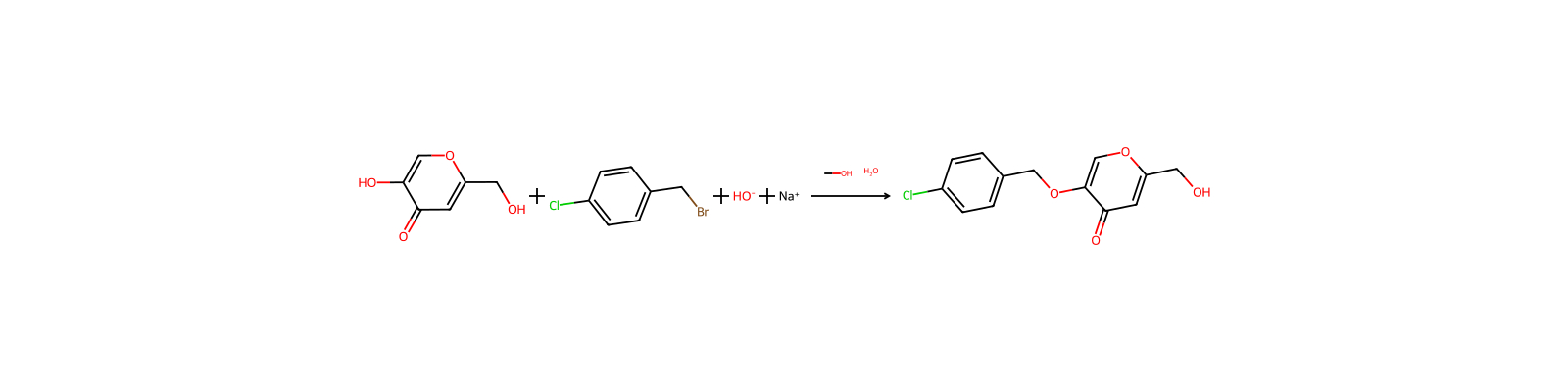
Reaktionsgleichung von HRID 199403
HRID 199403als EduktTraining data from https://doi.org/10.1039/C8SC04228D (6/10)
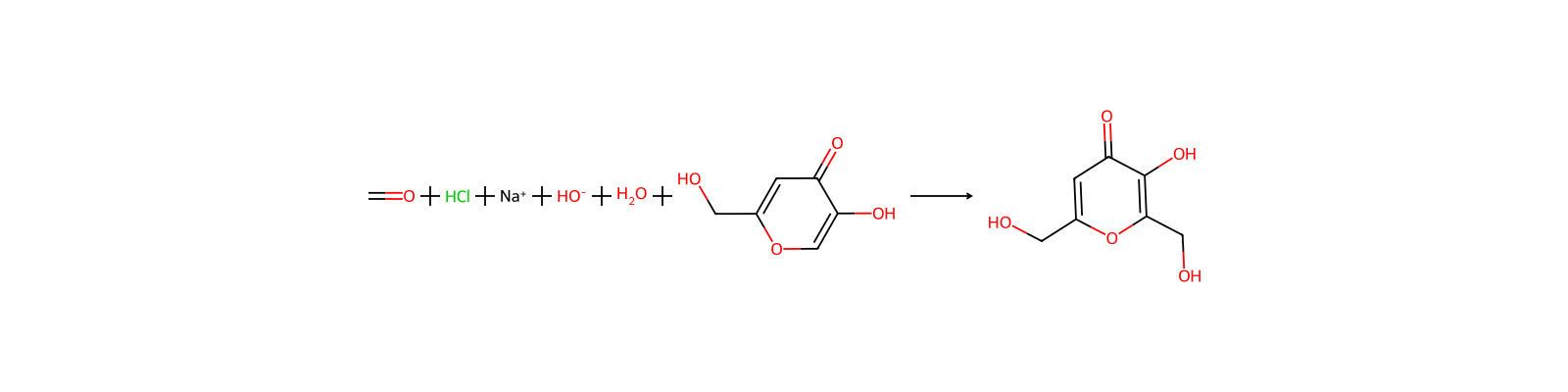
Reaktionsgleichung von HRID 234149
HRID 234149als Eduktuspto-grants-1997_01
Reaktionsgleichung von HRID 236410
HRID 236410als Eduktuspto-grants-1987_02
Reaktionsgleichung von HRID 247168
HRID 247168als Eduktuspto-grants-1987_11
Reaktionsgleichung von HRID 250649
HRID 250649als Eduktuspto-grants-2011_01
Reaktionsgleichung von HRID 253407
HRID 253407als Eduktuspto-grants-2011_01
Seite 1 von 11

Notizen zur Verbindung

Wird geladen…

Auf dieser SeiteGrundinformationenÜberblickNamen und BezeichnerEigenschaftenSicherheit und RegulatorischesChemie und IndustrieZugehörige ReaktionenNotizen zur Verbindung
Weitere Aktionen
Neue NotizNeue ReaktionAnfrage stellen
PubChem CID
3840
DTXSID
DTXSID2040236
ChEMBL
CHEMBL287556
ChEBI
CHEBI:43572
UNII
6K23F1TT52
EC Number
207-922-4
Nikkaji
J1.564D

161 °C

Physical DescriptionSolid
Dissociation ConstantspKa = 7.66 (approx., at 25 °C)
Collision Cross Section121.9 Ų [M+H]+ [CCS Type: TW; Method: calibrated with polyalanine and drug standards]

Physikochemische Eigenschaften

Schmelzpunkt
152 · 152-155 °C (lit.)
Siedepunkt
179.65 °C · 179.65°C (rough estimate)
Dichte
1.1712 · 1.1712 (rough estimate)
Brechungsindex
1.4434 · 1.4434 (estimate)
storage temp.
30 °C · Store below +30°C.
Löslichkeit
DMSO (Slightly), Methanol (Slightly, Sonicated)
Aggregatzustand
Crystalline Powder
pka
7.9 · 7.9(at 25℃)
Farbe
White to beige-brown
Wasserlöslichkeit
SOLUBLE
Merck
14 · 14,5317
BRN
120895 · 120895
Henry's Law Constant
4.1 · 4.1×101 mol/(m3Pa) at 25℃, HSDB (2015)
Stabilität
Stable. Combustible. Incompatible with strong oxidizing agents.
Major Application
cleaning productscosmeticsfood and beveragespersonal care
Kosmetik-Inhaltsstoffe Funktionen
ANTIOXIDANTBLEACHING
InChI
1S/C6H6O4/c7-2-4-1-5(8)6(9)3-10-4/h1,3,7,9H,2H2
InChIKey
BEJNERDRQOWKJM-UHFFFAOYSA-N
SMILES
OCC1=CC(=O)C(O)=CO1
LogP
-0.64 · -0.640
CAS Datenbank
501 · 501-30-4(CAS DataBase Reference)
NIST chemische Informationen
5 · 5-Hydroxy-2-(hydroxymethyl)-4h-pyran-4-one(501-30-4)
EPA chemische Informationen
Kojic acid (501-30-4)

... The anti-wrinkling activity of kojic acid /was evaluated/ by using hairless mice exposed to chronic solar-simulating ultraviolet (UV) irradiation as a model animal. At the end of a 20-week irradiation period, topical application of kojic acid before UV irradiation was observed to dramatically prevent: (1) the wrinkling, (2) hyperplasia of the epidermis, (3) fibrosis of the lower dermis, and (4) the increase of extracellular matrix components in the upper dermis. These findings indicate that kojic acid is a typical agent preventing wrinkling of the skin due to chronic photodamage.

The individual and combined effects of kojic acid and aflatoxin were studied in male broiler chicks (Peterson x Hubbard). The experiment had a two by two factorial arrangement of treatments with dietary treatments of 0 and 2,500 mg kojic acid/kg feed and 0 and 2.5 mg aflatoxin/kg feed. The broilers were obtained at 1 day of age and housed in electrically heated batteries with feed and water available for ad libitum intake until they reached 3 wk of age. The toxicity of kojic acid was characterized by significant (P less than .05) reductions in body weight, the relative weight of the bursa of Fabricius, serum cholesterol concentration, and serum alkaline phosphatase activity, and by significant (P less than .05) increases in the relative weight of the pancreas, proventriculus, and gizzard, and serum concentrations of uric acid and triglycerides. Aflatoxicosis was characterized by significant (P less than .05) reductions in body weight, serum concentrations of total protein, albumin, cholesterol, and inorganic phosphorus, serum glutamic oxalacetic transaminase activity, and mean corpuscular volume, mean corpuscular hemoglobin, and mean corpuscular hemoglobin concentration. Significant (P less than .05) increases in the relative weight of the liver, kidney, spleen, pancreas, proventriculus, and heart, and the serum pyruvic transaminase activity were also caused by aflatoxin alone. The only significant (P less than .05) interaction between kojic acid and aflatoxin, which can best be described as antagonistic, was seen through an increase in mean corpuscular hemoglobin and mean corpuscular hemoglobin concentration. These data indicate that kojic acid is not an aflatoxin synergist at the levels used in the present study.

Health EffectsAnimals studies have shown that kojic acid increases the occurrence of thyroid cancer and thyroid adenomas, though it is not known whether this is also true in humans. (A3073)
Environmental Fate · 3 Einträge

TERRESTRIAL FATE: Based on a classification scheme(1), an estimated Koc value of 11(SRC), determined from a log Kow of -0.64(2) and a regression-derived equation(3), indicates that kojic acid is expected to have very high mobility in soil(SRC). Volatilization of kojic acid from moist soil surfaces is not expected to be an important fate process(SRC) given an estimated Henry's Law constant of 2.4X10⁻⁷ atm-cu m/mole(SRC), using a fragment constant estimation method(4). Kojic acid is not expected to volatilize from dry soil surfaces(SRC) based upon an estimated vapor pressure of 3.2X10⁻⁶ mm Hg(SRC), determined from a fragment constant method(5). Biodegradation data were not available(SRC, 2008).

AQUATIC FATE: Based on a classification scheme(1), an estimated Koc value of 11(SRC), determined from a log Kow of -0.64(2) and a regression-derived equation(3), indicates that kojic acid is not expected to adsorb to suspended solids and sediment(SRC). Volatilization from water surfaces is not expected(3) based upon an estimated Henry's Law constant of 2.4X10⁻⁷ atm-cu m/mole(SRC), developed using a fragment constant estimation method(4). According to a classification scheme(5), an estimated BCF of 3(SRC), from its log Kow(2) and a regression-derived equation(6), suggests the potential for bioconcentration in aquatic organisms is low(SRC). Biodegradation data were not available(SRC, 2008).

ATMOSPHERIC FATE: According to a model of gas/particle partitioning of semivolatile organic compounds in the atmosphere(1), kojic acid, which has an estimated vapor pressure of 3.2X10⁻⁶ mm Hg at 25 °C(SRC), determined from a fragment constant method(2), will exist in both the vapor and particulate phases in the ambient atmosphere. Vapor-phase kojic acid is degraded in the atmosphere by reaction with photochemically-produced hydroxyl radicals(SRC); the half-life for this reaction in air is estimated to be 6 hours(SRC), calculated from its rate constant of 6.4X10⁻¹¹ cu cm/molecule-sec at 25 °C(SRC) that was derived using a structure estimation method(3). Vapor-phase kojic acid is degraded in the atmosphere by reaction with ozone radicals(SRC); the half-life for this reaction in air is estimated to be 21 hours(SRC), calculated from its rate constant of 1.3X10⁻¹⁷ cu cm/molecule-sec at 25 °C(SRC) that was derived using a structure estimation method(3). Particulate-phase kojic acid may be removed from the air by wet or dry deposition(SRC). Kojic acid contains chromophores that absorb at wavelengths >290 nm(4) and therefore may be susceptible to direct photolysis by sunlight(SRC).

Food Survey Values · 1 Eintrag

Kojic acid is a fungal metabolite commonly produced by many species of Aspergillus, Acetobacter, and Penicillium. The Aspergillus flavus group has traditionally been used in the production of a number of foods, including miso (soybean paste), shoyu (soy sauce), and sake.... Because kojic acid is often produced during the fermentation of historically used dietary staples, it has a long history of consumption.

Exposure RoutesOral, dermal, inhalation, and parenteral (contaminated drugs). (A3101)
Toxicity Summary · 3 Einträge

The CIR Expert Panel concluded that kojic acid is safe for use in cosmetic products up to a concentration of 1%.

Safe for use in cosmetics, with qualifications

Kojic acid acts as a competitive and reversible inhibitor of animal and plant polyphenol oxidases (tyrosinases), xanthine oxidase, and D- and some L-amino acid oxidases. Inhibition of tyrosinases prevents melanosis, while inhibition of the oxidases prevents metabolism of certain amino acids. Kojic acid also reversibly affects thyroid function by inhibiting iodine uptake, leading to decreases in thyroid hormones T3 and T4 and increases in thyroid-stimulating hormone (TSH). Increased TSH from pituitary gland in turn stimulates thyroid hyperplasia. (A3073, A3074)

Signs and SymptomsSensitive individuals may develop contact dermatitis. (A3073)
Soil Adsorption/Mobility · 1 Eintrag

The Koc of kojic acid is estimated as 11(SRC), using a log Kow of -0.64(1) and a regression-derived equation(2). According to a classification scheme(3), this estimated Koc value suggests that kojic acid is expected to have very high mobility in soil.

Natural Pollution Sources · 2 Einträge

Kojic acid is a fungal metabolite commonly produced by many species of Aspergillus, Acetobacter, and Penicillium. ... Different Aspergillus species are known to produce variable amounts of kojic acid.

Kojic acid is an antibiotic substance produced in an aerobic process by a variety of microorganisms from a wide-range of carbon sources(1).

Human Toxicity Excerpts · 1 Eintrag

/ALTERNATIVE and IN VITRO TESTS/ To discover safe and effective topical skin-lightening agents ... alkyl esters of the natural product gentisic acid (GA) ... , four putative tyrosinase inhibitors, /were evaluated/ utilizing mammalian melanocyte cell cultures and cell-free extracts. Desirable characteristics include the ability to inhibit melanogenesis in cells (IC50 less than 100 ug/mL) without cytotoxicity, preferably due to tyrosinase inhibition. Of the six esters synthesized, the smaller esters (e.g. methyl and ethyl) were more effective enzyme inhibitors (IC50 approximately 11 and 20 ug/mL, respectively). For comparison, hydroquinone (HQ), a commercial skin "bleaching" agent, was a less effective enzyme inhibitor (IC50 approximately 72 ug/mL), and was highly cytotoxic to melanocytes in vitro at concentrations substantially lower than the IC50 for enzymatic inhibition. Kojic acid was a potent inhibitor of the mammalian enzyme (IC50 approximately 6 ug/mL), but did not reduce pigmentation in cells. Both arbutin and magnesium ascorbyl phosphate were ineffective in the cell-free and cell-based assays... .

Artificial Pollution SourcesKojic acid's production and use as a flavoring agent, food additive(1), chemical intermediate and antimicrobial(2) may result in its release to the environment through various waste streams(SRC).
Carcinogen Classification · 6 Einträge

Kojic acid

Group 3: Not classifiable as to its carcinogenicity to humans

Volume 79: (2001) Some Thyrotropic Agents

2001

2000

3, not classifiable as to its carcinogenicity to humans. (L135)

Sicherheitsdaten

wgk
3
hs_code
29329995
RTECS-Nr.
UQ0875000
risk_code
40-68
hazard_code
Xn
safety_code
22-24/25-36/37-36
Speicherklasse
11 - Combustible Solids
Giftige Stoffe Daten
501-30-4(Hazardous Substances Data)
Uses · 6 Einträge

CIR ingredient: Kojic Acid

Converted to maltol and ethyl maltol, flavor-enhancing additives. Food additive to inhibit tyrosinase.

Chemical intermediate, metal chelates, ... antifungal and antimicrobial agent

Mildly antibiotic

Kojic acid is widely used as a food additive for preventing enzymatic browning, and in cosmetic preparations as a skin-lightening or bleaching agent.

Laboratory reagent used as standard chemical for tyrosinase inhibitor assays.

Methods of Manufacturing · 3 Einträge

Antibiotic substance produced in an aerobic process by a variety of microorganisms from a wide-range of carbon sources.

Fermentation of starches and sugars by certain molds.

... Readily obtained from D-glucose either enzymatically by Aspergillus oryzae (growing on steamed rice) or chemically via pyranoid 3,2-enolones.

Use ClassificationCosmetics -> Antioxidant
General Manufacturing Information · 1 Eintrag

Kojic acid is a fungal metabolite commonly produced by many species of Aspergillus, Acetobacter, and Penicillium. The Aspergillus flavus group has traditionally been used in the production of a number of foods, including miso (soybean paste), shoyu (soy sauce), and sake.... Because kojic acid is often produced during the fermentation of historically used dietary staples, it has a long history of consumption. Various types of compounds, such as glucose, sucrose, acetate, ethanol, arabinose, and xylose, have been used as carbon sources for kojic acid production. Different Aspergillus species are known to produce variable amounts of kojic acid.

Anwendungen · 1 Eintrag

Verwendenkojic acid is a skin-lightening agent that acts through anti-oxidant activity. Kojic acid is a tyrosinase inhibitor, although it is not as effective as licorice extract. When combined with allantoin and other proper ingredients in sunscreen preparations, the mixture can inhibit uV-caused erythema and accelerate wound healing. It is also found to be skin sensitizing and can be irritating.

Vor- und nachgelagerte Produkte

Vorgelagerte Rohstoffe

Strke

Nachgelagerte Produkte

3-Hydroxy-2-methyl-4-pyron2-Ethyl-3-hydroxy-4H-pyran-4-on5-(benzyloxy)-4-oxo-4H-pyran-2-carboxylic acid4H-Pyran-4-one,3-methoxy-(6CI,7CI,8CI,9CI)2-amino-4-(2-fluorophenyl)-6-(hydroxymethyl)-8-oxo-4,8-dihydropyrano[3,2-b]pyran-3-carbonitrile3-(benzyloxy)-1,4-dihydropyridin-4-one4-Thiazoleacetic acid, α-[[[1,5-bis(diphenylmethoxy)-1,4-dihydro-4-oxo-2-pyridinyl]methoxy]imino]-2-[(triphenylmethyl)amino]-, (αZ)-2,3-Dihydro[1,4]dioxino[2,3-c]pyridine-7-carbaldehydeWS 75624 B

Ergänzende Hinweise

DefinitionChEBI: A pyranone that is 4H-pyran substituted by a hydroxy group at position 5, a hydroxymethyl group at position 2 and an oxo group at position 4. It has been isolated from the fungus Aspergillus oryzae.