

Grundinformationen
- Standard-SMILES
COC(=O)CCCCCBr- InChIKey
KYLVAMSNNZMHSX-UHFFFAOYSA-N- Summenformel
- C7H13BrO2
- Durchschnittliche Molmasse
- 209,08 g/mol
- Monoisotopische Masse
- 208,00989176
Namen und Bezeichner
- Bevorzugter Name
- Methyl 6-Bromohexanoate
- IUPAC
- methyl 6-bromohexanoate
- Englischer Name
- Methyl 6-bromohexanoate
- Summenformel
- C7H13BrO2
- Molmasse
- 209.08
Namen und Synonyme
Methyl 6-bromohexanoate14273-90-6DTXSID60400224RefChem:157718DTXCID60351080604-307-66-bromohexanoic acid methyl esterMFCD00187528methyl 6-bromo-hexanoateSCHEMBL262856-bromo-hexanoic acid methyl ester6-Bromo-henxanoic acid methyl ester
Weitere Namen anzeigen
Bromo-6-methylaniline6-Methyl broMide has been6-bromo-2-methylhexanoate6-bromoacetate methyl esterMethyl 6-bromohexanoate 98%Methyl 6-bromohexanoate, 96+%Methyl 6-broMohexanoate, 96+% 5GR
CS-W015176AS-17534SY018348Methyl6-BromohexanoateHexanoic acid, 6-bromo-, methyl estermethyl 6-bromocaproateAMY17985FT-0628687
Datenbank-Bezeichner
- CAS
14273-90-6- PubChem CID
- 4170292
- DTXSID
DTXSID60400224- EC Number
- 604-307-6
- Nikkaji
- J26.263C
Eigenschaften
Berechnete Struktureigenschaften
- XLogP
- 1,9
- Polarare Oberfläche (TPSA)
- 26,3 Ų
- H-Brücken-Donoren
- 0
- H-Brücken-Akzeptoren
- 2
- Frei drehbare Bindungen
- 6
- Schwere Atome
- 10
- Formalladung
- 0
- Komplexität
- 93,6
Physikochemische Eigenschaften
- Siedepunkt
- 150 °C/50mmHg · 150°C/50mmHg
- Dichte
- 1.316 · 1.316
- Brechungsindex
- 1.46 · 1.46
- storage temp.
- Sealed in dry,Room Temperature
- Aggregatzustand
- Liquid
- Farbe
- Clear colorless to pale yellow
- InChI
- InChI=1S/C7H13BrO2/c1-10-7(9)5-3-2-4-6-8/h2-6H2,1H3
- InChIKey
- KYLVAMSNNZMHSX-UHFFFAOYSA-N
- SMILES
- C(OC)(=O)CCCCCBr
- CAS Datenbank
- 14273 · 14273-90-6(CAS DataBase Reference)
Sicherheit und Regulatorisches
GHS-Klassifizierung
GHS Classification
Danger
H315 (97.7%): Causes skin irritation [Warning Skin corrosion/irritation]
P261, P264, P264+P265, P271, P280, P302+P352, P304+P340, P305+P354+P338, P317, P319, P321, P332+P317, P362+P364, P403+P233, P405, and P501 (click each P-code to see the statement)
Aggregated GHS information provided per 44 reports by companies from 6 notifications to the ECHA C&L Inventory. Each notification may be associated with multiple companies.
Gefahrenhinweise
Hazard Classes and CategoriesSkin Irrit. 2 (97.7%)
Sicherheitsdaten
- hs_code
- 29159000
- risk_code
- 36/37/38
- hazard_code
- Xi
- hazard_note
- Irritant
- safety_code
- 26-37/39
Chemie und Industrie
Anwendungen
VerwendenMethyl 6-bromohexanoate serves as an alkylating reagent that reacts with dimethyl iminodiacetate in dry acetonitrile under nitrogen to afford the IDA triester[6]. It also acts as an alkylating agent in the preparation of pyrimidine-based hydroxamic acids, where 2-(alkylthio)pyrimidin-4(3H)-ones are alkylated with the ester and the resulting esters are converted to hydroxamic acids by aminolysis with hydroxylamine[7].
Vor- und nachgelagerte Produkte
Vorgelagerte Rohstoffe
Nachgelagerte Produkte
Anbieter50 Anbieter
毕佳索(上海毕得医药科技股份有限公司)400-6005915 · [email protected]
上海麦克林生化科技股份有限公司021-50706066 15221275939 · [email protected]
武汉欣扬瑞和化学科技有限公司153-07155313 15307155313 · [email protected]
杭州埃肯新材料有限公司15258847994
普善实业(陕西)有限公司029-81310890 18165209495 · [email protected]
VladaChem GmbH+49-7246-3082843 +86-18411632868 · [email protected]
河北创海生物科技有限公司+86-86-13131129325 · [email protected]
宁波季诺化学品有限公司0574-87314919 057487319282 · [email protected]
Dayang Chem (Hangzhou) Co.,Ltd.+86-0571-88938639 17705817739 · [email protected]
武汉绿景丰华生物科技有限公司19972070065 · [email protected]
韶远科技(上海)有限公司021-50795510 4000665055 · [email protected]
衢州明锋化工有限公司0570-3062502 13819002126;13819008176 · [email protected]
Ark Pharm, Inc.847-367-3680 · [email protected]
上海迈瑞尔生化科技有限公司4006356688 18621169109 · [email protected]
安耐吉化学&3A(安徽泽升科技股份有限公司)400-0056266 · [email protected]
梯希爱(上海)化工贸易有限公司021-61109150 · [email protected]
上海瀚鸿科技股份有限公司021-54306202 13764082696 · [email protected]
上海钰康生物科技有限公司18939844854 · [email protected]
上海钰康生物科技有限公司+86-18930848214 +86-021-56762820 · [email protected]
山东西亚化学有限公司13355009207 13355009207 · [email protected]
赛默飞世尔科技(中国)有限公司800-810-5118 · [email protected]
北京伊诺凯科技有限公司400-810-7969 010-59572699 · [email protected]
上海湄水化工科技有限公司021-60549325 18616193163
上海毕得医药科技股份有限公司400-164-7117 18317119277 · [email protected]
成都零六生物科技有限公司400-1166-196 13458535857 · [email protected]
合肥天瑞药物化学有限公司0551-68933033 13956024211
上海嵩爰化工科技有限公司010-1234567 18521000990 · [email protected]
上海有朋化工有限公司021-69005955 13701776567 · [email protected]
北京海力扬化学科技有限公司13718199399 · [email protected]
北京欣赛维化学科技有限公司010-56218822 13717722232 · [email protected]
四川海诺威科技有限公司13708085536 13708085536 · [email protected]
江苏艾康生物医药研发有限公司025-66028182 17714375163 · [email protected]
上海凯赛化工有限公司021-33516722 13701817765 · [email protected]
上海彤源化工有限公司021-021-69182866 13701855675 · [email protected]
上海兴鲁化工科技有限公司02120970332 · [email protected]
上海蓝润化学有限公司021-69515658 ; 69515628 13701998368 · [email protected]
上海容立化学科技有限公司021-69992220 13701886816 · [email protected]
上海康拓化工有限公司021-69185552 13701777608 · [email protected]
Changzhou Fullone Chemical Co., Ltd.+86-13328197671 +86-13861172460 · [email protected]
武汉贝乐叶生物医药科技有限公司18086118078 · [email protected]
桦特昇生物科技(武汉)有限公司027-59207879 1972026995 18140587686 · [email protected]
成都瑞欧克科技有限公司028-64353063 · [email protected]
九鼎化学(上海)科技有限公司4009209199 · [email protected]
上海谱振生物科技有限公司4001650900 13817534909 · [email protected]
厦门志信化学有限公司+86-5922680277 +86-13806087780 · [email protected]
安耐吉化学&3A(安徽泽升科技股份有限公司)400-0056266 · [email protected]
成都京欣科技有限公司028-85005297 13980656781 · [email protected]
成都润泽本土化工有限公司028-88469284 18000562381 · [email protected]
康幸生物科技(上海)有限公司021-61556450 15800904410
上海思言生物科技有限公司021-50908862,442785678,326799392 18721037013 · [email protected]
Zugehörige Reaktionen
125
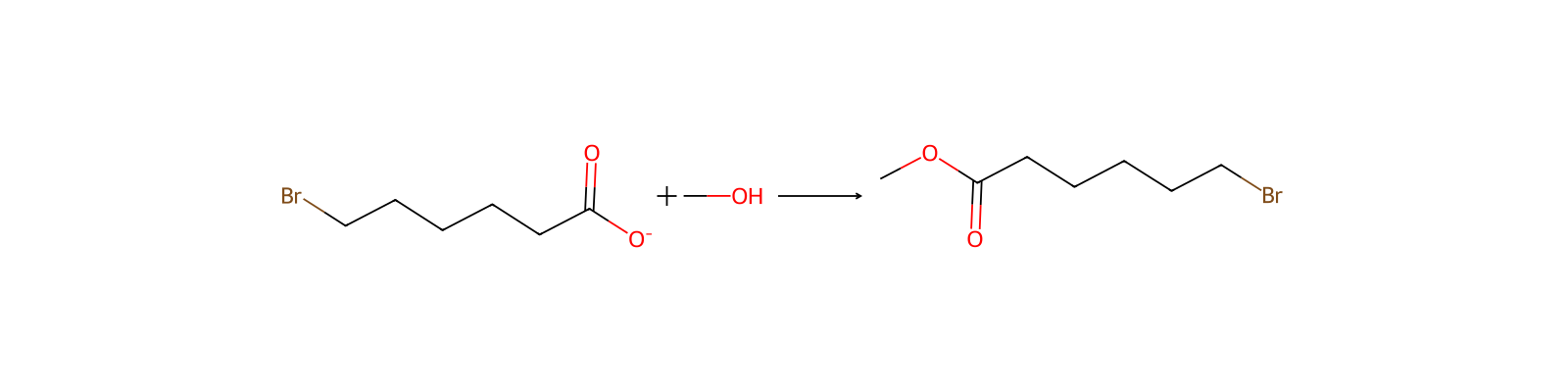


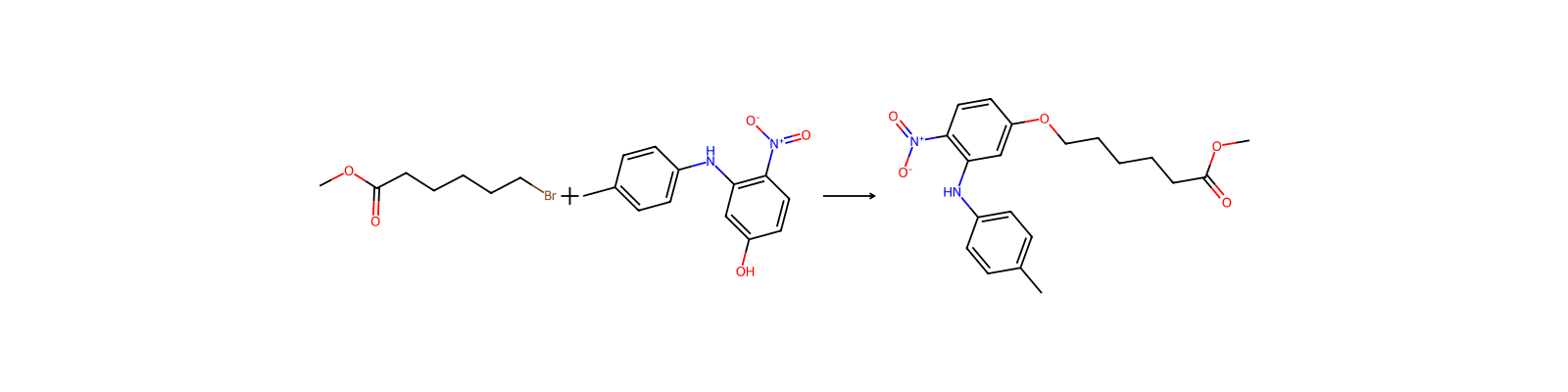



Verknüpfte Notizen
Wird geladen…