

Grundinformationen
- Standard-SMILES
O=C(O)/C=C\C(=O)O- InChIKey
VZCYOOQTPOCHFL-UPHRSURJSA-N- Summenformel
- C4H4O4
- Durchschnittliche Molmasse
- 116,07 g/mol
- Monoisotopische Masse
- 116,01095861
Überblick
Maleic acid is a colorless crystalline solid having a faint odor. It is combustible though it may take some effort to ignite. It is soluble in water. It is used to make other chemicals and for dyeing and finishing naturally occurring fibers.
Namen und Bezeichner
- Bevorzugter Name
- Maleic Acid
- IUPAC
- (Z)-but-2-enedioic acid
Namen und Synonyme
maleic acid110-16-7cis-butenedioic acidToxilic acidMaleinic acidMalenic acid(2Z)-but-2-enedioic acid(Z)-Butenedioic acidcis-1,2-Ethylenedicarboxylic acid2-Butenedioic acid (Z)-2-Butenedioic acid (2Z)-(Z)-2-Butenedioic acid
Weitere Namen anzeigen
Kyselina maleinovaButenedioic acid, (Z)-(Z)-but-2-enedioic acidcis-2-Butenedioic acid1,2-Ethylenedicarboxylic acid, (Z)H2male(2Z)-2-Butenedioic acidDTXSID8021517
Datenbank-Bezeichner
- CAS
10237-70-4、110-16-7、68307-91-5- PubChem CID
- 444266
- DTXSID
DTXSID8021517- ChEMBL
CHEMBL539648- ChEBI
CHEBI:18300- UNII
- 91XW058U2C
- EC Number
- 203-742-5、233-569-0、924-576-6
- Nikkaji
- J2.446E
Eigenschaften
Berechnete Struktureigenschaften
- XLogP
- -0,3
- Polarare Oberfläche (TPSA)
- 74,6 Ų
- H-Brücken-Donoren
- 2
- H-Brücken-Akzeptoren
- 4
- Frei drehbare Bindungen
- 2
- Schwere Atome
- 8
- Formalladung
- 0
- Komplexität
- 119
Experimentelle und physikochemische Eigenschaften
Chemical ClassesOther Classes -> Organic Acids
Cosmetics
Cosmetic ingredients (Maleic Acid) -> CIR (Cosmetic Ingredient Review)
Buffering
SpringerMaterials PropertiesCorrosion
PesticidesEnvironmental transformation -> Pesticide transformation products (metabolite, successor)
LogP
log Kow = -0.48
-0.48
-0.5
OdorFaint acidulous odor
TasteCharacteristic repulsive, astringent taste
Exact Mass116.01095860
Density
1.59 at 68 °F (USCG, 1999) - Denser than water; will sink
1.590 g/cu cm at 20 °C
Relative density (water = 1): 1.59
1.59 @ 20°C
Color/Form
Monoclinic prisms from water
White crystals from water, alcohol and benzene
Colorless crystals
Solubility
greater than or equal to 100 mg/mL at 66 °F (NTP, 1992)
In water, 788 g/L at 25 °C, 3926 g/L at 97.5 °C
79.000 lb/100 lb water at 77 °F
In water, 441,000 mg/L at 25 °C
Freely soluble in alcohol; soluble in acetone, glacial acetic acid; slightly soluble in ether; practically insoluble in benzene
CorrosivityMay corrode metals when wet.
Sicherheit und Regulatorisches
GHS-Klassifizierung
GHS Classification
Warning
H302: Harmful if swallowed [Warning Acute toxicity, oral]
P261, P264, P264+P265, P270, P271, P272, P280, P301+P317, P302+P352, P304+P340, P305+P351+P338, P319, P321, P330, P332+P317, P333+P317, P337+P317, P362+P364, P403+P233, P405, and P501 (click each P-code to see the statement)
This chemical does not meet GHS hazard criteria for 0.2% (3 of 1974) of reports.
Warning
H302 (98.7%): Harmful if swallowed [Warning Acute toxicity, oral]
Gefahrenhinweise
Regulatory Information
Chemical: 2-Butenedioic acid, (Z)-
2-Butenedioic acid (2Z)- is listed on the EPA's Chemical Data Reporting (CDR) system. Manufacturers and importers of 2-Butenedioic acid (2Z)- are required to report information about their production and use of this chemical to the EPA under the Toxic Substances Control Act (TSCA). (40 eCFR Part 711)
Status: Active Update: 05-08-2022 https://echa.europa.eu/registration-dossier/-/registered-dossier/15769
Maleic acid: Does not have an individual approval but may be used under an appropriate group standard
The New Jersey Worker and Community Right to Know Act requires public and private employers to provide information about hazardous substances at their workplaces. (N.J.S.A. 34:5A-1 et. seq.)
Other Safety InformationEvaluation - Chemicals that are unlikely to require further regulation to manage risks to environment
DOT LabelCorrosive
Fire Hazards
Special Hazards of Combustion Products: Irritating smoke containing maleic anhydride may form in fire. (USCG, 1999)
Combustible. Gives off irritating or toxic fumes (or gases) in a fire.
Fire PotentialCombustible when exposed to heat or flame.
Health HazardsInhalation causes irritation of nose and throat. Contact with eyes or skin causes irritation. (USCG, 1999)
Hazards Summary
A strong irritant; [Merck Index] A severe skin, eye, and respiratory tract irritant; May cause kidney damage; [ICSC] A skin, eye, nose, and throat irritant; [HSDB] High concentrations may have corrosive effects to skin and eyes; [CHEMINFO] A skin irritant; Corrosive to eyes; [eChemPortal: ERMA] A skin, eye, and respiratory tract irritant; [eChemPortal: ESIS] An irritant; May cause serious injury to eyes; [MSDSonline]
FDA RequirementsMaleic acid is an indirect food additive for use only as a component of adhesives.
Reactive GroupAcids, Carboxylic
UN ClassificationUN Hazard Class: 8; UN Pack Group: III
Special ReportsDangerous Prop Ind Mater Rep 7 (1): 61-5 (1987). A review of safety and the health hazards of maleic acid.
FIFRA Requirements
Residues of maleic acid and maleic anhydride are exempted from the requirement of a tolerance when used in accordance with good agricultural practice as inert (or occasionally active) ingredients in pesticide formulations applied to growing crops only. Use: Stabilizer. Limit: For pesticide formulations applied to apples with a minimum preharvest interval of 21 days.
Sicherheit und Schutzausrüstung
Fire Fighting
Excerpt from ERG Guide 156 [Substances - Toxic and/or Corrosive (Combustible / Water-Sensitive)]:
Use water spray, powder, foam, carbon dioxide.
First Aid Measures
Fresh air, rest. Refer for medical attention.
Wear protective gloves when administering first aid. Remove contaminated clothes. Rinse skin with plenty of water or shower.
First rinse with plenty of water for several minutes (remove contact lenses if easily possible), then refer for medical attention.
Rinse mouth. Give one or two glasses of water to drink. Refer for medical attention .
First Aid
EYES: First check the victim for contact lenses and remove if present. Flush victim's eyes with water or normal saline solution for 20 to 30 minutes while simultaneously calling a hospital or poison control center. Do not put any ointments, oils, or medication in the victim's eyes without specific instructions from a physician. IMMEDIATELY transport the victim after flushing eyes to a hospital even if no symptoms (such as redness or irritation) develop.
Safe StorageProvision to contain effluent from fire extinguishing. Separated from food and feedstuffs. Dry. Store only in original packaging.
Firefighting HazardsIrritating smoke containing maleic anhydride may form in fire.
Fire Fighting Procedures
Wear self-contained breathing apparatus for firefighting if necessary.
Use water spray, alcohol-resistant foam, dry chemical or carbon dioxide.
Storage Conditions
Keep container tightly closed in a dry and well-ventilated place. Keep in a dry place. Storage class (TRGS 510): Non Combustible Solids
Storage temp: ambient
Cleanup Methods
Pick up and arrange disposal without creating dust. Sweep up and shovel. Keep in suitable, closed containers for disposal.
Prevent further leakage or spillage if safe to do so. Do not let product enter drains. Discharge into the environment must be avoided.
ACCIDENTAL RELEASE MEASURES /Personal precautions, protective equipment and emergency procedures/ Use personal protective equipment. Avoid dust formation. Avoid breathing vapours, mist or gas. Ensure adequate ventilation. Evacuate personnel to safe areas. Avoid breathing dust.
Nonfire Spill ResponseExcerpt from ERG Guide 156 [Substances - Toxic and/or Corrosive (Combustible / Water-Sensitive)]:
Disposal Methods
SRP: Recycle any unused portion of the material for its approved use or return it to the manufacturer or supplier. Ultimate disposal of the chemical must consider: the material's impact on air quality; potential migration in air, soil or water; effects on animal, aquatic and plant life; and conformance with environmental and public health regulations. If it is possible or reasonable use an alternative chemical product with less inherent propensity for occupational harm/injury/toxicity or environmental contamination.
/Product/ Offer surplus and non-recyclable solutions to a licensed disposal company. /Contaminated packaging/ Dispose of as unused product.
Spillage Disposal
Personal protection: particulate filter respirator adapted to the airborne concentration of the substance. Do NOT let this chemical enter the environment. Sweep spilled substance into covered containers. If appropriate, moisten first to prevent dusting. Wash away remainder with plenty of water.
Preventive Measures
SRP: The scientific literature for the use of contact lenses by industrial workers is inconsistent. The benefits or detrimental effects of wearing contact lenses depend not only upon the substance, but also on factors including the form of the substance, characteristics and duration of the exposure, the uses of other eye protection equipment, and the hygiene of the lenses. However, there may be individual substances whose irritating or corrosive properties are such that the wearing of contact lenses would be harmful to the eye. In those specific cases, contact lenses should not be worn. In any event, the usual eye protection equipment should be worn even when contact lenses are in place.
SRP: Local exhaust ventilation should be applied wherever there is an incidence of point source emissions or dispersion of regulated contaminants in the work area. Ventilation control of the contaminant as close to its point of generation is both the most economical and safest method to minimize personnel exposure to airborne contaminants. Ensure that the local ventilation moves the contaminant away from the worker.
Local exhaust.
Further processing of solid materials may result in the formation of combustible dusts. The potential for combustible dust formation should be taken into consideration before additional processing occurs. Avoid contact with skin and eyes. Avoid formation of dust and aerosols. Provide appropriate exhaust ventilation at places where dust is formed.
For more Preventive Measures (Complete) data for MALEIC ACID (6 total), please visit the HSDB record page.
Toxikologische Informationen
Interactions
Maleic acid was administered iv both alone and after initiating iv administered neutral sodium phosphate, sodium sulfate, or sodium chloride to 10 unanesthetized trained female dogs undergoing water diuresis. /The following observations were noted:/ 1) Administration of maleic acid alone predictably induced dose-dependent increments in urine flow and in renal clearance of HCO3-, Na+, K+, and alpha-aminonitrogen and a pronounced increase in the renal clearance and excretion of citrate. 2) Prior phosphate loading, which increased the plasma concentration of phosphate from 2.5 +/- 0.20 to 11.3 +/- 2 mg/dL: a) attenuated the increment in renal clearance of HCO3 by one-half even though the filtered load of bicarbonate was higher by 37%, owing to the higher values of both GFR and plasma bicarbonate concentration that obtained with phosphate loading; b) prevented the increment in renal clearance and excretion of alpha-aminonitrogen; c) significantly attenuated the increments in urine flow and renal clearance of K+; but d) did not affect the increment in renal clearance and excretion of citrate.
The admin of maleic acid (100 mg/kg) to rats which were infused with acetoacetic acid (200 mM at 0.1 mL/min) did not induce phosphaturia or calciuria, whereas maleic acid given alone was phosphaturic & calciuric. There was a significant decrease of the phosphate & calcium excretion in maleic acid-treated rats after the iv injection of 150 pg 1,25-dihydroxyvitamin D3 in comparison with the control group.
Groups of male and female Sprague Dawley rats (n = 4 to 8 for each sex) were admin either maleic acid (150 mg/kg, sc), dichloromaleic acid (100, 200, 300, or 400 mg/kg, ip) or their combination. Urine was collected at 24 hr intervals. In both males and females, dose dependent declines in food and water consumption as well as body wt and urine flow were observed at 24 hr post-treatment with maleic acid, dichloromaleic acid, or dichloromaleic acid + maleic acid. Sc administration of maleic acid at a dose of 150 mg/kg had no effect on several parameters of renal function in either sex at 24 hr and only modest effects at 48 hr. Maleic acid alone had no effect on renal organic ion accumulation in either sex. The combination of maleic acid + dichloromaleic acid caused a depression of tetraethylammonium accumulation in renal slices from females. Also changes in urinary glucose excretion and blood urea nitrogen, although additive in the male following coexposure, appeared synergistic or potentiated in the female. For females, maleic maleic alone produced a greater response in urinary glucose than control, and the combination resulted in a significantly exaggerated response at 24 hr. There were not significant alterations in urinary glucose in the male at 24 hr after any dosages. Both p-aminohippurate and lactate stimulated p-aminohippurate transport were impaired in the female with either dichloromaleic acid or dichloromaleic acid + maleic acid and to a significantly greater extent than in the male. Triethanolamine accumulation in the female declined significantly when exposed to dichloromaleic acid + maleic acid, an effect not observed in the male.
At all doses of maleic acid (600, 300, 150 mg/kg bw), structural damage of the proximal renal tubule was much greater in rats fed with supplemental glucose.
Ecotoxicity Values
TLm Mosquito fish 240 ppm/24-48 hr fresh water /Conditions of bioassay not specified/
TLm Fathead minnow 5 ppm/96 hr fresh water /Conditions of bioassay not specified/
Environmental Fate
TERRESTRIAL FATE: Based on a classification scheme(1), an estimated Koc value of 7(SRC), determined from a structure estimation method(2), indicates that maleic acid is expected to have very high mobility in soil(SRC). The pKa values of maleic acid are 1.94 and 6.22(3), indicating that this compound will exist almost entirely in anion from in the environment and anions generally do not adsorb more strongly to soils containing organic carbon and clay than their neutral counterparts(4). Volatilization of maleic acid from moist soil surfaces is not expected to be an important fate process(SRC) given an estimated Henry's Law constant of 1.4X10⁻¹² atm-cu m/mole(SRC), using a fragment constant estimation method(2). Maleic acid is not expected to volatilize from dry soil surfaces(SRC) based upon a vapor pressure of 1.34X10⁻⁵ mm Hg at 25 °C(3). Results of several screening tests indicate that maleic acid is readily biodegradable(3,5), and therefore, biodegradation is expected to be an important fate process in soil(SRC). Maleic acid reached 87% of its theoretical BOD in 2 weeks in the Japanese MITI test(5).
AQUATIC FATE: Based on a classification scheme(1), an estimated Koc value of 7(SRC), determined from a structure estimation method(2), indicates that maleic acid is not expected to adsorb to suspended solids and sediment(SRC). Volatilization from water surfaces is not expected(3) based upon an estimated Henry's Law constant of 1.4X10⁻¹² atm-cu m/mole(SRC), developed using a fragment constant estimation method(2). The pKa values of 1.94 and 6.22(4) indicate maleic acid will exist almost entirely in anion form at pH values of 5 to 9 and ionization could attenuate potential volatilization from water surfaces(SRC). Although almost entirely in anion form, acids have been shown to have effective Henry's Law constants under environmental conditions(5). According to a classification scheme(6), a BCF of <10 measured in fish (golden ide)(7) suggests the potential for bioconcentration in aquatic organisms is low. Results of several screening tests indicate that maleic acid is readily biodegradable(4,8) and, therefore, biodegradation is expected to be an important fate process in water(SRC). Maleic acid reached 87% of its theoretical BOD in 2 weeks in the Japanese MITI test(8). Maleic acid is not expected to undergo hydrolysis in the environment due to the lack of functional groups that hydrolyze under environmental conditions(3).
ATMOSPHERIC FATE: According to a model of gas/particle partitioning of semivolatile organic compounds in the atmosphere(1), maleic acid, which has a vapor pressure of 1.34X10⁻⁵ mm Hg at 25 °C(2) will exist in both the vapor and particulate phases in the ambient atmosphere. Vapor-phase maleic acid is degraded in the atmosphere by reaction with photochemically-produced hydroxyl radicals(SRC); the half-life for this reaction in air is estimated to be 2 days(SRC), calculated from its rate constant of 7.95X10⁻¹² cu cm/molecule-sec at 25 °C(SRC) that was derived using a structure estimation method(3). Vapor-phase maleic acid is also degraded in the atmosphere by reaction with ozone(SRC); the half-life for this reaction in air is estimated to be 13 days(SRC), calculated from its rate constant of 8.8X10⁻¹⁹ cu cm/molecule-sec at 25 °C(SRC) that was derived using a structure estimation method(3). Maleic acid has been detected in numerous atmospheric aerosol samples(4-6). Particulate-phase maleic acid may be removed from the air by wet and dry deposition(SRC). The UV spectrum of maleic acid in water(7) indicates that the compound does not absorb at wavelengths >290 nm and, therefore, is not expected to be susceptible to direct photolysis by sunlight(SRC).
Food Survey Values
Maleic acid was detected in foods, such as tapioca starch, tapioca balls, rice noodles, and hotpot ingredients which caused a recall of many starch-based food products in Asia(1). The occurrence of maleic acid in foods can result from modified starches containing maleic anhydride and hydrolysis of the maleic anhydride to maleic acid(1). Maleic acid was detected in alcoholic beverages produced by fermentation (beer and wine)(2).
Adverse EffectsDermatotoxin - Skin burns.
Exposure RoutesThe substance can be absorbed into the body by inhalation and by ingestion.
Toxicity Summary
Safe in the present practices of use and concentration. Ingredient, concentration, and use information are available in documents discoverable at https://cir-reports.cir-safety.org
IDENTIFICATION AND USE: Maleic acid forms colorless or white crystals. It is used for manufacturing of artificial resins, dyeing and finishing wool, and for preparing the maleate salts of antihistamines and similar drugs. HUMAN EXPOSURE AND TOXICITY: A 20% aqueous solution produced a mild and reversible skin irritation in humans. Lower concentrations (< 5%) are sufficient to produce serious ocular irritation in human subjects. Neat maleic acid is reported to be a severe irritant to the mucous membranes of humans. In vitro, maleic acid produced highly significant alterations in the physical state of human erythrocyte membrane proteins. ANIMAL STUDIES: Single intravenous application of 400 or 200 mg/kg bw maleic acid to male rats via jugular venous catheter caused immediate injury in the kidneys which progressed to extensive necrosis by 24 hr after administration. In dogs the intravenous administration of maleic acid (50 mg/kg) increased sodium, potassium, and phosphate excretion. Maleic acid may enhance anaphylactic histamine release from guinea pig lung by its metabolic utilization in the tricarboxylic acid cycle. Kidney damage has been observed as a systemic toxic action of maleic acid. Morphological-functional changes in the kidneys were produced by intraperitoneal injection (100-350 mg/kg; rats, dogs) and also by inhalation exposure to ca. 720 mg/mc (rats). The damage to distal and proximal tubular resorption produced by maleic acid is reminiscent of the known (congenital or acquired) Fanconi syndrome in humans. This damage seems to be caused by the interaction of maleic acid with glutathione in tubular renal cells, leading to intolerable concentration of free radicals and peroxides. In addition to the resultant cellular damage, maleic acid appears to affect Na+ and H+ ion transport in the proximal tubes. After chronic exposure of male rats (250, 500, 750 mg/kg /per/ day for up to two years), an increased mortality as well as kidney damage and delayed growth was observed in all dosage groups. Liver and testicular damage has also been found in highest dosage group. No signs of carcinogenic activity of maleic acid were discovered with long-term dosage, which however was not designed as a carcinogenicity study. Maleic acid given to mice has some inhibitory action on the growth of spontaneous carcinomata and grafted sarcomata. When tested using Salmonella typhimurium TA100, maleic acid was not mutagenic when reacted with chlorine in aqueous solution. In a 50/50 by vol methanol/water solution it was substantially mutagenic, and reacted with chlorine with a peak at 3 equivalents per mole.
Plant ConcentrationsMaleic acid occurrence in plants(1).[Table#1944]
Signs and Symptoms
Cough. Laboured breathing.
Redness. Pain.
Redness. Pain. Blurred vision.
Burning sensation. Further see Inhalation.
Ongoing Test Status
EPA has released the first beta version (version 0.5) of the Interactive Chemical Safety for Sustainability (iCSS) Dashboard. The beta version of the iCSS Dashboard provides an interactive tool to explore rapid, automated (or in vitro high-throughput) chemical screening data generated by the Toxicity Forecaster (ToxCast) project and the federal Toxicity Testing in the 21st century (Tox21) collaboration. /The title compound was tested by ToxCast and/or Tox21 assays; Click on the "Chemical Explorer" button on the tool bar to see the data./[USEPA; ICSS Dashboard Application; Available from, as of December 8, 2014: http://actor.epa.gov/dashboard/]
Effluent Concentrations
Motor exhaust of two automobiles (1982 Toyota Corolla, 1972 Mercedes Benz) contained 22.9 and 219.8 nmol/cu m of maleic acid(2). Aerosol samples collected from a Hong Kong roadway tunnel during 2003-2004 monitoring contained maleic acid levels of 4.0-22.3 ng/cu m(2); apparent occurence of maleic acid was reported as 2.70-5.61 ug/vehicle-km(2).
ICSC Environmental DataThe substance is toxic to aquatic organisms.
Regulatorische Informationen
FDA RequirementsMaleic acid is an indirect food additive for use only as a component of adhesives.
FIFRA Requirements
Residues of maleic acid and maleic anhydride are exempted from the requirement of a tolerance when used in accordance with good agricultural practice as inert (or occasionally active) ingredients in pesticide formulations applied to growing crops only. Use: Stabilizer. Limit: For pesticide formulations applied to apples with a minimum preharvest interval of 21 days.
Atmospheric Standards
This action promulgates standards of performance for equipment leaks of Volatile Organic Compounds (VOC) in the Synthetic Organic Chemical Manufacturing Industry (SOCMI). The intended effect of these standards is to require all newly constructed, modified, and reconstructed SOCMI process units to use the best demonstrated system of continuous emission reduction for equipment leaks of VOC, considering costs, non air quality health and environmental impact and energy requirements. Maleic acid is produced, as an intermediate or a final product, by process units covered under this subpart.
CERCLA Reportable Quantities
Persons in charge of vessels or facilities are required to notify the National Response Center (NRC) immediately, when there is a release of this designated hazardous substance, in an amount equal to or greater than its reportable quantity of 5000 lb or 2270 kg. The toll free number of the NRC is (800) 424-8802. The rule for determining when notification is required is stated in 40 CFR 302.4 (section IV.D.3.b).
Clean Water Act Requirements
Maleic acid is designated as a hazardous substance under section 311(b)(2)(A) of the Federal Water Pollution Control Act and further regulated by the Clean Water Act Amendments of 1977 and 1978. These regulations apply to discharges of this substance. This designation includes any isomers and hydrates, as well as any solutions and mixtures containing this substance.
Chemie und Industrie
Pharmakologische Informationen
Mechanism of Action
Kidney damage has been observed as a systemic toxic action of maleic acid. Morphological-functional changes in the kidneys were produced by intraperitoneal injection (100-350 mg/kg; rats, dogs) and also by inhalation exposure to ca. 720 mg/mc (rats). The damage to distal and proximal tubular resorption produced by maleic acid is reminiscent of the known (congenital or acquired) Fanconi syndrome in humans. This damage seems to be caused by the interaction of maleic acid with glutathione in tubular renal cells, leading to intolerable concentration of free radicals and peroxides. In addition to the resultant cellular damage, maleic acid appears to affect Na+ and H+ ion transport in the proximal tubes [RE5]. After chronic exposure of male rats (250, 500, 750 mg/kg /per/ day for up to two years), an increased mortality as well as kidney damage and delayed growth was observed in all dosage groups. Liver and testicular damage has also been found in highest dosage group. No signs of carcinogenic activity of maleic acid were discovered with long-term dosage, which however was not designed as a carcinogenicity study.
MeSH Pharmacological ClassificationCompounds or agents that combine with an enzyme in such a manner as to prevent the normal substrate-enzyme combination and the catalytic reaction.
Tissue LocationsFibroblasts
Cellular LocationsCytoplasm
Verwendung und Herstellung
Uses
CIR ingredient: Maleic Acid
Used to make alkyd and polyester resins, surface coatings, lubricant additives, plasticizers, copolymers, drugs, and agricultural chemicals; Also used to retard rancidity of oils and to dye and finish textiles (wool, cotton, and silk); [HSDB]
Textiles (Printing, Dyeing, or Finishing) [Category: Industry]
Manufacture of artificial resins; to retard rancidity of fats and oils in 1:10,000 (these are said to keep 3 times longer than those without the acid); dyeing and finishing wool, cotton, and silk; preparing the maleate salts of antihistamines and similar drugs.
Organic synthesis (malic, succinic, aspartic, tartaric, propionic, lactic, malonic and acrylic acids); dyeing and finishing of cotton, wool and silk; preservative for oils and fats.
Maleic anhydride, maleic acid, and fumaric acid are multifunctional chemical intermediates that find applications in nearly every field of industrial chemistry.
U.S. Exports(1984) 7.08X10+8 g
U.S. Imports(1983) 1.00X10+7 g
U.S. Production
2023: 1,000,000 - <2,500,000 lb
(1972) PROBABLY GREATER THAN 4.54X10+5 GRAMS
(1975) PROBABLY GREATER THAN 4.54X10+5 GRAMS
2-Butenedioic acid (2Z)- is listed as a High Production Volume (HPV) chemical (65FR81686). Chemicals listed as HPV were produced in or imported into the U.S. in >1 million pounds in 1990 and/or 1994. The HPV list is based on the 1990 Inventory Update Rule. (IUR) (40 CFR part 710 subpart B; 51FR21438).
Production volume for non-confidential chemicals reported under the 2006 Inventory Update Rule. Chemical: 2-Butenedioic acid (2Z)-. Aggregated National Production Volume: 500,000 to < 1 million pounds.
Non-confidential 2012 Chemical Data Reporting (CDR) information on the production and use of chemicals manufactured or imported into the United States. Chemical: 2-Butenedioic acid (2Z)-. National Production Volume: 500,000 - 1,000,000 lb/yr.
Consumer UsesBinder
Industry UsesIntermediate
Methods of Manufacturing
Prepared by the catalytic oxidation of benzene over vanadium pentoxide.
Vapor-phase oxidation of n-butane or n-butylene in air over a solid catalyst.
Maleic acid is produced by the hydration of maleic anhydride.
Formulations/PreparationsGrades of purity: Reagent; Technical
Household ProductsInformation on 18 consumer products that contain Maleic acid in the following categories is provided:
Use Classification
Environmental transformation -> Pesticide transformation products (metabolite, successor)
Cosmetics -> Buffering
General Manufacturing Information
Paper Manufacturing
2-Butenedioic acid (2Z)-: ACTIVE
Maleic anhydride is readily hydrolyzed to maleic acid under aqueous conditions. As a result, these two chemicals are presented because of the conditions used to test their toxicity. The only difference may be due to the potential for maleic anhydride to form haptens by acylating with amino acids, resulting in an immunological response (dermal and respiratory sensitization).
By-product from manufacture of phthalic anhydride from naphthalene with special recovery conditions.
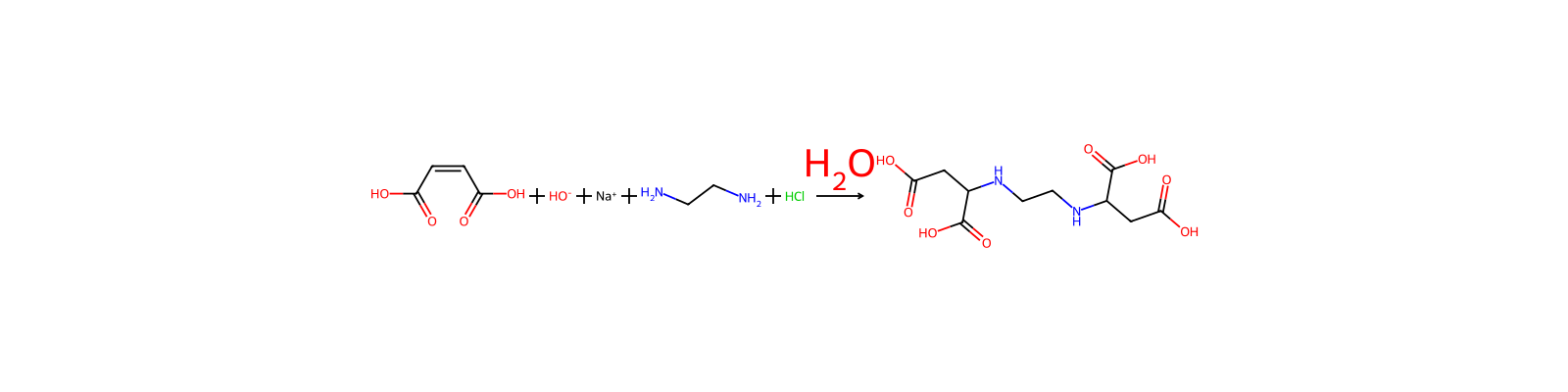
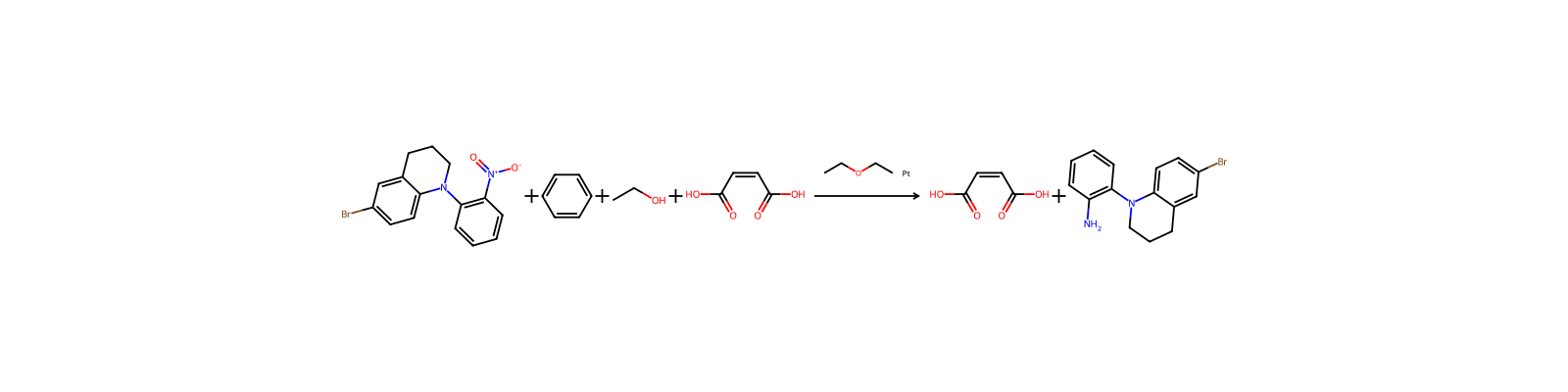
Zugehörige Reaktionen
1.007





Verknüpfte Notizen
Wird geladen…