Epothilone D

Grundinformationen
- CAS
189453-10-9- Standard-SMILES
C/C1=C/C[C@@H](/C(C)=C/c2csc(C)n2)OC(=O)C[C@H](O)C(C)(C)C(=O)[C@H](C)[C@@H](O)[C@@H](C)CCC1- InChIKey
XOZIUKBZLSUILX-GIQCAXHBSA-N- Summenformel
- C27H41NO5S
- Durchschnittliche Molmasse
- 491,7 g/mol
- Monoisotopische Masse
- 491,27054441
Überblick
Epothilone D is an epithilone that is epithilone C in which the hydrogen at position 13 of the oxacyclohexadec-13-ene-2,6-dione macrocycle has been replaced by a methyl group. It has a role as a microtubule-stabilising agent.
Namen und Bezeichner
- Bevorzugter Name
- Epothilone D
- IUPAC
- (4S,7R,8S,9S,13Z,16S)-4,8-dihydroxy-5,5,7,9,13-pentamethyl-16-[(E)-1-(2-methyl-1,3-thiazol-4-yl)prop-1-en-2-yl]-1-oxacyclohexadec-13-ene-2,6-dione
- Englischer Name
- Epothilone D
- Summenformel
- C27H41NO5S
- Molmasse
- 491.68
Namen und Synonyme
Epothilone D189453-10-9Desoxyepothilone b(-)-Desoxyepothilone BKOS-86212,13-Desoxyepothilone B(-)-Epothilone DEpothilon DNSC-703147KOS 86212,13-Deoxyepothilone BEpothiolone D
Weitere Namen anzeigen
Epo DCS-1161Ebomycin12,13-Deoxyepo13-Desoxyepothilone BEpothilone D (KOS-862)
DEpoB cpdNSC 703147T0358E0YUFEpothilone B, desoxy12,13-desoxyepothilone b, cisKOS862Oxacyclohexadec-13-ene-2,6-dione, 4,8-dihydroxy-5,5,7,9,13-pentamethyl-16-[(1E)-1-methyl-2-(2-methyl-4-thiazolyl)ethenyl]-, (4S,7R,8S,9S,13Z,16S)-R1492
Datenbank-Bezeichner
- CAS
189453-10-9- PubChem CID
- 447865
- DTXSID
DTXSID70880053- ChEMBL
CHEMBL96172- ChEBI
CHEBI:29579- UNII
- T0358E0YUF
Eigenschaften
Berechnete Struktureigenschaften
- XLogP
- 5
- Polarare Oberfläche (TPSA)
- 125 Ų
- H-Brücken-Donoren
- 2
- H-Brücken-Akzeptoren
- 7
- Frei drehbare Bindungen
- 2
- Schwere Atome
- 34
- Formalladung
- 0
- Komplexität
- 777
Experimentelle und physikochemische Eigenschaften
LipidsPolyketides [PK] -> Macrolides and lactone polyketides [PK04]
Physikochemische Eigenschaften
- Schmelzpunkt
- 63 · 63-66°C
- Siedepunkt
- 663.7 · 663.7±55.0 °C(Predicted)
- Dichte
- 1.084 · 1.084±0.06 g/cm3(Predicted)
- storage temp.
- -20 °C · -20°C Freezer
- Löslichkeit
- Soluble in DMSO
- Aggregatzustand
- solid
- pka
- 13.47 · 13.47±0.70(Predicted)
- Farbe
- white to off-white
- InChIKey
- XOZIUKBZLSUILX-GIQCAXHBSA-N
- SMILES
- O1[C@H](/C(/C)=C/C2=CSC(C)=N2)CC=C(C)CCC[C@H](C)[C@H](O)[C@@H](C)C(=O)C(C)(C)[C@@H](O)CC1=O |t:13|
Sicherheit und Regulatorisches
Sicherheitsangaben dienen nur zur Orientierung und ersetzen weder das Sicherheitsdatenblatt (SDB) des Lieferanten noch geltende Vorschriften oder eine fachliche Bewertung.
Gefahrenhinweise
Regulatory Information
Oxacyclohexadec-13-ene-2,6-dione, 4,8-dihydroxy-5,5,7,9,13-pentamethyl-16-(1E)-1-methyl-2-(2-methyl-4-thiazolyl)ethenyl-, (4S,7R,8S,9S,13Z,16S)-: Does not have an individual approval but may be used as a component in a product covered by a group standard. It is not approved for use as a chemical in its own right.
Chemie und Industrie
Pharmakologische Informationen
ATC Code
L - Antineoplastic and immunomodulating agents
QL - Antineoplastic and immunomodulating agents
Mechanism of ActionThe principal mechanism of the epothilone class is inhibition of microtubule function. Microtubules are essential to cell division, and epothilones therefore stop cells from properly dividing.
MeSH Pharmacological ClassificationAgents that interact with TUBULIN to inhibit or promote polymerization of MICROTUBULES.
Anwendungen
BeschreibungEpothilones are microtubule-stabilizing agents with potential anti-neoplastic actions. They are natural macrolides that have high potency in both taxane-sensitive and taxane-resistant models. Epothilone D is a desoxy form of epothilone B (Item No. 10924) that inhibits the growth of a variety of cancer cells both in vitro (IC50 values range from 0.97 to 21 nM) and in mice. Epothilone D is brain penetrant and reduces neurodegeneration in aged tau transgenic mice. Effects include improved axonal transport, decreased tau neuropathology, and reduced hippocampal neuron loss. Epothilone D also rescues microtubule defects and attenuates nigrostriatal degeneration in a mouse model of Parkinson’s disease.
Vor- und nachgelagerte Produkte
Nachgelagerte Produkte
Ergänzende Hinweise
DefinitionChEBI: An epithilone that is epithilone C in which the hydrogen at position 13 of the oxacyclohexadec-13-ene-2,6-dione macrocycle has been replaced by a methyl group.
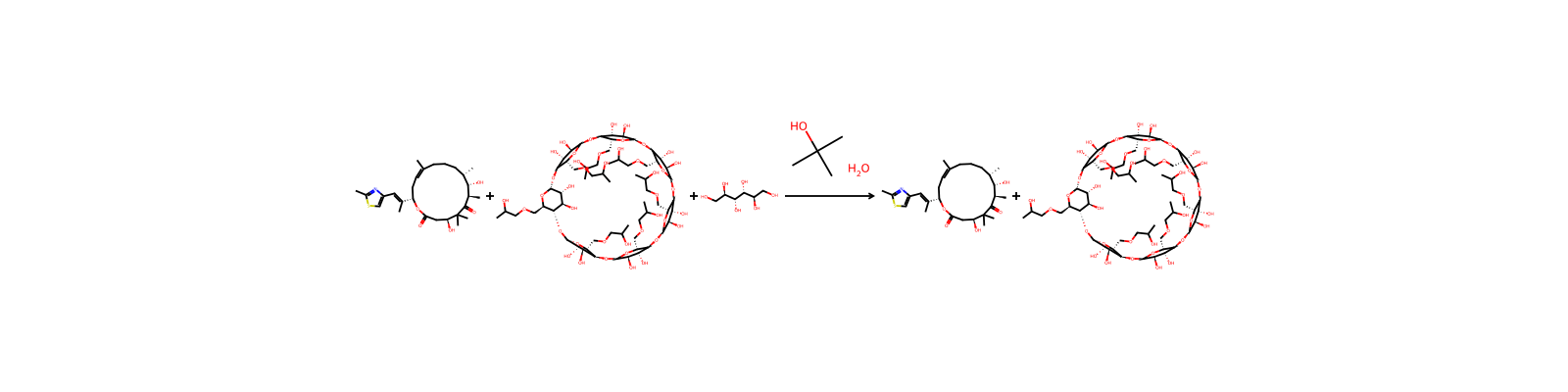
Zugehörige Reaktionen
23




Notizen zur Verbindung
Wird geladen…