

Grundinformationen
- Standard-SMILES
[NH4+].[O]=[V](=[O])[O-]- InChIKey
UNTBPXHCXVWYOI-UHFFFAOYSA-O- Summenformel
- H4N.O3V
- Durchschnittliche Molmasse
- 116,978 g/mol
- Monoisotopische Masse
- 116,96307749
Überblick
Ammonium metavanadate appears as a white crystalline powder. Slightly soluble in water and denser than water. Decomposes at 410 °F. May release toxic fumes. Moderately toxic. An irritant. Used as a dryer for paints and inks, and for dyes. Loses ammonia upon heating.
Namen und Bezeichner
- Bevorzugter Name
- Ammonium metavanadate
- IUPAC
- azanium oxido(dioxo)vanadium
- Englischer Name
- Ammonium vanadate(V)
- Summenformel
- NH4VO3
- Molmasse
- 0
Namen und Synonyme
Ammonium metavanadate7803-55-6Ammonium monovanadateAmmonium metavanadate (NH4VO3)Ammonium vanadium trioxideAmmonium vanadium oxide (NH4VO3)RCRA waste number P119Ammonium trioxovanadate(1-)Vanadic acid (HVO3), ammonium saltVanadate (VO31-), ammoniumFL85PX638GDTXSID1052533
Weitere Namen anzeigen
Vanadate (VO3(1-)), ammoniumNSC-215196vanadiumoylol amineRefChem:112178Ammonium vanadate (NH4VO3)DTXCID8031106232-261-3Ammonium trioxovanadate
Datenbank-Bezeichner
- CAS
11115-67-6、7803-55-6- PubChem CID
- 516859
- DTXSID
DTXSID1052533- UNII
- FL85PX638G
- EC Number
- 232-261-3
Eigenschaften
Berechnete Struktureigenschaften
- Polarare Oberfläche (TPSA)
- 58,2 Ų
- H-Brücken-Donoren
- 1
- H-Brücken-Akzeptoren
- 3
- Frei drehbare Bindungen
- 0
- Schwere Atome
- 5
- Formalladung
- 0
- Komplexität
- 36,5
Experimentelle und physikochemische Eigenschaften
Chemical ClassesNitrogen Compounds -> Ammonium Compounds
pH<7.0 in aqueous solution (acts as an acid to neutralize bases)
Density
2.326 g/cu cm
2.326 @25 °C
Color/Form
White or slightly yellow, crystalline powder
White crystals
Solubility
In water, 4.8 g/100 g H20 at 20 °C
Soluble in 165 parts water; more soluble in hot water, and in dilute ammonia
Slightly soluble in cold water
Sparingly soluble in cold water (ca. 1%)
For more Solubility (Complete) data for AMMONIUM METAVANADATE (7 total), please visit the HSDB record page.
DecompositionWhen heated to decompostion it emits toxic fumes of /ammonia, vanadium, and nitrogen oxides/.
Melting Point200 °C (with decomposition)
Physical Description
Ammonium metavanadate appears as a white crystalline powder. Slightly soluble in water and denser than water. Decomposes at 410 °F. May release toxic fumes. Moderately toxic. An irritant. Used as a dryer for paints and inks, and for dyes. Loses ammonia upon heating.
Dry Powder; Liquid
White or slightly yellow solid; [Merck Index] Tan, pale yellow, off-white, or white powder; [MSDSonline]
Stability/Shelf LifeStable under recommended storage conditions.
Other Experimental Properties
Thermal decomposition starts at 70 °C. Readily converted to V2O5 at elevated temperatures in oxidizing atmospheres. Heat of formation: -1551.0 kJ/mol at 25 °C.
Loses water and ammonia on heating.
At a concentration of 30 mg/L, ammonium metavanadate gives water a just discernible tint... .
Within tissues in organisms, V3+ and V4+ predominate because of largely reducing conditions; in plasma, however, which is high in oxygen, V5+ is formed.
For more Other Experimental Properties (Complete) data for AMMONIUM METAVANADATE (7 total), please visit the HSDB record page.
Physikochemische Eigenschaften
- Schmelzpunkt
- 200 °C · 200 °C (decomp)
- Dichte
- 2.326 · 2.326
- Farbe
- Colorless to yellow crystals or solid
Sicherheit und Regulatorisches
GHS-Klassifizierung
GHS Classification
This chemical does not meet GHS hazard criteria for 4.4% (39 of 878) of reports.
Danger
H301 (94.9%): Toxic if swallowed [Danger Acute toxicity, oral]
P203, P260, P261, P264, P264+P265, P270, P271, P273, P280, P284, P301+P316, P302+P352, P304+P340, P305+P351+P338, P316, P317, P318, P319, P320, P321, P330, P332+P317, P337+P317, P362+P364, P391, P403+P233, P405, and P501 (click each P-code to see the statement)
Aggregated GHS information provided per 878 reports by companies from 28 notifications to the ECHA C&L Inventory. Each notification may be associated with multiple companies.
Danger
Gefahrenhinweise
Regulatory Information
Chemical: Vanadic acid, (HVO3), ammonium salt
Regulation (EC) No 178/2002 (amended)
Vanadate (VO31-), ammonium (1:1) is listed on the EPA's Chemical Data Reporting (CDR) system. Manufacturers and importers of Vanadate (VO31-), ammonium (1:1) are required to report information about their production and use of this chemical to the EPA under the Toxic Substances Control Act (TSCA). (40 eCFR Part 711)
Status: Active Update: 08-08-2022 https://echa.europa.eu/registration-dossier/-/registered-dossier/11226
Restricted substance: Ammonium trioxovanadate
Ammonium monovanadate: Does not have an individual approval but may be used under an appropriate group standard
DOT LabelPoison
Fire Hazards
Excerpt from ERG Guide 154 [Substances - Toxic and/or Corrosive (Non-Combustible)]:
· Non-combustible, substance itself does not burn but may decompose upon heating to produce corrosive and/or toxic fumes.
Fire PotentialNonflammable
Health Hazards
Excerpt from ERG Guide 154 [Substances - Toxic and/or Corrosive (Non-Combustible)]:
· TOXIC and/or CORROSIVE; inhalation, ingestion or skin contact with material may cause severe injury or death.
Hazards Summary
Emergency treatment: Vanadium compounds; [HSDB] Causes somnolence and diarrhea after lethal concentration studies; Causes abnormal liver function test results after subcutaneous doses in mice; [RTECS] An irritant; Toxic if swallowed; Very toxic by inhalation; [Alfa Aesar MSDS] See Vanadium pentoxide.
DOT ID and Guide2859 154
Reactive GroupSalts, Acidic
RCRA Requirements
P119; As stipulated in 40 CFR 261.33, when ammonium vanadate, as a commercial chemical product or manufacturing chemical intermediate or an off-specification commercial chemical product or a manufacturing chemical intermediate, becomes a waste, it must be managed according to federal and/or state hazardous waste regulations. Also defined as a hazardous waste is any container or inner liner used to hold this waste or any residue, contaminated soil, water, or other debris resulting from the cleanup of a spill, into water or on dry land, of this waste. Generators of small quantities of this waste may qualify for partial exclusion from hazardous waste regulations (40 CFR 261.5(e)).
TSCA Requirements
Section 8(a) of TSCA requires manufacturers of this chemical substance to report preliminary assessment information concerned with production, exposure, and use to EPA as cited in the preamble in 51 FR 41329. Effective date: 7/11/03; Reporting date: 9/9/03.
Reactivity Profile
Acidic inorganic salts, such as AMMONIUM METAVANADATE, are generally soluble in water. The resulting solutions contain moderate concentrations of hydrogen ions and have pH's of less than 7.0. They react as acids to neutralize bases. These neutralizations generate heat, but less or far less than is generated by neutralization of inorganic acids, inorganic oxoacids, and carboxylic acid.
DOT Emergency Guidelines
/GUIDE 154 SUBSTANCES - TOXIC and/or CORROSIVE (Non-Combustible)/ Fire or Explosion: Non-combustible, substance itself does not burn but may decompose upon heating to produce corrosive and/or toxic fumes. Some are oxidizers and may ignite combustibles (wood, paper, oil, clothing, etc.). Contact with metals may evolve flammable hydrogen gas. Containers may explode when heated. For UN3171, if Lithium ion batteries are involved, also consult GUIDE 147.
/GUIDE 154 SUBSTANCES - TOXIC and/or CORROSIVE (Non-Combustible)/ Health: TOXIC; inhalation, ingestion or skin contact with material may cause severe injury or death. Contact with molten substance may cause severe burns to skin and eyes. Avoid any skin contact. Effects of contact or inhalation may be delayed. Fire may produce irritating, corrosive and/or toxic gases. Runoff from fire control or dilution water may be corrosive and/or toxic and cause pollution.
/GUIDE 154 SUBSTANCES - TOXIC and/or CORROSIVE (Non-Combustible)/ Public Safety: CALL Emergency Response Telephone Number on Shipping Paper first. If Shipping Paper not available or no answer, refer to appropriate telephone number listed on the inside back cover. As an immediate precautionary measure, isolate spill or leak area in all directions for at least 50 meters (150 feet) for liquids and at least 25 meters (75 feet) for solids. Keep unauthorized personnel away. Stay upwind. Keep out of low areas. Ventilate enclosed areas.
/GUIDE 154 SUBSTANCES - TOXIC and/or CORROSIVE (Non-Combustible)/ Protective Clothing: Wear positive pressure self-contained breathing apparatus (SCBA). Wear chemical protective clothing that is specifically recommended by the manufacturer. It may provide little or no thermal protection. Structural firefighters' protective clothing provides limited protection in fire situations ONLY; it is not effective in spill situations where direct contact with the substance is possible.
For more DOT Emergency Guidelines (Complete) data for AMMONIUM METAVANADATE (8 total), please visit the HSDB record page.
Sicherheit und Schutzausrüstung
Fire FightingExcerpt from ERG Guide 154 [Substances - Toxic and/or Corrosive (Non-Combustible)]:
Accidental Release Measures
· CALL 911. Then call emergency response telephone number on shipping paper. If shipping paper not available or no answer, refer to appropriate telephone number listed on the inside back cover.
· ELIMINATE all ignition sources (no smoking, flares, sparks or flames) from immediate area.
First Aid
Excerpt from ERG Guide 154 [Substances - Toxic and/or Corrosive (Non-Combustible)]:
General First Aid:
Exposure Control and Personal Protection· Wear positive pressure self-contained breathing apparatus (SCBA).
Fire Fighting Procedures
Suitable extinguishing media: Use extinguishing measures that are appropriate to local circumstances and the surrounding environment.
Advice for firefighters: Wear self-contained breathing apparatus for firefighting if necessary.
If material on fire or involved in fire: Extinguish fire using agent suitable for type of surrounding fire. (Material itself does not burn or burns with difficultly). Use water in flooding quantities as fog. Use foam, dry chemical, or carbon dioxide. Keep run-off water out of sewers and water sources.
Storage Conditions
Keep container tightly closed in a dry and well-ventilated place. Moisture sensitive. Keep in a dry place.
Containers of vanadium shall be kept tightly closed at all times when not in use. Containers shall be stored in a safe manner to minimize accidental breakage, spillage, or contact with moisture. Combustible materials, such as finely ground vanadium carbide, vanadium aluminum alloys, vanadium metal, or ferrovanadium should be kept away from heat, sparks, or flames. /Vanadium compounds/
Cleanup Methods
ACCIDENTAL RELEASE MEASURES: Personal precautions, protective equipment and emergency procedures: Wear respiratory protection. Avoid dust formation. Avoid breathing vapors, mist or gas. Ensure adequate ventilation. Evacuate personnel to safe areas. Avoid breathing dust. Environmental precautions: Prevent further leakage or spillage if safe to do so. Do not let product enter drains. Methods and materials for containment and cleaning up: Pick up and arrange disposal without creating dust. Sweep up and shovel. Keep in suitable, closed containers for disposal.
Environmental considerations: Water spill: Use natural deep water pockets, excavated lagoons, or sand bag barriers to trap material at bottom. Use mechanical dredges or lifts to remove immobilized masses of pollutants and precipitates. /Vanadium compound, N.O.S./
Environmental considerations: Land spill: Dig a pit, pond, lagoon, holding area to contain liquid or solid material. /SRP: If time permits, pits, ponds, lagoons, soak holes, or holding areas should be sealed with an impermeable flexible membrane liner./ Cover solids with plastic sheet to prevent dissolving in rain or fire fighting water. Dike surface flow using soil, sand bags, foamed polyurethane, or foamed concrete. /Vanadium compound, N.O.S./
Nonfire Spill ResponseExcerpt from ERG Guide 154 [Substances - Toxic and/or Corrosive (Non-Combustible)]:
Disposal Methods
Generators of waste (equal to or greater than 100 kg/mo) containing this contaminant, EPA hazardous waste number P119, must conform with USEPA regulations in storage, transportation, treatment and disposal of waste.
Product: Offer surplus and non-recyclable solutions to a licensed disposal company. Contact a licensed professional waste disposal service to dispose of this material. Dissolve or mix the material with a combustible solvent and burn in a chemical incinerator equipped with an afterburner and scrubber; Contaminated packaging: Dispose of as unused product.
Vanadic Acid, Ammonium metavanadate is a poor candidate for incineration.
SRP: Wastewater from contaminant suppression, cleaning of protective clothing/equipment, or contaminated sites should be contained and evaluated for subject chemical or decomposition product concentrations. Concentrations shall be lower than applicable environmental discharge or disposal criteria. Alternatively, pretreatment and/or discharge to a permitted wastewater treatment facility is acceptable only after review by the governing authority and assurance that "pass through" violations will not occur. Due consideration shall be given to remediation worker exposure (inhalation, dermal and ingestion) as well as fate during treatment, transfer and disposal. If it is not practicable to manage the chemical in this fashion, it must be evaluated in accordance with EPA 40 CFR Part 261, specifically Subpart B, in order to determine the appropriate local, state and federal requirements for disposal.
For more Disposal Methods (Complete) data for AMMONIUM METAVANADATE (6 total), please visit the HSDB record page.
Preventive Measures
ACCIDENTAL RELEASE MEASURES: Personal precautions, protective equipment and emergency procedures: Wear respiratory protection. Avoid dust formation. Avoid breathing vapors, mist or gas. Ensure adequate ventilation. Evacuate personnel to safe areas. Avoid breathing dust. Environmental precautions: Prevent further leakage or spillage if safe to do so. Do not let product enter drains.
Precautions for safe handling: Avoid contact with skin and eyes. Avoid formation of dust and aerosols. Provide appropriate exhaust ventilation at places where dust is formed.
Appropriate engineering controls: Avoid contact with skin, eyes, and clothing. Wash hands before breaks and immediately after handling the product.
Gloves must be inspected prior to use. Use proper glove removal technique (without touching glove's outer surface) to avoid skin contact with this product. Dispose of contaminated gloves after use in accordance with applicable laws and good laboratory practices. Wash and dry hands.
For more Preventive Measures (Complete) data for AMMONIUM METAVANADATE (12 total), please visit the HSDB record page.
Isolation and Evacuation
Excerpt from ERG Guide 154 [Substances - Toxic and/or Corrosive (Non-Combustible)]:
Immediate precautionary measure
Minimum Risk LevelAcute Inhalation: 0.0002 mg/m3 (L134)
Intermediate Oral: 0.003 mg/kg/day (L134)
Toxikologische Informationen
Treatment
EYES: irrigate opened eyes for several minutes under running water. INGESTION: do not induce vomiting. Rinse mouth with water (never give anything by mouth to an unconscious person). Seek immediate medical advice. SKIN: should be treated immediately by rinsing the affected parts in cold running water for at least 15 minutes, followed by thorough washing with soap and water. If necessary, the person should shower and change contaminated clothing and shoes, and then must seek medical attention. INHALATION: supply fresh air. If required provide artificial respiration.
Interactions
Today, vanadium compounds are frequently included in nutritional supplements and are also being developed for therapeutic use in diabetes mellitus. Previously, tissue uptake of vanadium from bis(maltolato)oxovanadium(IV) (BMOV) was shown to be increased compared to its uptake from vanadyl sulfate (VS). Our primary objective was to test the hypothesis that complexation increases vanadium uptake and that this effect is independent of oxidation state. A secondary objective was to compare the effects of vanadium complexation and oxidation state on tissue iron, copper, and zinc. Wistar rats were fed either ammonium metavanadate (AMV), VS, or BMOV (1.2 mM each in the drinking water). Tissue uptake of V following 12 wk of BMOV or AMV was higher than that from VS (p<0.05). BMOV led to decreased tissue Zn and increased bone Fe content. The same three compounds were compared in a cellular model of absorption (Caco-2 cells). Vanadium uptake from VS was higher than that from BMOV or AMV at 10 min, but from BMOV (250 uM only, 60 min), uptake was far greater than from AMV or VS. These results show that neither complexation nor oxidation state alone are adequate predictors of relative absorption, tissue accumulation, or trace element interactions.
Previous studies from our laboratory have demonstrated the potential anticarcinogenicity of vanadium, a dietary micronutrient in rat liver, colon, and mammary carcinogenesis models in vivo. In this paper, we have investigated further the antihepatocarcinogenic role of this essential trace element by studying several biomarkers of chemical carcinogenesis with special reference to cell proliferation and oxidative DNA damage. Hepatocarcinogenesis was induced in male Sprague-Dawley rats by chronic feeding of 2-acetylaminofluorene (2-AAF) at a dose of 0.05% in basal diet daily for 5 days a week. Vanadium in the form of ammonium metavanadate (0.5 ppm equivalent to 4.27 umol/L) was supplemented ad lib to the rats. Continuous vanadium administration reduced relative liver weight, nodular incidence (79.99%), total number, and multiplicity (p<0.001; 68.17%) along with improvement in hepatocellular architecture when compared to carcinogen control. Vanadium treatment further restored hepatic uridine diphosphate (UDP)-glucuronosyl transferase and UDP-glucose dehydrogenase activities, inhibited lipid peroxidation, and prevented the development of glycogen-storage preneoplastic foci (p<0.01; 63.29%) in an initiation-promotion model. Long-term vanadium treatment also reduced bromodeoxyuridine (BrdU)-labelling index (p<0.02) and inhibited cell proliferation during hepatocellular preneoplasia. Finally, short-term vanadium exposure abated the formations of 8-hydroxy-2'-deoxyguanosines (p<0.001; 56.27%), length:width of DNA mass (p<0.01), and the mean frequency of tailed DNA (p<0.001) in preneoplastic rat liver. The study indicates the potential role of vanadium in suppressing cell proliferation and in preventing early DNA damage in vivo. Vanadium is chemopreventive against the early stages of 2-AAF-induced hepatocarcinogenesis in rats.
Metallo-elements including Vanadium (V) have strong affinity for sulfhydryl (-SH) groups in biological molecules including Glutathione (GSH) in tissues. Because of this fact it was of interest to further investigate the interaction of Ammonium Vanadate [NH(4)VO(3)] with Glutathione as a biomarker of toxicity and the role of Glutathione in the detoxification and conjugation pr(o)Cesses in whole blood components including plasma and cytosolic fraction. Effects of different concentrations of Ammonium Vanadate [NH(4)VO(3)] on the level of reduced Glutathione in whole blood components (Plasma and Cytosolic fraction) were examined. GSH depletion in plasma and cytosolic fraction was Ammonium Vanadate's concentration-dependent. Depleted GSH level was more pronounced with more incubation time period. These findings show that changes in the GSH status produced by Ammonium Vanadate could be due to either by adduct formation of Vanadium and glutathione, i.e., (V-SG) or by increased production of oxidized Glutathione (2GSH +V(+5) /produces/ GSSG). This change in GSH metabolic status provides some information regarding the mechanism of toxicity by Ammonium Vanadate and the protective role of glutathione.
Expression pattern of heat shock proteins (Hsp) 72/73 and glucose regulated protein (Grp) 94 was studied in liver, kidney and testis of rats injected with sublethal doses of ammonium metavanadate (5 mg/kg/day). In addition, some batches of animals were given green tea decoction, known to be rich in anti-oxidative compounds, as sole beverage in order to evaluate its protective properties. In control animals, the stress proteins expression was found to be organ-dependent: anti-Grp94 antibody revealed two bands at 96 and 98 kDa in kidney and liver whereas the 98 kDa band only was found in testis; anti-Hsp72/73 antibody revealed that the constitutive Hsp73 was present in all organs whereas the inducible Hsp72 was only present in kidney and testis. In kidney of vanadium-treated rats, Hsp73 was over-expressed by about 50% whereas Hsp72 was down-regulated by 50-80%. No such effects were observed in liver and testis. In liver and kidney of vanadium-treated rats, Grp94 was over-expressed by 50% and 150%, respectively, whereas no change was found in testis. In rats given green tea as sole beverage, the 96 kDa protein expression level in liver was reduced both in controls and in vanadium-treated animals. However, green tea drinking failed to prevent the vanadium-induced Hsp72 under-expression in kidney of vanadium-treated rats.
For more Interactions (Complete) data for AMMONIUM METAVANADATE (10 total), please visit the HSDB record page.
Health EffectsBreathing high levels of vanadium affects the lungs, throat, and eyes. Ingestion of vanadium may cause kidney and liver damage, birth defects, or death. (L837)
Ecotoxicity Values
LC50; Species: Cordylophora caspia (Freshwater hydroid) exponential growth phase (log); Concentration: 5.8 mg/L for 10 days /Conditions of bioassay not specified in source examined/
EC50; Species: Cordylophora caspia (Brackish water hydroid); Conditions: saltwater, static, 20 °C, pH 8, salinity 20 ppt; Concentration: 7960 ug/L for 9 days (95% confidence interval: 6510-9650 ug/L); Effect: population; decreased population growth rate /total vanadium ion/
EC50; Species: Cordylophora caspia (Brackish water hydroid); Conditions: saltwater, static, 20 °C, pH 8, salinity 10 ppt; Concentration: 4500 ug/L for 9 days (95% confidence interval: 3490-5580 ug/L); Effect: population; decreased population growth rate /total vanadium ion/
EC50; Species: Cordylophora caspia (Brackish water hydroid); Conditions: saltwater, static, 20 °C, pH 8, salinity 5 ppt; Concentration: 4680 ug/L for 9 days (95% confidence interval: 3700-5780 ug/L); Effect: population; decreased population growth rate /total vanadium ion/
For more Ecotoxicity Values (Complete) data for AMMONIUM METAVANADATE (11 total), please visit the HSDB record page.
Adverse EffectsOccupational hepatotoxin - Secondary hepatotoxins: the potential for toxic effect in the occupational setting is based on cases of poisoning by human ingestion or animal experimentation.
Exposure RoutesOral (L837) ; inhalation (L837) ; dermal (L837)
Toxicity Summary
IDENTIFICATION AND USE: Ammonium metavanadate is a white or slightly yellow, crystalline powder. It is used in dyeing and printing on woolens; staining wood black; manufacture of vanadium black and "indelible ink"; producing vanadium luster on pottery; as photographic developer; in hematoxylin staining in microscopy; as a reagent in analytical chemistry. Because of its ready conversion to vanadium pentoxide at elevated temperatures, it is used as a substitute. HUMAN EXPOSURE AND TOXICITY: One worker was exposed to large amounts of dry ammonium vanadate dust over a 6-hr period while shovelling powder into a bin. Within 2 hr of commencing work, retro-orbital headache, tears, dry mouth, and green discoloration of the tongue were reported. There was a marked green discoloration of the skin of the fingers, scrotum, and upper legs. His nose was reported to be stuffy, and he was lethargic. The next day, his testicles were swollen and tender, and, on the third day after exposure, he developed wheezing, dyspnea, and a cough productive of green sputum. He had several small hemoptyses over the following 2 weeks. Wheezing and dyspnea persisted for about 1 month; chest symptoms were at their worst 3 weeks after the incident. On examination 6 weeks after the last exposure, he was asymptomatic, with the exception of a partially blocked left nostril and the reddened appearance of nasal mucosa. Chest examination revealed no abnormality. Pulmonary function assessment showed normal lung volume, forced expiratory flow rate, and gas transfer. He had a mild eosinophilia of the peripheral blood. In human fibroblast cultures VO3- can induce DNA synthesis and cell growth. Ammonium metavanadate was not found to increase the frequency of structural chromosome aberrations in human leukocytes, whereas a significant increase in numerical aberrations, micronuclei, and satellite associations was found. Fluorescence in situ hybridization (FISH) applied to the human lymphocyte micronucleus assay, by means of an alphoid centromere-specific DNA probe, confirmed the aneuploidogenic potentiality of vanadium. ANIMAL STUDIES: Acute tubular necrosis, pulmonary hemorrhage, and necrosis of lymphoid tissue were demonstrated in mice receiving 20 mg vanadium/kg of ammonium metavanadate solutions. In a 3-month study, rats received ammonium metavanadate at a concentration of 200 mg/L (in terms of vanadium) in their drinking water. Animals exhibited retardation of body weight gain and anemia. Gross pathology examination revealed parenchymatous dystrophy of the liver and kidneys with the formation of cylinders in the tubules in some animals. Neurophysiological effects have been reported following acute exposure (oral and sc injection) of dogs and rabbits to vanadium oxides and salts including ammonium metavanadate. These include disturbances of the central nervous system (impaired conditioned reflexes and neuromuscular excitability). The teratogenicity of ammonium vanadate was studied in hamsters. Twenty pregnant hamsters per dose group received 0, 0.47, 1.88, and 3.75 mg/kg of ammonium vanadate by ip injection on gestation days 5 through 10. Pregnant females were killed on day 15. There was a statistically significant increase in skeletal abnormalities and a decrease in the male:female ratio. Ammonium metavanadate increased the convertant and revertant frequencies in the D7 strain of Saccharomyces cerevisiae; the highest activity was observed without metabolic activation. The micronucleus test was found to be positive for ammonium metavanadate in bone marrow of mice following intragastric treatment. In contrast, no difference was found between controls and treated animals in the structural chromosome aberration test performed 24 and 36 hr after treatment. In studies with ammonium metavanadate at concentrations of 5-40 uM, weak mutagenesis was demonstrated at the hprt gene of Chinese hamster V79 cells, and at the gpt locus of hprt-/gpt+ transgenic cell line G12. Female mice given ammonium metavanadate ip at doses of 2.5, 5, or 10 mg/kg, every 3 days for 3, 6, or 9 weeks, showed a dose-related increase in resistance to E. coli endotoxin lethality up to 6 weeks and a dose-related decrease in resistance to Listeria lethality. Enlargement of the liver and spleen with enhanced formation of splenic megakaryocytes and red blood cell precursors was also observed.
Vanadium damages alveolar macrophages by decreasing the macrophage membrane integrity, thus impairing the cells' phagocytotic ability and viability. The pentavalent form of vanadium, vanadate, is a potent inhibitor of the Ca+-ATPase and Na+,K+-ATPase of plasma membranes, which decreases intracellular ATP concentration. Vanadium is also believed to induce the production of reactive oxygen species. This may damage DNA and also cause oxidative stress, which can damage the reproductive system. Vanadium also inhibits protein tyrosine phosphatases, producing insulin-like effects. (L837, A247, A248, A249, A250, A251)
Ecotoxicity Excerpts
/AQUATIC SPECIES/ A concentration of 0.02 mg/L, as ammonium vanadate, interfered with the cell division of the fresh-water algae Chlorella pyrenoidosa, whereas 0.25 mg/L was lethal. /Ammonium vanadate/
/AQUATIC SPECIES/ This paper deals with the underlying biochemical mechanism of the cytotoxicity of vanadium (as ammonium monovanadate) in a warm water teleost, Clarias batrachus (Linn). Lipid peroxidation, a well-known biochemical marker for cell injury, was found to be significantly enhanced in fish liver, kidney, and brain after 12 hr and maximally induced after 72 hr exposure of this compound (10 mg/L). When the fish were exposed to 5, 10, 15, and 20 mg/L of vanadium compound for 72 hr, lipid peroxidation in these three organs were elevated dose-dependently but the degree of increase varied between organs. The induction of both enzymatic (paraquat-NADPH) and nonenzymatic (ascorbate-Fe2+) in vitro lipid peroxidation was enhanced by this vanadium salt when added in micromolar concentrations (42 or 85 uM) to the liver, kidney, and brain microsomal preparations. Both in vivo and in vitro studies revealed that kidney tissue was most severely affected with acute vanadium intoxication, followed by liver and brain. /Ammonium monovanadate/
/OTHER TERRESTRIAL SPECIES/ There is little known regarding vanadium toxicity to soil biota, and the present study was set up to determine the toxicity of added vanadate to soil organisms and to investigate the relationship between toxicity and vanadium sorption in soils. Five soils with contrasting properties were spiked with 7 different doses (3.2-3200 mg V/kg) of dissolved vanadate, and toxicity was measured with 2 microbial and 3 plant assays. The median effective concentration (EC50) thresholds of the microbial assays ranged from 28 mg added V/kg to 690 mg added V/kg, and the EC50s in the plant assays ranged from 18 mg added V/kg to 510 mg added V/kg. The lower thresholds were in the concentration range of the background vanadium in the untreated control soils (15-58 mg V/kg). The vanadium toxicity to plants decreased with a stronger soil vanadium sorption strength. The EC50 values for plants expressed on a soil solution basis ranged from 0.8 mg V/L to 15 mg V/L and were less variable among soils than corresponding values based on total vanadium in soil. It is concluded that sorption decreases the toxicity of added vanadate and that soil solution vanadium is a more robust measure to determine critical vanadium concentrations across soils. /Vanadate/
/PLANTS/ Red mud (RM) is a byproduct of aluminum production; worldwide between 70 and 120 million tons is produced annually. ...RM which was released in the course of the Kolontar disaster in Hungary into the environment /was analyzed/ in acute and genotoxicity experiments with plants which are widely used for environmental monitoring. ...Induction of micronuclei /was found/ which reflect chromosomal damage in tetrads of Tradescantia and in root cells of Allium as well as retardation of root growth with contaminated soils and leachates. Chemical analyses showed that RM contains metals, in particular high concentrations of vanadium. Follow-up experiments indicated that vanadate causes the effects in the plants. This compound causes also in humans DNA damage and positive results were obtained in carcinogenicity studies. Since it was found also in RM from other production sites our findings indicate that its release in the environment is a global problem which should be studied in more detail. /Vanadate/
Signs and SymptomsInhalation of vanadium causes lung irritation, coughing, wheezing, chest pain, runny nose, and a sore throat. (L837)
Medical Surveillance
Biological monitoring of vanadium in serum, blood, and urine has been used to monitor vanadium levels in the general population or in occupationally exposed workers. Vanadium levels in these matrices have not, however, been shown to correlate with vanadium levels in the air and as such are of limited usefulness as quantitative biomarkers of exposure. /Vanadium compounds/
Because of cases of bronchial asthma and bronchitis in worker population exposed to vanadium compounds, periodic testing of pulmonary function is recommended. /Vanadium compounds/
The assessment of vanadium exposure can be accomplished through measurement of vanadium. This test may be useful for assessing /exposure/ to larger than normal amounts of vanadium, but there was no information found in the literature showing a correlation of these levels with environmental levels or onset of clinical effects. Blood Reference Ranges: Normal - less than 1 ug/L; Exposed - not established; Toxic - not established. Serum or Plasma Reference Ranges: Normal - less than 0.24 ug/L; Exposed - not established; Toxic - not established. Urine Reference Ranges: Normal - 0.06 to 0.87 ug/L; Exposed - Workers exposed to average 8 hr air concentrations of 6.0 to 6.4 mg/cu m had urine vanadium levels between 2.6 to 4.6 ug/L in specimens that were collected at the start of the next work day. BAT for vanadium pentoxide (sampling time for long term exposures: after several shifts, measured as vanadium): 70 ug/g creatinine; Toxic - In a study involving controlled human exposure to vanadium pentoxide, where levels caused development of mild respiratory effects, the peak urine vanadium level was 130 ug/L at 3 days after exposure. /Vanadium/
Pulmonary Function Tests: The tests that have been found to be practical for population monitoring include: spirometry and expiratory flow-volume curves; determination of lung volumes; diffusing capacity for carbon monoxide; single-breath nitrogen washout; inhalation challenge tests; serial measurements of peak expiratory flow; exercise testing. /Vanadium/
Differentiating vanadium pulmonary toxicity from infection or allergy of the respiratory tract is difficult in that presenting signs and symptoms are similar. A specific vanadium exposure history must be elicited from affected individuals. Examination may reveal a patient with clear watery discharge from the eyes and nose. Mucosal surfaces may be erythematous. Auscultation of lung fields will reveal rhonchi or wheezing. /Vanadium compounds/
Soil Adsorption/MobilityLog Kd values for ammonium vanadate determined in 11 soils from 10 soil orders were as follows(1):[Table#5859]
Human Toxicity Excerpts
/SIGNS AND SYMPTOMS/ In 1956... /a study/ reported symptoms of respiratory tract irritation (sneezing, minor epistaxis, and coughing) and eye irritation experienced by men occupationally exposed to dust containing a mixture of vanadium pentoxide, sodium, and ammonium metavanadate. These men were exposed to vanadium-bearing dust concentrations ranging from 3.6-25.1 mg/cu m, 95% of which consisted of particles below 5 um. /Vanadium dusts/
/CASE REPORTS/ The case histories of four men were reported... . One worker was exposed to large amounts of dry ammonium vanadate dust over a 6-hr period while shovelling powder into a bin. Within 2 hr of commencing work, retro-orbital headache, epiphora (tears), dry mouth, and green discoloration of the tongue were reported. There was a marked green discoloration of the skin of the fingers (despite the use of gloves), scrotum, and upper legs. His nose was reported to be stuffy, and he was lethargic. The next day, his testicles were swollen and tender, and, on the third day after exposure, he developed wheezing, dyspnea, and a cough productive of green sputum. He had several small hemoptyses over the following 2 weeks. Wheezing and dyspnea persisted for about 1 month; chest symptoms were at their worst 3 weeks after the incident. On examination 6 weeks after the last exposure, he was asymptomatic, with the exception of a partially blocked left nostril and the reddened appearance of nasal mucosa. Chest examination revealed no abnormality. Pulmonary function assessment showed normal lung volume, forced expiratory flow rate, and gas transfer. He had a mild eosinophilia of the peripheral blood. The other three workers also reported broadly similar findings (e.g., green discoloration of the tongue and skin, respiratory difficulties) associated with exposure to vanadium pentoxide.
/GENOTOXICITY/ The genotoxicity of four vanadium compounds, sodium metavanadate (NaVO3), ammonium metavanadate (NH4VO3), sodium orthovanadate (Na3VO4) and vanadyl sulfate (SVO5), was evaluated in human lymphocyte cultures using structural and numerical chromosome aberrations, micronuclei, sister-chromatid exchanges and satellite chromosome associations as endpoints. These compounds were not found to increase the frequency of structural chromosome aberrations whereas a significant increase in numerical aberrations, micronuclei and satellite associations was found. Since these results could have been related to a possible mechanism of the action of vanadium as a mitotic spindle poison, the fluorescence in situ hybridization (FISH) technique was applied to the human lymphocyte micronucleus assay, by means of an alphoid centromere-specific DNA probe. The four vanadium salts showed a micronucleus percentage with positive signal (presence of centromere and thus of whole chromosome(s)) that was always higher than 68% at all doses tested. That confirmed the aneuploidogenic potentiality of vanadium.
/GENOTOXICITY/ ...Ammonium metavanadate... /was/ not found to increase the frequency of structural chromosome aberrations /in human leukocytes/, whereas a significant increase in numerical aberrations, micronuclei, and satellite associations was found. Fluorescence in situ hybridization (FISH) applied to the human lymphocyte micronucleus assay, by means of an alphoid centromere-specific DNA probe, confirmed the aneuploidogenic potentiality of vanadium.
For more Human Toxicity Excerpts (Complete) data for AMMONIUM METAVANADATE (12 total), please visit the HSDB record page.
Regulatorische Informationen
RCRA Requirements
P119; As stipulated in 40 CFR 261.33, when ammonium vanadate, as a commercial chemical product or manufacturing chemical intermediate or an off-specification commercial chemical product or a manufacturing chemical intermediate, becomes a waste, it must be managed according to federal and/or state hazardous waste regulations. Also defined as a hazardous waste is any container or inner liner used to hold this waste or any residue, contaminated soil, water, or other debris resulting from the cleanup of a spill, into water or on dry land, of this waste. Generators of small quantities of this waste may qualify for partial exclusion from hazardous waste regulations (40 CFR 261.5(e)).
TSCA Requirements
Section 8(a) of TSCA requires manufacturers of this chemical substance to report preliminary assessment information concerned with production, exposure, and use to EPA as cited in the preamble in 51 FR 41329. Effective date: 7/11/03; Reporting date: 9/9/03.
CERCLA Reportable Quantities
Persons in charge of vessels or facilities are required to notify the National Response Center (NRC) immediately, when there is a release of this designated hazardous substance, in an amount equal to or greater than its reportable quantity of 1000 lb or 454 kg. The toll free number of the NRC is (800) 424-8802. The rule for determining when notification is required is stated in 40 CFR 302.4 (section IV.D.3.b).
State Drinking Water Guidelines
(CA) CALIFORNIA 50 ug/L /Vanadium/
(AZ) ARIZONA 7 ug/L /Vanadium/
(FL) FLORIDA 49 ug/L /Vanadium/
(MN) MINNESOTA 50 ug/L /Vanadium/
(WI) WISCONSIN 30 ug/L /Vanadium/
Sicherheitsdaten
- Toxizität
- LD50 orl-rat: 58,100 mg/kg GISAAA 57(7-8),26,92
Chemie und Industrie
Pharmakologische Informationen
Metabolism/Metabolites
Within tissues in organisms, V3+ and V4+ predominate because of largely reducing conditions; in plasma, however, which is high in oxygen, V5+ is formed.
/In/ calves given 10-20 mg/kg of ammonium metavanadate by mouth daily ...levels of vanadium in the liver ranged from 0.3 to 5.1 ppm of wet tissue, in the kidney from 6.0 to 40.
Vanadium is absorbed mainly via inhalation, though small amounts can be absorbed through the skin and gastrointestional tract. It is rapidly distributed in the plasma, mainly to the kidney, liver, lungs, heart, bone, where it tends to accumulate. With the help of cytochrome P-450 enzymes, it can interconvert between its two oxidation states, vanadyl (V+4) and vanadate (V+5). Both states of vanadium can reversibly bind to transferrin protein in the blood and then be taken up into erythrocytes. Vanadium is excreted mainly in the urine. (L837)
Verwendung und Herstellung
Uses
Used as a drier for paints and inks, in dyeing and printing on woolens, for staining wood black, in the manufacture of vanadium black and indelible ink, for producing vanadium luster on pottery, as photographic developer, in hematoxylin staining in microscopy, and as a substitute for vanadium pentoxide in the production of yellow ceramic colorants; [HSDB]
Painting (Pigments, Binders, and Biocides) [Category: Paint]
Ceramics making [Category: Hobbies]
For catalyst as vanadium pentoxide, dyes, varnishes, indelible inks, drier for paints and inks, photography, analytical reagent.
In dyeing and printing on woolens; staining wood black; manufacturing vanadium black and "indelible ink"; producing vanadium luster on pottery; as photographic developer; in hematoxylin staining in microscopy; as a reagent in analytical chemistry as an oxidant for spectrophotometric determinations and as a reagent in combustion analysis of carbon, hydrogen and nitrogen. Catalyst in organic and inorganic synthesis. In preparation and purification of vanadium compounds.
Because of its ready conversion to V2O5 at elevated temperatures in oxidizing atmospheres, it is used as a substitute in the production of, e.g., DENOX catalysts and zirconium vanadium oxide yellow ceramic colorants.
Impurities10 ppm total metallic impurities /in high-purity grade/.
U.S. ImportsVanadium: Imports for consumption: /Ferrovanadium; Oxides and hydroxides, other; Ash and residues; Sulfates; Vanadates/
U.S. Production2023: 235,249 lb
Industry UsesOxidizing agent
Methods of Manufacturing
It is precipitated from neutral alkali metal vanadate solutions by the addition of ammonium chloride or ammonium sulfate.
/Derived from/ alkali solutions of vanadium pentoxide and precipitation with ammonium chloride.
Formulations/Preparations/Available in/ 77-78% V2O5 grades, high-purity grade, and technical grade.
General Manufacturing Information
All Other Basic Inorganic Chemical Manufacturing
Vanadate (VO31-), ammonium (1:1): ACTIVE
Ammonium metavanadate and, to a lesser extent, potassium and sodium metavanadates, are the main vanadates of commercial interest.
Under environmental conditions, vanadium may exist in oxidation states +3, +4, and +5. V3+ and V4+ act as cations, but V5+, the most common form in the aquatic environment, reacts both as a cation and anionically as an analogue of phosphate. /Vanadium ions/
Anbieter50 Anbieter
国药集团化学试剂有限公司86-21-63210123 · [email protected]
上海阿拉丁生化科技股份有限公司400-6206333 13167063860 · [email protected]
南通润丰石油化工有限公司66017690 19952660367 · [email protected]
上海毕合生物化学技术有限公司13816464724 · [email protected]
廊坊乾耀科技有限公司0316-2617888 17301291189 · [email protected]
上海光铧科技有限公司13801626616 · [email protected]
武汉吉业升化工有限公司027-83360216 18040558719 · [email protected]
上海如吉生物科技发展有限公司+86-21-65211385-8001 36031160 · [email protected]
Dayang Chem (Hangzhou) Co.,Ltd.+86-0571-88938639 17705817739 · [email protected]
Hebei Yanxi Chemical Co., Ltd.+86-17531190177 · [email protected]
上海迈瑞尔生化科技有限公司4006356688 18621169109 · [email protected]
上海晶抗生物工程有限公司021-54721350 13524668266 · [email protected]
阿法埃莎(中国)化学有限公司400-6106006 · [email protected]
安耐吉化学&3A(安徽泽升科技股份有限公司)400-0056266 · [email protected]
广东云星生物技术有限公司0751-18902340975/189023400307 18902340307 · [email protected]
上海瀚鸿科技股份有限公司021-54306202 13764082696 · [email protected]
上海景颜化工科技有限公司13817811078 · [email protected]
天津金汇太亚化学试剂有限公司022-59582624 18622766592 · [email protected]
山东西亚化学有限公司13355009207 13355009207 · [email protected]
玛雅试剂+86 (573) 82222445 (0)18006601000 452520369 · [email protected]
四川库利南科技有限公司400-1166-196 18981987031 · [email protected]
天津希恩思生化科技有限公司400 638 7771 · [email protected]
南京化学试剂股份有限公司025-58369808 17895012682 · [email protected]
武汉吉业升化工有限公司027-13545242311 13545242311 · [email protected]
斯百全化学(上海)有限公司021-021-021-67601398-809-809-809 15221380277 · [email protected]
艾科试剂4008-755-333 18080918076 · [email protected]
赛默飞世尔科技(中国)有限公司800-810-5118 · [email protected]
北京伊诺凯科技有限公司400-810-7969 010-59572699 · [email protected]
上海遐瑞医药科技有限公司+86 21 61551611
武汉普洛夫生物科技有限公司17612776928 · [email protected]
上海倍卓生物科技有限公司021-61119791,13386096464 · [email protected]
武汉吉业升化工有限公司15927657268 · [email protected]
北京环宇世纪化学科技有限公司hysj_bj.com
上海将来实业股份有限公司021-61552785 · [email protected]
HBCChem, Inc.+1-510-219-6317 · [email protected]
美岚实业(上海)有限公司021-58958189 · [email protected]
天津普西唐生物医药科技有限公司010-60605840 · [email protected]
上海德榜化工有限公司021-61531158 · [email protected]
上海麦克林生化科技股份有限公司15221275939 15221275939 · [email protected]
杭州杰恒化工有限公司0571-87396432 · [email protected]
成都润泽本土化工有限公司13096311329 028-88469284 616445927 · [email protected]
溧阳市瑞普新材料有限公司+86-0519-82038123,18951201333
池州凯隆进出口贸易有限公司[email protected]
Sigma-Aldrich西格玛奥德里奇(上海)贸易有限公司021-61415566 800-8193336 · [email protected]
大连易得瑞化工有限公司15141125520 15141125520 · [email protected]
江苏倍达医药科技有限公司0512-63009836 18994340901 · [email protected]
九鼎化学(上海)科技有限公司4009209199 · [email protected]
广东翁江化学试剂有限公司0751-2815987 13927875076 · [email protected]
杭州鼎燕化工有限公司0571-87157530-8003 18267553885 · [email protected]
武汉吉业升化工有限公司13343438917 · [email protected]
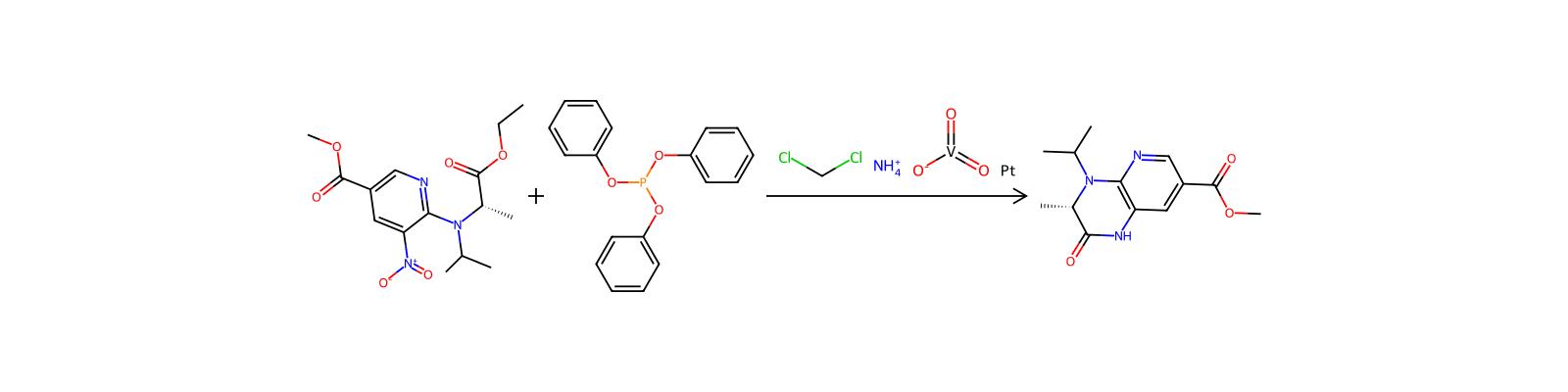
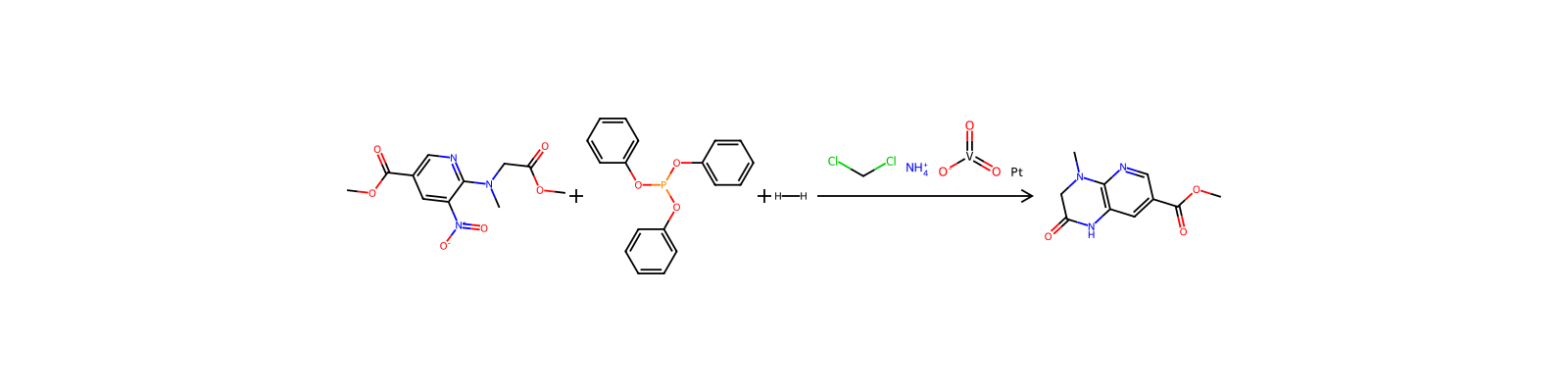
Zugehörige Reaktionen
70



Verknüpfte Notizen
Wird geladen…