StartseiteMCPWorkbenchSkills
StartseiteWorkbenchBenachrichtigungenMein Bereich
llms.txt · MCP-AnleitungDatenschutz · Nutzungsbedingungen · Supportv1.8.0
  1. Startseite
  2. /Verbindung

Natriumthiocyanat

Sodium thiocyanate

HCID 516871
Neue NotizNeue ReaktionAnfrage stellen
Druckvorschau
GrundinformationenÜberblickNamen und BezeichnerEigenschaftenSicherheit und RegulatorischesChemie und IndustrieZugehörige ReaktionenNotizen zur Verbindung
TeilstruktursucheÄhnliche Strukturen suchen

Grundinformationen

CAS
540-72-7
Standard-SMILES
N#C[S-].[Na+]
InChIKey
VGTPCRGMBIAPIM-UHFFFAOYSA-M
Summenformel
NaSCN
Durchschnittliche Molmasse
81,07 g/mol
Monoisotopische Masse
80,96491446

Überblick

Sodium thiocyanate is an odorless white solid. Sinks and mixes with water. (USCG, 1999)

Namen und Bezeichner

Bevorzugter Name
Sodium thiocyanate
IUPAC
sodium thiocyanate
Lokaler Name
Natriumthiocyanat
Englischer Name
Sodium thiocyanate
Summenformel
CNNaS
Molmasse
82.08

Namen und Synonyme

SODIUM THIOCYANATE540-72-7Sodium rhodanateSodium rhodanideThiocyanate sodiumSodium sulfocyanateThiocyanic acid, sodium saltScyanNaSCNHaimasedNatrium rhodanatumNatrium thiocyanat
Weitere Namen anzeigen
SODIUM THIOCYsodium cyanosulfanideSodium isothiocyanate (texniy technical gradeCNNaSusafek-t-434
Sodium thiocyanideSodium sulfocyanideNatriumrhodanidDTXSID40213435W0K9HKA05DTXCID101343CHEBI:30952RefChem:184128

Datenbank-Bezeichner

CAS
540-72-7
PubChem CID
516871
DTXSID
DTXSID4021343
ChEMBL
CHEMBL1644028
ChEBI
CHEBI:30952
UNII
5W0K9HKA05
EC Number
208-754-4、630-465-0
Nikkaji
J44.071J

Eigenschaften

Berechnete Struktureigenschaften

Polarare Oberfläche (TPSA)
24,8 Ų
H-Brücken-Donoren
0
H-Brücken-Akzeptoren
2
Frei drehbare Bindungen
0
Schwere Atome
4
Formalladung
0
Komplexität
34,5

Experimentelle und physikochemische Eigenschaften

Chemical ClassesMetals -> Metals, Inorganic Compounds
CosmeticsHair conditioning
Pesticides · 2 Einträge

Herbicides

Active substance -> EU Pesticides database: Not approved

Density · 2 Einträge

greater than 1 at 68 °F (USCG, 1999)

1.7 g/cm³

SolubilitySolubility in water, g/100ml at 21 °C: 139
Decomposition368 °C
Melting Point · 3 Einträge

572 °F (USCG, 1999)

~300 °C

287 °C

Vapor Pressure0.00000004 [mmHg]
Food Contact SubstancesFCS -> FDA Inventory of Food Contact Substances Listed in 21 CFR
Physical Description · 5 Einträge

Sodium thiocyanate is an odorless white solid. Sinks and mixes with water. (USCG, 1999)

Sicherheit und Regulatorisches

Sicherheitsangaben dienen nur zur Orientierung und ersetzen weder das Sicherheitsdatenblatt (SDB) des Lieferanten noch geltende Vorschriften oder eine fachliche Bewertung.

GHS-Klassifizierung

GHS Classification · 6 Einträge

Danger

H302+H312+H332 (38.3%): Harmful if swallowed, in contact with skin or if inhaled [Warning Acute toxicity, oral; acute toxicity, dermal; acute toxicity, inhalation]

P261, P264, P264+P265, P270, P271, P273, P280, P301+P317, P302+P352, P304+P340, P305+P351+P338, P305+P354+P338, P317, P321, P330, P337+P317, P362+P364, and P501 (click each P-code to see the statement)

Aggregated GHS information provided per 799 reports by companies from 25 notifications to the ECHA C&L Inventory. Each notification may be associated with multiple companies.

Warning

H302 (100%): Harmful if swallowed [Warning Acute toxicity, oral]

Gefahrenhinweise

Regulatory Information · 5 Einträge

Chemical: Thiocyanic acid, sodium salt

Thiocyanic acid, sodium salt (1:1) is listed on the EPA's Chemical Data Reporting (CDR) system. Manufacturers and importers of Thiocyanic acid, sodium salt (1:1) are required to report information about their production and use of this chemical to the EPA under the Toxic Substances Control Act (TSCA). (40 eCFR Part 711)

2002/2076

REACH registered substance: Sodium thiocyanate (EC: 208-754-4)

Sodium thiocyanate: Does not have an individual approval but may be used under an appropriate group standard

Other Safety InformationIMAP assessments - Thiocyanate salts: Human health tier II assessment
Fire Hazards · 3 Einträge

Special Hazards of Combustion Products: Irritating oxides of sulfur and nitrogen may form in fire. (USCG, 1999)

Special Hazards of Combustion Products: Irritating oxides of sulfur and nitrogen may form in fire. (USCG, 1999)

Not combustible. Gives off irritating or toxic fumes (or gases) in a fire.

Chemie und Industrie

Verwendung und Herstellung

UsesUsed to make other thiocyanates; [Merck Index] Used as preservative for foods; [WHO JECFA]
U.S. Production2023: 10,000,000 - <25,000,000 lb
Consumer UsesBinder
Industry UsesNot Known or Reasonably Ascertainable
Use Classification · 4 Einträge

Food Additives -> PRESERVATIVE -> JECFA Functional Classes

Food Additives -> PRESERVATIVE -> JECFA Functional Classes

Food Additives -> PRESERVATIVE -> JECFA Functional Classes

Cosmetics -> Hair conditioning

General Manufacturing Information · 2 Einträge

CBI

Thiocyanic acid, sodium salt (1:1): ACTIVE

Anwendungen

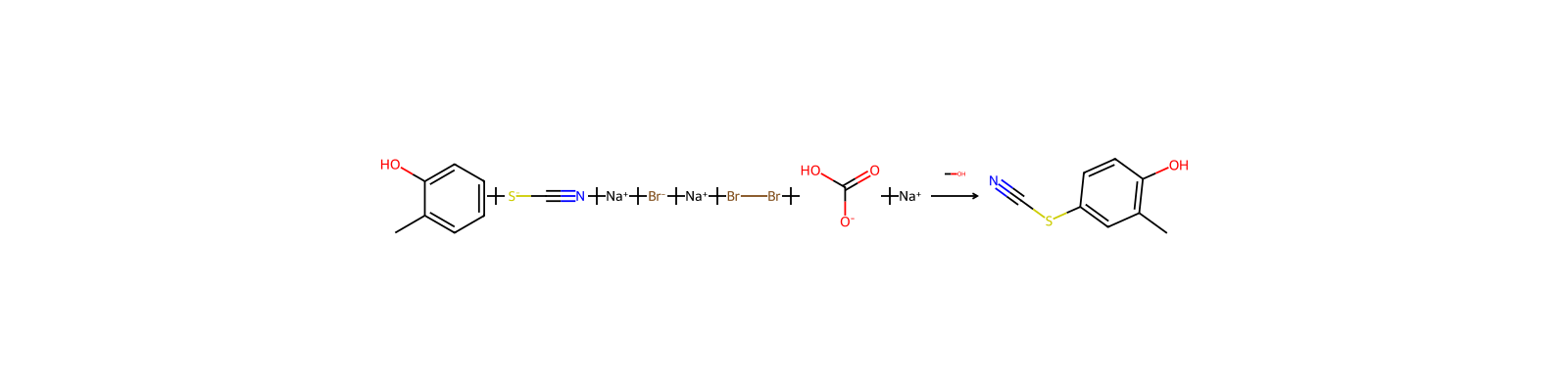
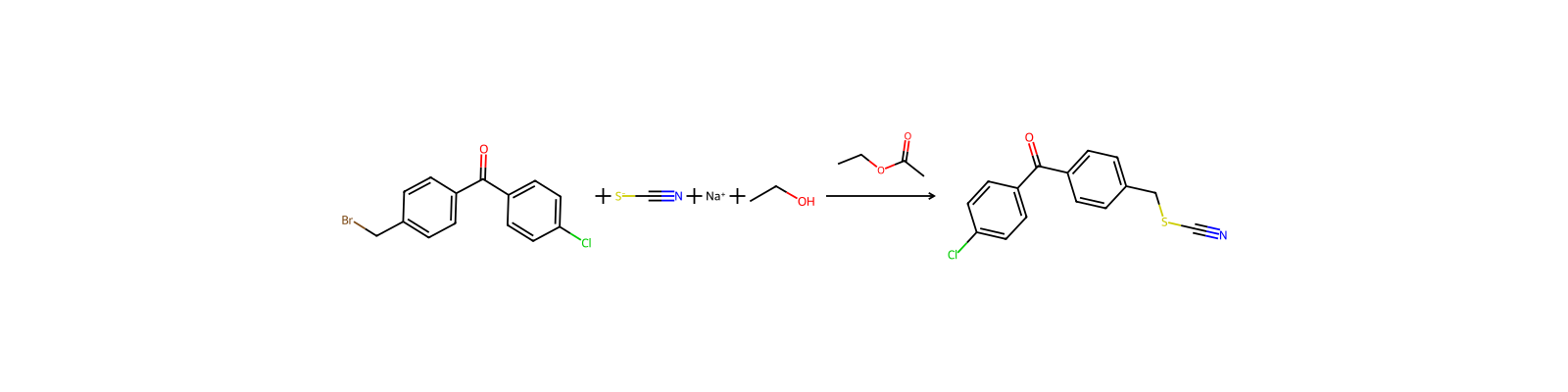
VerwendenSodium Thiocyanate is used widely in chemical synthesis as source of thiocyanate anion such as in the conversion of alkyl halides to alkylthiocyanates.

Darstellung

synthetischeSodium thiocyanate is prepared by boiling an aqueous solution of sodium cyanide with sulfur: NaCN + S → NaSCN.

Vor- und nachgelagerte Produkte

Vorgelagerte Rohstoffe

SchwefelwasserstoffSchwefelARSENIC (II) SULFIDEBariumhydroxid

Zugehörige Reaktionen

173
Reaktionsaufzeichnung erstellen
Reaktionsgleichung von HRID 2102
HRID 2102als Eduktuspto-grants-1998_03
Reaktionsgleichung von HRID 13473
HRID 13473als Eduktuspto-grants-2010_06
Reaktionsgleichung von HRID 13477
HRID 13477als Eduktuspto-grants-2010_06
Reaktionsgleichung von HRID 18096
HRID 18096als Eduktuspto-grants-2010_06
Reaktionsgleichung von HRID 23484
HRID 23484als Eduktuspto-grants-2005_02
Reaktionsgleichung von HRID 48975
HRID 48975als Eduktuspto-grants-2004_03
Reaktionsgleichung von HRID 63020
HRID 63020als Eduktuspto-grants-2016_09
Reaktionsgleichung von HRID 70074
HRID 70074als Eduktuspto-grants-2014_09
Seite 1 von 22

Notizen zur Verbindung

Wird geladen…

Auf dieser SeiteGrundinformationenÜberblickNamen und BezeichnerEigenschaftenSicherheit und RegulatorischesChemie und IndustrieZugehörige ReaktionenNotizen zur Verbindung
Weitere Aktionen
Neue NotizNeue ReaktionAnfrage stellen

Sodium thiocyanate solution (56% or less) is an odorless clear to pale yellow liquid. (USCG, 1999)

CBI; Large Crystals; Dry Powder

Colorless or white deliquescent solid; [Merck Index] Colorless odorless solid; [Aldrich MSDS]

COLOURLESS HYGROSCOPIC CRYSTALS OR WHITE POWDER.

Physikochemische Eigenschaften

Schmelzpunkt
287 °C · 287 °C (dec.) (lit.)
Siedepunkt
400 ° · >400°
Dichte
1.295 g/mL · 1.295 g/mL at 20 °C
Dampfdruck
1 hPa · <1 hPa (20 °C)
Brechungsindex
1.545 · 1.545
storage temp.
5 °C · Store at +5°C to +30°C.
Löslichkeit
2 O: · H2O: 8 M at 20 °C, clear, colorless
Aggregatzustand
Solid
Farbe
White
PH
6 · 6-8 (100g/l, H2O, 20℃)
Geruch (Odor)
Odorless
Wasserlöslichkeit
139 g/100 · 139 g/100 mL (21 ºC)
Merck
14 · 14,9327
BRN
3594965 · 3594965
Stabilität
Stable. Incompatible with acids, strong bases. May decompose on exposure to light. Contact with acid liberates highly toxic gas.
Kosmetik-Inhaltsstoffe Funktionen
HAIR CONDITIONING
InChI
1S/CHNS.Na/c2-1-3;/h3H;/q;+1/p-1
InChIKey
VGTPCRGMBIAPIM-UHFFFAOYSA-M
SMILES
[Na]SC#N
LogP
0.58 · 0.58
CAS Datenbank
540 · 540-72-7(CAS DataBase Reference)
EPA chemische Informationen
Sodium thiocyanate (540-72-7)
Absorption
276 nm · cut-off at 276nm in H2O at 8M
Health Hazards · 2 Einträge

Inhalation of dust causes irritation of nose and throat. Ingestion of large doses causes vomiting, extreme cerebral excitement, convulsions, and death in 10-48 hrs.; chronic poisoning can cause flu-like symptoms, skin rashes, weakness, fatigue, vertigo, nausea, vomiting, diarrhea, confusion. Contact with eyes causes irritation. Prolonged contact with skin may produce various skin eruptions, dizziness, cramps, nausea, and mild to severe disturbance of the nervous system. (USCG, 1999)

Intensity of effects will vary with concentration of the solution. Inhalation of vapor causes irritation of nose and throat. Ingestion of large doses causes vomiting, extreme cerebral excitement, convulsions, and death in 10-48 hrs.; chronic poisoning can cause flu-like symptoms, skin rashes, weakness, fatigue, vertigo, nausea, vomiting, diarrhea, confusion. Contact with eyes causes irritation. Prolonged contact with skin may produce various skin eruptions, dizziness, cramps, nausea, and mild to severe disturbance of the nervous system. (USCG, 1999)

Hazards Summary · 1 Eintrag

May cause convulsions; Prolonged or repeated exposure may cause CNS effects and hypothyroidism; [ICSC] Not irritating to skin or eye of rabbits; Causes sensitization in human and guinea pig studies; [IUCLID] Search for (540-72-7[EC/RN Number]) AND (allergic OR dermatitis OR sensitizer OR sensitization): no results; [PubMed] Dust is irritating to eyes, nose, and throat; Inhalation may cause systemic poisoning; Prolonged skin exposure may cause rash, dizziness, cramps, and slight to severe nervous system disturbances; [CHRIS] Oral LD50's (rat) range from 232 to 1,180 mg/kg; Causes convulsions in lethal-dose studies of rats, mice, and guinea pigs; [RTECS] May cause irritation; Targets CNS, cardiovascular system, and thyroid; Toxic by inhalation; Harmful by ingestion and skin absorption; [Aldrich MSDS] Cyanide is detoxified in the body when it is combined with sulfur to form thiocyanate. [Ford, p. 705] Thiocyanate can competitively inhibit the entry of iodide into the thyroid gland and cause hypothyroidism and goiters. [Goldfrank, p. 1680] See CYANIDES.

Reactive Group · 2 Einträge

Salts, Basic

Salts, Basic

EC ClassificationSymbol: Xn; R: 20/21/22-32-52/53; S: (2)-13-61; Note: A
Reactivity Profile · 2 Einträge

Nitric acid violently oxidized a thiocyanate solution [Bretherick 1979 p. 121]. Caution should be exercised in treating a thiocyanate with an oxidizing agent such as a peroxide or chlorate as such mixtures have been known to explode. Special Hazards of Combustion Products: Irritating oxides of sulfur and nitrogen may form in fire (USCG, 1999). Carbonyl sulfide is produced in a violent reaction by the mixture of sulfuric acid and sodium thiocyanate.

Nitric acid violently oxidized a thiocyanate solution [Bretherick 1979 p. 121]. Caution should be exercised in treating a thiocyanate with an oxidizing agent such as a peroxide or chlorate as such mixtures have been known to explode. Special Hazards of Combustion Products: Irritating oxides of sulfur and nitrogen may form in fire (USCG, 1999). Carbonyl sulfide is produced in a violent reaction by the mixture of sulfuric acid and sodium thiocyanate.

Chemical DangersDecomposes on heating. This produces toxic fumes including sulfur oxides, nitrogen oxides, sodium oxide and cyanides. Reacts violently with acids, strong bases and strong oxidants.
Air and Water Reactions · 2 Einträge

Water soluble.

No rapid reaction with air. No rapid reaction with water.

Hazard Classes and Categories · 4 Einträge

Acute Tox. 4 (100%)

Acute Tox. 4 (100%)

Acute toxicity - category 4

Acute toxicity (Oral) - Category 4

Sicherheit und Schutzausrüstung

Fire Fighting · 2 Einträge

Fire Extinguishing Agents: Use extinguishing agents appropriate for the surrounding fire. (USCG, 1999)

In case of fire in the surroundings, use appropriate extinguishing media.

First Aid Measures · 4 Einträge

Fresh air, rest.

Remove contaminated clothes. Rinse and then wash skin with water and soap.

First rinse with plenty of water for several minutes (remove contact lenses if easily possible), then refer for medical attention.

Rinse mouth. Give a slurry of activated charcoal in water to drink. Refer for medical attention .

First Aid · 2 Einträge

INHALATION: move to fresh air; if exposure has been great, get medical attention.

Call for medical aid.

Safe StorageSeparated from acids, bases, oxidants and food and feedstuffs. Dry. Well closed.
Spillage DisposalSweep spilled substance into covered containers. Carefully collect remainder. Personal protection: particulate filter respirator adapted to the airborne concentration of the substance.
Eye PreventionWear safety goggles or eye protection in combination with breathing protection.
Inhalation RiskA harmful concentration of airborne particles can be reached quickly when dispersed.
Skin PreventionProtective gloves.
Exposure PreventionPREVENT DISPERSION OF DUST!
Ingestion PreventionDo not eat, drink, or smoke during work.
Inhalation PreventionUse local exhaust or breathing protection.
Effects of Long Term ExposureThe substance may have effects on the central nervous system and thyroid. This may result in impaired functions and hypothyroidism.

Toxikologische Informationen

Adverse EffectsNeurotoxin - Other CNS neurotoxin
Signs and Symptoms · 2 Einträge

Cough. Further see Ingestion.

Nausea. Vomiting. Diarrhoea. Weakness. Confusion. Convulsions.

Sicherheitsdaten

F
3
wgk
1
tsca
TSCA listed
hs_code
28429011
RTECS-Nr.
XL2275000
risk_code
32-52/53-20/21/22-36
Toxizität
LD50 orally in rats: 764 mg/kg; i.v. in mice: 484 mg/kg (Anderson, Chen)
hazard_code
Xn
safety_code
36/37-61-13-46-26
Speicherklasse
13 - Non Combustible Solids
Hazard Classifications
Acute Tox. 4 DermalAcute Tox. 4 InhalationAcute Tox. 4 OralAquatic Chronic 3Eye Dam. 1
Ammoniumthiocyanat
Kohlendisulfid
Kaliumnatriumtartrat
Eisenoxid
Natriumcyanid
Vanadiumpentoxid
Sulphur
Desulfurization
Natriumcarbonat
Ammoniak, wasserfrei

Nachgelagerte Produkte

6-Methoxybenzothiazol-2-ylaminAlbendazoleethyl 2-(2-aminothiazol-5-ylthio)acetate2-((4-(Dimethylamino)phenyl)azo)-6-methoxy-3-methylbenzothiazolium-methylsulfatInhibitorKupferthiocyanatRobenidinhydrochloridN-Allylthioharnstoff2,6-DichlorbenzothiazolMethyl thiocyanoformateAntu (ISO)Ammoniumthiocyanat2-chloro-3-isothiocyanato-prop-1-eneMethylene dithiocyanate2-Fluorbenzothiazol1-Phenyl-2-thioharnstoff2-[[(1,3-Dihydro-1,3-dimethyl-2H-benzimidazol-2-yliden)methyl]azo]-3-methylbenzothiazoliummethylsulfat6-Methoxybenzothiazole-2-carboxylic acidThiophanat-methyl1-(4-Methoxyphenyl)thioharnstoff5-Methyl-1,2,4-triazolo[3,4-b]benzo-1,3-thiazolPyridaben2-Amino-6-bromobenzothiazoleMethyl(5-mercapto-1H-benzimidazol-2-yl)carbamateAmmoniumthiosulfat2-Cyano-6-methoxybenzothiazole2-Carbomethoxy-6-methoxybenzothiazole

Ergänzende Hinweise

DefinitionChEBI: An organic sodium salt which is the monosodium salt of thiocyanic acid.