StartseiteMCPWorkbenchSkills
StartseiteWorkbenchBenachrichtigungenMein Bereich
llms.txt · MCP-AnleitungDatenschutz · Nutzungsbedingungen · Supportv1.8.0
  1. Startseite
  2. /Verbindung

Natriumacetat

Sodium Acetate

HCID 517045
Neue NotizNeue ReaktionAnfrage stellen
Druckvorschau

Daten werden ergänzt – lade die Seite später neu, um den aktuellen Stand zu sehen

GrundinformationenNamen und BezeichnerEigenschaftenSicherheit und RegulatorischesChemie und IndustrieZugehörige ReaktionenNotizen zur Verbindung
TeilstruktursucheÄhnliche Strukturen suchen

Grundinformationen

CAS
127-09-3
Standard-SMILES
CC(=O)[O-].[Na+]
InChIKey
VMHLLURERBWHNL-UHFFFAOYSA-M
Summenformel
C2H3NaO2
Durchschnittliche Molmasse
82,03 g/mol
Monoisotopische Masse
82,00307362

Namen und Bezeichner

Bevorzugter Name
Sodium Acetate
IUPAC
sodium acetate
Lokaler Name
Natriumacetat
Englischer Name
Sodium acetate
Summenformel
C2H3NaO2
Molmasse
82.03379

Namen und Synonyme

Sodium acetate127-09-3Acetic acid, sodium saltSodium acetate anhydrousSodium acetate, anhydrousAnhydrous sodium acetateSodii acetasSodium ethanoateNatrium aceticumFEMA No. 3024NatriumacetatOctan sodny
Weitere Namen anzeigen
NaOACAcONaBUFFER SOLUTIONFEMA 3024SODIUM ACETATE BUFFERSodium acetate solution
FEMA Number 3024Acetic acid, sodium salt (1:1)Sodium acetate,anhydrousDTXSID2027044NVG71ZZ7P0Sodium acetate (3h2o)NSC-77459DTXCID507044

Datenbank-Bezeichner

CAS
127-09-3
PubChem CID
517045
DTXSID
DTXSID2027044
ChEMBL
CHEMBL1354
ChEBI
CHEBI:32954
UNII
NVG71ZZ7P0
EC Number
204-823-8
Nikkaji
J2.938F

Eigenschaften

Berechnete StruktureigenschaftenWird ergänzt

Polarare Oberfläche (TPSA)
40,1 Ų
H-Brücken-Donoren
0
H-Brücken-Akzeptoren
2
Frei drehbare Bindungen
0
Schwere Atome
5
Formalladung
0
Komplexität
34

Experimentelle und physikochemische Eigenschaften

pH8,0-9,5 (1 % aqueous solution)
OdorOdorless
Density · 3 Einträge

1.528 g/ml

1.5 g/cm³

1.528 @25 °C

Color/Form · 2 Einträge

WHITE GRANULAR POWDER OR MONOCLINIC CRYSTALS

Colorless

Solubility · 2 Einträge

WATER: 119 G/100 ML @ 0 °C, 170.15 G/100 ML @ 100 °C; SLIGHTLY SOL IN ALCOHOL

Solubility in water, g/100ml at 20 °C: 46.5

Melting Point · 3 Einträge

324 °C

328 °C

328.2 °C

Vapor Pressure0.00000071 [mmHg]
Refractive IndexINDEX OF REFRACTION: 1.464
Physical Description · 4 Einträge

Other Solid; Dry Powder; Large Crystals; Liquid; Other Solid; Liquid

Anhydrous:White, odourless, granular, hygroscopic powder

Sicherheit und Regulatorisches

Sicherheitsangaben dienen nur zur Orientierung und ersetzen weder das Sicherheitsdatenblatt (SDB) des Lieferanten noch geltende Vorschriften oder eine fachliche Bewertung.

GHS-Klassifizierung

GHS Classification · 3 Einträge

This chemical does not meet GHS hazard criteria for 95.4% (1320 of 1383) of all reports.

Not Classified;Reported as not meeting GHS hazard criteria by 1320 of 1383 companies (only 4.6% companies provided GHS information). For more detailed information, please visit ECHA C&L website.

Aggregated GHS information provided per 1383 reports by companies from 10 notifications to the ECHA C&L Inventory.;Reported as not meeting GHS hazard criteria per 1320 of 1383 reports by companies.;There are 7 notifications provided by 63 of 1383 reports by companies with hazard statement code(s).;Information may vary between notifications depending on impurities, additives, and other factors. The percentage value in parenthesis indicates the notified classification ratio from companies that provide hazard codes. Only hazard codes with percentage values above 10% are shown. For more detailed information, please visit ECHA C&L website.

Gefahrenhinweise

Regulatory Information · 4 Einträge

Chemical: Acetic acid, sodium salt

Acetic acid, sodium salt (1:1) is listed on the EPA's Chemical Data Reporting (CDR) system. Manufacturers and importers of Acetic acid, sodium salt (1:1) are required to report information about their production and use of this chemical to the EPA under the Toxic Substances Control Act (TSCA). (40 eCFR Part 711)

Status: Active Update: 27-04-2023 https://echa.europa.eu/registration-dossier/-/registered-dossier/15311

Sodium acetate: Does not have an individual approval but may be used under an appropriate group standard

Other Safety InformationIMAP assessments - Acetic acid, sodium salt: Human health tier I assessment;IMAP assessments - Acetic acid, sodium salt: Environment tier I assessment
Fire HazardsCombustible.

Chemie und Industrie

Pharmakologische Informationen

ATC Code · 2 Einträge

B - Blood and blood forming organs;B05 - Blood substitutes and perfusion solutions;B05X - I.v. solution additives;B05XA - Electrolyte solutions;B05XA08 - Sodium acetate

QB - Blood and blood forming organs;QB05 - Blood substitutes and perfusion solutions;QB05X - I.v. solution additives;QB05XA - Electrolyte solutions;QB05XA08 - Sodium acetate

Pharmacodynamics · 1 Eintrag

Sodium is the principal cation of extracellular fluid. It comprises more than 90% of total cations at its normal plasma concentration of approximately 140 mEq/liter. The sodium ion exerts a primary role in controlling total body water and its distribution. Acetate ions acts as hydrogen ion acceptor which is alternative to bicarbonate.

Mechanism of Action · 1 Eintrag

It works as a source of sodium ions especially in cases of hyponatremic patients. Sodium has a primary role in regulating extracellular fluid volume. It controls water distribution, fluid and electrolyte balance and the osmotic pressure of body fluids. Sodium is also involved in nerve conduction, muscle contraction, acid-base balance and cell nutrient uptake.

Metabolism/Metabolites · 5 Einträge

In liver, sodium acetate is being metabolized into bicarbonate. To form bicarbonate, acetate is slowly hydrolyzed to carbon dioxide and water, which are then converted to bicarbonate by the addition of a hydrogen ion.

THE ACETATE ION IS RAPIDLY & COMPLETELY METABOLIZED BY BODY, & CONSEQUENTLY ADMIN OF SODIUM ACETATE IS EVENTUALLY EQUIVALENT TO GIVING SODIUM BICARBONATE. /SODIUM ACETATE TRIHYDRATE, USP/

CONSTANT RATE INFUSIONS OF SODIUM ACETATE GIVEN TO VOLUNTEERS, AT 4 MMOL/KG/HR INCR PLASMA ACETATE BY ONLY 0.41 MMOL/L, INDICATING A HIGH ACETATE METABOLIZING CAPACITY IN MAN.

Readily metabolized outside the liver.

Silver and its compounds can be absorbed via inhalation, while silver compounds can also be absorbed orally and dermally. It distributes throughout the body in the blood, particularily to the liver. Insoluble silver salts are transformed into soluble silver sulfide albuminates, bind to amino or carboxyl groups in RNA, DNA, and proteins, or are reduced to metallic silver by ascorbic acid or catecholamines. Metallic silver is oxidized and may deposit in the tissues, causing arygria. Silver is eliminated primarily in the faeces. (L808)

Zugehörige Reaktionen

9.545
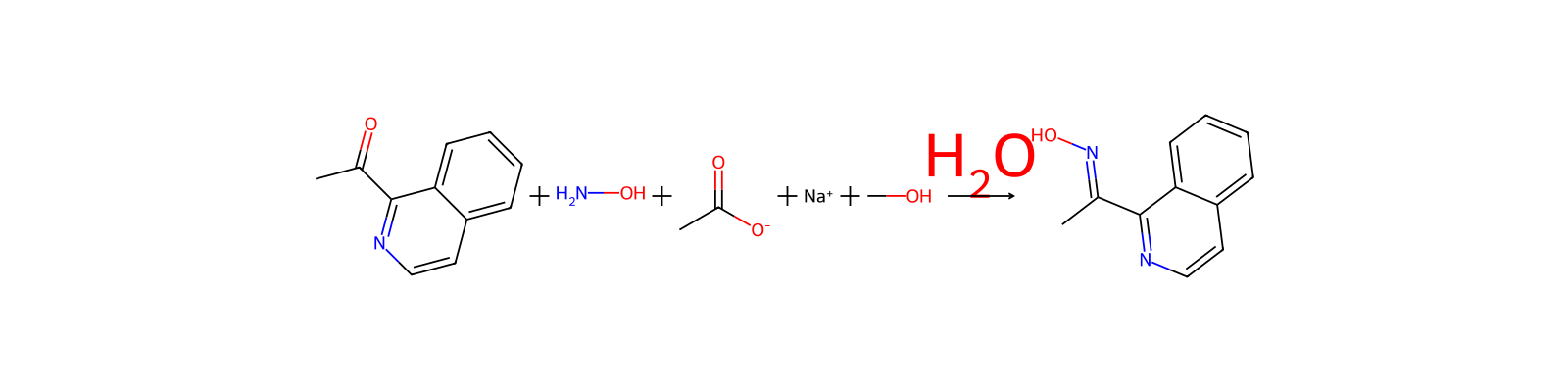
Reaktionsaufzeichnung erstellen
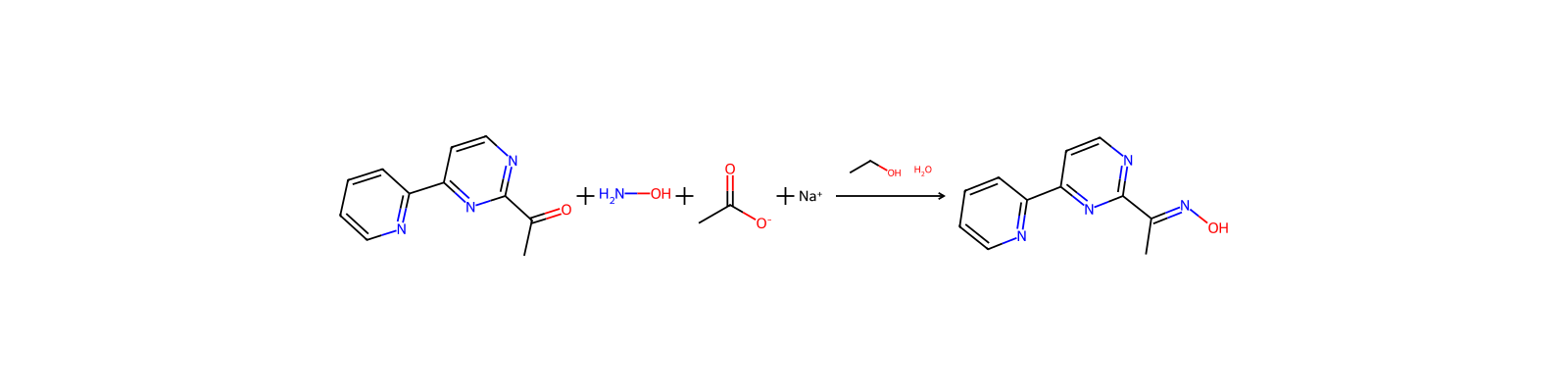
Reaktionsgleichung von HRID 821
HRID 821als Eduktuspto-grants-1998_03
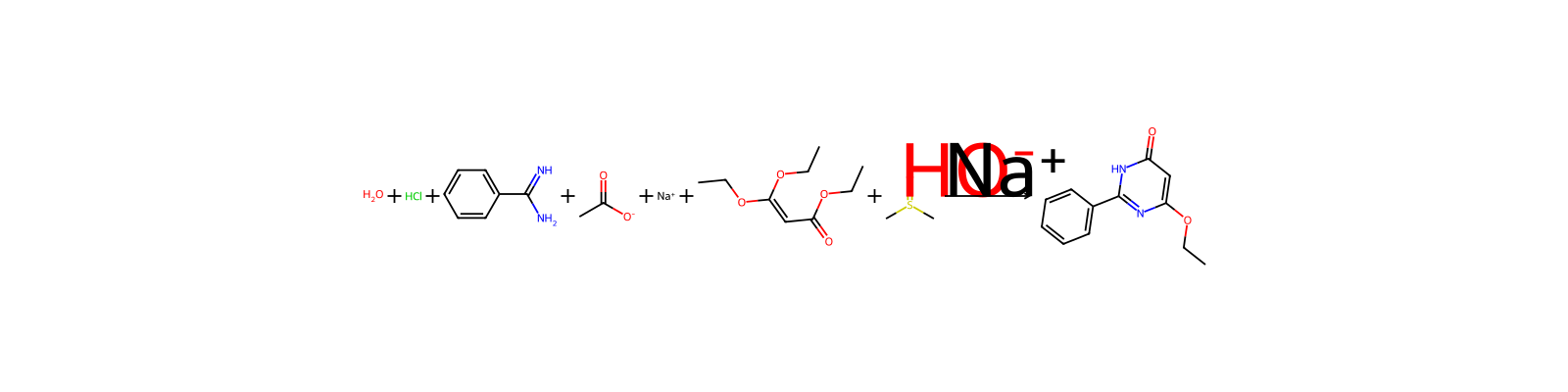
Reaktionsgleichung von HRID 930
HRID 930als Eduktuspto-grants-1998_03
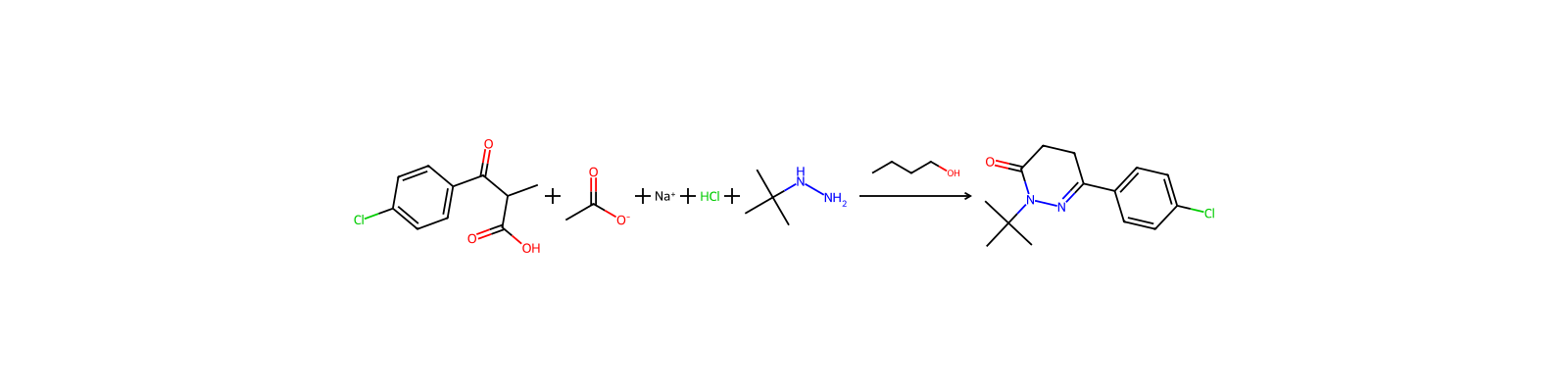
Reaktionsgleichung von HRID 932
HRID 932als Eduktuspto-grants-1998_03
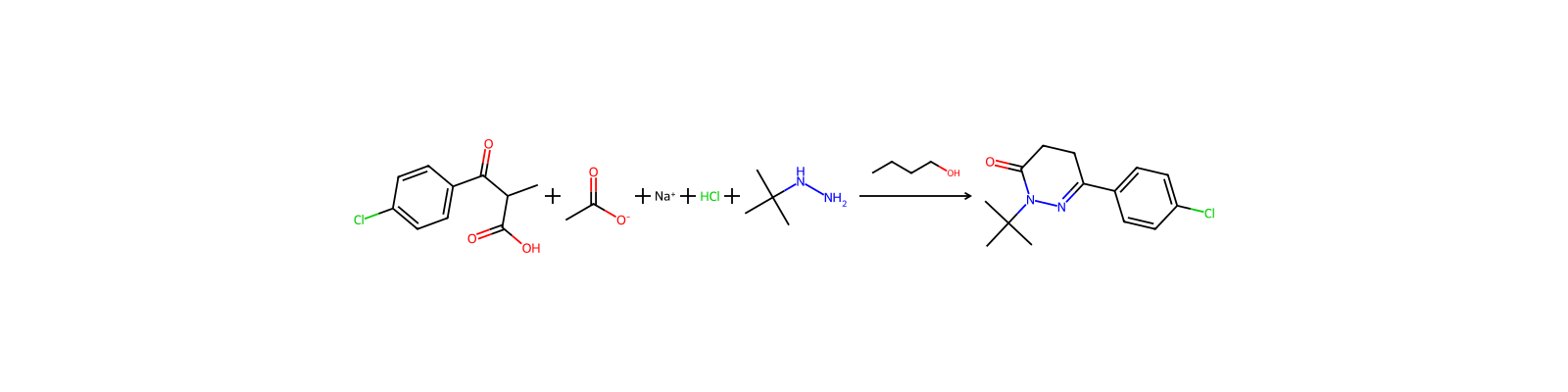
Reaktionsgleichung von HRID 933
HRID 933als Eduktuspto-grants-1998_03
Reaktionsgleichung von HRID 1166
HRID 1166als Eduktuspto-grants-1998_03
Reaktionsgleichung von HRID 1444
HRID 1444als Eduktuspto-grants-1998_03
Reaktionsgleichung von HRID 1492
HRID 1492als Eduktuspto-grants-1998_03
Reaktionsgleichung von HRID 1560
HRID 1560als Eduktuspto-grants-1998_03
Seite 1 von 500

Notizen zur Verbindung

Wird geladen…

Auf dieser SeiteGrundinformationenNamen und BezeichnerEigenschaftenSicherheit und RegulatorischesChemie und IndustrieZugehörige ReaktionenNotizen zur Verbindung
Weitere Aktionen
Neue NotizNeue ReaktionAnfrage stellen

White hygroscopic solid; [ICSC] Colorless odorless hygroscopic solid; [CHEMINFO] White odorless crystalline powder; [MSDSonline]

WHITE HYGROSCOPIC CRYSTALLINE POWDER.

Stability/Shelf LifeSOLUTIONS ARE STABLE; EFFLORESCES IN WARM, DRY AIR /SODIUM ACETATE TRIHYDRATE, USP/
Autoignition Temperature · 2 Einträge

1125 °F /SODIUM ACETATE TRIHYDRATE/

607 °C

Other Experimental Properties · 3 Einträge

HYGROSCOPIC

COLORLESS, TRANSPARENT CRYSTALS OR GRANULAR, CRYSTALLINE POWDER; ODORLESS OR HAS FAINT, ACETOUS ODOR. /SODIUM ACETATE TRIHYDRATE, USP/

SOL: 76.2 G/100 ML WATER AT 0 °C; 138.8 G/100 ML WATER @ 50 °C; 2.1 G/100 ML ALC AT 18 °C; SOL IN ETHER; INDEX OF REFRACTION: 1.464 (BETA); DENSITY 1.45 G/ML; MP 58 °C; COLORLESS MONOCLINIC PRISMS. /SODIUM ACETATE TRIHYDRATE/

Physikochemische Eigenschaften

Schmelzpunkt
300 °C · >300 °C (dec.)(lit.)
Dichte
1.01 g/mL · 1.01 g/mL at 20 °C
Brechungsindex
1.464 · 1.4640
FEMA
3024 · 3024 | SODIUM ACETATE
Flammpunkt
250 °C · >250 °C
storage temp.
5 °C · Store at +5°C to +30°C.
Löslichkeit
2 O: · H2O: 3 M at 20 °C, clear, colorless
Aggregatzustand
powder
pka
4.756 · 4.756[at 20 ℃]
Wichte
1.45 · 1.45
Farbe
white
PH
7.87 · 7.87(1 mM solution);8.33(10 mM solution);8.75(100 mM solution);9.04(1000 mM solution)
Geruch (Odor)
Slight acetic acid
Geruchsart
odorless
Biologische Quelle
synthetic
Wasserlöslichkeit
500 g/L · 500 g/L (20 ºC)
Spezifische Wärmekapazität
0.97 J/ · Cp(crystal): 0.97 J/(g·K), at 25℃
Merck
14 · 14,8571
Siedepunkt
400 °C · >400°C(decomposition)
BRN
3595639 · 3595639
Stabilität
Stable. Incompatible with strong oxidizing agents, halogens. Moisture sensitive.
Kosmetik-Inhaltsstoffe Funktionen
BUFFERINGFRAGRANCE
InChI
1S/C2H4O2.Na/c1-2(3)4;/h1H3,(H,3,4);/q;+1/p-1
InChIKey
VMHLLURERBWHNL-UHFFFAOYSA-M
SMILES
[Na+].CC([O-])=O
LogP
-3.72 · -3.72
CAS Datenbank
127 · 127-09-3(CAS DataBase Reference)
NIST chemische Informationen
Sodium ethanoate(127-09-3)
EPA chemische Informationen
Sodium acetate (127-09-3)
Absorption
0.01 at · ≤0.01 at 260nm in H2O at 100mM≤0.01 at 280nm in H2O at 100mM
Hazards Summary
Emergency treatment: Irritants; [HSDB] A mild skin and eye irritant; [ICSC] May cause mild skin and eye irritation, based on animal studies; [CHEMINFO] Causes toxic psychosis in rabbits after intravenous dose >1300 mg/kg; [RTECS]
FDA Requirements · 5 Einträge

Manufacturers, packers, and distributors of drug and drug products for human use are responsible for complying with the labeling, certification, and usage requirements as prescribed by the Federal Food, Drug, and Cosmetic Act, as amended (secs 201-902, 52 Stat. 1040 et seq., as amended; 21 U.S.C. 321-392).

The Approved Drug Products with Therapeutic Equivalence Evaluations List identifies currently marketed prescription drug products, incl sodium acetate, approved on the basis of safety and effectiveness by FDA under sections 505 and 507 of the Federal Food, Drug, and Cosmetic Act.

Substances migrating to food from cotton and cotton fabrics used in dry food packaging that are generally recognised as safe for their intended use include sodium acetate.

Substance added directly to human food affirmed as generally recognized as safe (GRAS) when in compliance with specified requirements.

Sodium acetate used as a general purpose food additivin animal drugs, feeds, and related products is generally recognized as safe when used in accordance with good manufacturing or feeding practice.

TSCA Requirements · 1 Eintrag

This action promulgates standards of performance for equipment leaks of Volatile Organic Compounds (VOC) in the Synthetic Organic Chemical Manufacturing Industry (SOCMI). The intended effect of these standards is to require all newly constructed, modified, and reconstructed SOCMI process units to use the best demonstrated system of continuous emission reduction for equipment leaks of VOC, considering costs, non air quality health and environmental impact and energy requirements. Sodium acetate is produced, as an intermediate or a final product, by process units covered under this subpart.

EPA Safer Chemical · 2 Einträge

Chemical: Sodium acetate; Green circle - The chemical has been verified to be of low concern based on experimental and modeled data.

Chemical: Sodium acetate hydrate; Green circle - The chemical has been verified to be of low concern based on experimental and modeled data.

FIFRA Requirements · 1 Eintrag

Residues of sodium acetate are exempted from the requirement of a tolerance when used as a buffer in accordance with good agricultural practices as inert (or occasionally active) ingredients in pesticide formulations applied to growing crops or to raw agricultural commodities after harvest.

Chemical DangersDecomposes on heating and on contact with strong acids. This produces acetic acid fumes. Reacts violently with strong oxidants. The solution in water is a weak base.
Hazard Classes and CategoriesNot Classified
Explosive Limits and PotentialCombustible
Hazardous Reactivities and IncompatibilitiesViolent reaction with flourine and potassium nitrate, diketene.

Sicherheit und Schutzausrüstung

Fire FightingUse water spray, foam, powder, carbon dioxide.
First Aid Measures · 4 Einträge

Fresh air, rest.

Rinse and then wash skin with water and soap.

First rinse with plenty of water for several minutes (remove contact lenses if easily possible), then refer for medical attention.

Rest.

Safe StorageDry. Separated from strong acids and strong oxidants.
Spillage Disposal · 1 Eintrag

Personal protection: particulate filter respirator adapted to the airborne concentration of the substance. Sweep spilled substance into covered containers. If appropriate, moisten first to prevent dusting. Wash away remainder with plenty of water.

Eye PreventionWear safety goggles.
Fire PreventionNO open flames.
Inhalation RiskNo indication can be given about the rate at which a harmful concentration of this substance in the air is reached.
Skin PreventionProtective gloves.
Allowable Tolerances · 1 Eintrag

Residues of sodium acetate are exempted from the requirement of a tolerance when used as a buffer in accordance with good agricultural practices as inert (or occasionally active) ingredients in pesticide formulations applied to growing crops or to raw agricultural commodities after harvest.

Ingestion PreventionDo not eat, drink, or smoke during work.
Inhalation PreventionUse local exhaust.
Effects of Short Term ExposureThe substance is mildly irritating to the eyes and skin.

Toxikologische Informationen

Interactions · 2 Einträge

ITS ORAL USE SPEEDS METABOLISM OF & LOWERS ETHYL ALCOHOL LEVEL IN RATS' BLOOD.

IV SODIUM ACETATE DID NOT REVERSE MYOCARDIAL DEPRESSION INDUCED BY HALOTHANE WHEN ADMIN TO DOGS. ACETATE, A WELL-ESTABLISHED PERIPHERAL VASCULAR VASODILATOR, DID DECR LEFT VENTRICULAR & AORTIC PRESSURES.

Health Effects · 1 Eintrag

Silver itself is not toxic to humans, but most silver salts are. In large doses, silver and compounds containing it can be absorbed into the circulatory system and become deposited in various body tissues, leading to argyria, which results in a blue-grayish pigmentation of the skin, eyes, and mucous membranes. Argyria is rare, and although, so far as known, this condition does not otherwise harm a person's health, it is disfiguring and usually permanent. Mild forms of argyria are sometimes mistaken for cyanosis. (L809)

Exposure Routes · 2 Einträge

The substance can be absorbed into the body by ingestion.

Oral (L808) ; inhalation (L808) ; dermal (L808)

Toxicity Summary · 2 Einträge

Safe in the present practices of use and concentration. Ingredient, concentration, and use information are available in documents discoverable at https://cir-reports.cir-safety.org

Metallic silver is oxidized and may deposit in the tissues, causing arygria. The silver ion is known to inhibit glutathione peroxidase and NA+,K+-ATPase activity, disrupting selenium-catalyzed sulfhydryl oxidation-reduction reactions and intracellular ion concentrations, respectively. Silver nanoparticles are believed to disrupt the mitochondrial respiratory chain, causing oxidative stress, reduced ATP synthesis, and DNA damage. (L808, A243, A244, A245, A246)

Signs and Symptoms · 3 Einträge

Redness.

Redness.

Exposure to high levels of silver for a long period of time may result in a condition called arygria, a blue-gray discoloration of the skin and other body tissues. Argyria is a permanent effect but does not appear to be harmful to health. Exposure to high levels of silver in the air has resulted in breathing problems, lung and throat irritation, and stomach pains. Skin contact with silver can cause mild allergic reactions such as rash, swelling, and inflammation in some people. (L808)

Human Toxicity Excerpts · 2 Einträge

SISTER CHROMATID EXCHANGE - IN VITRO CHROMOSOMAL EFFECT STUDIES, HUMAN: NEGATIVE.

Acetate is the primary breakdown product of ethanol metabolism in the liver. ... Systemically administered acetate has been shown to cause motor impairment, an effect which is blocked by the adenosine receptor blocker, 8-phenyltheophylline. The effects of sodium acetate were investigated using intracellualr recording techniques in rat hippocampal dentate granule cells, and were compared to the actions of ethanol and adenosine individually and in conjunction with 8-phenyltheophylline. Acetate hyperpolarized the membrane of 0.4-0.8 mM. The amplitude and duration of the postspike train after hyperpolarization were increased by acetate when the cell was repolarized to the control resting membrane potential. Comparable results were seen in voltage clamp. Acetate also decreased spike frequency adaptation. The effects of acetate were mimicked by adenosine (50 uM) and ethanol (20 mM). The ethanol effects occluded those produced by acetate. All of the effects of acetate, adenosine and ethanol could be inhibited with prior perfusion of 8-phenyltheophylline (1-10 uM). These data suggest that the actions of the major metabolite of ethanol, acetate, and adenosine may be mediated by adenosine receptor activation.

Carcinogen ClassificationNo indication of carcinogenicity to humans (not listed by IARC).
Non-Human Toxicity Excerpts · 4 Einträge

TEST CONDITIONS WERE: INJECTION VIA AIR CELL & VIA YOLK; & AT 2 TIMES, PREINCUBATION (0 HR) & 96 HR. AT LEAST 100 EMBRYOS/DOSE LEVEL WERE TREATED. SODIUM ACETATE WAS NONTERATOGENIC.

Sodium acetate was evaluated using the Chernoff/Kavlock in vivo teratology screen procedure. End points analyzed as part of this assay were maternal toxicity and early postnatal growth/viability of offspring. Thirty pregnant CD 1 mice were given 1000 mg/kg/day of sodium acetate by gavage on days 8-12 of gestation and allowed to deliver. Forty vehicle-treated animals were used as controls. Sodium acetate induced no observable adverse effects in the dams or their offspring when compared with controls.

Sodium acetate, tested on rabbit eyes as 0.1 M solution adjusted to pH 7.0 to 7.5 and made 0.46 osmolar with sodium chloride or sucrose, caused no disturbance of the cornea, though applied continuously for 3 hr.

IP ADMIN TO SWISS WEBSTER MICE DELAYED & REDUCED INCIDENCE OF HYPOGLYCEMIC REACTIONS. THE ACETATE DIRECTLY ACTED TO PREVENT SIGNS OF HYPOGLYCEMIA FROM OCCURRING & REVERSED ITS MAINFESTATIONS WHEN PRESENT.

Toxicity DataLC50 (rat) > 30,000 mg/m3/1h
Non-Human Toxicity Values · 2 Einträge

LD50 Rat oral 3500 mg/kg

LD50 Mouse oral 4960 mg/kg

Regulatorische Informationen

Regulatory Information · 4 Einträge

Chemical: Acetic acid, sodium salt

Acetic acid, sodium salt (1:1) is listed on the EPA's Chemical Data Reporting (CDR) system. Manufacturers and importers of Acetic acid, sodium salt (1:1) are required to report information about their production and use of this chemical to the EPA under the Toxic Substances Control Act (TSCA). (40 eCFR Part 711)

Status: Active Update: 27-04-2023 https://echa.europa.eu/registration-dossier/-/registered-dossier/15311

Sodium acetate: Does not have an individual approval but may be used under an appropriate group standard

FDA Requirements · 5 Einträge

Manufacturers, packers, and distributors of drug and drug products for human use are responsible for complying with the labeling, certification, and usage requirements as prescribed by the Federal Food, Drug, and Cosmetic Act, as amended (secs 201-902, 52 Stat. 1040 et seq., as amended; 21 U.S.C. 321-392).

The Approved Drug Products with Therapeutic Equivalence Evaluations List identifies currently marketed prescription drug products, incl sodium acetate, approved on the basis of safety and effectiveness by FDA under sections 505 and 507 of the Federal Food, Drug, and Cosmetic Act.

Substances migrating to food from cotton and cotton fabrics used in dry food packaging that are generally recognised as safe for their intended use include sodium acetate.

Substance added directly to human food affirmed as generally recognized as safe (GRAS) when in compliance with specified requirements.

Sodium acetate used as a general purpose food additivin animal drugs, feeds, and related products is generally recognized as safe when used in accordance with good manufacturing or feeding practice.

TSCA Requirements · 1 Eintrag

This action promulgates standards of performance for equipment leaks of Volatile Organic Compounds (VOC) in the Synthetic Organic Chemical Manufacturing Industry (SOCMI). The intended effect of these standards is to require all newly constructed, modified, and reconstructed SOCMI process units to use the best demonstrated system of continuous emission reduction for equipment leaks of VOC, considering costs, non air quality health and environmental impact and energy requirements. Sodium acetate is produced, as an intermediate or a final product, by process units covered under this subpart.

FIFRA Requirements · 1 Eintrag

Residues of sodium acetate are exempted from the requirement of a tolerance when used as a buffer in accordance with good agricultural practices as inert (or occasionally active) ingredients in pesticide formulations applied to growing crops or to raw agricultural commodities after harvest.

Sicherheitsdaten

F
3
wgk
1
tsca
TSCA listed
hs_code
29152200
RTECS-Nr.
AJ4300010
Toxizität
LD50 orally in Rabbit: 3530 mg/kg LD50 dermal Rabbit > 10000 mg/kg
safety_code
22-24/25
Speicherklasse
11 - Combustible Solids
Giftige Stoffe Daten
127-09-3(Hazardous Substances Data)
Selbstentzündungstemperatur
607 °C
FDA Pharmacological Classification · 4 Einträge

NATRUM ACETICUM

Inhibition Large Intestine Fluid/Electrolyte Absorption [PE]; Osmotic Activity [MoA]; Osmotic Laxative [EPC]; Increased Large Intestinal Motility [PE]

SODIUM ACETATE

Increased Large Intestinal Motility [PE]; Osmotic Laxative [EPC]; Inhibition Large Intestine Fluid/Electrolyte Absorption [PE]; Osmotic Activity [MoA]

Absorption, Distribution and Excretion · 2 Einträge

It is readily available in the circulation after IV administration.

Both the sodium and bicarbonate ions are excreted mainly in the urine. Some sodium is excreted in the feces, and small amounts may also be excreted in saliva, sweat, bile and pancreatic secretions.

Verwendung und Herstellung

Uses · 6 Einträge

CIR ingredient: Sodium Acetate

Used as an auxiliary in acetylations and to make acetyl chloride, cinnamic acid, cellulose acetate, and pharmaceuticals; Also used in soaps, meat preservatives, electroplating, tanning, and as a dehydrating agent, buffer in photography, catalyst for dyes and polyester resins, mordant for dyes; Also used in medicine (systemic and urinary alkalizer and bicarbonate precursor in parenteral nutrition) and veterinary medicine (electrolyte source and treatment of bovine ketosis); [HSDB]

Electroplating [Category: Plate];Leather Tanning and Processing [Category: Industry];Photographic Processing [Category: Other];Textiles (Printing, Dyeing, or Finishing) [Category: Industry]

AUXILIARY IN ACETYLATIONS /ANHYDROUS SODIUM ACETATE/

IN PHOTOGRAPHY; AS REAGENT ... TO ELIMINATE EFFECT OF STRONG ACIDS (BUFFER); FOR FOOT WARMERS & MILK BOTTLE WARMERS. /SODIUM ACETATE TRIHYDRATE/

IN MFR PHARMACEUTICALS; SOAPS; PURIFICATION OF GLUCOSE; MEAT PRESERVATION; ELECTROPLATING; TANNING; DEHYDRATING AGENT.

Impurities · 1 Eintrag

Because of demanding reagent,pharmaceutical, medical, and photographic uses, purity becomes very important. Among improvements made in recent years were the reduction of iron content and carbonate level of the Food Chemical Codex grade. Technical grades have higher limits for heavy metals, arsenic, carbonates, or potassium compounds.

U.S. Exports(1984) Negligible
U.S. Imports(1984) 2.78X10+8 g
U.S. Production · 4 Einträge

2023: 10,000,000 - <50,000,000 lb;2022: 10,000,000 - <50,000,000 lb;2021: 10,000,000 - <50,000,000 lb;2020: 10,000,000 - <50,000,000 lb

(1973) 9.31X10+9 GRAMS (SALES)

(1975) > 2.72X10+6 GRAMS

(1984) 6.63X10+9 g

Consumption PatternsTextile, Leather, Dyestuff & Chemical Intermediate, 75%; Misc, 25% (1983)
Consumer UsesPhotosensitive agent;Preservative;Not Known or Reasonably Ascertainable;Soil amendments (fertilizers);Cleaning agent;pH regulating agent;Other
Industry UsesSoil amendments (fertilizers);Not Known or Reasonably Ascertainable;Catalyst;Preservative;Cleaning agent;Etching agent;Chelating agent;Flavoring and nutrient;Antioxidant;pH regulating agent;Plating agent
Methods of Manufacturing · 2 Einträge

OBTAINED AS BYPRODUCT FROM MFR OF ACETANILID, ACETYLSALICYLIC ACID, & SIMILAR ACETYLATED COMPD. IT IS MOST EASILY PREPARED BY NEUTRALIZING ACETIC ACID WITH SODIUM CARBONATE & EVAPORATING SOLN TO CRYSTALLIZATION. /SODIUM ACETATE TRIHYDRATE, USP/

Produced by the action of acetic acid on alkali such as caustic soda or soda ash.

Formulations/Preparations · 3 Einträge

GRADES: HIGHEST PURITY; PURE FUSED; CP; NF; TECHNICAL; FCC

There are several commercial grades of sodium acetate. Anhydrous 99.0% purity is available as technical, USP and photo grade. Photo grade has a more narrow particle size distribution and the particle density is greater and more uniform. Sodium acetate 60% is available as technical, NF, and Food Chemicals Codex. In the form of clean fine crystals, this trihydrate contains about 40% water of crystallization. Commercial solutions, 33%, are also available

Generic solution 2 mEq/ml in 20, 50, and 100 ml containers and 4 mEq/ml in 50 and 100 ml containers.

Household ProductsInformation on 29 consumer products that contain Sodium Acetate in the following categories is provided:;• Commercial / Institutional;• Inside the Home;• Personal Care;• Pesticides
Use Classification · 6 Einträge

EPA Safer Chemical Functional Use Classes -> Processing Aids and Additives

Safer Chemical Classes -> Green circle - The chemical has been verified to be of low concern

EPA Safer Chemical Functional Use Classes -> Processing Aids and Additives

Safer Chemical Classes -> Green circle - The chemical has been verified to be of low concern

Food additives

Fragrance Ingredients

Anwendungen · 3 Einträge

BeschreibungSodium acetate (CH3COONa) is the sodium salt of acetic acid. It appears as a colorless deliquescent salt with a wide range of applications. In industry, it can be used in textile industry to neutralize sulfuric acid waste streams and as a photoresist upon using aniline dyes. In concrete industry, it can be used as a concrete sealant to mitigate the water damage. In food, it can be used as a seasoning. It can also be used as a buffer solution in lab. In addition, it is also used in heating pads, hand warmers and hot ice. For laboratory use, it can be produced by the reaction between acetate with the sodium carbonate, sodium bicarbonate and sodium hydroxide. In industry, it is prepared from the glacial acetic acid and sodium hydroxide.

OccurrenceAcetic acid or acetates are present in most plant and animal tissues in small, but detectable amounts

VerwendenUsed as buffers. Acidity regulation (buffering) Sodium acetate mixed with acetic acid forms a pH buffer, which can be used to stabilise the pH of foods in the pH-range from 3 to 6. The table below gives indicative values of the composition needed to give a certain pH. The mixtures below can be diluted at least 10 times with minimum effect on pH, however, the stability decreases.

Darstellung · 1 Eintrag

synthetischeSodium acetate is prepared by reacting sodium hydroxide or sodium carbonate with acetic acid in aqueous solution. The solution is evaporated to obtain hydrated crystals of sodium acetate. NaOH + CH3COOH → CH3COONa + H2O Na2CO3 + CH3COOH → 2CH3COONa + CO2 + H2O

Vor- und nachgelagerte Produkte

Vorgelagerte Rohstoffe

Sodium acetate trihydrateEssigsureNatriumhydroxidCalciumdi(acetat)Natriumcarbonat

Nachgelagerte Produkte

Ibudilast7H-Dibenzo[c,g]carbazol4-METHYL-2-METHYLSULFANYL-PYRIMIDINE-5-CARBOXYLIC ACID ETHYL ESTERDehydrocholsureCHEMBRDG-BB 4023079ethyl 2-(methylsulfanyl)-4-(trifluoromethyl)pyrimidine-5-carboxylate2-(Methylthio)ethanol3-Pyridazinecarboxylic acidCitronellylacetatp-Menth-1-en-8-ylacetat3-(3-Nitrophenyl)propionic acidendo-8-Isopropyl-8-azabicyclo[3.2.1]octan-3-ol5-NITRO-2-FURONITRILE6-Methyl-1,2,4-triazin-3,5-diolMenthylacetatNatriumhydrogendi(acetat)2-Nitro-N-phenylanilin4-Aminotetrahydropyran hydrochlorideCinnamylacetat3-NITRO-PYRIDINE-2-CARBOXYLIC ACID3-Acetyl-4-hydroxy-2-benzopyron1,2-EpoxycyclooctanTrypsin InhibitorLevosimendanTrinatrium-4-hydroxy-4-(4-anilino-5-sulfonato-1-naphthylazo)naphthalin-2,7-disulfonatNatrium-[2S-(2α,5α,6β)]-3,3-dimethyl-6-[[(5-methyl-3-phenylisoxazol-4-yl)carbonyl]amino]-7-oxo-4-thia-1-azabicyclo[3.2.0]heptan-2-carboxylatp-MethoxybenzylacetatETHYNYLFERROCENEL-Menthylacetat3-Acetoxybenzofuran5-FormylfurfurylacetatPhospholan (ISO)Anthra[9,1,2-cde]benzo[rst]pentaphen-5,10-dion, Amino-, Reaktionsprodukte mit 1-Amino-9,10-anthracendion und Tetrabrom-8,16-pyranthrendionMenadioldi(acetat)Synthetic greasing agentMETHYL2-HEXENOATEN,N-Dimethyl-p-phenyl-azoanilin3-(4-FLUOROPHENYL)-1H-PYRAZOLE-4-CARBALDEHYDETri(dimethylamino)benzotriazol-1-yloxyphosphoniumhexafluorphosphatTris(dibenzylideneacetone)dipalladium

Ergänzende Hinweise

DefinitionChEBI: Sodium acetate is an organic sodium salt. It contains an acetate.