Grundinformationen
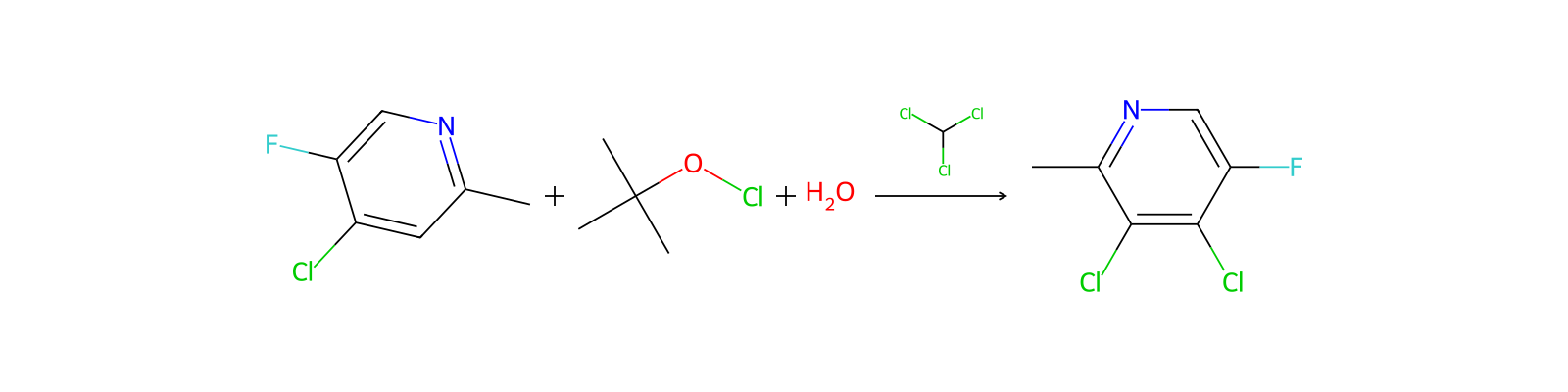
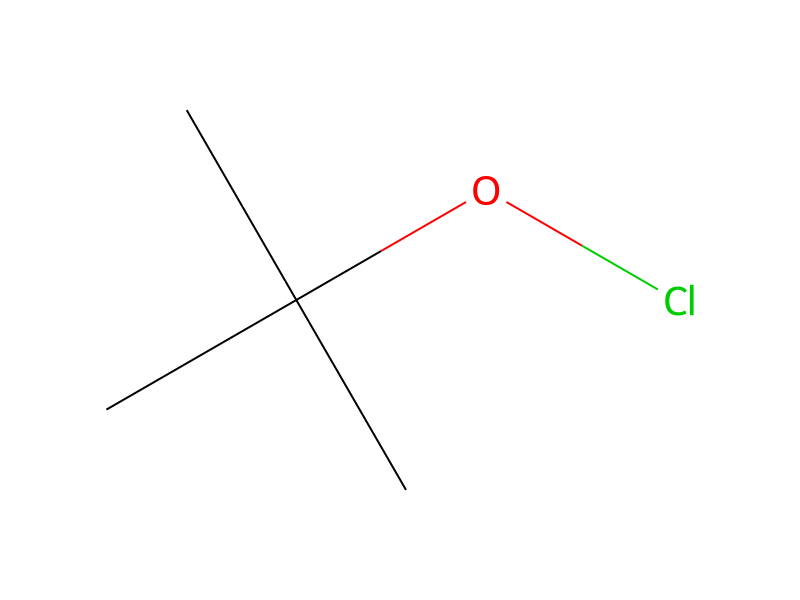
- Standard-SMILES
CC(C)(C)OCl- InChIKey
IXZDIALLLMRYOU-UHFFFAOYSA-N- Summenformel
- C4H9ClO
- Durchschnittliche Molmasse
- 108,57 g/mol
- Monoisotopische Masse
- 108,03419259
Überblick
Tert-butyl hypochlorite appears as a slightly yellowish liquid with a pungent odor. Water insoluble. Corrosive to the skin, eyes, and mucous membranes.
Namen und Bezeichner
- Bevorzugter Name
- Tert-Butyl hypochlorite
- IUPAC
- tert-butyl hypochlorite
- Lokaler Name
- tert-Butylhypochlorit
- Englischer Name
- tert-Butyl Hypochlorite
- Summenformel
- C4H9ClO
- Molmasse
- 108.57
Namen und Synonyme
tert-BUTYL HYPOCHLORITEHypochlorous acid, 1,1-dimethylethyl esterUNII-LS2JTI16JZLS2JTI16JZEINECS 208-072-7DTXSID3074941TERT-BUTYL HYPOCHLORITE [MI]1,1-Dimethylethyl HypochloriteRefChem:188203DTXCID1040900HYPOCHLOROUS ACID, TERT-BUTYL ESTER208-072-7
Weitere Namen anzeigen
HypochLtert-C4H9OCltert-Butoxy chlorideorous Acid tert-ButyLtert-ButylHypochlorite>2-chlorosyl-2-methylpropane
507-40-4Hypochlorous Acid tert-Butyl Estert-Butyl hypochloritetert-butylhypochloritet-butoxy chlorot-butoxychloridetBuOClt-butyloxychloride
Datenbank-Bezeichner
- CAS
507-40-4- PubChem CID
- 521297
- DTXSID
DTXSID3074941- UNII
- LS2JTI16JZ
- EC Number
- 208-072-7
- Nikkaji
- J9.573G
Eigenschaften
Berechnete Struktureigenschaften
- XLogP
- 1,8
- Polarare Oberfläche (TPSA)
- 9,2 Ų
- H-Brücken-Donoren
- 0
- H-Brücken-Akzeptoren
- 1
- Frei drehbare Bindungen
- 0
- Schwere Atome
- 6
- Formalladung
- 0
- Komplexität
- 37,3
Experimentelle und physikochemische Eigenschaften
SpringerMaterials PropertiesChemical shift
Physical DescriptionTert-butyl hypochlorite appears as a slightly yellowish liquid with a pungent odor. Water insoluble. Corrosive to the skin, eyes, and mucous membranes.
Physikochemische Eigenschaften
- Siedepunkt
- 79.6 ℃ · 79.6℃ (750 Torr)
- Dichte
- 0.96 · 0.96
- Brechungsindex
- 1.401 · 1.4010-1.4050
- storage temp.
- Refrigerator
- Löslichkeit
- Chloroform (Sparingly), Ethyl Acetate (Slightly)
- Aggregatzustand
- Oil
- Farbe
- Pale Yellow to Yellow
- Merck
- 14 · 14,1571
- Stabilität
- 10 C · Unstable. Light-sensitive. Highly flammable. Incompatible with strong oxidizing agents. Keep refrigerated below 10 C.
- InChI
- InChI=1S/C4H9ClO/c1-4(2,3)6-5/h1-3H3
- InChIKey
- IXZDIALLLMRYOU-UHFFFAOYSA-N
- SMILES
- ClOC(C)(C)C
- EPA chemische Informationen
- 1 · Hypochlorous acid, 1,1-dimethylethyl ester (507-40-4)
Sicherheit und Regulatorisches
GHS-Klassifizierung
GHS Classification
Danger
H225 (100%): Highly Flammable liquid and vapor [Danger Flammable liquids]
P210, P220, P222, P231, P233, P240, P241, P242, P243, P260, P264, P271, P280, P283, P284, P301+P330+P331, P302+P335+P334, P302+P361+P354, P303+P361+P353, P304+P340, P305+P354+P338, P306+P360, P316, P321, P342+P316, P363, P370+P378, P371+P380+P375, P403, P403+P235, P405, P420, and P501 (click each P-code to see the statement)
Aggregated GHS information provided per 47 reports by companies from 4 notifications to the ECHA C&L Inventory. Each notification may be associated with multiple companies.
Gefahrenhinweise
Regulatory Information
Chemical: Hypochlorous acid, 1,1-dimethylethyl ester
Status: Active Update: 14-01-2019 https://echa.europa.eu/registration-dossier/-/registered-dossier/27424
DOT LabelSpontaneously Combustible Corrosive
Fire Hazards
Excerpt from ERG Guide 135 [Substances - Spontaneously Combustible]:
· Flammable/combustible material.
Health Hazards
Excerpt from ERG Guide 135 [Substances - Spontaneously Combustible]:
· Fire will produce irritating, corrosive and/or toxic gases.
DOT ID and Guide3255 135
Reactive GroupOxidizing Agents, Strong
Reactivity AlertsStrong Oxidizing Agent
Reactivity Profile
TERT-BUTYL HYPOCHLORITE decomposes exothermically when exposed to UV light to give acetone and chloromethane. Glass containers have burst because of pressure buildup after exposure to fluorescent lighting or daylight. Reacts violently with rubber. Should not be heated to its boiling point.
DOT Hazard Classification
tert-Butyl hypochlorite
UN3255
Div 4.2 Spontaneously combustible material (49 eCFR § 173.124)
Div 4.2 Spontaneously combustible material (49 eCFR § 173.124)
PG I: the degree of danger presented by the material is great
Air and Water ReactionsMay ignite on contact with air or moist air. May burn rapidly with flare-burning effect. Water insoluble. Decomposed exothermically by water with the evolution of toxic chlorine gas.
Hazard Classes and CategoriesFlam. Liq. 2 (100%)
Sicherheit und Schutzausrüstung
Fire FightingExcerpt from ERG Guide 135 [Substances - Spontaneously Combustible]:
Accidental Release Measures
· CALL 911. Then call emergency response telephone number on shipping paper. If shipping paper not available or no answer, refer to appropriate telephone number listed on the inside back cover.
· ELIMINATE all ignition sources (no smoking, flares, sparks or flames) from immediate area.
First Aid
Excerpt from ERG Guide 135 [Substances - Spontaneously Combustible]:
General First Aid:
Exposure Control and Personal Protection· Wear positive pressure self-contained breathing apparatus (SCBA).
Nonfire Spill ResponseExcerpt from ERG Guide 135 [Substances - Spontaneously Combustible]:
Isolation and Evacuation
Excerpt from ERG Guide 135 [Substances - Spontaneously Combustible]:
Immediate precautionary measure
Personal Protective Equipment (PPE)Excerpt from ERG Guide 135 [Substances - Spontaneously Combustible]:
Emergency Response Planning Guidelines· DO NOT USE WATER, CO2 OR FOAM ON MATERIAL ITSELF.
Sicherheitsdaten
- ridadr
- UN 3255
- hs_code
- 29209090
- risk_code
- 36/37/38
- safety_code
- 26-36/37/39
- hazard_class
- 4.2
- packing_group
- I
Chemie und Industrie
Anwendungen
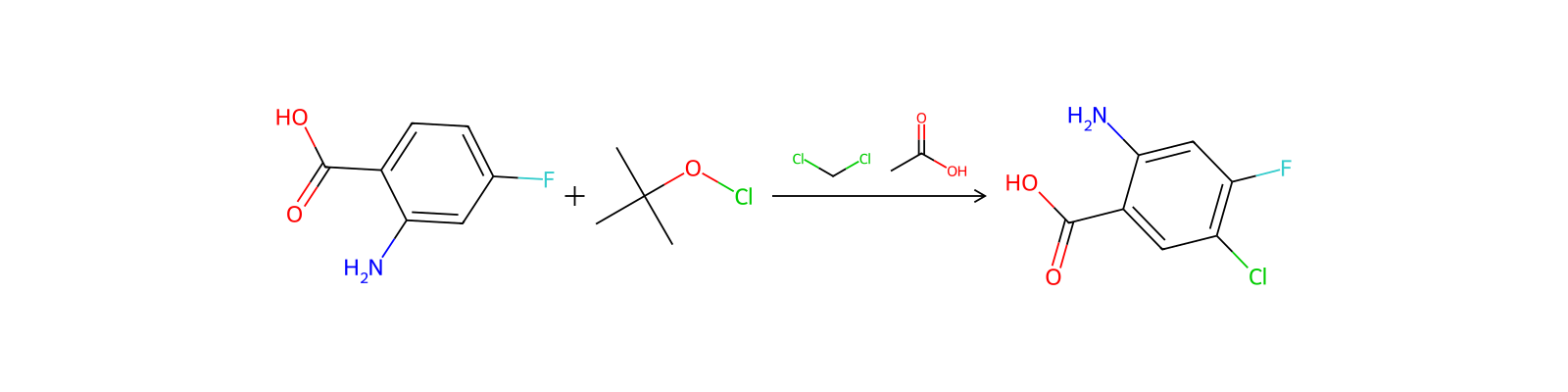
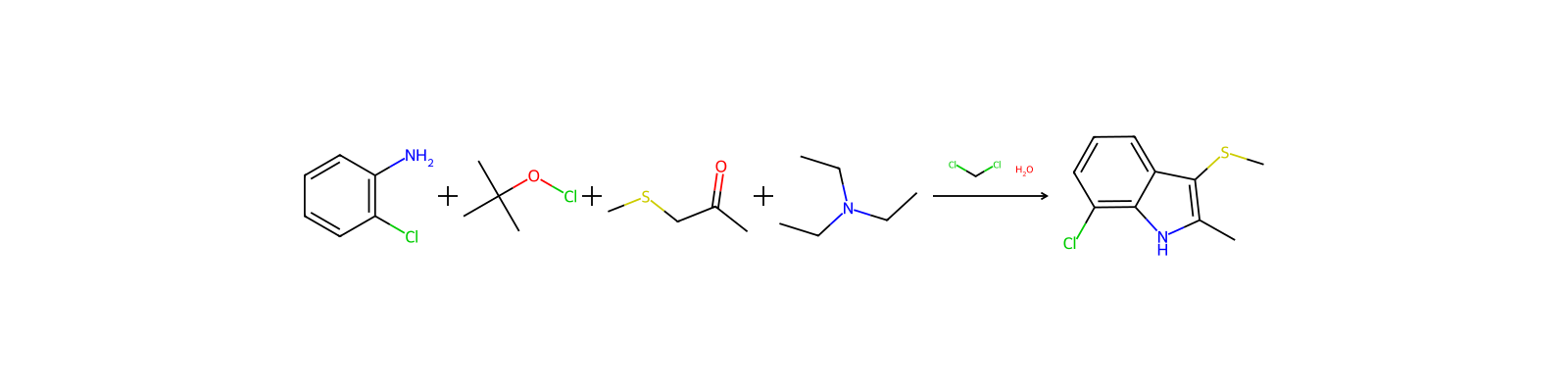
VerwendenDehydration of alcohols; N- and C-chlorinations.
Vor- und nachgelagerte Produkte
Nachgelagerte Produkte
Anbieter50 Anbieter
国药集团化学试剂有限公司86-21-63210123 · [email protected]
梯希爱(上海)化成工业发展有限公司021-67121386 · [email protected]
上海策嵘生物科技有限公司[email protected]
武汉欣扬瑞和化学科技有限公司13720274133 · [email protected]
Dayang Chem (Hangzhou) Co.,Ltd.+86-0571-88938639 17705817739 · [email protected]
上海弘顺生物科技有限公司15901914505 · [email protected]
上海迈瑞尔生化科技有限公司4006356688 18621169109 · [email protected]
北京华威锐科化工有限公司0757-86329057 18934348241 · [email protected]
zhangjiagang vinsce bio-pharm. limited.86-512-58389969 · [email protected]
武汉易泰科技有限公司上海分公司18930552037 · [email protected]
安耐吉化学&3A(安徽泽升科技股份有限公司)400-0056266 · [email protected]
武汉卡诺斯科技有限公司027-83238443 15327105076 · [email protected]
上海瀚鸿科技股份有限公司021-54306202 13764082696 · [email protected]
嘉兴市艾森化工有限公司0573-85285100 18627885956 · [email protected]
上海隆盛化工有限公司58099637 13585536065 · [email protected]
郑州研德生物科技有限公司0371-63682289 15538176268 · [email protected]
医恩医疗系统研发(上海)有限公司021-58958002 18930822973 · [email protected]
上海竺钥化工有限公司021-33559231 18964673308 · [email protected]
山东西亚化学有限公司13355009207 13355009207 · [email protected]
玛雅试剂+86 (573) 82222445 (0)18006601000 452520369 · [email protected]
四川库利南科技有限公司400-1166-196 18981987031 · [email protected]
天津希恩思生化科技有限公司400 638 7771 · [email protected]
湖南汇百侍生物科技有限公司0731-85526065 13308475853 · [email protected]
北京泰亚杰科技有限公司021-33690831-8001 13552411790;18616022633 · [email protected]
上海特伯化学科技有限公司+86-21-60341587 · [email protected]
上海健超生物科技有限公司150-2103-5486 18017383231 · [email protected]
TCI AMERICA800-4238616 · [email protected]
TOKYO CHEMICAL INDUSTRY CO., LTD.03-36680489 · [email protected]
赛纳斯特化学(欢迎点击联系)021-60343070
HBCChem, Inc.+1-510-219-6317 · [email protected]
成都迈斯克医药科技有限公司028-84552636 18084815636 · [email protected]
成都零六生物科技有限公司400-1166-196 13458535857 · [email protected]
上海马氏化学科技有限公司19916721580 · [email protected]
上海鑫圭生物科技有限公司15121041756 · [email protected]
上海麦克林生化科技股份有限公司15221275939 15221275939 · [email protected]
上海永叶生物科技有限公司86-021-61559134 15921386130 · [email protected]
上海嵩爰化工科技有限公司010-1234567 18521000990 · [email protected]
北京欣赛维化学科技有限公司010-56218822 13717722232 · [email protected]
江苏艾康生物医药研发有限公司025-66028182 17714375163 · [email protected]
陕西缔都医药化工有限公司029-81024372 17792795018 · [email protected]
阜新凯拓精细化工科技有限公司15714082442 · [email protected]
北京华扬致成科技有限公司13716033033 · [email protected]
池州凯隆进出口贸易有限公司[email protected]
九鼎化学(上海)科技有限公司4009209199 · [email protected]
湖北玖丰隆化工有限公司13277936479 · [email protected]
杭州鼎燕化工有限公司0571-87157530-8003 18267553885 · [email protected]
广东翁江化学试剂有限公司0751-2886766 13927870850 · [email protected]
上海玻尔化学试剂有限公司19102157732 · [email protected]
菏泽丽泽生物科技有限公司10-15853052 15853052030
成都京欣科技有限公司028-85005297 13980656781 · [email protected]
Zugehörige Reaktionen
439



Verknüpfte Notizen
Wird geladen…