

Grundinformationen
- Standard-SMILES
CCCCCCCC/C=C\CCCCCCCCCCCC(=O)O- InChIKey
DPUOLQHDNGRHBS-KTKRTIGZSA-N- Summenformel
- C22H42O2
- Durchschnittliche Molmasse
- 338,6 g/mol
- Monoisotopische Masse
- 338,31848058
Überblick
Erucic acid is a docosenoic acid having a cis- double bond at C-13. It is found particularly in brassicas - it is a major component of mustard and rapeseed oils and is produced by broccoli, Brussels sprouts, kale, and wallflowers. It is a conjugate acid of an erucate.
Namen und Bezeichner
- Bevorzugter Name
- Erucic Acid
- IUPAC
- (Z)-docos-13-enoic acid
- Englischer Name
- Erucic Acid
- Summenformel
- C22H42O2
- Molmasse
- 338.57
Namen und Synonyme
ERUCIC ACID112-86-7(Z)-Docos-13-enoic acidcis-13-Docosenoic acid13-cis-Docosenoic acidHystrene 229013-Docosenoic acid, (Z)-13-Docosenoic acid, (13Z)-13Z-docosenoic acidPrifrac 2990Z-13-Docosenoic aciddelta13-cis-Docosenoic acid
Weitere Namen anzeigen
DOCOSENOIC ACIDErucicPellitorin13-DOCOSENOIC ACID13(Z)-DOCOSENOIC ACIDErucasαureErucie acid13-DocosensαureErucic Acid(C22:1)
DTXSID8026931(13Z)-Docosenoic acidC22:1n-9DTXCID706931CHEBI:28792docos-13c-enoic acidNSC-6814075441GMF2
Datenbank-Bezeichner
- CAS
1072-39-5、112-86-7- PubChem CID
- 5281116
- DTXSID
DTXSID8026931- ChEMBL
CHEMBL1173380- ChEBI
CHEBI:28792- UNII
- 075441GMF2
- EC Number
- 204-011-3
- Nikkaji
- J10.102H
Eigenschaften
Berechnete Struktureigenschaften
- XLogP
- 8,7
- Polarare Oberfläche (TPSA)
- 37,3 Ų
- H-Brücken-Donoren
- 1
- H-Brücken-Akzeptoren
- 2
- Frei drehbare Bindungen
- 19
- Schwere Atome
- 24
- Formalladung
- 0
- Komplexität
- 284
Experimentelle und physikochemische Eigenschaften
Chemical ClassesOther Classes -> Organic Acids
Lipids
Lipids -> Unambiguous Lipids
Fatty Acyls [FA] -> Fatty Acids and Conjugates [FA01] -> Unsaturated fatty acids [FA0103]
CosmeticsCosmetic ingredients (Erucic Acid) -> CIR (Cosmetic Ingredient Review)
Density0.860 at 55 °C/4 °C
Color/FormNeedles from alcohol
Solubility
Soluble in ethanol, carbon tetrachloride; very soluble in ethyl ether, methanol
Insol in water; about 175 g dissolve in 100 ml ethanol; about 160 g dissolve in 100 ml methanol; very sol in ether
Boiling Point
265 °C at 15 mm Hg
Iodine value 74.98; neutralization value 165.72; bp: 381.5 °C (decomp) at 760 mm hg; 358.8 °C at 400 mm Hg; 314.4 °C at 100 mm Hg; 206.7 °C at 1.0 mm Hg
Melting Point
33.8 °C
33.5 °C
Vapor Pressure0.00000115 [mmHg]
Refractive IndexIndex of refraction: 1.4534 at 45 °C/D; 1.44794 at 65 °C/D
Physical Description
Large Crystals; Other Solid; Liquid
Solid; mp = 33.8 deg C; [Merck Index] Fine white crystals; [MSDSonline]
Liquid
Collision Cross Section
190.3 Ų [M-H]- [CCS Type: DT; Buffer gas: N2; Sample Type: Human bronchoalveolar lavage fluid (BALF); Dataset: Unambiguous Lipids]
188.5 Ų [M-H]- [CCS Type: DT; Method: single field calibrated with Agilent tune mix (Agilent)]
Physikochemische Eigenschaften
- Schmelzpunkt
- 28 · 28-32 °C (lit.)
- Siedepunkt
- 358 °C/400 · 358 °C/400 mmHg (lit.)
- Dichte
- 0 · 0,86 g/cm3
- Brechungsindex
- 45 · nD45 1.4534; nD65 1.44794
- Flammpunkt
- 265 °C/15mm · 265°C/15mm
- storage temp.
- 2 · 2-8°C
- Löslichkeit
- Chloroform (Slightly), Methanol (Slightly)
- Aggregatzustand
- Solid
- pka
- 4.78 · 4.78±0.10(Predicted)
- Farbe
- White to Off-White
- Biologische Quelle
- synthetic (organic)
- Merck
- 14 · 14,3674
- BRN
- 1728049 · 1728049
- Kosmetik-Inhaltsstoffe Funktionen
- SKIN CONDITIONING
- InChI
- 1S/C22H42O2/c1-2-3-4-5-6-7-8-9-10-11-12-13-14-15-16-17-18-19-20-21-22(23)24/h9-10H,2-8,11-21H2,1H3,(H,23,24)/b10-9-
- InChIKey
- DPUOLQHDNGRHBS-KTKRTIGZSA-N
- SMILES
- [H]\C(CCCCCCCC)=C(/[H])CCCCCCCCCCCC(O)=O
- LogP
- 9.459 · 9.459 (est)
- CAS Datenbank
- 112 · 112-86-7(CAS DataBase Reference)
- NIST chemische Informationen
- Erucic acid(112-86-7)
- EPA chemische Informationen
- 13 · 13-Docosenoic acid, (13Z)- (112-86-7)
Sicherheit und Regulatorisches
GHS-Klassifizierung
GHS Classification
This chemical does not meet GHS hazard criteria for 38.9% (28 of 72) of reports.
Warning
H315 (61.1%): Causes skin irritation [Warning Skin corrosion/irritation]
P261, P264, P264+P265, P271, P280, P302+P352, P304+P340, P305+P351+P338, P319, P321, P332+P317, P337+P317, P362+P364, P403+P233, P405, and P501 (click each P-code to see the statement)
Aggregated GHS information provided per 72 reports by companies from 6 notifications to the ECHA C&L Inventory. Each notification may be associated with multiple companies.
Gefahrenhinweise
Regulatory Information
Chemical: 13-Docosenoic acid, (Z)-
Regulation (EC) No 178/2002 (amended)
13-Docosenoic acid, (13Z)- is listed on the EPA's Chemical Data Reporting (CDR) system. Manufacturers and importers of 13-Docosenoic acid, (13Z)- are required to report information about their production and use of this chemical to the EPA under the Toxic Substances Control Act (TSCA). (40 eCFR Part 711)
Erucic acid: Does not have an individual approval but may be used under an appropriate group standard
Other Safety InformationIMAP assessments - 13-Docosenoic acid, (Z)-: Human health tier I assessment
Fire PotentialCombustible
Hazards Summary
Caused asymptomatic thrombocytopenia in patients receiving Lorenzo's oil (erucic acid and oleic acid); Low platelet count reversed within 2-3 weeks of discontinuing erucic acid; Rabbits fed 40 cal% rapeseed oil versus 40 cal% sunflower oil for 84 weeks developed myocardial fibrosis, hepatic cirrhosis, and increased serum cholesterol; [HSDB] An irritant; Targets the liver and heart; [MSDSonline]
Special ReportsEuropean Chemicals Bureau; IUCLID Dataset, (Z)-docos-13-enoic acid (CAS # 112-86-7) (2000 CD-ROM edition). Available from the Database Query page at: http://ecb.jrc.it/esis/esis.php as of January 30, 2008.
Hazard Classes and CategoriesSkin Irrit. 2 (61.1%)
Explosive Limits and PotentialCombustible
Sicherheit und Schutzausrüstung
Disposal Methods
SRP: The most favorable course of action is to use an alternative chemical product with less inherent propensity for occupational exposure or environmental contamination. Recycle any unused portion of the material for its approved use or return it to the manufacturer or supplier. Ultimate disposal of the chemical must consider: the material's impact on air quality; potential migration in soil or water; effects on animal, aquatic, and plant life; and conformance with environmental and public health regulations.
Toxikologische Informationen
Interactions
The aim of this study was to evaluate the ability of propionyl-L-carnitine to prevent cardiac damage induced by erucic acid. Rats were fed for 10 days with normal or 10% erucic acid-enriched diets with or without propionyl-L-carnitine intraperitoneally injected, (1 mM/kg daily, for 10 days). The erucic acid diet produced increases in triglycerides (from 5.6 to 12.4 mg/gww, P less than 0.01), and free fatty acids (from 2.0 to 5.1 mg/gww, P less than 0.01), but no changes in phospholipids. When the hearts were perfused aerobically with an isovolumic preparation there was no difference in mechanical activity. On the contrary, when pressure-volume curves were determined, the pressure developed by hearts from the erucic acid-treated rats were reduced. Independent of diet, propionyl-L-carnitine treatment always produced positive inotropy. This was concomitant with improved mitochondrial respiration (RCI 5.1 vs 9.3, P less than 0.01), higher tissue ATP content (10.3 vs 18.4 mumol/gdw P less than 0.01) and reduction of triglycerides (12.4 vs 8.0 mg/gww, P less than 0.01). These data suggest that propionyl-L-carnitine, when given chronically, is able to prevent erucic acid-induced cardiotoxicity, probably by reducing triglyceride accumulation and improving energy metabolism.
Seven groups of 24 /male Wistar/ rats were /daily/ fed diets containing 0, 5, 10, 15, 25 or 30 cal% rapeseed oil /(relative concn of erucic acid were 0, 5.5, 11.0, 16.5, 22.0, 27.5 and 33.0 % of dietary fat respectively)/. All diets were made up to 40 cal% fat with sunflower seed oil. Eight animals from each group were killed after 3 days, 6 days, and 32 wk. In each case the skeletal muscles, heart, diaphragm and adrenals were examined microscopically. In addition the thyroids, testicles, pancreas, spleen, liver and kidneys from animals killed after 32 wk were microscopically examined. Growth: no clear relationship between body weight gain and erucic acid treatment was observed. The average body weight of animals fed 30 cal% rapeseed oil was consistently the lowest, and analysis of variance showed that this difference was almost significant by the end of the test. However, the average body weight of animals fed 20 and 25 cal% rapeseed oil were consistently the highest. No clear relationship between body weight and rapeseed oil treatment was observed. Organ weights: Some significant differences were observed between controls and animals treated with at least 15 cal% rapeseed oil. However, no clear treatment related differences were observed. Pathology: In the animals killed after 3 or 6 days, all animals fed rapeseed oil showed lipidosis of the heart, skeletal muscle, diaphragm and adrenals. The severity of lipidosis incr with the level of rapeseed oil. No other abnormalities were observed. In the animals killed after 32 wk, no treatment-related effects were observed in the skeletal muscle, thyroid, pancreas, or liver of any groups. Effects were observed in the kidneys - slight tubular dilation and incr luminal debris was observed in the renal tubules. These effects were most noticeable in the top dose group. Enlargement of the adrenal cortical cells was observed at 10 cal% and above; severity incr with dose. Cardiac changes were also observed, consisting of minimal lipidosis, foci of myocytolysis showing mononuclear cell proliferations, thickening of the reticular muscle fibre sheath, incr interstitial connective tissue elements and aggregates of Anitskow cells. These effects incr in severity with incr doses of rapeseed oil (especially above 10 cal%). Minimal deg of these changes were also observed in 2 control animals.
Weanling female /Sprague-Dawley/ rats were fed /daily/ diets containing 0.5%, 5%, 10% or 20% of one of the following fats/oils: coconut oil, butter, tallow, lard, olive oil, rapeseed oil, cottonseed oil, corn oil, soybean oil, sunflower seed oil ... When rats were 50 days old, they were given a single oral dose of dimethylbenz [a] anthrene (DMBA). The diets were continued for 4 months ... More than 85% of the animals /in 20% dose levels/ developed tumors in all groups except those on tallow (80%) and rapeseed oil (77%) ... There tended to be more tumors/rat in animals fed unsaturated fats ... Most of the tumors were adenocarcinomas. /Rapeseed oil/
Eight groups of 5 /male Wistar/ rats were fed daily diets (ad libitum) containing 15% lipids for 12 days. The treatment groups were as follows: BR+: High brassidic acid (28% of lipids), low calcium (0.4%); BR-: Low brassidic acid (1.2% of lipids), low calcium; Br+ Ca: High brassidic acid, high calcium (9.2%); BR- Ca: Low brassidic acid, high calcium; ER+: High erucic acid (28% of lipids), low calcium; ER-: Low erucic acid (1.4% of lipids), low calcium; ER+ Ca: High erucic acid, high calcium; ER- Ca: High erucic acid, high calcium. /The remainder of lipids in each group were made up with maize oil./ There were no significant differences in food consumption alone or weight gain alone. However, if weight gain was adjusted to food consumption, it showed that weight gain for brassidic acid groups was lower in low calcium groups. Weight gain was unaffected for erucic acid groups. All 4 erucic acid groups showed similar levels of heart triglycerides, and C22:1. The hearts showed a mild lipidosis as compared to control rats ... For brassidic acid groups, low calcium decr the heart triglyceride levels. In addition, the triglyceride and C22:1 heart levels were higher in the 2 high brassidic acid groups.
For more Interactions (Complete) data for ERUCIC ACID (6 total), please visit the HSDB record page.
Environmental Fate
TERRESTRIAL FATE: Based on a classification scheme(1), an estimated Koc value of 135,000 for the free acid(SRC), determined from a structure estimation method(2), indicates that undissociated erucic acid is expected to be immobile in soil(SRC). The estimated pKa of erucic acid is 4.7(3), indicating that this compound will almost entirely exist in the anion form in the environment and anions generally do not adsorb more strongly to soils containing organic carbon and clay than their neutral counterparts(4). Volatilization from moist soil is not an important environmental fate process as the acid is in the anion form and anions do not volatilize. Erucic acid is not expected to volatilize from dry soil surfaces(SRC) based upon an estimated vapor pressure of 1.2X10⁻⁶ mm Hg(SRC), determined from a fragment constant method(5). A 4.2-11% of the theoretical BOD using an activated sludge inoculum and the Warburg test (6), suggests that biodegradation may be an important environmental fate process in soil(SRC).
AQUATIC FATE: Based on a classification scheme(1), an estimated Koc value of 135,000 for the free acid(SRC), determined from a structure estimation method(2), indicates that undissociated erucic acid is expected to adsorb to suspended solids and sediment(SRC). The estimated pKa of 4.7(3) indicates erucic acid will exist almost entirely in the anion form at pH values of 5 to 9 and therefore volatilization from water surfaces is not expected to be an important fate process(4). According to a classification scheme(5), an estimated BCF of 3(SRC), from an estimated log Kow of 9.69(6) and a regression-derived equation(7), suggests the potential for bioconcentration in aquatic organisms is low(SRC). A 4.2-11% of the theoretical BOD using an activated sludge inoculum and the Warburg test (8), suggests that biodegradation may be an important environmental fate process in water(SRC).
ATMOSPHERIC FATE: According to a model of gas/particle partitioning of semivolatile organic compounds in the atmosphere(1), erucic acid, which has an estimated vapor pressure of 1.2X10⁻⁶ mm Hg at 25 °C(SRC), determined from a fragment constant method(2), will exist in both the vapor and particulate phases in the ambient atmosphere. Vapor-phase cis- and trans-erucic acid are degraded in the atmosphere by reaction with photochemically-produced hydroxyl radicals(SRC); the half-lives for these reactions in air are estimated to be 4.7 and 4.3 hours(SRC), calculated from rate constants of 8.1X10⁻¹¹ and 8.9X10⁻¹¹ cu cm/molecule-sec at 25 °C(SRC) that were derived using a structure estimation method(3). Vapor-phase erucic acid is also degraded in the atmosphere by reaction with ozone(SRC); the half-life for cis-erucic acid and trans-erucic acid reactions in air are estimated to be 2.1 and 1.4 hours(SRC), respectively, calculated from rate constants of 1.3X10⁻¹⁶ and 2.0X10⁻¹⁶ cu cm/molecule-sec at 25 °C(SRC) that were derived using a structure estimation method(3). Particulate-phase erucic acid may be removed from the air by wet or dry deposition(SRC). Erucic acid does not contain chromophores that absorb at wavelengths >290 nm and therefore is not expected to be susceptible to direct photolysis by sunlight(4).
Adverse EffectsOccupational hepatotoxin - Secondary hepatotoxins: the potential for toxic effect in the occupational setting is based on cases of poisoning by human ingestion or animal experimentation.
Toxicity Summary
The CIR Expert Panel concluded that the following ingredients are safe in the present practices of use andconcentration described in the safety assessment when formulated to be non-irritating and non-sensitizing, which may be basedon a QRA...Erucic Acid...
Safe for use in cosmetics, with qualifications
Average Daily IntakeFatty acids are an important part of the normal daily diet of mammals, birds and invertebrates.
Plant ConcentrationsErucic acid is a major fatty acid found in rapeseed oil(1).
Effluent ConcentrationsErucic acid was identified in Iona Island Sewage Treatment Plant(British Columbia, Canada) sewage and sludge effluent, concns unreported(1).
Soil Adsorption/Mobility
Using a structure estimation method based on molecular connectivity indices(1), the Koc of undissociated erucic acid can be estimated to be 135,000(SRC). According to a classification scheme(2), this estimated Koc value suggests that undissociated erucic acid is expected to be immobile in soil(SRC). The estimated pKa of erucic acid is 4.7(3), indicating that this compound will almost entirely exist in the anion form in the environment and anions generally do not adsorb more strongly to soils containing organic carbon and clay than their neutral counterparts(4).
Natural Pollution Sources
A monoethenoid acid found in seed fats of Cruciferae and Tropaelaceae. It constitutes 40-50% of total fatty acids of rapeseed, mustard- and wallflower seed, and it represents up to 80% of fatty acids of nasturtium seeds.
IN 9 VARIETIES OF RAPESEED, ERUCIC ACID CONTENT VARIED BETWEEN 0.1 & 0.8%, MOST FREQUENTLY AT 0.5%.
Fats and oils from mustard seed, rapeseed, and crambe seed
Atmospheric ConcentrationsURBAN/SUBURBAN: Erucic acid was found in concentrations of up to 111 ng/cu m in the northeastern part of Santiago, Chile in samples taken in 1997(1).
Human Toxicity Excerpts
/SIGNS AND SYMPTOMS/ 15 men with adrenoleukodystrophy and 3 symptomatic heterozygous women were admin oleic and erucic acids (Lorenzos oil). Asymptomatic thrombocytopenia developed in 5 patients (platelet counts ranged between 37000 and 84000 per cu mm) but was reversed within 2 to 3 wk after erucic acid was omitted. In addition, long-term treatment with Lorenzos oil (for 24 to 43 mo) was associated with lymphocytopenia in these 5 patients. The observations suggested that the long-term treatment of adrenoleukodystrophy with Lorenzos oil can induce severe lymphocytopenia with immunosuppression and recurrent infections. /Lorenzo's oil/
/SIGNS AND SYMPTOMS/ The effect of erucic acid rapeseed oil was studied in 46 margarine users. Rapeseed oil (replaced margarine in diet) substitution incr the proportion of eicosaenoic acid (0.4%) in plasma phospholipids. A slight decr in low-density lipoprotein cholesterol (LDL-C) and an incr in high-density lipoprotein cholesterol (HDL-C, 4.5%) led to a significantly higher HDL-C/total cholesterol ratio (1.9%-units). /Rapeseed oil/
/HUMAN EXPOSURE STUDIES/ 40 male and 6 female patients with adrenoleukodystrophy received Lorenzos oil (20% erucic acid and 80% oleic acid). In 19 of these patients the platelet count decr significantly. In 6 patients with thrombocytopenia, platelet counts became normal within 2 to 3 mo after erucic acid was omitted from the diet. Observations suggested that strategies for the dietary management of adrenoleukodystrophy requiring the admin of large amt of erucic acid may be associated with thrombocytopenia and that the erucic acid component of Lorenzos oil is the cause of the thrombocytopenia. Patients treated with erucic acid should be followed closely with determinations of the platelet count. /Lorenzos oil: 20% erucic acid and 80% oleic acid/
/OTHER TOXICITY INFORMATION/ Erucic acid levels in human plasma and red cells and the effect on the distribution of other fatty acids are studied after ingestion of peanut and rapeseed oil. Erucic acid ... did not change the distribution of the other plasma fatty acids. In normally fed humans, the serum triglyceride incr involved all fatty acids except arachidonic and linoleic ...
Artificial Pollution SourcesErucic acid's production and use as a chemical intermediate(1) may result in its release to the environment through various waste streams(SRC).
Sicherheitsdaten
- F
- 10-23
- wgk
- 1
- tsca
- TSCA listed
- hs_code
- 29161900
- RTECS-Nr.
- JR1280000
- risk_code
- 36/37/38
- hazard_code
- Xi
- safety_code
- 26-36
- Speicherklasse
- 11 - Combustible Solids
- Giftige Stoffe Daten
- 112-86-7(Hazardous Substances Data)
- Hazard Classifications
- Eye Irrit. 2Skin Irrit. 2STOT SE 3
Chemie und Industrie
Pharmakologische Informationen
Mechanism of Action
An erucic acid mitochondrial metabolite inhibits mitochondrial oxidn of other fatty acids, esp in heart. Would explain accum of triglycerides in heart of rats fed rapeseed oil containing erucic acid.
The effects of erucic acid on the oxygen uptake of heart and liver mitochondria of young was studied by providing the carnitine ester of erucic acid (in comparison to palmitylcarnitine). The presence of erucylcarnitine caused a significant inhibition of the mitochondrial oxidation of palmitylcarnitine. These findings suggest that a mitochondrial metabolite of erucic acid inhibits the mitochondrial oxidation of other fatty acids, especially in the heart, and that this causes the accumulation of triglycerides in the hearts of rats fed rapeseed oil. /Erucylcarnitine/
The effects of high erucic acid rapeseed oil (HER) on fatty acid oxidation in rat liver compared with low erucic acid rapeseed oil (LER) were studied. The results showed that feeding HER to rats led to a decr in the hepatic oxidation capacity of palmitic acid and the liver weight positively correlated with the content of erucic acid in diets and with the length of HER feeding period. The inhibitory action of HER on the oxidation of long-chain fatty acids probably resulted from the incorporation of erucic acid into mitochondrial membranes, interfering the fatty acyl-CoA transferring system on the membranes, but not from the beta-oxidation enzyme system in mitochondria being directly inhibited.
Metabolism/Metabolites
Rats fed rapeseed oil (46.2% erucic acid) for 20 wk had 2-fold heart sphingomyelin content incr. After high erucic rapeseed oil, 22:1 was incorporated into cardiolipin (5.6%) & sphingomyelin (10.5%)...
Male Wistar rats were fed with erucic acid for 20 days. Erucic acid was incorporated into diphosphatidylglycerol and sphingomyelin in heart and liver. The level of erucic acid incorporated into triacylglycerols and free fatty acids in the heart was higher than in the liver.
A study with cultured fibroblasts from normal controls and Zellweger fibroblasts showed that peroxisomes play an important role in the chain-shortening (beta-oxidation) of erucic acid.
Male Sprague-Dawley rats were fed with diets containing different levels of erucic acid (22:1 n-9) for 1 wk. An incr in dietary 22:1 n-9 resulted in significantly incr myocardial lipidosis as assessed histologically and by an accumulation of 22:1 n-9 in heart lipids; there was no incr in cardiac triacylglycerol except when high erucic acid rapeseed (42.9% 22:1 n-9) oil was fed.
For more Metabolism/Metabolites (Complete) data for ERUCIC ACID (15 total), please visit the HSDB record page.
Absorption, Distribution and Excretion
After injection (14)C-erucic acid emulsion in rapeseed oil, highest cconcn found in lipids of rat liver, followed by spleen & kindey. Fatty acid uptake level into lipids was small in brain, testes & seminal vesicles.
Erucic acid was incorporated into diphosphatidylglycerol & syhingomyelin in heart & liver of male rats fed erucic acid for 20 days.
Wistar rats were given a single oral dose of 560 mg erucic acid (ethyl ester) ... Erucic acid levels in the stomach and small intestine reached a max 2 hr after dosing (40% of the dose). Erucic acid levels in the colon reached a max 8 hr after dosing (50% of the dose). This suggested that erucic acid was poorly absorbed. Erucic acid levels in cardiac blood also reached a max 2 hr after dosing (14% of total fatty acids, against a background level of 2.5%).
Male rats (Wistar strain) were iv injected with a mixture of free (14)C-labeled erucic and (3)H-labeled oleic acid. after 2, 4, 8, 16 and 30 min, radioactivity was examined in blood, liver, heart, kidneys and spleen. At all times studied, the majority of radioactivity was found in the liver, primarily as triglycerides (60% of radioactivity in total lipids) and as phospholipids (20 to 30%). In the other organs tested, radioactivity was found 10 to 15 times lower than in liver. In the heart, (14)C was 3 to 4 times higher than (3)H. More than 80% was recovered in tri-glycerides. In spleen and kidneys, the (14)C:(3)H ratio was particularly high in free fatty acids and monoglycerides. In kidneys, 60% of (14)C was present as nervonic acid in monoglycerides and 40% in phospholipids, suggesting that the mononervonin formed was used for phospholipid biosynthesis.
For more Absorption, Distribution and Excretion (Complete) data for ERUCIC ACID (12 total), please visit the HSDB record page.
Tissue LocationsAdrenal Gland
Cellular LocationsExtracellular
Verwendung und Herstellung
Uses
CIR ingredient: Erucic Acid
Isolated from the fats and oils of mustard seed, rapeseed, and crambe seed; [Hawley] Used as lubricant additive and chemical intermediate; [HSDB]
Textiles (Fiber & Fabric Manufacturing) [Category: Industry]
LUBRICANT ADDITIVE; CHEM INT FOR EURCAMIDE, STEARYLEURCAMIDE & DIBASIC ACIDS; POLYETHYLENE FILM ADDITIVE; WATER RESISTANT NYLON ADDITIVE
Preparation of dibasic acids and other chemicals, polyethylene-film additive, water-resistant nylon.
Paints, lacquers and varnishes industry, polymer industry, textile processing industry ...
U.S. Exports
(1977) No Data
(1979) No Data
U.S. Imports
(1977) No Data
(1979) No Data
U.S. Production
2023: 1,000,000 - <5,000,000 lb
(1975) PROBABLY GREATER THAN 4.54X10+5 GRAMS
(1979) No Data
Production volumes for non-confidential chemicals reported under the Inventory Update Rule. [Table#5016]
13-Docosenoic acid, (13Z)- is listed as a High Production Volume (HPV) chemical (65FR81686). Chemicals listed as HPV were produced in or imported into the U.S. in >1 million pounds in 1990 and/or 1994. The HPV list is based on the 1990 Inventory Update Rule. (IUR) (40 CFR part 710 subpart B; 51FR21438).
Consumer UsesLubricating agent
Industry UsesIntermediate
Methods of Manufacturing
EXTRACTED FROM RAPESEED, CRAMBE, AND MUSTARD SEED OILS
Prepn of a crude product by alkaline hydrolysis of rapeseed oil ... A purer product is obtained by the method of Doree and Pepper ... which involves a fractional precipitation and crystallization.
Formulations/Preparations... "Lorenzo's oil" (LO), a 4:1 mixture of glyceryl trioleate and glyceryl trierucate...
General Manufacturing Information
All Other Chemical Product and Preparation Manufacturing
13-Docosenoic acid, (13Z)-: ACTIVE
Anwendungen
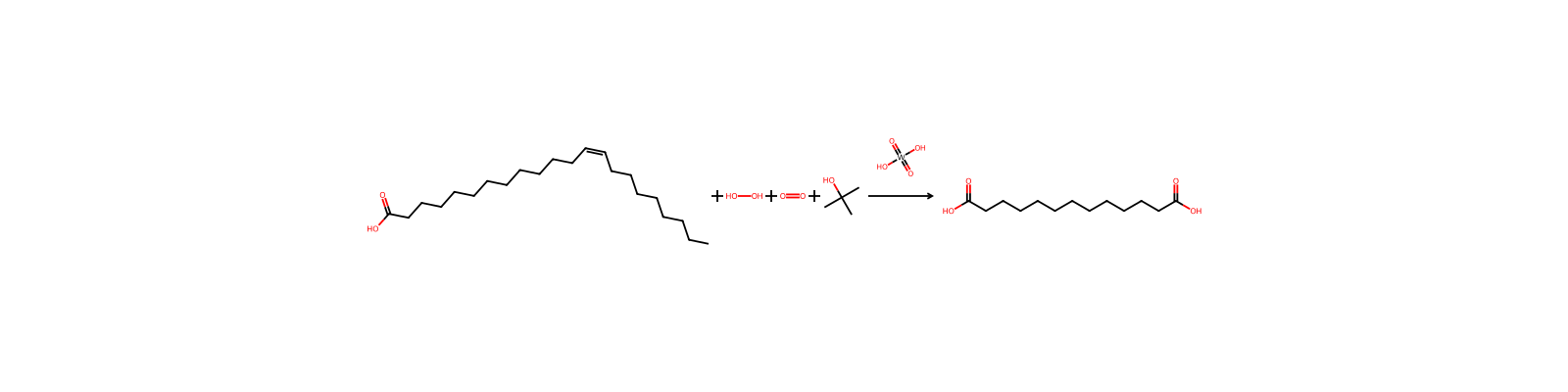
BeschreibungErucic acid also known as cis-13-Docosenoic acid is a monounsaturated omega-9 fatty acid. It occurs at high concentrations mainly in the seeds of species of the Brassicaceae (e.g. rape seed or mustard seed, and seeds from vegetable crops such as kales, cabbages and turnips).High-erucic acid oils are used either directly as lubricants (e.g. in the manufacture of rubber additives) or in formulations. They are used as spinning lubricants in the textile, steel, and shipping industries; as cutting, metal-forming, rolling, fabricating, and drilling oils; and as marine lubes. Erucic acid can also be oxidatively cleaved to brassylic acid for use in the production of polyesters. The oxidative cleavage of erucic acid can be performed via ozonolysis or by reaction with hydrogen peroxide in the presence of an inorganic oxide catalyst. Erucic acid can be used to prepare useful nitrogen derivatives: behenyl amine is used in a corrosion inhibitor; disubstituted amides are effective plasticizers and erucamide is an excellent slip and antiblocking agent for plastic films.
VerwendenErucic acid has many of the same uses as mineral oils, but it is more readily biodegradable than some. It has limited ability to polymerize and dry for use in oil paints. Like other fatty acids, it can be converted into surfactants or lubricants, and can be used as a precursor to bio-diesel fuel. Derivatives of erucic acid have many further uses, such as behenyl alcohol ( CH3(CH2)21OH ) , a pour point depressant (enabling liquids to flow at a lower temperature), and silver behenate, for use in photography. It is also used as an ingredient in appetite suppressants.
Vor- und nachgelagerte Produkte
Vorgelagerte Rohstoffe
Nachgelagerte Produkte
Anbieter50 Anbieter
梯希爱(上海)化成工业发展有限公司021-67121386 · [email protected]
上海阿拉丁生化科技股份有限公司400-6206333 13167063860 · [email protected]
广州隽沐生物科技股份有限公司020-36607679; 13502246435 · [email protected]
泰安环宇化工有限公司13176825516; 13176825516
河北创海生物科技有限公司+86-86-13131129325 · [email protected]
Baoji Guokang Healthchem co.,ltd+8615604608665 15604608665 · [email protected]
Dayang Chem (Hangzhou) Co.,Ltd.+86-0571-88938639 17705817739 · [email protected]
绵阳菁华科技有限公司17378635159
宜昌众意泰贸易有限公司0717-6449896 13886658719 · [email protected]
Syntechem Co.,Ltd[email protected]
Ark Pharm, Inc.847-367-3680 · [email protected]
上海迈瑞尔生化科技有限公司4006356688 18621169109 · [email protected]
武汉易泰科技有限公司上海分公司18930552037 · [email protected]
阿法埃莎(中国)化学有限公司400-6106006 · [email protected]
安耐吉化学&3A(安徽泽升科技股份有限公司)400-0056266 · [email protected]
上海瀚鸿科技股份有限公司021-54306202 13764082696 · [email protected]
上海诗丹德标准技术服务有限公司021-021-57127007-6622-6622 17621252073 · [email protected]
成都普思生物科技股份有限公司028-85370565-229 18080489829 · [email protected]
山东省立帆化工有限公司17864861555 · [email protected]
山东西亚化学有限公司13355009207 13355009207 · [email protected]
玛雅试剂+86 (573) 82222445 (0)18006601000 452520369 · [email protected]
四川库利南科技有限公司400-1166-196 18981987031 · [email protected]
Hebei Qige Biological Technology Co. Ltd+86 +8618733132031
斯百全化学(上海)有限公司021-021-021-67601398-809-809-809 15221380277 · [email protected]
上海源叶生物科技有限公司13636370518 · [email protected]
艾科试剂4008-755-333 18080918076 · [email protected]
上海思域化工科技有限公司86-21-34053660 · [email protected]
江苏艾康生物医药研发有限公司025-66113011 13913916777 · [email protected]
TCI AMERICA800-4238616 · [email protected]
TOKYO CHEMICAL INDUSTRY CO., LTD.03-36680489 · [email protected]
TCI Europe320-37350700 · [email protected]
深圳振强药物研发有限公司0755-66853366 13670046396 · [email protected]
上海将来实业股份有限公司400-0066400 13621662912 · [email protected]
上海将来实业股份有限公司021-61552785 · [email protected]
天津阿尔塔科技有限公司022-65378550-8551 · [email protected]
HBCChem, Inc.+1-510-219-6317 · [email protected]
日照力德士化工有限公司010-51268198 · [email protected]
美岚实业(上海)有限公司021-58958189 · [email protected]
上海麦克林生化科技股份有限公司15221275939 15221275939 · [email protected]
杭州杰恒化工有限公司0571-87396432 · [email protected]
上海永叶生物科技有限公司86-021-61559134 15921386130 · [email protected]
湖北巨胜科技有限公司027-59599241 18871490274 · [email protected]
池州凯隆进出口贸易有限公司[email protected]
Sigma-Aldrich西格玛奥德里奇(上海)贸易有限公司021-61415566 800-8193336 · [email protected]
天津阿尔塔科技有限公司022-6537-8550 15522853686 · [email protected]
TargetMol中国(陶术生物)021-021-33632979 15002134094 · [email protected]
Alfa Chemistry1-516-6625404 · [email protected]
上海陶术生物科技股份有限公司+1-781-999-5354; +1-00000000000 · [email protected]
上海波以尔化工有限公司021-50182298 021-50180596 · [email protected]
九鼎化学(上海)科技有限公司4009209199 · [email protected]
Ergänzende Hinweise
DefinitionChEBI: Erucic acid is a docosenoic acid having a cis- double bond at C-13. It is found particularly in brassicas - it is a major component of mustard and rapeseed oils and is produced by broccoli, Brussels sprouts, kale, and wallflowers. It is a long-chain alcohol that acts as an inhibitor of fatty acid oxidation in the heart.
Zugehörige Reaktionen
21




Verknüpfte Notizen
Wird geladen…