Sirolimus
Daten werden ergänzt – lade die Seite später neu, um den aktuellen Stand zu sehen

Grundinformationen
- CAS
53123-88-9- Standard-SMILES
CO[C@H]1C[C@@H]2CC[C@@H](C)[C@@](O)(O2)C(=O)C(=O)N2CCCC[C@H]2C(=O)O[C@H]([C@H](C)C[C@@H]2CC[C@@H](O)[C@H](OC)C2)CC(=O)[C@H](C)/C=C(\C)[C@@H](O)[C@@H](OC)C(=O)[C@H](C)C[C@H](C)/C=C/C=C/C=C/1C- InChIKey
QFJCIRLUMZQUOT-HPLJOQBZSA-N- Summenformel
- C51H79NO13
- Durchschnittliche Molmasse
- 914,2 g/mol
- Monoisotopische Masse
- 913,55514157
Namen und Bezeichner
- Bevorzugter Name
- Sirolimus
- IUPAC
- (1R,9S,12S,15R,16E,18R,19R,21R,23S,24E,26E,28E,30S,32S,35R)-1,18-dihydroxy-12-[(2R)-1-[(1S,3R,4R)-4-hydroxy-3-methoxycyclohexyl]propan-2-yl]-19,30-dimethoxy-15,17,21,23,29,35-hexamethyl-11,36-dioxa-4-azatricyclo[30.3.1.04,9]hexatriaconta-16,24,26,28-tetraene-2,3,10,14,20-pentone
- Englischer Name
- Rapamycin
- Summenformel
- C51H79NO13
- Molmasse
- 914.17
Namen und Synonyme
rapamycinSirolimus(-)-Rapamycin53123-88-9RapamunerapalimusAY-22989WY-090217FYARROHYFTORsirolimusumNpc-12g
Weitere Namen anzeigen
SirolomusRapamycin/Sirolimus CAS 53123-88-9Rapamycin from Streptomyces hygroscopicus,23,27-Epoxy-3H-pyrido[2,1-c][1,4]oxaazacyclohentriacontine, AY 22989, SirolimusRPMBCAR2CS-440TRERF1
Antibiotic AY 22989RAPARapammuneSILA 9268AW36ZG6FT64L04AA10NSC-226080CHEBI:9168
Datenbank-Bezeichner
- CAS
53123-88-9- PubChem CID
- 5284616
- DTXSID
DTXSID5023582- ChEMBL
CHEMBL413
Eigenschaften
Berechnete StruktureigenschaftenWird ergänzt
- XLogP
- 6
- Polarare Oberfläche (TPSA)
- 195 Ų
- H-Brücken-Donoren
- 3
- H-Brücken-Akzeptoren
- 13
- Frei drehbare Bindungen
- 6
- Schwere Atome
- 65
- Formalladung
- 0
- Komplexität
- 1.760
Physikochemische Eigenschaften
- Schmelzpunkt
- 183 · 183-185°C
- Siedepunkt
- 799.83 °C · 799.83°C (rough estimate)
- Dichte
- 1.0352 · 1.0352 (rough estimate)
- Dampfdruck
- 0.56 hPa · 0.56 hPa ( 20 °C)
- Brechungsindex
- 1.528 · 1.5280 (estimate)
- Flammpunkt
- 87 °C · 87 °C
- storage temp.
- -20 °C · -20°C
- Löslichkeit
- 2 MM · ethanol: soluble2MM
- Aggregatzustand
- solution
- pka
- 10.4 · 10.40±0.70(Predicted)
- Farbe
- colorless to yellow
- Wasserlöslichkeit
- 50 mg/ml · Soluble in DMSO at 50mg/ml or methanol at 25mg/mlSoluble in alcohol, dimethyl sulfoxide and dimethyl formamide. Insoluble in water.
- Merck
- 14 · 14,8114
- Stabilität
- 2 years · Stable for 2 years from date of purchase as supplied. Solutions in DMSO or ethanol may be stored at -20°C for up to 2 months.
Sicherheit und Regulatorisches
Sicherheitsangaben dienen nur zur Orientierung und ersetzen weder das Sicherheitsdatenblatt (SDB) des Lieferanten noch geltende Vorschriften oder eine fachliche Bewertung.
Sicherheitsdaten
- wgk
- 2
- ridadr
- UN 1648 3 / PGII
- hs_code
- 29349990
- RTECS-Nr.
- VE6250000
- risk_code
- 36/38-36-20/21/22-11
- Toxizität
- LD50 in mice (mg/kg): 600 i.p.; >2,500 orally (Vézina)
- hazard_code
- Xi,Xn,F
- safety_code
- 22-24/25-37/39-26-36/37-16
- Speicherklasse
- 11 - Combustible Solids
- Giftige Stoffe Daten
- 53123-88-9(Hazardous Substances Data)
- Hazard Classifications
- Carc. 2Repr. 2
- Selbstentzündungstemperatur
- 301 °C
Chemie und Industrie
Anwendungen
OccurrenceRapamycin was first discovered in 1972 in the soil of Easter Island produced by a bacterium called Streptomyces hygroscopicus. It takes its name from Rapa Nui, the indigenous name for the island. It is known clinically as sirolimus or Rapamune.
VerwendenLabelled Rapamycin. A triene macrolide antibiotic isolated from Streptomyces hygroscopicus. Name derived from the native word for Easter Island, RapaNui. Used as an immunosuppressant; antirestenotic. This compound contains aproximately 2% d0.;Labeled Sir
Vor- und nachgelagerte Produkte
Nachgelagerte Produkte
Ergänzende Hinweise
DefinitionChEBI: A macrolide isolated from Streptomyces hygroscopicus consisting of a 29-membered ring containing 4 trans double bonds, three of which are conjugated. It is an antibiotic, immunosupressive and antineoplastic agent.
Zugehörige Reaktionen
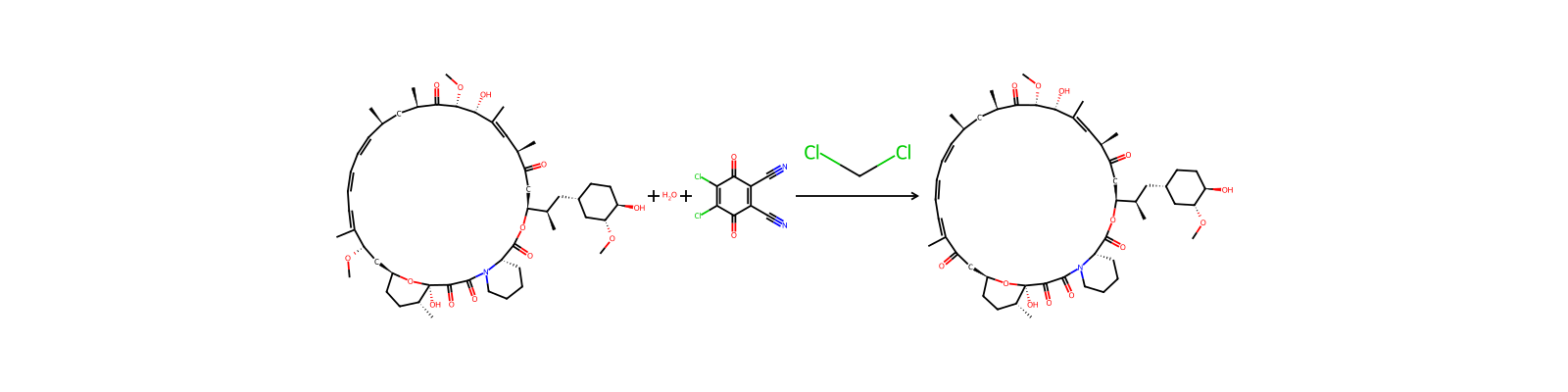
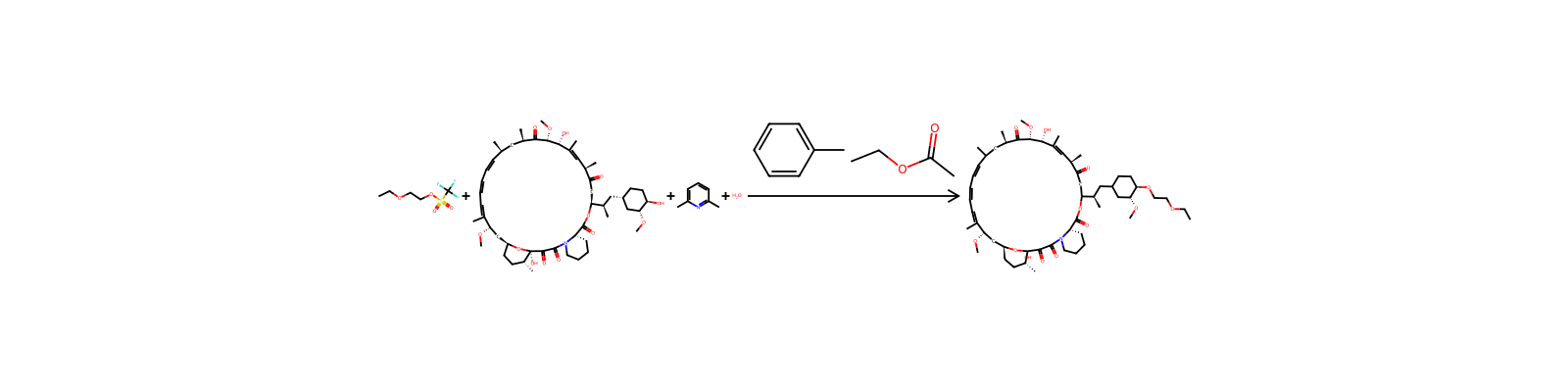
22



Notizen zur Verbindung
Wird geladen…