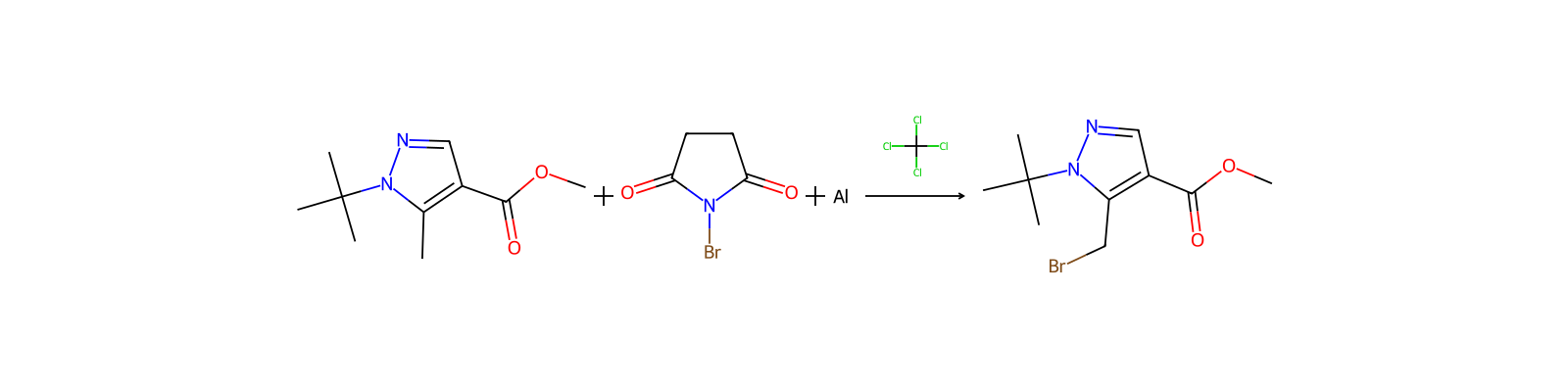
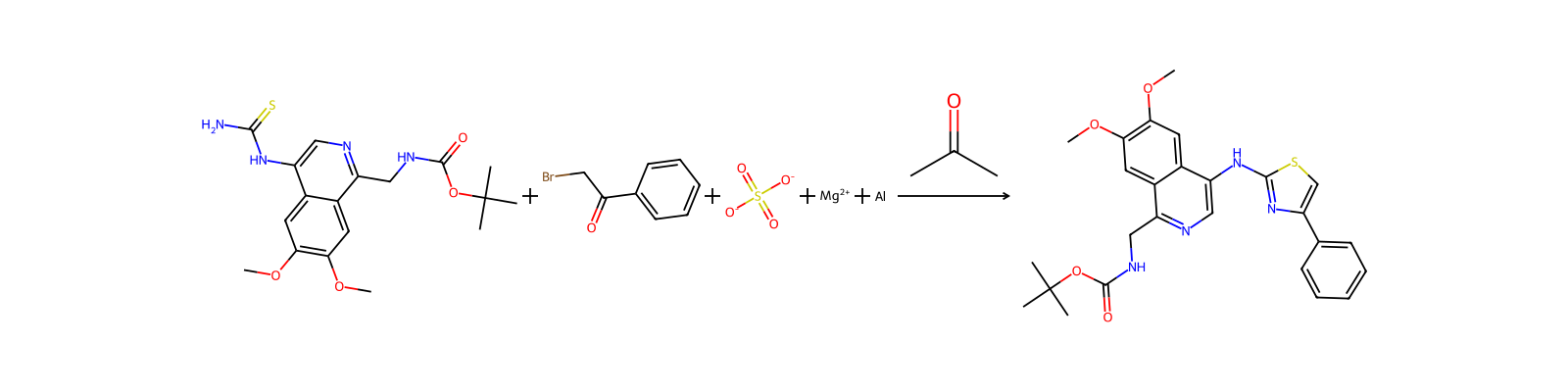
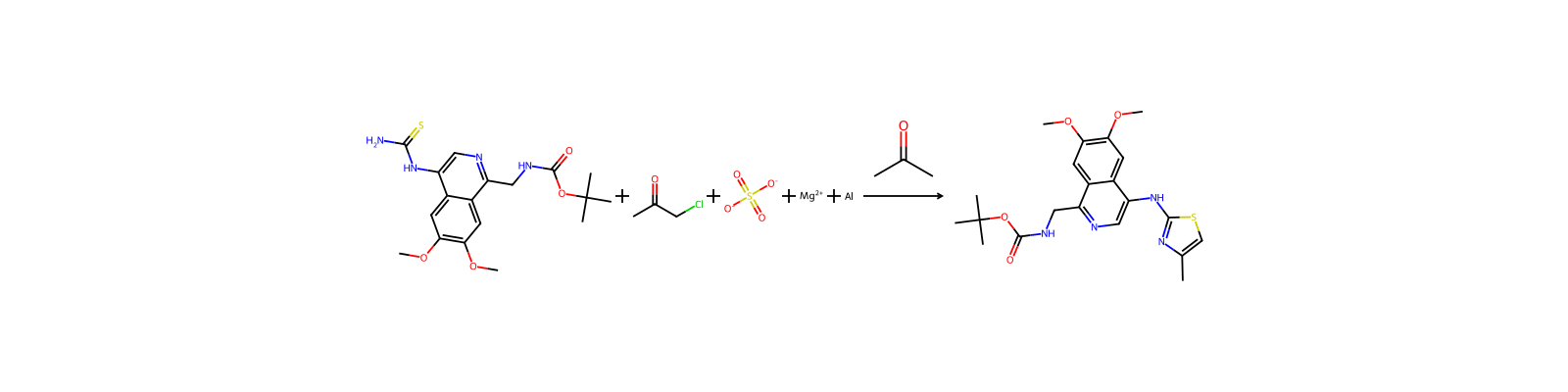
HRID 6239als Edukt
Aluminum

7429-90-5[Al]XAGFODPZIPBFFR-UHFFFAOYSA-NAluminum is the most abundant metal in the earth's crust. It is always found combined with other elements such as oxygen, silicon, and fluorine. Aluminum as the metal is obtained from aluminum-containing minerals. Small amounts of aluminum can be found dissolved in water. Aluminum metal is light in weight and silvery-white in appearance. Aluminum is used for beverage cans, pots and pans, airplanes, siding and roofing, and foil. Aluminum is often mixed with small amounts of other metals to form aluminum alloys, which are stronger and harder. Aluminum compounds have many different uses, for example, as alums in water-treatment and alumina in abrasives and furnace linings. They are also found in consumer products such as antacids, astringents, buffered aspirin, food additives, and antiperspirants.
7429-90-5、91728-14-2DTXSID3040273CHEBI:33629Metals -> Elements, Metallic
Flammable agents - 3rd degree
Trace element
Cosmetics ingredient -> Colorant; Other (Specify)
Cosmetic colorant
2.7 (NIOSH, 2024) - Denser than water; will sink
2.7 (NIOSH, 2024) - Denser than water; will sink
2.7 (NIOSH, 2024) - Denser than water; will sink
2.70
2.7 g/cm³
2.70
Tin-white, malleable, ductile metal, with somewhat bluish tint
Silver white ductile metal, cubic
Crystalline solid
Silvery-white, malleable, ductile ... metal.
Insoluble (NIOSH, 2024)
Insoluble (NIOSH, 2024)
Insoluble (NIOSH, 2024)
Insoluble in water and in organic solvents. Soluble in dilute hydrochloric acid.
Soluble in HCl, H2SO4, hot water, and alkalies.
Insoluble in water.
4221 °F at 760 mmHg (NIOSH, 2024)
4221 °F at 760 mmHg (NIOSH, 2024)
4221 °F at 760 mmHg (NIOSH, 2024)
2327 °C
2327 °C
4221 °F
1220 °F (NIOSH, 2024)
1220 °F (NIOSH, 2024)
1220 °F (NIOSH, 2024)
1220 ° F
660 °C
660 °C
0 mmHg (approx) (NIOSH, 2024)
0 mmHg (approx) (NIOSH, 2024)
0 mmHg (approx) (NIOSH, 2024)
1 mm Hg at 1284 °C
0 mmHg (approx)
0 mmHg (approx)
FCS -> FDA Cumulative Estimated Daily Intake (CEDI)
FCS -> FDA Inventory of Food Contact Substances Listed in 21 CFR
Sicherheitsangaben dienen nur zur Orientierung und ersetzen weder das Sicherheitsdatenblatt (SDB) des Lieferanten noch geltende Vorschriften oder eine fachliche Bewertung.
Danger
H250: Catches fire spontaneously if exposed to air [Danger Pyrophoric liquids]
P210, P222, P231, P231+P232, P233, P280, P302+P335+P334, P370+P378, P402+P404, and P501 (click each P-code to see the statement)
Danger
H228: Flammable solid [Danger Flammable solids]
P210, P231+P232, P240, P241, P280, P370+P378, P402+P404, and P501 (click each P-code to see the statement)
Chemical: Aluminium
Hazard Traits - Hematotoxicity; Neurotoxicity
Aluminum is listed on the EPA's Chemical Data Reporting (CDR) system. Manufacturers and importers of Aluminum are required to report information about their production and use of this chemical to the EPA under the Toxic Substances Control Act (TSCA). (40 eCFR Part 711)
REACH registered substance: Aluminium (EC: 231-072-3)
Aluminium, solid: Does not have an individual approval but may be used under an appropriate group standard
The New Jersey Worker and Community Right to Know Act requires public and private employers to provide information about hazardous substances at their workplaces. (N.J.S.A. 34:5A-1 et. seq.)
Flammable Solid
Spontaneously Combustible
Dangerous When Wet
Class 9
Excerpt from ERG Guide 170 [Metals (Powders, Dusts, Shavings, Borings, Turnings, or Cuttings, etc.)]:
Excerpt from ERG Guide 135 [Substances - Spontaneously Combustible]:
Excerpt from ERG Guide 138 [Substances - Water-Reactive (Emitting Flammable Gases)]:
Excerpt from ERG Guide 169 [Aluminum (Molten)]:
· May react violently or explosively on contact with water.
· Produce flammable gases on contact with water.
...Finely divided aluminum dust is easily ignited... .
Certain polymerization catalysts, such as aluminum alkyls, react & burn violently on contact with water. /Aluminum alkyls/
Aluminum alkyls are organic aluminum compounds that are highly reactive and dangerous because of spontaneous burning in air. /Aluminum alkyls/
Prophoric material in flammable solvent. Vapors are heavier than air & may travel to a source of ignition & flash back. /Aluminum alkyls/
Excerpt from ERG Guide 170 [Metals (Powders, Dusts, Shavings, Borings, Turnings, or Cuttings, etc.)]:
Excerpt from ERG Guide 135 [Substances - Spontaneously Combustible]:
Excerpt from ERG Guide 138 [Substances - Water-Reactive (Emitting Flammable Gases)]:
Excerpt from ERG Guide 169 [Aluminum (Molten)]:
· Oxides from metallic fires are a severe health hazard.
· Inhalation or contact with vapors, substance or decomposition products may cause severe injury or death.
Aluminum is the most abundant metal in the earth's crust. It is always found combined with other elements such as oxygen, silicon, and fluorine. Aluminum as the metal is obtained from aluminum-containing minerals. Small amounts of aluminum can be found dissolved in water. Aluminum metal is light in weight and silvery-white in appearance. Aluminum is used for beverage cans, pots and pans, airplanes, siding and roofing, and foil. Aluminum is often mixed with small amounts of other metals to form aluminum alloys, which are stronger and harder. Aluminum compounds have many different uses, for example, as alums in water-treatment and alumina in abrasives and furnace linings. They are also found in consumer products such as antacids, astringents, buffered aspirin, food additives, and antiperspirants.
One of the difficulties in studying the adverse effects of aluminum is the frequent contamination of biological specimens with aluminum from the environment, e.g., improperly cleaned glassware. More than 95% of aluminum is excreted in the urine. The occupational lung disease Shaver's disease was thought to be caused by chronic inhalation of dusts containing aluminum minerals such as bauxite and corundum, often contaminated with silica. Studies of workers in Europe confirmed that stamped aluminum powder, even in the absence of silica, caused lung fibrosis (aluminosis) in past decades. Stamped aluminum powder is mainly used to make pyrotechnics; it commonly contains lubricating agents such as stearin or mineral oils. A study of a group of 64 aluminum welders for 1-24 years found no evidence of pulmonary fibrosis. Evidence of neurotoxicity was found in welders with urine aluminum levels >100 ug/L compared with welders with lower levels. Whether or not the neurobehavioral effects are reversible is not known. High levels of aluminum e.g., in dialysis patients or after chronic use of antacids, can interfere with bone remodeling and contribute to osteomalacia. Total parenteral nutrition solutions containing more that 4-5 ug/day can cause increased aluminum levels associated with CNS and bone toxicity. [Nordberg, p. 549-62] The TLV applies to insoluble aluminum compounds (metal, aluminum oxide, stamped aluminum, aluminum in bauxite ore dust, emery). Workers exposed to high levels of aluminum dust (40 years of exposure at 2.5 mg/m3) have x-ray and mild pulmonary function changes. In studies of animals chronically inhaling aluminum oxide, 2.45 mg Al/m3 is the NOAEL. The cases of aluminosis in Germany were related to the mineral oil used as a lubricant. Levels measured in patients with dialysis encephalopathy (59 ug/L in serum and 330 ug/L in urine) are estimated to be equivalent to workers being exposed for 40 years to 1.6 mg/m3. Klatzo et al. in 1965 suggested that aluminum played a role in the pathogenesis of Alzheimer's disease. That hypothesis is no longer supported. [ACGIH] The cause of potroom asthma in aluminum smelter workers is unknown. Hazards present in this environment include fluorides, sulfur dioxide, and coal tar pitch volatiles. There is no convincing evidence of an allergic mechanism. Potroom asthma develops from 1 week to 10 years after first exposure. [Asthma in the Workplace, p. 298-9] Interstitial fibrosis among aluminum powder workers was reported in the 1940s. [Harber, p. 488] Occupational asthma in a welder (manual metal arc welding on aluminium) and a foundry worker (aluminum chloride) confirmed by bronchoprovocation testing; [Malo] Aluminum metal can cause contact urticaria; [Kanerva, p. 219] Aluminum welders in the train and truck manufacturing industry with an average 15 years of experience had no increased symptoms compared to the control group. Measured air levels of total dust were 5-8 mg/m3. [Reference #1] Trialkylaluminum compounds are potentially corrosive to the skin and respiratory tract, but they are very reactive with air and water and practically never gain systemic access to exert internal toxicity. [Sullivan, p. 981] Soluble aluminum compounds include nitrates, acetates, sulfates, chlorides, bromides, iodides, and salts of Na, K, and ammonium; Insoluble aluminum compounds include all hydroxides, carbonates, and phosphates that are not ammonium compounds; [Nordberg, p. 15] See Aluminum production.
1309 170
1396 138
1309 170(powder, coated)
1396 138(powder, uncoated)
9260 169(molten)
Aluminum is an indirect food additive for use only as a component of adhesives.
Certification of this color additive when used in externally applied drugs, including those intended for use in the area of the eye, in amounts consistent with good manufacturing practice is not necessary for the protection of the public health, and therefore batches thereof are exempt from the certification pursuant to section 721(c) of the act. /Aluminum powder/
Certification of this color additive when used in coloring externally applied cosmetics, including cosmetics intended for use in the area of the eye, in amounts consistent with good manufacturing practice is not necessary for the protection of the public health, and therefore batches thereof are exempt from the certification pursuant to section 721(c) of the act. /Aluminum powder/
Metals, Elemental and Powder, Active
Metals, Elemental and Powder, Active
Metals, Elemental and Powder, Active
Metals, Elemental and Powder, Active
Excerpt from ERG Guide 170 [Metals (Powders, Dusts, Shavings, Borings, Turnings, or Cuttings, etc.)]:
Excerpt from ERG Guide 135 [Substances - Spontaneously Combustible]:
Excerpt from ERG Guide 138 [Substances - Water-Reactive (Emitting Flammable Gases)]:
Excerpt from ERG Guide 169 [Aluminum (Molten)]:
Use dry sand, special powder. NO water. NO carbon dioxide, foam.
Fresh air, rest.
Rinse skin with plenty of water or shower.
First rinse with plenty of water for several minutes (remove contact lenses if easily possible), then refer for medical attention.
Rinse mouth.
· CALL 911. Then call emergency response telephone number on shipping paper. If shipping paper not available or no answer, refer to appropriate telephone number listed on the inside back cover.
· ELIMINATE all ignition sources (no smoking, flares, sparks or flames) from immediate area.
· CALL 911. Then call emergency response telephone number on shipping paper. If shipping paper not available or no answer, refer to appropriate telephone number listed on the inside back cover.
· ELIMINATE all ignition sources (no smoking, flares, sparks or flames) from immediate area.
Excerpt from NIOSH Pocket Guide for Aluminum:
Excerpt from ERG Guide 135 [Substances - Spontaneously Combustible]:
Excerpt from NIOSH Pocket Guide for Aluminum:
Excerpt from NIOSH Pocket Guide for Aluminum:
General First Aid:
General First Aid:
· Wear positive pressure self-contained breathing apparatus (SCBA).
· Wear positive pressure self-contained breathing apparatus (SCBA).
TIH (Toxic Inhalation Hazard) - Term used to describe gases and volatile liquids that are toxic when inhaled. Some are TIH materials themselves, e.g., chlorine, and some release TIH gases when spilled in water, e.g., chlorosilanes. [ERG 2016].
1.5 [mg/m3] (respirable fraction), 4 mg/m3 (inhalable fraction)[German Research Foundation (DFG)]
Large fires must be isolated and allowed to burn out, but small ones can be controlled by sand, talc, or sodium chloride.
Smother with dry sand, dry clay, dry ground limestone, or use approved Class D extinguishers. DO NOT use carbon dioxide or halogenated extinguishing agents. DO NOT use water.
If material on fire or involved in fire: Do not use water. Use suitable dry powder.
Stop flow of liquid before extinguishing fire. Use dry chemical or carbon dioxide. DO NOT use water as straight stream directly on spilled material. Water fog can be used to control fire. DO NOT use halogenated extinguishing agents on spilled material. Violent reaction may result. Use water spray to keep fire-exposed containers cool. Fight fire from protected location or maximum possible distance. /Aluminum Alkyls/
Store in cool, dry, well-ventilated location. Separate from acids, alkalies, halogenated compounds, oxidizers, combustible materials.
Extremely reactive with air, moisture and compounds containing active hydrogen and therefore must be kept under a blanket of inert gas. /Aluminum alkyls/
In general, materials ... toxic as stored or which can decompose into toxic components ... Should be stored in cool ... ventilated place, out of ... sun, away from ... fire hazard ... be periodically inspected and monitored. Incompatible materials should be isolated ...
All possibility of contact with water must be avoided. Solution containing not more than 20% of these compounds in non-reactive solvents, however, can be handled without risk of spontaneous ignition. /Aluminum alkyls/
For more Storage Conditions (Complete) data for ALUMINUM, ELEMENTAL (6 total), please visit the HSDB record page.
Environmental considerations: Water spill: Use natural barriers or oil spill control booms to limit spill travel. Use natural deep water pockets, excavated lagoons, or sand bag barriers to trap material at bottom. Remove trapped material with suction hoses.
Environmental considerations: Land spill: Dig a pit, pond, lagoon, holding area to contain liquid or solid material. /SRP: If time permits, pits, ponds, lagoons, soak holes, or holding areas should be sealed with an impermeable flexible membrane liner./ Cover solids with a plastic sheet to prevent dissolving in rain or fire fighting water. Dike surface flow using soil, sand bags, foamed polyurethane, or foamed concrete.
Excerpt from ERG Guide 170 [Metals (Powders, Dusts, Shavings, Borings, Turnings, or Cuttings, etc.)]:
Excerpt from ERG Guide 135 [Substances - Spontaneously Combustible]:
Excerpt from ERG Guide 138 [Substances - Water-Reactive (Emitting Flammable Gases)]:
Excerpt from ERG Guide 169 [Aluminum (Molten)]:
Aluminum compounds are treated under anhydrous conditions to prevent violent reactions, recover solvent, and form Al compounds suitable for landfill by reaction with anhydrous hydrolysis agent, eg calcium hydroxide. /Aluminum compounds/
SRP: The most favorable course of action is to use an alternative chemical product with less inherent propensity for occupational exposure or environmental contamination. Recycle any unused portion of the material for its approved use or return it to the manufacturer or supplier. Ultimate disposal of the chemical must consider: the material's impact on air quality; potential migration in soil or water; effects on animal, aquatic, and plant life; and conformance with environmental and public health regulations.
Recycling: Sort, classify and put in a box properly labelled. Salvage profitably for reuse by local shop or sell as scrap metal.
ATSDR Toxicological Profile for Aluminum - Succinctly characterizes the toxicologic and adverse health effects information.
Ranking: 95 (total points: 1152.8399999999999)
Groups of 120 Atlantic salmon fry (Salmo salar, 1 g mass) were kept in through-flow tanks of water (pH 5) containing various concn of aluminum and silicic acid. The aluminum concn in all but the control tank (0.85 umol aluminum/l) were 6-7 umol/l, at acutely toxic levels. Silicon levels were 0.66 umol/l (control), 93.06, 24.89, 5.46, and 0.60 umol/l, corresponding to silicon:aluminum ratios of 13.0, 3.7, 0.9, and 0.1. Exchangeable aluminum, ie, aluminum retained on Amberlite, was 6.00, 5.00, 4.11, and 1.52 umol/l in test tanks, respectively. Fish were exposed for 96 hr, and the proportion of dead fish was recorded at 12-hr intervals. The whole experiment was run three times; data are from all runs combined. At a silicon:aluminum ratio of 13, acute toxicity of aluminum was eliminated and gill structures of the fish were normal. Percent survival versus time was higher for the higher silicon:aluminum ratio groups. Accumulation of aluminum by fish fell sharply as the exchangeable aluminum increased. Aluminum and silicon levels in fish were 0.44 and 0.01 (control), 0.40 and 0.54 (silicon:aluminum ratio of 13), 2.04 and 0.35 (silicon:aluminum ratio of 3.7), 2.49 and 0.33 (silicon :aluminum ratio of 0.9), 2.38 and 0.08 (silicon:aluminum ratio of 0.1) umol per g dry mass, respectively.
To elucidate the interaction between aluminum and certain essential trace metals, an experiment was performed on rats fed diets with suboptimal or optimal levels of zinc or copper. Half of each group of animals were fed the same diet but with 1000 ppm aluminum added. Changes were noted after 120 days. Severe testicular damage was seen in rats fed either the low zinc or the low copper diet. The lesions included a wide range of spermatogenic cell degeneration and tubular atropy. When aluminum was added to the diet, the testicular destruction of zinc deficient rats was significantly reduced. This indicated that the presence of aluminum in the diet protected the testis against the damage caused by zinc deficiency. Pituitary glands were examined. Hypertrophy of basophils was more pronounced in rats fed the suboptimal zinc or copper diet. When aluminum was added to their diet, the changes were reversed. The mechanisms by which aluminum protects male gonadal functions against zinc deficiency are discussed. This study is the first to demonstrate the preventive effect of aluminum against testicular damage caused by zinc deficiency.
Adult, male New Zealand rabbits (three per group) were administered drinking water containing aluminum chloride (0, 100, or 500 mg aluminum/liter) together with citrate (0.11 M) ascorbate (0.11 M), or no added ligand and libitum for 12 weeks. They were fed ad libitum regular rabbit chow analyzed to contain 297 mg aluminum/kg. Treatment had no effect upon food and water intake or weight gain during the experimental period. No effect of aluminum was observed on tissue levels of the essential metals zinc, copper, and iron, or on hemoglobin and hematocrit values. Aluminum levels were fund to increase in a dose-dependent manner in stomach and intestinal mucosa, kidney, bone, urine, and fece. There was only a slight accumulation in liver, and no accumulation in brain (cerebral cortex or hippocampus). Although plasma aluminum was directly related to aluminum intake, whole blood aluminum bore no relation to aluminum dose. Citrate had no efefct on aluminum accumulation in the stomach or intestine, but significantly enhanced plasma and bone aluminum levels. Ascorbate did not enhance aluminum accumulation in any tissue studied and even prevented accumulation in bone. Both citrate and ascorbate enhanced excretion of aluminum. Ascorbate therapy may be of potential clinical use to enhance aluminum excretion.
Examined 25 dialysis patients that experienced accidental exposure to aluminum and parathyroid hormone (PTH). At the same time as parathyroid hormone decreased, serum calcium increased. Based on this observation it has been suggested that aluminum is incorporated, instead of calcium, into the bone and that this leads to the osteomalacia characteristic of aluminum-induced bone disease. Instead of being incorporated into osteoid bone tissue, calcium returns to the circulation which in turn inhibits the parathyroid hormone release from the parathyroid. In support of this hypothesis, ... found a strong correlation between bone aluminum content and the amount of bone occupied by unmineralized osteoid in humans. Experimental support for the hypothesis of calcium-aluminum interactions has also been provided in studies on chicks. /Aluminum/
For more Interactions (Complete) data for ALUMINUM, ELEMENTAL (6 total), please visit the HSDB record page.
Selected as the 2022 American Contact Dermatitis Society Allergen of the Year. The authors stated that Aluminum contact allergy is most often related to its use as an adjuvant in select vaccines and allergen-specific immunotherapies. Also, while this use tends to present with pruritic subcutaneous nodules at the injection site. contact allergy to aluminum-containing antiperspirants is associated with axillary vault dermatitis.
Neurological (Nervous System), Respiratory (From the Nose to the Lungs)
Eyes, skin, respiratory system
Aluminum targets the nervous system and causes decreased nervous system performance and is associated with altered function of the blood-brain barrier. The accumulation of aluminum in the body may cause bone or brain diseases. High levels of aluminum have been linked to Alzheimer’s disease. A small percentage of people are allergic to aluminium and experience contact dermatitis, digestive disorders, vomiting or other symptoms upon contact or ingestion of products containing aluminium. (L739, L740)
LC50 Pisidium casertanum >1.0 mg/L/96 hr; static, 20-25 °C, pH 3.5
LC50 Pisidium casertanum >0.4 mg/L/96 hr; static, 20-25 °C, pH 4.5
LC50 Pisidium compressum >0.4 mg/L/96 hr; static, 20-25 °C, pH 4.5
LC50 Pisidium compressum >1.0 mg/L/96 hr; static, 20-25 °C, pH 3.5
For more Ecotoxicity Values (Complete) data for ALUMINUM, ELEMENTAL (20 total), please visit the HSDB record page.
The substance can be absorbed into the body by inhalation.
inhalation, skin and/or eye contact
Oral (L739) ; inhalation (L739)
IDENTIFICATION: Aluminum is a silvery-white, ductile and malleable metal. It is released to the environment both by natural processes and from anthropogenic sources. It is highly concentrated in soil-derived dusts from such activities as mining and agriculture, and in particulate matter from coal combustion. Aluminum occurs ubiquitously in the environment in the form of silicates, oxides and hydroxides, combined with other elements such as sodium and fluorine and as complexes with organic matter. It is not found as a free metal because of its reactivity. Aluminum metal has a wide variety of uses, including structural materials in construction, automobiles and aircraft, and the production of metal alloys. Aluminum compounds and materials also have a wide variety of uses, including production of glass, ceramics, rubber, wood preservatives, pharmaceuticals and waterproofing textiles. Natural aluminum minerals, especially bentonite and zeolite, are used in water purification, sugar refining, brewing and paper industries. HUMAN EXPOSURE: Non-occupational human exposure to aluminum in the environment is primarily through ingestion of food and water. No acute pathogenic effects in the general population have been described after exposure to aluminum. Although it has been hypothesized that aluminum is a risk factor for Alzheimer's disease, present epidemiological evidence does not support a causal association between Alzheimer's disease and aluminum in drinking-water. Neurological syndromes including impairment of cognitive function, motor dysfunction and peripheral neuropathy have been reported in limited studies of workers exposed to aluminum fume. Iatrogenic exposure in patients with chronic renal failure, exposed to aluminum-containing dialysis fluids and pharmaceutical products, may cause encephalopathy, vitamin-D-resistant osteomalacia and microcytic anemia. Premature infants may develop increased tissue loading of aluminum, particularly in bone, when exposed to iatrogenic sources of aluminum. Although human exposure to aluminum is widespread, in only a few cases has hypersensitivity been reported following exposure to some aluminum compounds after dermal application or parenteral administration. There is insufficient information to allow for classification of the cancer risk from human exposures to aluminum and its compounds. Aluminum and its compounds appear to be poorly absorbed in humans. The mechanism of gastrointestinal absorption of aluminum has not yet been fully elucidated. The highest levels of aluminum may be found in the lungs, where it may be present as inhaled insoluble particles. The urine is the most important route of aluminum excretion. ANIMAL STUDIES: The acute toxicity of metallic aluminum and aluminum compounds is low. In short-term studies using rats, mice or dogs to various aluminum compounds in the diet or drinking-water, only minimal effects were observed at the highest administered doses. Adequate inhalation studies were not identified. Following intratracheal administration of aluminum oxide, particle-associated fibrosis was observed. No overt fetotoxicity was noted, nore were general reproductive parameters noted after gavage treatment of rats. There is no indication that aluminum is carcinogenic. It can form complexes with DNA and cross-link chromosomal proteins and DNA, but it has not been shown to be mutagenic in bacteria or induce mutation or transformation in mammalian cells in vitro. Chromosomal aberrations have been observed in bone marrow cells of exposed mice and rats. There is considerable evidence that aluminum is neurotoxic in experimental animals, although there is considerable variation among species. In susceptible species, toxicity following parenteral administration is characterized by progressive neurological impairment, resulting in death with status epilepticus. Osteomalacia, as it presents in man, is observed consistently in larger species (e.g. dogs and pigs) exposed to aluminum; a similar condition is observed in rodents. Absorption via the gastrointestinal tract is usually less than one percent. Aluminum is distributed in most organs within the body with accumulation occurring mainly in bone at high dose levels. To a limited extent, aluminum passes the blood-brain barrier and is also distributed to the fetus. Aluminum is eliminated effectively by urine.
The main targets of aluminum are the central nervous system and bones. Aluminum binds to dietary phosphorus and impairs gastrointestinal absorption of phosphorus. The decreased phosphate body burden results in osteomalacia and rickets. Aluminum's neurotoxicity is believed to involve different mechanisms. Changes in cytoskeletal protein functions as a result of altered phosphorylation, proteolysis, transport, and synthesis are believed to be one cause. Aluminum may induce neurobehavioral effects by affecting permeability of the blood-brain barrier, cholinergic activity, signal transduction pathways, lipid peroxidation, and impair neuronal glutamate nitric oxide-cyclic GMP pathway, as well as interfere with metabolism of essential trace elements because of similar coordination chemistries and consequent competitive interactions. It has been suggested that aluminum's interaction with estrogen receptors increases the expression of estrogen-related genes and thereby contributes to the progression of breast cancer (A235), but studies have not been able to establish a clear link between aluminum and increased risk of breast cancer (A15468). Certain aluminum salts induce immune responses by activating inflammasomes. (L739, A235, A236) Aluminum Acetate is an astringent. An astrignent is a chemical that tends to shrink or constrict body tissues, usually locally after topical medicinal application. The shrinkage or constriction is through osmotic flow of water (or other fluids) away from the area where the astringent was applied. Astringent medicines cause shrinkage of mucous membranes or exposed tissues and are often used internally to check discharge of blood serum or mucous secretions. This can happen with a sore throat, hemorrhages, diarrhea, or with peptic ulcers. Externally applied astringents, which cause mild coagulation of skin proteins, dry, harden, and protect the skin. Acne sufferers are often advised to use astringents if they have oily skin. Astringents also help heal stretch marks and other scars. Mild astringent solutions are used in the relief of such minor skin irritations as those resulting from superficial cuts, allergies, insect bites, or fungal infections such as athlete's foot.
/AQUATIC SPECIES/ The toxicity of aluminum has been studied extensively in fish, less so in invertebrates, amphibians, and birds, and not at all in reptiles and free-ranging mammals. For aquatic organisms, Al bioavailability and toxicity are intimately related to ambient pH; changes in ambient acidity may affect Al solubility, dissolved Al speciation, and organism sensitivity to Al. At moderate acidity (pH 5.5 to 7.0), fish and invertebrates may be stressed due to Al adsorption onto gill surfaces and subsequent asphyxiation. At pH 4.5 to 5.5, Al can impair ion regulation and augment the toxicity of H+. At lower pH, elevated Al can temporarily ameliorate the toxic effects of acidity by competing for binding sites with H+. Aluminum toxicity in aquatic environments is further affected by the concentration of ligands such as dissolved organic matter, fluoride, or sulfate, and of other cations such as Ca and Mg which compete for cellular binding sites. Although risk of Al toxicity is often based on a model of free-ion (Al3+) activity, recent evidence suggests that factors determining Al toxicity may be more complex. In general, aquatic invertebrates are less sensitive to Al toxicity and acidity than fish; thus acidified, Al-rich waters may actually reduce predation pressure. Fish may be affected by asphyxiation at moderate acidic conditions or electrolyte imbalances at lower pH. In amphibians, embryos and young larvae are typically more sensitive than older larvae. Early breeding amphibians, which lay eggs in ephemeral ponds and streams subject to spring runoff, are most at risk from Al and acidification; those that breed later in the year in lakes or rivers are least vulnerable. Birds and mammals are most likely exposed through dietary ingestion of soil or Al-contaminated foods. Concentrations >1000 mg/kg in food may be toxic to young birds and mammals. Clinical signs in these animals are consistent with rickets because Al precipitates with P in the gut.
Redness.
irritation eyes, skin, respiratory system
Inhalating aluminum dust causes coughing and abnormal chest X-rays. A small percentage of people are allergic to aluminium and experience contact dermatitis, digestive disorders, vomiting or other symptoms upon contact or ingestion of products containing aluminium. (L739, L740)
Aluminum is an indirect food additive for use only as a component of adhesives.
Certification of this color additive when used in externally applied drugs, including those intended for use in the area of the eye, in amounts consistent with good manufacturing practice is not necessary for the protection of the public health, and therefore batches thereof are exempt from the certification pursuant to section 721(c) of the act. /Aluminum powder/
Certification of this color additive when used in coloring externally applied cosmetics, including cosmetics intended for use in the area of the eye, in amounts consistent with good manufacturing practice is not necessary for the protection of the public health, and therefore batches thereof are exempt from the certification pursuant to section 721(c) of the act. /Aluminum powder/
As the federal pesticide law FIFRA directs, EPA is conducting a comprehensive review of older pesticides to consider their health and environmental effects and make decisions about their future use. Under this pesticide reregistration program, EPA examines health and safety data for pesticide active ingredients initially registered before November 1, 1984, and determines whether they are eligible for reregistration. In addition, all pesticides must meet the new safety standard of the Food Quality Protection Act of 1996. Pesticides for which EPA had not issued Registration Standards prior to the effective date of FIFRA '88 were divided into three lists based upon their potential for human exposure and other factors, with List B containing pesticides of greater concern and List D pesticides of less concern. Aluminum powder is found on List D. Case No: 4007; Pesticide type: herbicide, antimicrobial; Case Status: No products containing the pesticide are actively registered. Therefore ... "cancelled." Under FIFRA, pesticide producers may voluntarily cancel their registered products. EPA also may cancel pesticide registrations if registrants fail to pay required fees or make/meet certain reregistration commitments, or if EPA reaches findings of unreasonable adverse effects.; Active ingredient (AI): aluminum powder; AI Status: The active ingredient is no longer contained in any registered products ... "cancelled."
Aluminum (powder)
A Commercial Grade
100
Explosive/Improvised Explosive Device Precursor material that, if stolen or diverted, can be converted into weapons using simple chemistry, equipment, or techniques.
(AZ) ARIZONA 73 ug/L
(CA) CALIFORNIA 200 ug/L
(ME) MAINE 1430 ug/L
Aluminum Acetate is an astringent. An astrignent is a chemical that tends to shrink or constrict body tissues, usually locally after topical medicinal application. The shrinkage or constriction is through osmotic flow of water (or other fluids) away from the area where the astringent was applied. Astringent medicines cause shrinkage of mucous membranes or exposed tissues and are often used internally to check discharge of blood serum or mucous secretions. This can happen with a sore throat, hemorrhages, diarrhea, or with peptic ulcers. Externally applied astringents, which cause mild coagulation of skin proteins, dry, harden, and protect the skin. Acne sufferers are often advised to use astringents if they have oily skin. Astringents also help heal stretch marks and other scars. Mild astringent solutions are used in the relief of such minor skin irritations as those resulting from superficial cuts, allergies, insect bites, or fungal infections such as athlete's foot.
Excessive dietary aluminum has been proposed to be a factor contributing to several neurological disorders in humans. Six 8-week-old female Swiss Webster mice were fed for 10 wk purified diets containing 100 (control), 500 or 1000 ug aluminum/g diet. Brain and liver lipid peroxidation was determined by evaluating the production of 2-thiobarbituric acid reactive substances in brain and liver homogenates in the presence or absence of 50 uM ferrous iron. 2-Thiobarbituric acid reactive substances production in the absence of iron in brain homogenates from mice fed the 1000 ug/g diet was higher (30%) than that in the 100 ug/g control group (3.1 vs 2.4 nmol 2-thiobarbituric acid reactive substances/mg protein). The addition of ferrous iron increased 2-thiobarbituric acid reactive substances production in brain homogenates from all 3 dietary groups. The iron induced 2-thiobarbituric acid reactive substances production was 26% higher in the 1000 ug/g brain homogenates than in the 100 ug/g group (4.9 vs 3.9 nmol 2-thiobarbituric acid reactive substances/mg protein). Brain 2-thiobarbituric acid reactive substances production in the presence and absence of iron was similar between the 100 and 500 ug/g aluminum groups. 2-Thiobarbituric acid reactive substances production in liver homogenates measured either with or without iron was similar for the 3 groups. These results show that, in mice, dietary aluminum intoxication leads to increased brain 2-thiobarbituric acid reactive substance production, suggesting that enhanced lipid peroxidation may be one possible mechanism underlying the neurological damage associated with increased tissue aluminum.
Evidence is presented indicating that dementias are associated with a relative insufficiency of magnesium in the brain. Such insufficiency may be attributable to low intake or retention of magnesium; high intake of a neurotoxic metal, such as aluminum, which inhibits activity of magnesium requiring enzymes; or impaired transport of magnesium and/or enhanced transport of the neurotoxic metal into brain tissue. It is proposed that Alzheimer's disease involves a defective transport process, characterized by both an abnormally high incorporation of aluminum and an abnormally low incorporation that an altered serum protein contributes to the progression of Alzheimer's disease by having a greater affinity for aluminum than for magnesium, in contrast to the normal protein, which binds magnesium better than aluminum. The altered protein crosses the blood-brain barrier more efficiently than the normal protein and competes with the normal protein in binding to brain neurons. Binding of the altered protein to the target neurons would both facilitate aluminum uptake and impede magnesium uptake. Evidence suggests that albumin is the serum protein that is altered.
Aluminum is established as a neurotoxin, although the basis for its toxicity is unknown. It recently has been shown to alter the function of the blood-brain barrier, which regulates exchanges between the central nervous system and peripheral circulation. The blood-brain barrier owes its unique properties to the integrity of cell membranes that comprise it. Aluminum affects some of the membrane-like functions of the blood-brain barrier. It increases the rate of transmembrane diffusion and selectively changes saturable transport systems without disrupting the integrity of the membranes or altering CNS hemodynamics. Such alterations in the access to the brain of nutrients, hormones, toxins, and drugs could be the basis of CNS dysfunction. Aluminum is capable of altering membrane function at the blood-brain barrier; many of its effects on the CNS a well a peripheral tissues can be explained by its actions as a membrane toxin.
The endocrine response of porcine parathyroid gland tissue slices in vitro to aluminum was studied by electron microscopy and radioimmunoassay of parathyroid hormone. Medium aluminum concentrations were 20 to 500 ng/ml covering the range corresponding to concentrations reported in the plasma of aluminum intoxicated hemodialyzed patients. Aluminum inhibited iPTH release and caused severe cell alterations. This inhibition was incomplete and there was an aluminum insensitive iPTH capacity. This phenomenon seemed to be due to heterogeneous parathyroid cell population as regards to aluminum sensitivity, perhaps linked to the spontaneous aynchronous cyclic parathyroid cell changes. Sensitivity to aluminum was modulated by the extracellular calcium concentration. Sensitivity to extracellular calcium concentration variations persisted in aluminum intoxicated tissues. The severity of the observed cell lesions induced by high concentrations of aluminum suggested that that the recovery of an iPTH release capacity when parathyroid tissue was withdrawn from a toxic environment and switched to aluminum free media is more likely to be due to activation of a "less sensitive to aluminum" cell pool than to a true reversibility of the toxic effect.
For more Mechanism of Action (Complete) data for ALUMINUM, ELEMENTAL (11 total), please visit the HSDB record page.
Depends on duration of exposure; if over 10 years, then urinary: 6 months; if under 1 year, then urinary: 9 days;; [TDR, p. 75]
The mean plasma half-life of aluminum after iv admin in dogs is approx 4.5 hr.
...Workers exposed to aluminum containing welding fume had cleared 50% of their dose within 8 hr after exposure.
The short-term biological half-time after heavy exposure is estimated to be about 8 hrs.
A relationship between the duration of aluminum exposure and urinary concentrations has been found in humans. Welders exposed to 0.2-5.3 mg/cu m (8-hour workshift) for more than 10 years had a urinary aluminum half-time of at least 6 months compared to 9 days for individuals exposed for less than 1 year.
Aluminum is poorly absorbed following oral or inhalation exposure and is essentially not absorbed dermally. The bioavailability of aluminum is strongly influenced by the aluminum compound and the presence of dietary constituents which can complex with aluminum and enhance or inhibit its absorption. Aluminum binds to various ligands in the blood and distributes to every organ, with highest concentrations found in bone and lung tissues. In living organisms, aluminum is believed to exist in four different forms: as free ions, as low-molecular-weight complexes, as physically bound macromolecular complexes, and as covalently bound macromolecular complexes. Absorbed aluminum is excreted principally in the urine and, to a lesser extent, in the bile, while unabsorbed aluminum is excreted in the faeces. (L739)
Used in metal/alloys (electrical wires, construction, automobiles, aircraft, appliances, cooking utensils, and foil), compounds (cosmetics, deodorants, catalysts, flocculating agents for water treatment, and drugs), finely divided dusts and flakes (thermite welding and pyrotechnics), and aluminum alkyls (mainly catalysts); [ACGIH] Foods containing relatively large amounts of aluminum include spices, baking powder, processed cheese, pancake mixes, pickled vegetables, and tea; Highest occupational exposures are in aluminum powder production and welding (often >100 ug/L in urine), followed by electrolytic production and corundum production (sometimes >100 ug/L in urine), and then other industries in which workers' urine concentrations of Al are seldom >100 ug/L (electrolytic production with new technology, aluminum sulfate production, grinding, melting and foundry, and optoelectronic manufacturing; [Nordberg, p. 551-2]
Aluminum Producing [Category: Industry]
The active ingredient is no longer contained in any registered products ... "cancelled."
For aluminum powder (USEPA/OPP Pesticide Code: 000111) there are 0 labels match. /SRP: Not registered for current use in the U.S., but approved pesticide uses may change periodically and so federal, state and local authorities must be consulted for currently approved uses./
In manufacture of printing inks; in the aircraft industry
For absorbing occluded gases in manufacture of steel; ...dental alloys
Impurities: Silicon, iron, titanium, and vanadium
Other impurities: carbides of aluminum and iron, and the nitrides of aluminum and iron
Aluminas in general commerce that are used for smelting of metal presently contain over 99% aluminum oxides. The generally accepted levels of chemical impurities are under 0.005% of iron, titanium, zinc and sodium oxides, titanium dioxide, and vanadium and phosphorous pentoxides; crystalline silica dioxide content generally ranges between 0.01 and 0.02%.
(1972) 2.39X10+11 GRAMS
(1975) 3.39X10+11 GRAMS
(1985) 9.80X10+11 g
(1999) 1,650 thousand metric tons
For more U.S. Exports (Complete) data for ALUMINUM, ELEMENTAL (8 total), please visit the HSDB record page.
(1972) 6.73X10+11 GRAMS
(1975) 4.49X10+11 GRAMS
(1985) 1.40X10+12 g
(1999) 4,000 thousand metric tons
For more U.S. Imports (Complete) data for ALUMINUM, ELEMENTAL (8 total), please visit the HSDB record page.
2023: 15,000,000,000 - <20,000,000,000 lb
(1972) 4.6X10+12 GRAMS (PRIMARY & SECONDARY)
(1975) 4.41X10+12 GRAMS
(1985) 4.28X10+12 g
(1991) 4.02x10+6 metric tons
For more U.S. Production (Complete) data for ALUMINUM, ELEMENTAL (10 total), please visit the HSDB record page.
24% used in manufacture of construction materials; 23% for cans, containers, and flexible packaging; 20% for transportation material and equipment; 12% for electrical equipment; 8% for appliances and durable equipment; 7% for fabricated machinery and parts; and 6% in other miscellaneous applications (1975)
Packaging, 38%; Transportation, 21%; Building, 16%; Electrical, 8%; Consumer Durables, 7%; and other uses, 10% (1985)
(2003) Aluminum consumption was centered in the east central United States. Transportation accounted for an estimated 35% of domestic consumption; the remainder was used in packaging, 24%; building, 16% consumer durables, 8%; electrical, 7% and other, 10%.
Recycling: In 2003, aluminum recovered from purchased scrap was about 2.8 million tons, of which about 60% came from new (manufacturing) scrap and 40% from old scrap (discarded aluminum products). Aluminum recovered from old scrap was equivalent to about 17% of apparent consumption.
The principal method used in producing aluminum metal involves three major steps: refining of bauxite by the Bayer process to produce alumina, electrolytic reduction of alumina by the Hall-Heroult process to produce aluminum and casting of aluminumin to ingots.
Reduction of alumina to virgin aluminum metal by the Hall-Heroult electrolytic process using carbon electrodes and cryolite flux.
... Processes for obtaining ultra-pure aluminum: (a) electrolytic (three layer); (b) zone refining; and (c) chemical refining
Fractional crystallization is used in refining lower grade aluminum
Aluminum with 65-70% purity is available as well as super purity aluminum with a purity of 99.94+%
/Available/ Anode grades; as low micron powder; 99.0-99.999% purity; and as 99.99% purity pellets
...Most aluminum metal is used in single- and double-alloy systems, such as when it is alloyed with silicon or manganese, or as a double alloy with silicon, manganese, copper, magnesium, nickel, lead, bismuth, lithium, or zinc.
Cosmetics product ingredient: Aluminum (Aluminum powder; CI 77000)
Information on 88 consumer products that contain Aluminum in the following categories is provided:
Food additives
Food Contaminant -> METALS -> JECFA Functional Classes
Food Additives -> COLOUR -> JECFA Functional Classes
Food Additives -> COLOUR -> JECFA Functional Classes
Cosmetics -> Cosmetic colorant
BeschreibungAlthough aluminum was one of the last metals to be commercialized, it has been recognized for centuries. Aluminum was first recognized by the Romans as an astringent substance, and they called it ‘alum.’ By the middle ages it was manufactured as ‘alum stone,’ a subsulfate of alumina and potash. In 1825, Hans C. ersted was able to isolate a few drops of the raw material, and by 1886 it had patents from both Charles Martin Hall of the United States and Paul-Louis-Toussaint Heroult of France. Aluminum was commercialized in industry by the end of the nineteenth century.
OccurrenceAluminum is the third most abundant element found in the Earth’s crust. It is found inconcentrations of 83,200 ppm (parts-per-million) in the crust. Only the nonmetals oxygenand silicon are found in greater abundance. Aluminum oxide (Al2O3) is the fourth mostabundant compound found on Earth, with a weight of 69,900 ppm. Another alum-typecompound is potassium aluminum sulfate [KAl(SO4)212H2O]. Although aluminum is notfound in its free metallic state, it is the most widely distributed metal (in compound form) onEarth. Aluminum is also the most abundant element found on the moon.Almost all rocks contain some aluminum in the form of aluminum silicate minerals foundin clays, feldspars, and micas. Today, bauxite is the major ore for the source of aluminummetal. Bauxite was formed eons ago by the natural chemical reaction of water, which thenformed aluminum hydroxides. In addition to the United States, Jamaica and other Caribbeanislands are the major sources of bauxite. Bauxite deposits are found in many countries, butnot all are of high concentration.
VerwendenAs pure metal or alloys (magnalium, aluminum bronze, etc.) for structural material in construction, automotive, electrical and aircraft industries. In cooking utensils, highway signs, fencing, containers and packaging, foil, machinery, corrosion resistant chemical equipment, dental alloys. The coarse powder in aluminothermics (thermite process); the fine powder as flashlight in photography; in explosives, fireworks, paints; for absorbing occluded gases in manufacture of steel. In testing for Au, As, Hg; coagulating colloidal solutions of As or Sb; pptg Cu; reducer for determining nitrates and nitrites; instead of Zn for generating hydrogen in testing for As. Forms complex hydrides with lithium and boron, such as LiAlH4, which are used in preparative organic chemistry.
Definitionaluminium: Symbol Al. A silverywhitelustrous metallic element belongingto group 3 (formerly IIIB) ofthe periodic table; a.n. 13; r.a.m.26.98; r.d. 2.7; m.p. 660°C; b.p.2467°C. The metal itself is highly reactivebut is protected by a thintransparent layer of the oxide, whichforms quickly in air. Aluminium andits oxide are amphoteric. The metalis extracted from purified bauxite(Al2O3) by electrolysis; the mainprocess uses a Hall–Heroult cell butother electrolytic methods are underdevelopment, including conversionof bauxite with chlorine and electrolysisof the molten chloride. Pure aluminiumis soft and ductile but itsstrength can be increased by workhardening.A large number of alloysare manufactured; alloying elementsinclude copper, manganese, silicon,zinc, and magnesium. Its lightness,strength (when alloyed), corrosion resistance,and electrical conductivity(62% of that of copper) make it suitablefor a variety of uses, includingvehicle and aircraft construction,building (window and door frames),and overhead power cables. Althoughit is the third most abundantelement in the earth’s crust (8.1% byweight) it was not isolated until 1825by H. C. Oersted.