
Diisopropylazodicarboxylat
Diisopropyl azodicarboxylate
Daten werden ergänzt – lade die Seite später neu, um den aktuellen Stand zu sehen
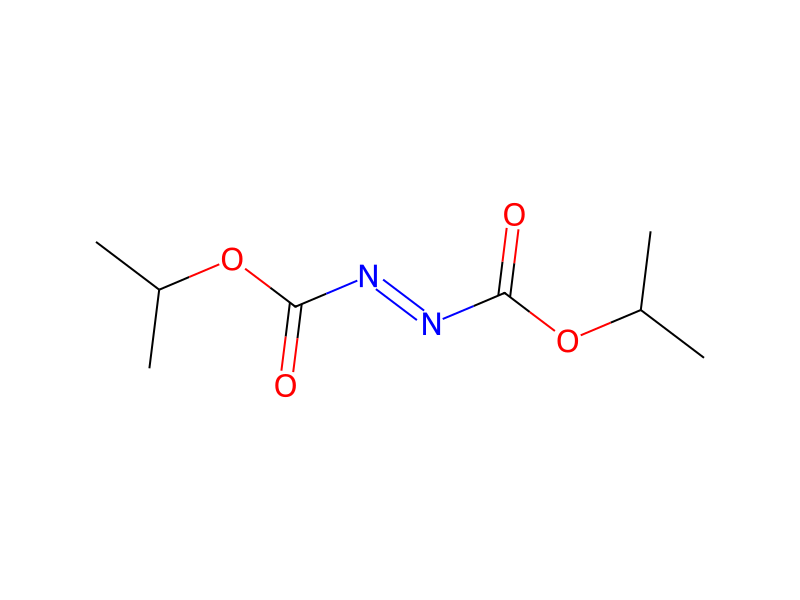
Grundinformationen
- CAS
2446-83-5- Standard-SMILES
CC(C)OC(=O)/N=N/C(=O)OC(C)C- InChIKey
VVWRJUBEIPHGQF-MDZDMXLPSA-N- Summenformel
- C8H14N2O4
- Durchschnittliche Molmasse
- 202,21 g/mol
- Monoisotopische Masse
- 202,09535693
Namen und Bezeichner
- Bevorzugter Name
- Diisopropyl azodicarboxylate
- IUPAC
- propan-2-yl (NE)-N-propan-2-yloxycarbonyliminocarbamate
- Lokaler Name
- Diisopropylazodicarboxylat
- Englischer Name
- Diisopropyl azodicarboxylate
- Summenformel
- C8H14N2O4
- Molmasse
- 202.21
Namen und Synonyme
Diisopropyl azodicarboxylate2446-83-5Diisopropyl azodiformate939987-56-1Diisopropyl azodicarboxylate [MI]Formic acid, azodi-, diisopropyl ester7W701BXX4KEINECS 219-502-81,2-Diazenedicarboxylic acid 1,2-bis(1-methylethyl) esterDTXSID50894754Diazenedicarboxylic acid, bis(1-methylethyl) esterRefChem:587897
Weitere Namen anzeigen
diisopropyl (E)-diazene-1,2-dicarboxylateDisopropyl AzodicarboxylateAZODICARBONIC ACID DIISOPROPYL ESTER(E)-diisopropyl diazene-1,2-dicarboxylateDiisopropyl azodicarboxylate [DIAD]Propan-2-yl N-propan-2-yloxycarbonyliminocarbamateDIAD(Diisopropylazodicarboxylate)
DTXCID4013243121,2Diazenedicarboxylic acid 1,2bis(1methylethyl) ester219-502-8DiisopropylazodicarboxylateDIADDiisopropyl diazene-1,2-dicarboxylateMFCD00008875propan-2-yl (NE)-N-propan-2-yloxycarbonyliminocarbamate
Datenbank-Bezeichner
- CAS
2446-83-5、939987-56-1- PubChem CID
- 5363146
- DTXSID
DTXSID50894754- UNII
- 7W701BXX4K
- EC Number
- 219-502-8
- Nikkaji
- J3.771.302C、J56.134G
Eigenschaften
Berechnete StruktureigenschaftenWird ergänzt
- XLogP
- 2,6
- Polarare Oberfläche (TPSA)
- 77,3 Ų
- H-Brücken-Donoren
- 0
- H-Brücken-Akzeptoren
- 4
- Frei drehbare Bindungen
- 4
- Schwere Atome
- 14
- Formalladung
- 0
- Komplexität
- 211
Experimentelle und physikochemische Eigenschaften
Physical DescriptionOrange liquid; [Merck Index] Pungent odor; [Alfa Aesar MSDS]
Physikochemische Eigenschaften
- Schmelzpunkt
- 3 · 3-5 °C
- Siedepunkt
- 75 °C/0.25 · 75 °C/0.25 mmHg (lit.)
- Dichte
- 1.027 g/mL · 1.027 g/mL at 25 °C (lit.)
- Dampfdruck
- 1.04 hPa · 1.04 hPa (20 °C)
- Brechungsindex
- 20 · n20/D 1.420(lit.)
- Flammpunkt
- 223 °F · 223 °F
- storage temp.
- 30 °C · Store below +30°C.
- Löslichkeit
- Chloroform (Slightly), Ethyl Acetate (Slightly)
- Aggregatzustand
- Liquid
- Farbe
- Clear to slightly turbid yellow-orange to red
- Wasserlöslichkeit
- insoluble
- BRN
Sicherheit und Regulatorisches
Sicherheitsangaben dienen nur zur Orientierung und ersetzen weder das Sicherheitsdatenblatt (SDB) des Lieferanten noch geltende Vorschriften oder eine fachliche Bewertung.
GHS-Klassifizierung
GHS Classification
This chemical does not meet GHS hazard criteria for 35.9% (52 of 145) of reports.
Warning
H315 (62.8%): Causes skin irritation [Warning Skin corrosion/irritation];H319 (62.8%): Causes serious eye irritation [Warning Serious eye damage/eye irritation];H335 (61.4%): May cause respiratory irritation [Warning Specific target organ toxicity, single exposure; Respiratory tract irritation];H373 (54.5%): May causes damage to organs through prolonged or repeated exposure [Warning Specific target organ toxicity, repeated exposure];H411 (61.4%): Toxic to aquatic life with long lasting effects [Hazardous to the aquatic environment, long-term hazard]
P260, P261, P264, P264+P265, P271, P273, P280, P302+P352, P304+P340, P305+P351+P338, P319, P321, P332+P317, P337+P317, P362+P364, P391, P403+P233, P405, and P501 (click each P-code to see the statement)
Aggregated GHS information provided per 145 reports by companies from 21 notifications to the ECHA C&L Inventory. Each notification may be associated with multiple companies.;Reported as not meeting GHS hazard criteria per 52 of 145 reports by companies.;There are 20 notifications provided by 93 of 145 reports by companies with hazard statement code(s).;Information may vary between notifications depending on impurities, additives, and other factors. The percentage value in parenthesis indicates the notified classification ratio from companies that provide hazard codes. Only hazard codes with percentage values above 10% are shown. For more detailed information, please visit ECHA C&L website.
Gefahrenhinweise
Regulatory Information
Status: Active Update: 02-11-2022 https://echa.europa.eu/registration-dossier/-/registered-dossier/23916
Diisopropylazodicarboxylate: Does not have an individual approval but may be used under an appropriate group standard
Hazards SummaryA skin, respiratory tract, and strong eye irritant; [Alfa Aesar MSDS] See Diethyl azodicarboxylate.
Chemie und Industrie
Verwendung und Herstellung
UsesUsed as a reagent; [Merck Index]
Anwendungen
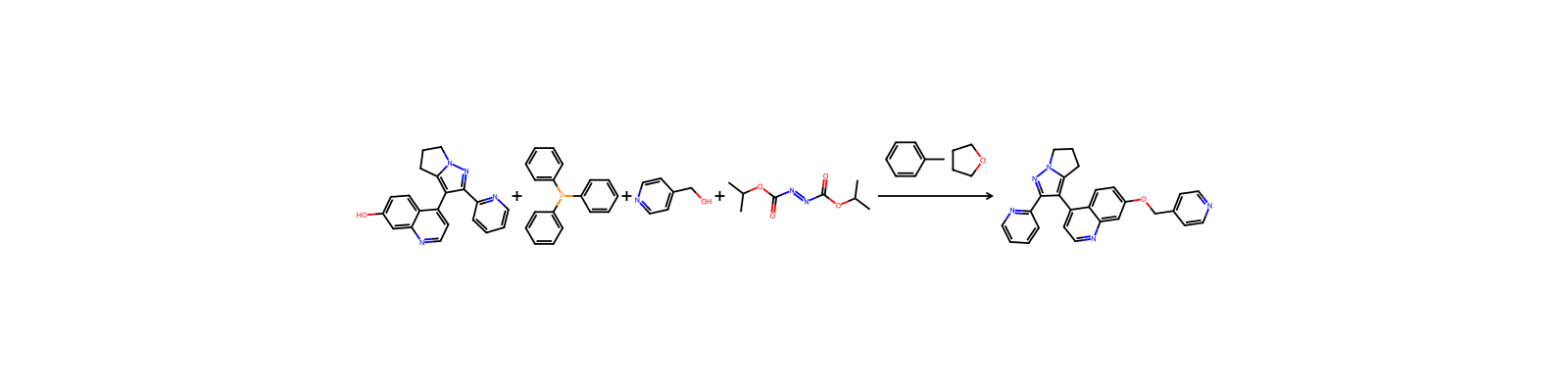
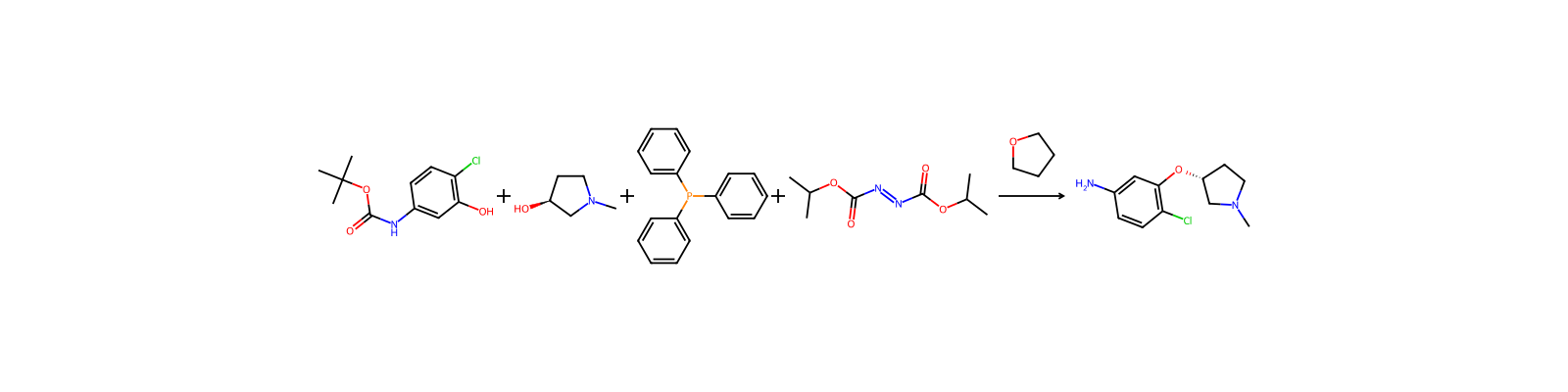
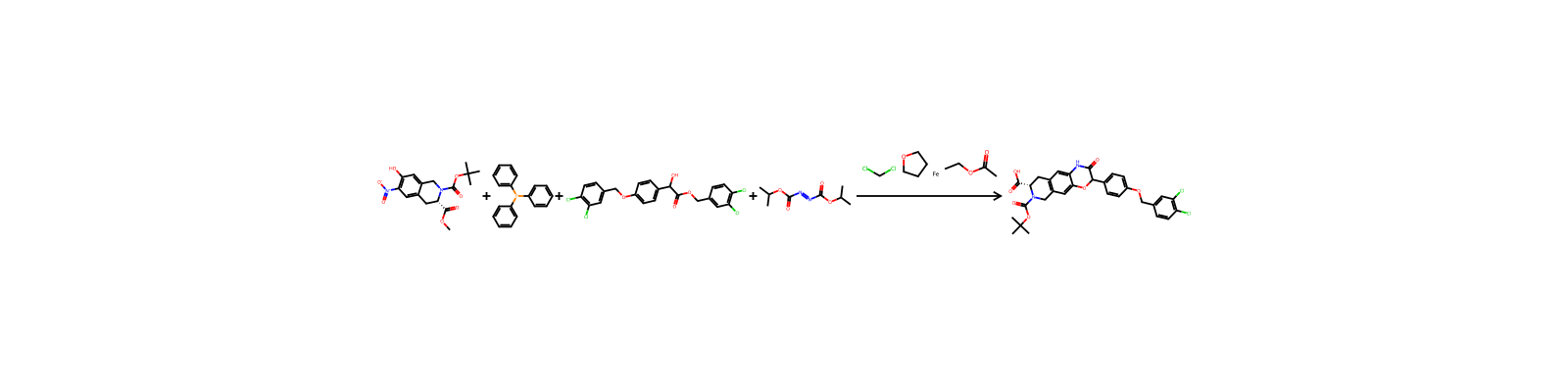
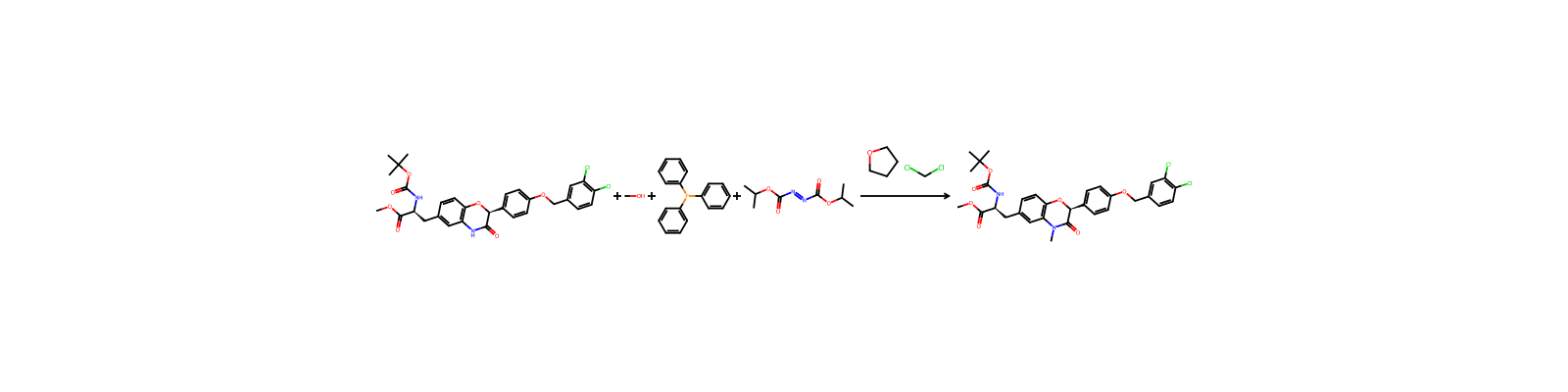
VerwendenDiisopropyl Azodicarboxylate is an azodicarboxylic acid derivative used as a reagent in the production of many organic compounds. Diisopropyl Azodicarboxylate is commonly used as an oxidizer in Mitsun obu reactions and can also serve as a selective deprotectant of N-benzyl groups in the presence of other protecting groups.
Vor- und nachgelagerte Produkte
Vorgelagerte Rohstoffe
Nachgelagerte Produkte
Zugehörige Reaktionen
1.846



Notizen zur Verbindung
Wird geladen…